USB C 65W Laptop Chargers
Power up your devices efficiently with a USB C 65W Laptop Charger, designed to keep your laptop and compatible electronics charged and ready for use. Ideal for home, office, or travel, these chargers offer reliable performance and versatile compatibility with a wide range of USB-C devices. Whether you need a replacement charger or an extra for convenience, explore options that deliver dependable charging to support your busy lifestyle. Find the right USB C 65W Laptop Charger to meet your needs and enjoy seamless connectivity wherever you go.
Sort


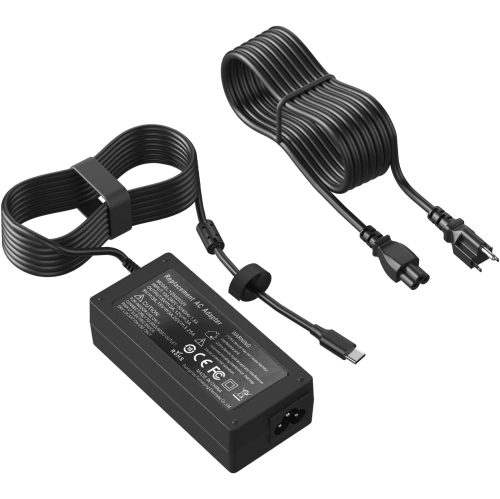

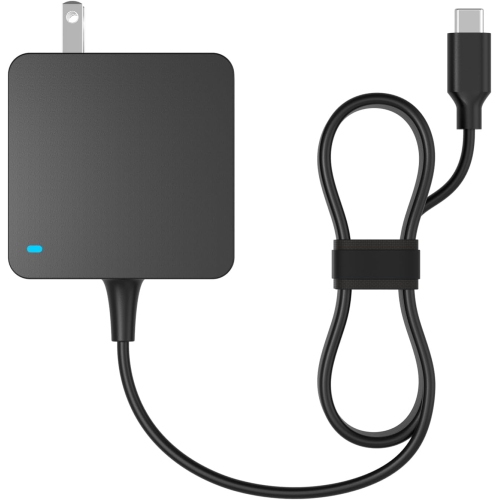


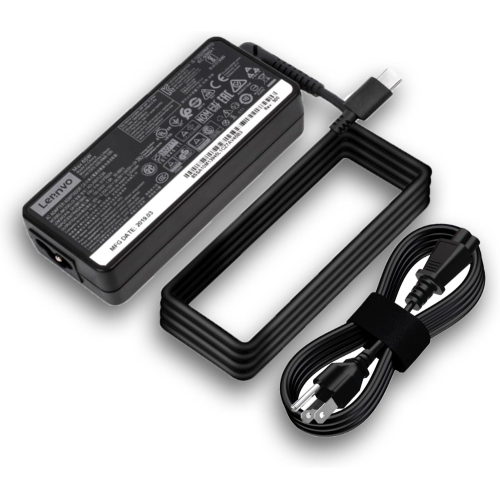
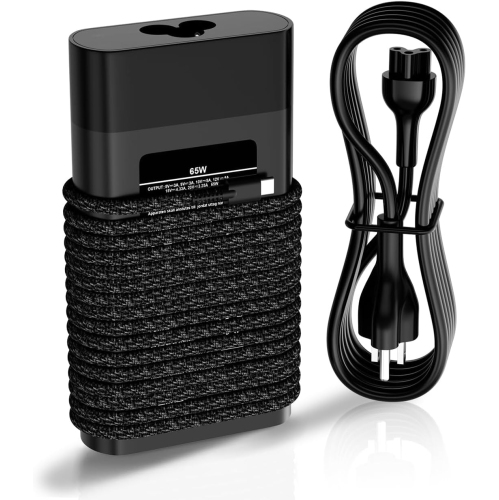


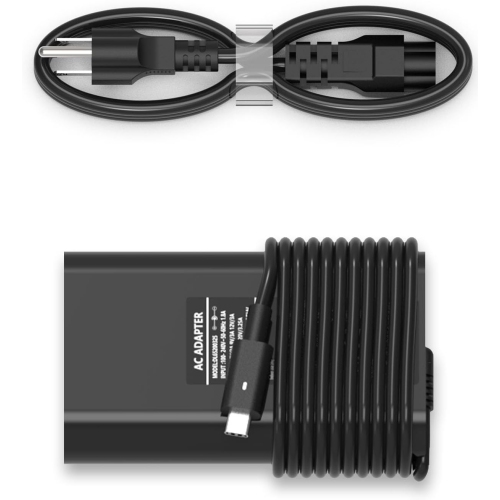


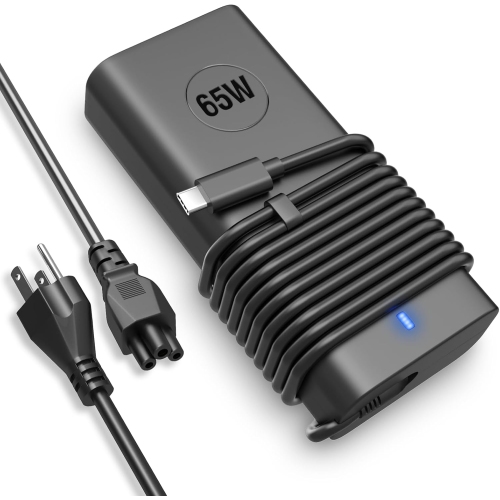

Laptop charging compatibility goes beyond a matching port
A 65W USB-C laptop charger supplies up to 65 watts of power to a compatible device, making it a practical match for many thin-and-light laptops used for school, office work, and everyday computing. USB-C describes the connector, while USB Power Delivery, often called USB PD, allows a compatible charger and device to negotiate a supported power level. That distinction matters: a laptop can have a USB-C port for data or accessories without accepting power through it. Compatibility depends on the laptop’s charging specifications, the charger’s supported output profiles, and the cable connecting them. For many 65W laptop connections, the relevant output is 20 volts at 3.25 amps, although the device’s requirements remain the deciding factor. A USB-C cable rated for 5 amps with an electronic identification chip supports that connection; cables marked for 100W or 240W are common options. A cable rated for only 60W can limit the power delivered below the charger’s full 65W output. These details make the difference between a charger that simply fits the port and one that supports the intended charging performance. For a student moving between lectures and a library desk, or someone carrying a laptop between home and the office, a compatible 65W adapter can provide a convenient everyday power source without the bulk of a higher-wattage adapter. It is not a universal replacement for every laptop charger, however. Mobile workstations, gaming laptops, and other demanding computers may require substantially more power, and some accept USB-C charging only under particular conditions. An undersized adapter may charge slowly, trigger a low-power warning, or allow the battery to drain during heavier tasks. Charging speed also changes with battery level and device activity, so a 65W rating describes maximum output rather than a promise of constant charging speed. With compatible USB PD devices, the negotiated power level also allows a laptop charger to power a phone or tablet without forcing the full 65 watts into it.
The physical design of a USB-C 65W laptop charger affects how comfortably it fits into a daily routine. A compact wall adapter keeps the setup simple at a kitchen counter or shared workspace, while a charger with an AC power cord can sit beneath a desk and leave less weight hanging from the outlet. Foldable prongs can make an adapter easier to tuck into a laptop bag, and a detachable USB-C cable allows the cable length to suit the space. A shorter cable keeps a nearby outlet tidy; a longer one can reach from a wall socket to a desk without stretching across a walkway. Gallium nitride, or GaN, technology can enable smaller charger designs, although dimensions, port layout, and overall construction still vary. A slim profile can be useful behind furniture, while the width of a wall adapter matters on a crowded power bar where neighbouring sockets need to remain accessible. Single-port chargers dedicate their output to one connected device. Multi-port chargers offer more flexibility for a laptop, phone, and other compatible electronics, but the total wattage is not necessarily available from every port at once. A charger labelled 65W may provide its maximum output through one USB-C port when used alone, then divide that power when another device is connected. The published power-sharing specifications show whether the laptop can continue receiving enough power during simultaneous charging. Some chargers briefly pause charging when a device is added or removed as they redistribute output. USB-A ports may be useful for older accessories, but they generally do not replace the USB-C Power Delivery connection required by a laptop. Programmable Power Supply, or PPS, support can be relevant to certain phones and other compatible devices, though it is not a requirement for every laptop. Clear electrical ratings, recognized Canadian electrical safety certification, and documented protection features are useful considerations alongside size and port count.
Durability depends on both the adapter housing and the cable, especially when a charger travels in a bag every day. A well-fitted housing, secure plug assembly, and reinforced cable entry points help the charger withstand routine handling. Smooth cable jackets are easy to wipe clean, while braided coverings can provide additional resistance to surface abrasion; neither construction makes a cable immune to damage from tight bends or repeated pulling. Connector housings also need enough clearance to fit beside neighbouring ports or through the opening in a laptop case. A snug connection should not require force, and the cable should have enough slack to avoid placing sideways pressure on the laptop’s port. For a desk setup, routing the cable away from chair wheels, drawer edges, and frequently moved furniture helps protect it from pinching and wear. When packing, a loose coil places less strain on the cable than wrapping it tightly around the adapter. Disconnecting by holding the connector rather than tugging the cord helps preserve the connection over time. Chargers need space to release heat during use, so a hard, open surface is more suitable than bedding or a tightly packed bag. Cleaning is straightforward: unplug the adapter and use a soft, dry cloth, keeping moisture away from the prongs and ports. Frayed insulation, bent prongs, cracked housings, or loose connections are reasons to stop using a charger rather than continue relying on it. For travel outside Canada, the printed input-voltage range and plug requirements determine whether an adapter can connect safely to the local electrical supply; a plug adapter alone does not convert voltage. A spare charger can be useful for someone who prefers a permanent desk setup and a separate adapter for commuting, and it can make a practical gift when the recipient’s laptop requirements are known. For compatible devices with lower power needs, 45W USB C Chargers may also suit the intended use. Matching wattage, charging protocol, cable capability, and physical design keeps the focus on dependable power for the devices used every day.
Top selling and popular products
-
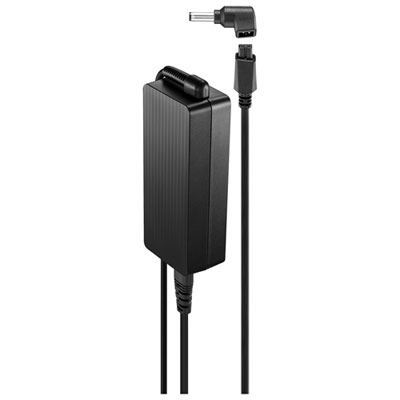 Your price for this item is $69.99
-
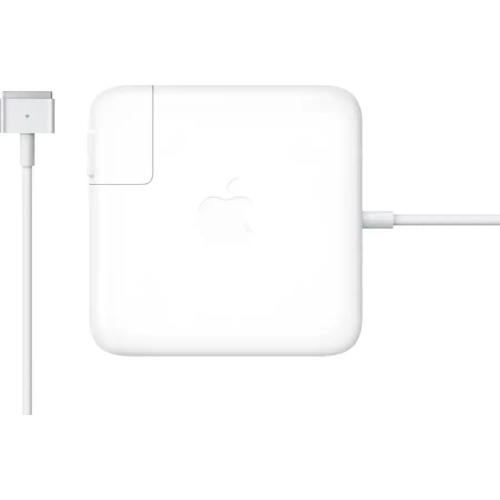 Your price for this item is $117.37
-
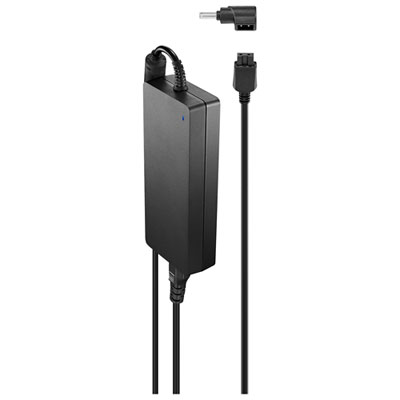 Your price for this item is $109.99
-
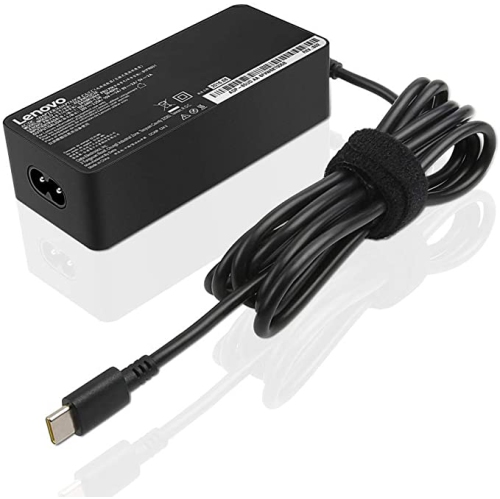 Your price for this item is $67
-
 Your price for this item is $49.99
-
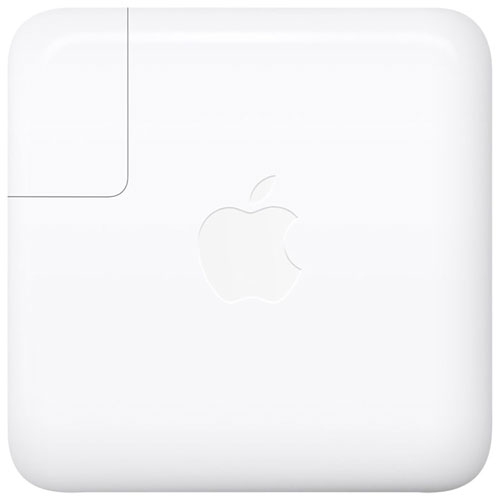 Your price for this item is $71
-
 Your price for this item is $46.68
-
 Your price for this item is $68.68
Discover more categories related to USB C 65W Laptop Chargers


Top Collections:
Pokemon Centers, Pokémon 30th Celebration Cards, Best Budget Office Chairs, Kindle Devices, Best Cameras for Sports Photography, Canon G7X Cameras, Best Black Friday Deals On Electronics, Best Laptops for Writers, iPhone 15 Apple, Jackery Power Stations
Some products may be subject to Environmental Handling Fees
(EHF) depending on your province.
Learn more about EHFs.