8TB Hard Drives
If you're looking to expand your digital storage capacity, this selection of 8TB hard drives offers a range of options to meet your data storage needs. Whether you're a professional in need of reliable storage for large files, a gamer looking to store your extensive library, or a creative enthusiast with a growing collection of media files, these high-capacity hard drives provide ample space to keep your data safe and easily accessible. Explore this assortment of 8TB hard drives to find the perfect solution for your storage requirements.
Sort
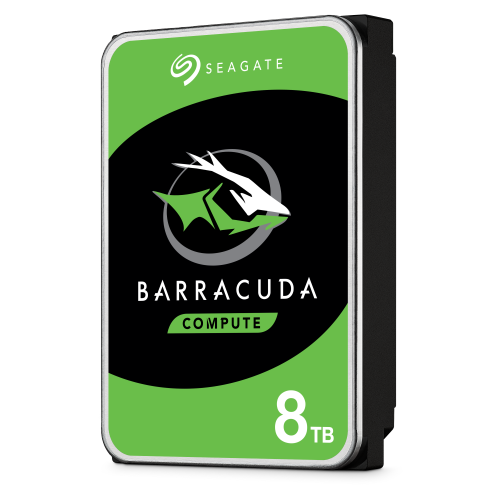
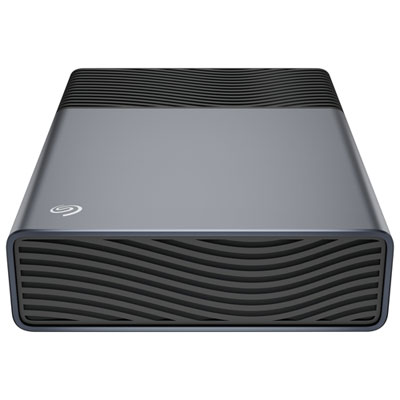
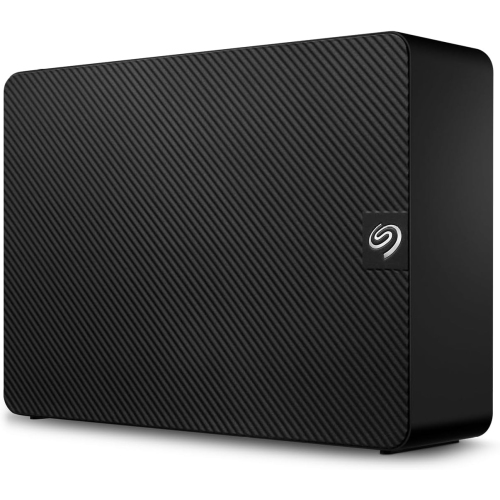
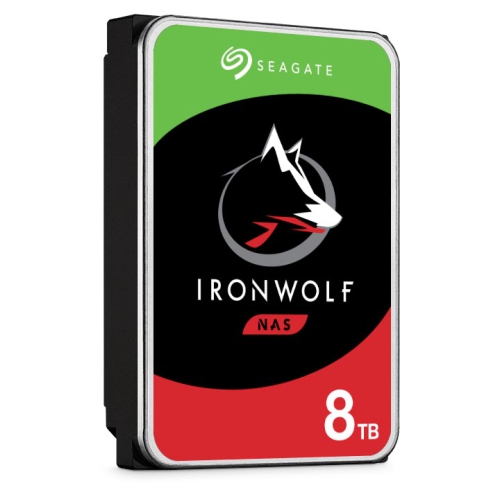
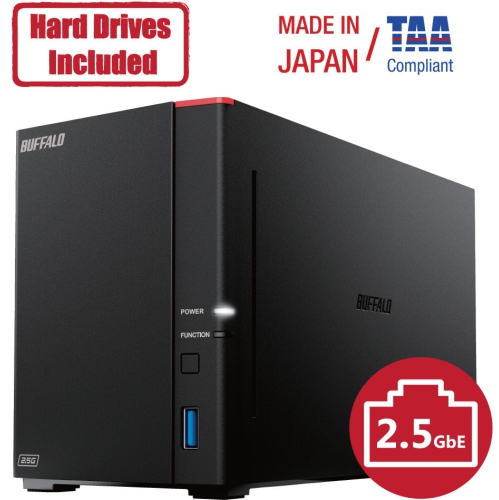
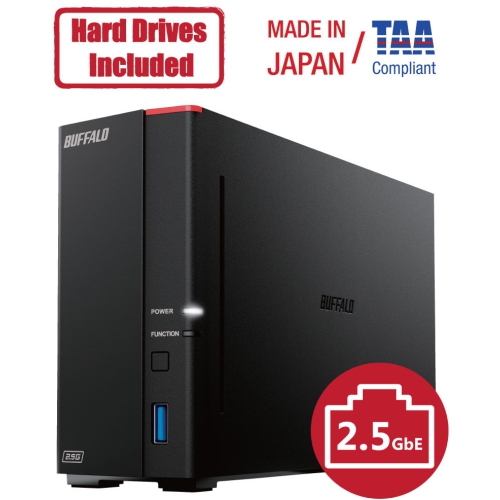
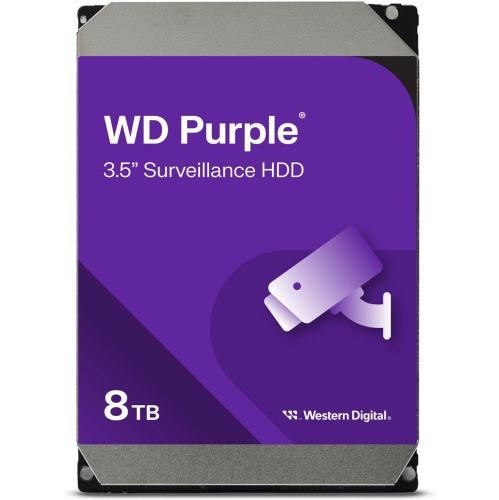
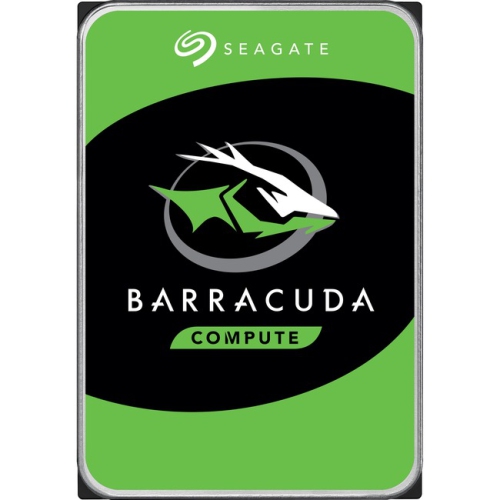
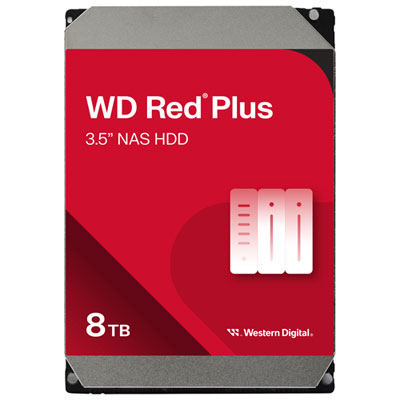
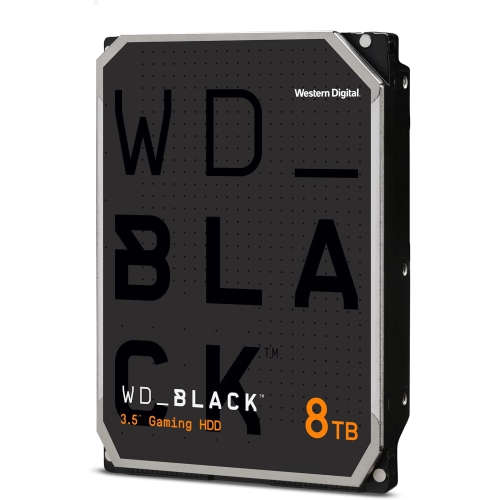
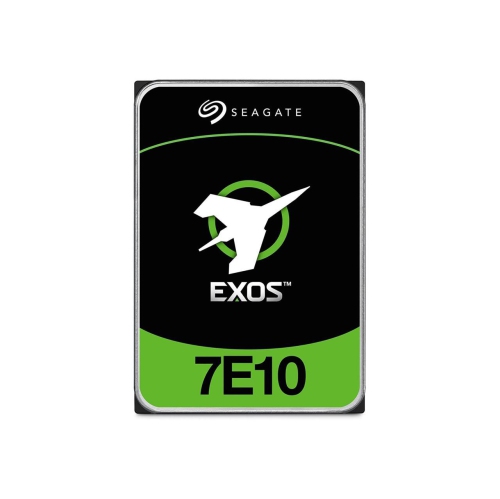
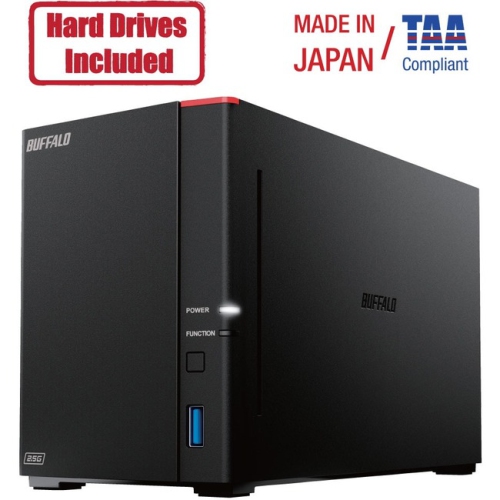
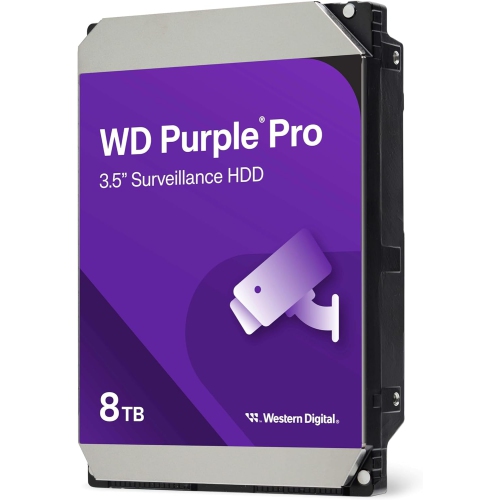
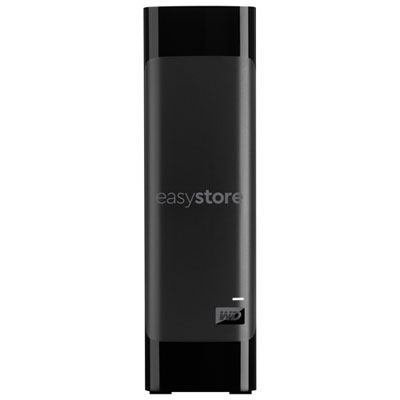
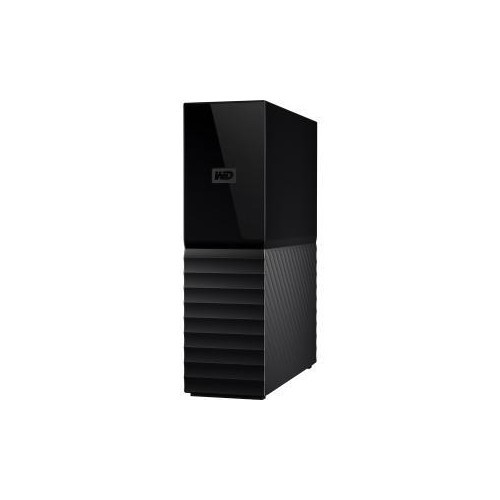
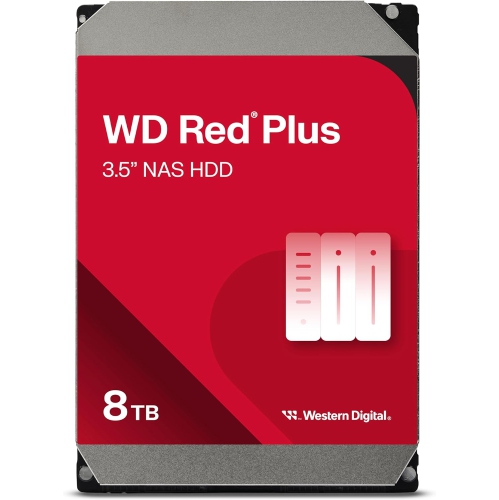
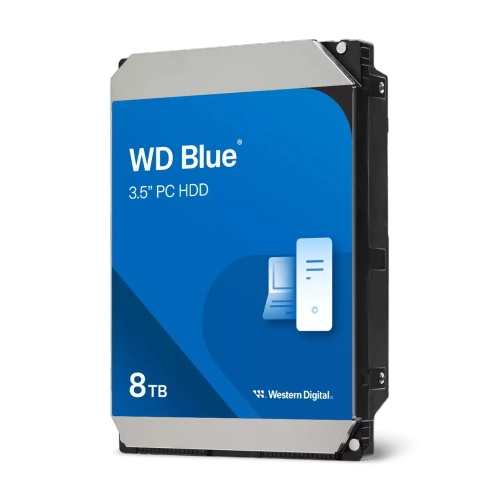
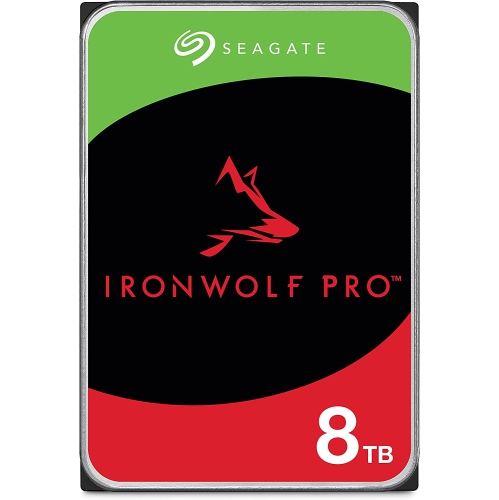
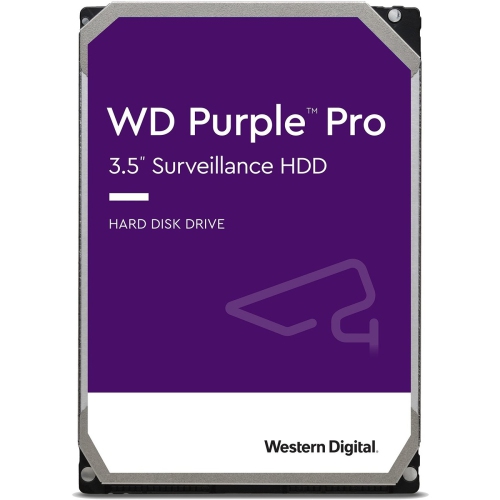
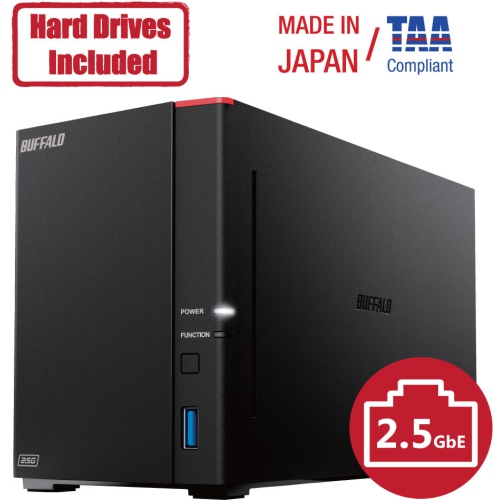
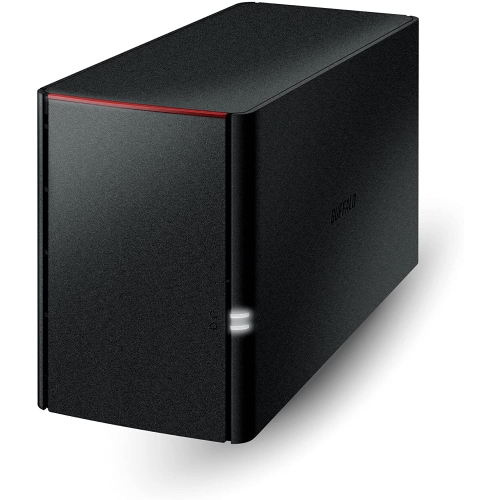
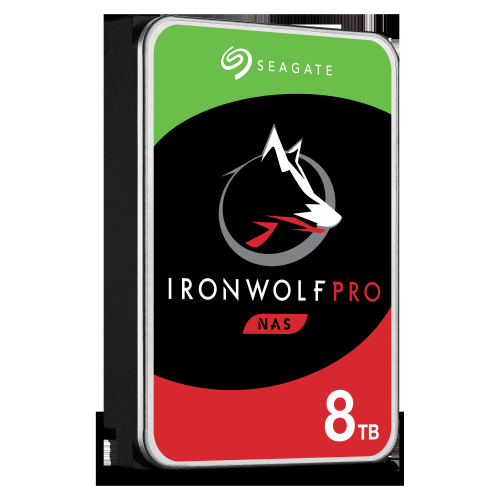
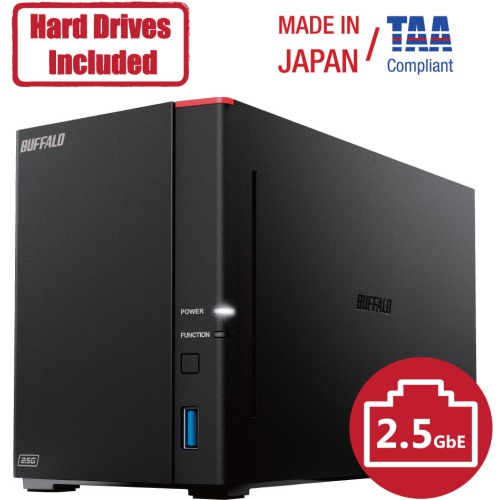
Capacity for desktops, backups and network storage
An 8TB hard drive provides substantial room for files that can quickly outgrow a typical computer or smaller portable drive. With approximately 8,000GB of advertised capacity, it can hold extensive photo libraries, high-resolution video, music collections, game installations, project files, downloaded media and local backups. The usable space shown by a computer will be somewhat lower after formatting and system requirements, but this capacity still makes a noticeable difference for people who regularly work with large files. Many 8TB hard drives are 3.5-inch internal drives designed for desktop computers, storage towers and compatible external USB enclosures rather than thin laptops. They commonly use a SATA interface, so it is important to confirm that the computer, enclosure or drive bay supports the correct connection and physical size before purchasing. A standard desktop hard drive can be a practical choice for expanding a home PC, keeping a second copy of important documents or building a dedicated media library. It may also suit a household that has accumulated years of family photographs, recordings and school projects across several smaller drives. An 8TB drive can bring those scattered folders together in one organised location, making it easier to find a file without searching through a drawer of ageing storage devices. Prices can vary by intended use, speed, cache size and construction, with many options in this capacity ranging from roughly $380 to $540 CAD. Checking the specifications alongside the price helps ensure the drive is suited to the workload rather than simply choosing the largest capacity available.
The right 8TB hard drive depends largely on how it will be used. For general desktop storage, a drive with a moderate rotational speed can provide a balance of capacity, power use and everyday performance for documents, photos, music and occasional media playback. Drives with higher rotational speeds may offer faster access in some workloads, although they can also produce more heat, vibration and operating noise. Cache size is another specification listed on many product pages; a larger cache can help manage repeated data transfers, but real-world performance also depends on the computer, interface, file sizes and the type of work being performed. People who edit video, manage extensive photo archives or move large files frequently may want to compare sustained transfer performance as well as headline capacity. For a computer used to store valuable personal files, an 8TB drive is best considered part of a broader backup plan rather than the only copy. A second drive, a separate external backup or a cloud service can help protect files if the primary drive fails. When using an 8TB drive in an external enclosure, look for USB compatibility, adequate cooling and a reliable power supply; a 3.5-inch drive generally requires more power than a small portable drive. Formatting also matters, especially when moving files between Windows PCs, Macs, media players and other devices. The file system should match the intended equipment, and anyone transferring very large video files should confirm that the chosen format supports them. These details are easy to overlook when setting up storage, but they can prevent frustrating connection and compatibility problems later.
Network-attached storage is another common reason to choose an 8TB hard drive. A NAS uses one or more drives connected to a home or small-business network, allowing computers, phones and other authorised devices to access shared files from a central location. NAS-focused drives are generally designed for multi-bay enclosures, vibration from neighbouring drives and workloads that may run for long periods, making them a more appropriate fit than a basic desktop drive for continuous network storage. CMR recording technology is often preferred for NAS arrays and heavier write workloads because it can provide more consistent behaviour during sustained data activity. People assembling a NAS should check the enclosure’s compatibility list, supported drive sizes, recommended drive types and RAID requirements before ordering. An 8TB drive may be used on its own in a simple network storage setup or combined with other drives in a redundant array, but the final available capacity depends on the chosen RAID configuration. Users who need even more room for a growing media archive can also compare larger options such as 16TB NAS Drives. These products can make a thoughtful gift for a photographer preserving years of images, a video creator organising footage, a student managing large design assignments or a family preparing a shared digital archive. Before giving one as a gift, it is worth confirming whether the recipient needs an internal desktop drive, an external enclosure or a NAS-compatible model, since the same 8TB capacity can serve very different setups. With the correct connection, enclosure and backup routine, an 8TB hard drive can provide a dependable foundation for keeping important files close at hand through busy workdays, family projects and the cooler months ahead.
The right 8TB hard drive depends largely on how it will be used. For general desktop storage, a drive with a moderate rotational speed can provide a balance of capacity, power use and everyday performance for documents, photos, music and occasional media playback. Drives with higher rotational speeds may offer faster access in some workloads, although they can also produce more heat, vibration and operating noise. Cache size is another specification listed on many product pages; a larger cache can help manage repeated data transfers, but real-world performance also depends on the computer, interface, file sizes and the type of work being performed. People who edit video, manage extensive photo archives or move large files frequently may want to compare sustained transfer performance as well as headline capacity. For a computer used to store valuable personal files, an 8TB drive is best considered part of a broader backup plan rather than the only copy. A second drive, a separate external backup or a cloud service can help protect files if the primary drive fails. When using an 8TB drive in an external enclosure, look for USB compatibility, adequate cooling and a reliable power supply; a 3.5-inch drive generally requires more power than a small portable drive. Formatting also matters, especially when moving files between Windows PCs, Macs, media players and other devices. The file system should match the intended equipment, and anyone transferring very large video files should confirm that the chosen format supports them. These details are easy to overlook when setting up storage, but they can prevent frustrating connection and compatibility problems later.
Network-attached storage is another common reason to choose an 8TB hard drive. A NAS uses one or more drives connected to a home or small-business network, allowing computers, phones and other authorised devices to access shared files from a central location. NAS-focused drives are generally designed for multi-bay enclosures, vibration from neighbouring drives and workloads that may run for long periods, making them a more appropriate fit than a basic desktop drive for continuous network storage. CMR recording technology is often preferred for NAS arrays and heavier write workloads because it can provide more consistent behaviour during sustained data activity. People assembling a NAS should check the enclosure’s compatibility list, supported drive sizes, recommended drive types and RAID requirements before ordering. An 8TB drive may be used on its own in a simple network storage setup or combined with other drives in a redundant array, but the final available capacity depends on the chosen RAID configuration. Users who need even more room for a growing media archive can also compare larger options such as 16TB NAS Drives. These products can make a thoughtful gift for a photographer preserving years of images, a video creator organising footage, a student managing large design assignments or a family preparing a shared digital archive. Before giving one as a gift, it is worth confirming whether the recipient needs an internal desktop drive, an external enclosure or a NAS-compatible model, since the same 8TB capacity can serve very different setups. With the correct connection, enclosure and backup routine, an 8TB hard drive can provide a dependable foundation for keeping important files close at hand through busy workdays, family projects and the cooler months ahead.
Top selling and popular products
-
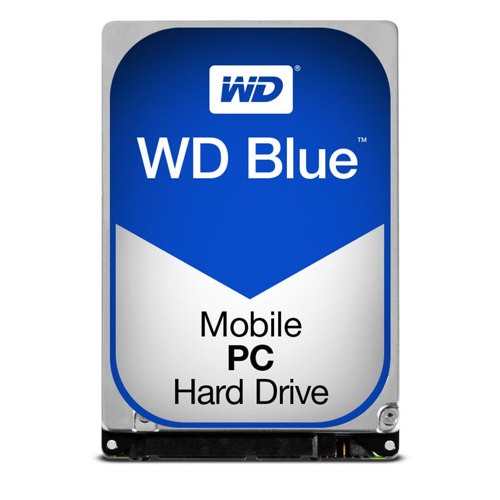 Your price for this item is $241.68
 -
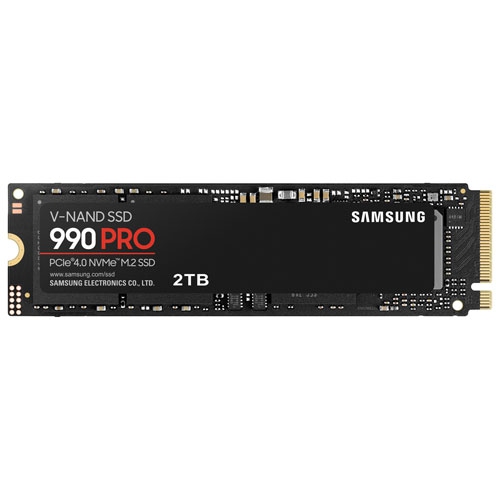 Your price for this item is $679.99
 -
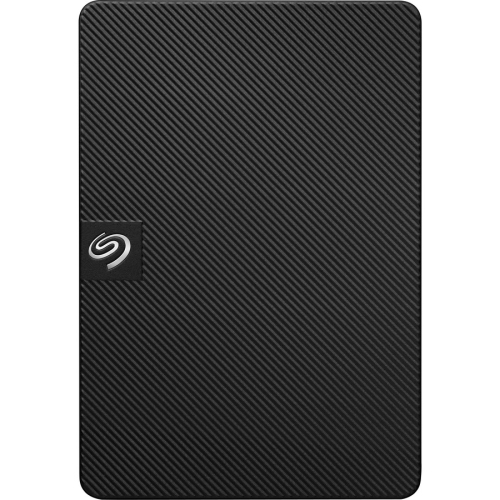 Your price for this item is $164.47
 -
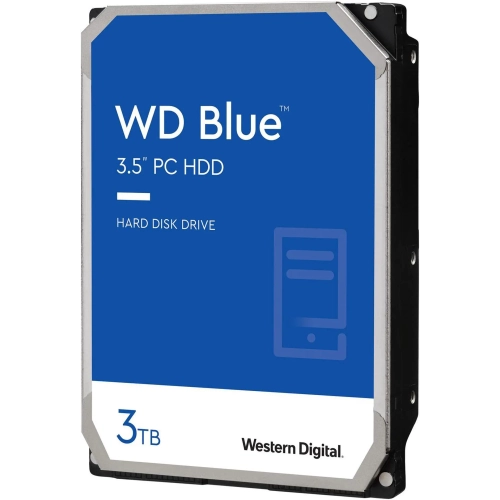 Your price for this item is $259.99
 -
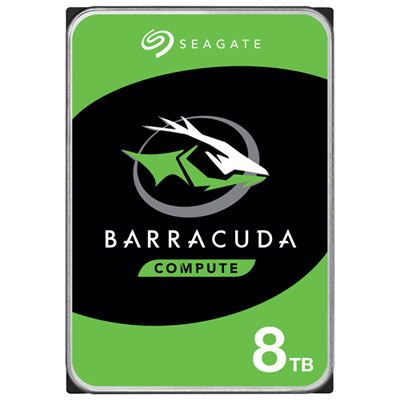 Your price for this item is $389.99
 -
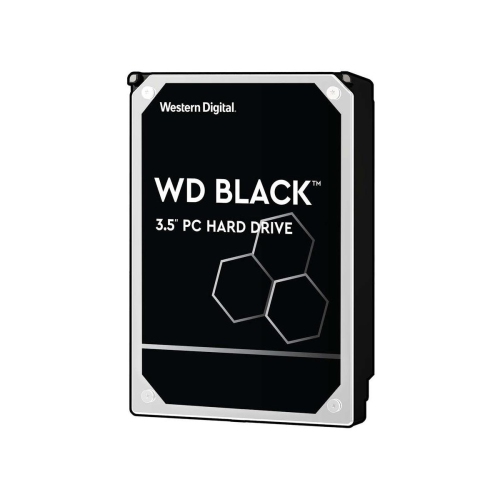 Your price for this item is $399.99
 -
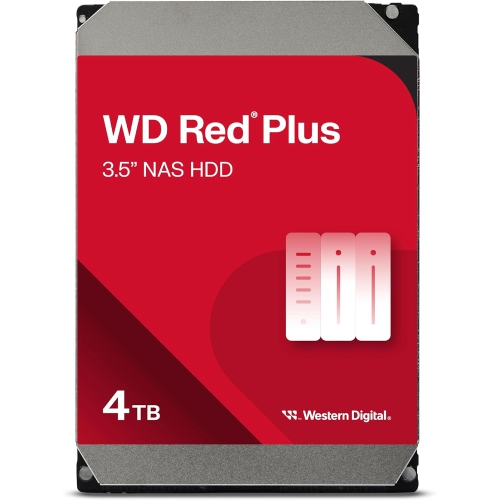 Your price for this item is $379.99
 -
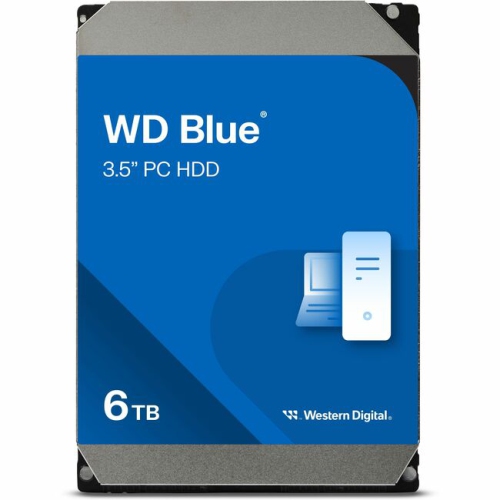 Your price for this item is $389.99
Discover more categories related to 8TB Hard Drives
Top Collections:
Pokemon Centers, Budget 4K TVs, Best Budget Office Chairs, Kindle Devices, Canon G7X Cameras, Apple iPhones 16, iPhone 15 Apple, Laptops for Business Work, Xiaomi Phones, Flip Phones
Some products may be subject to Environmental Handling Fees
(EHF) depending on your province.
Learn more about EHFs.