Eaton UPS Battery Pack
Ensure your critical devices stay powered and protected with an Eaton UPS Battery Pack. Designed to provide reliable backup power, these battery packs help keep your electronics running smoothly during unexpected outages or fluctuations. Whether you need support for home offices, data centers, or essential equipment, an Eaton UPS Battery Pack delivers dependable performance when you need it most. Explore a range of options to find the right solution to enhance your power management setup.
Sort
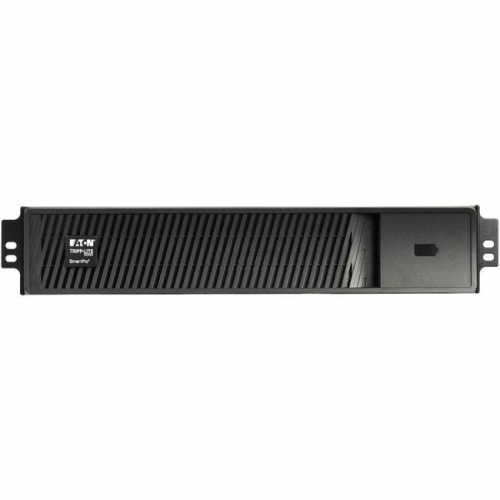
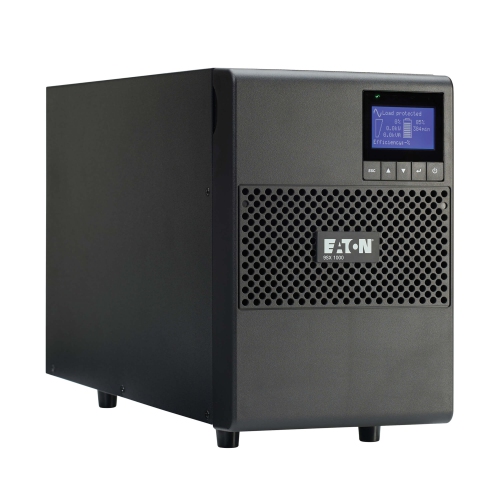
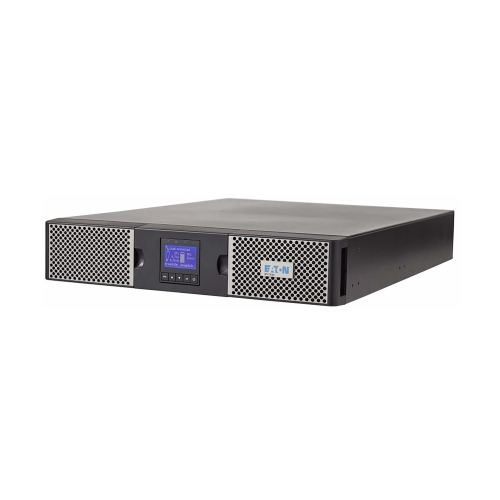
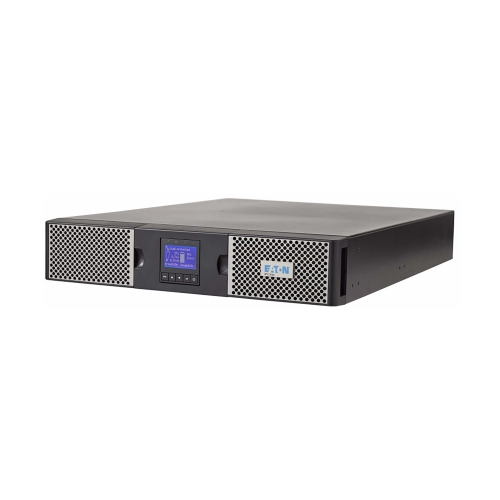
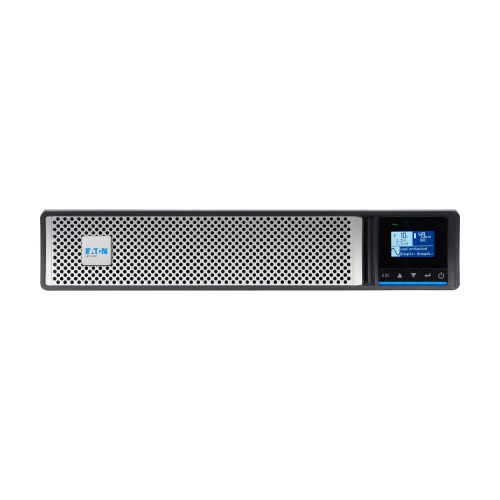
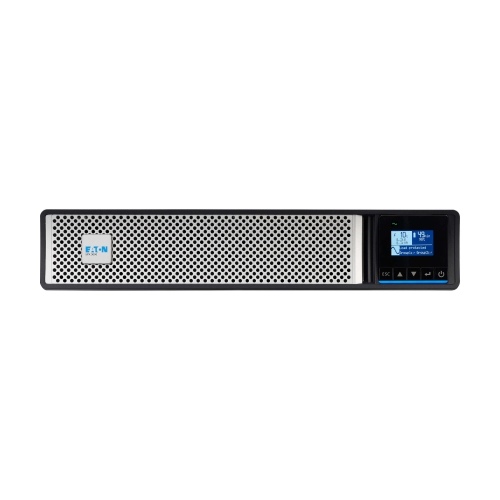
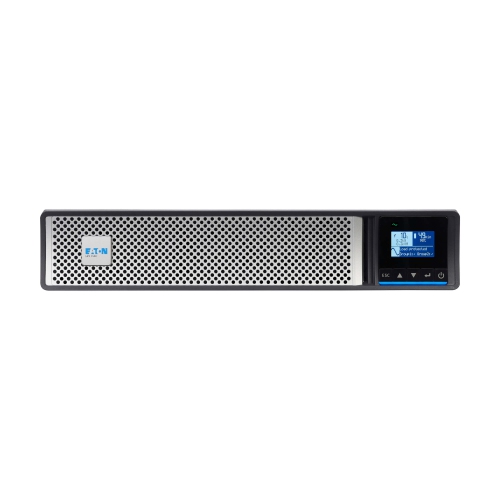
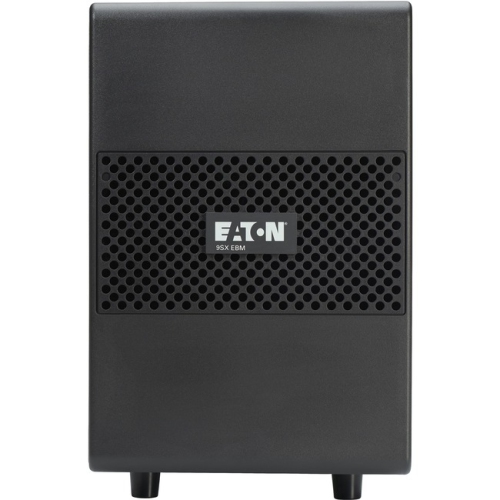
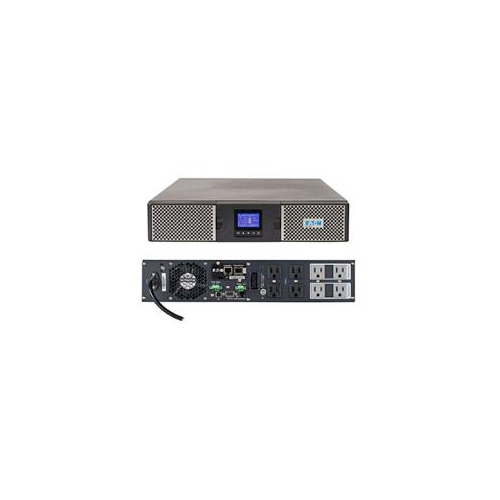
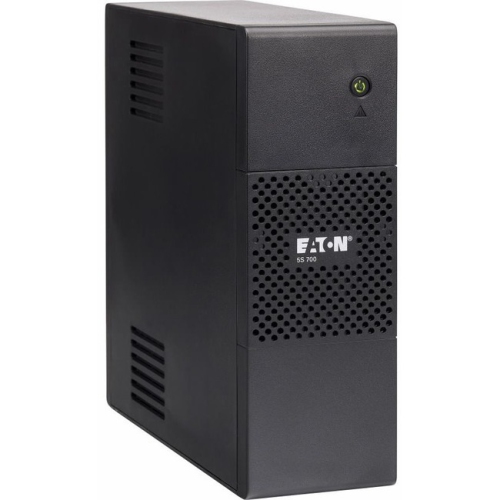
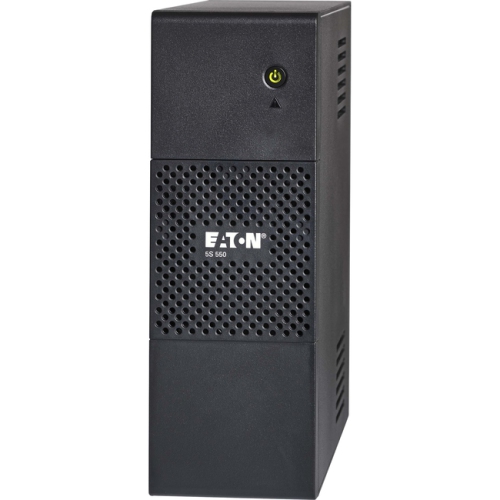
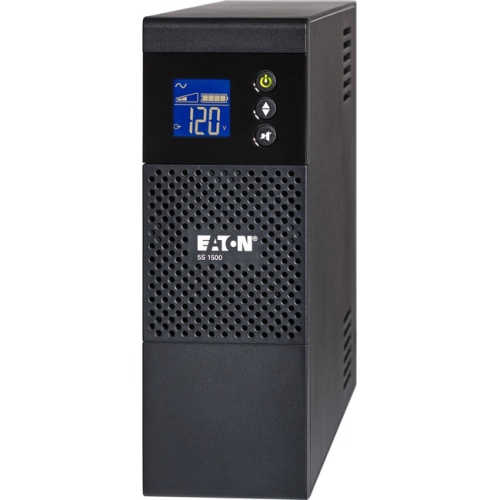
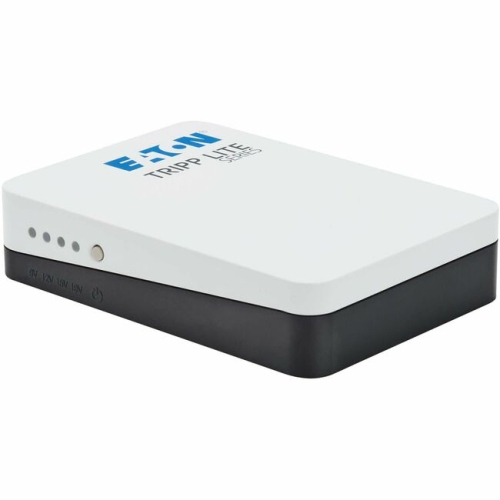
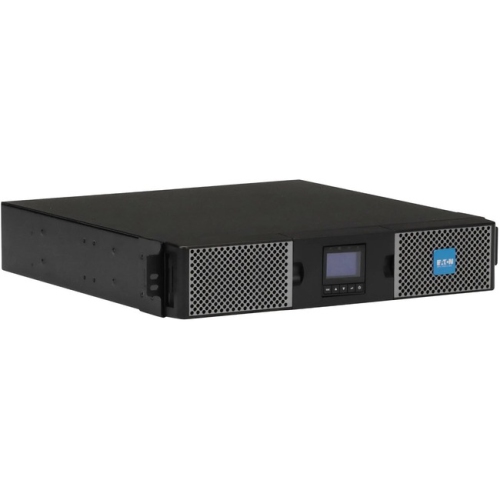
Why UPS battery compatibility goes beyond physical fit
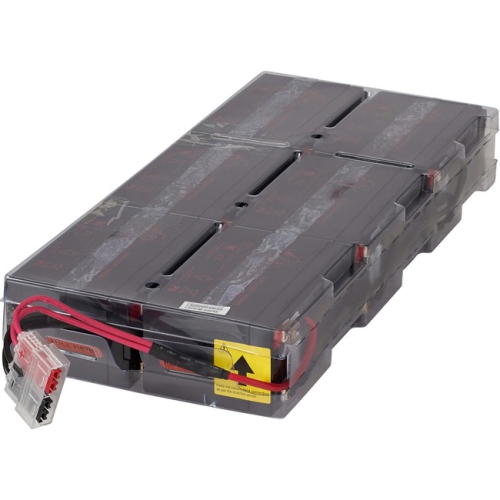
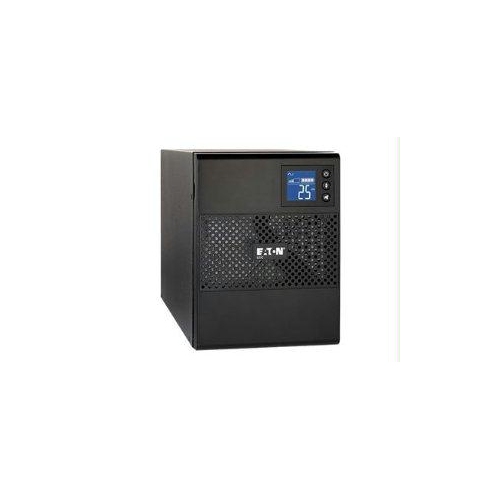
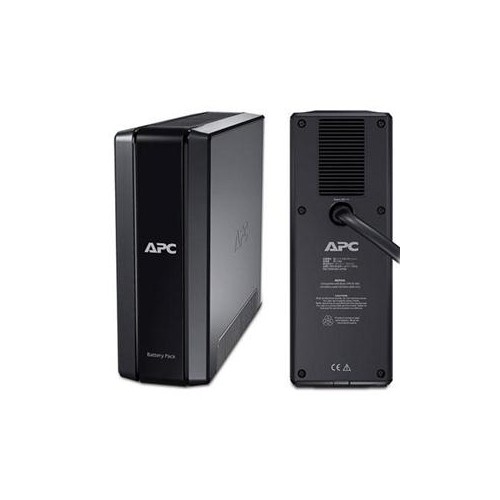
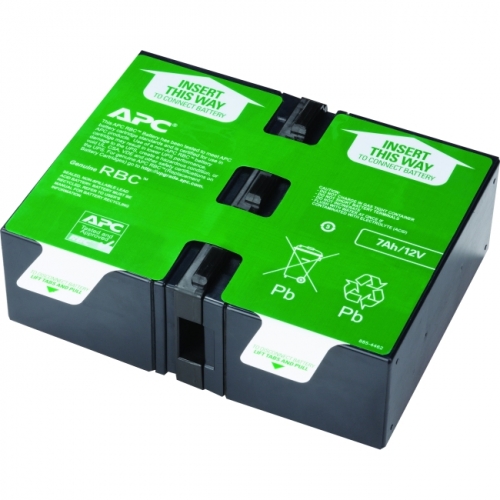
A UPS battery pack provides the stored energy an uninterruptible power supply uses to keep connected equipment running when incoming power is interrupted. In a home office, that backup time can help keep a desktop computer, monitor, modem, and router operating long enough to save work or complete a controlled shutdown. In a business, compatible battery packs can support UPS systems protecting network switches, storage devices, servers, and other essential equipment. The distinction between a replacement battery pack and an external battery module matters: a replacement pack renews the battery assembly inside a compatible UPS, while an external module connects to a UPS designed to accept additional battery capacity. These are different functions, and the two formats are not interchangeable. A replacement cartridge may include several batteries assembled with wiring, connectors, a tray, or an enclosure, depending on the design. Some replacements contain batteries only and require the reuse of specified original components. Many UPS systems use sealed lead-acid batteries with absorbent glass mat construction, while others use different battery chemistry. The correct replacement must match the system’s requirements rather than simply resemble the old pack. For anyone maintaining a workstation or equipment cabinet, the most useful starting point is the exact UPS model and the manufacturer’s approved replacement battery reference. That information establishes whether the pack has the required electrical characteristics, connector arrangement, and physical dimensions. A battery that fits into the compartment is not necessarily compatible. Equally, a higher amp-hour rating does not automatically make a battery a suitable upgrade, because charging behaviour, monitoring, and supported configurations also matter. Battery packs are therefore best understood as matched components within a complete backup-power system, not universal accessories. Their value lies in supporting the intended operation of compatible equipment, whether that means maintaining a small home network during a brief interruption or giving business systems time to shut down safely. For networking equipment, continued local power does not guarantee an internet connection, since service also depends on equipment and infrastructure beyond the home or office.
Compatibility involves more than the name on the front of the UPS. Model variants within the same product family can use different battery assemblies, so the identification label and supporting documentation provide a more dependable match than appearance alone. Relevant specifications include nominal battery voltage, battery chemistry, the number and arrangement of batteries, connector type, and the dimensions of the complete assembly. Where a cartridge uses a mounting tray or retaining hardware, those components help keep the pack secure and correctly positioned. For external battery modules, the UPS must explicitly support the module and its connection method; some systems also require configuration changes so their runtime estimates reflect the additional capacity. A rack-mounted module needs suitable mounting support, enough cabinet space, and consideration for its weight, while a tower-style arrangement needs a stable position with access to the required connections. Battery packs can be surprisingly heavy for their size, making handling and access practical considerations, especially beneath a desk or inside a crowded equipment rack. Runtime depends on both usable battery capacity and the load connected to the UPS. A modest networking setup may run longer than a workstation drawing substantially more power from the same supported battery configuration. Manufacturer runtime charts are more informative than capacity figures alone because they relate operating time to a defined load. The UPS watt and volt-ampere ratings still limit what it can supply; adding an approved external battery module generally extends runtime rather than increasing the UPS output rating. This distinction matters when a desk gains a second monitor or a network cabinet gains more equipment. Battery age, condition, and charge level also affect how long connected devices can operate. Households and businesses maintaining multiple backup-power systems may also explore Apc Battery Packs for a separate compatible system, with each battery matched independently to its intended UPS. Similar-looking packs should never be assumed to work across different systems.
Care and replacement practices have a direct effect on dependable battery service. Rechargeable UPS batteries wear over time, even when power interruptions are infrequent, and a unit that still turns on may no longer deliver its earlier backup runtime. A replace-battery indicator, a failed self-test, or a noticeable reduction in operating time can signal that the battery assembly needs attention, although the UPS documentation should guide diagnosis. Replacing batteries on a fixed assumption alone is less useful than considering the manufacturer’s service guidance alongside the unit’s alerts and test results. A pack showing swelling, leakage, unusual odour, or physical damage should not remain in use; follow the manufacturer’s safety instructions and arrange appropriate servicing. Keep the UPS and any external battery enclosure dry, with ventilation openings unobstructed and cables positioned so that connectors are not pulled or strained. Batteries contain stored electrical energy even when disconnected from wall power, so their terminals need protection from accidental contact with tools, jewellery, and other conductive objects. Installation procedures vary: some systems have user-replaceable cartridges, while others require qualified service personnel. Hot-swappable battery support, where specified, does not mean every replacement can be performed without precautions or that connected equipment remains protected throughout the procedure. Follow the instructions for the exact UPS, including any shutdown, isolation, charging, or self-test steps. Where a pack contains multiple batteries, replacing only one ageing battery can create an uneven assembly; use the complete replacement configuration specified for the system. After installation, allow the prescribed charging period before relying on expected runtime, and complete any required battery-date reset or diagnostic check. Keeping a simple record of the installation date and test results makes later maintenance easier for a household, office administrator, or IT team. Removed batteries require appropriate battery collection or hazardous-waste handling rather than disposal with household rubbish. With the correct fit, careful installation, and periodic checks, a compatible battery pack helps keep a UPS ready for its intended role: providing a practical window to maintain essential connections, protect work in progress, and shut equipment down in an orderly way.
Top selling and popular products
-
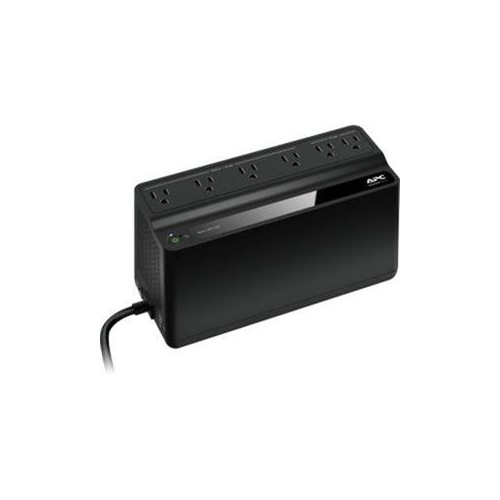 Your price for this item is $105.68
-
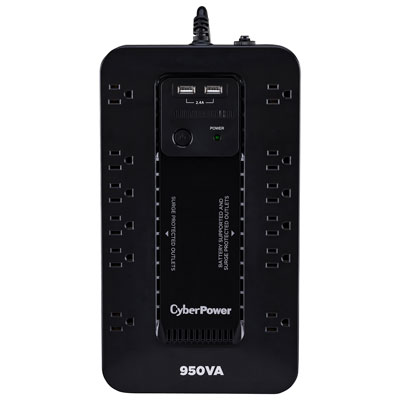 Your price for this item is $149.99
-
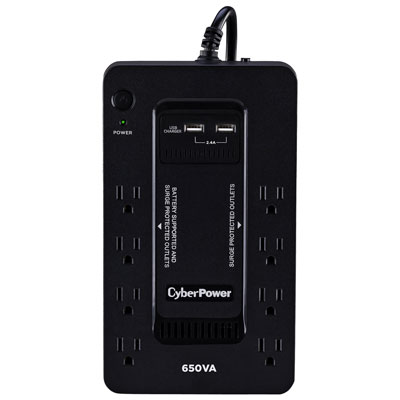 Your price for this item is $99.99
-
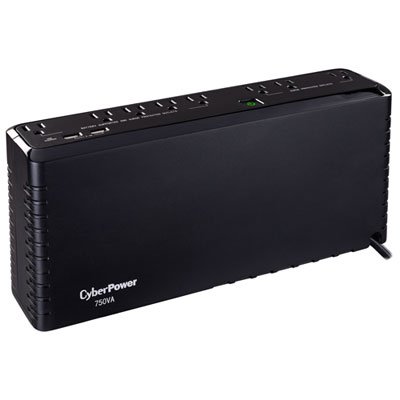 Your price for this item is $119.99
-
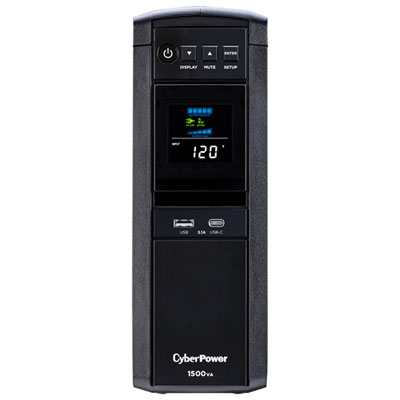 Your price for this item is $299.99
-
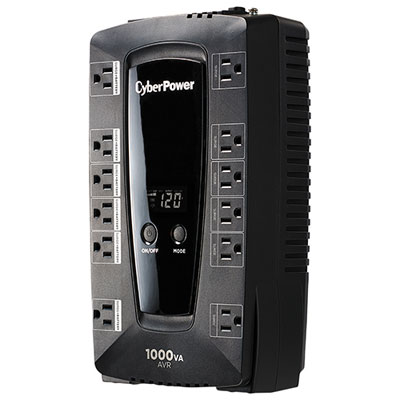 Your price for this item is $149.99
-
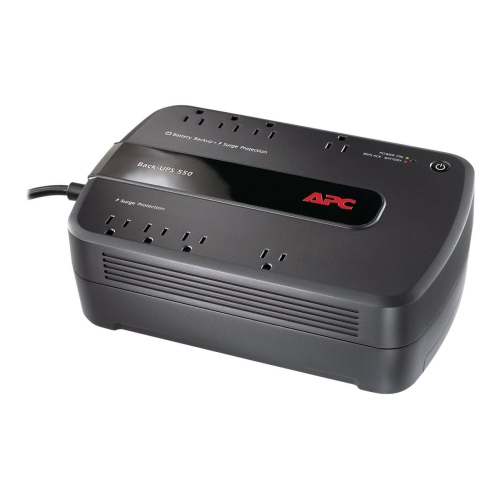 Your price for this item is $170.99
-
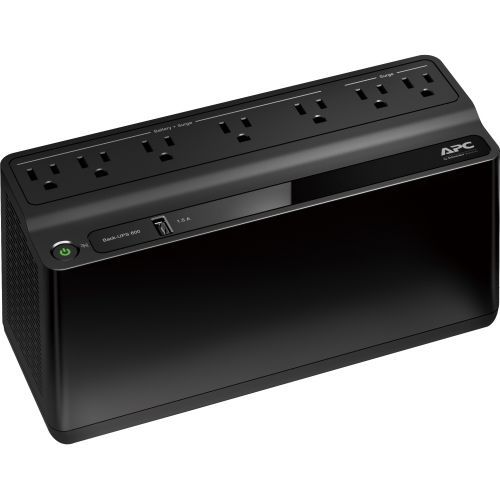 Your price for this item is $175.56
Discover more categories related to Eaton UPS Battery Pack
Top Collections:
Best Black Friday Deals This Year, Best Black Friday Deals On Electronics, Kindle Devices, Pokemon Centers, Best Black Friday Deals On Apple Products, Best Cameras for Sports Photography, Dyson Airwrap, Pokémon 30th Celebration Cards, Apple iPhone 17 Pro, Canon G7X Cameras
Some products may be subject to Environmental Handling Fees
(EHF) depending on your province.
Learn more about EHFs.