HDMI To HDMI Component
HDMI To HDMI Component solutions offer a reliable way to connect your devices for high-quality audio and video transmission. Whether you're setting up a home theater, upgrading your entertainment system, or linking multiple screens, these adapters and cables help simplify your connections. Find the right HDMI To HDMI Component options to ensure seamless compatibility between your devices and enjoy a smooth viewing experience. Explore a variety of choices designed to support your needs for both home and professional setups.
Sort
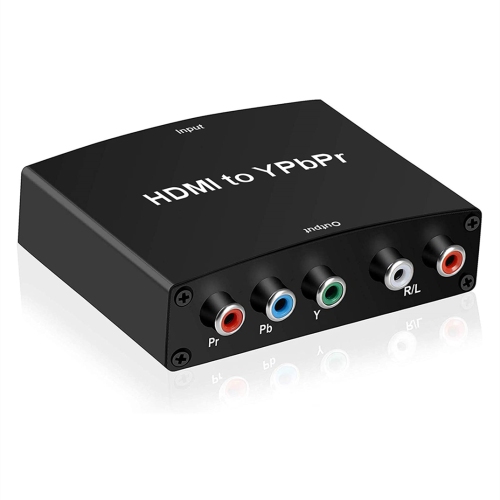
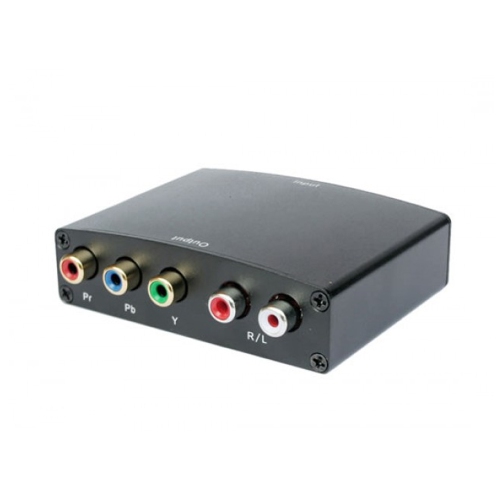

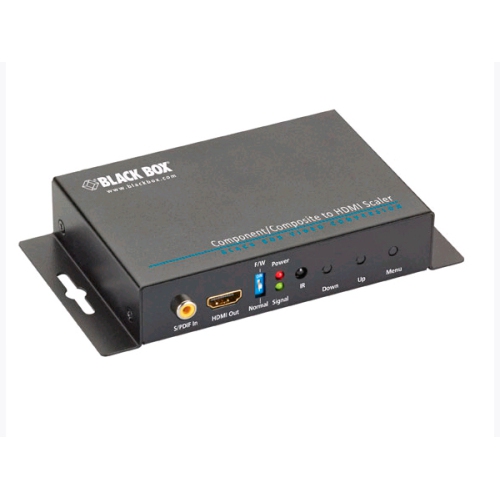
Modern HDMI sources meet classic home theatre displays
For anyone looking to bridge the gap between modern HDMI devices and classic home theatre setups, HDMI to HDMI component converters offer a seamless solution. These converters are particularly valuable for those who want to connect newer streaming devices, gaming consoles, or Blu-ray players to older TVs, projectors, or monitors that lack HDMI inputs but support component (YPbPr) connections. The essence of these converters lies in their ability to actively translate digital HDMI signals into analog component video and stereo audio, allowing cherished legacy displays to remain relevant in a world of ever-evolving technology. Whether you’re reviving a vintage projector for nostalgic movie nights or maximizing the use of a reliable flat-screen in the basement, an HDMI component converter can make all the difference. As the weather warms and gatherings move outdoors or into rec rooms, these devices become especially handy for setting up secondary entertainment areas, backyard movie screenings, or even cottage getaways where older TVs are still in regular use.
When choosing an HDMI to HDMI component solution, it’s important to consider a few key features and compatibility points. Most converters require external power—often via USB—to actively process and scale the signal from digital to analog. This is crucial, as passive cables generally don’t work due to the fundamental difference between digital HDMI and analog component signals. Look for converter boxes or active cables that support resolution scaling; this ensures your high-definition HDMI source (such as 1080p or 4K) can be downscaled to match the supported resolutions of older displays, like 1080i or 720p. Audio output is another factor, with many converters offering RCA stereo outputs to route sound from your HDMI source to your TV or sound system. These products are ideal for home theatre enthusiasts, retro gamers, and anyone with a collection of classic AV equipment. They also make practical gifts for tech-savvy friends or family members who enjoy mixing old and new technologies—think of the uncle who still treasures his tube TV for classic films, or the parent who wants to connect a modern streaming stick to a beloved but aging projector.
It’s also wise to be aware of limitations and best-use scenarios. HDMI to HDMI component converters are designed primarily for content viewing, not for high-resolution gaming or applications where input lag is critical. Some HDMI sources, particularly those with HDCP (High-bandwidth Digital Content Protection), may not transmit protected content through a converter, so it’s worth checking device compatibility if you plan to watch newer streaming services or Blu-ray discs. For those needing additional HDMI connectivity, or if your setup requires a different type of adapter, you can explore options like HDMI Female To HDMIs to further expand your home entertainment possibilities. With the right HDMI component converter, you can enjoy the best of both worlds—modern streaming and classic displays—whether you’re hosting friends for a summer movie marathon or settling in for cozy evenings as the days get cooler.
When choosing an HDMI to HDMI component solution, it’s important to consider a few key features and compatibility points. Most converters require external power—often via USB—to actively process and scale the signal from digital to analog. This is crucial, as passive cables generally don’t work due to the fundamental difference between digital HDMI and analog component signals. Look for converter boxes or active cables that support resolution scaling; this ensures your high-definition HDMI source (such as 1080p or 4K) can be downscaled to match the supported resolutions of older displays, like 1080i or 720p. Audio output is another factor, with many converters offering RCA stereo outputs to route sound from your HDMI source to your TV or sound system. These products are ideal for home theatre enthusiasts, retro gamers, and anyone with a collection of classic AV equipment. They also make practical gifts for tech-savvy friends or family members who enjoy mixing old and new technologies—think of the uncle who still treasures his tube TV for classic films, or the parent who wants to connect a modern streaming stick to a beloved but aging projector.
It’s also wise to be aware of limitations and best-use scenarios. HDMI to HDMI component converters are designed primarily for content viewing, not for high-resolution gaming or applications where input lag is critical. Some HDMI sources, particularly those with HDCP (High-bandwidth Digital Content Protection), may not transmit protected content through a converter, so it’s worth checking device compatibility if you plan to watch newer streaming services or Blu-ray discs. For those needing additional HDMI connectivity, or if your setup requires a different type of adapter, you can explore options like HDMI Female To HDMIs to further expand your home entertainment possibilities. With the right HDMI component converter, you can enjoy the best of both worlds—modern streaming and classic displays—whether you’re hosting friends for a summer movie marathon or settling in for cozy evenings as the days get cooler.
Top selling and popular products
-
 Your price for this item is $34.99
 -
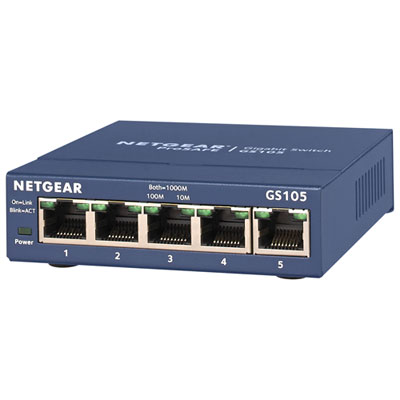 Your price for this item is $44.99
 -
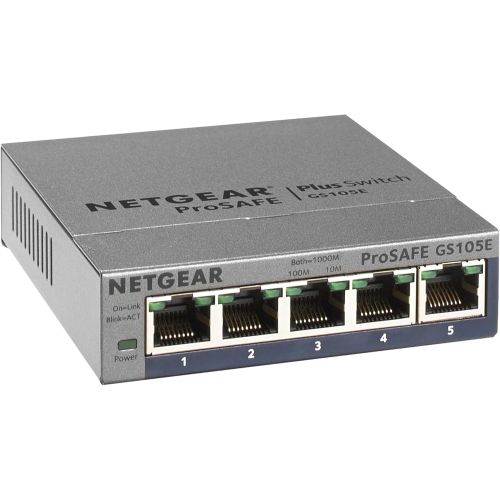 Your price for this item is $52.68
 -
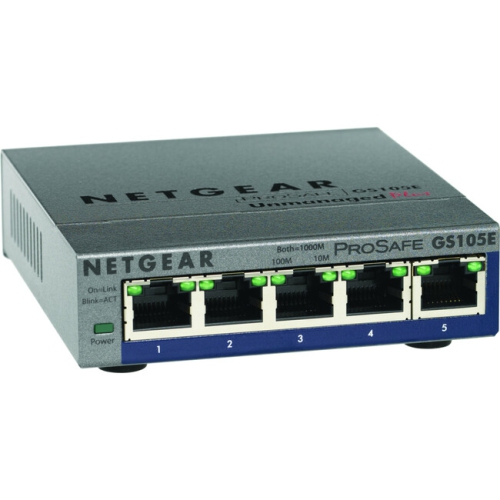 Your price for this item is $76.99
 -
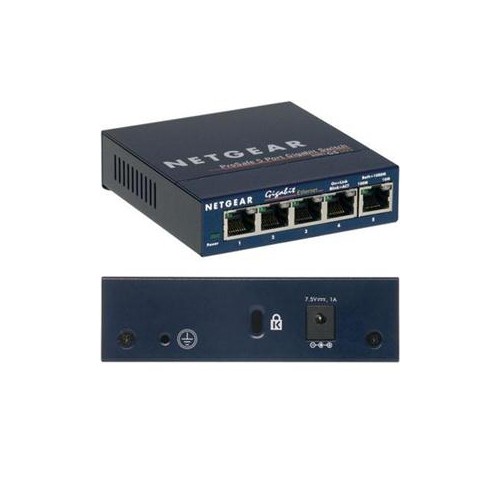 Your price for this item is $49.68
 -
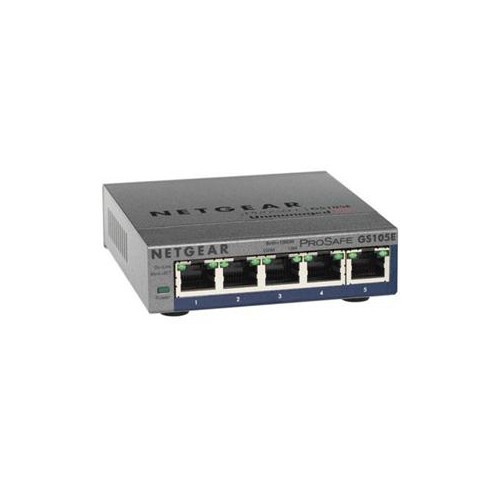 Your price for this item is $52.68
 -
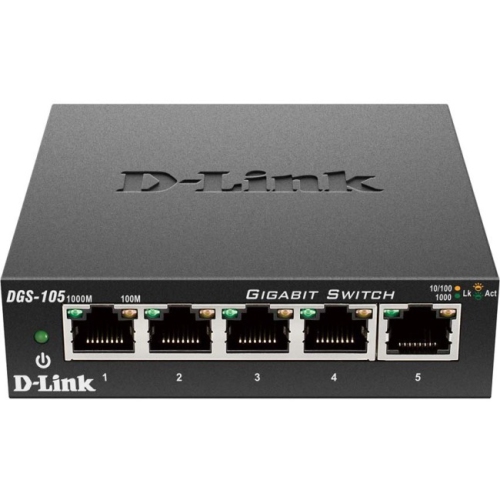 Your price for this item is $24.99
 -
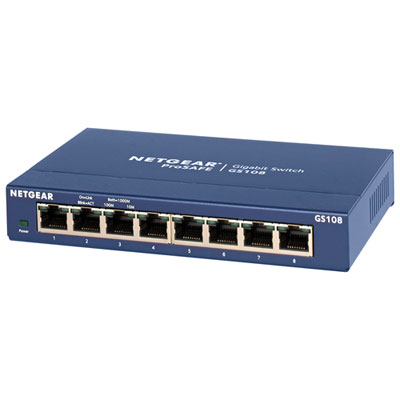 Your price for this item is $49.99
Discover more categories related to HDMI To HDMI Component
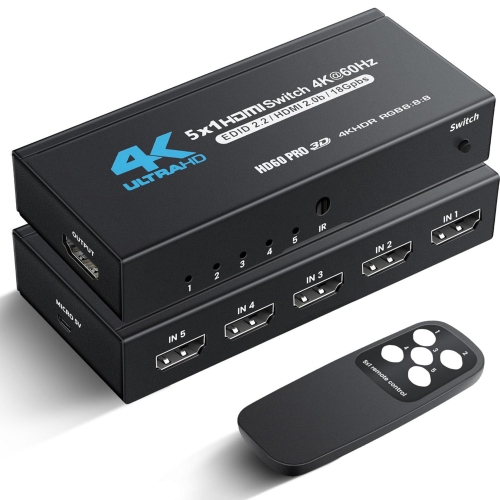
Top Collections:
Pokemon Centers, Kindle Devices, Best Budget Office Chairs, Apple iPhones 16, Best Laptops for Writers, iPhone 15 Apple, Canon G7X Cameras, Refurbished Apple Laptops, Alarm Clock, Motorola Razr Phones
Some products may be subject to Environmental Handling Fees
(EHF) depending on your province.
Learn more about EHFs.