High Performance Gaming Mice
High Performance Gaming Mice are essential for gamers seeking precision, speed, and reliability during intense gameplay. Designed to deliver optimal control and comfort, these gaming mice elevate your experience whether you’re battling in fast-paced tournaments or exploring expansive virtual worlds. With a variety of styles and advanced technologies available, finding the right High Performance Gaming Mouse can make all the difference in your setup. Explore a wide selection to discover the perfect fit for your gaming needs.
Sort
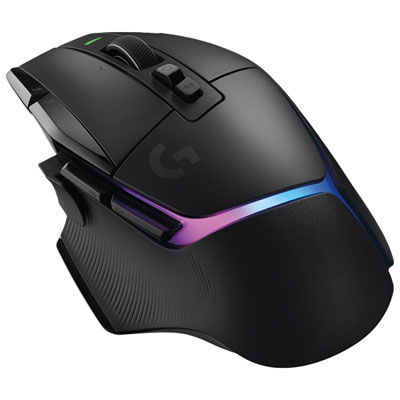

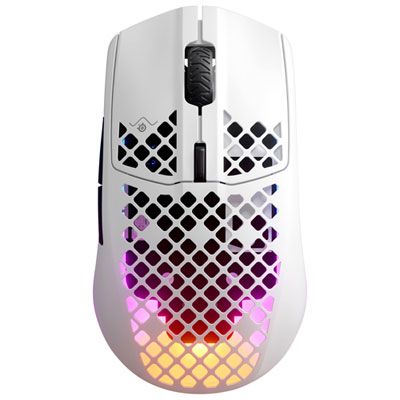
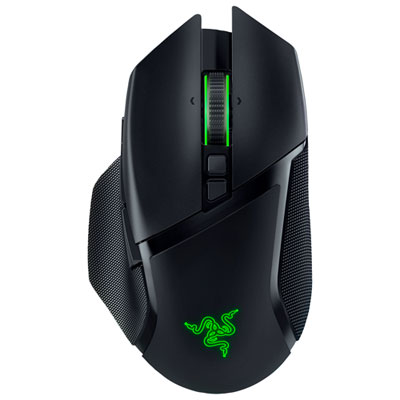
Why precise aim takes more than high DPI
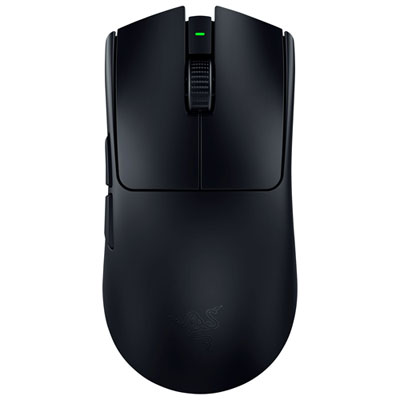
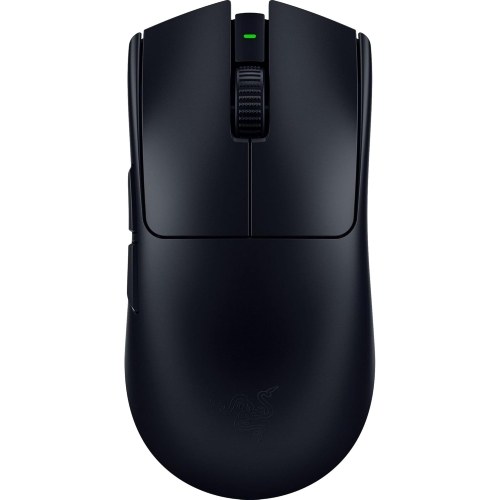
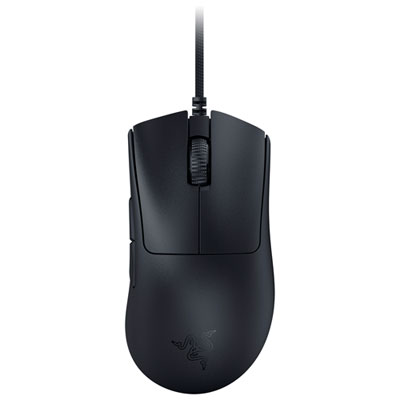
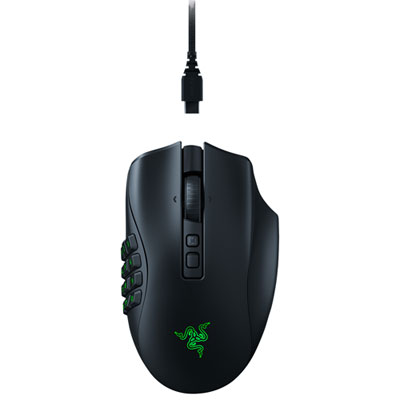
High-performance gaming mice combine accurate tracking, responsive clicks, and a shape that supports controlled movement through fast, demanding play. Their value is most noticeable in small, repeated actions: settling a crosshair on a distant target, dragging a selection across a crowded strategy map, or triggering an ability without shifting fingers away from the main buttons. A capable optical sensor tracks these movements consistently, while low input latency helps clicks and motion reach the computer promptly. Sensitivity, commonly expressed as DPI, describes how many counts a mouse registers over an inch of travel. Higher settings move the pointer farther for the same physical movement, but a larger maximum DPI does not automatically mean better aim. Many players prefer lower sensitivity and broad arm movements for precise targeting, while others use higher sensitivity to navigate with shorter wrist movements. Adjustable settings make room for both approaches. Polling rate, measured in hertz, indicates how frequently the mouse reports to the computer; 1,000 Hz corresponds to a reporting interval of one millisecond. Higher polling rates can provide more frequent updates, although the practical benefit depends on the game, display refresh rate, system performance, and the mouse’s overall implementation. They can also increase processor demand and shorten wireless battery life. Tracking consistency during fast swipes, predictable lift-off behaviour, and dependable button response matter alongside headline specifications. Lift-off distance is particularly relevant to players who repeatedly lift and reposition their mouse across a large pad, since unwanted tracking during that movement can disturb aim. The strongest fit for competitive first-person shooters may therefore emphasize low weight and uncomplicated controls, while a mouse intended for multiplayer role-playing games may devote more space to programmable thumb buttons. Neither approach suits every player. High-performance gaming mice serve a range of play styles, from ranked competition to relaxed sessions where comfortable handling and reliable control remain just as welcome.
Shape and fit influence how those technical capabilities feel in the hand. A palm grip rests much of the hand against the shell and often benefits from a supportive back, while a claw grip arches the fingers and places more emphasis on fingertip control with contact near the base of the palm. A fingertip grip uses relatively little palm contact, making manageable length, width, and weight especially important. These are useful descriptions rather than fixed categories: a player may shift grip when moving from careful aiming to rapid camera turns. Hand size, finger reach, and the position of side buttons help determine whether a shape feels natural over a long session. A broad shell can offer welcome support to one person yet make another stretch to reach the forward thumb button. Symmetrical shapes can accommodate different preferences, but symmetry alone does not guarantee left-handed suitability; side-button placement and software support also matter. Lightweight gaming mice require less effort to start, stop, and reposition, which can suit quick flicks and repeated low-sensitivity swipes. A heavier design may feel more settled to someone who prefers deliberate movements. Balance matters as well, particularly when lifting the mouse between strokes. Shells commonly use rigid plastic with smooth or textured finishes, while some designs add rubberized contact areas or perforations to change grip and weight. Solid shells offer fewer openings for dust, whereas perforated designs need attention around exposed gaps. A finish should provide sufficient hold without forcing an unnecessarily tight grip. Underneath, low-friction feet, often made from PTFE, help the mouse glide across a suitable surface. Their edges, wear, and cleanliness affect that movement, as does the pad’s texture. A controlled cloth surface can make stopping feel more deliberate, while a smoother surface may favour effortless travel. For players comparing different combinations of shape, weight, and controls, the broader Best Gaming Mice selection offers another way to explore designs suited to different setups and preferences.
Connectivity, customization, and construction complete the everyday experience. Wired gaming mice provide a continuous connection without battery management, and a flexible cable can reduce the tug felt during wide movements. Wireless gaming mice remove that cable from the playing surface; low-latency implementations using a dedicated USB receiver can deliver responsiveness suitable for competitive play. Bluetooth can be convenient for switching between compatible devices, but it generally prioritizes versatility and power use rather than the lowest gaming latency. Receiver placement, nearby interference, and supported connection modes can all affect wireless performance. Battery duration varies with polling rate, lighting, and usage, so a stated maximum is not a promise of identical results under every setting. Convenient charging and the ability to continue playing over a cable, where supported, can matter more than an unusually long headline battery figure. Programmable buttons are useful for frequently used commands, inventory actions, and push-to-talk, provided their placement prevents accidental presses. Clear scroll-wheel steps help with deliberate weapon selection, while a comfortable middle click can be valuable in games and everyday desktop tasks. Optical and mechanical switches use different methods to register clicks, but neither label alone describes click feel, build quality, or long-term reliability. Button stability, wheel construction, and the absence of distracting shell flex are meaningful parts of durability. Onboard memory, when included, can retain supported settings between computers, although some features still require compatible software. Compatibility is worth considering for shared computers, restricted software installations, and console use, where mouse support depends on both the platform and the game. Routine care is straightforward: disconnect or switch off the mouse, remove loose debris gently, and follow the manufacturer’s cleaning directions without letting liquid enter openings. Clean feet and a clean mouse pad help preserve a consistent glide, while careful cable storage avoids sharp bends near the connector. These details make high-performance gaming mice relevant to competitive players, hobbyists refining a familiar setup, and people who use one desk for work and play. As a gift, a mouse is most personal when its size, handedness, and button layout reflect the recipient’s habits, rather than relying on specifications alone.
Shape and fit influence how those technical capabilities feel in the hand. A palm grip rests much of the hand against the shell and often benefits from a supportive back, while a claw grip arches the fingers and places more emphasis on fingertip control with contact near the base of the palm. A fingertip grip uses relatively little palm contact, making manageable length, width, and weight especially important. These are useful descriptions rather than fixed categories: a player may shift grip when moving from careful aiming to rapid camera turns. Hand size, finger reach, and the position of side buttons help determine whether a shape feels natural over a long session. A broad shell can offer welcome support to one person yet make another stretch to reach the forward thumb button. Symmetrical shapes can accommodate different preferences, but symmetry alone does not guarantee left-handed suitability; side-button placement and software support also matter. Lightweight gaming mice require less effort to start, stop, and reposition, which can suit quick flicks and repeated low-sensitivity swipes. A heavier design may feel more settled to someone who prefers deliberate movements. Balance matters as well, particularly when lifting the mouse between strokes. Shells commonly use rigid plastic with smooth or textured finishes, while some designs add rubberized contact areas or perforations to change grip and weight. Solid shells offer fewer openings for dust, whereas perforated designs need attention around exposed gaps. A finish should provide sufficient hold without forcing an unnecessarily tight grip. Underneath, low-friction feet, often made from PTFE, help the mouse glide across a suitable surface. Their edges, wear, and cleanliness affect that movement, as does the pad’s texture. A controlled cloth surface can make stopping feel more deliberate, while a smoother surface may favour effortless travel. For players comparing different combinations of shape, weight, and controls, the broader Best Gaming Mice selection offers another way to explore designs suited to different setups and preferences.
Connectivity, customization, and construction complete the everyday experience. Wired gaming mice provide a continuous connection without battery management, and a flexible cable can reduce the tug felt during wide movements. Wireless gaming mice remove that cable from the playing surface; low-latency implementations using a dedicated USB receiver can deliver responsiveness suitable for competitive play. Bluetooth can be convenient for switching between compatible devices, but it generally prioritizes versatility and power use rather than the lowest gaming latency. Receiver placement, nearby interference, and supported connection modes can all affect wireless performance. Battery duration varies with polling rate, lighting, and usage, so a stated maximum is not a promise of identical results under every setting. Convenient charging and the ability to continue playing over a cable, where supported, can matter more than an unusually long headline battery figure. Programmable buttons are useful for frequently used commands, inventory actions, and push-to-talk, provided their placement prevents accidental presses. Clear scroll-wheel steps help with deliberate weapon selection, while a comfortable middle click can be valuable in games and everyday desktop tasks. Optical and mechanical switches use different methods to register clicks, but neither label alone describes click feel, build quality, or long-term reliability. Button stability, wheel construction, and the absence of distracting shell flex are meaningful parts of durability. Onboard memory, when included, can retain supported settings between computers, although some features still require compatible software. Compatibility is worth considering for shared computers, restricted software installations, and console use, where mouse support depends on both the platform and the game. Routine care is straightforward: disconnect or switch off the mouse, remove loose debris gently, and follow the manufacturer’s cleaning directions without letting liquid enter openings. Clean feet and a clean mouse pad help preserve a consistent glide, while careful cable storage avoids sharp bends near the connector. These details make high-performance gaming mice relevant to competitive players, hobbyists refining a familiar setup, and people who use one desk for work and play. As a gift, a mouse is most personal when its size, handedness, and button layout reflect the recipient’s habits, rather than relying on specifications alone.
Top selling and popular products
-
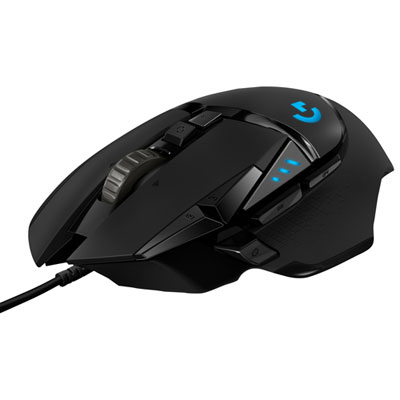 Your price for this item is $74.99
 -
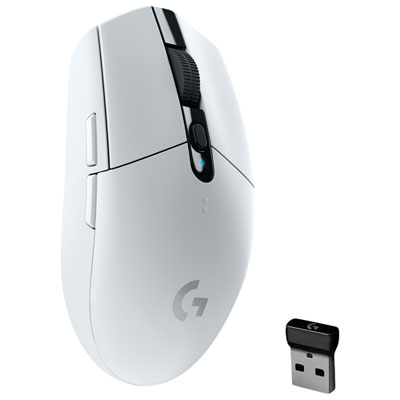 Your price for this item is $69.99
 -
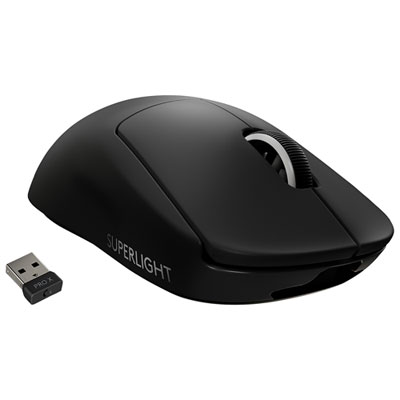 Your price for this item is $179.99
 -
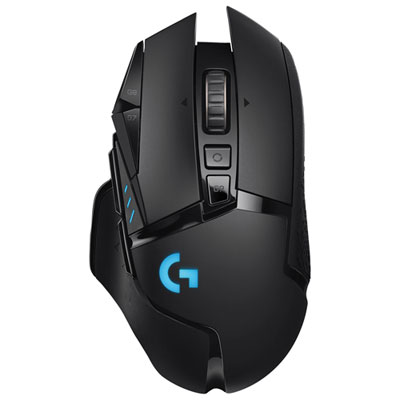 Your price for this item is $149.99
 -
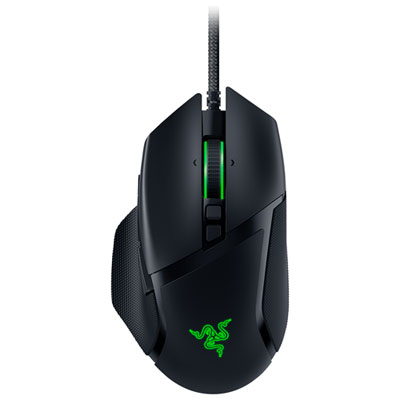 Your price for this item is $47.99
 -
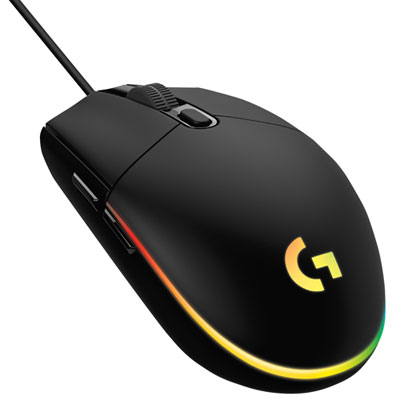 Your price for this item is $39.99
 -
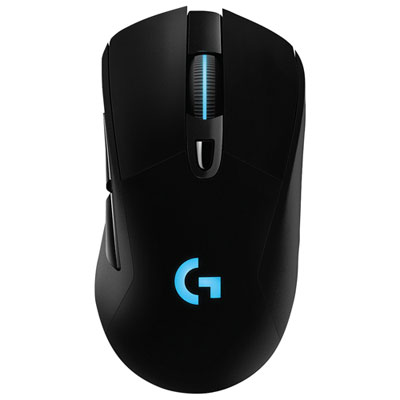 Your price for this item is $95.98
 -
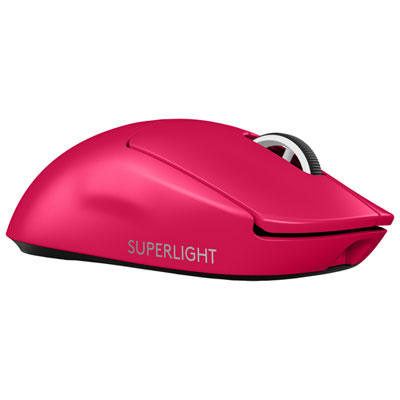 Your price for this item is $219.99
Discover more categories related to High Performance Gaming Mice
Top Collections:
Pokemon Centers, Budget 4K TVs, Best Budget Office Chairs, Kindle Devices, Canon G7X Cameras, Apple iPhones 16, iPhone 15 Apple, Laptops for Business Work, Xiaomi Phones, Flip Phones
Some products may be subject to Environmental Handling Fees
(EHF) depending on your province.
Learn more about EHFs.