Lexar 64GB
Lexar 64GB options offer a reliable solution for expanding your digital storage, making it easy to keep photos, videos, music, and important files organized. Perfect for a range of devices, these versatile products are designed to help you manage your data with confidence. Whether you're upgrading your camera's memory or ensuring you have enough space for work and entertainment needs, Lexar 64GB delivers the capacity you need for everyday use. Explore a variety of choices to find the perfect fit for your lifestyle.
Sort
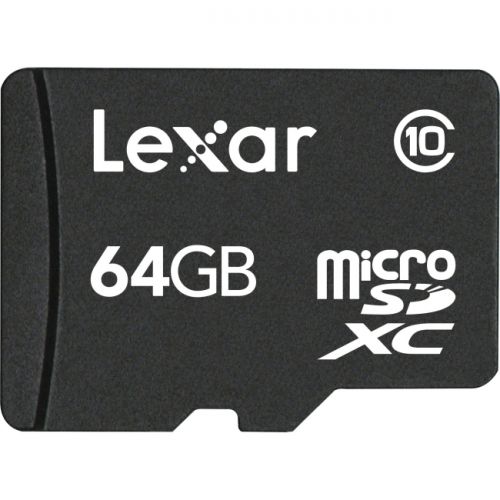
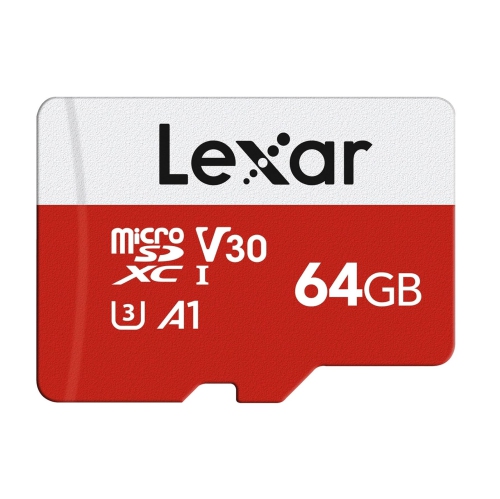
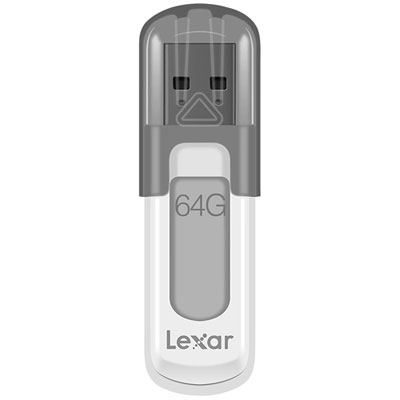
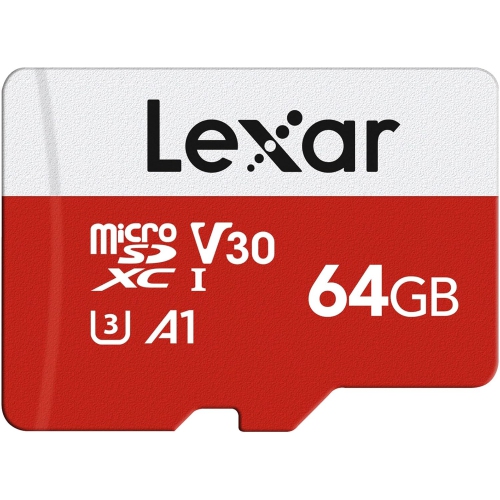
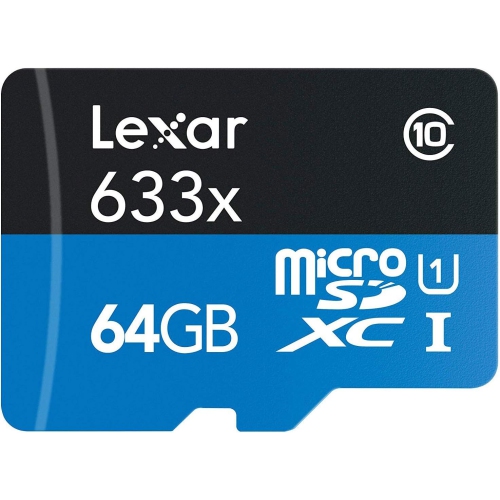
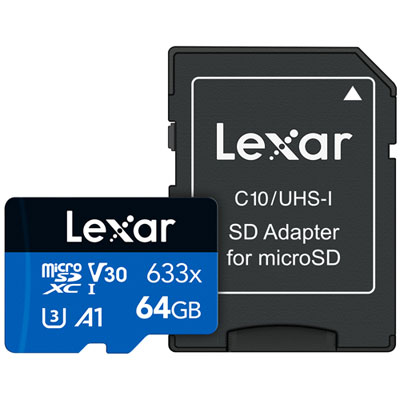
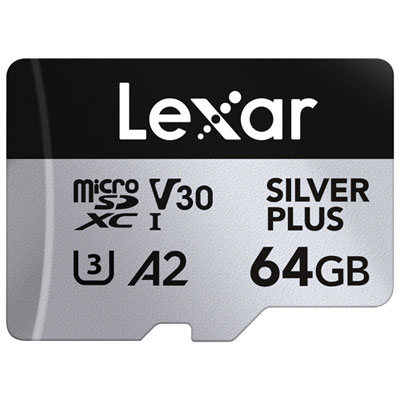
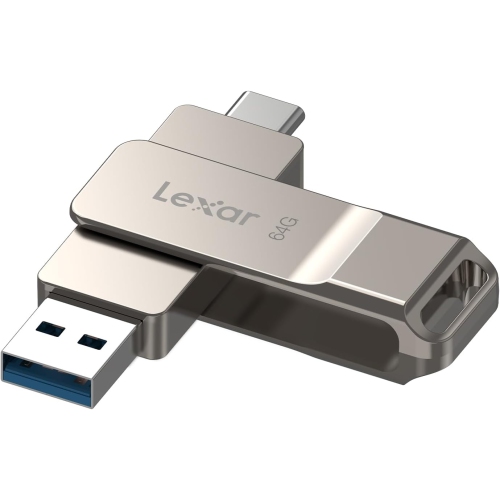
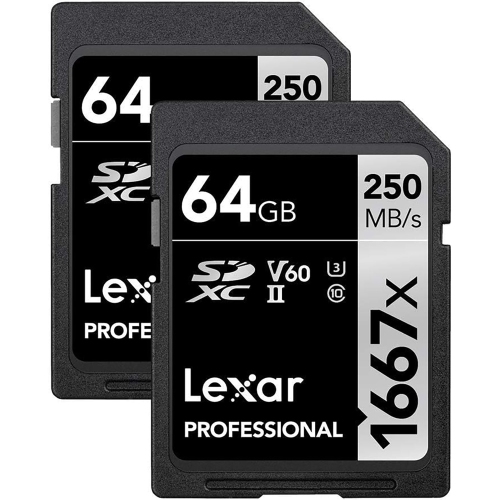
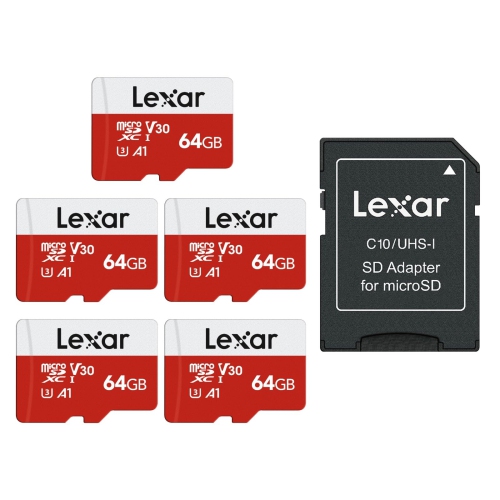
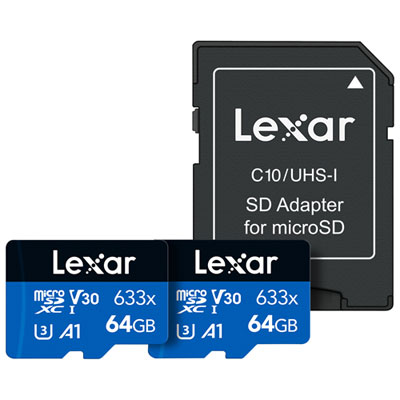
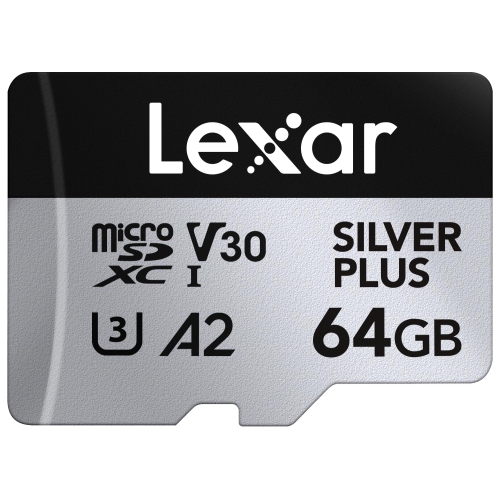
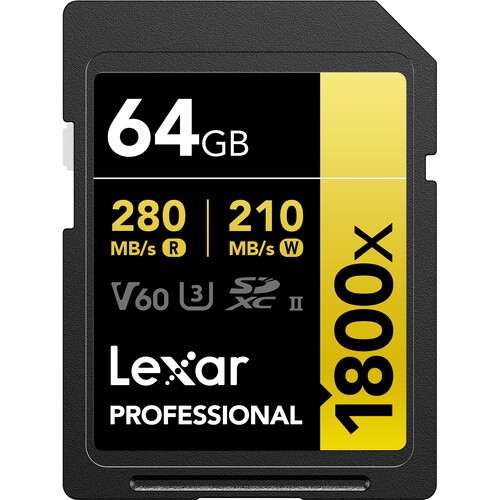
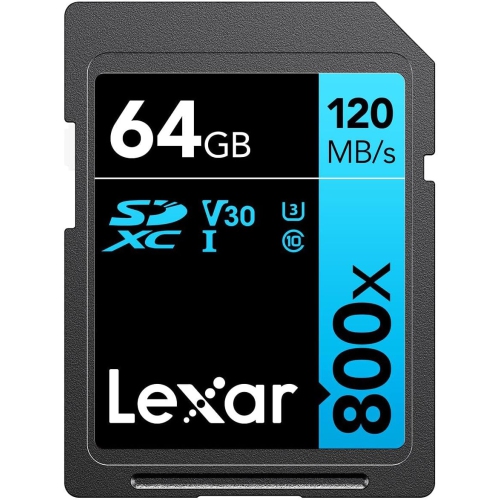
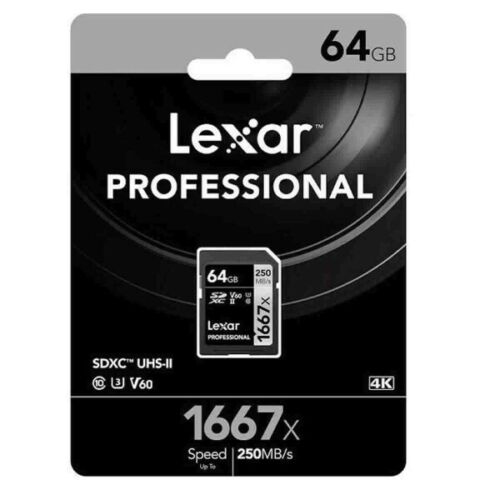
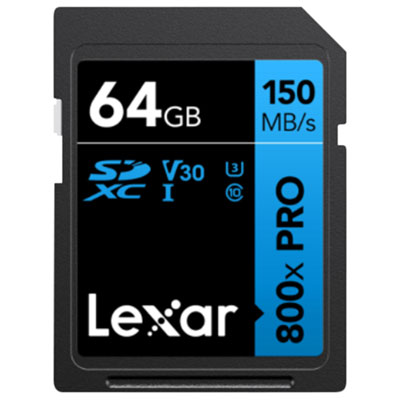
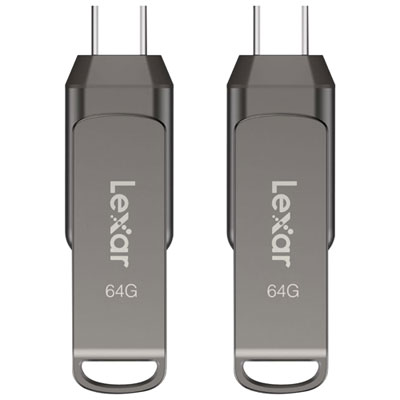
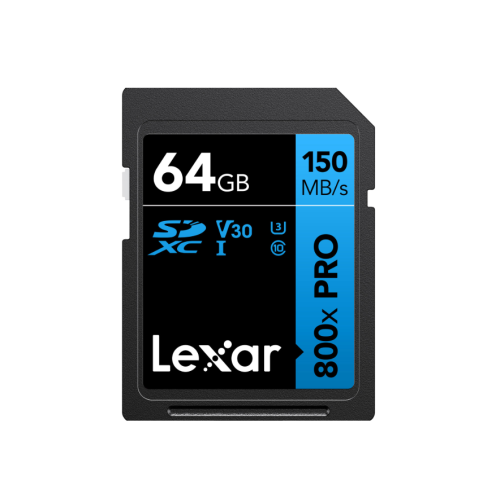
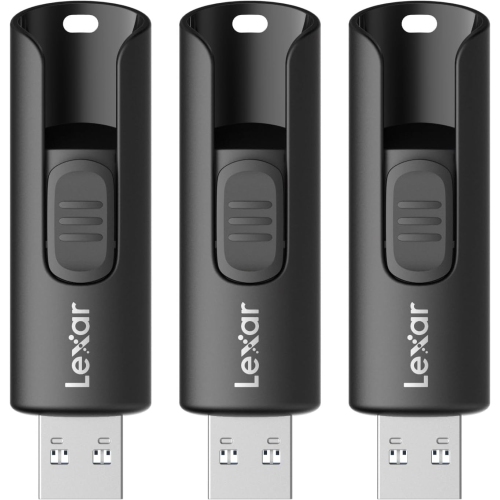
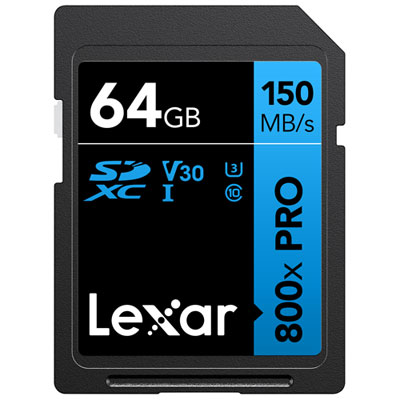
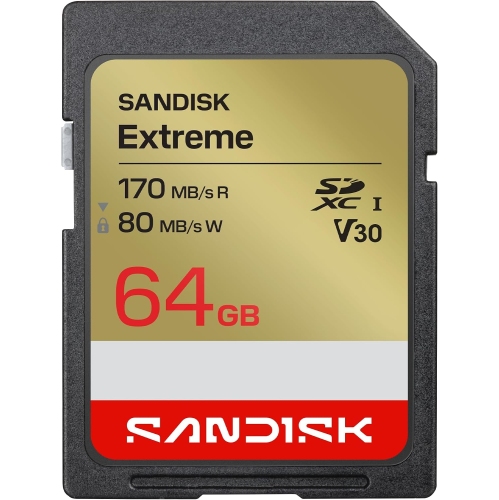
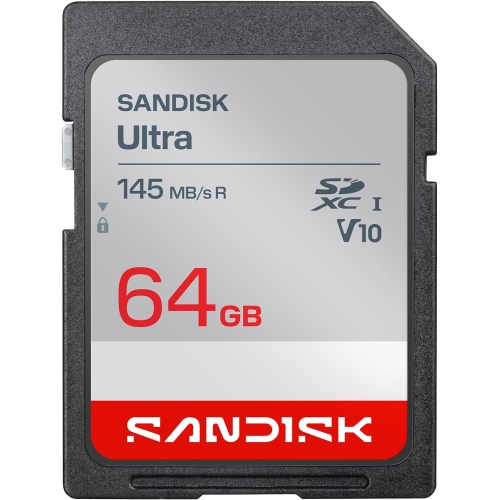
Memory card compatibility matters as much as capacity
64GB memory cards provide compact storage for photos, video clips, audio recordings, and other files created on compatible devices. Their small size makes them useful for keeping a camera ready for a family gathering, adding removable storage to a supported handheld device, or carrying recordings from a field recorder to a computer. The format matters just as much as the capacity: full-size SD cards are common in digital cameras and some recording equipment, while microSD cards fit the smaller slots found in many action cameras, drones, dash cameras, and portable gaming devices. At 64GB, these formats fall within the SDXC and microSDXC standards, so the device needs to support the appropriate standard as well as the physical card size. An older device that accepts SDHC cards does not automatically accept SDXC cards. A microSD card can work in a full-size SD slot with a suitable adapter when the host device supports it, but a full-size SD card cannot fit into a microSD slot. For everyday photography, 64GB offers room for a substantial collection of images without requiring a very large-capacity card. The actual number of photos or minutes of video depends on file size, image quality, resolution, compression, and recording settings. RAW photographs take more space than many JPEG files, while high-bitrate video can fill a card much faster than casual snapshots. A camera recording a school performance continuously has different storage demands from one used for occasional portraits. Usable space also appears lower than the labelled capacity because of formatting and differences in how devices report storage. For students, hobby photographers, travellers, and families, this capacity can serve as a practical working card rather than a permanent home for every file. Keeping separate cards for different projects can also make it easier to distinguish a photography assignment from personal pictures, provided each card is clearly identified and its contents are backed up.
Performance determines how comfortably a memory card handles the work a device sends to it. Read speed affects tasks such as transferring a folder of photographs to a computer, while write speed matters when the camera or recorder saves new files. A headline maximum transfer speed does not necessarily describe recording performance, and the fastest advertised result may require a compatible reader. During a burst of photographs, a camera temporarily holds images in its buffer before writing them to the card; a card with suitable write performance can help that buffer clear more quickly, although the camera itself remains part of the equation. Speed-class markings provide a more useful reference for sustained recording than capacity alone. U1 and V10 indicate a minimum sequential write speed of 10MB/s under the relevant standard, U3 and V30 indicate 30MB/s, and V60 indicates 60MB/s. These ratings are not interchangeable with a maximum read-speed claim. For 4K video, the camera manufacturer's stated card requirements are the most reliable reference because frame rate, compression, and bitrate all affect the necessary performance. A card described as suitable for 4K recording may not support every 4K mode on every camera. UHS-I and UHS-II describe bus interfaces rather than storage capacity; UHS-II cards have an additional row of contacts, and compatible equipment is needed to take advantage of that interface. Many UHS-II cards can operate in UHS-I equipment, but at the performance supported by that combination. An SD adapter changes how a microSD card fits into a slot, not its underlying speed rating. For transfers at a desk, the card reader, computer port, and connection can all limit throughput. Device compatibility also includes formatting: SDXC cards normally use exFAT, and formatting through the intended camera or device can establish the file structure it expects. Formatting erases existing files, so it belongs after a verified transfer rather than before one.
The physical design of memory cards suits devices where space and weight are limited, but their small dimensions also call for careful handling. Moulded plastic housings protect the internal components, while exposed metal contacts provide the connection to the device or reader. Holding a card by its edges helps keep those contacts clean, and a fitted storage case keeps loose cards from rubbing against keys or disappearing into the lining of a bag. MicroSD cards are particularly easy to misplace during a card change, making a case with individual compartments useful for photographers and anyone working with several devices. Cards should slide into the correct slot without force, with the device's orientation markings used as the reference. Full-size SD cards often have a write-protect slider that compatible readers can detect; this can help prevent accidental changes, but it is not a substitute for a backup. Durability claims also vary, so protection against drops, water, or other hazards should only be assumed when expressly stated for the card. Dash cameras and security cameras present another consideration: repeated recording and overwriting can make endurance-rated media more appropriate than a card selected only for fast transfers. Even durable flash storage has a finite service life, and no memory card should hold the only copy of an important recording. A separate copy on a computer or another storage device helps protect family photographs, coursework, and creative projects from accidental deletion or card failure. For larger file libraries or a separate computer storage upgrade, Lexar SSD 1TB offers a related storage category, with drive format and connection requirements considered separately from memory card compatibility. As a gift, a 64GB card is most useful when matched to the recipient's device and recording needs rather than capacity alone. The right format, supported speed class, and suitable endurance make it a practical accessory for capturing moments and moving files between compatible devices.
Top selling and popular products
-
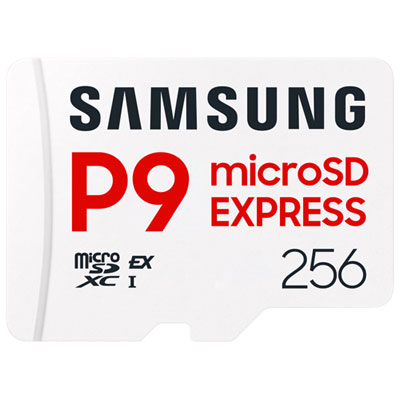 Your price for this item is $79.99
-
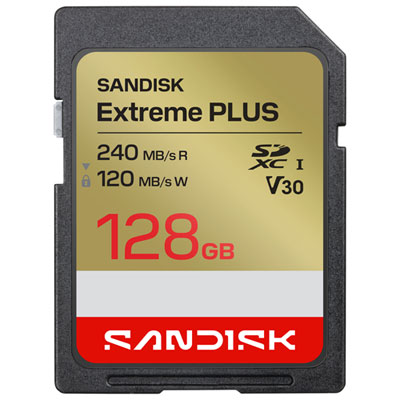 Your price for this item is $79.99
-
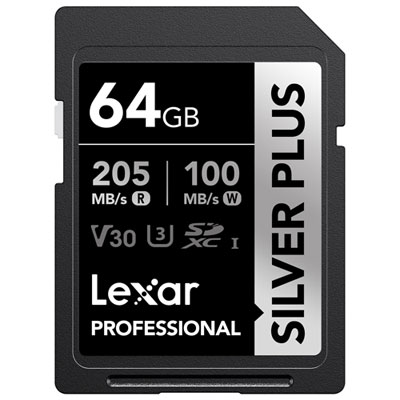 Your price for this item is $59.99
-
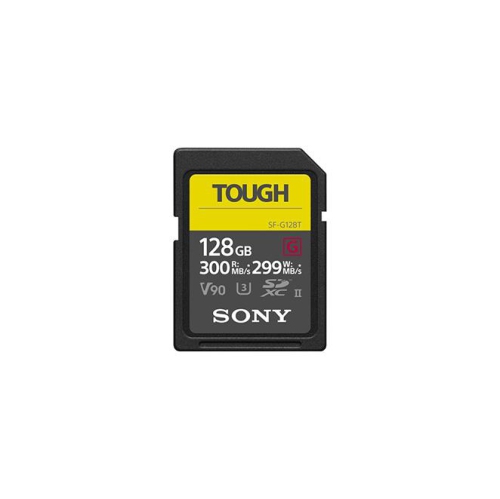 Your price for this item is $388
-
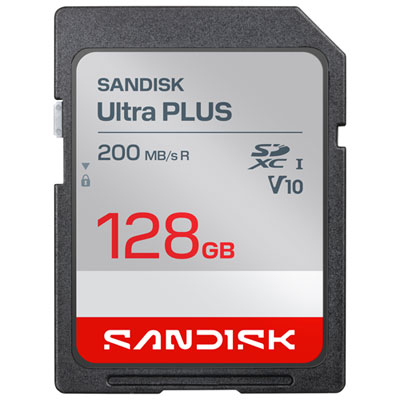 Your price for this item is $64.99
-
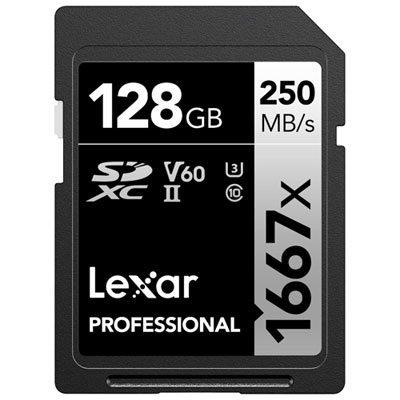 Your price for this item is $199.99
-
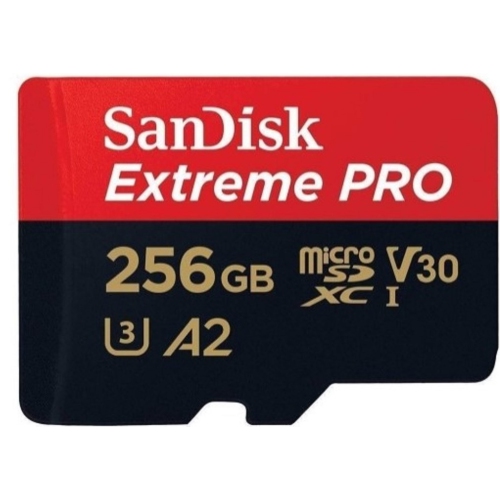 Your price for this item is $99.99
-
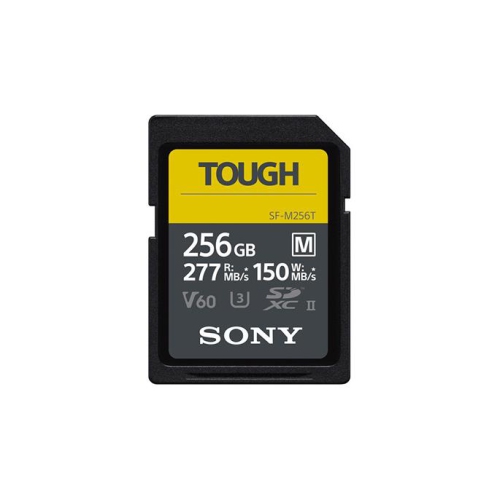 Your price for this item is $298
Discover more categories related to Lexar 64GB

Top Collections:
Best Black Friday Deals This Year, Best Black Friday Deals On Electronics, Kindle Devices, Pokemon Centers, Best Black Friday Deals On Apple Products, Best Cameras for Sports Photography, Dyson Airwrap, Pokémon 30th Celebration Cards, Apple iPhone 17 Pro, Canon G7X Cameras
Some products may be subject to Environmental Handling Fees
(EHF) depending on your province.
Learn more about EHFs.