Network Power Solutions
Looking for reliable and efficient network power solutions? Look no further! At Best Buy, we understand the importance of a strong and uninterrupted network connection, whether it's for your home office or business. Our extensive range of network power solutions is designed to provide you with the peace of mind you need, ensuring that your network equipment stays powered up and running smoothly. From uninterruptible power supplies (UPS) to power distribution units (PDUs), we have everything you need to keep your network up and running without any hiccups. Explore our collection of network power solutions today and never worry about downtime again!
Sort



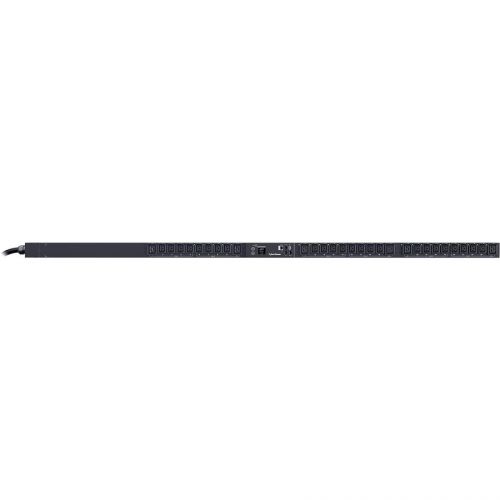
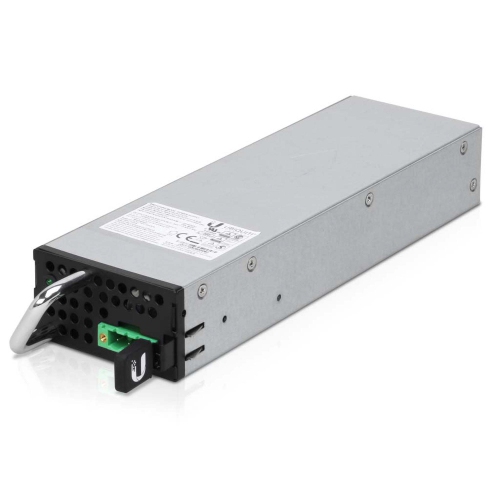
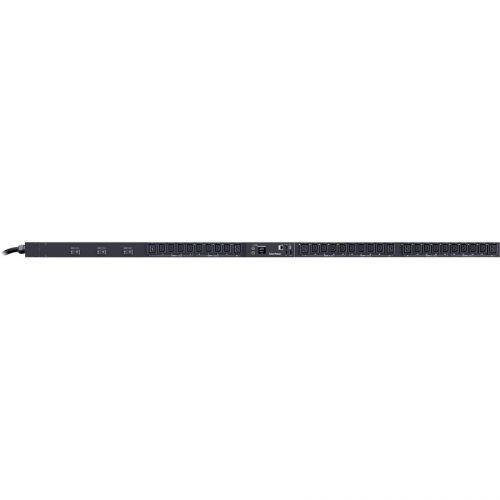
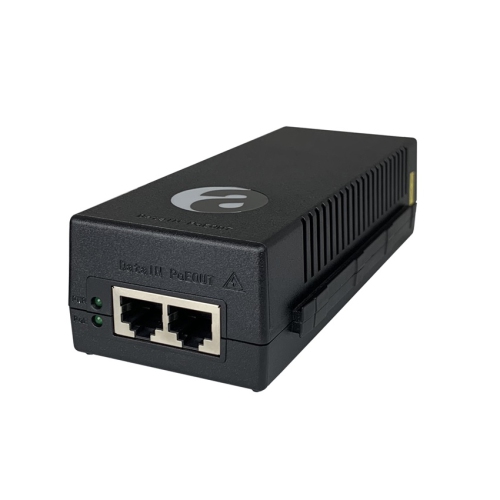



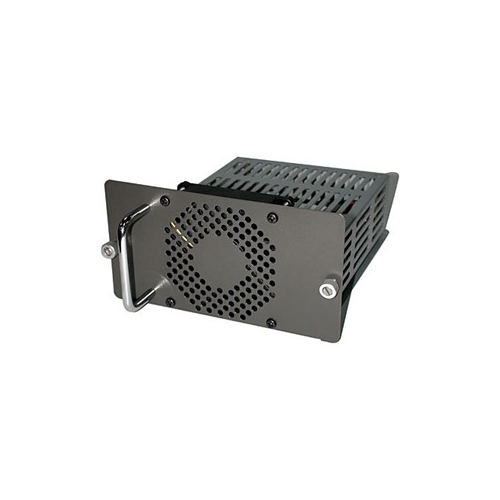
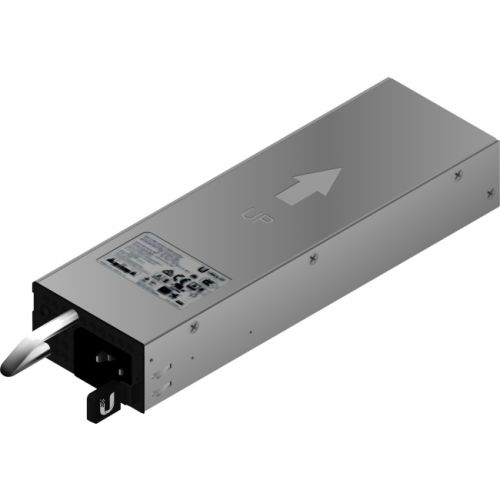
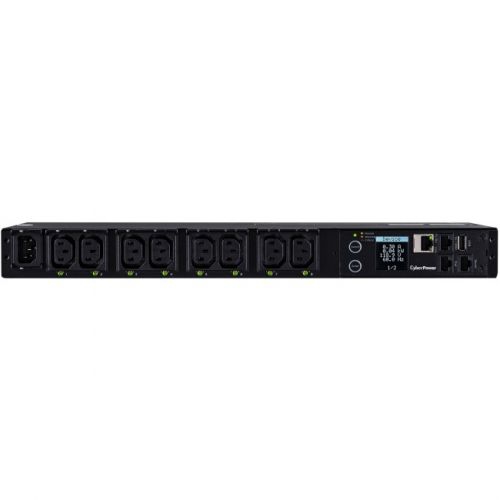
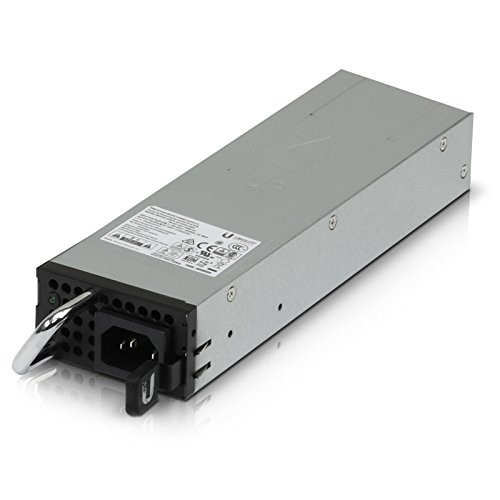
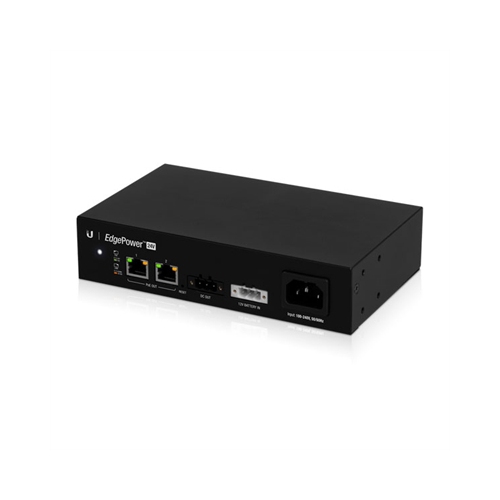
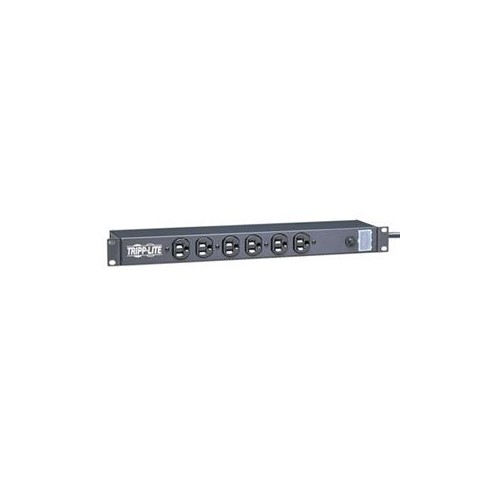
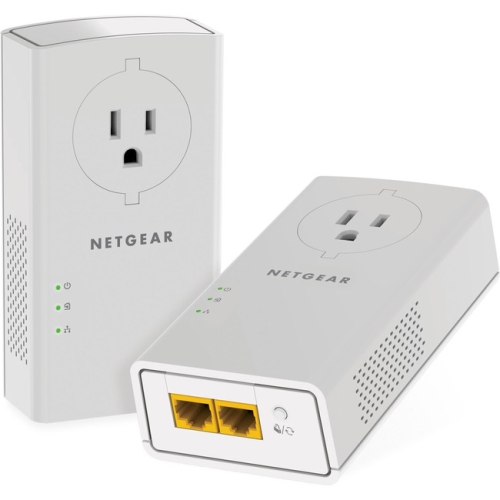
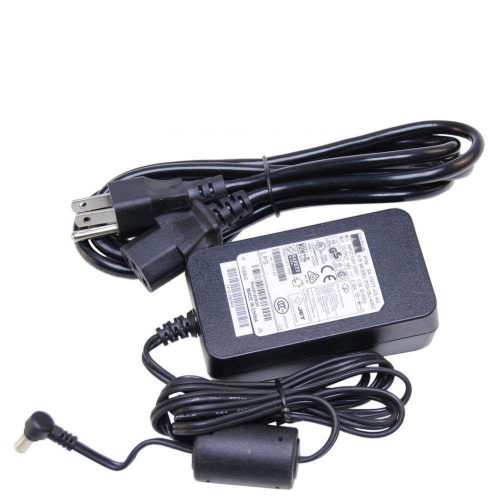


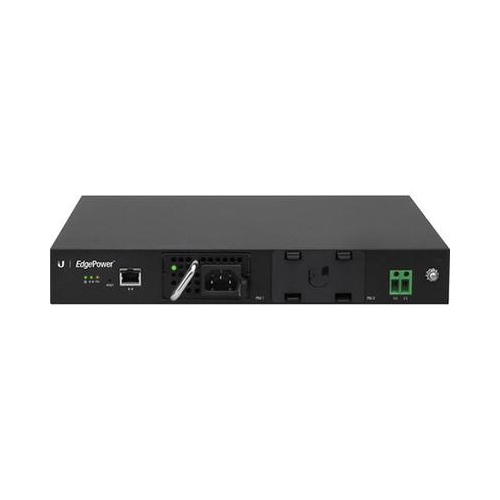
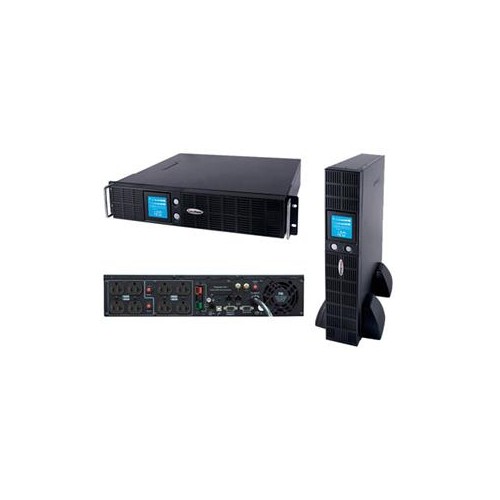

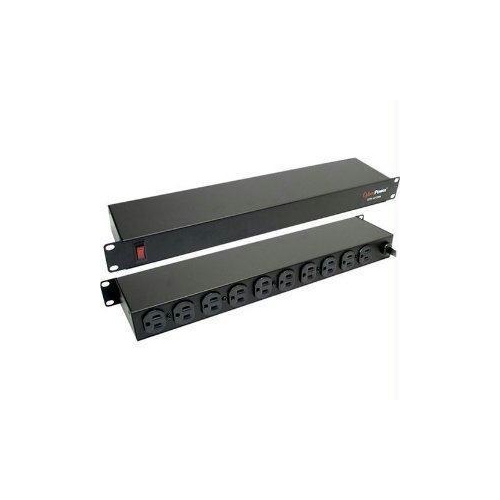
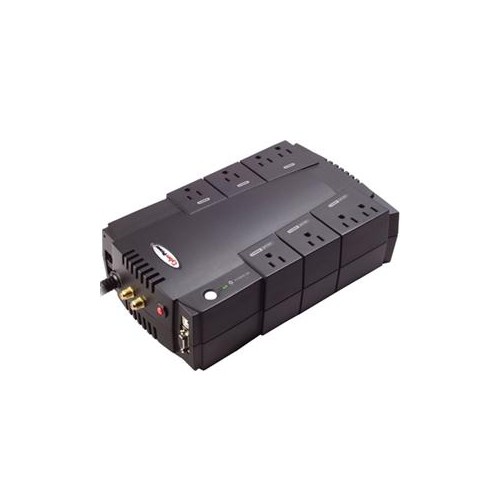

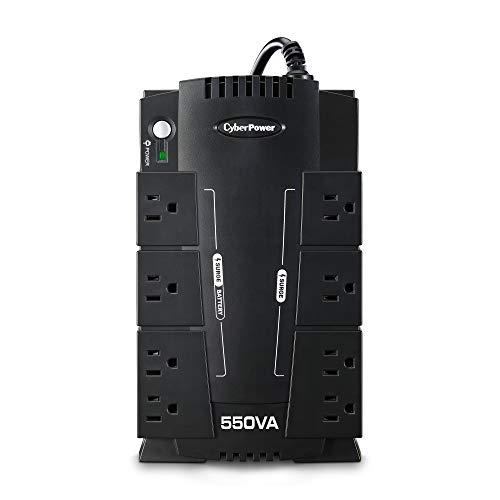

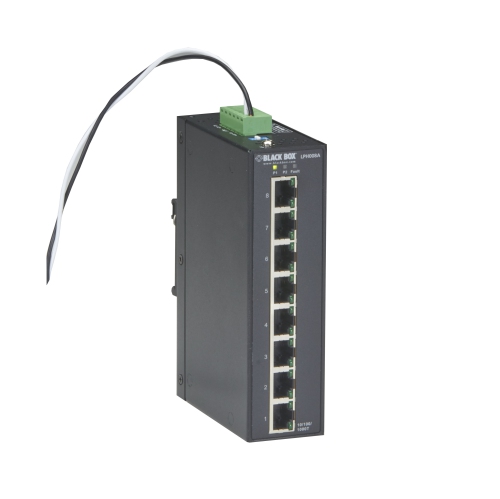




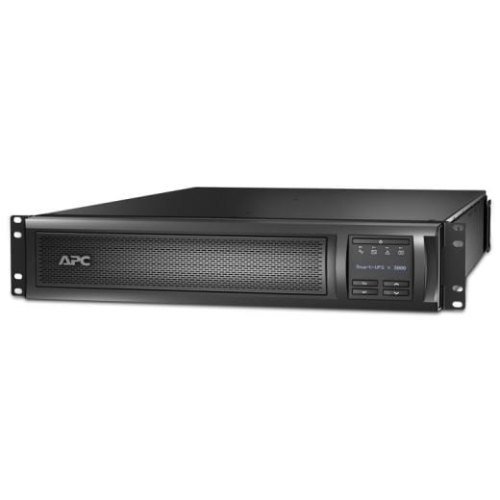

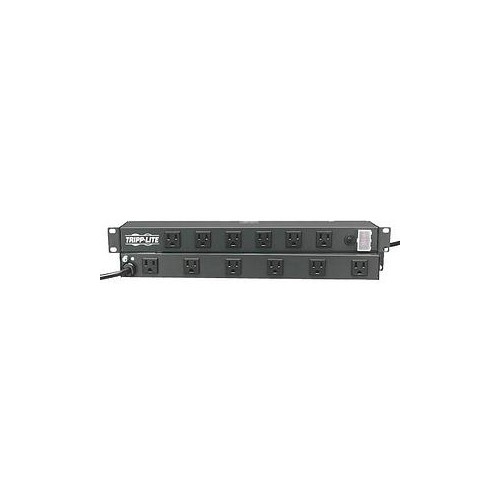
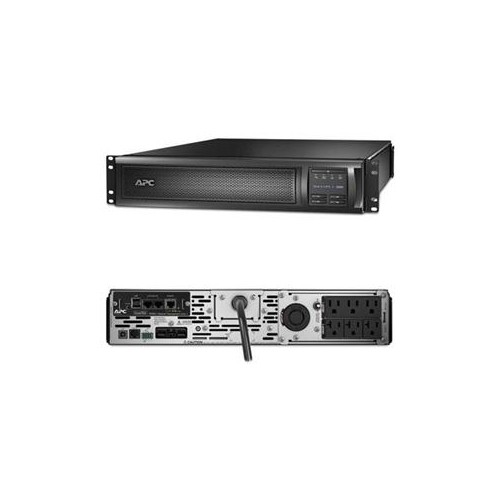

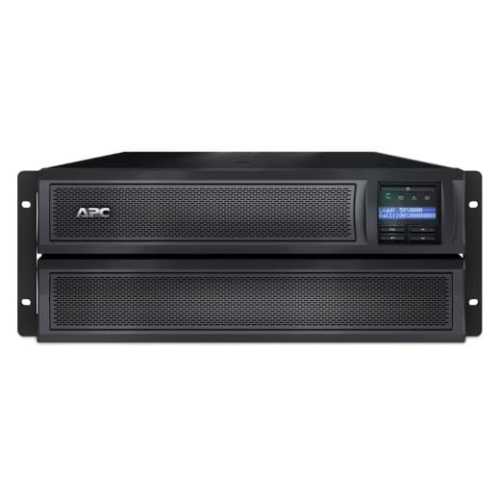









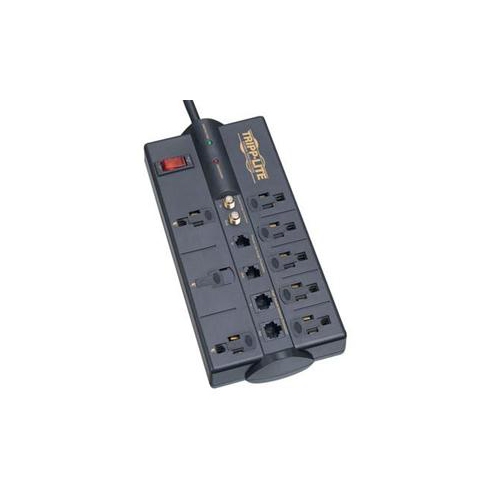
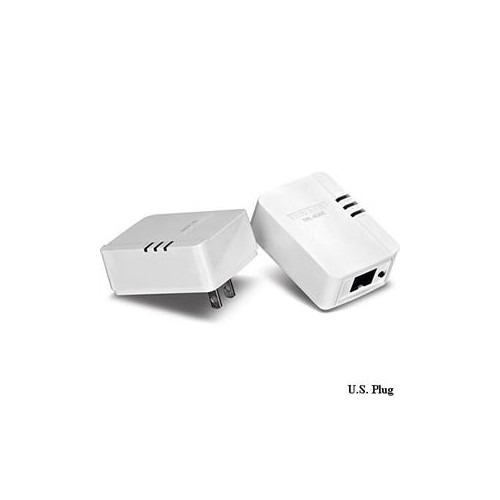


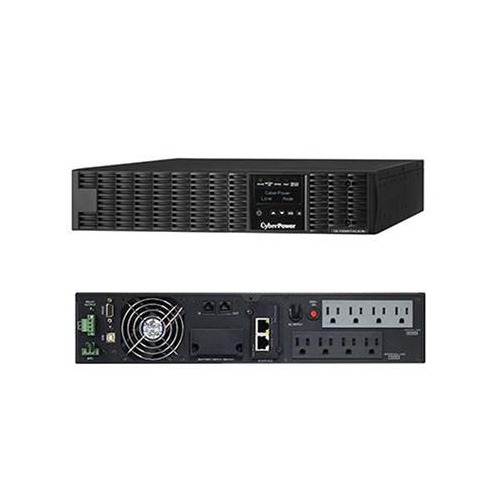


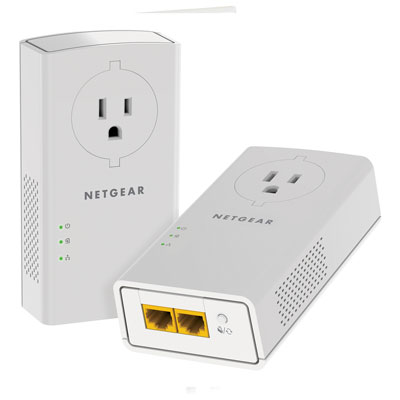

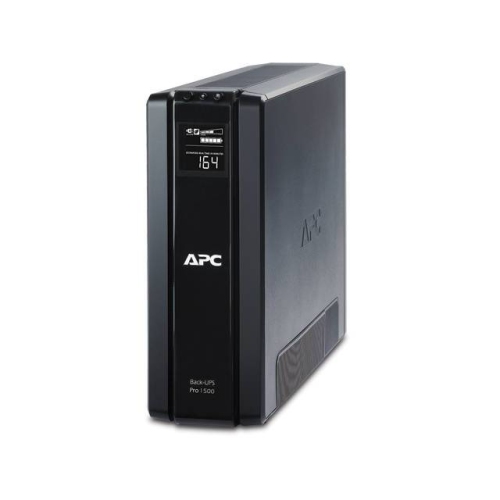
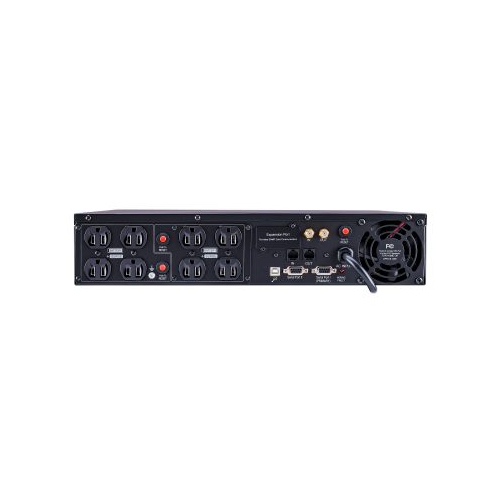
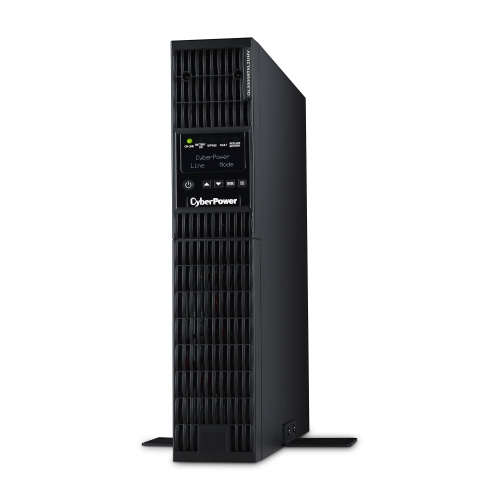

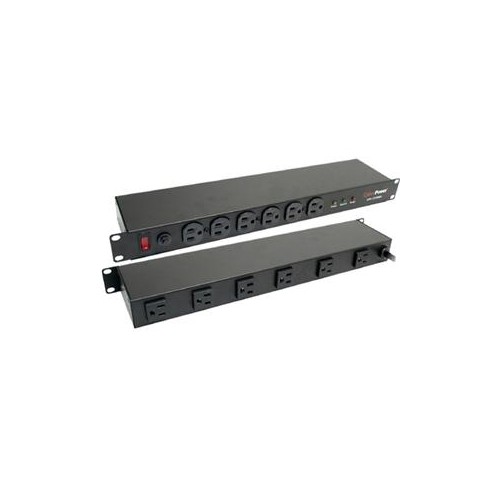













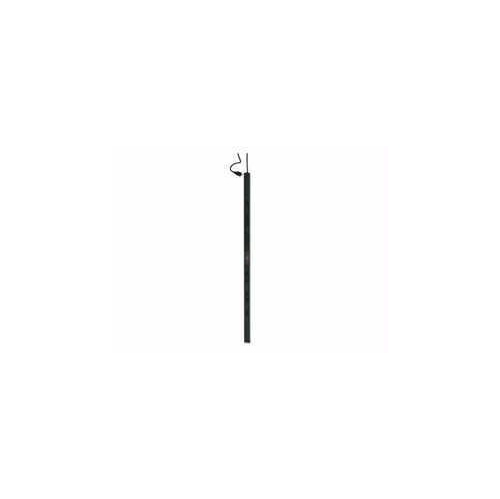

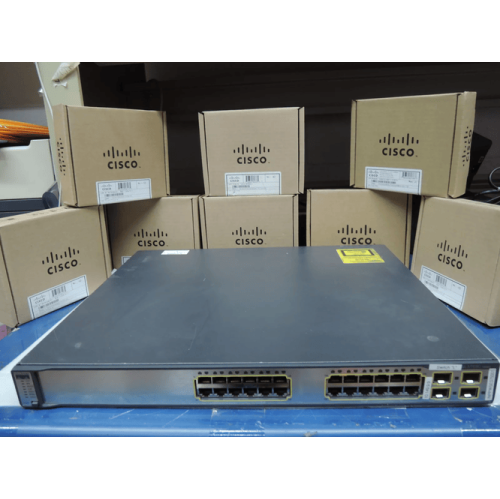

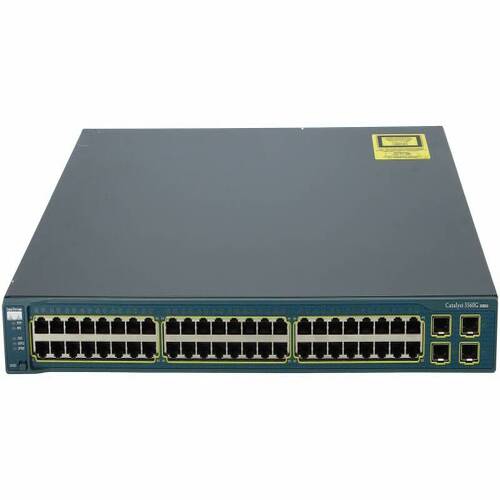
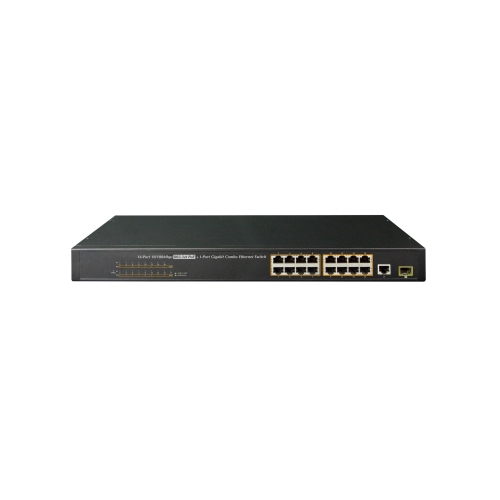
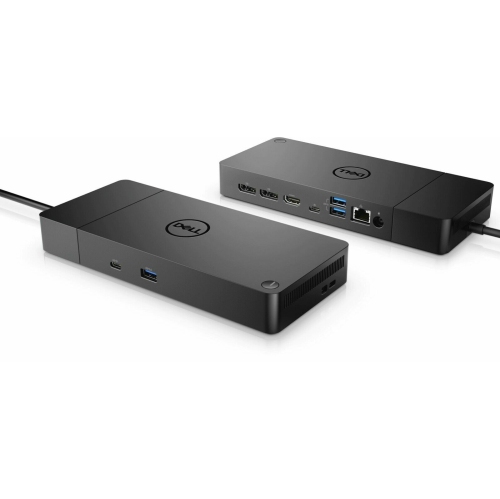

Power protection for connected devices during outages and surges
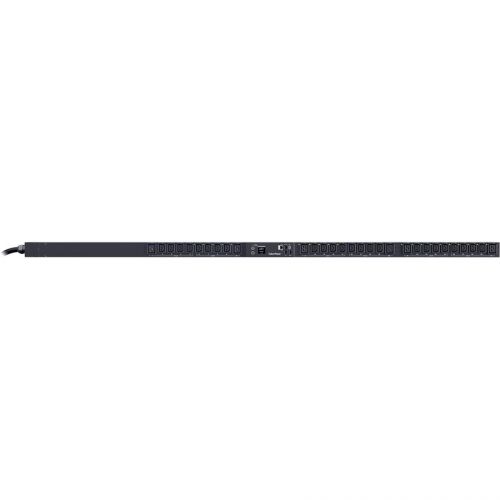
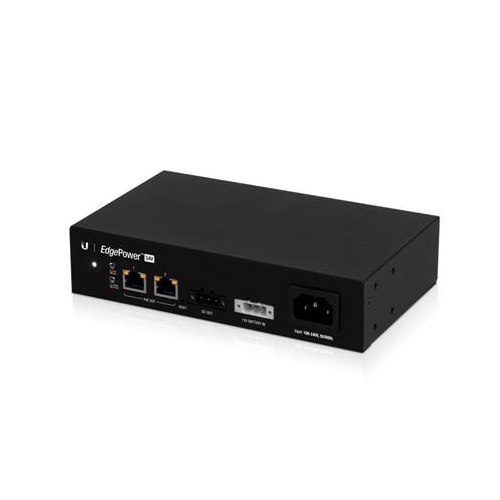
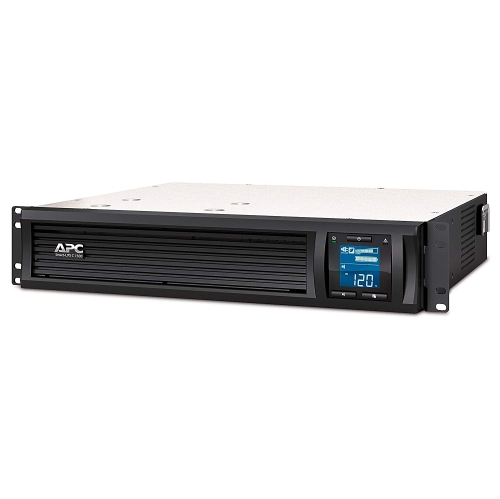
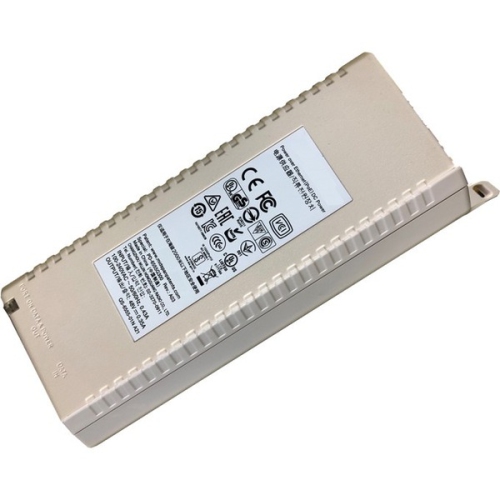
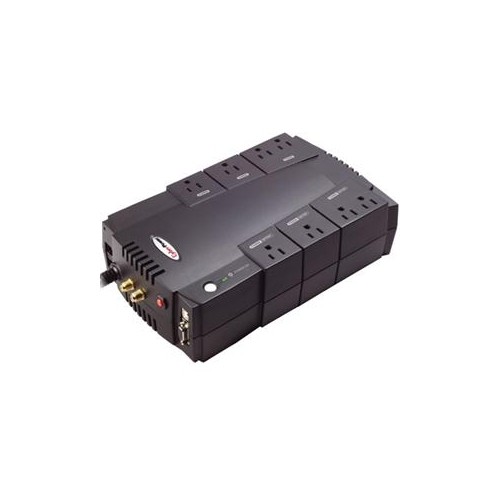
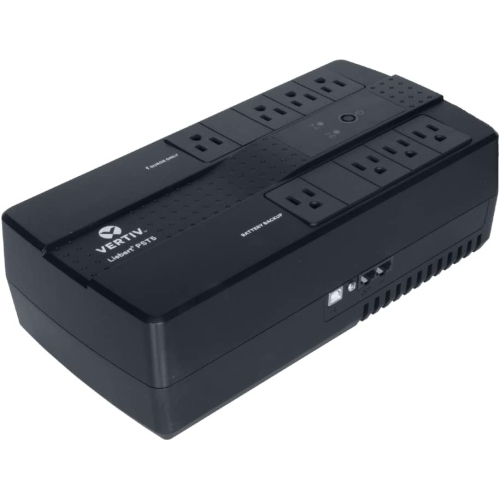
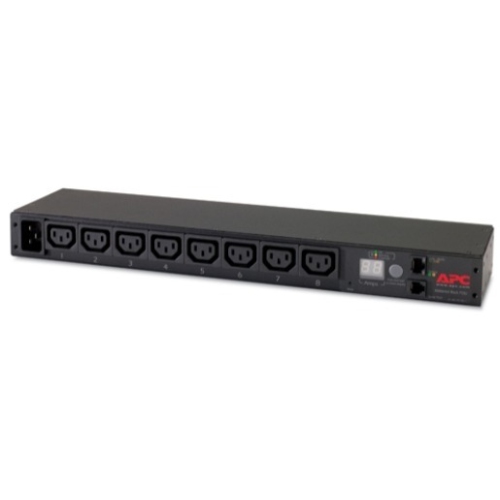
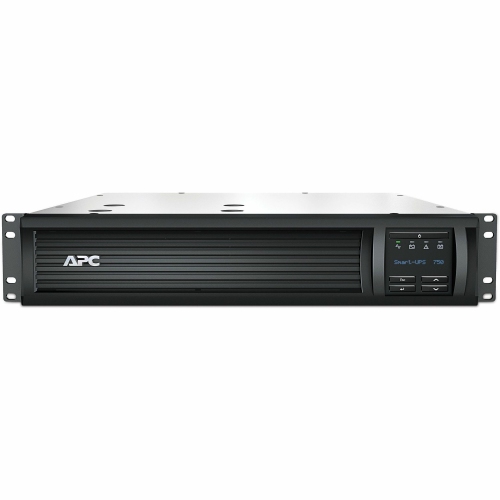
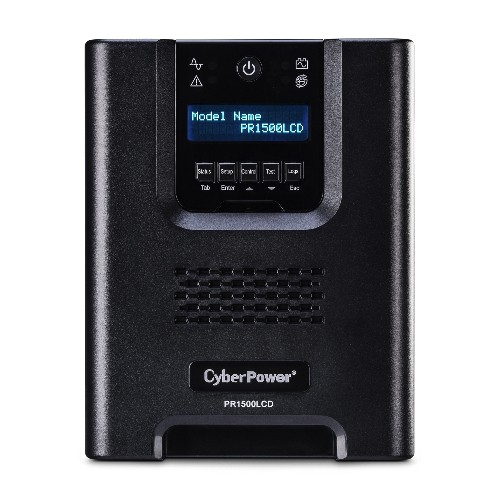
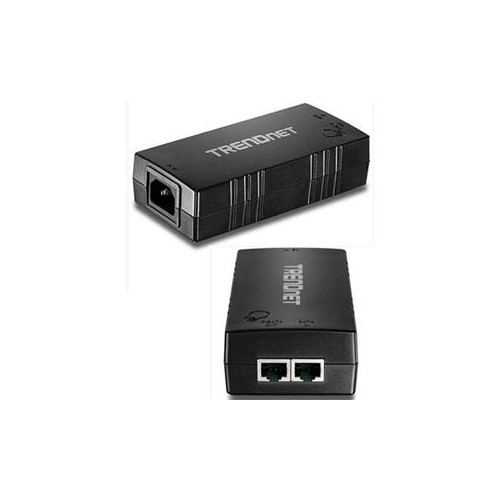
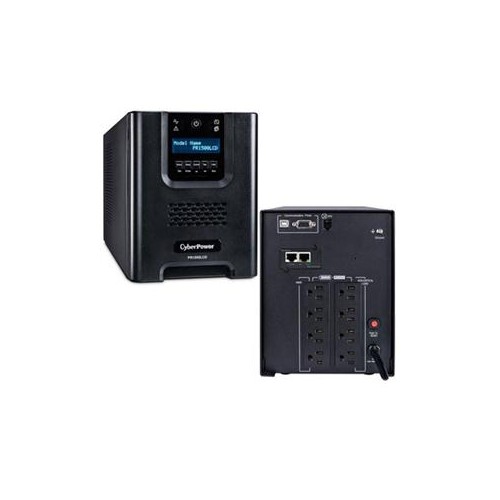
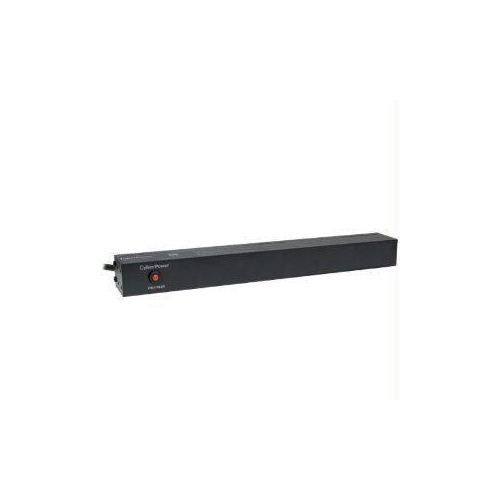
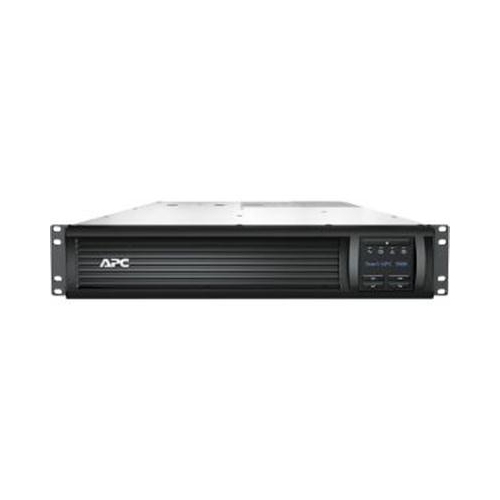
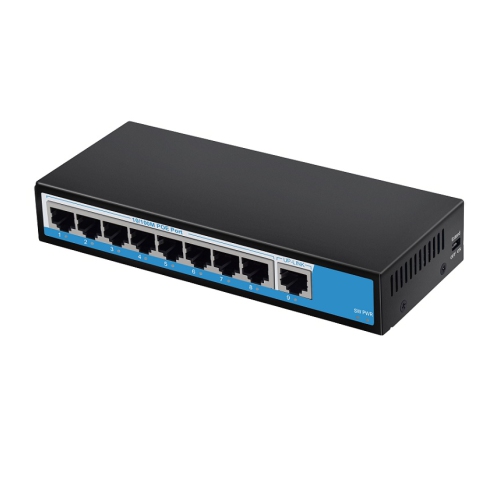
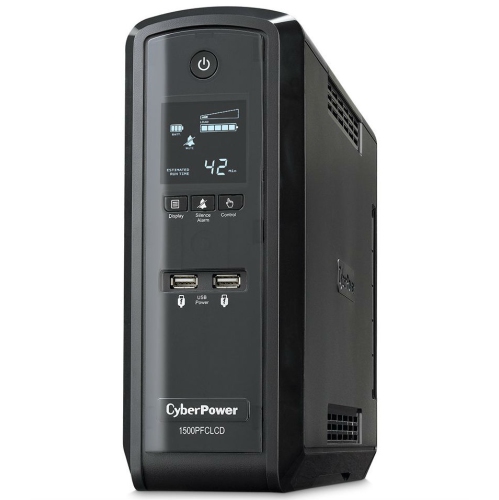
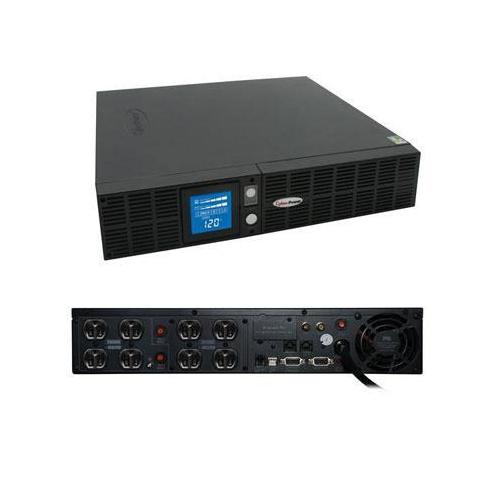
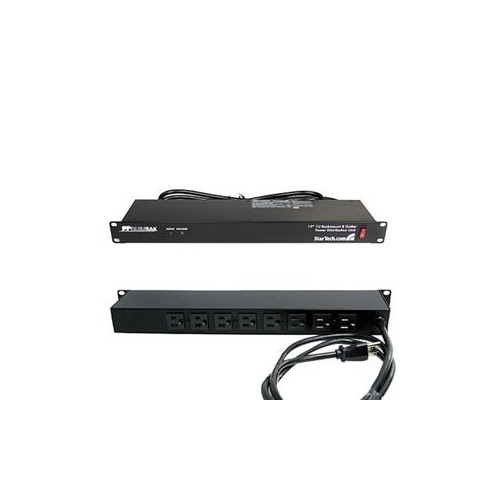
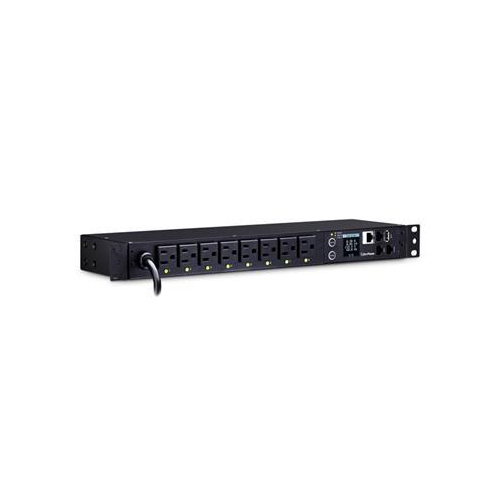
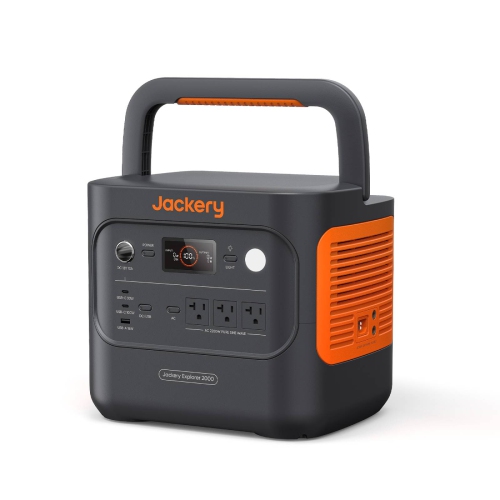
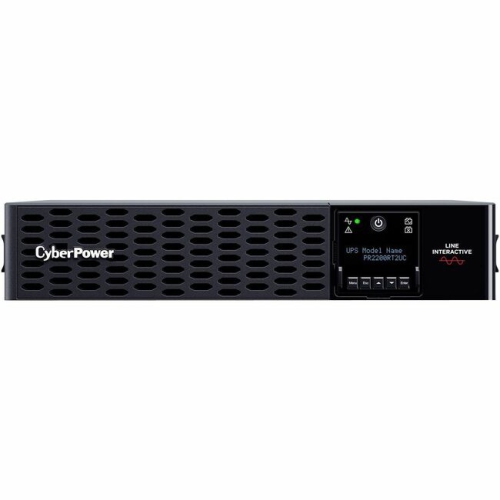
Network power solutions help keep connected equipment running safely and reliably when the electrical supply is interrupted, unstable, or unexpectedly overloaded. On this page, you can explore power products designed to support home networks, home offices, entertainment setups, small businesses, and other connected spaces where a dependable connection matters. A typical setup may include a modem, router, network switch, computer, storage device, security camera hub, or other networking equipment that needs steady power to remain available. A backup power unit can provide temporary electricity during an outage, while surge protection helps defend connected electronics against sudden voltage changes. Power distribution equipment can also help organize several devices in one location, reduce cable clutter, and make it easier to manage a compact workstation or communications area. For more ways to prepare connected electronics for interruptions, browse Battery Backup Power Solutions. These products are especially useful in homes where a lost connection affects remote work, online learning, video calls, smart home access, or security monitoring. They can also be helpful in small offices, retail spaces, workshops, and service areas that rely on internet access throughout the day. In larger communications settings, similar principles apply to direct current power systems, battery integration, and equipment designed to support telecommunications, cable broadband, and utility infrastructure. While commercial installations may call for custom capacity planning and professional service, choosing the right power equipment for a home or small business begins with the same basic goal: matching the power needs of connected devices with the level of protection and runtime required.
Start by making a list of the equipment you want to keep powered and check each device’s wattage, voltage, and plug requirements. Add the total power draw before choosing a backup unit, and leave room for occasional changes such as adding a network-attached storage device, expanding a home office, or connecting another access point. Runtime depends on the connected load and the capacity of the battery, so a unit supporting only a modem and router may operate for a different length of time than one powering a complete workstation. Consider the kind of interruption you are preparing for as well. Brief power flickers may call for dependable transfer and surge protection, while longer outages may make battery capacity, automatic shutdown features, and audible alerts more important. Look for clearly labelled outlets, easy-to-read status information, manageable cable placement, and a form factor that suits the intended location. A compact design can fit beside a desk or media console, while a higher-capacity system may need a dedicated area with adequate airflow and convenient access to a wall outlet. If several devices use different connection types, review the outlet layout carefully rather than relying on the number of sockets alone. Protection for data lines may also be worth considering when a network installation includes wired connections running between rooms or equipment areas. In a small business or communications room, organized power distribution can make troubleshooting easier by helping staff identify which devices are connected, which circuits are active, and where a problem may have started. For demanding installations, professional assessment is recommended to confirm capacity, wiring, battery requirements, and compatibility with the site’s electrical service.
Network power solutions can be a thoughtful gift for someone setting up a first home office, improving a gaming or media space, or working from home during the cooler months when storms and service interruptions can make reliable connectivity particularly valuable. They are practical for students, remote workers, photographers, small-business owners, and anyone who depends on a stable connection for important daily tasks. They can also make a useful addition to a new apartment, cottage, workshop, or home renovation project, especially when several connected devices are being installed at once. Before purchasing, consider where the equipment will sit, how many devices need protection, whether uninterrupted operation is essential, and how much time is needed to save work or shut down safely. Keep the power unit accessible, avoid overloading its outlets, and follow the manufacturer’s guidance for battery care and replacement. It is also wise to test the setup after installation by checking that the connected devices continue operating when utility power is unavailable and that alerts are easy to understand. For a residential network, the best choice is usually the one that balances capacity, protection, runtime, and convenient placement without adding unnecessary complexity. For a business, telecommunications, cable broadband, or utility application, the requirements may extend to direct current distribution, larger battery banks, monitoring, installation, and ongoing site maintenance. Reviewing those needs in advance helps ensure the selected solution supports the equipment it is intended to protect and remains useful as the network grows.
Top selling and popular products
-
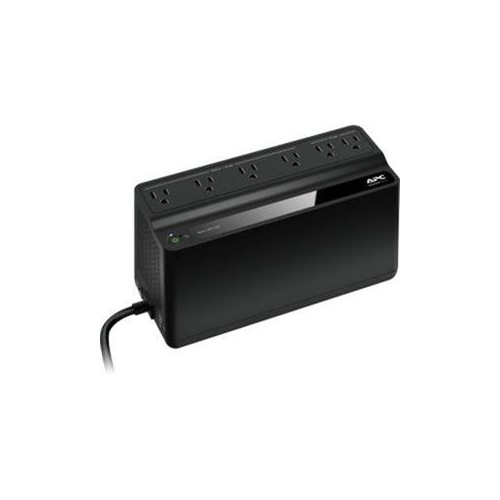 Your price for this item is $105.68
-
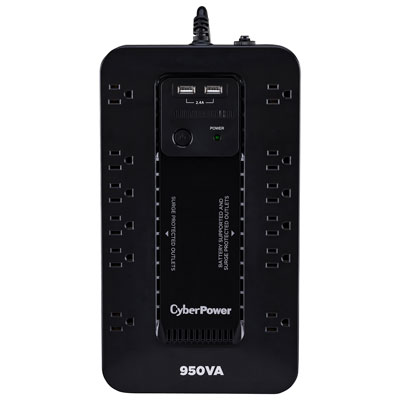 Your price for this item is $149.99
-
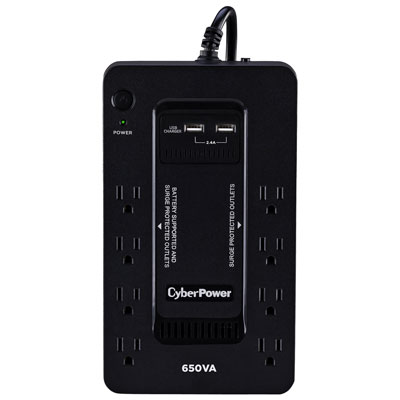 Your price for this item is $99.99
-
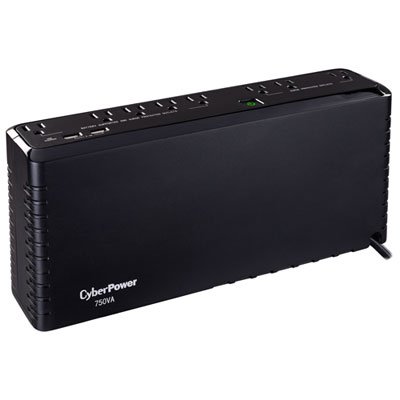 Your price for this item is $119.99
-
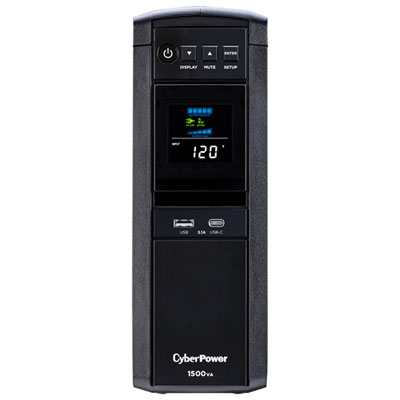 Your price for this item is $299.99
-
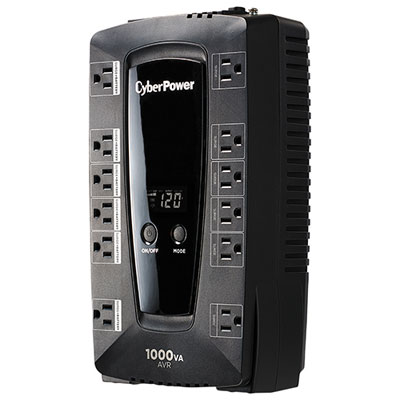 Your price for this item is $149.99
-
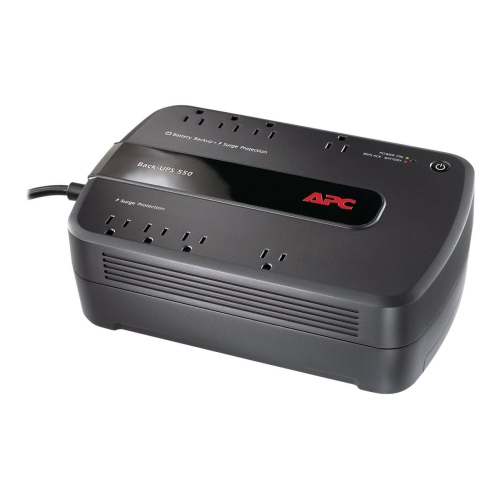 Your price for this item is $170.69
-
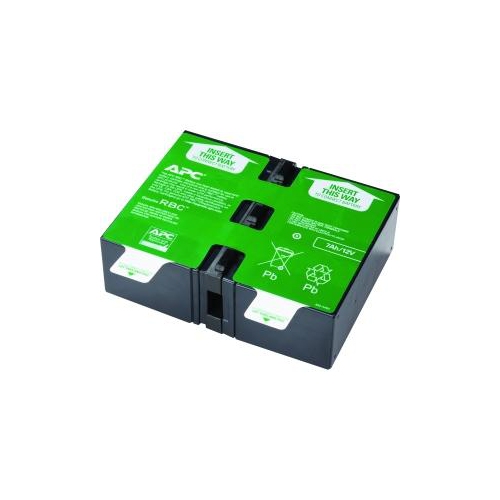 Your price for this item is $157.68
Discover more categories related to Network Power Solutions
Top Collections:
Pokemon Centers, Kindle Devices, Best Cameras for Sports Photography, Pokémon 30th Celebration Cards, Canon G7X Cameras, Samsung Galaxy Phones, iPhone 15 Apple, Best Black Friday Deals On Electronics, Jackery Power Stations, Solar Generators for Home
Some products may be subject to Environmental Handling Fees
(EHF) depending on your province.
Learn more about EHFs.