Smart UPS 2200
Smart UPS 2200 offers advanced power protection for your essential electronics and equipment, ensuring reliable performance when you need it most. Designed to support both home and business environments, Smart UPS 2200 helps maintain productivity and keeps devices running smoothly during unexpected power interruptions. Explore a range of options to find the perfect solution tailored to your backup power needs.
Sort


Battery backup that buys time for a safe shutdown
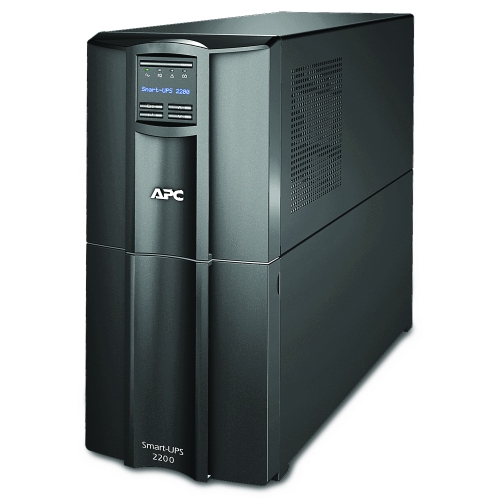
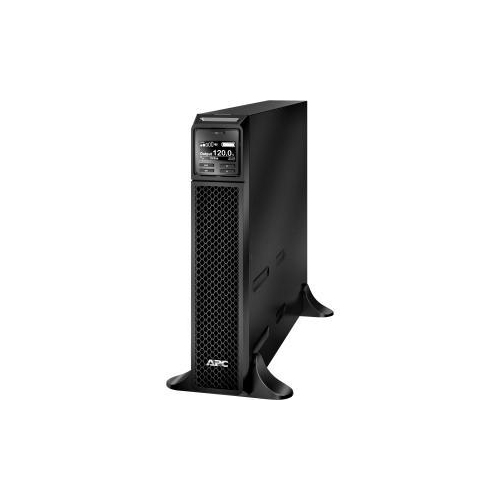
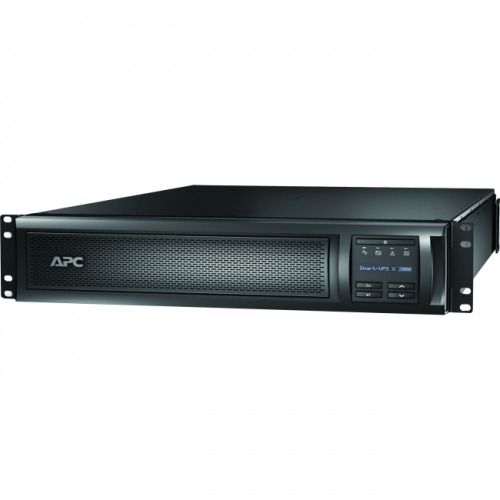
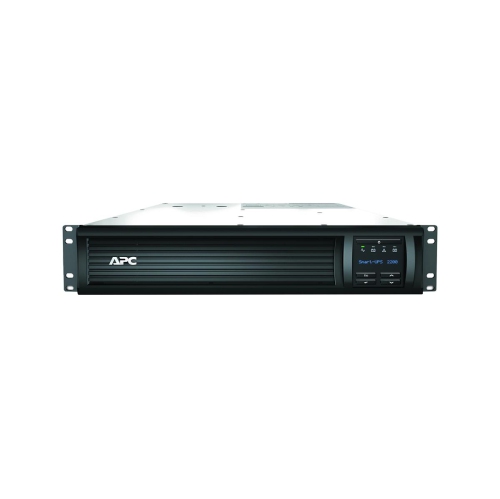
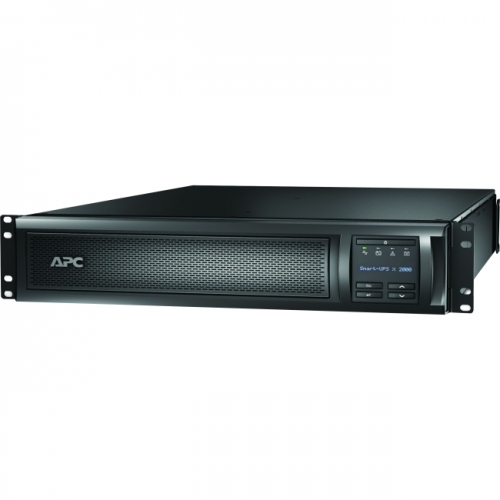
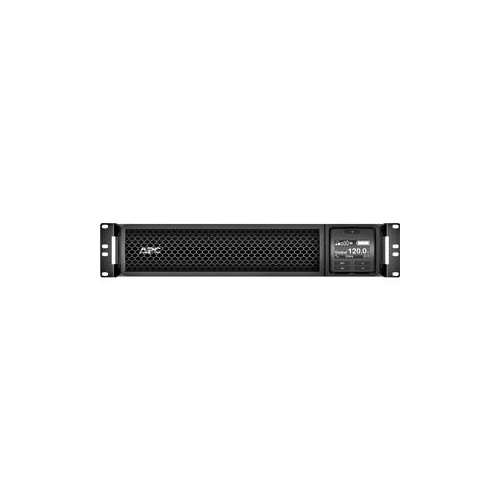
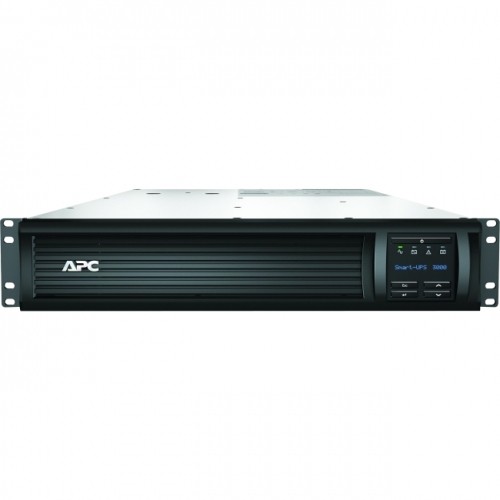
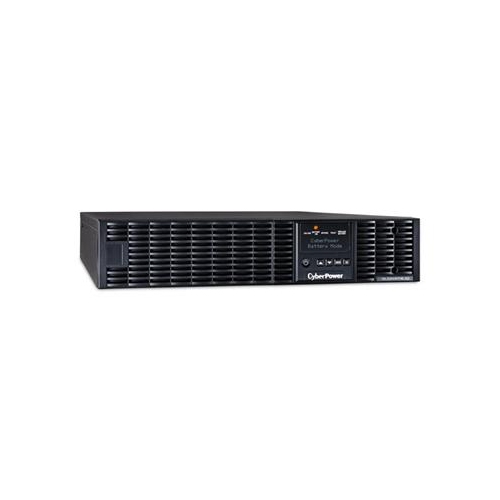
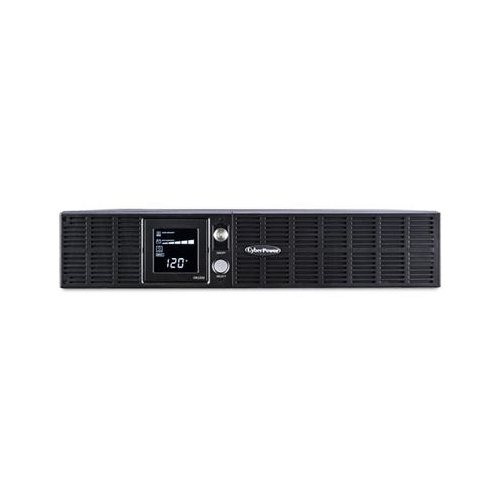
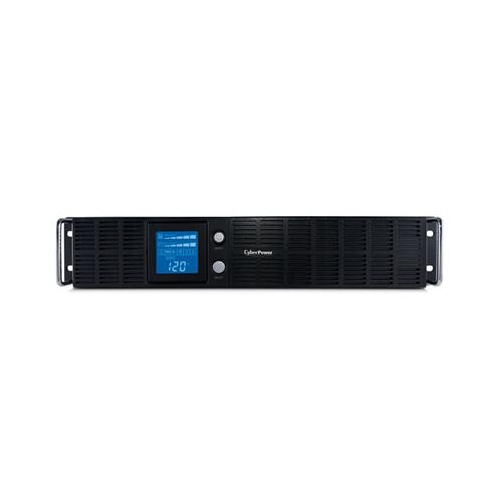
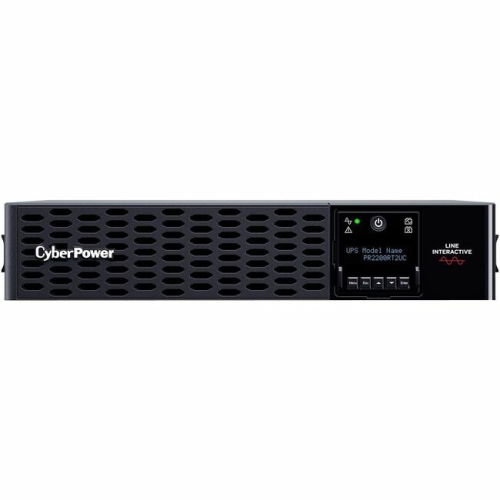
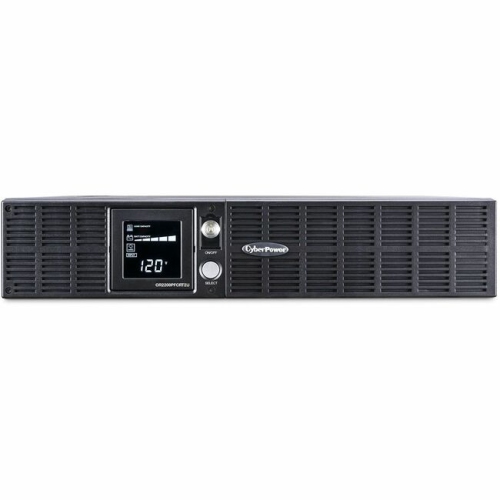
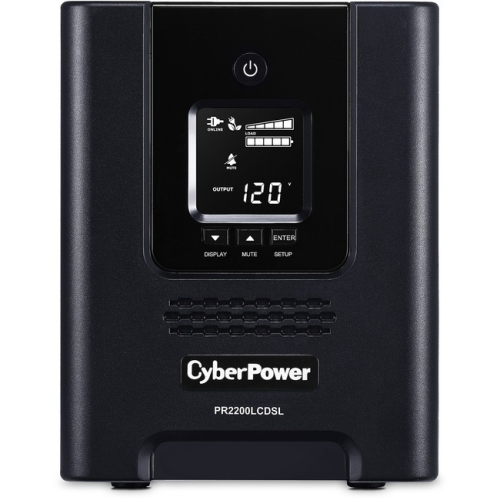
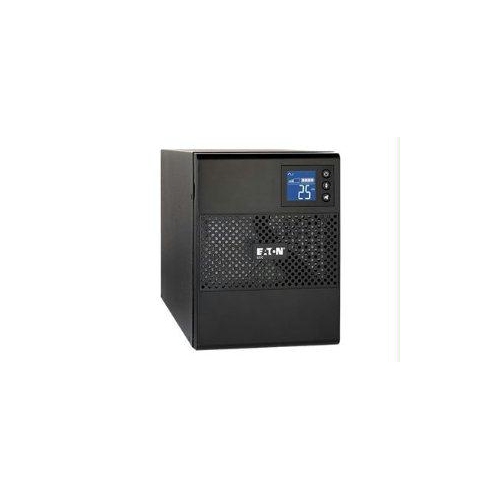
A 2200 VA smart UPS is an uninterruptible power supply designed to provide temporary battery backup and power protection for connected equipment. This capacity class is often suited to servers, network switches, storage systems, workstations, and other electronics that need time to shut down safely when utility power fails. In a small office, that might mean keeping a file server and its network connection running long enough to finish saving documents. In a home workspace, it could mean protecting a desktop computer, attached storage, and networking equipment from an abrupt interruption during a large file transfer. The 2200 VA rating describes apparent power capacity, not battery runtime or the total wattage every unit can support. The maximum output in watts is a separate specification, and both limits matter when matching a UPS to a connected load. Some units in this class provide an output approaching 2000 W, while others have lower wattage ratings, so capacity should be assessed using the specifications of the exact configuration. Runtime also changes with the load: a lightly loaded system generally stays powered longer than one operating close to its limit. Battery age, temperature, and the condition of the battery influence that time as well. A UPS is therefore best understood as a bridge through a brief interruption or a window for an orderly shutdown, rather than a substitute for an extended backup power source. For equipment with active power factor correction power supplies, pure sine wave output can be an important compatibility consideration. Where specified, it supplies a smooth AC waveform while the unit runs on battery. Line-interactive designs with automatic voltage regulation can also correct certain voltage dips and rises without switching to battery power. These features are useful where momentary power disturbances can otherwise restart equipment, interrupt access to shared files, or leave a workstation with unsaved changes.
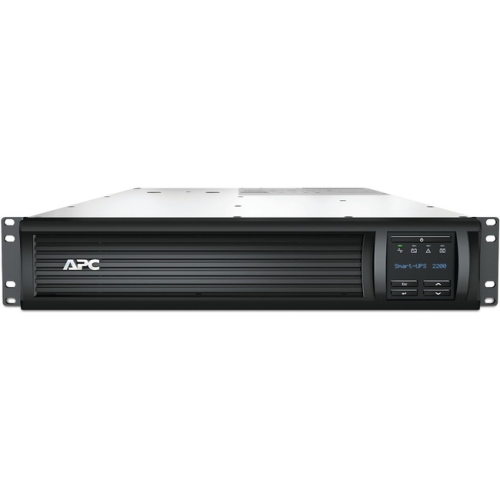
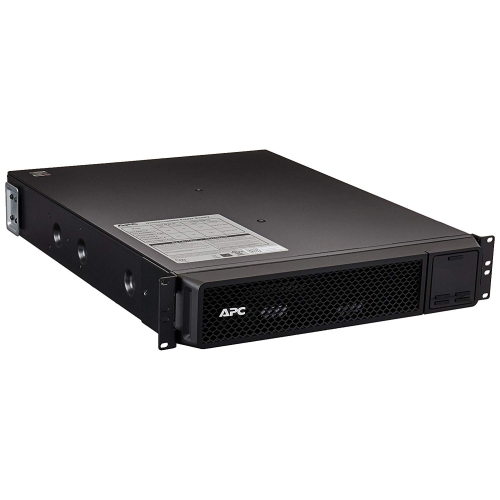
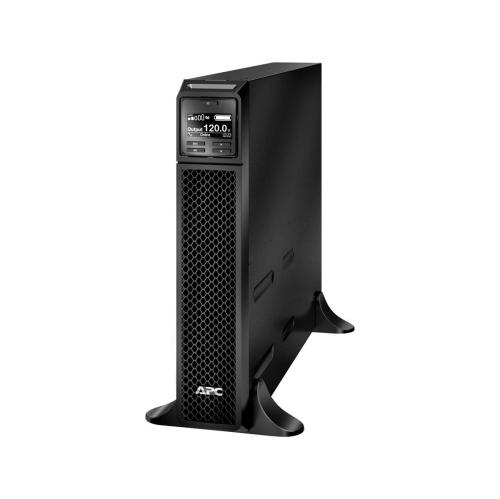
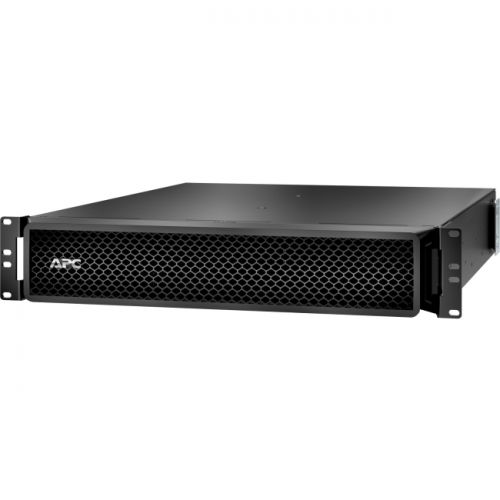
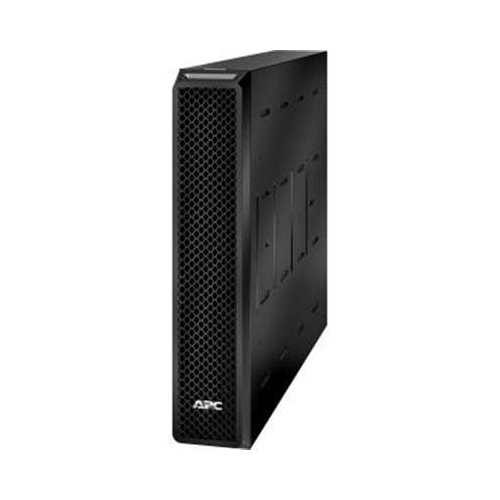
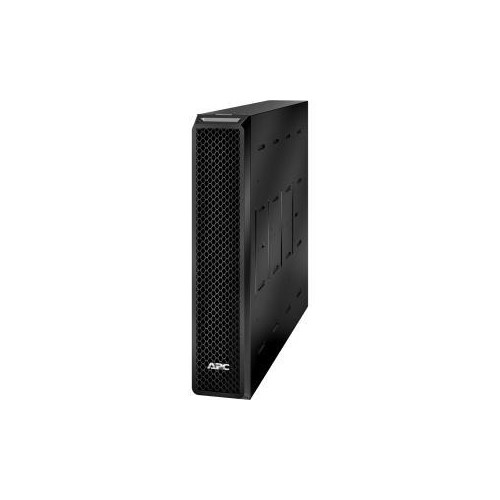
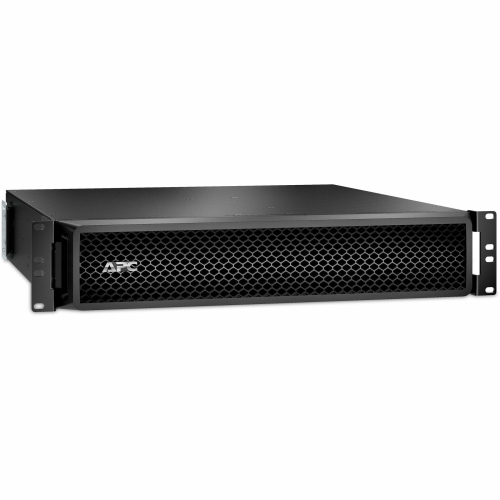
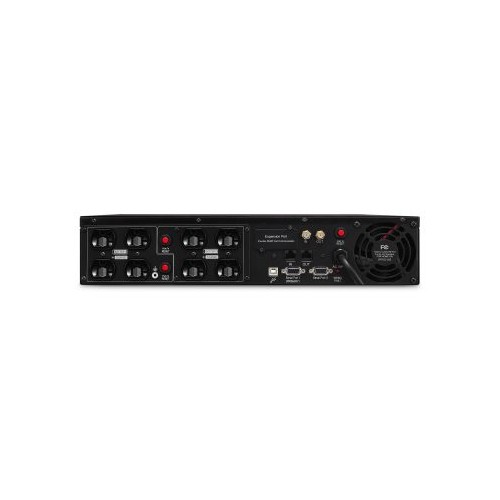
Physical fit and electrical compatibility are just as important as the capacity printed on the enclosure. Tower UPS systems can suit a dedicated equipment area beside a workstation or beneath an open desk, provided there is adequate ventilation and clearance. Rackmount versions are designed for equipment racks, where chassis depth, rack-unit height, mounting hardware, and weight all affect the fit. Some designs support both orientations with the appropriate accessories, but that flexibility should never be assumed. A battery-equipped UPS in this class can be heavy, so a sturdy supporting surface and a practical route for installation matter. In a rack, placement low in the cabinet can help keep heavy equipment appropriately supported, subject to the rack and UPS installation requirements. Enclosures commonly combine metal chassis components with moulded front panels, with internal batteries accounting for a substantial share of the weight. Durability depends not only on the enclosure but also on proper mounting, clear airflow, and use within the specified operating conditions. Electrical connections deserve particular attention because a 2200 VA unit may require more than a standard household receptacle. Some North American configurations use a NEMA 5-20P input plug and require a compatible 20 A receptacle and suitable circuit; other configurations have different voltage and connection requirements. An adapter does not establish that a circuit is appropriate for the load. Output receptacle types and quantities also vary, and the number of sockets does not increase the UPS system’s total capacity. A setup with a server, storage enclosure, switch, and firewall needs enough compatible connections as well as sufficient wattage headroom for their combined demand. Devices with high startup loads, heating elements, or demanding motors are not interchangeable with typical computer loads. Laser printers, for example, should not be connected to battery-backed outlets unless the UPS manufacturer explicitly supports that use. Cable reach, accessible plugs, and room to service the equipment can make the difference between a tidy installation and one that is difficult to maintain.
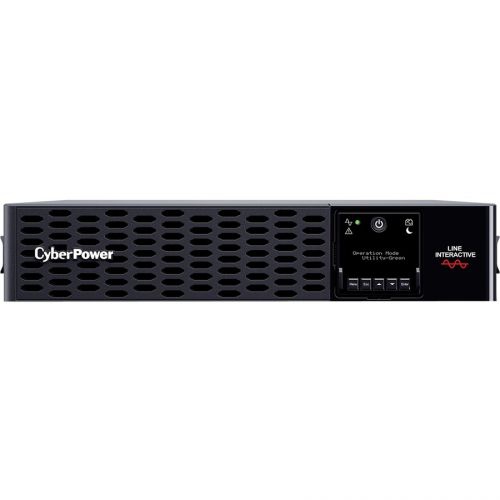
Smart functionality adds visibility and control to the power protection itself. Depending on the design, an onboard display may show load level, battery charge, input voltage, estimated runtime, and alerts, making it easier to understand what is happening without disconnecting equipment. USB or serial communication can support shutdown software, while network management may be built in or require a separate compatible card. Remote monitoring capabilities, account requirements, and management features differ, so a network port alone should not be taken as a promise of every remote function. For an unattended server or a shared storage system, compatible shutdown software can be especially valuable: it can initiate a controlled shutdown before the battery runs out, rather than relying on someone being nearby when an alarm sounds. If remote access matters, the supporting modem, router, switches, and other necessary network devices also need appropriate backup power, although keeping them powered cannot guarantee that an outside internet connection remains active. Shoppers comparing related power protection options can also explore the APC UPS range, with particular attention to capacity, form factor, and management compatibility. Long-term care centres on ventilation, battery condition, and access for servicing. Keep vents free of dust, avoid enclosed cupboards and nearby heat sources, and leave the clearances specified by the manufacturer. Battery life varies with operating temperature, discharge frequency, and battery chemistry; a replacement alert or a noticeable loss of runtime warrants attention even when the unit still powers connected devices normally. Many systems use replaceable battery assemblies, but the correct battery fit, voltage, connector, and approved replacement procedure are essential. Hot-swappable battery support is a separate feature and should be confirmed before any replacement is attempted with equipment running. Audible alarms and cooling fans can also affect placement in a quiet office or studio. For a growing business, a home server setup, or a demanding workstation, the most suitable 2200 VA smart UPS balances electrical capacity, useful runtime, manageable noise, and straightforward maintenance around the equipment it is intended to protect.
Physical fit and electrical compatibility are just as important as the capacity printed on the enclosure. Tower UPS systems can suit a dedicated equipment area beside a workstation or beneath an open desk, provided there is adequate ventilation and clearance. Rackmount versions are designed for equipment racks, where chassis depth, rack-unit height, mounting hardware, and weight all affect the fit. Some designs support both orientations with the appropriate accessories, but that flexibility should never be assumed. A battery-equipped UPS in this class can be heavy, so a sturdy supporting surface and a practical route for installation matter. In a rack, placement low in the cabinet can help keep heavy equipment appropriately supported, subject to the rack and UPS installation requirements. Enclosures commonly combine metal chassis components with moulded front panels, with internal batteries accounting for a substantial share of the weight. Durability depends not only on the enclosure but also on proper mounting, clear airflow, and use within the specified operating conditions. Electrical connections deserve particular attention because a 2200 VA unit may require more than a standard household receptacle. Some North American configurations use a NEMA 5-20P input plug and require a compatible 20 A receptacle and suitable circuit; other configurations have different voltage and connection requirements. An adapter does not establish that a circuit is appropriate for the load. Output receptacle types and quantities also vary, and the number of sockets does not increase the UPS system’s total capacity. A setup with a server, storage enclosure, switch, and firewall needs enough compatible connections as well as sufficient wattage headroom for their combined demand. Devices with high startup loads, heating elements, or demanding motors are not interchangeable with typical computer loads. Laser printers, for example, should not be connected to battery-backed outlets unless the UPS manufacturer explicitly supports that use. Cable reach, accessible plugs, and room to service the equipment can make the difference between a tidy installation and one that is difficult to maintain.
Smart functionality adds visibility and control to the power protection itself. Depending on the design, an onboard display may show load level, battery charge, input voltage, estimated runtime, and alerts, making it easier to understand what is happening without disconnecting equipment. USB or serial communication can support shutdown software, while network management may be built in or require a separate compatible card. Remote monitoring capabilities, account requirements, and management features differ, so a network port alone should not be taken as a promise of every remote function. For an unattended server or a shared storage system, compatible shutdown software can be especially valuable: it can initiate a controlled shutdown before the battery runs out, rather than relying on someone being nearby when an alarm sounds. If remote access matters, the supporting modem, router, switches, and other necessary network devices also need appropriate backup power, although keeping them powered cannot guarantee that an outside internet connection remains active. Shoppers comparing related power protection options can also explore the APC UPS range, with particular attention to capacity, form factor, and management compatibility. Long-term care centres on ventilation, battery condition, and access for servicing. Keep vents free of dust, avoid enclosed cupboards and nearby heat sources, and leave the clearances specified by the manufacturer. Battery life varies with operating temperature, discharge frequency, and battery chemistry; a replacement alert or a noticeable loss of runtime warrants attention even when the unit still powers connected devices normally. Many systems use replaceable battery assemblies, but the correct battery fit, voltage, connector, and approved replacement procedure are essential. Hot-swappable battery support is a separate feature and should be confirmed before any replacement is attempted with equipment running. Audible alarms and cooling fans can also affect placement in a quiet office or studio. For a growing business, a home server setup, or a demanding workstation, the most suitable 2200 VA smart UPS balances electrical capacity, useful runtime, manageable noise, and straightforward maintenance around the equipment it is intended to protect.
Top selling and popular products
-
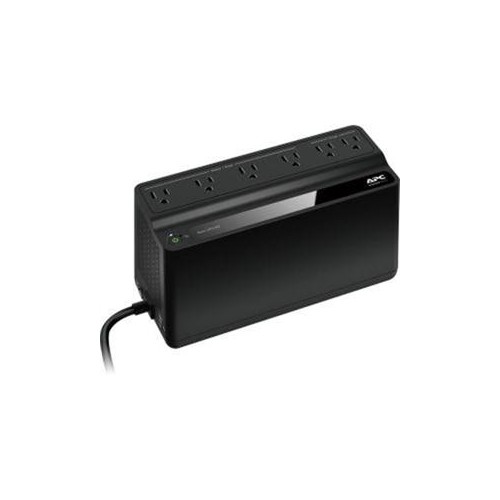 Your price for this item is $106.68
 -
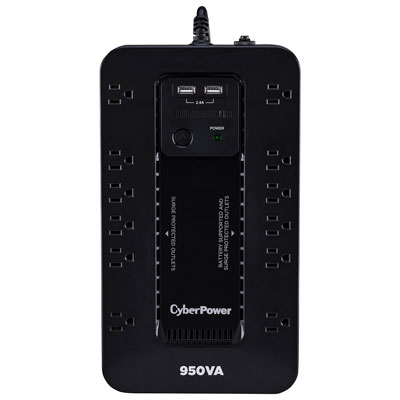 Your price for this item is $149.99
 -
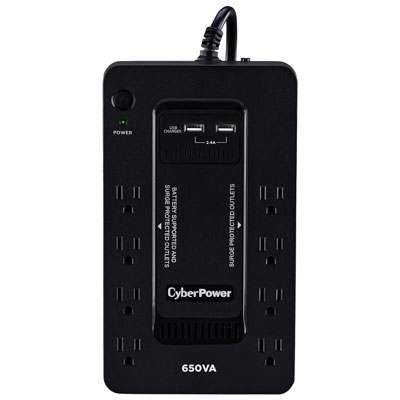 Your price for this item is $99.99
 -
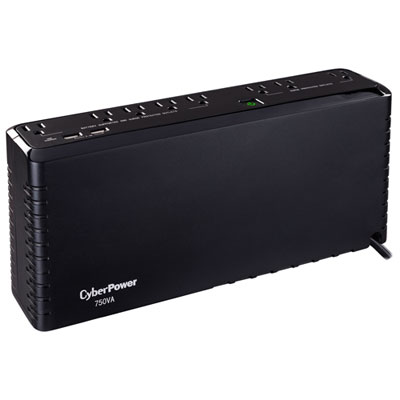 Your price for this item is $119.99
 -
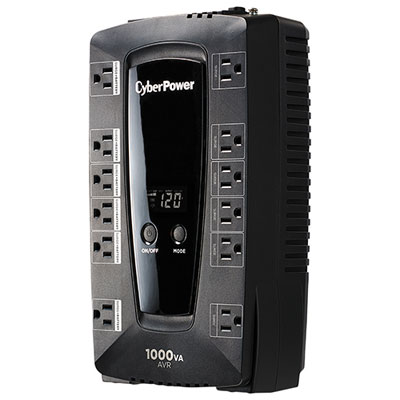 Your price for this item is $149.99
 -
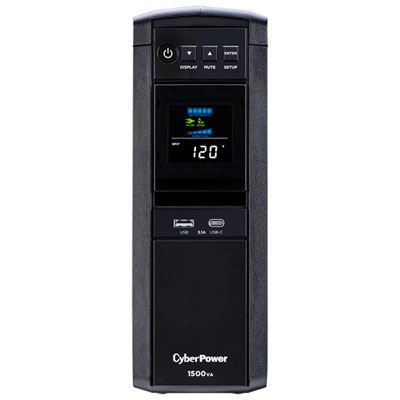 Your price for this item is $299.99
 -
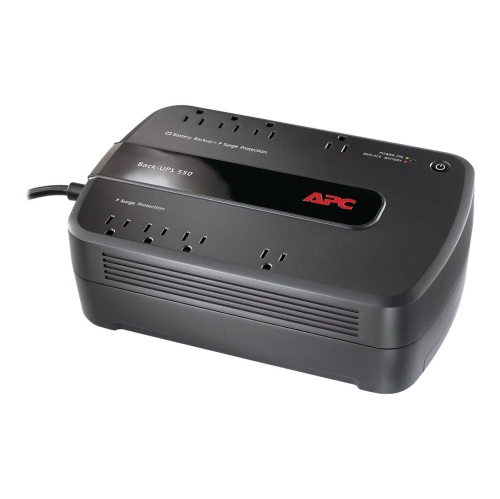 Your price for this item is $170.99
 -
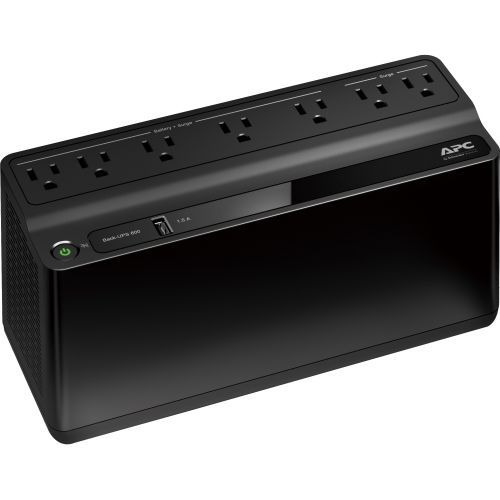 Your price for this item is $171.53
Discover more categories related to Smart UPS 2200

Top Collections:
Pokemon Centers, Kindle Devices, Best Budget Office Chairs, Apple iPhones 16, Best Laptops for Writers, iPhone 15 Apple, Canon G7X Cameras, Refurbished Apple Laptops, Alarm Clock, Motorola Razr Phones
Some products may be subject to Environmental Handling Fees
(EHF) depending on your province.
Learn more about EHFs.