Mirrorless Camera Bags for Travel
A mirrorless camera bag is a small, compact bag designed to carry a mirrorless camera and its accessories, especially while traveling. It is usually made of durable materials and has a padded interior to protect the equipment from bumps and bruises. Here is some great mirrorless camera bag for travel options on the market.
Sort
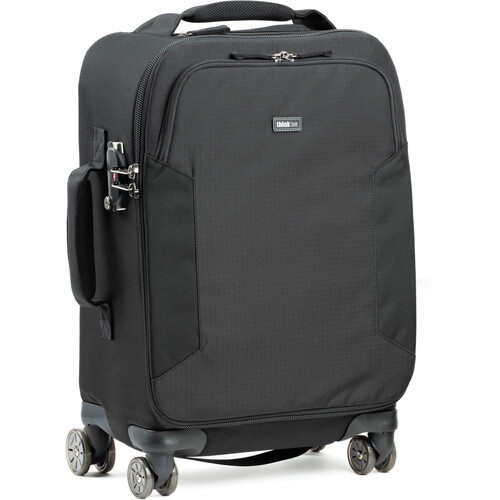
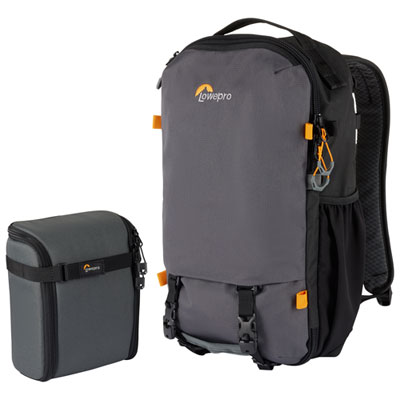
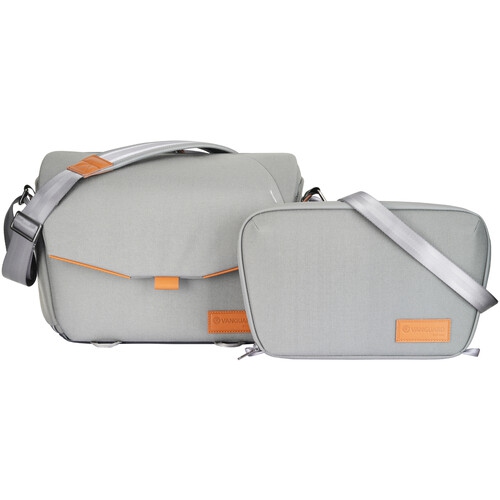
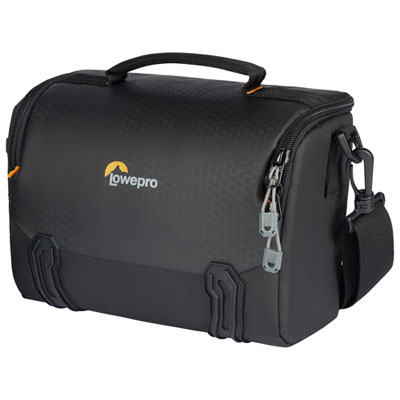
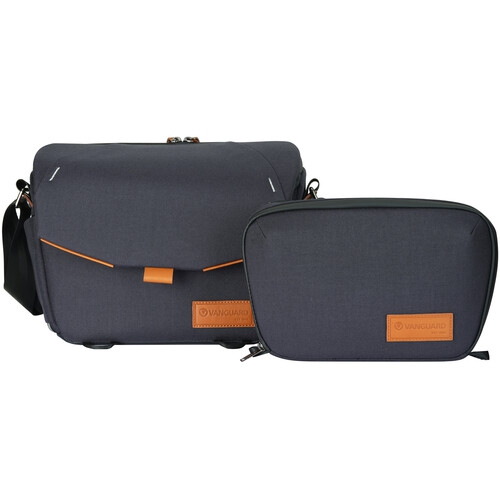
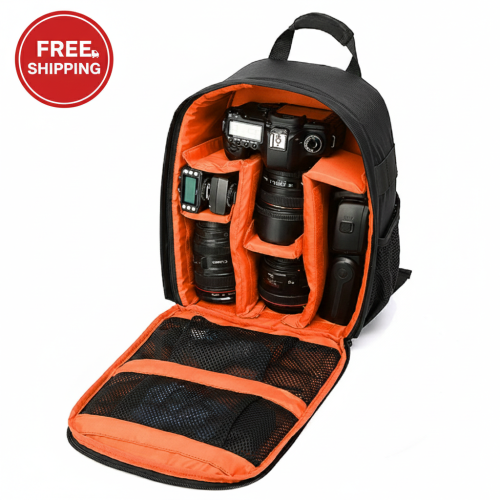
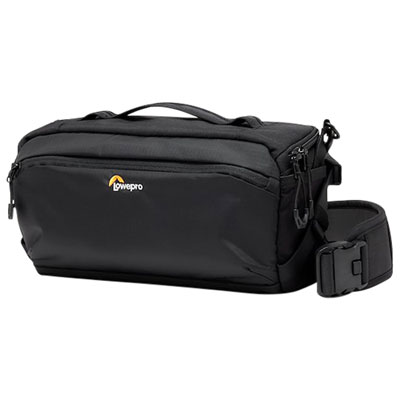
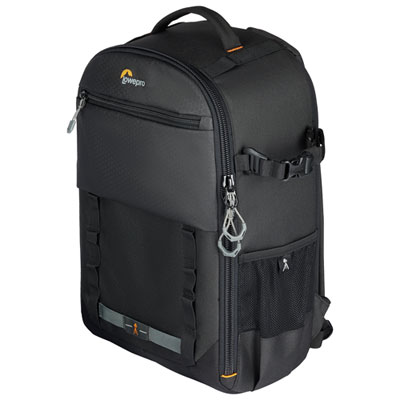
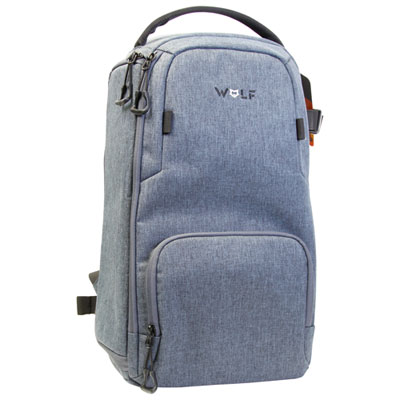
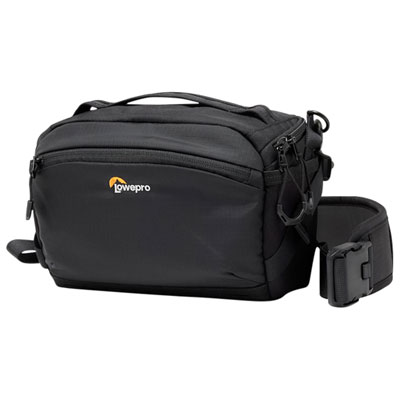
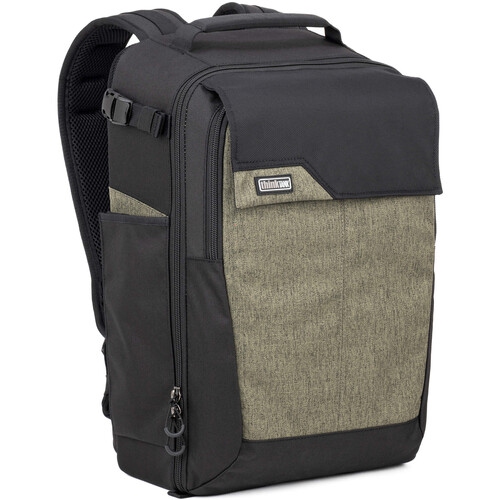
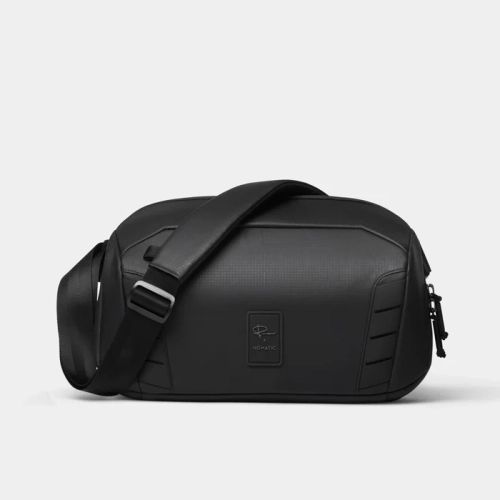
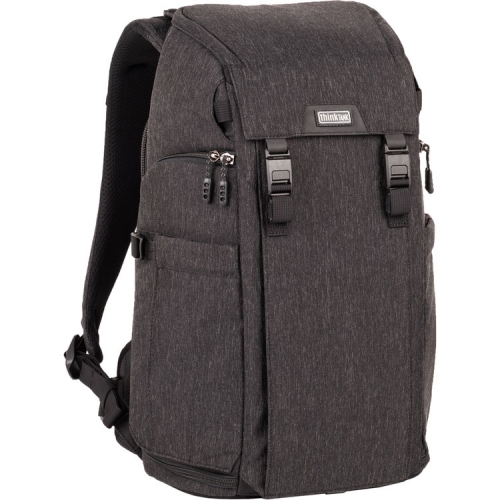
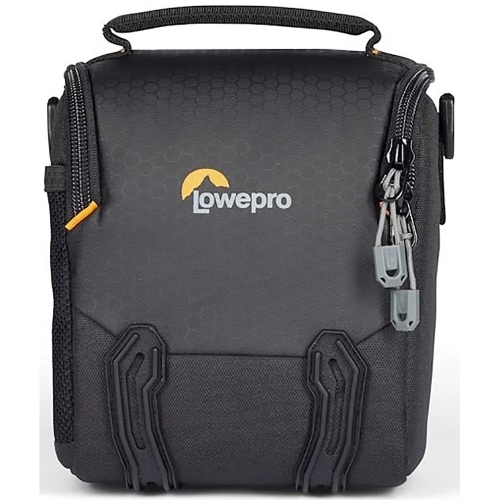
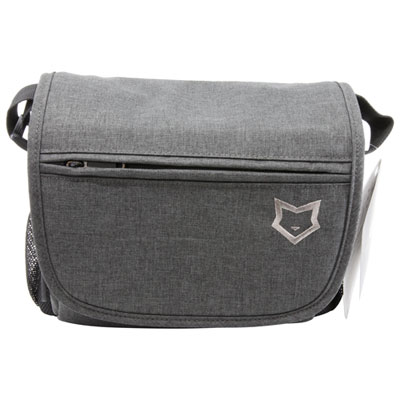
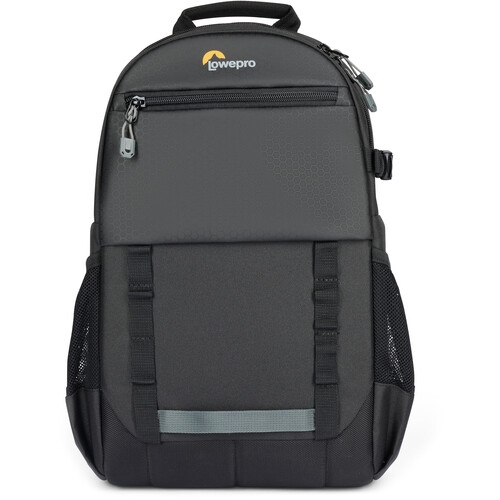
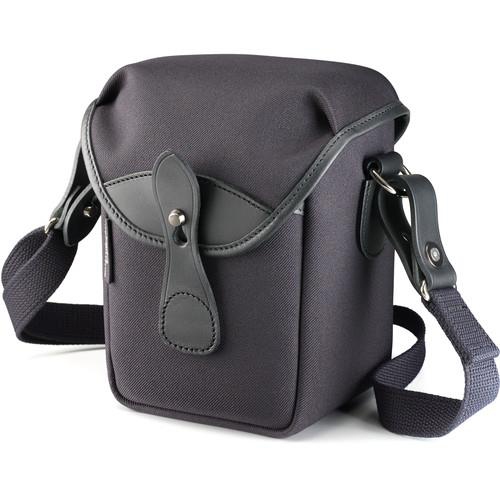
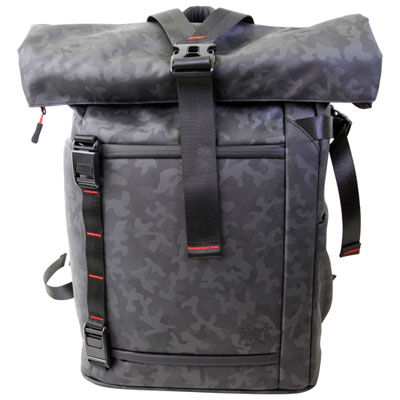
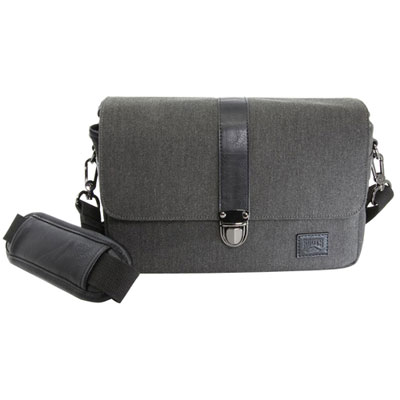
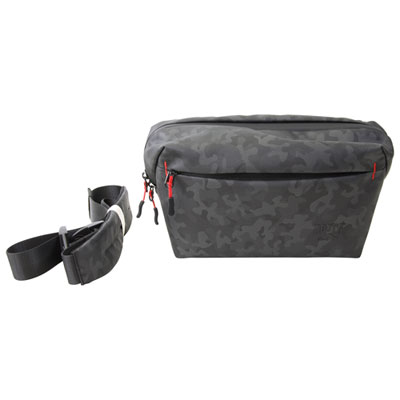
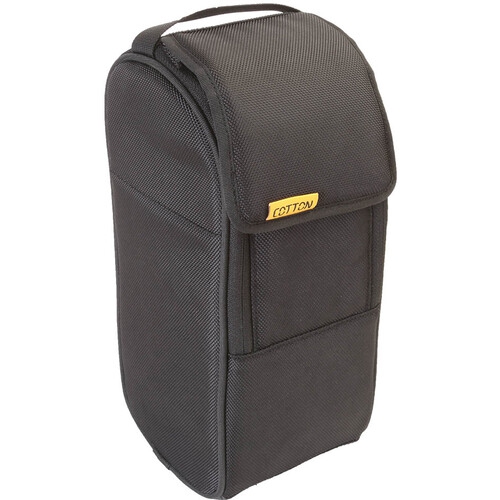
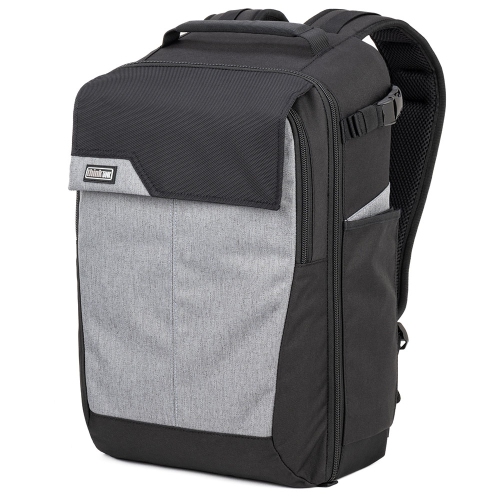
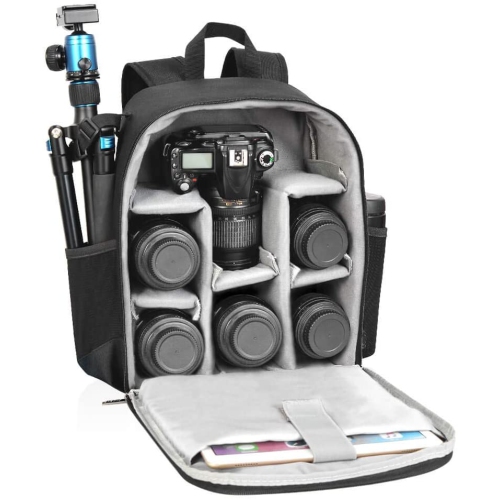
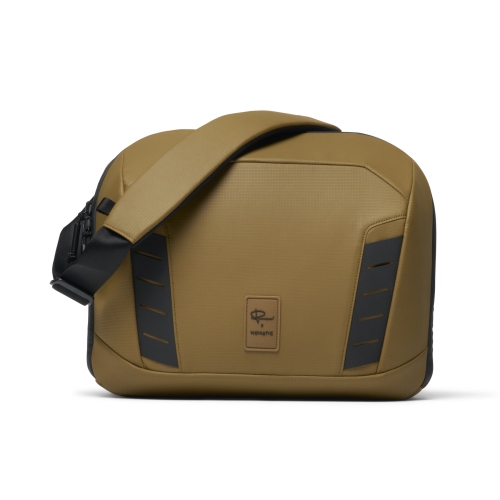
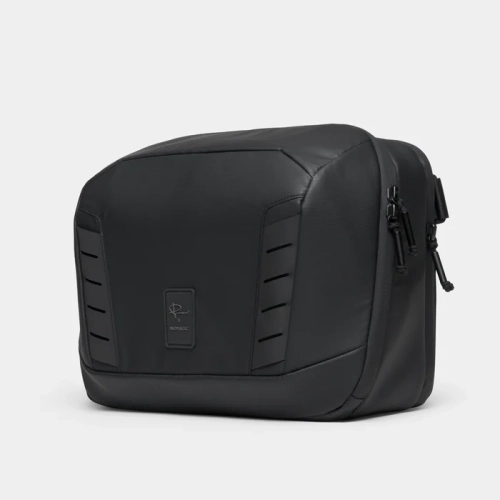
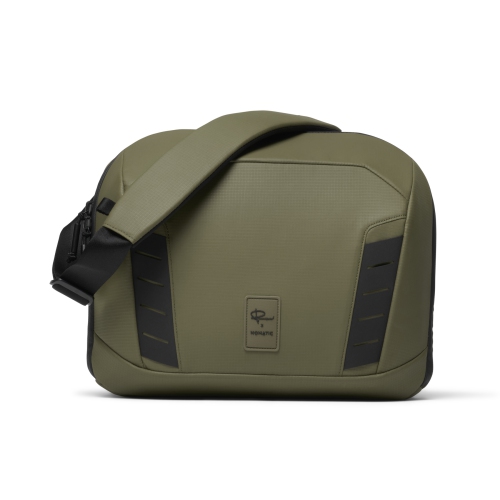
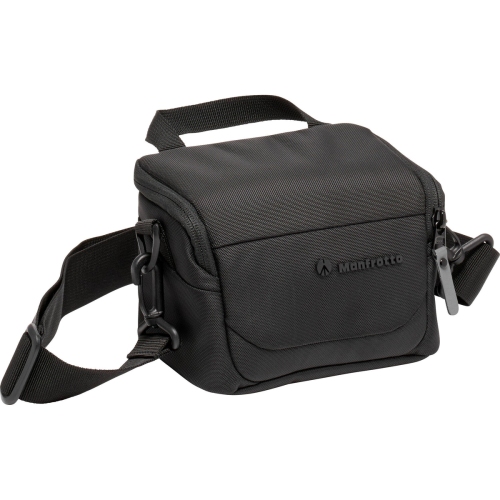

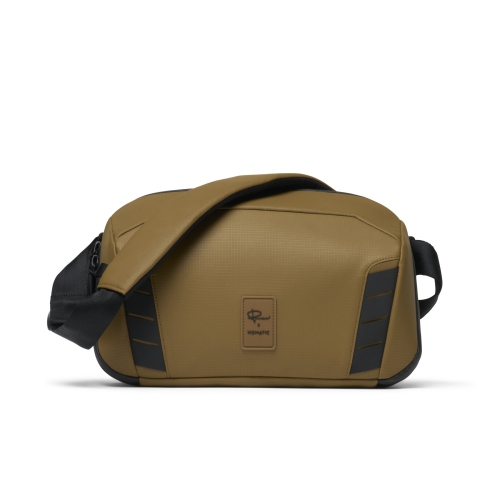
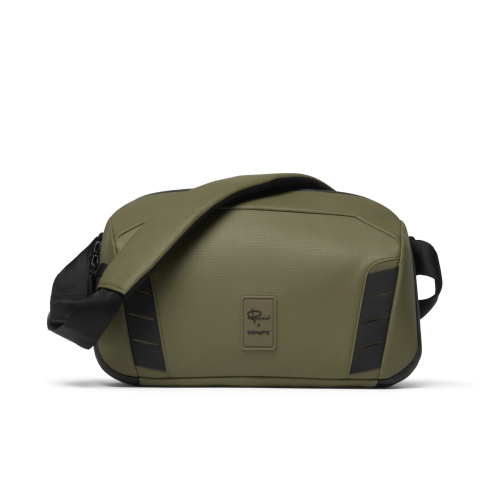
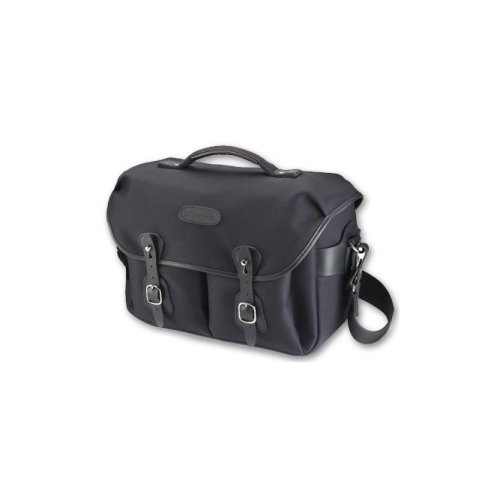
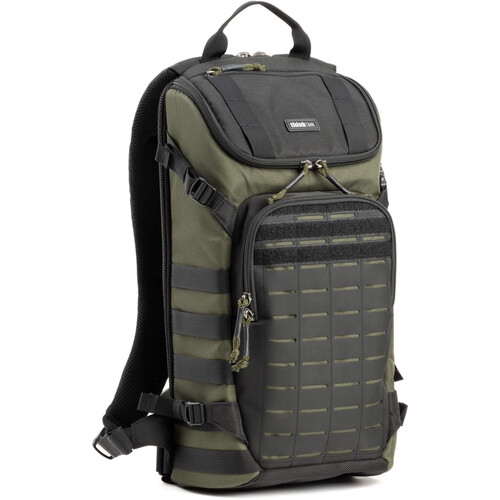
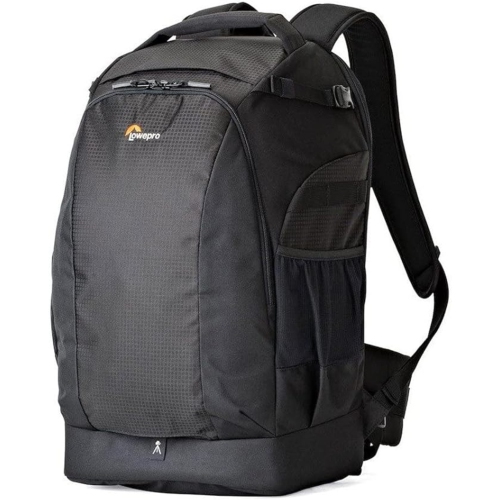
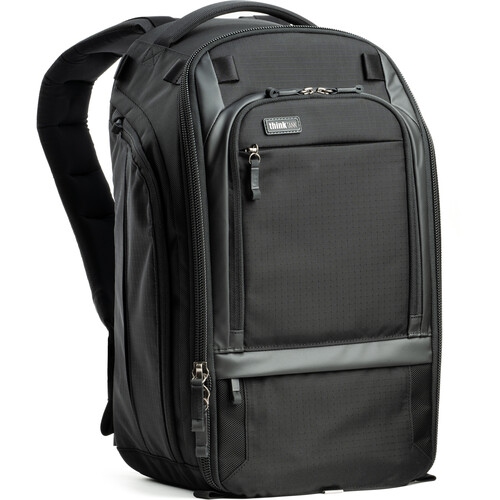
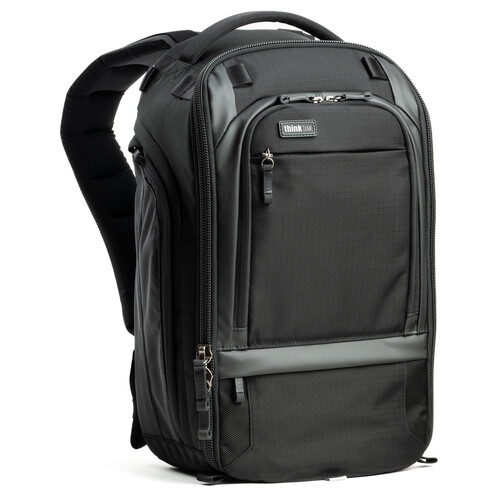
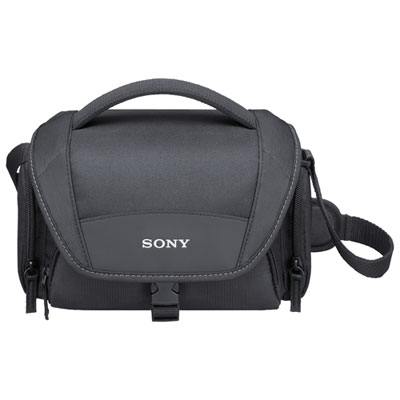
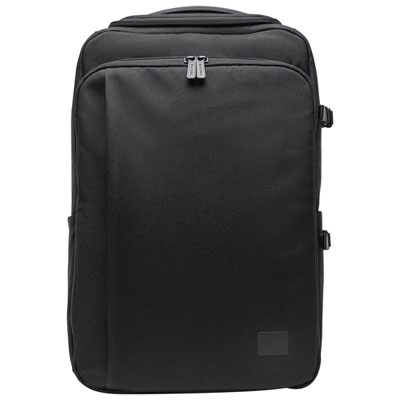
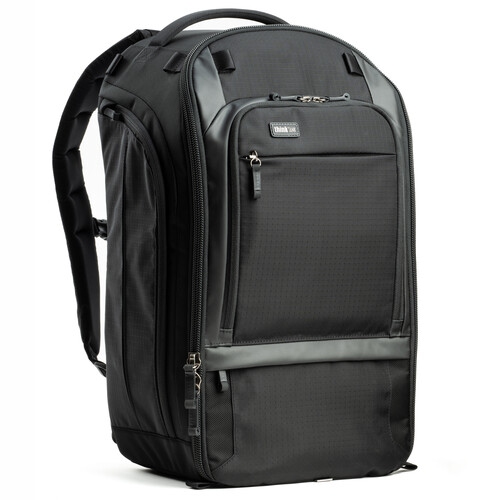
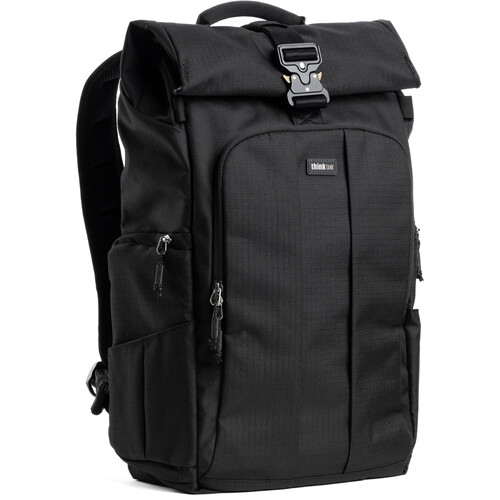
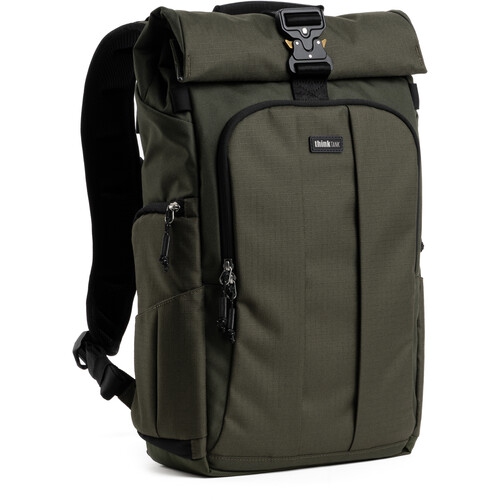
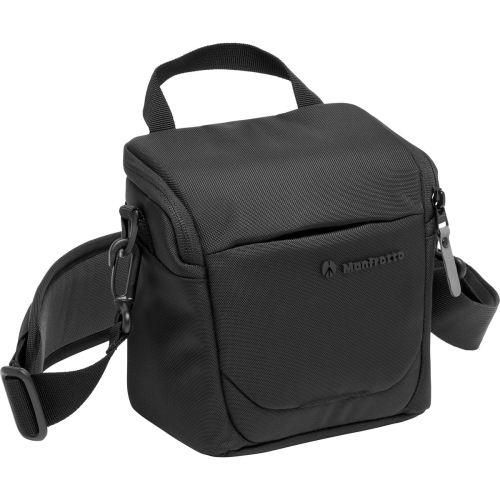
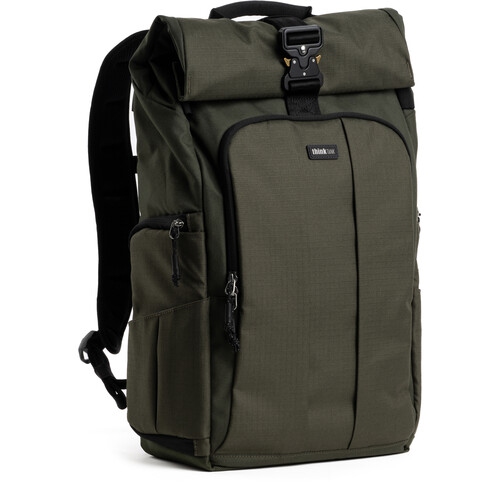
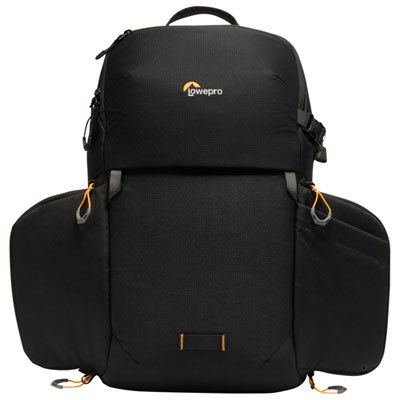
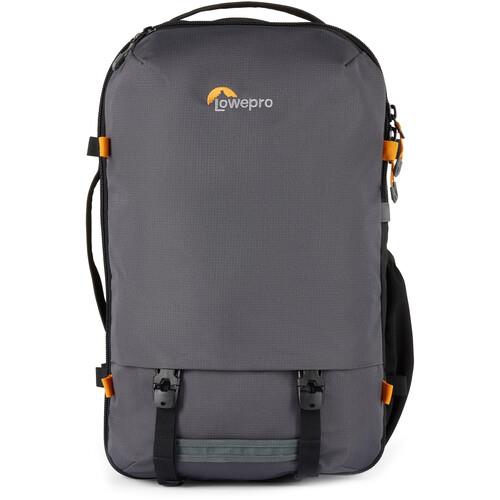
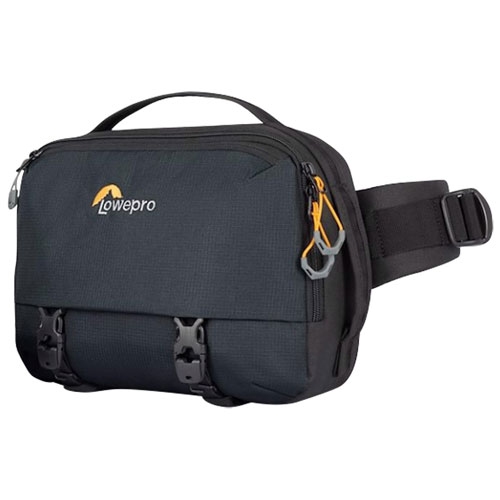
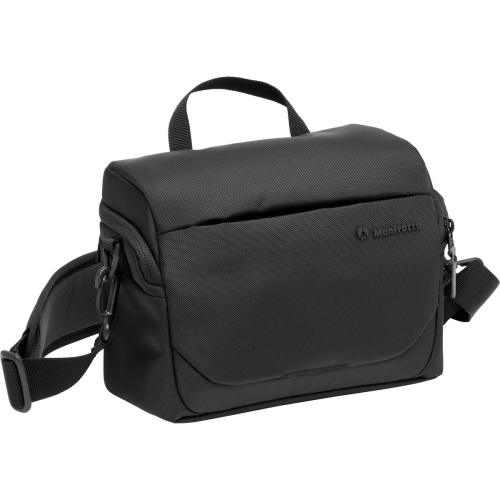
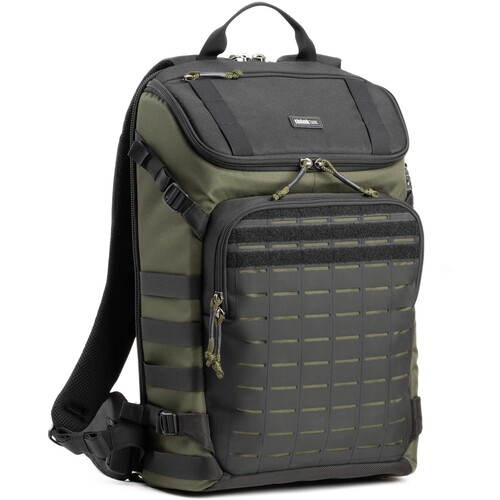

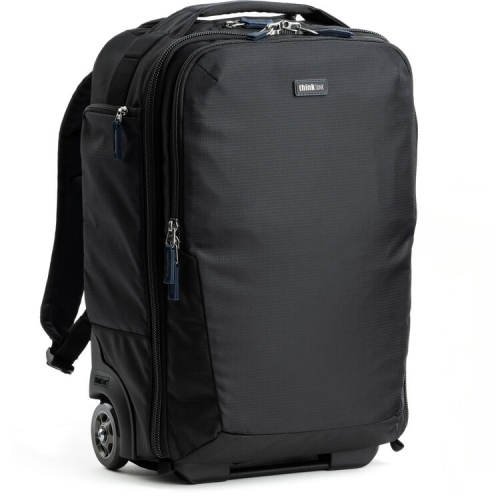
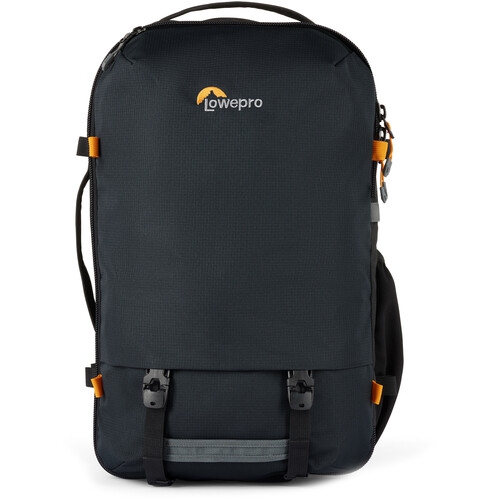
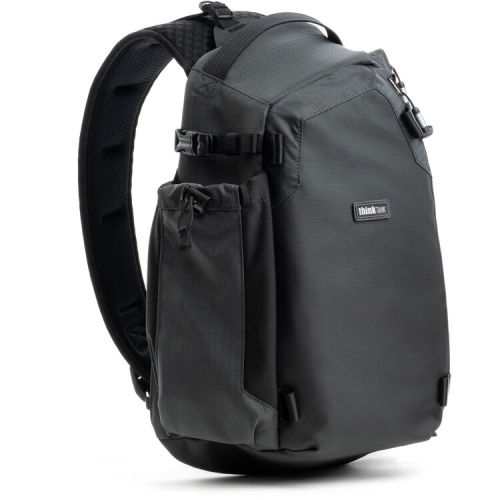
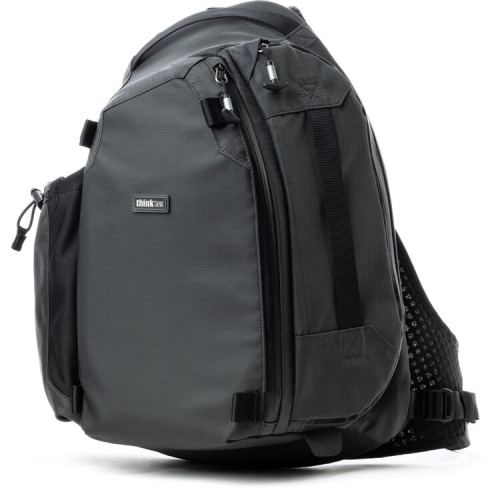
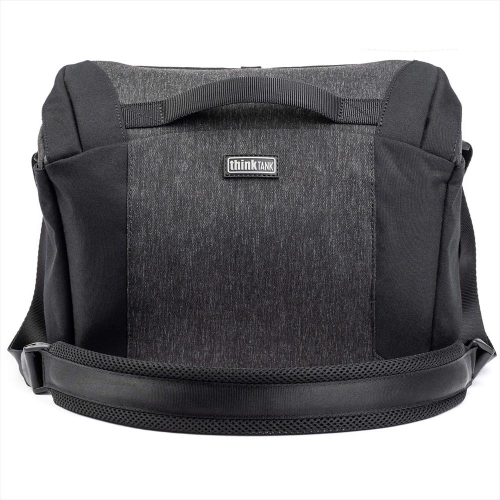
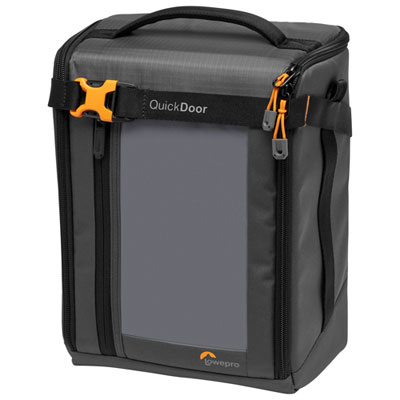
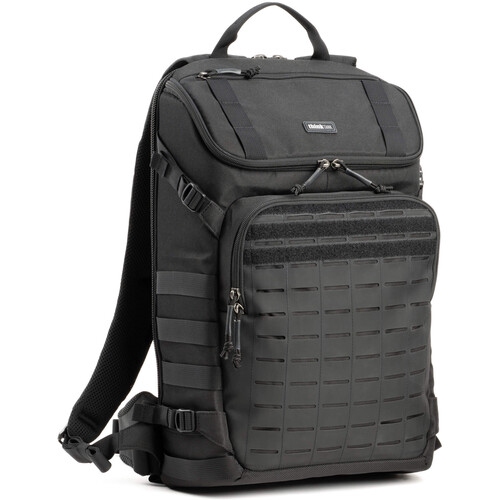
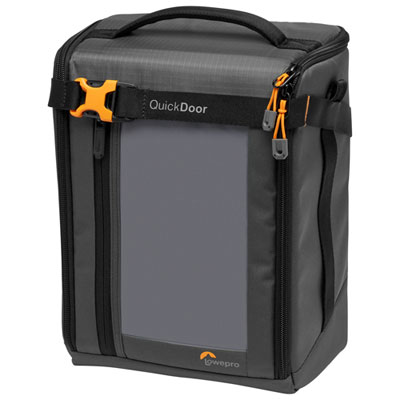
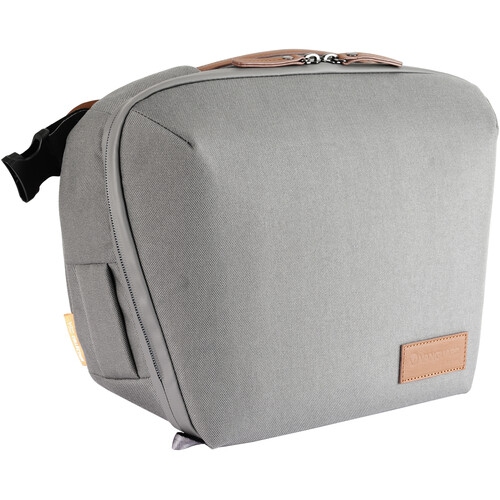
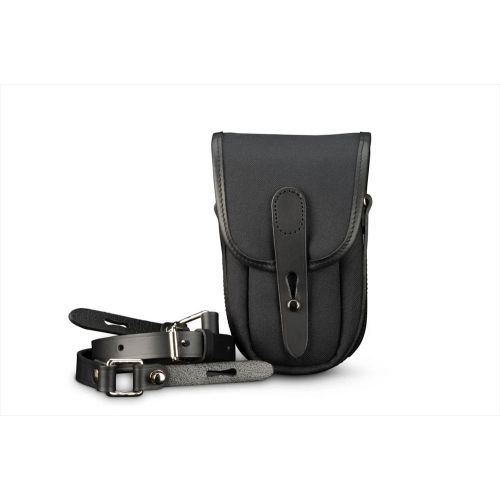
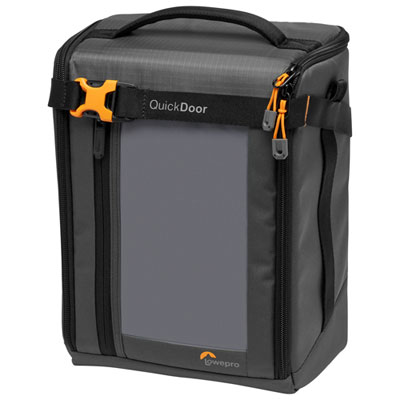
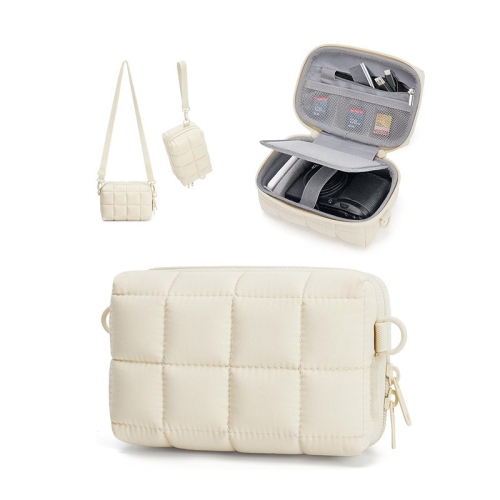
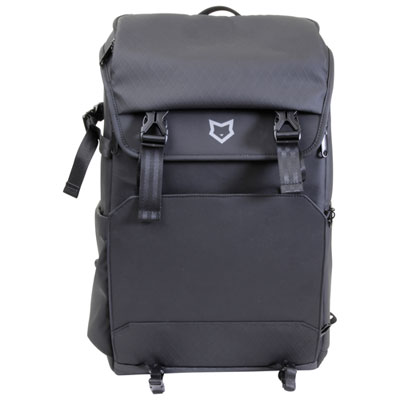
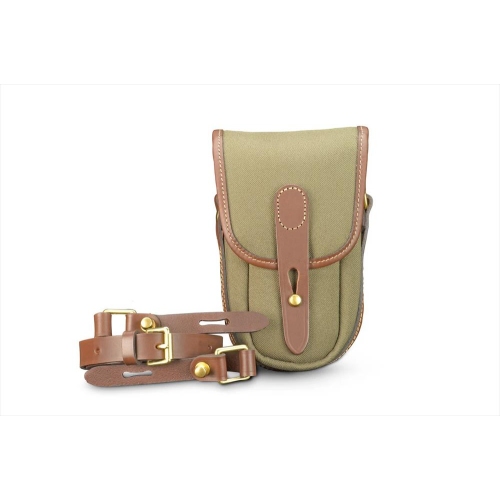
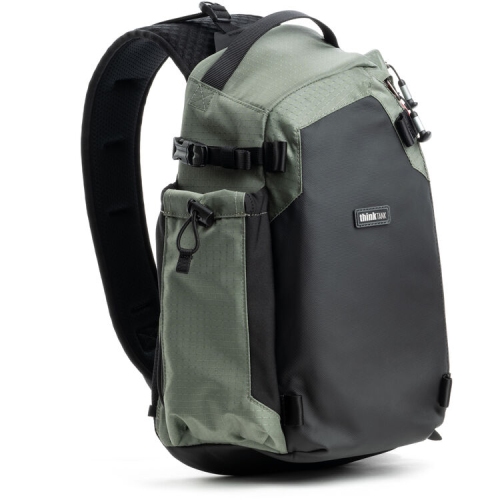
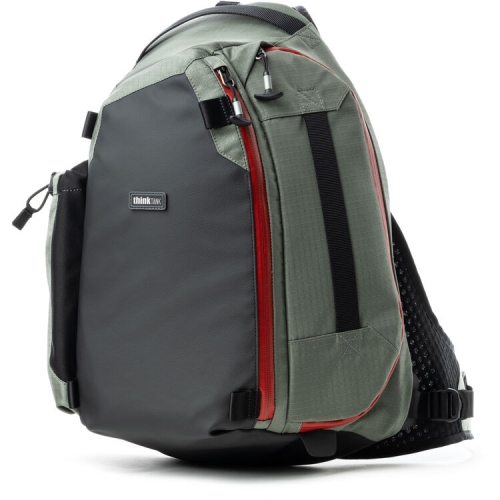
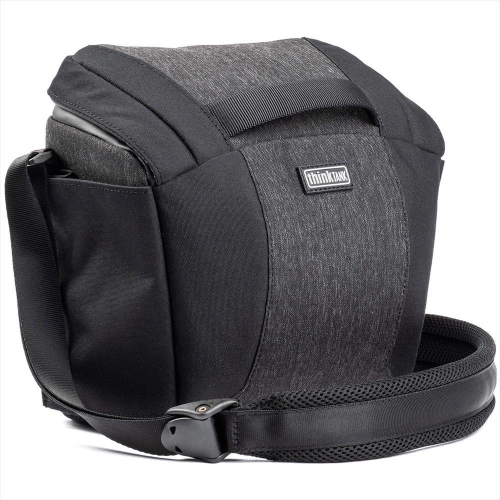
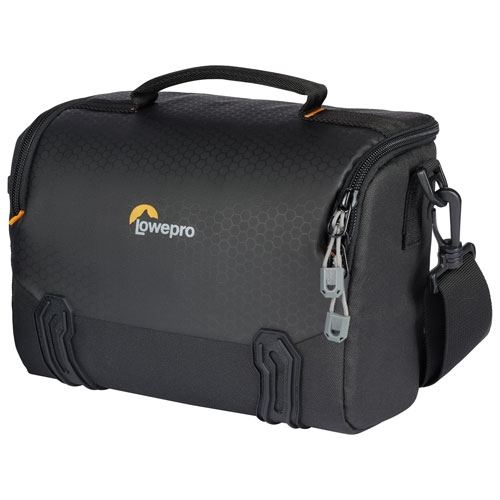
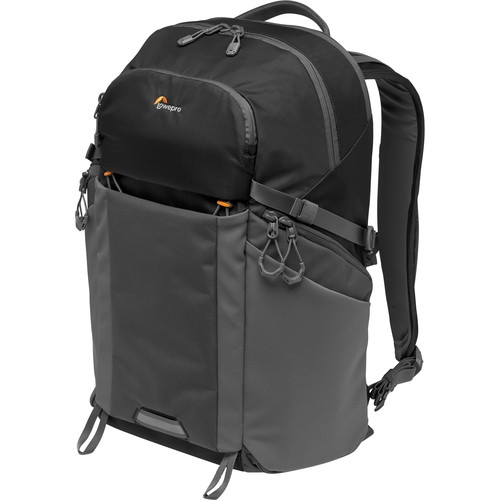
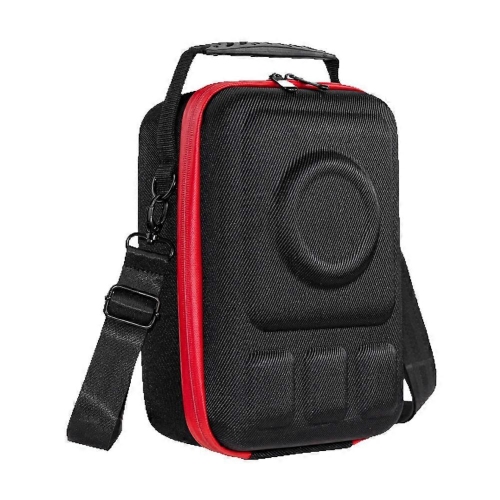
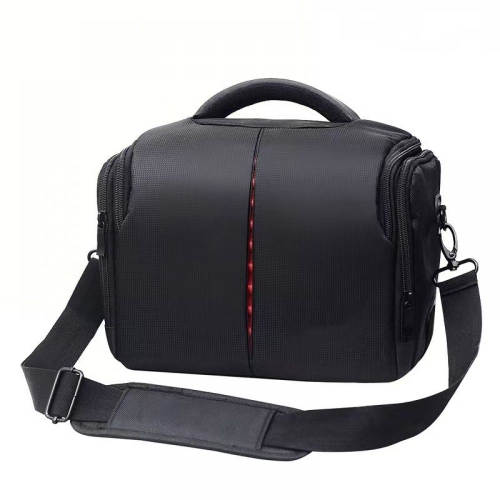
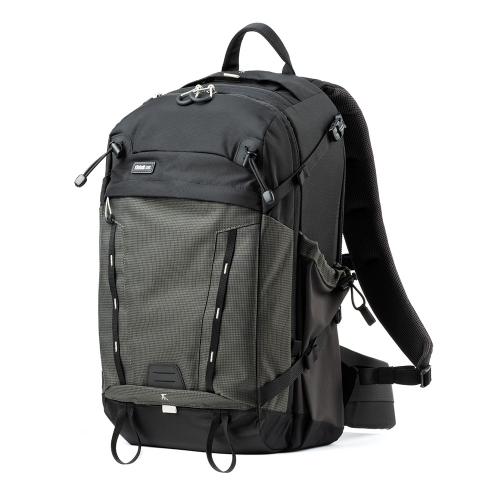
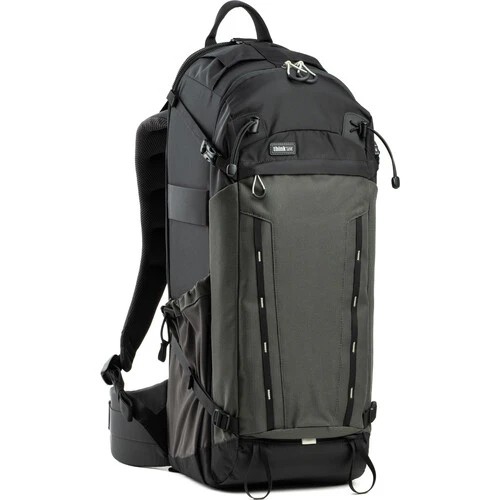
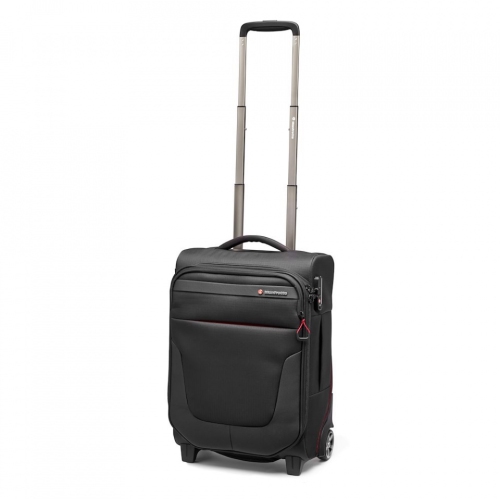
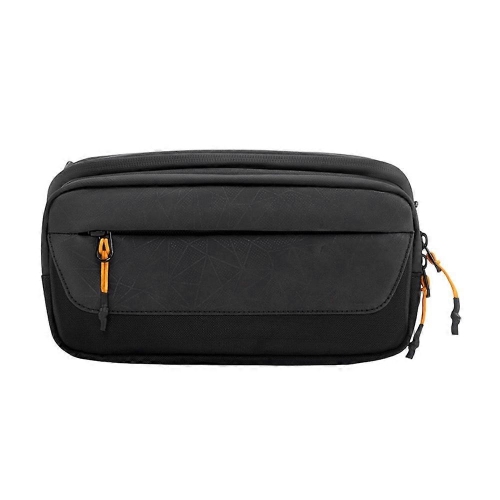
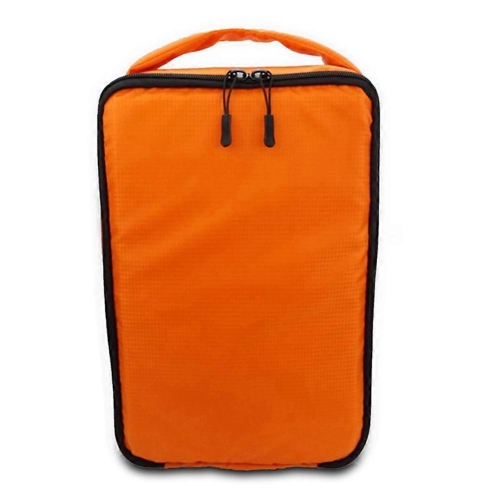
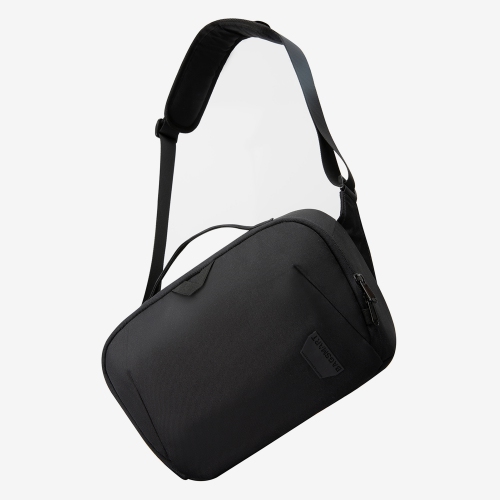
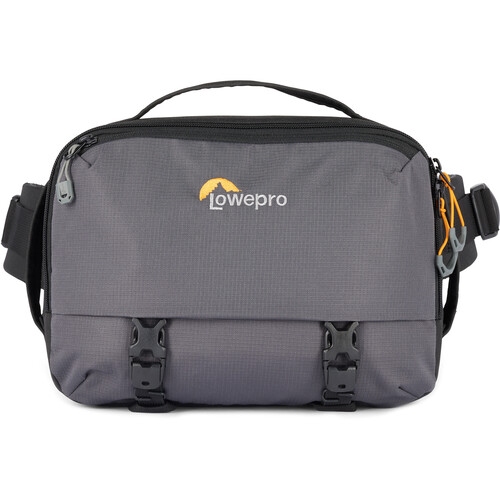
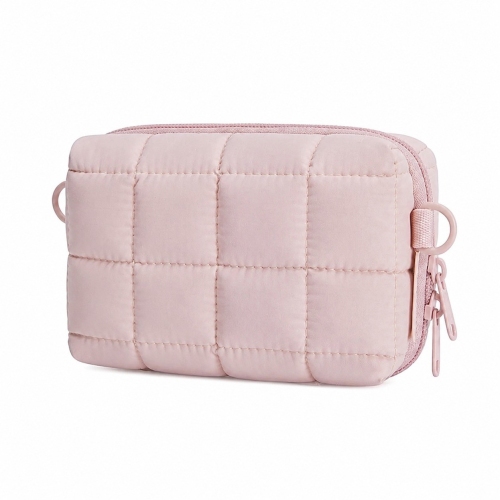
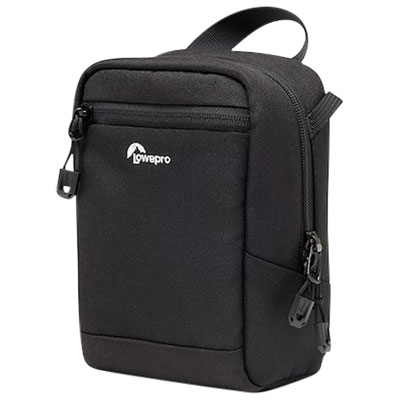
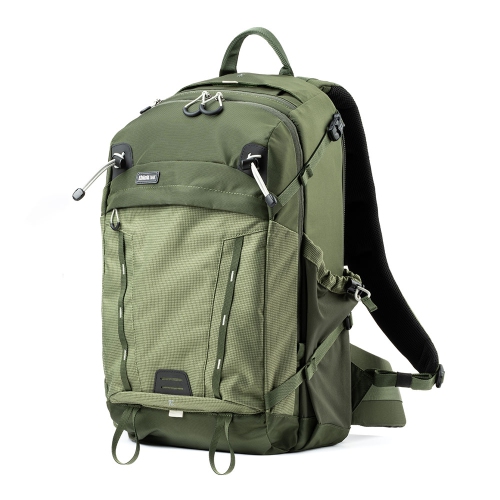
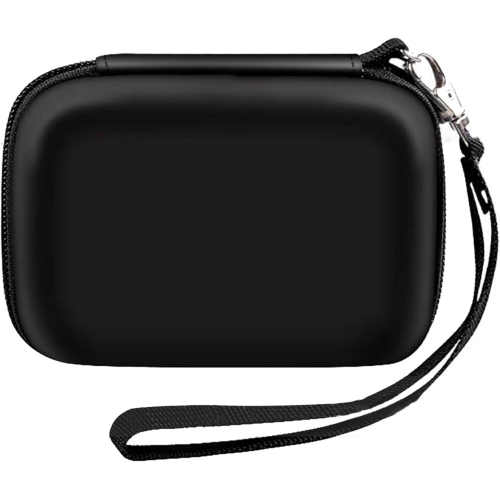
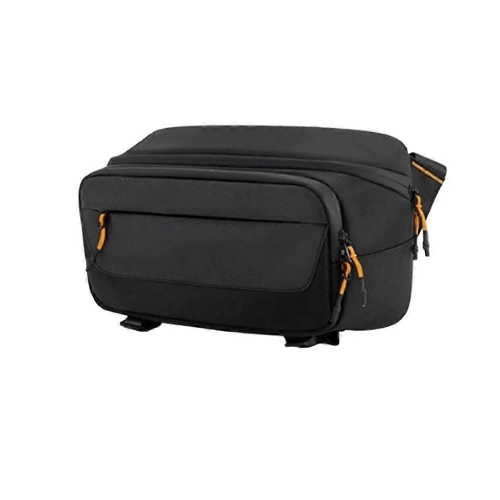
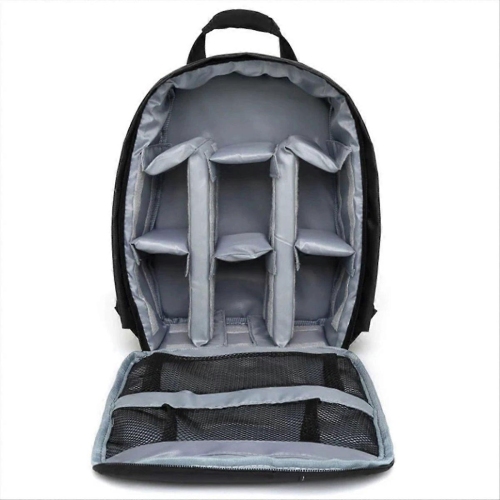
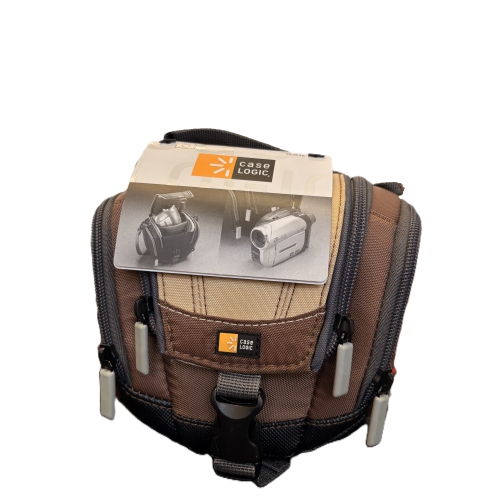
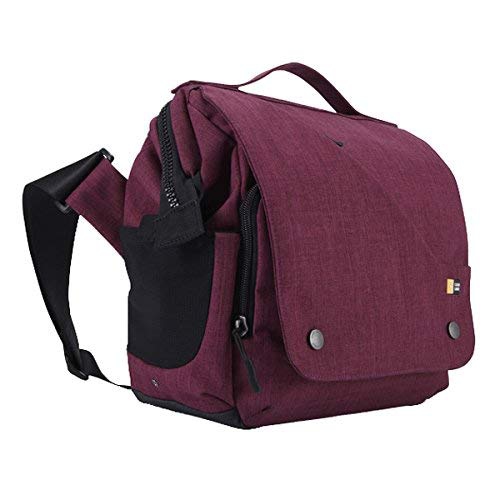
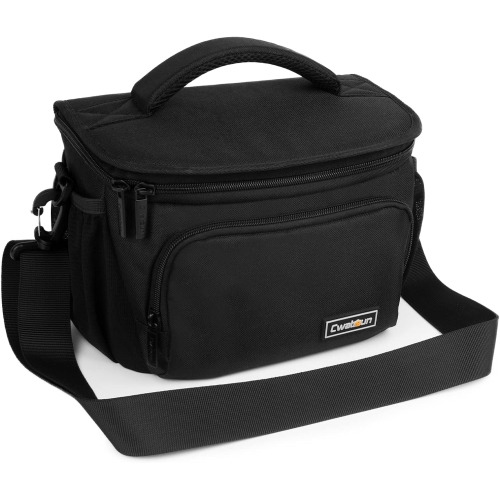
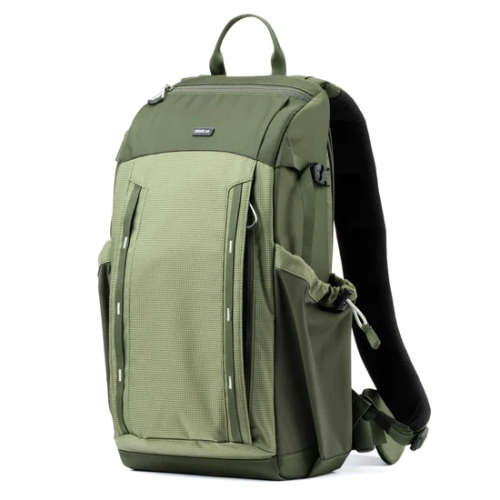
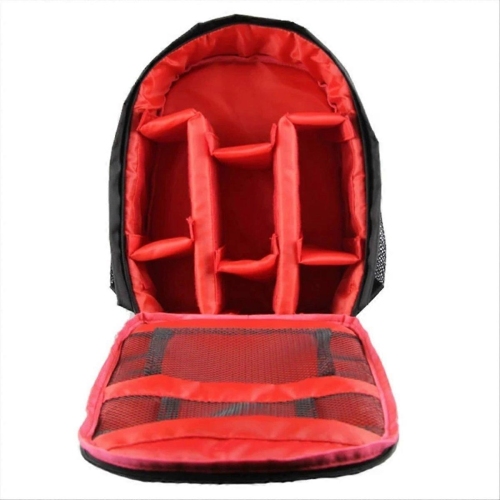
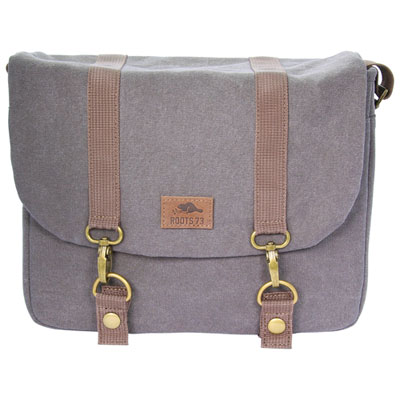
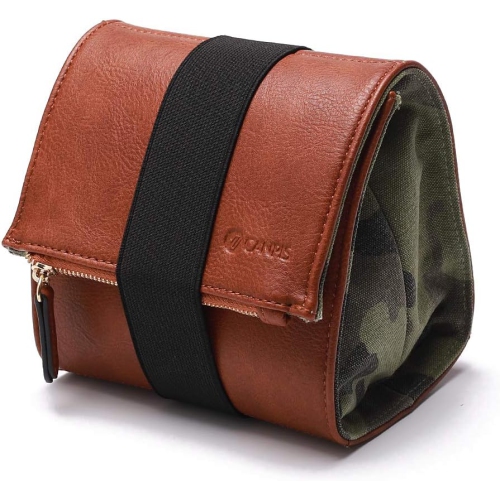
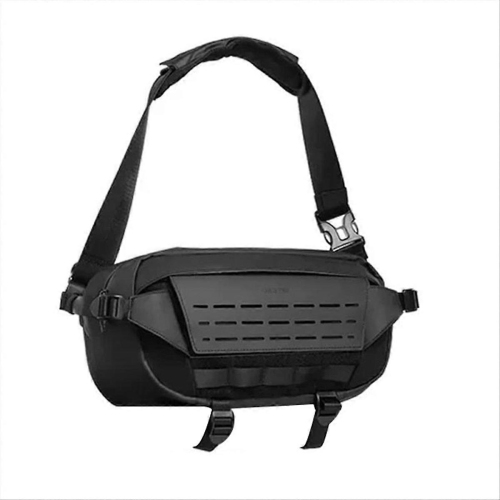
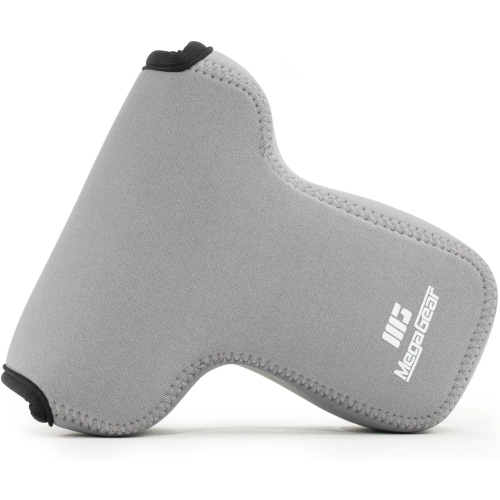
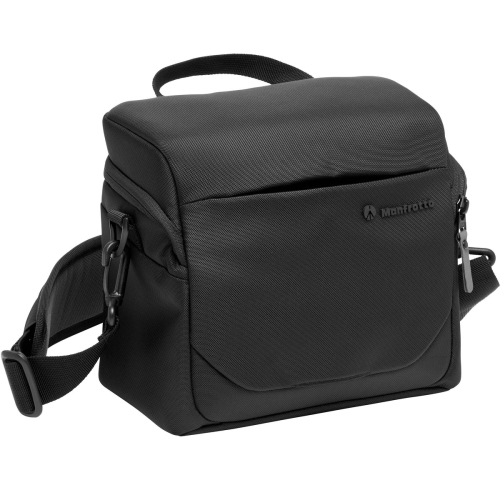
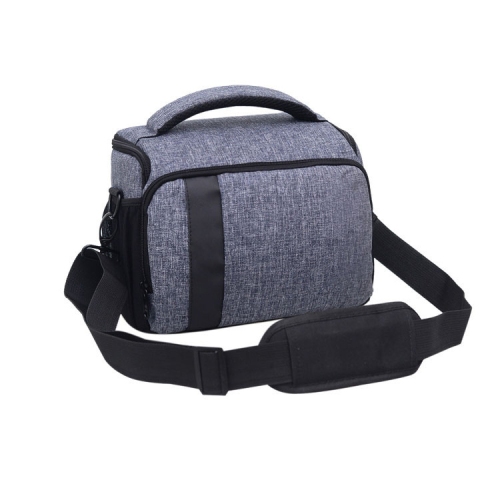
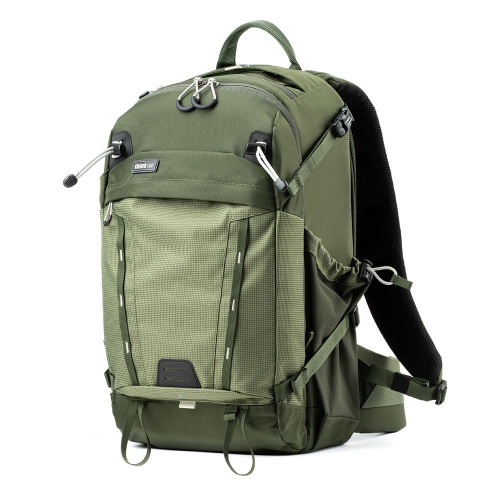
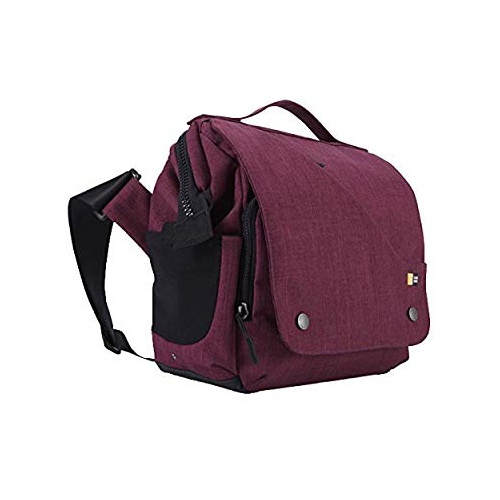
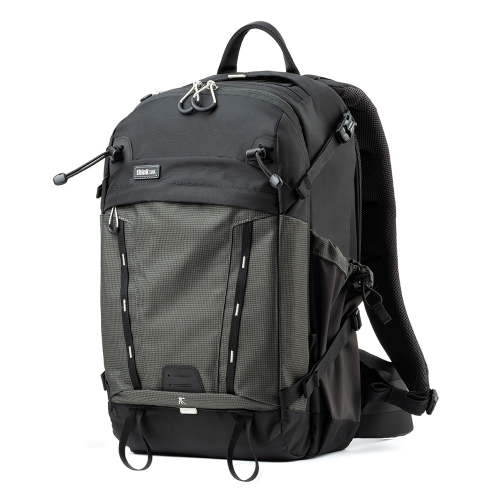
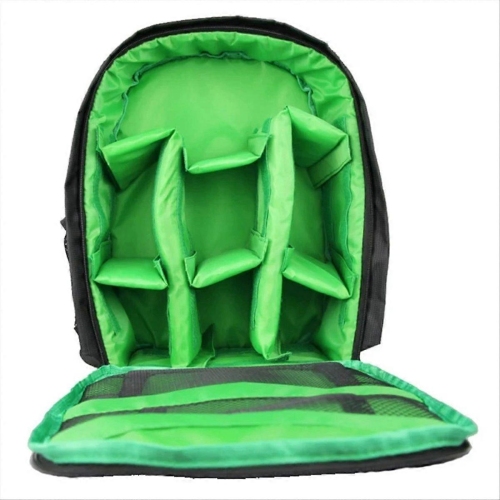
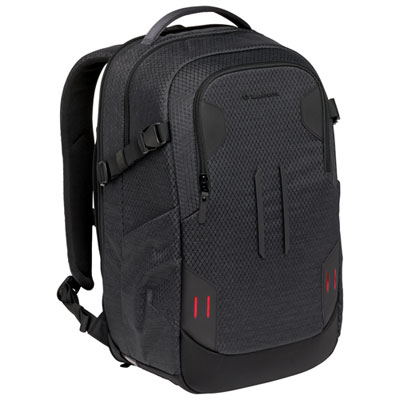
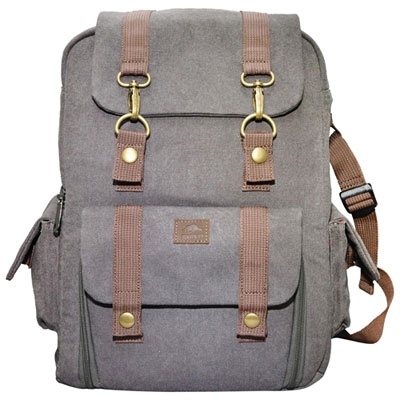
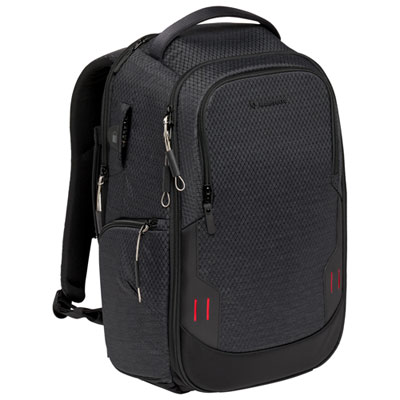
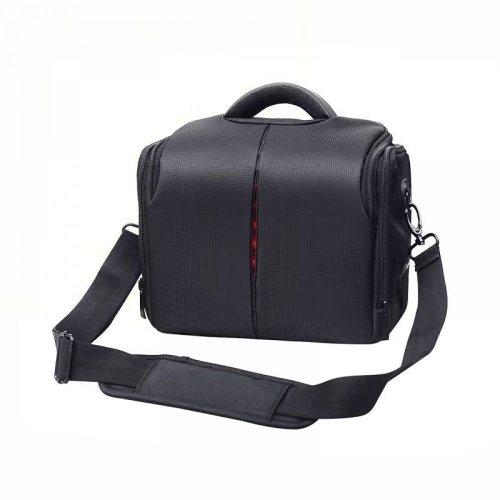
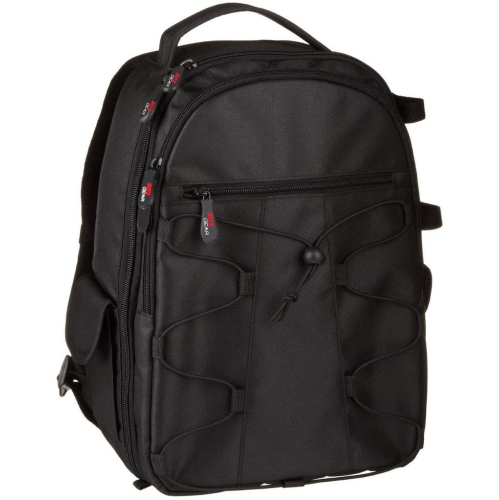
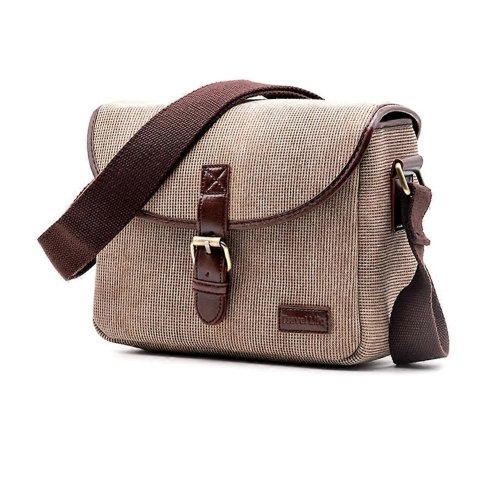
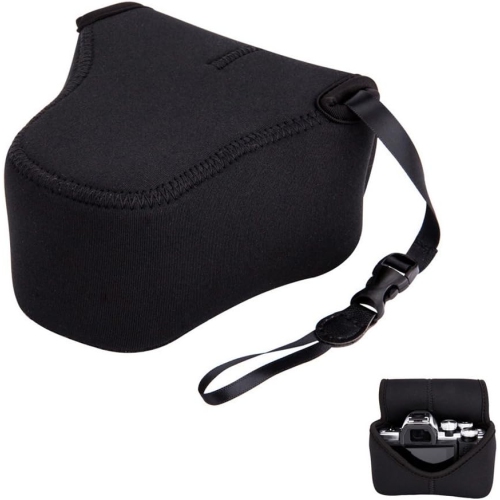
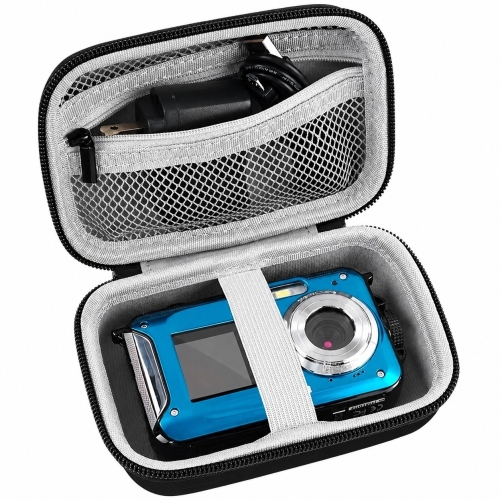
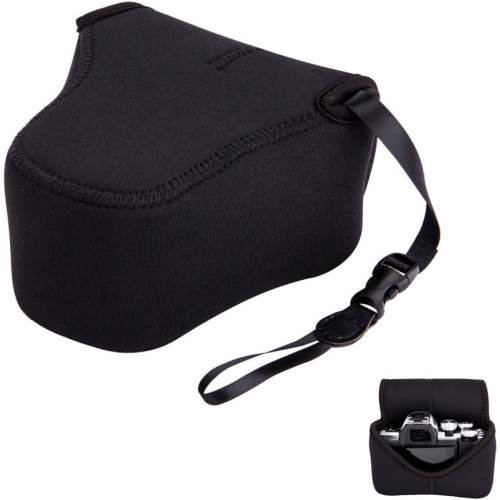
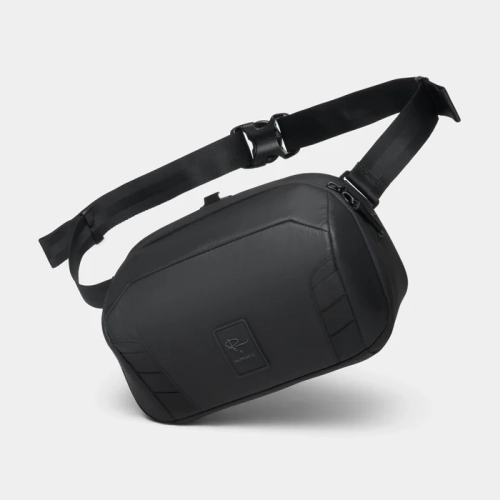
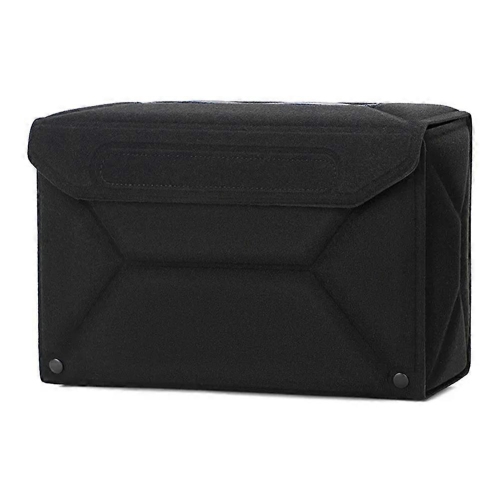
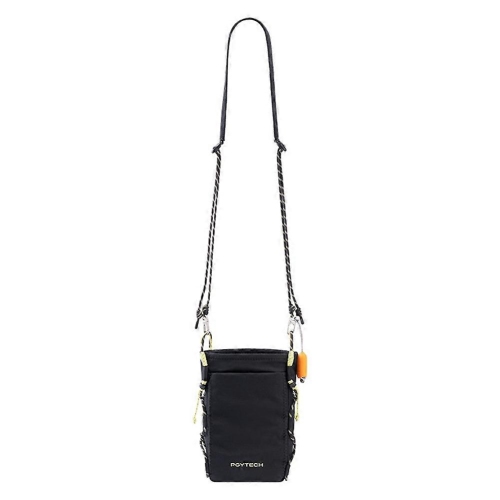
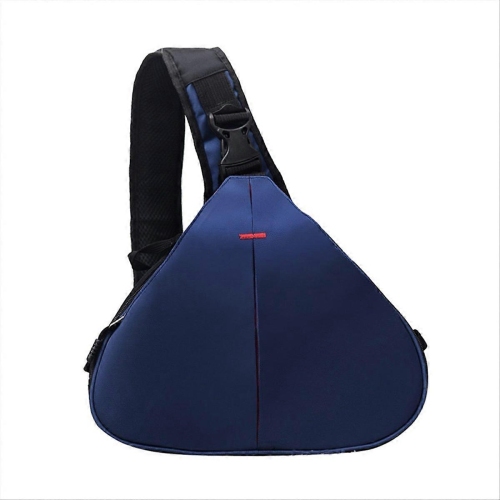
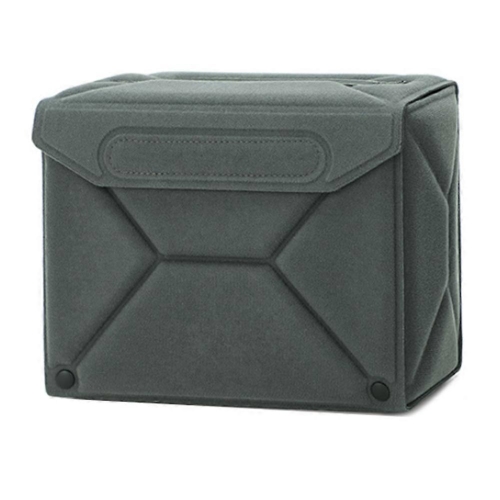
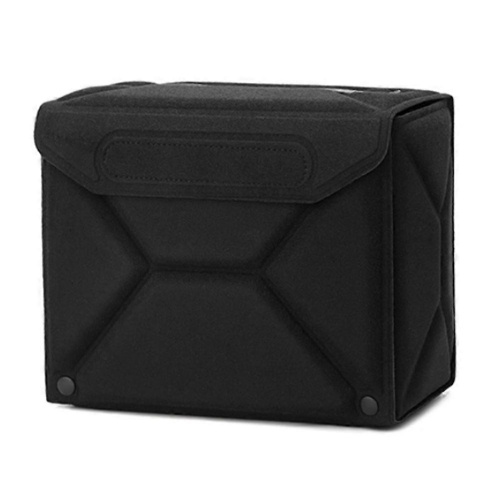
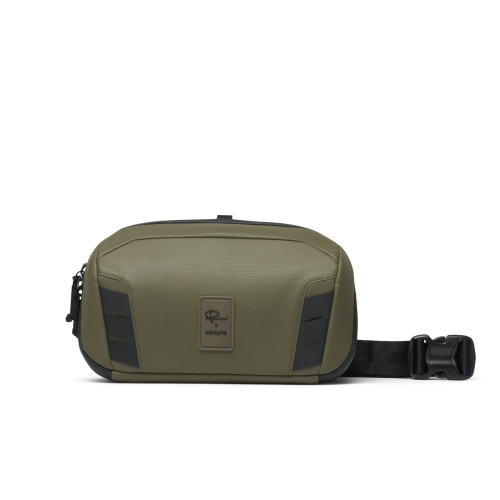
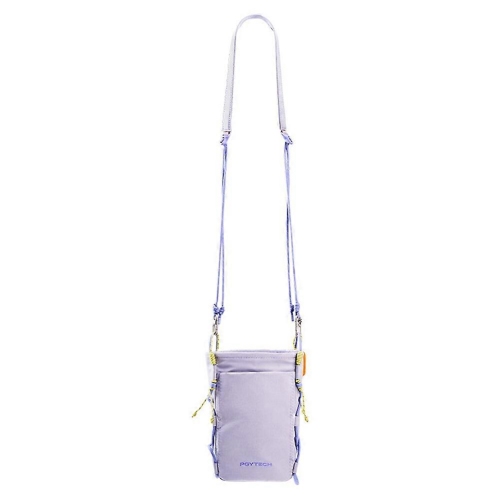
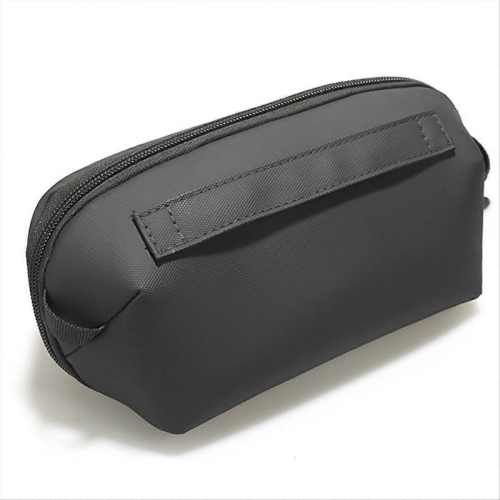
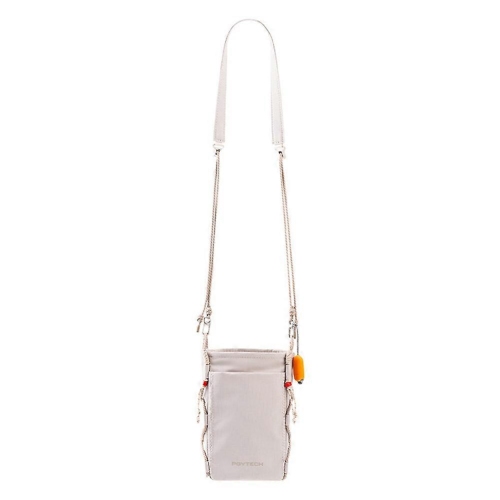
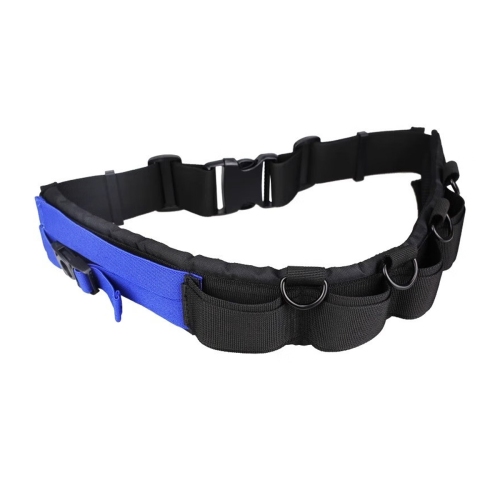
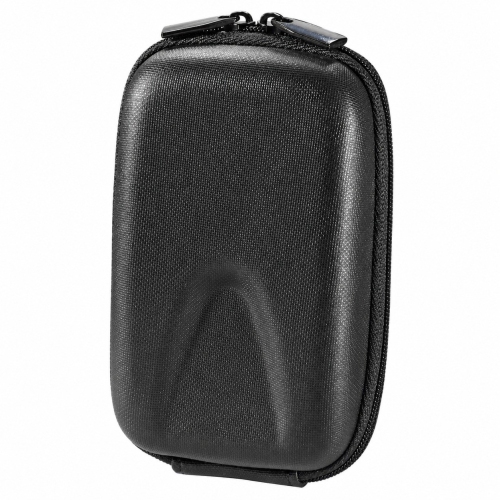
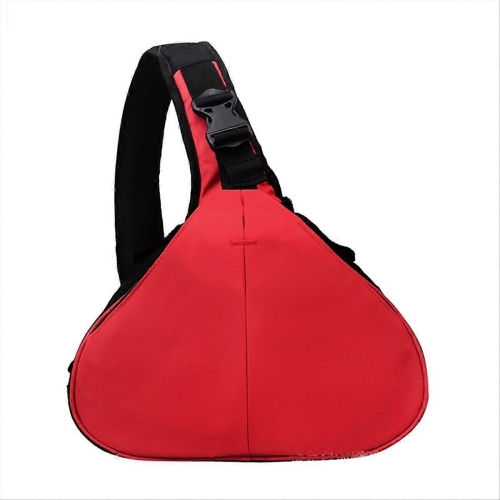
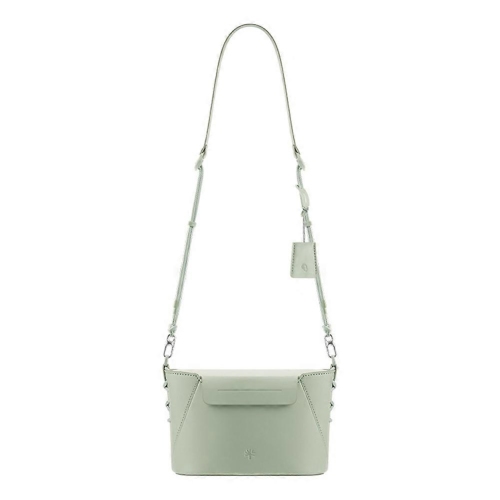
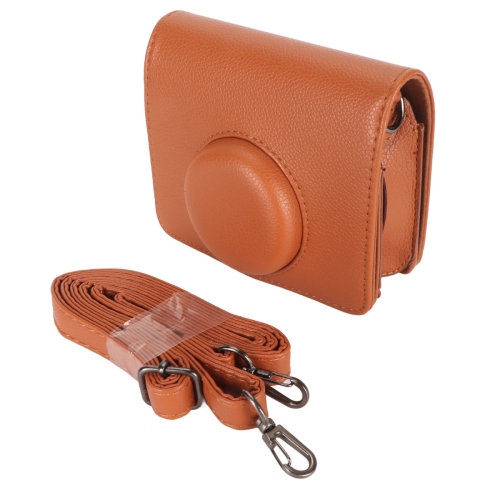
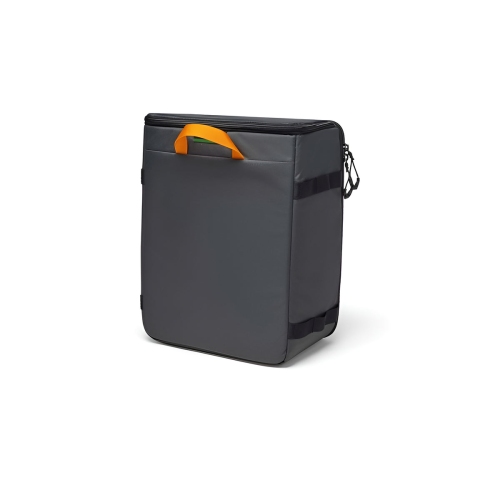
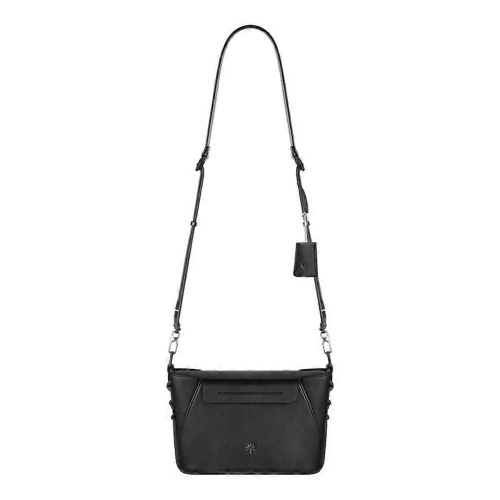
Protective, comfortable storage for mirrorless kits on the move
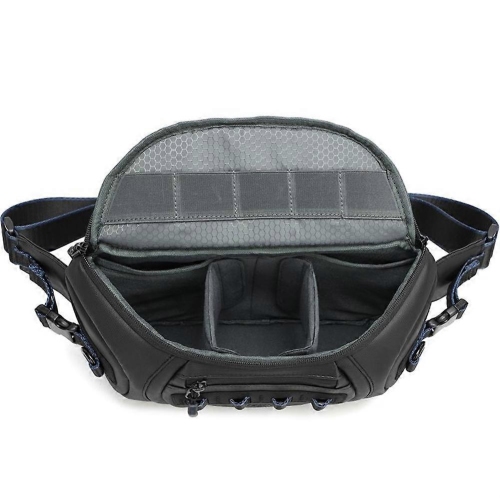
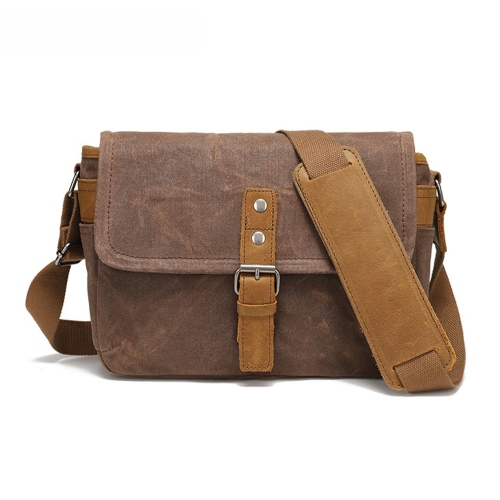
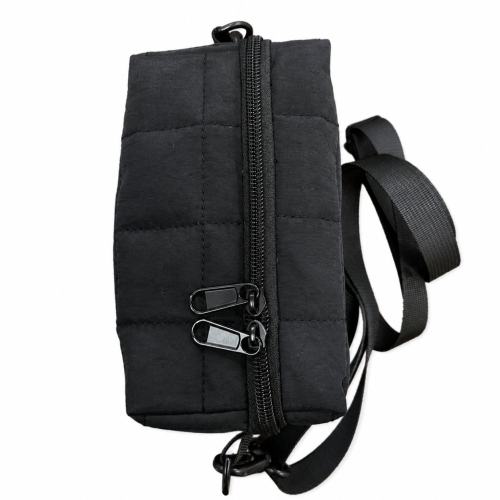
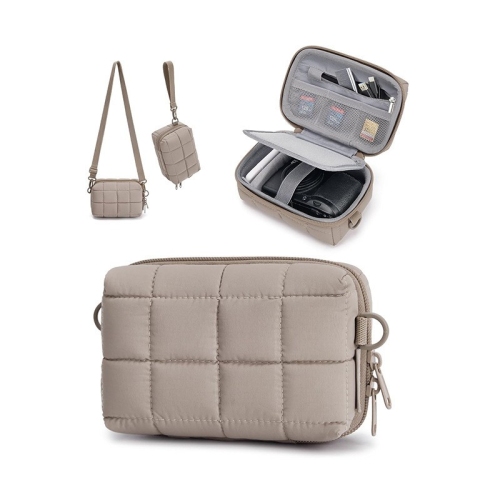
Mirrorless camera bags for travel are designed to protect a compact camera system while keeping it comfortable and easy to carry through airports, city streets, trails, museums, and weekend getaways. Compared with a traditional DSLR kit, a mirrorless setup can be smaller and lighter, but the camera still needs thoughtful protection from knocks, dust, moisture, and the constant movement that comes with travel. The right bag gives the camera and attached lens a padded compartment, keeps spare lenses and accessories organised, and leaves enough room for personal items without becoming bulky. A compact shoulder bag or sling can be a practical choice for a camera body with one attached lens, an extra battery, memory cards, and a small personal item. It works particularly well for walking tours, gallery visits, street photography, and sightseeing stops where quick access matters. A backpack may be more suitable for longer days or larger kits, especially when carrying multiple lenses, a tablet or laptop, a water bottle, a light jacket, or a compact tripod. For travellers who prefer to keep their load to a minimum, explore Lightweight Camera Bags for Travel for additional compact carrying options. A bag that sits close to the body and distributes weight evenly can make a noticeable difference after several hours of walking, particularly when navigating transit stations, cobblestone streets, or uneven paths. Look for adjustable straps, breathable back panels, and padding in the places where the bag rests against the shoulder or back. A cross-body strap that can be tightened quickly helps keep the camera stable while moving, while a wider strap can reduce pressure during longer outings.
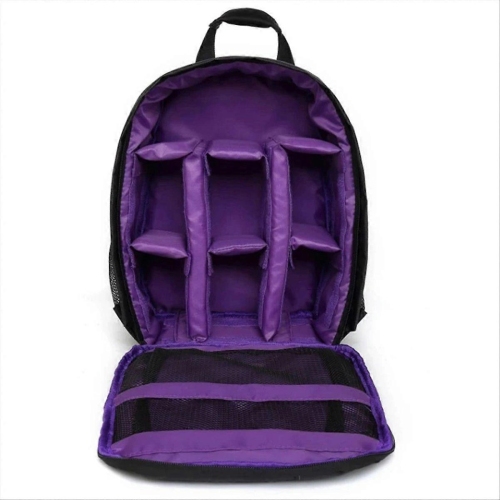
Capacity is one of the most important considerations when choosing a travel bag for a mirrorless camera. Start by considering the kit you normally carry rather than the largest collection of gear you own. A small sling may hold a camera with its standard zoom lens and one spare lens, while a medium shoulder bag or daypack can accommodate a telephoto lens, charger, batteries, memory cards, filters, and cleaning supplies. Adjustable dividers are useful because they let you shape the interior around different camera bodies and lenses, creating a snug fit that limits movement inside the bag. Some travellers prefer a bag with a dedicated camera compartment and a separate area for everyday belongings, so a passport, snacks, sunglasses, or travel documents do not share space with delicate equipment. Others value a removable padded insert, which allows the bag to serve as an everyday daypack once the photography portion of a trip is over. Quick-access openings are helpful when a fleeting moment appears, such as a cyclist passing through a shaft of afternoon light or a family member laughing at an outdoor café. Side-loading or top-access designs can allow the camera to be reached without fully removing the bag, while a wide opening makes it easier to see and rearrange the contents. Security also deserves attention in busy travel environments. A bag that opens against the wearer’s back can make it more difficult for an unseen hand to reach the main compartment, and concealed pockets can keep cards, identification, and cash separate from camera gear. More understated designs can also attract less attention than luggage that clearly announces valuable equipment. When comparing options, check the dimensions of the camera compartment against the camera body and largest lens, then account for a protective case, lens hood, or battery grip if those are part of the kit.
Travel exposes camera gear to changing conditions, so weather protection can be just as important as padding. Water-resistant exterior fabric, sealed or covered zippers, a reinforced base, and an integrated rain cover can help protect equipment during a sudden shower, damp sightseeing route, or wet commute between a hotel and a train station. Weather resistance is not the same as complete waterproofing, so a camera bag should still be kept out of prolonged heavy rain and away from standing water. A structured base is useful when setting the bag down on a damp bench or dusty trail, and durable hardware can withstand repeated opening, closing, and handling at security checkpoints. Interior padding should separate the camera from hard accessories such as chargers, metal bottles, or tripod plates. Small pockets for memory cards and spare batteries help prevent these easy-to-lose essentials from disappearing into the bottom of the bag, while a soft-lined compartment can protect a phone, sunglasses, or viewfinder. A tripod holder, luggage pass-through sleeve, or attachment points for a jacket may be valuable for photographers spending full days outdoors, but these features can add weight and bulk if they are not needed. Mirrorless camera bags for travel also make thoughtful gifts for a new photographer, a frequent traveller, a student building a first kit, or someone preparing for a destination wedding or family holiday. For a gift, a versatile size with adjustable dividers is often safer than a highly specialised bag because it can adapt as the photographer’s equipment changes. During warmer conditions, breathable straps and space for a light layer can improve comfort; during cooler months, extra room for gloves or a compact scarf may be appreciated. The best choice balances protection, capacity, comfort, access, and personal travel style, making it easier to carry a camera confidently and stay focused on the scenes unfolding along the way.
Capacity is one of the most important considerations when choosing a travel bag for a mirrorless camera. Start by considering the kit you normally carry rather than the largest collection of gear you own. A small sling may hold a camera with its standard zoom lens and one spare lens, while a medium shoulder bag or daypack can accommodate a telephoto lens, charger, batteries, memory cards, filters, and cleaning supplies. Adjustable dividers are useful because they let you shape the interior around different camera bodies and lenses, creating a snug fit that limits movement inside the bag. Some travellers prefer a bag with a dedicated camera compartment and a separate area for everyday belongings, so a passport, snacks, sunglasses, or travel documents do not share space with delicate equipment. Others value a removable padded insert, which allows the bag to serve as an everyday daypack once the photography portion of a trip is over. Quick-access openings are helpful when a fleeting moment appears, such as a cyclist passing through a shaft of afternoon light or a family member laughing at an outdoor café. Side-loading or top-access designs can allow the camera to be reached without fully removing the bag, while a wide opening makes it easier to see and rearrange the contents. Security also deserves attention in busy travel environments. A bag that opens against the wearer’s back can make it more difficult for an unseen hand to reach the main compartment, and concealed pockets can keep cards, identification, and cash separate from camera gear. More understated designs can also attract less attention than luggage that clearly announces valuable equipment. When comparing options, check the dimensions of the camera compartment against the camera body and largest lens, then account for a protective case, lens hood, or battery grip if those are part of the kit.
Travel exposes camera gear to changing conditions, so weather protection can be just as important as padding. Water-resistant exterior fabric, sealed or covered zippers, a reinforced base, and an integrated rain cover can help protect equipment during a sudden shower, damp sightseeing route, or wet commute between a hotel and a train station. Weather resistance is not the same as complete waterproofing, so a camera bag should still be kept out of prolonged heavy rain and away from standing water. A structured base is useful when setting the bag down on a damp bench or dusty trail, and durable hardware can withstand repeated opening, closing, and handling at security checkpoints. Interior padding should separate the camera from hard accessories such as chargers, metal bottles, or tripod plates. Small pockets for memory cards and spare batteries help prevent these easy-to-lose essentials from disappearing into the bottom of the bag, while a soft-lined compartment can protect a phone, sunglasses, or viewfinder. A tripod holder, luggage pass-through sleeve, or attachment points for a jacket may be valuable for photographers spending full days outdoors, but these features can add weight and bulk if they are not needed. Mirrorless camera bags for travel also make thoughtful gifts for a new photographer, a frequent traveller, a student building a first kit, or someone preparing for a destination wedding or family holiday. For a gift, a versatile size with adjustable dividers is often safer than a highly specialised bag because it can adapt as the photographer’s equipment changes. During warmer conditions, breathable straps and space for a light layer can improve comfort; during cooler months, extra room for gloves or a compact scarf may be appreciated. The best choice balances protection, capacity, comfort, access, and personal travel style, making it easier to carry a camera confidently and stay focused on the scenes unfolding along the way.
Top selling and popular products
-
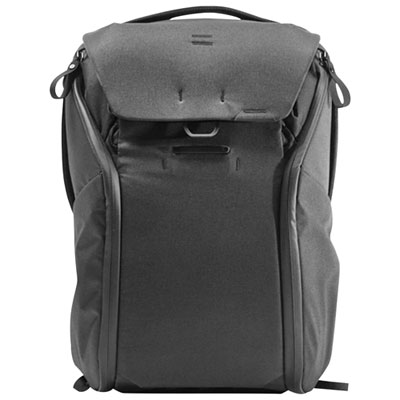 Your price for this item is $389.97
 -
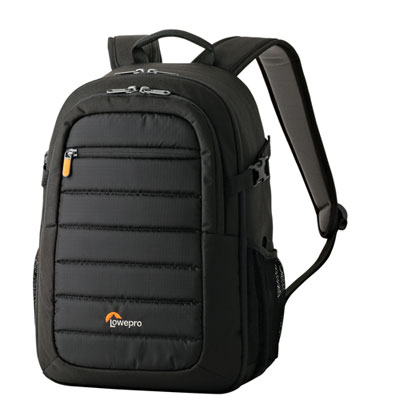 Your price for this item is $98.98
 -
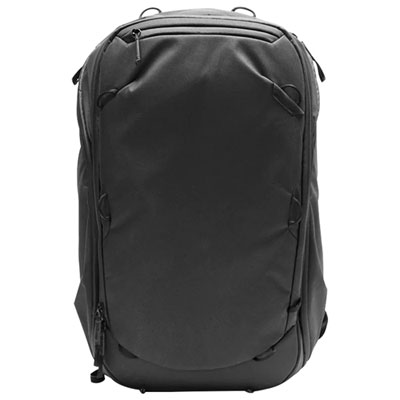 Your price for this item is $399.97
 -
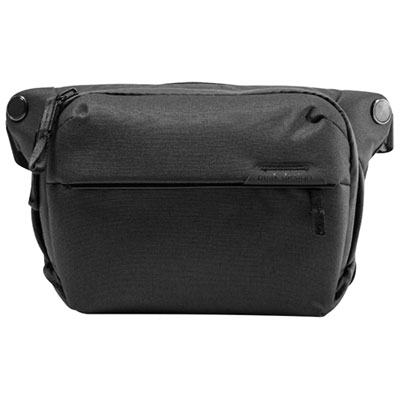 Your price for this item is $139.99
 -
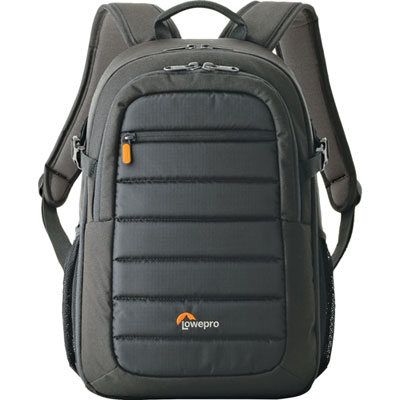 Your price for this item is $134.99
 -
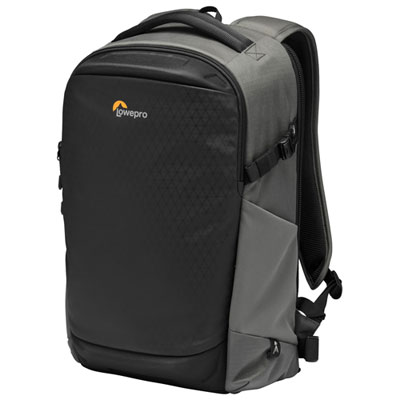 Your price for this item is $229.99
 -
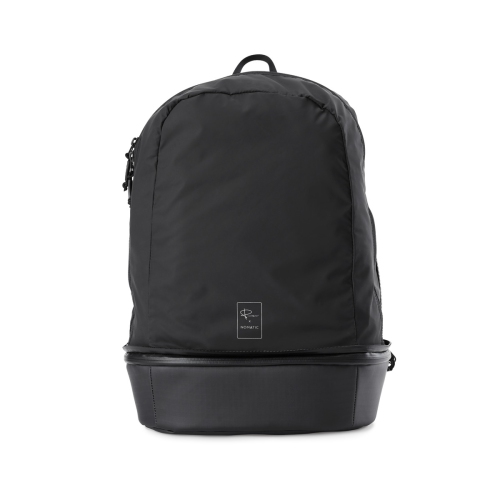 Your price for this item is $179.99
 -
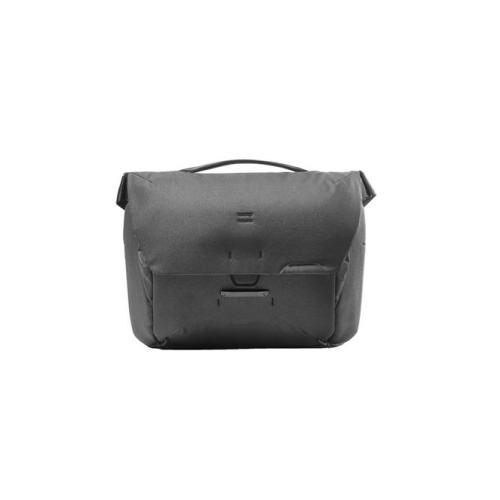 Your price for this item is $349
Discover more categories related to Mirrorless Camera Bags for Travel
Top Collections:
Pokemon Centers, Best Cameras for Sports Photography, Kindle Devices, Samsung Galaxy Phones, Canon G7X Cameras, Pokémon 30th Celebration Cards, Refurbished Apple Laptops, iPhone 15 Apple, Laptops for Students, Budget Smartphones
Some products may be subject to Environmental Handling Fees
(EHF) depending on your province.
Learn more about EHFs.