Compact Mirrorless Cameras for Travel
If you're looking for a camera that's easy to carry around and won't break the bank, consider a compact mirrorless camera. These cameras are smaller but offer many of the same features. They're great for travel and street photography, and they can even be used for video recording.
Sort
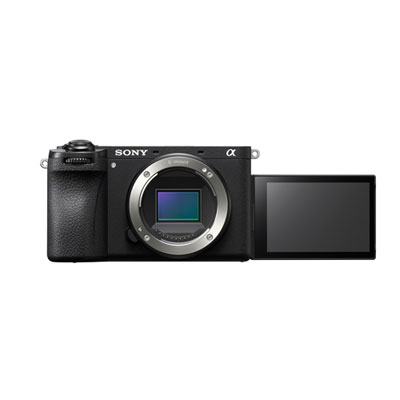
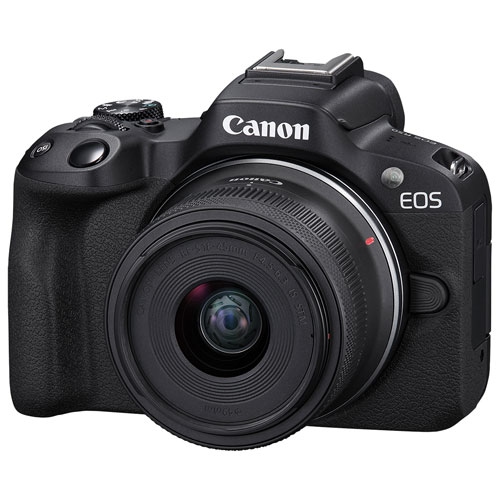
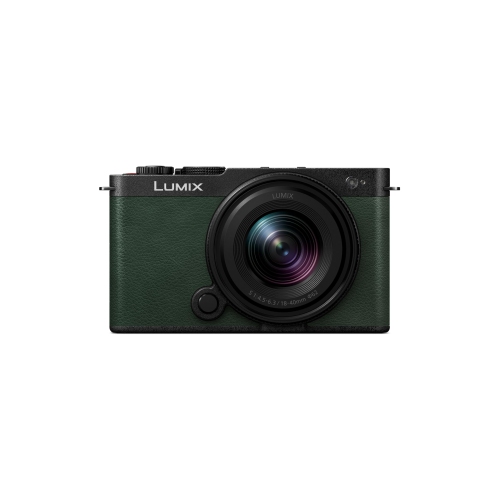
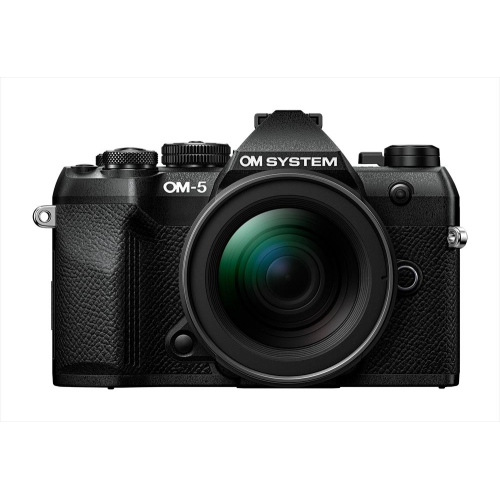


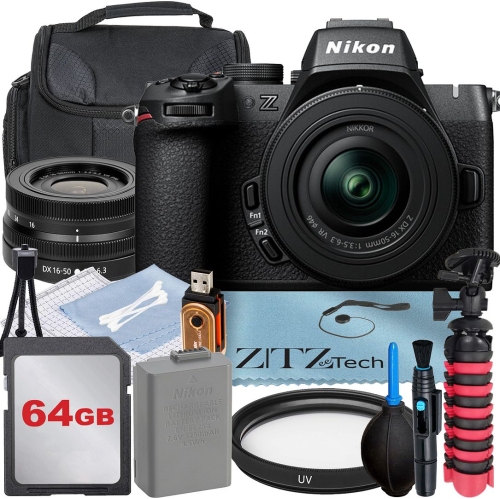
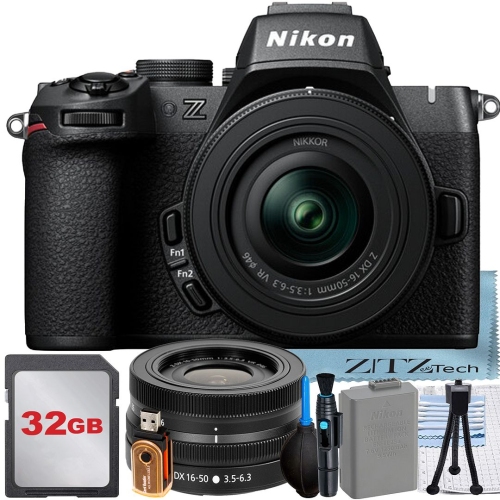
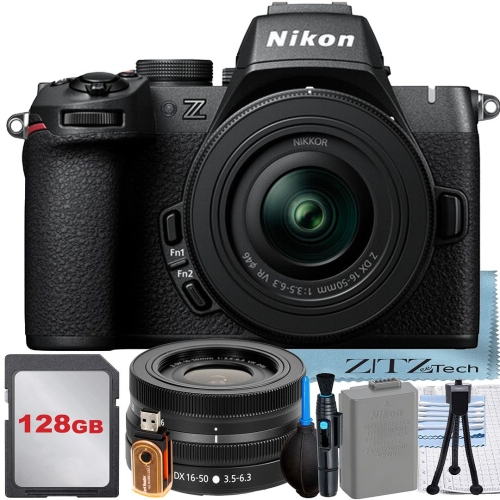
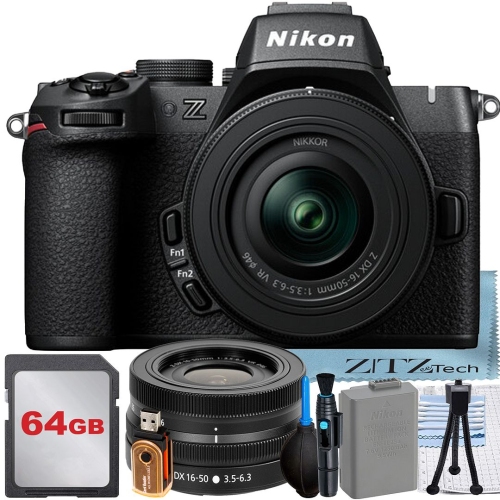
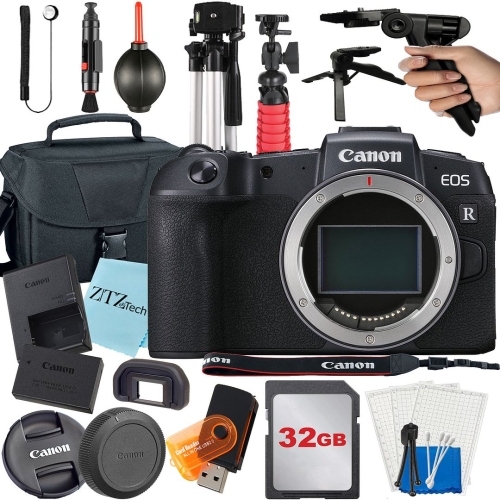

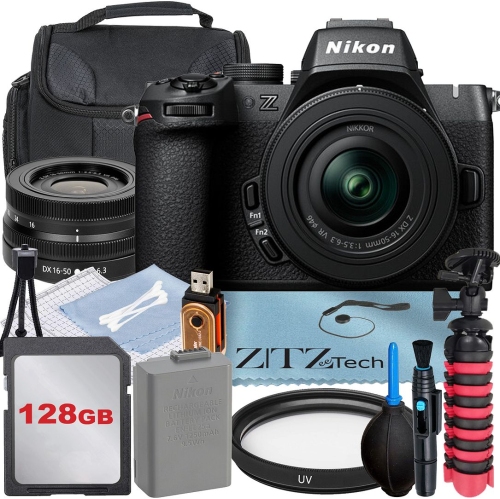
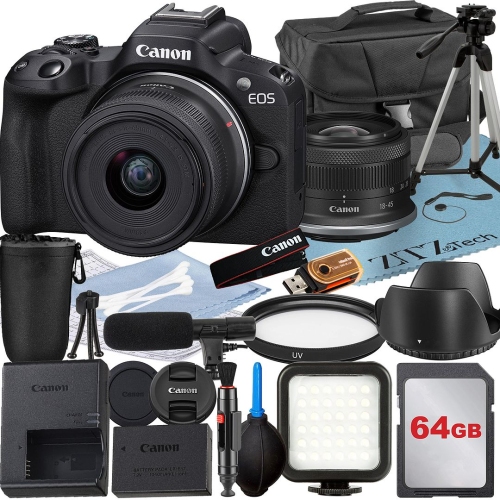
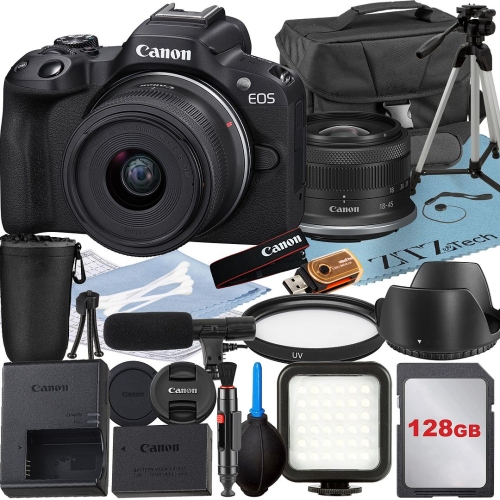
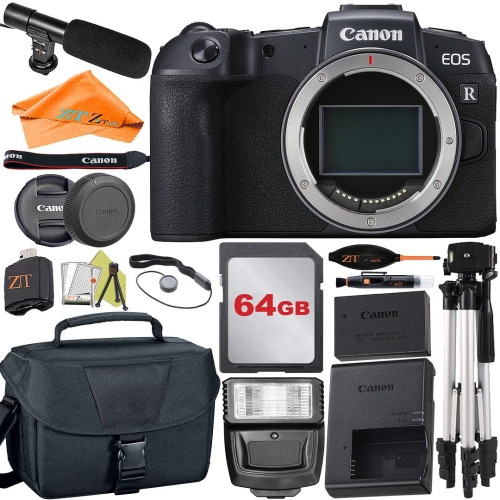
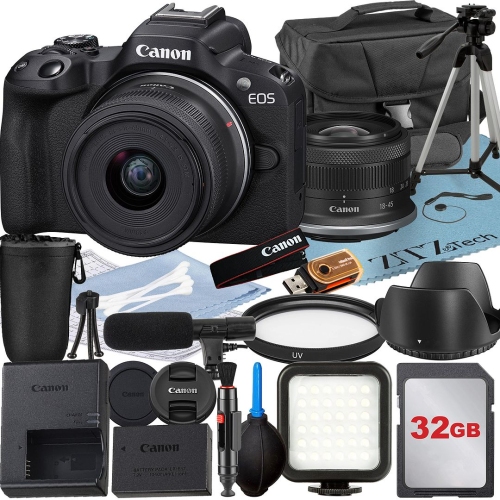
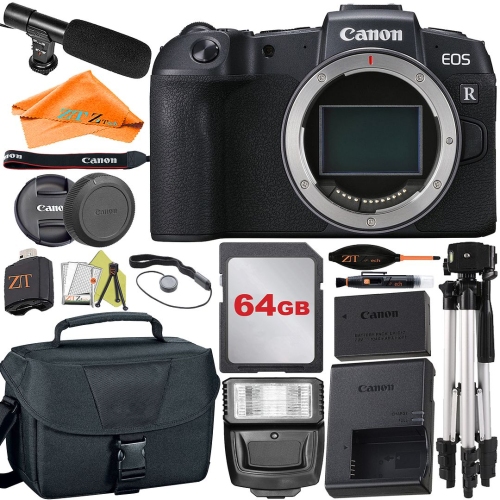
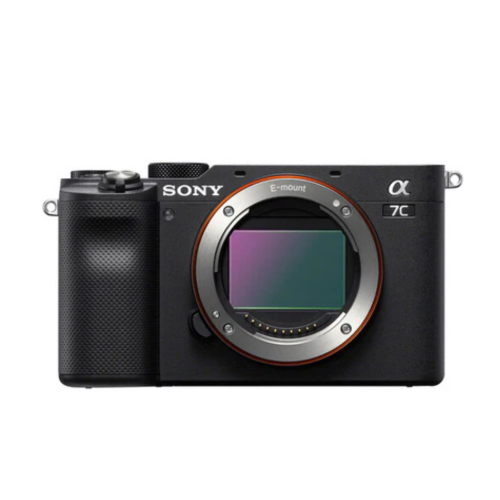
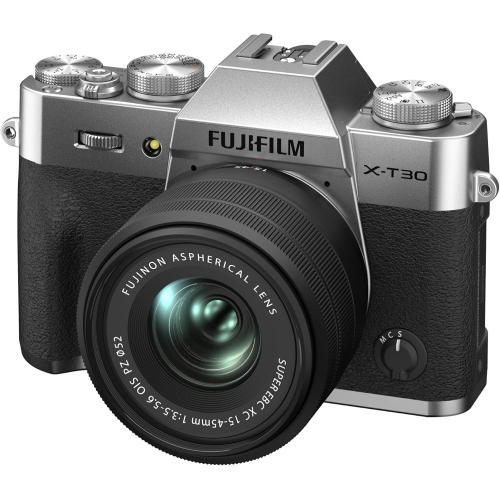
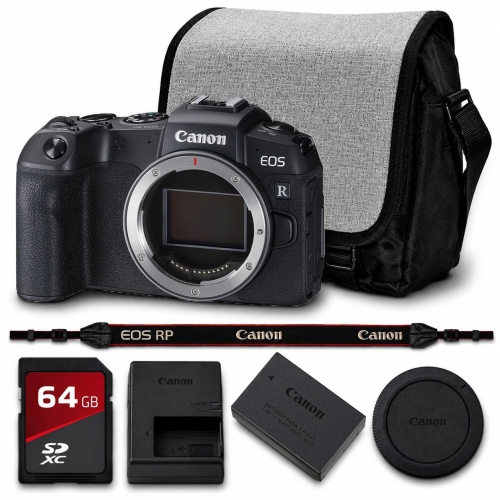
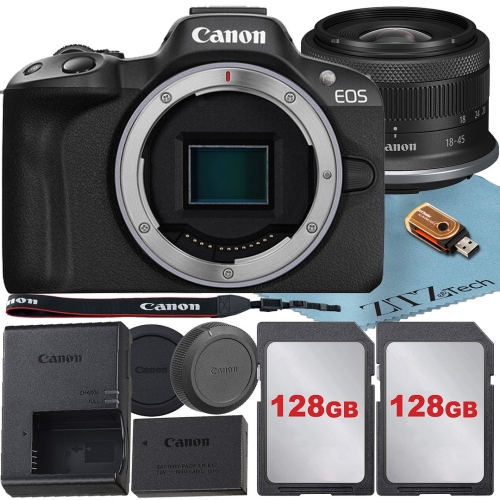
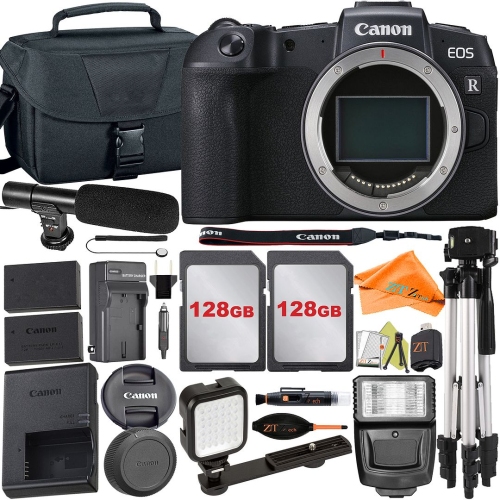
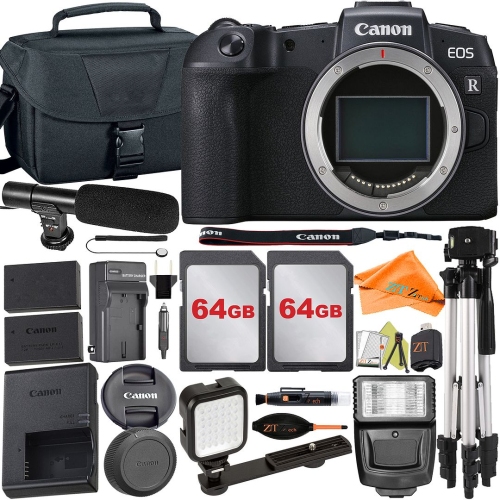
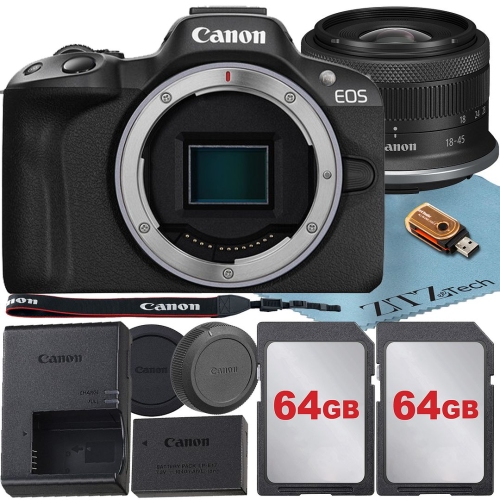
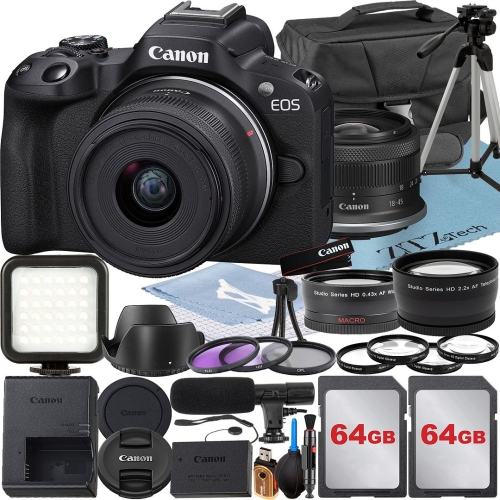
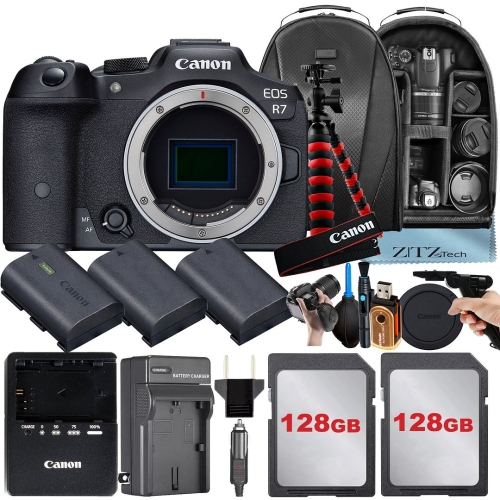
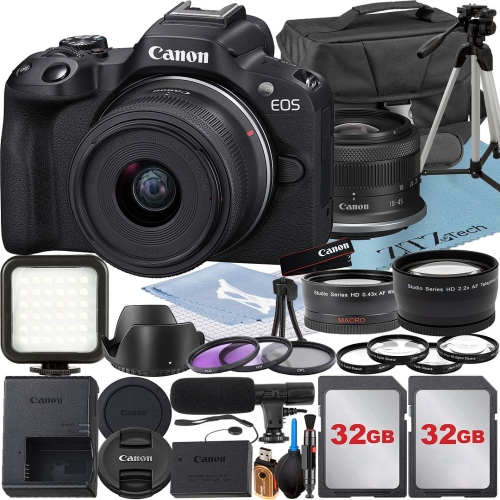
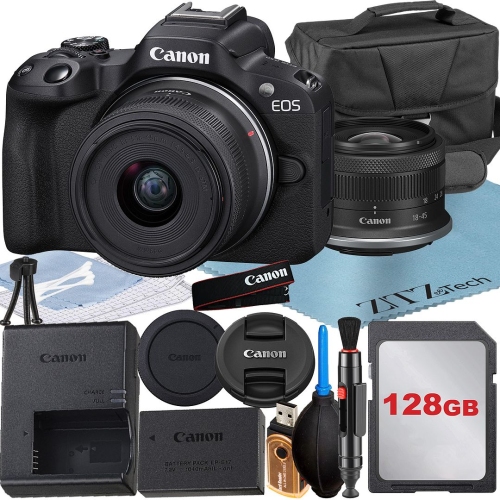
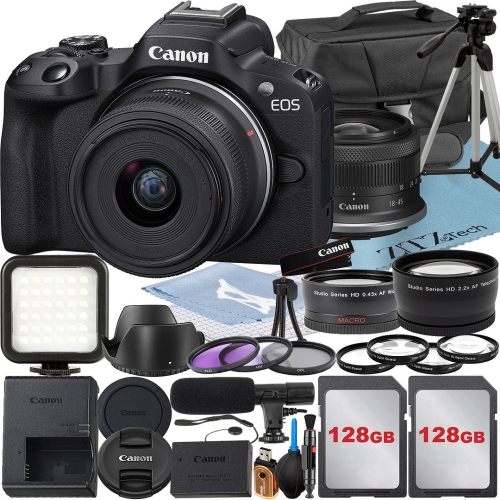
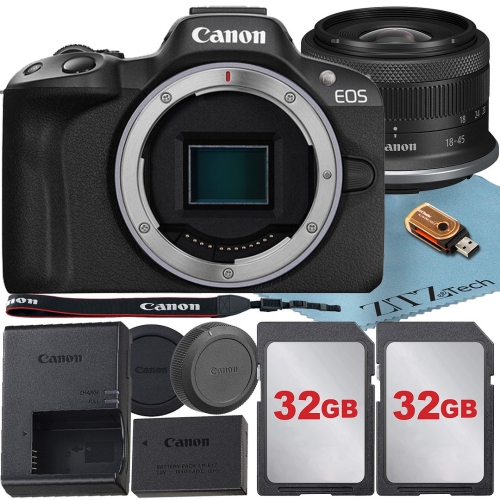
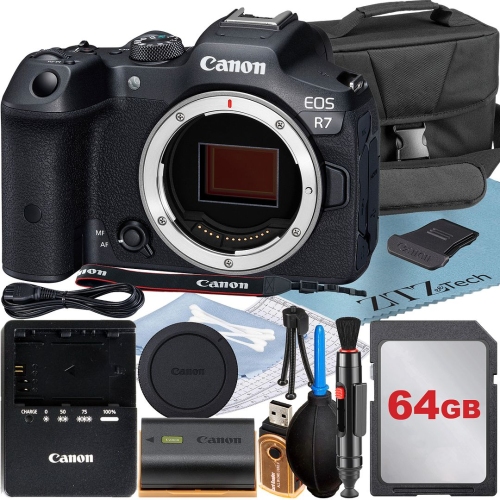
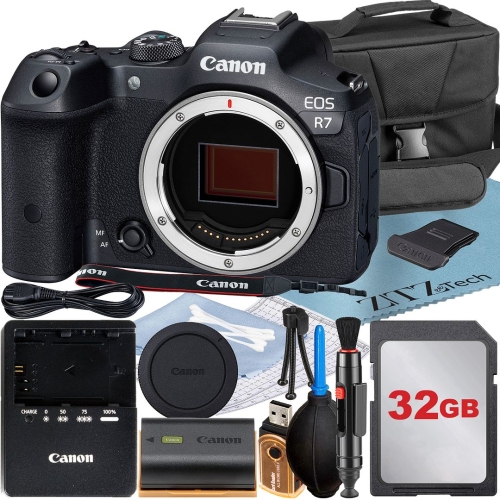
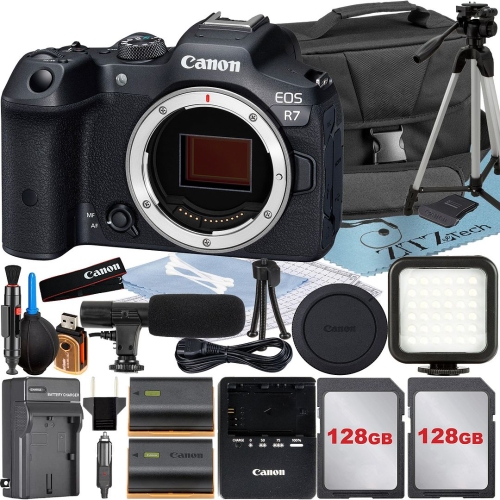
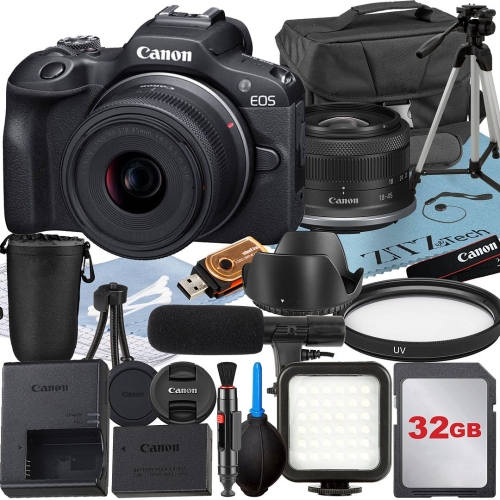
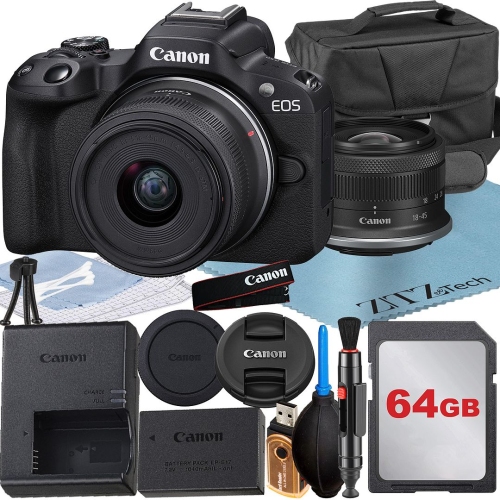
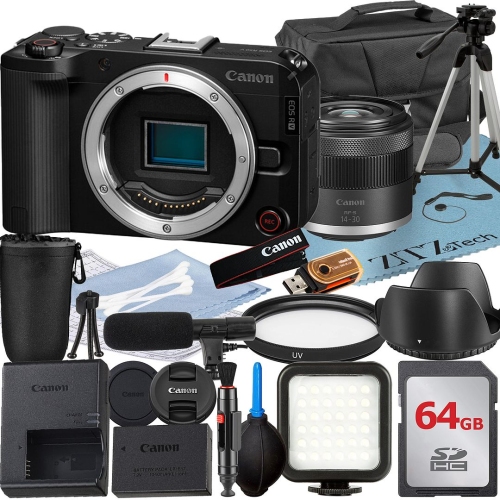
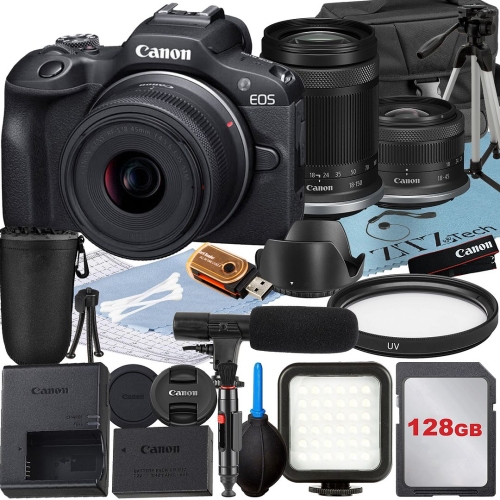
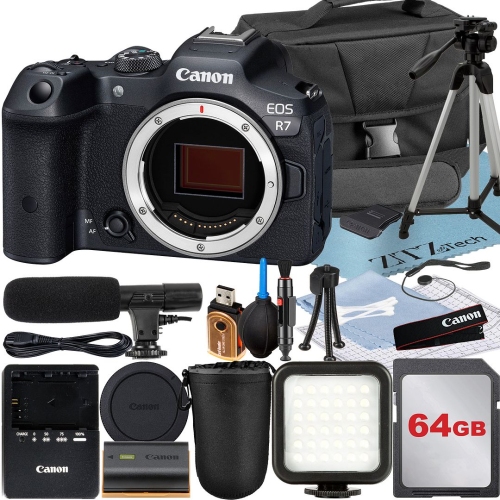
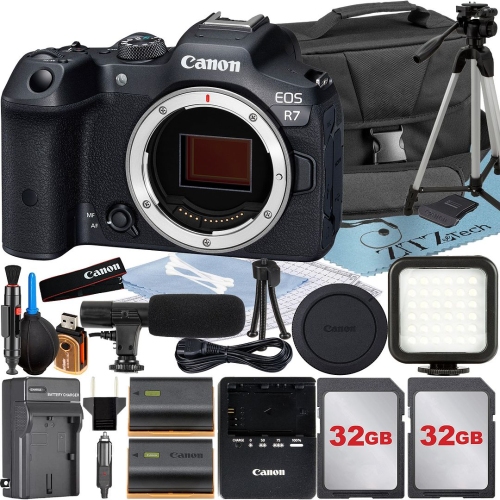
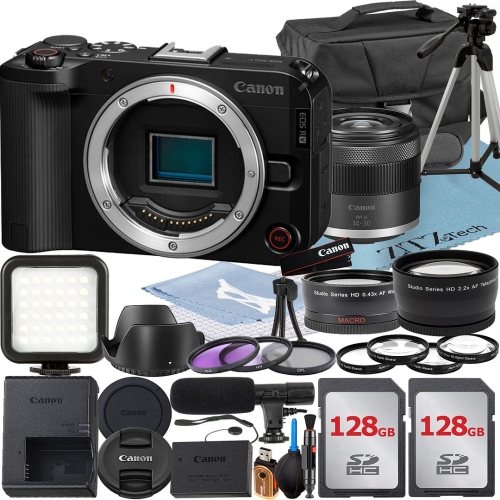
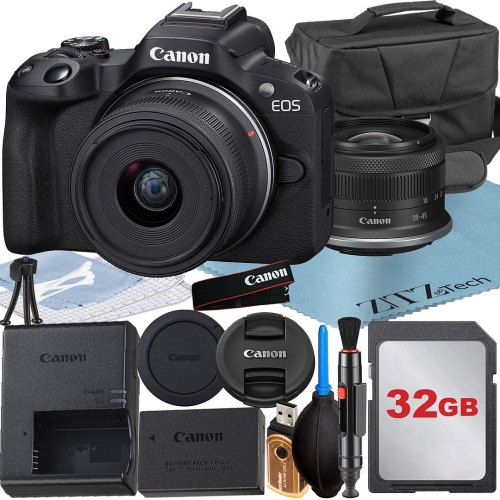
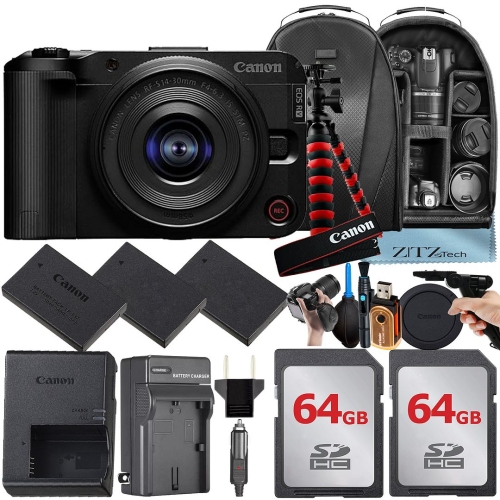
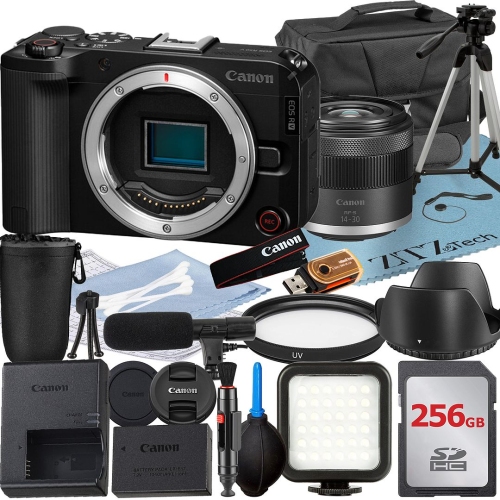
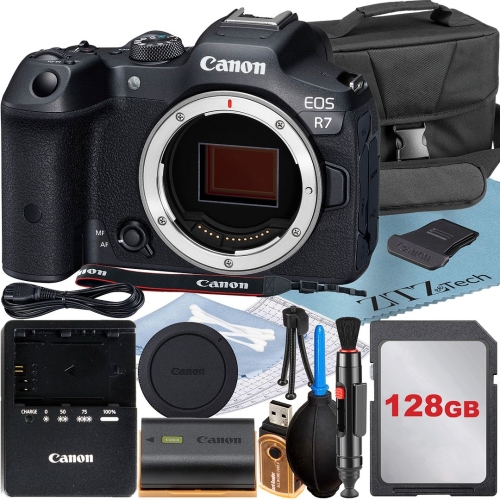
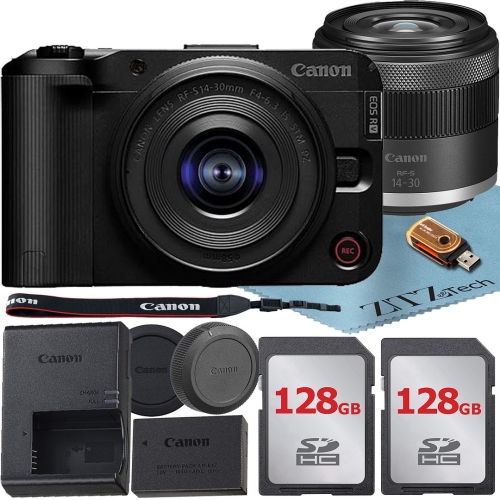
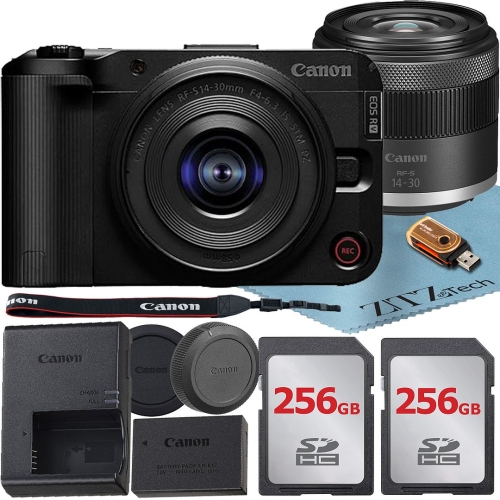
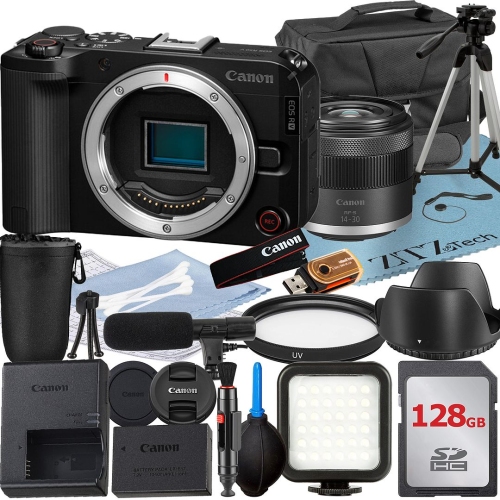
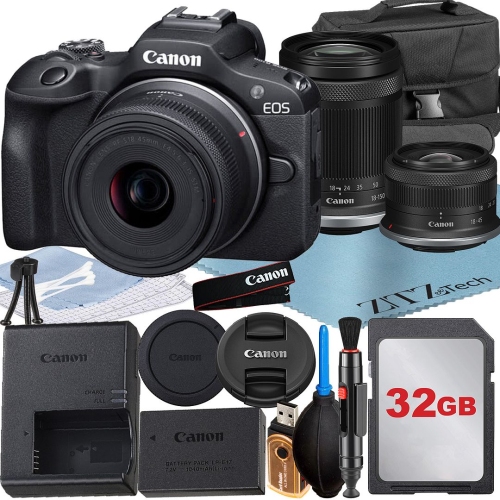
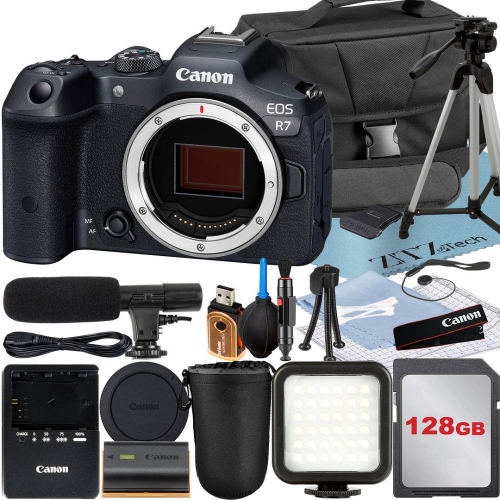
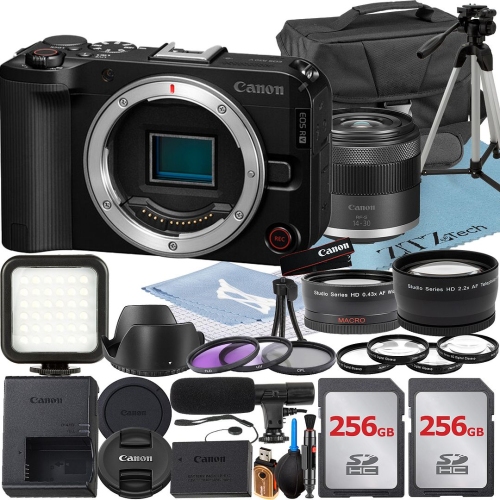

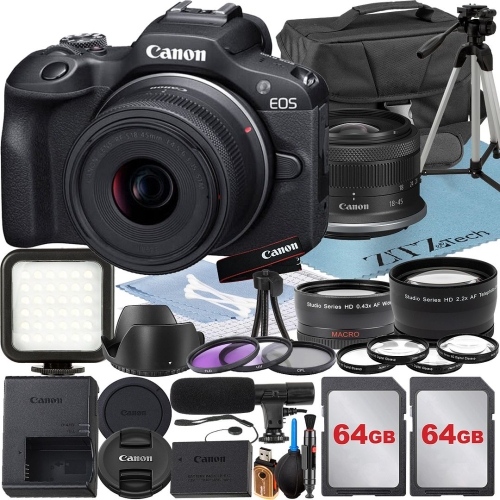
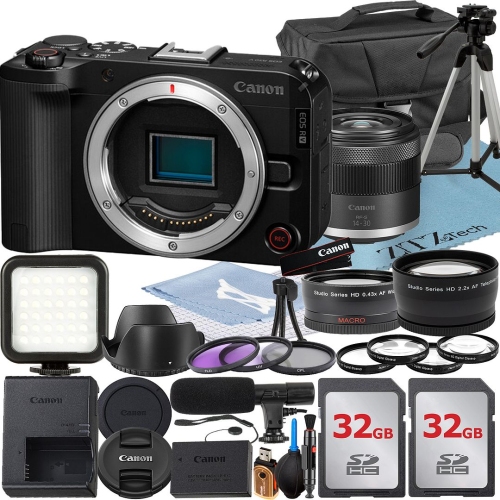
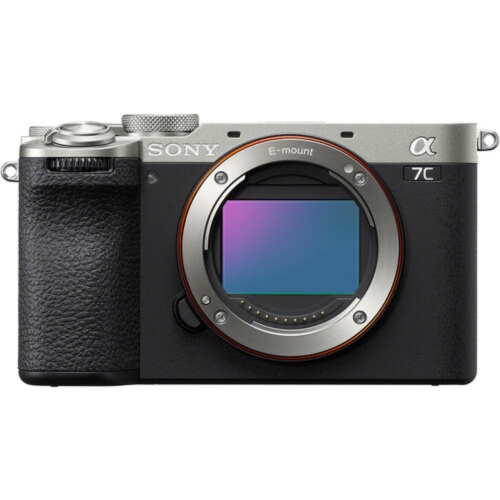
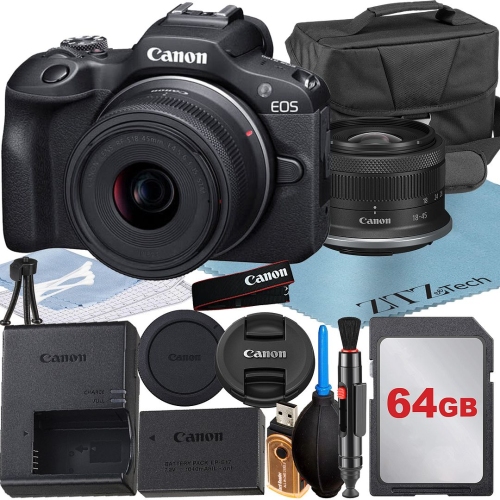
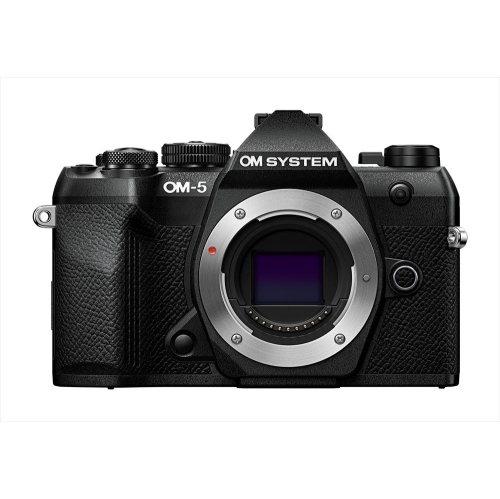
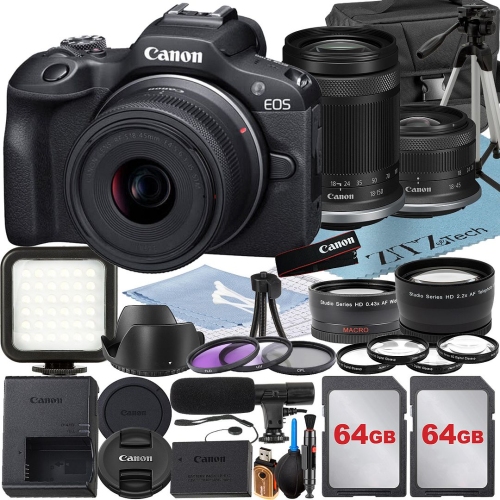
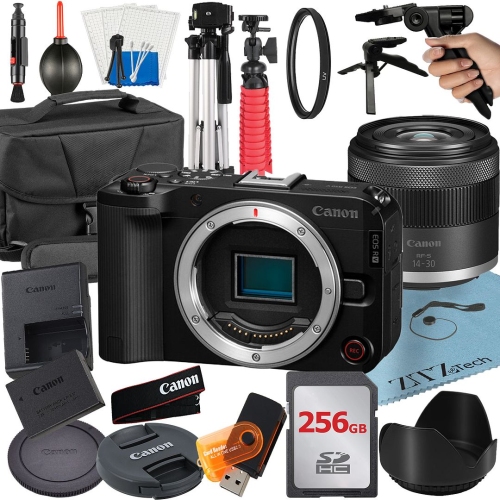
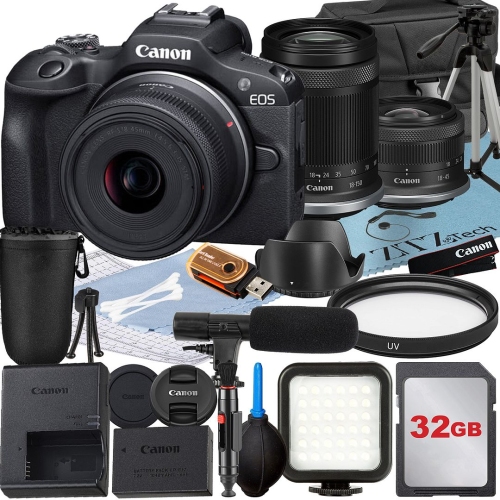
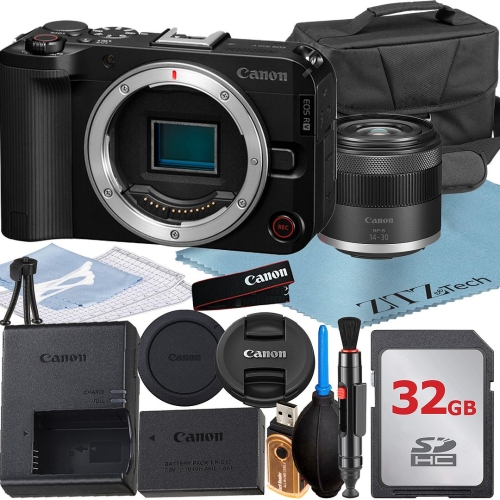
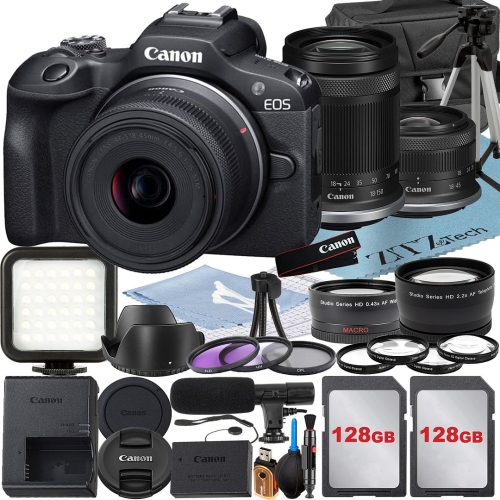
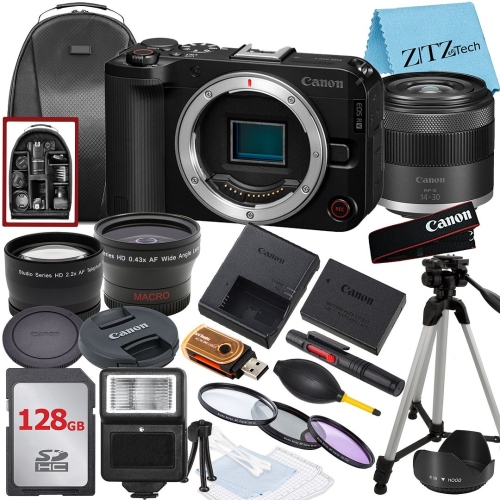
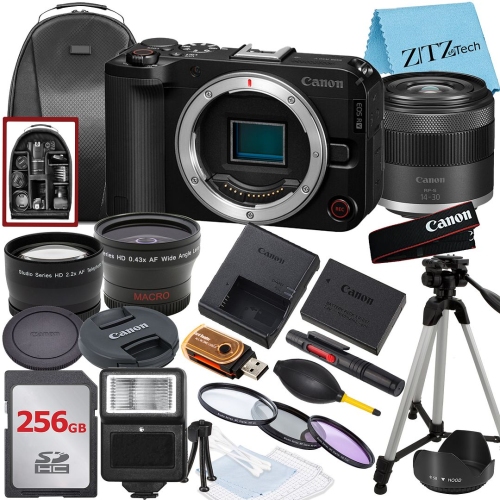
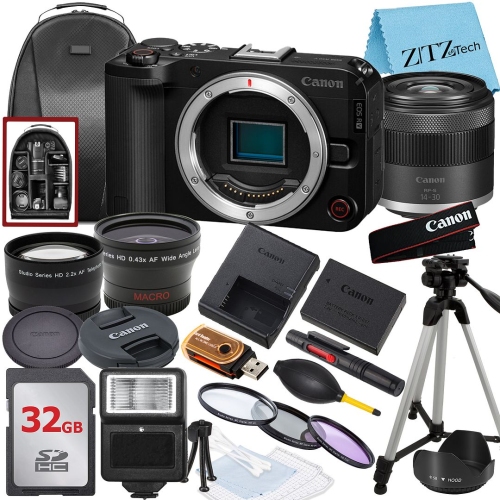
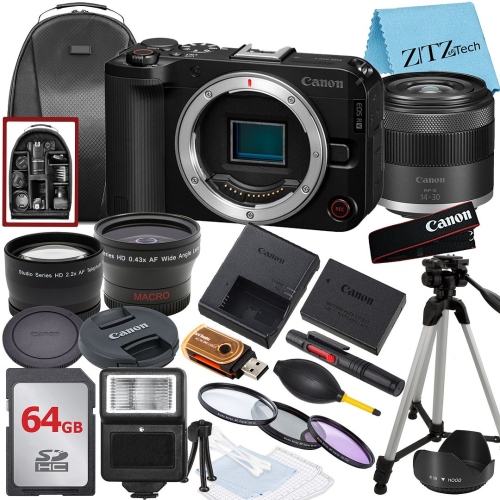
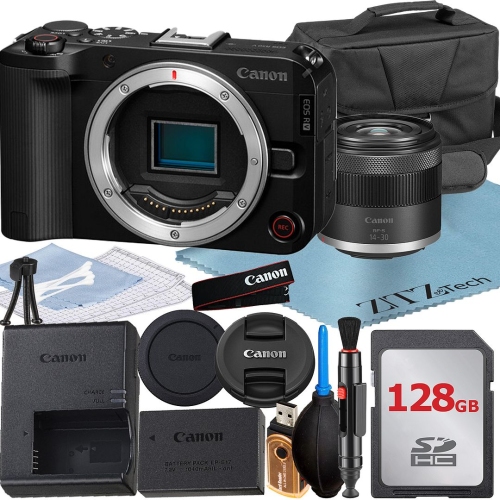
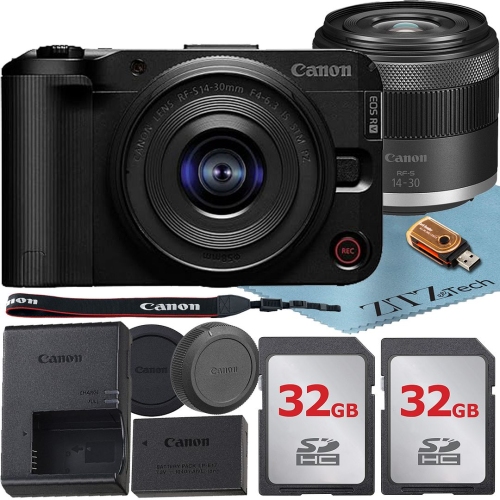
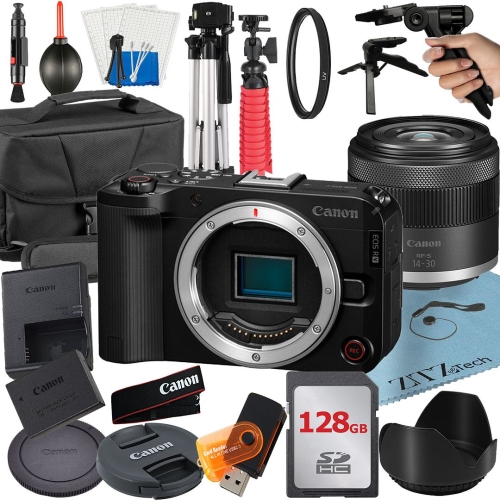
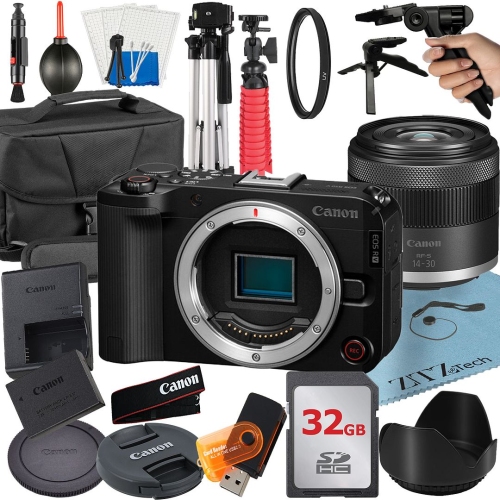
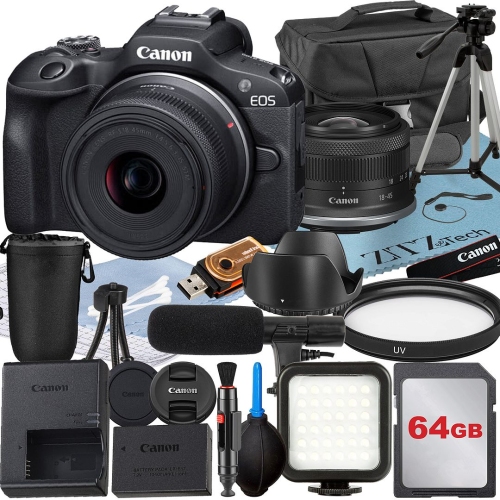
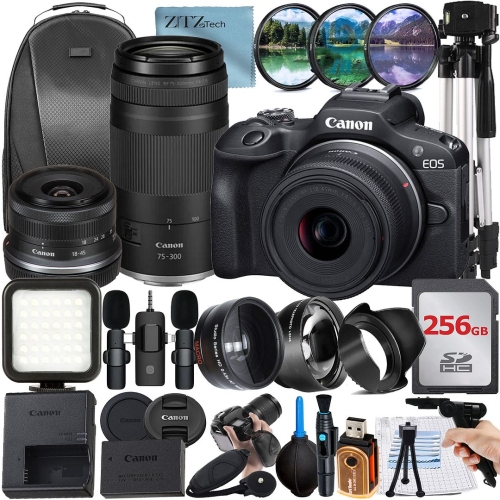
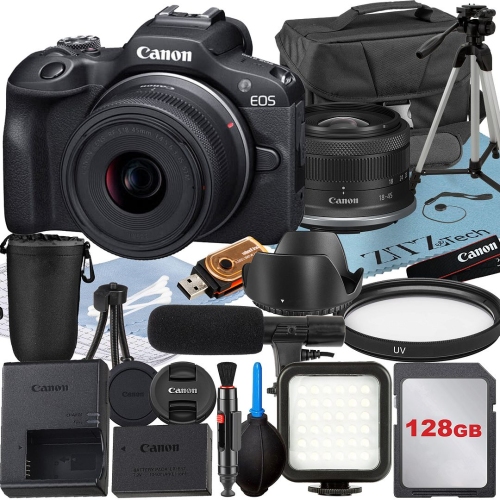
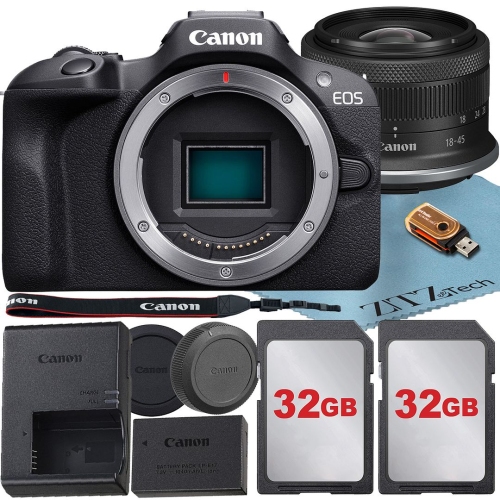
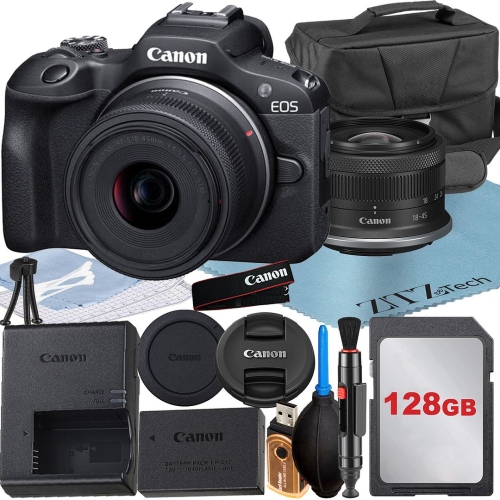
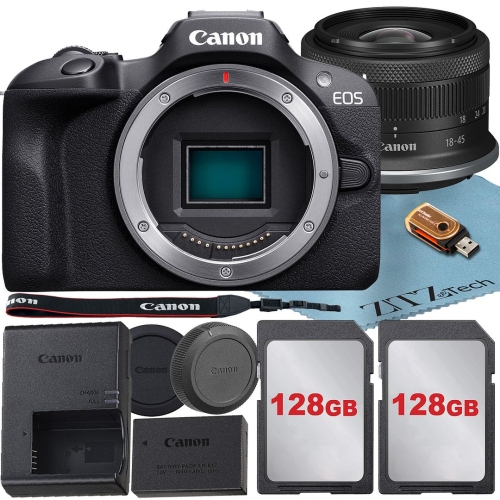
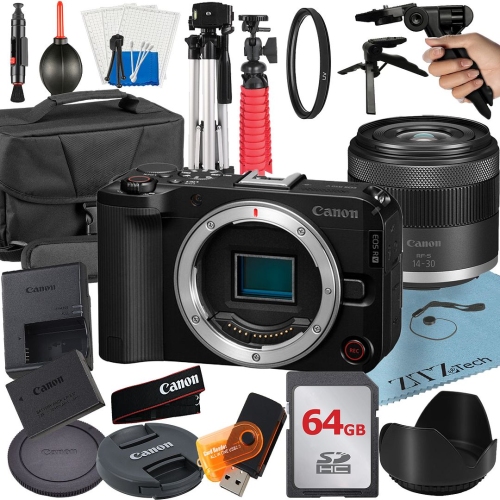
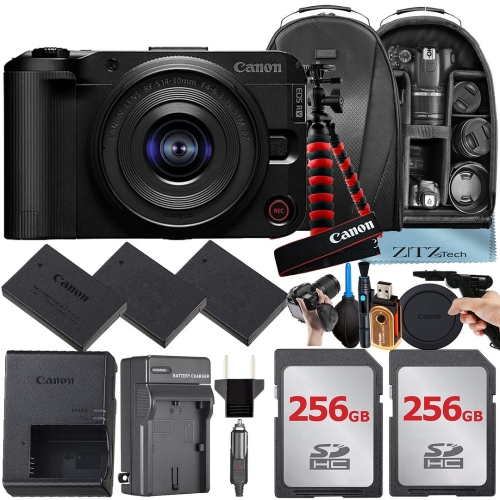
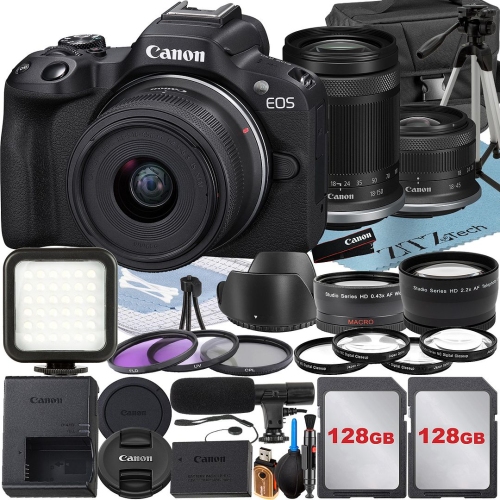
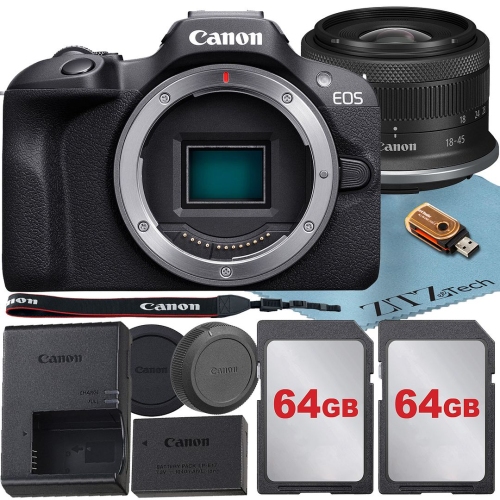
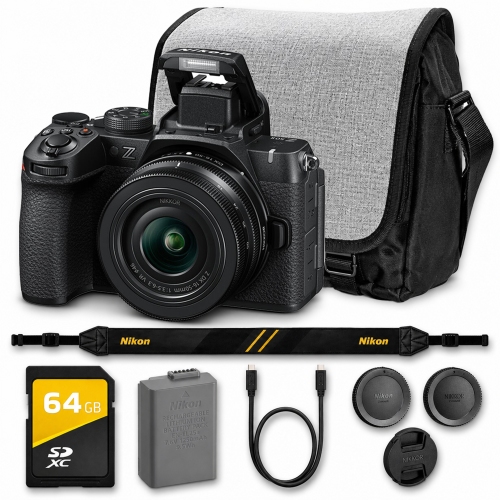
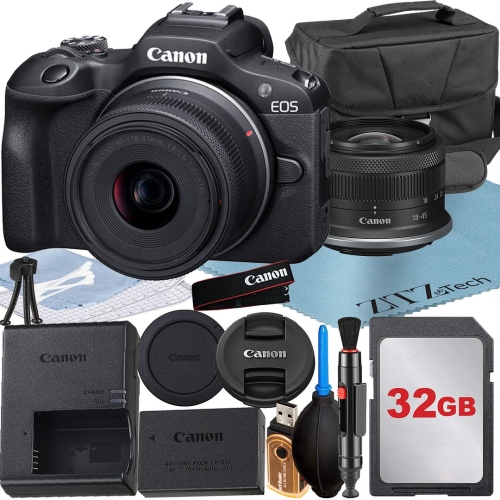
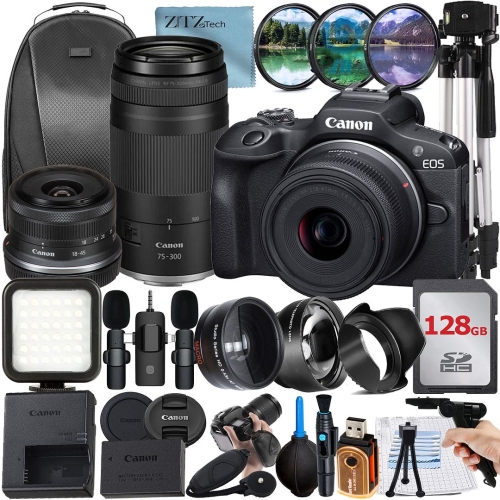
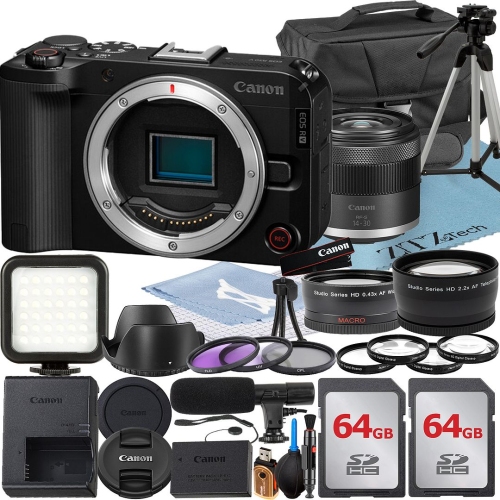
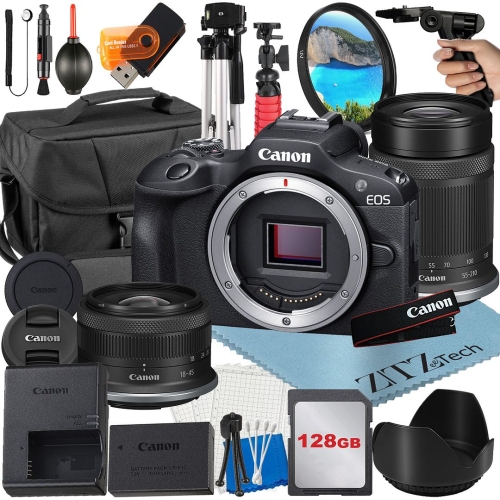
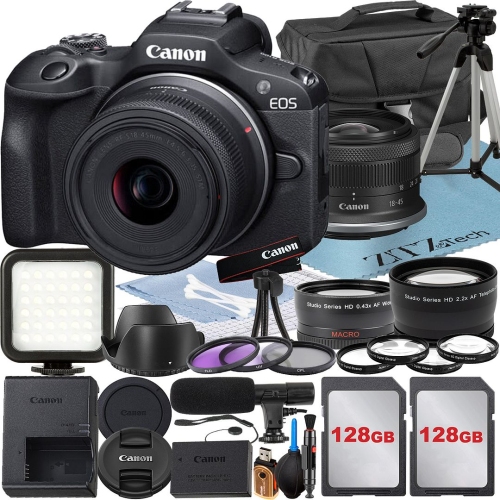
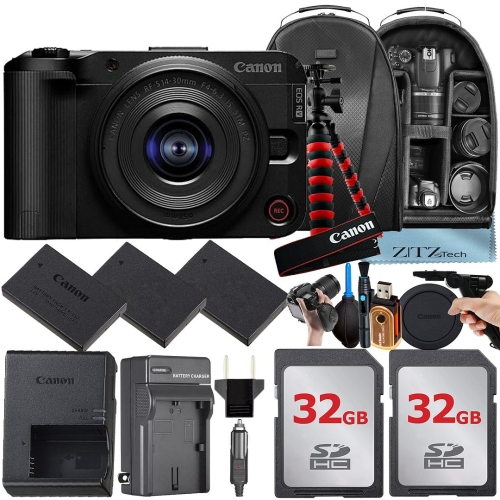
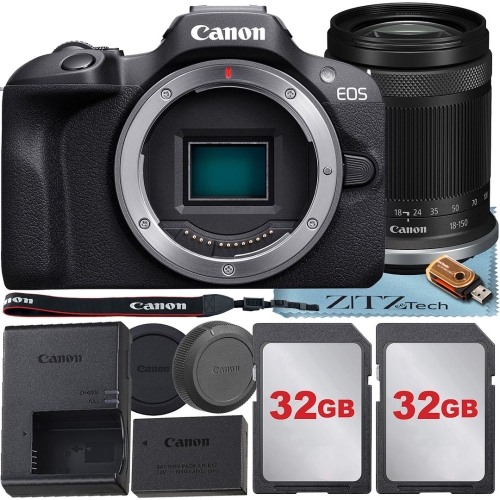
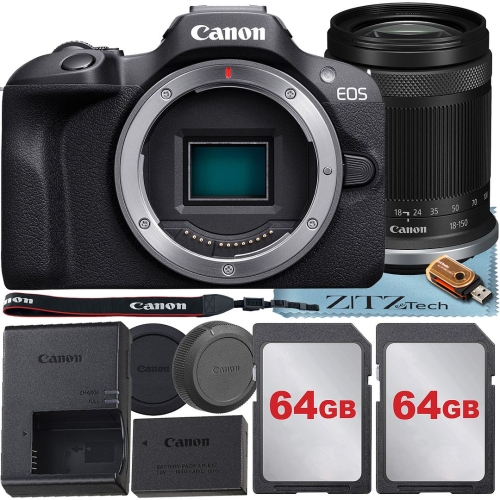
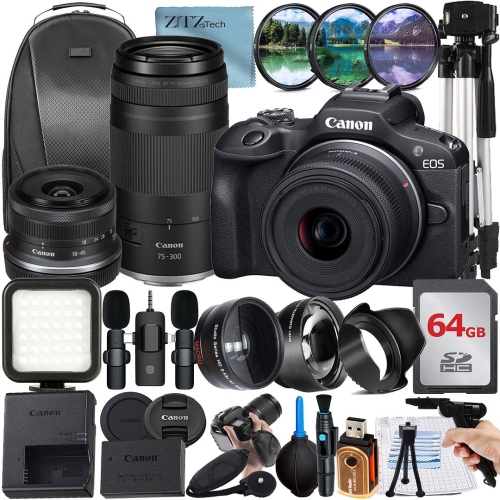
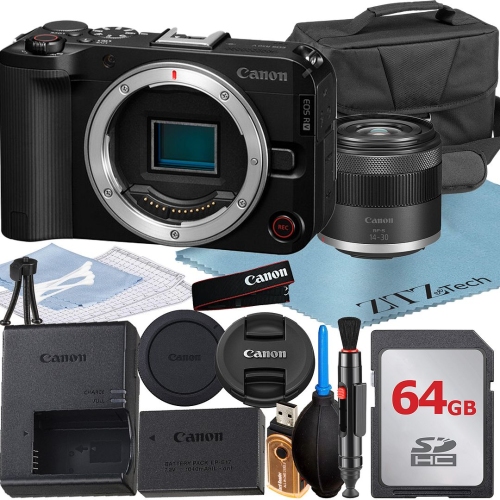
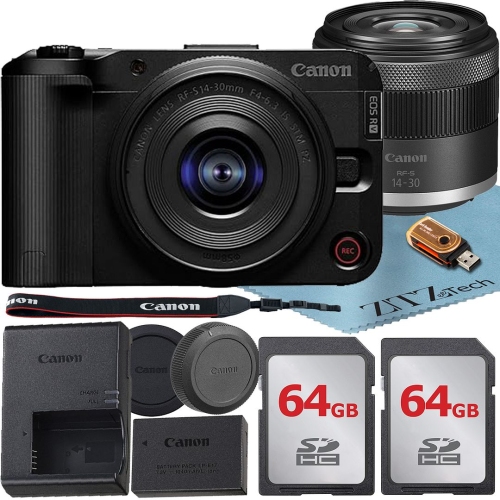
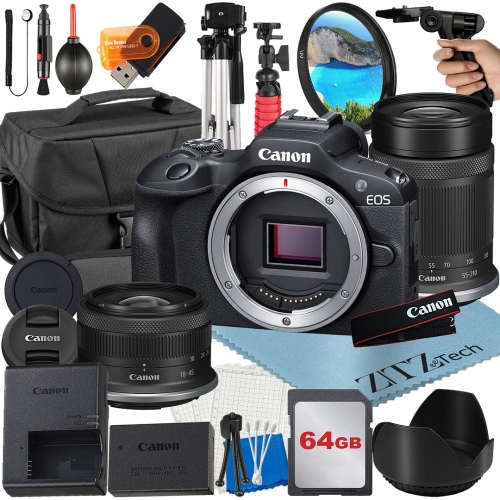
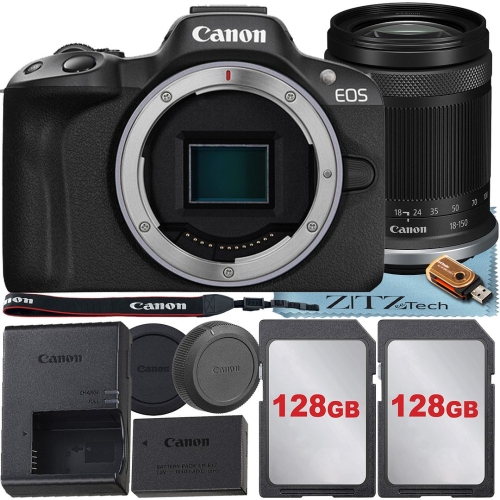
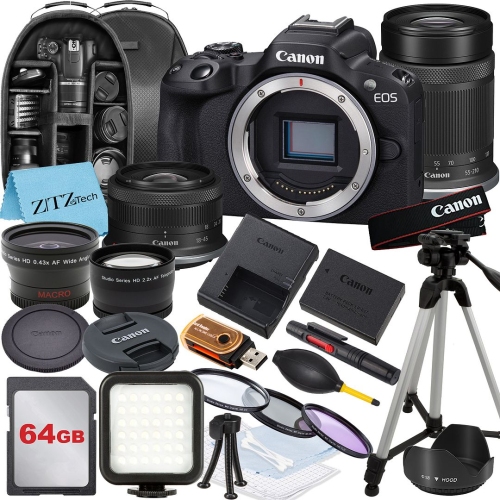
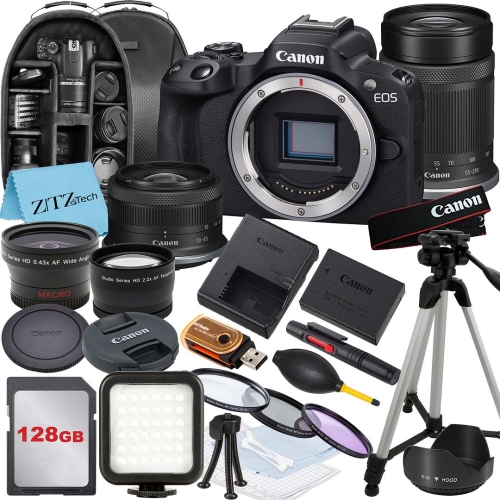
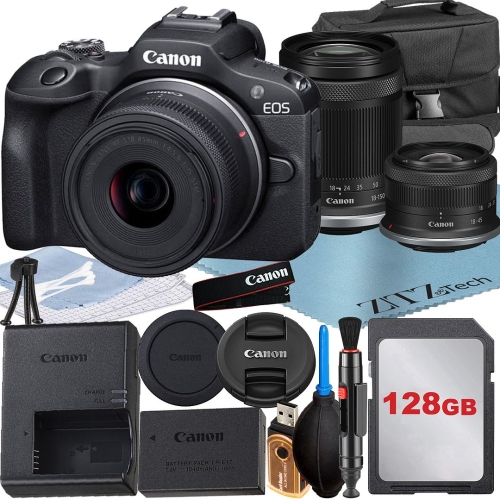
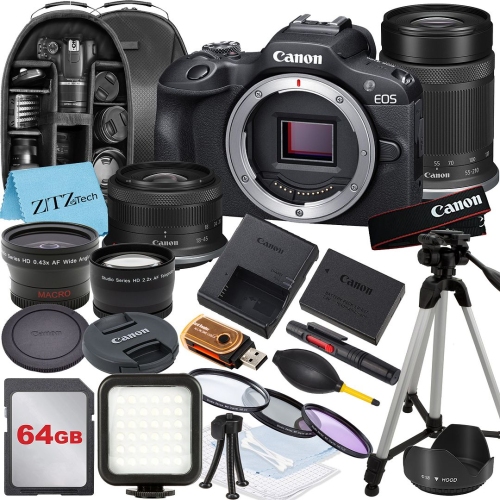
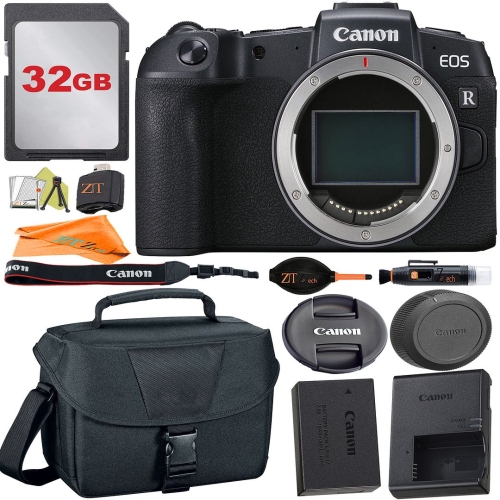
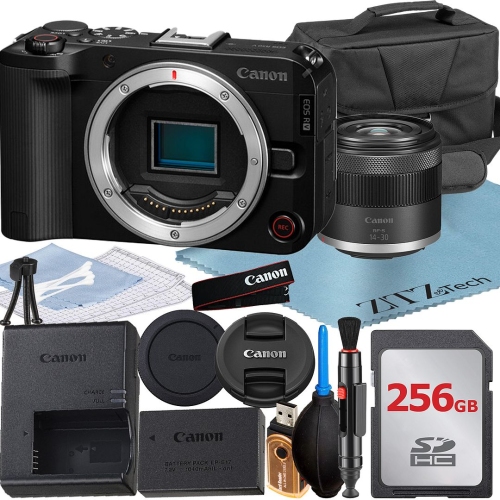
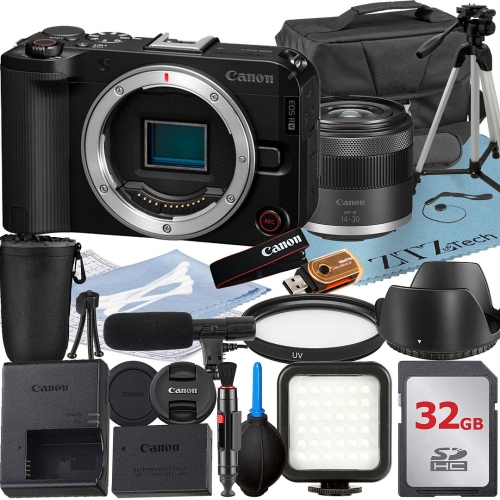
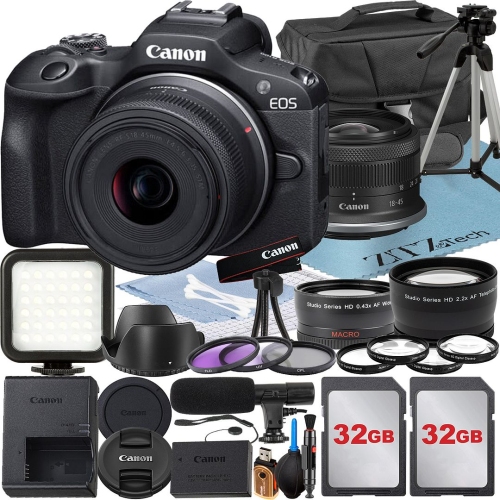
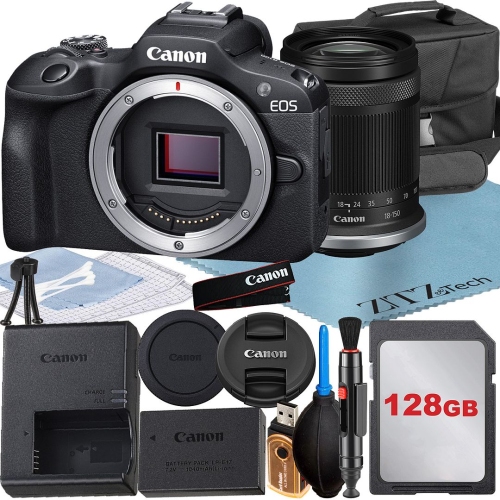
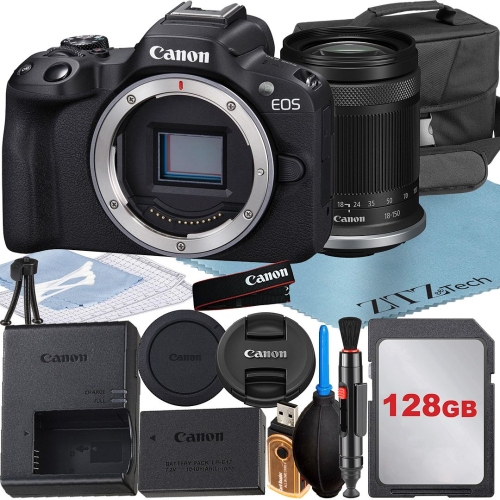
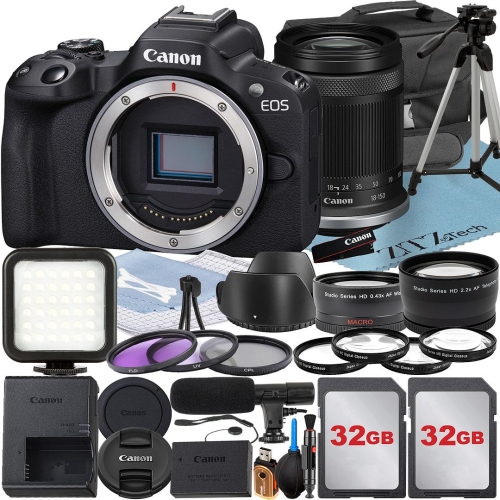
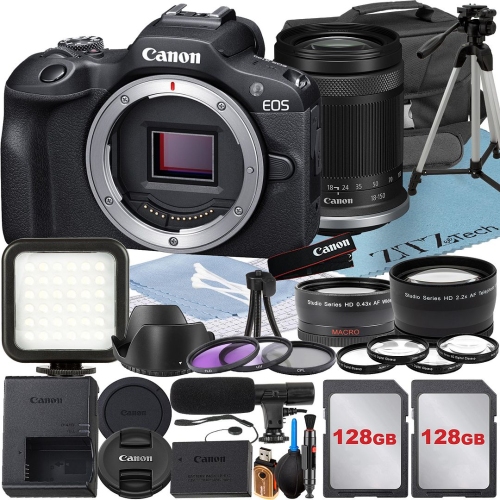
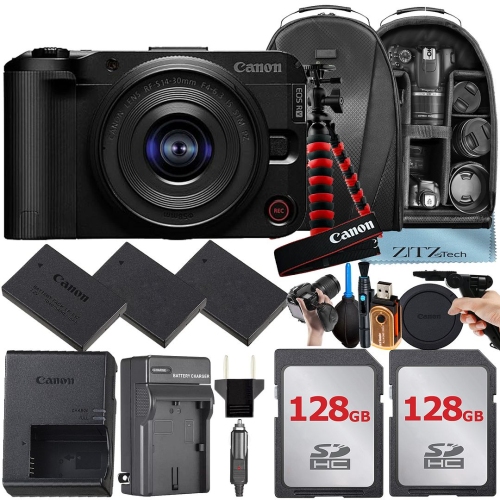
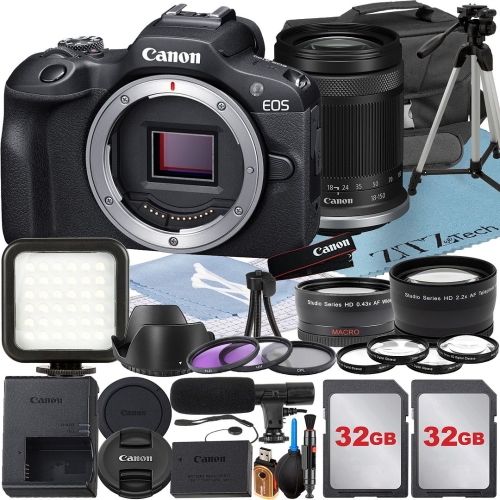
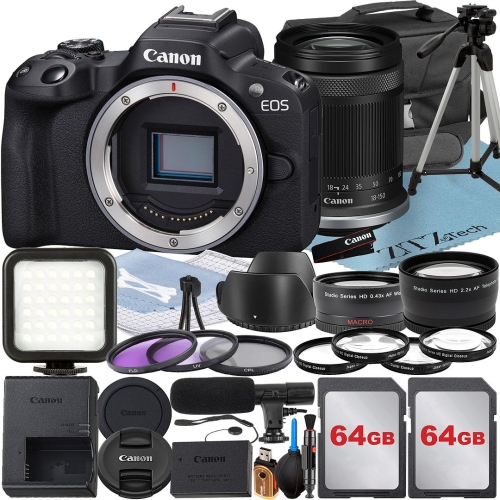
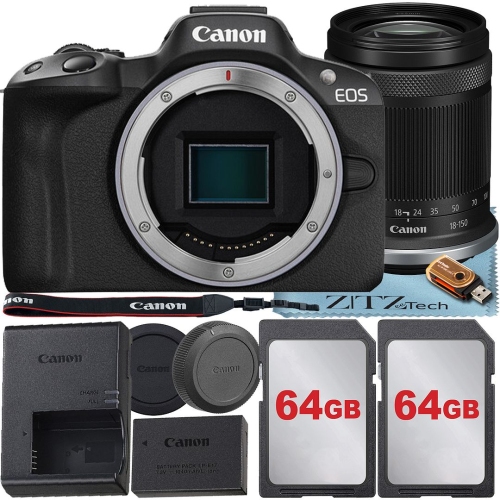

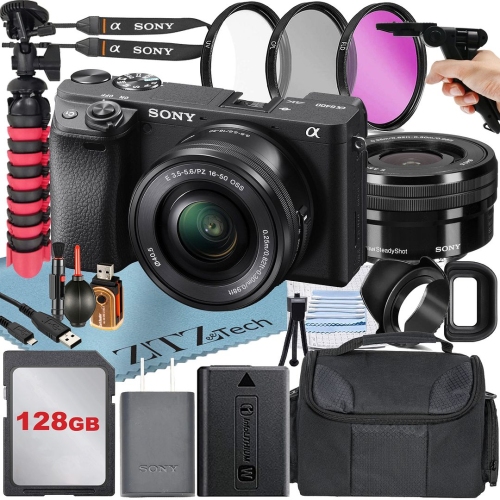
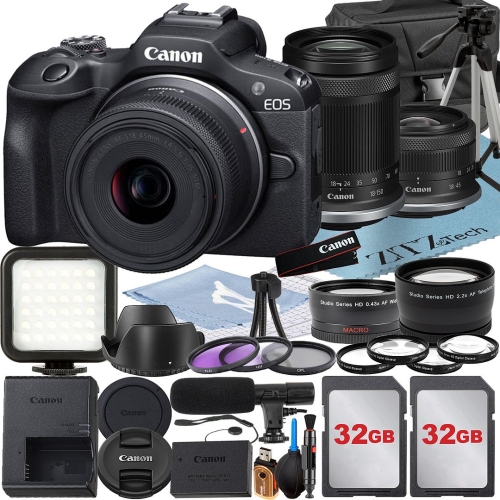
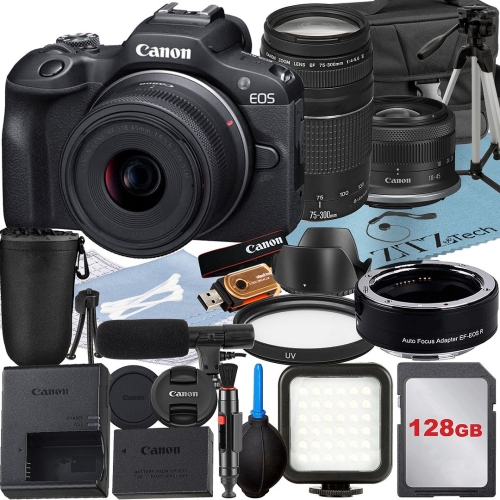
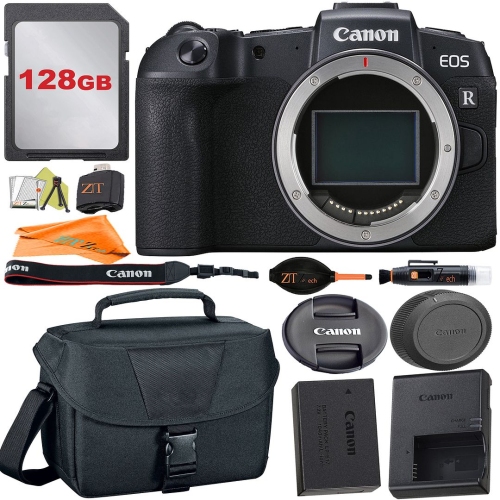
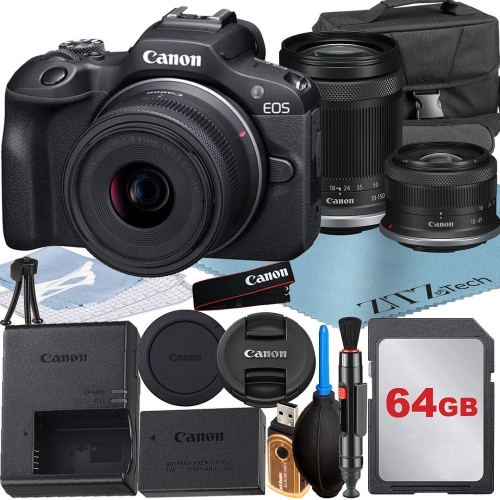
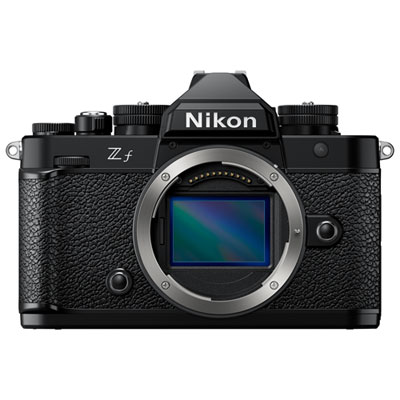

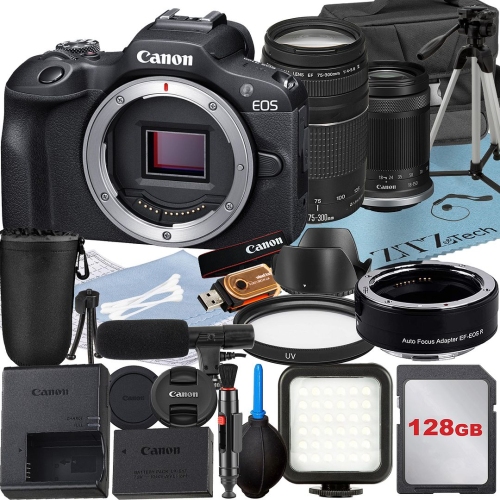
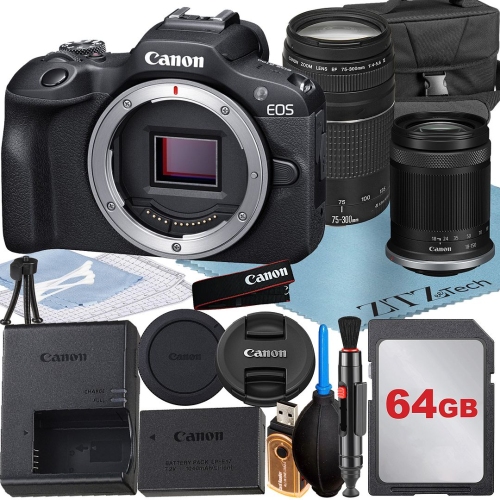
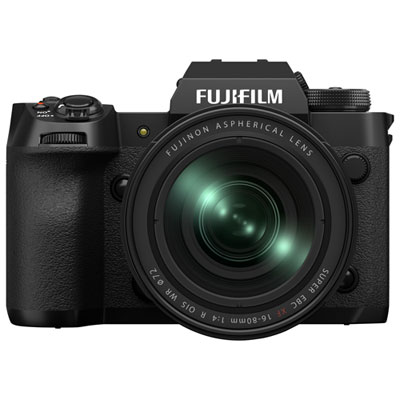
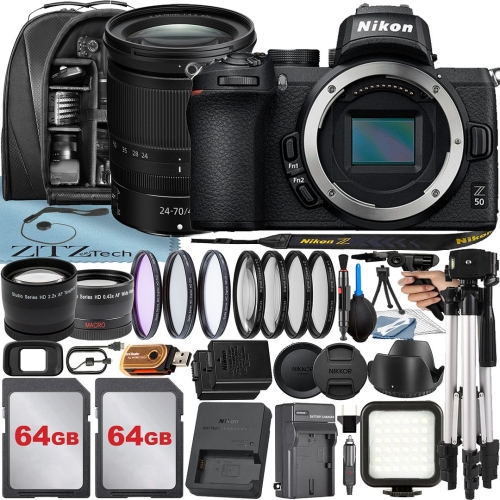
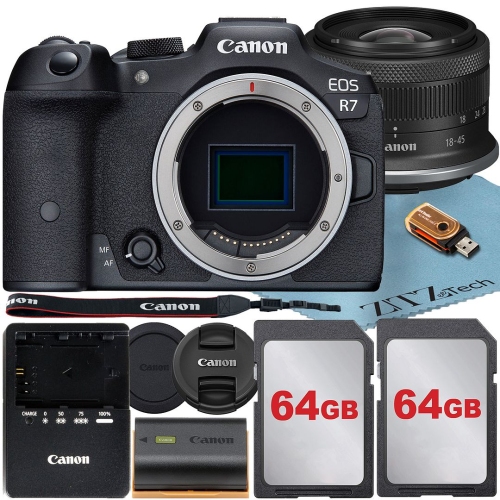
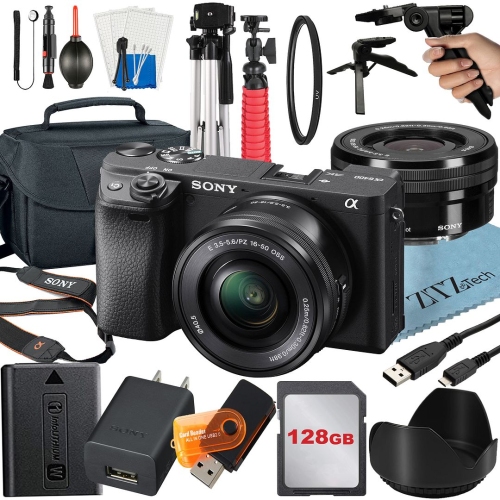
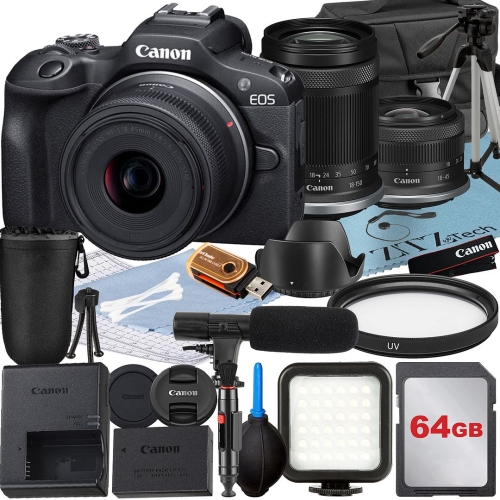
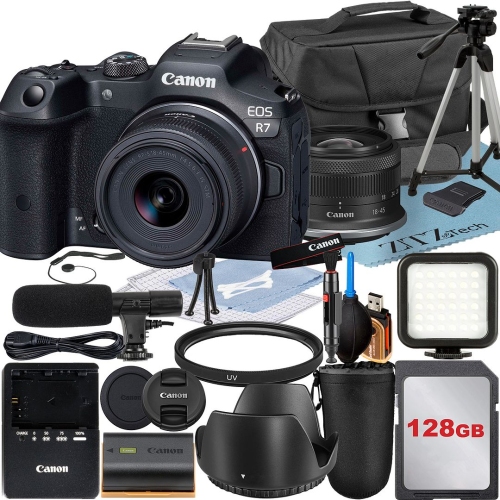
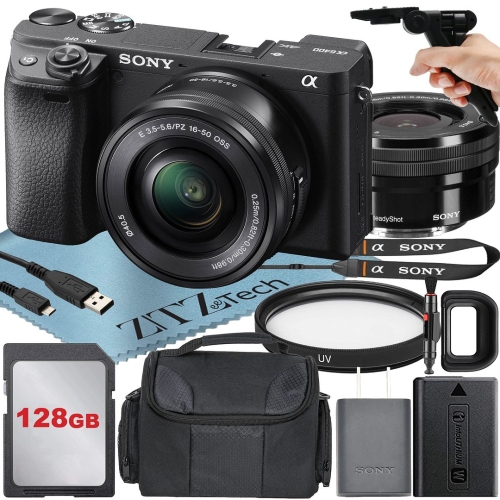
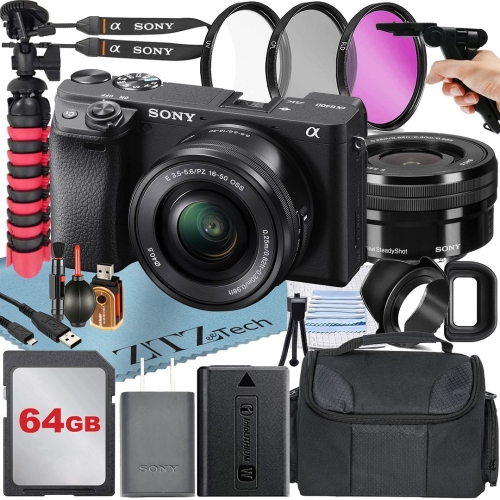
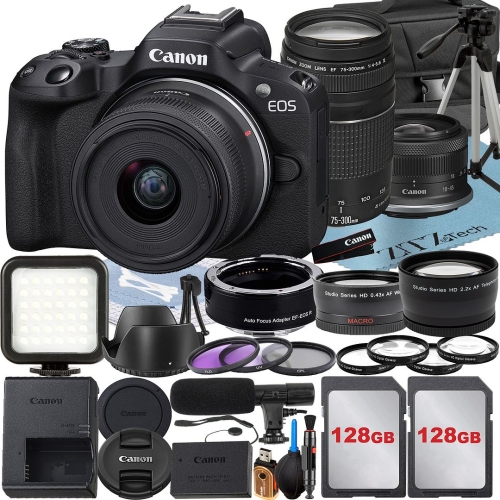
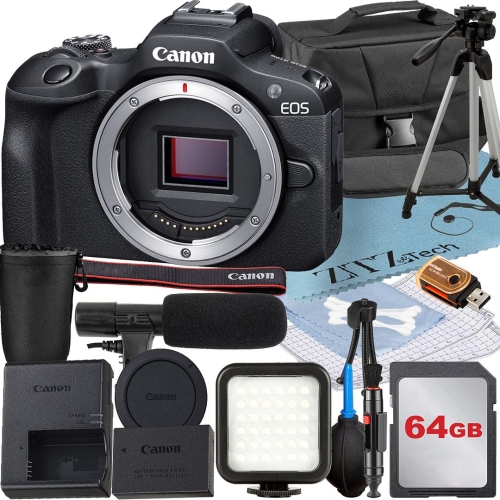

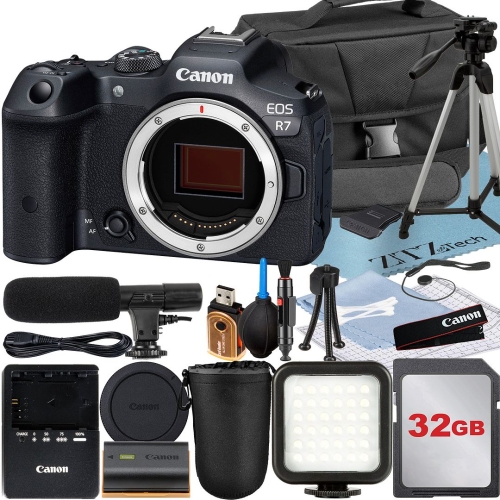
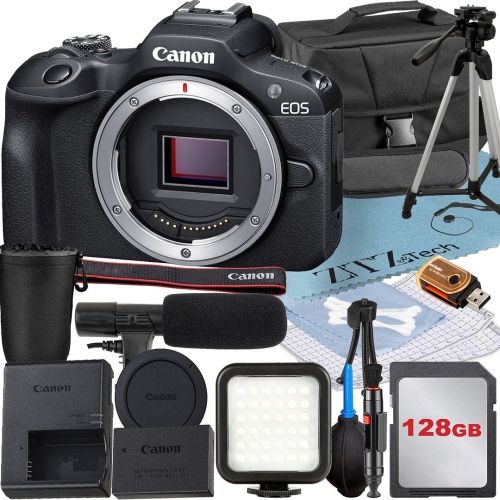
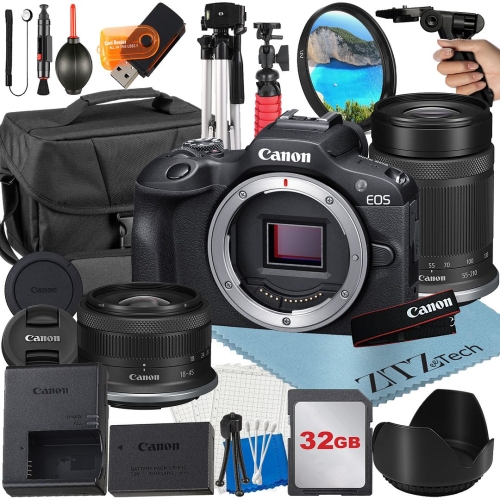
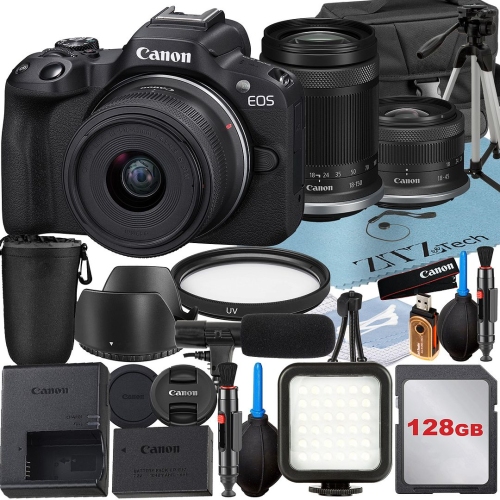
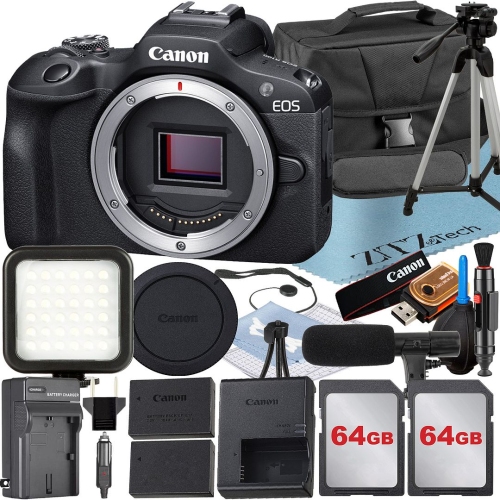
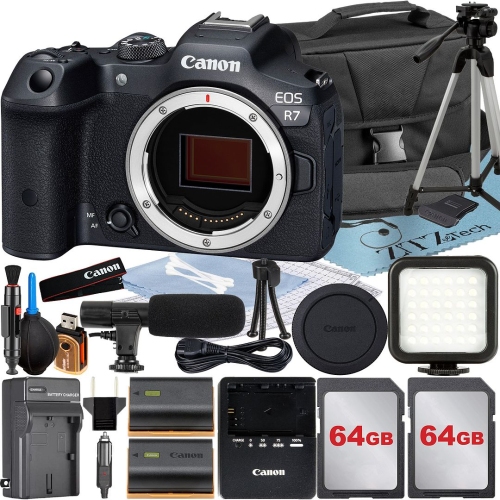

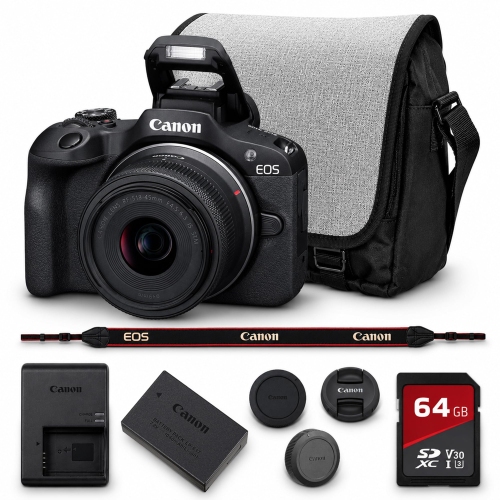
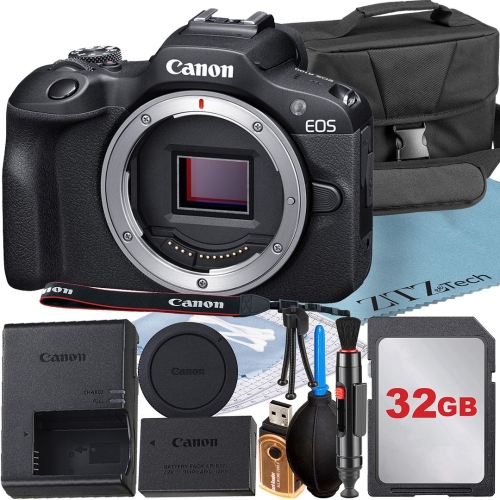
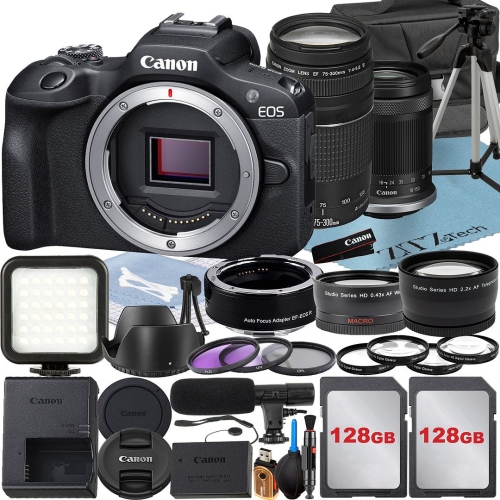
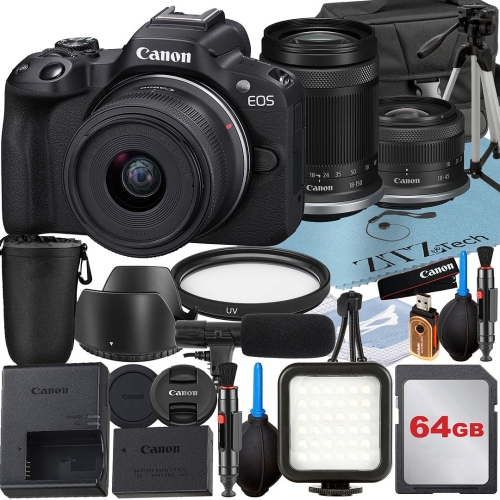
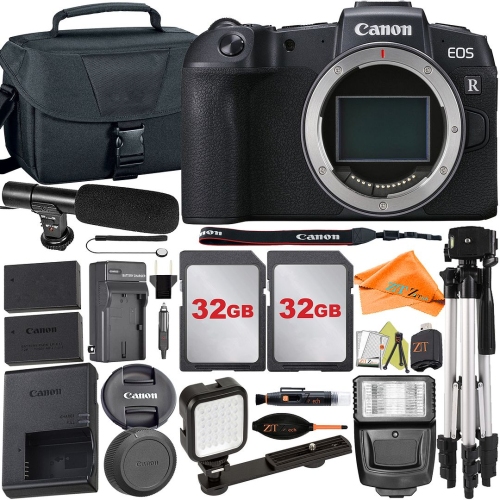
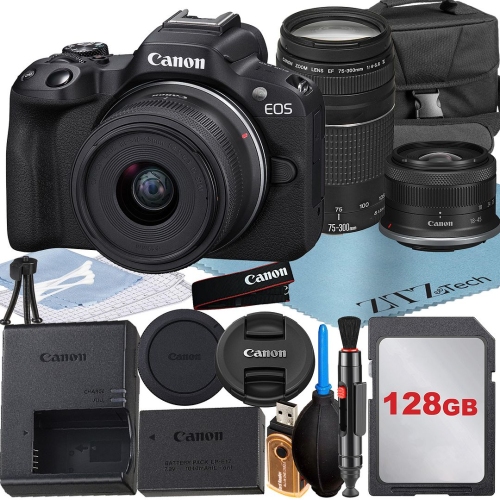
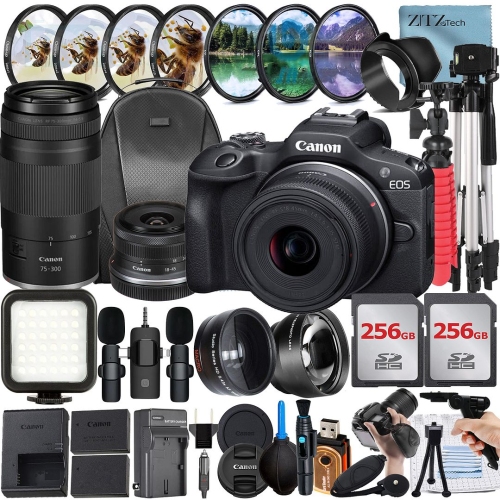
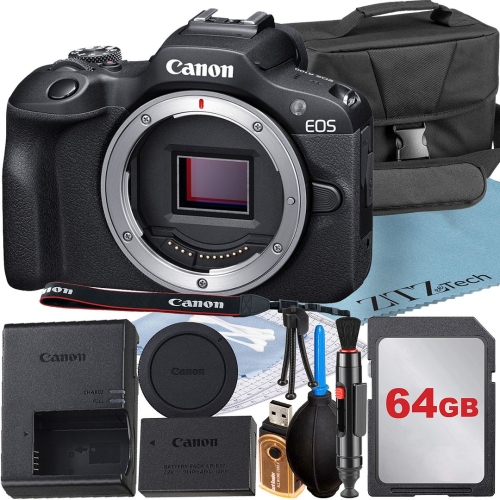
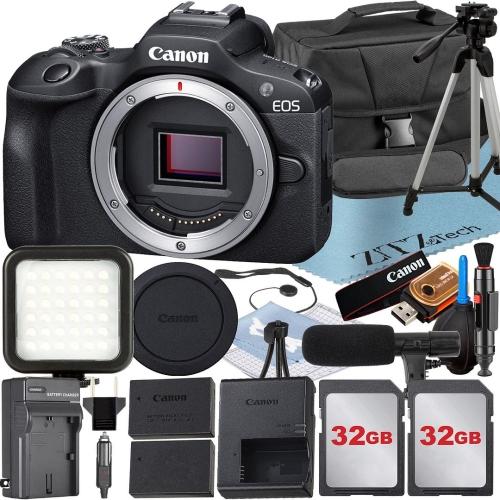
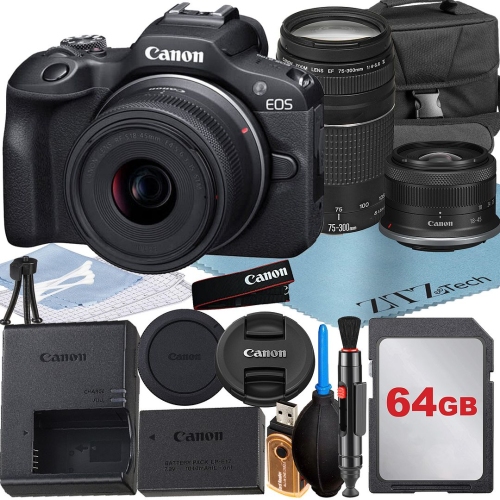
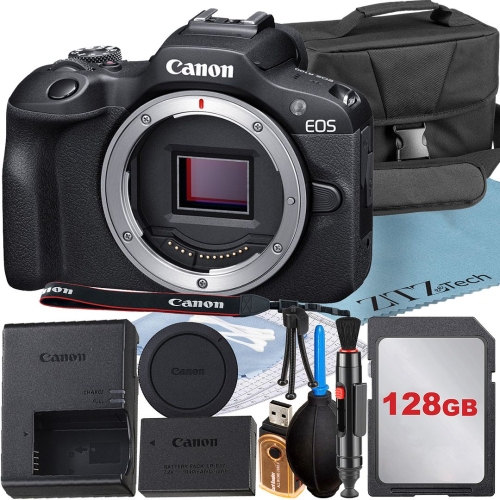
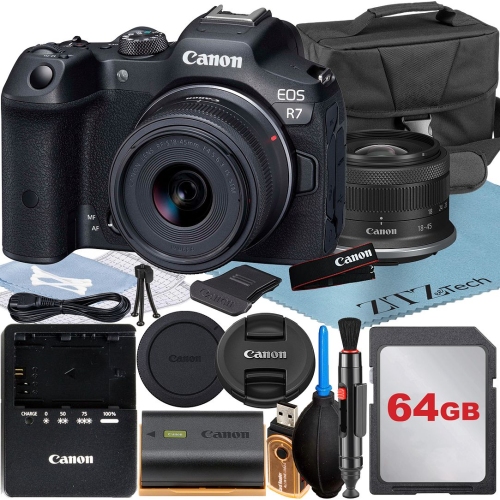
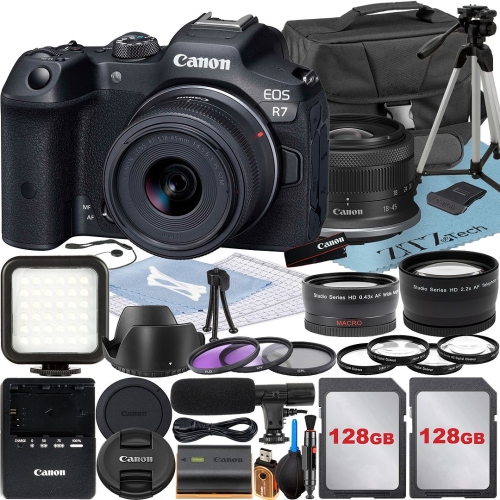
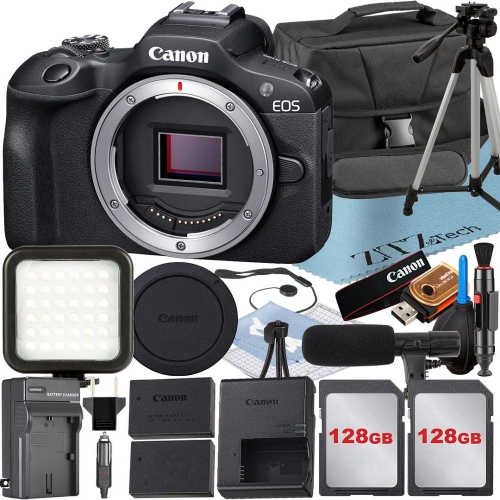
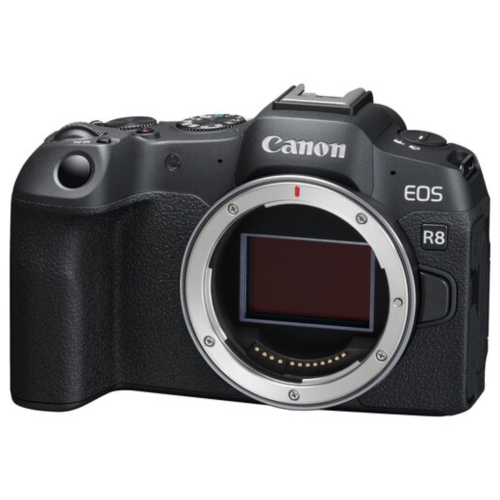
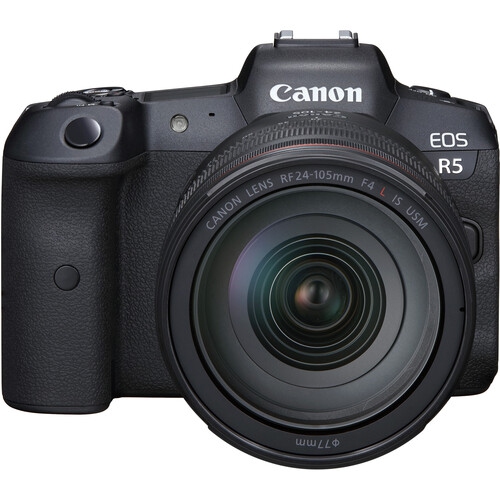
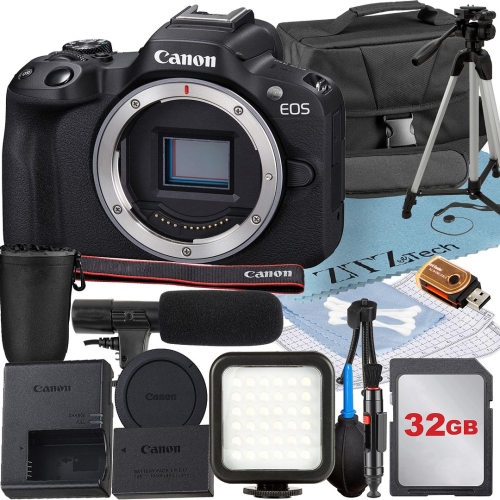
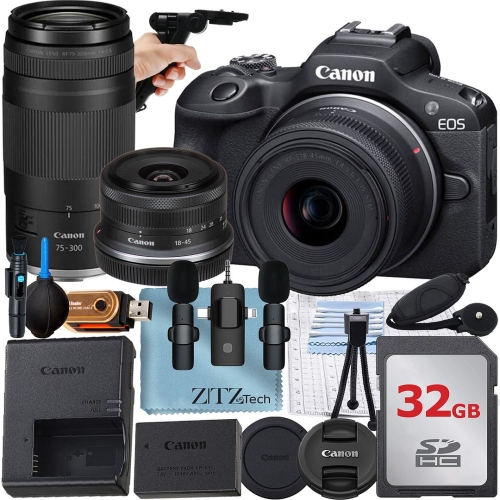
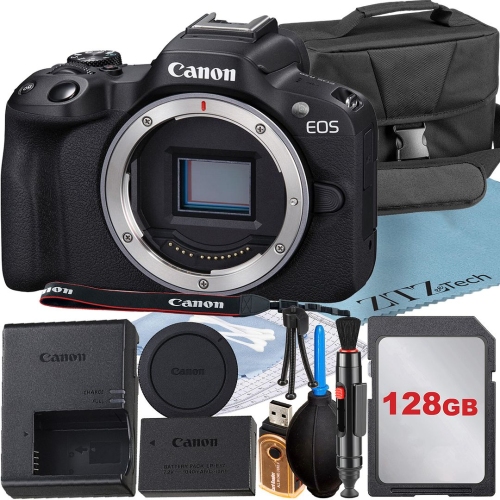
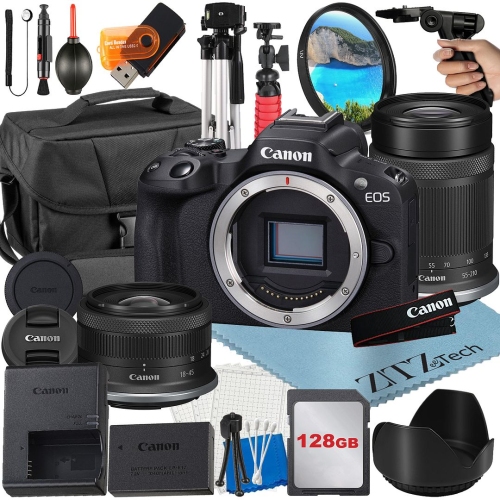
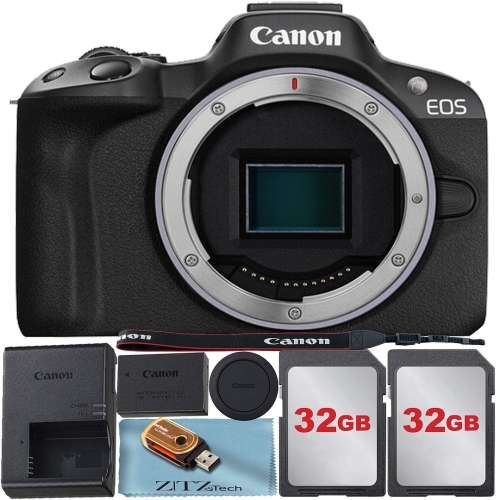
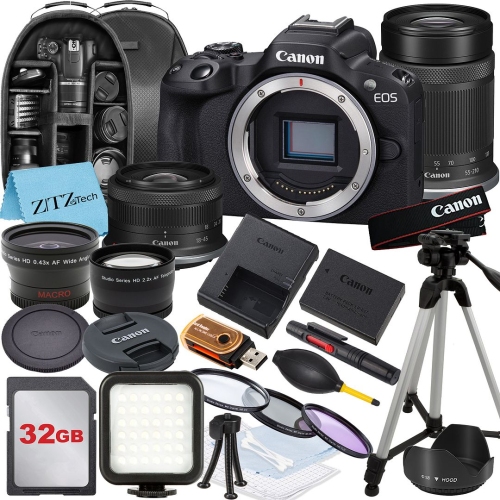
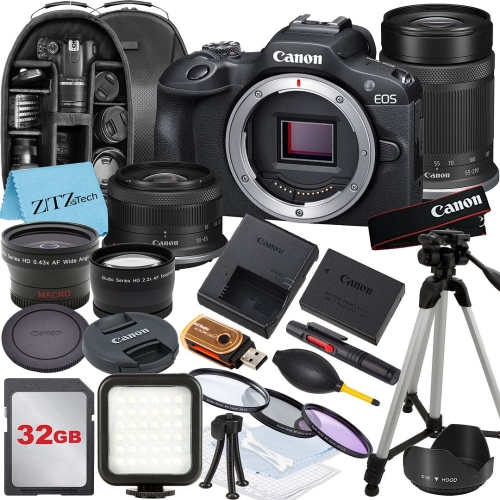
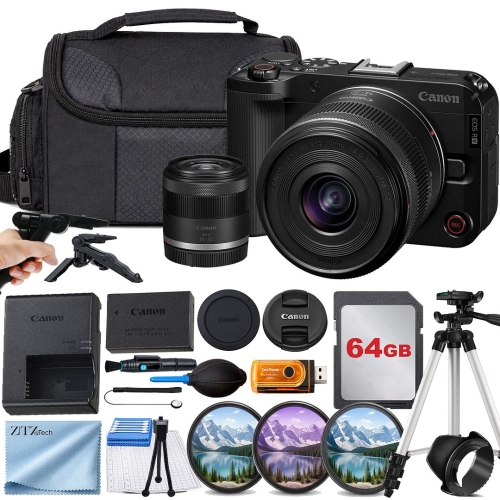
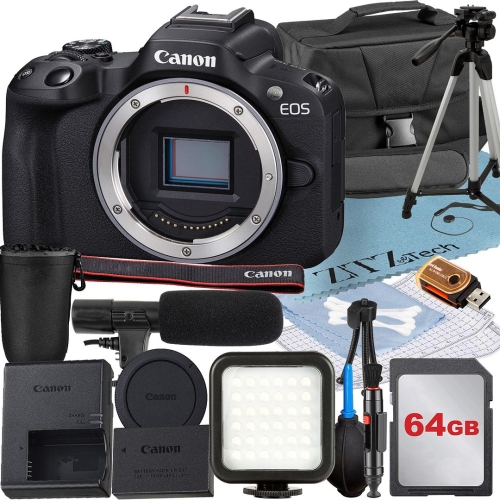
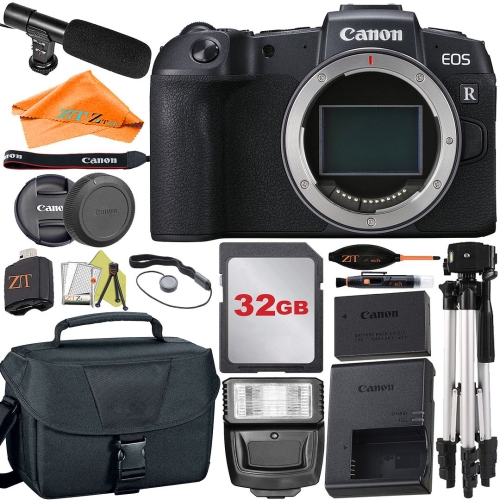
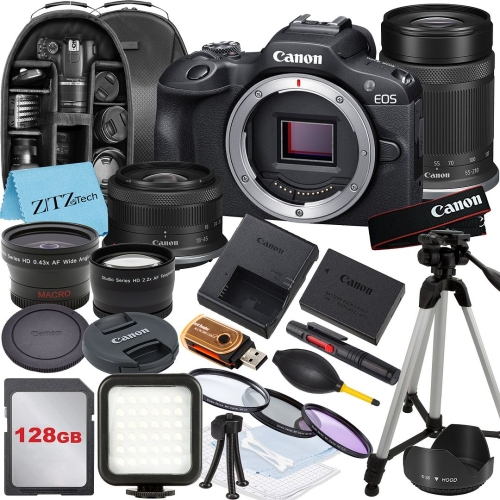
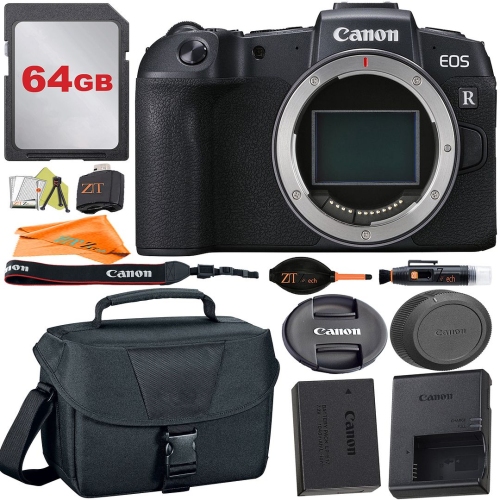
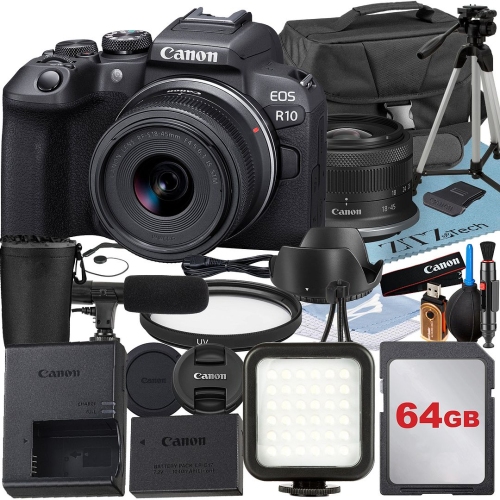
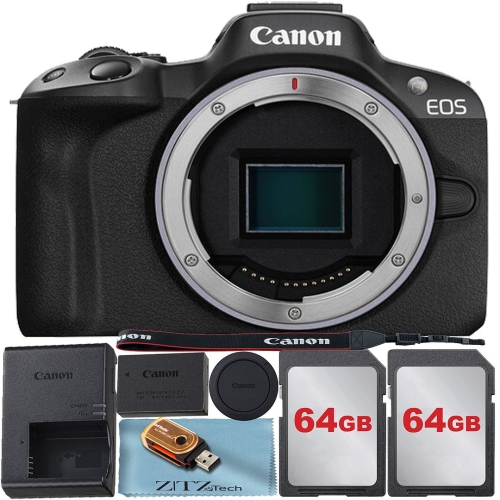
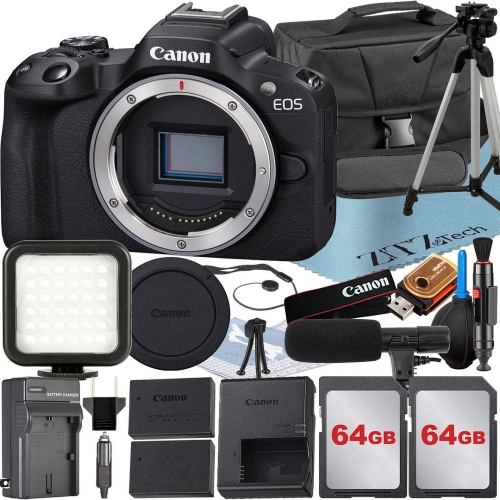
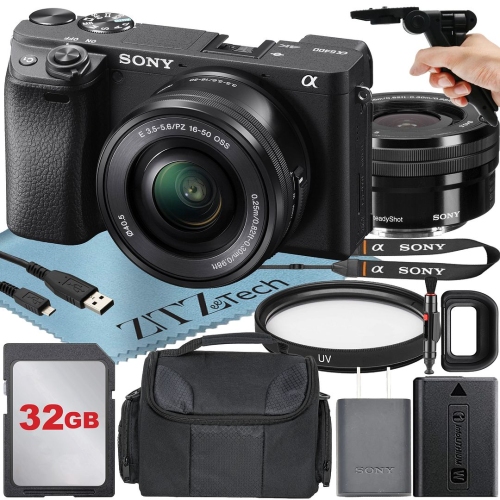
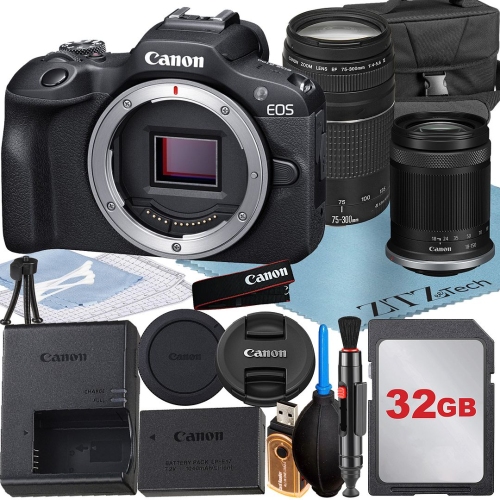
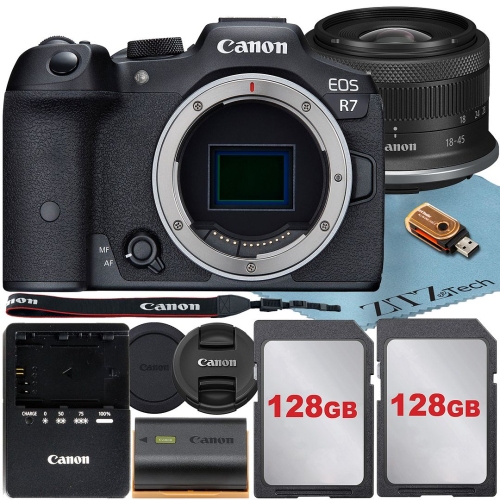
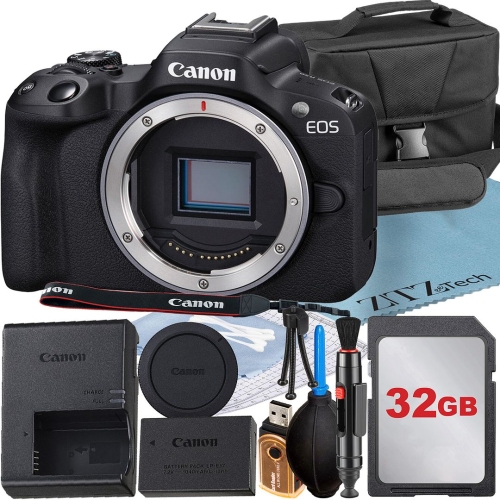
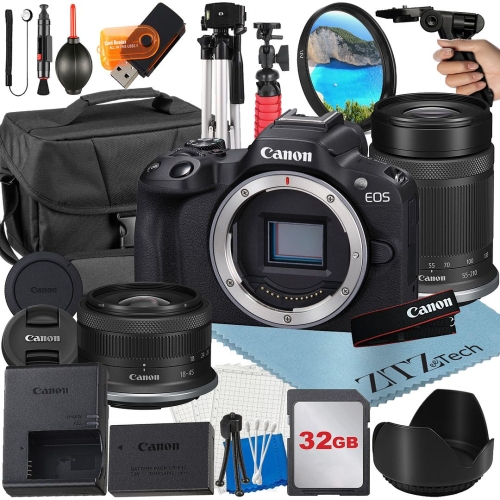

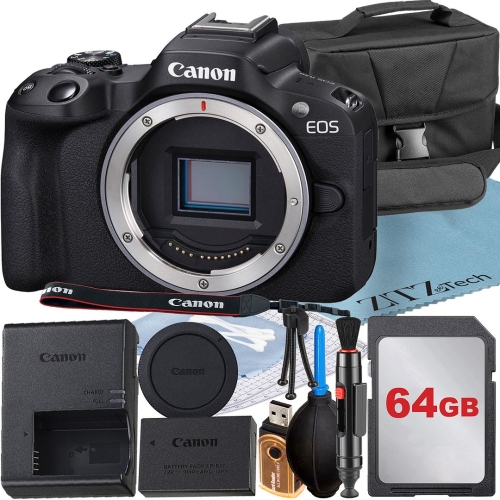

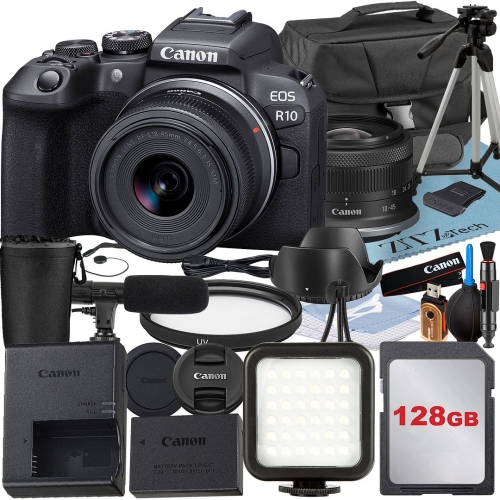
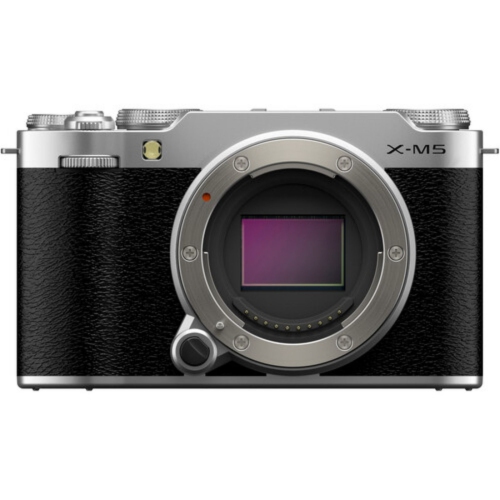
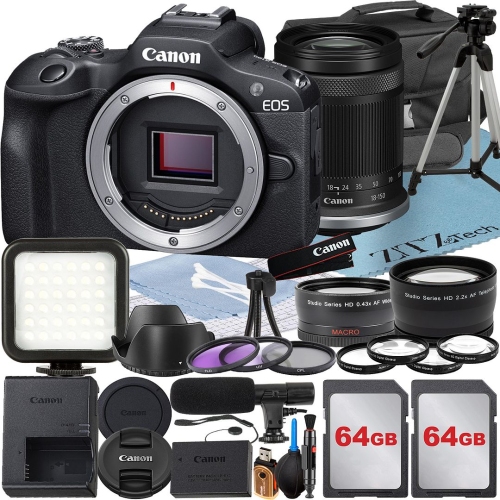
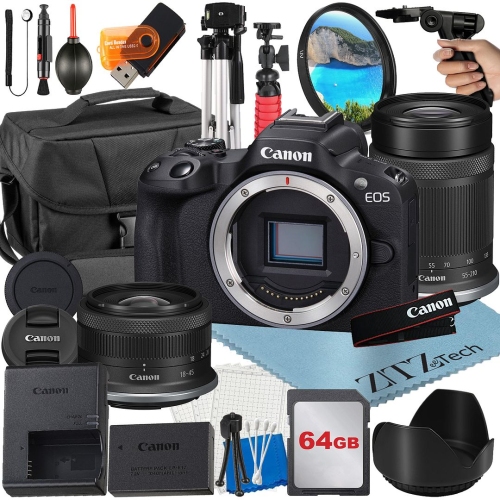
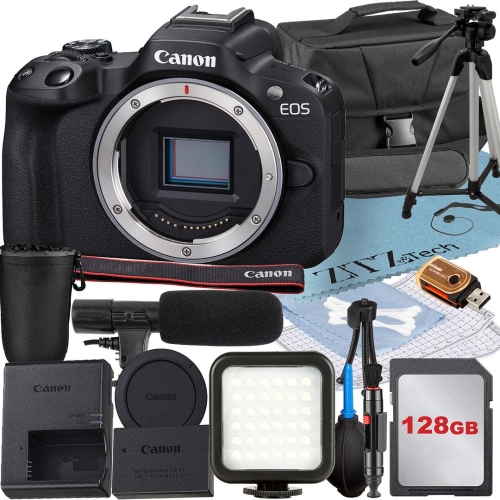
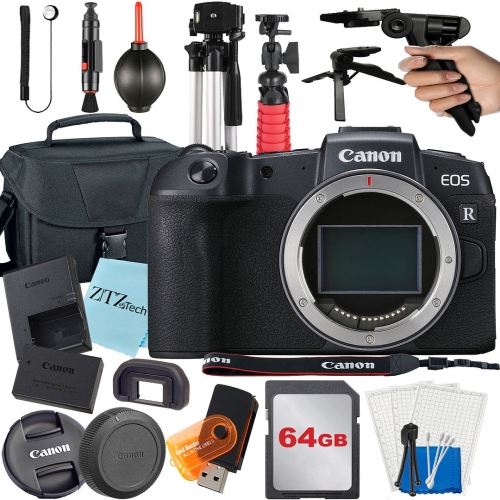
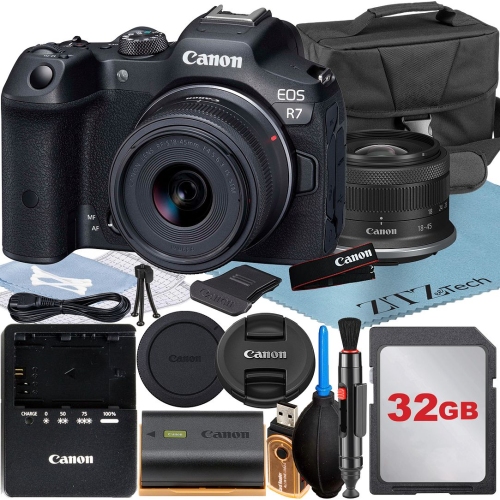
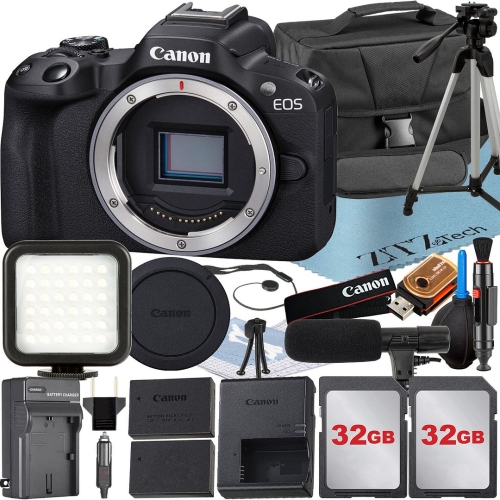
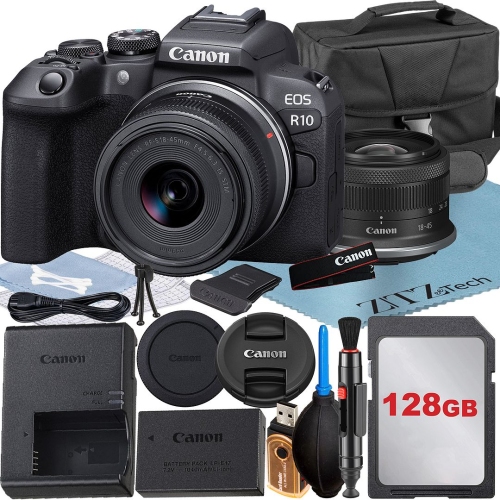
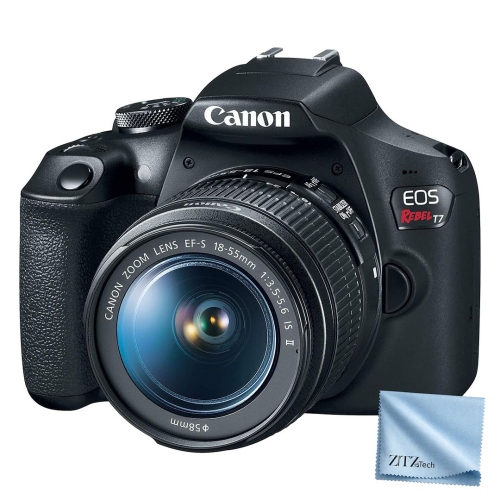
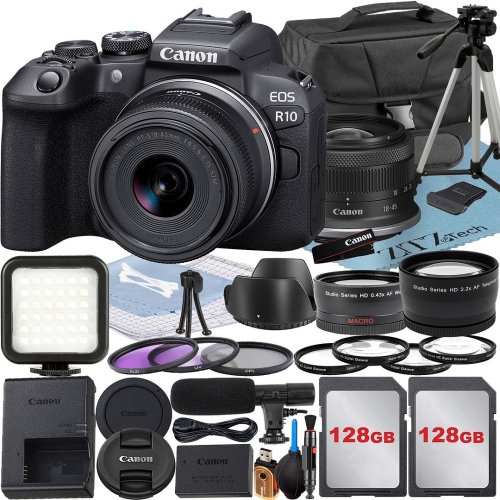
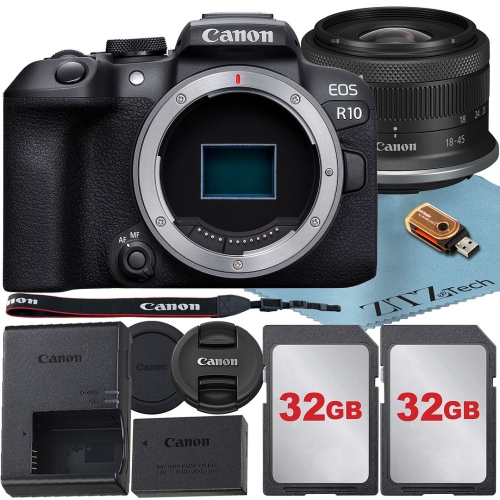
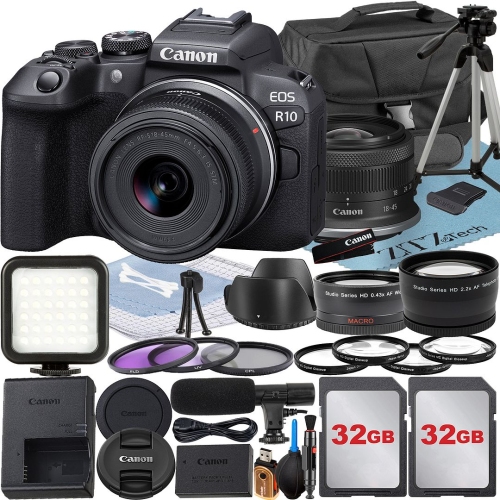
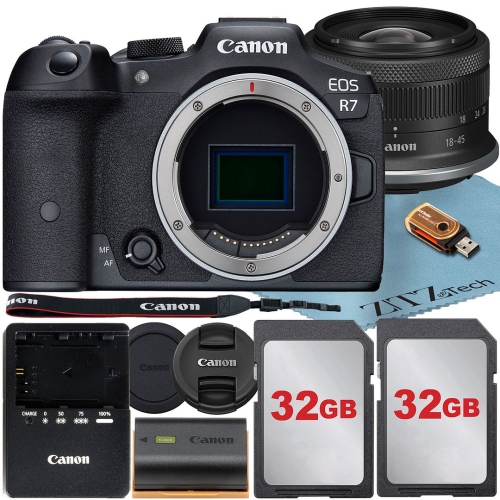
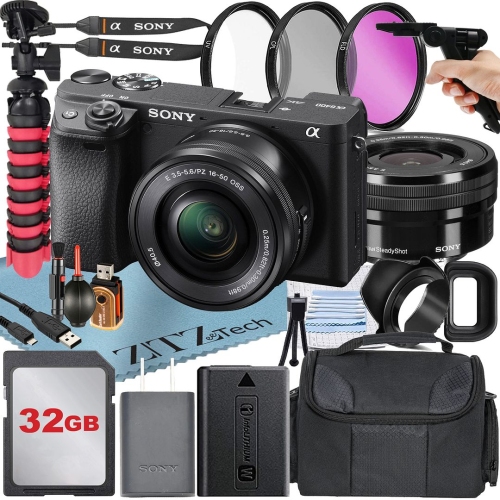
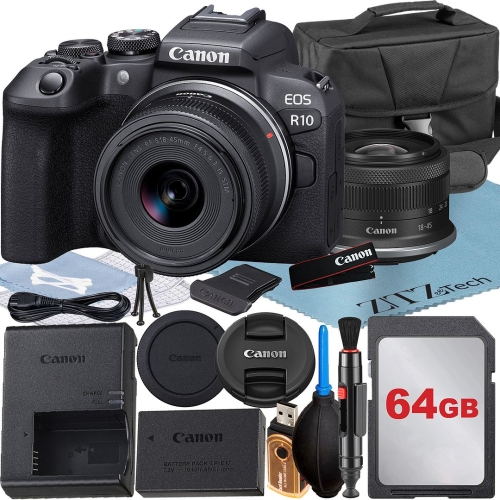
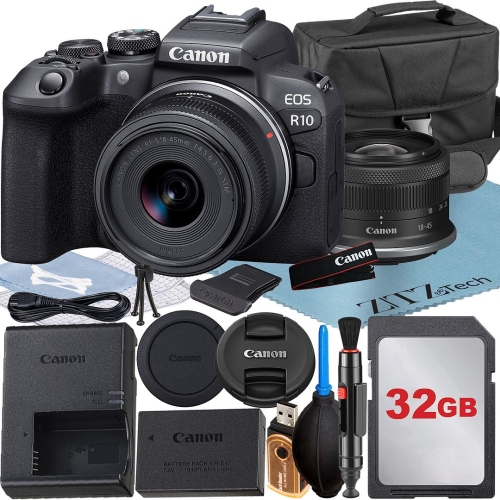
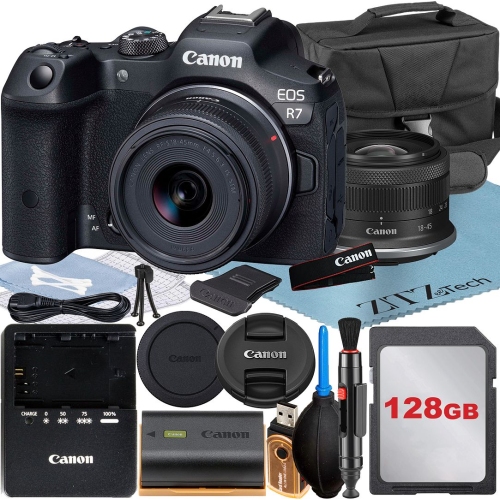
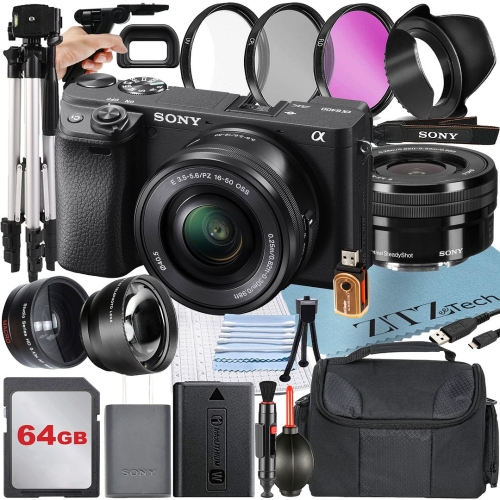
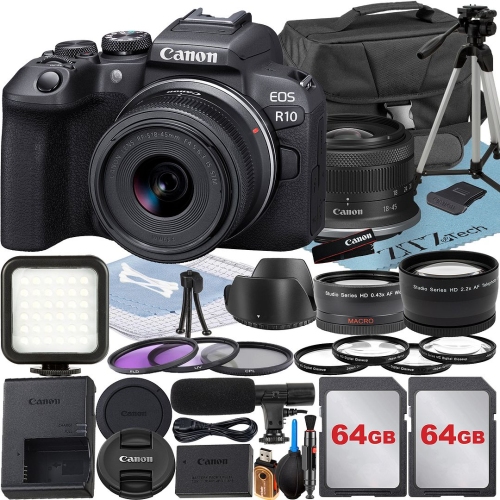
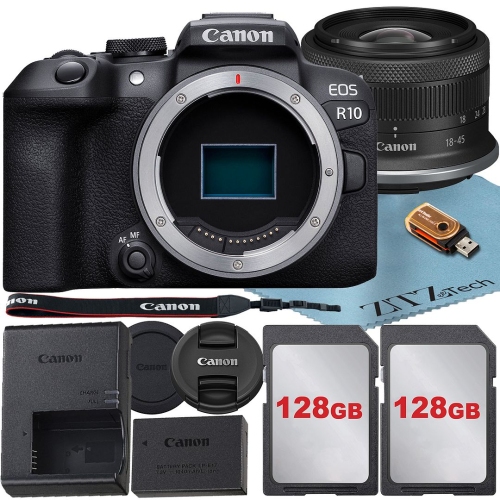
Travel-ready mirrorless cameras balance portability with photographic control
Compact mirrorless cameras for travel combine interchangeable-lens flexibility with a body that is easier to carry through airports, city streets, national parks, and family gatherings than many traditional camera systems. They are a practical choice for travellers who want more control and image quality than a phone can provide without taking a full-size camera kit on every outing. A compact mirrorless camera can capture crisp architecture, colourful markets, wildlife at a distance, portraits in changing light, and smooth video of a scenic drive or walking tour. Since the lens detaches from the camera body, travellers can choose a small wide-angle lens for landscapes and interiors, a standard lens for everyday moments, or a telephoto lens for distant details and outdoor activities. The best size depends on more than the body alone: a small camera paired with a large lens may take up nearly as much room as a larger camera, while a compact prime lens can create a lightweight setup that fits comfortably in a small shoulder bag. Travellers who photograph early-morning streets, dim restaurants, evening celebrations, or indoor attractions may appreciate the improved low-light performance available from larger sensors. Micro Four Thirds systems can provide an especially small overall camera and lens combination, while APS-C models often offer a useful balance of portability, image detail, and lens selection. Full-frame cameras can deliver excellent dynamic range and low-light results in a relatively small body, although compatible lenses may add weight and cost. Comparing the complete kit rather than the camera body alone helps set realistic expectations for packing space and everyday comfort.
When choosing among compact mirrorless cameras for travel, consider how you naturally take pictures and what you plan to carry. Resolution affects the amount of fine detail recorded and gives you more flexibility to crop a photo later, but it is only one part of image quality. A responsive autofocus system with subject detection can help keep people, pets, birds, vehicles, or moving performers sharp, while a dependable continuous-shooting mode is useful for fleeting expressions and active scenes. In-body image stabilization can reduce the effect of hand movement when shooting at slower shutter speeds, particularly in museums, historic buildings, and evening streets; it can also make handheld video look steadier. If video is part of the trip, look for features such as 4K recording, a rotating or tilting screen, a microphone connection, headphone monitoring, and recording controls that are comfortable to use while walking or travelling. A viewfinder remains valuable in bright outdoor conditions, when reflections can make a rear screen difficult to see, while a touch display can make it quick to select focus or review images. Battery capacity, charging through USB, and the availability of spare batteries or a compact power bank can make a noticeable difference during a long day away from an outlet. Weather resistance may be helpful for light rain, coastal spray, or dusty trails, but it does not make a camera waterproof; a simple protective cover and a small dry bag are still sensible additions. Storage should also be considered, especially for travellers recording high-resolution photos and video. Fast, compatible memory cards, a spare card, and a reliable way to back up images can prevent a full card or lost file from interrupting the trip.
A compact mirrorless camera can be a thoughtful gift for a first-time photographer, a student documenting a semester abroad, a couple planning a scenic getaway, or an experienced image-maker who wants a lighter everyday kit. Beginners may value a camera with straightforward automatic modes, an accessible menu, a comfortable grip, and clear controls that can grow with their skills. Someone already familiar with photography may prefer manual dials, customizable buttons, a broad selection of lenses, and advanced focusing or video features. For a gift, consider the recipient’s interests before choosing a body or kit: a person who enjoys portraits may want a bright standard or short telephoto lens, while a landscape enthusiast may prefer a lightweight wide-angle option. Travellers who move between cities and outdoor destinations may benefit from a versatile zoom lens that avoids frequent lens changes in crowded or dusty settings. Those who prioritize the smallest bag possible may favour a compact camera body with one or two small lenses, while content creators may place greater importance on a fully articulating screen, clear audio support, and dependable wireless transfer. Features such as built-in Wi-Fi or Bluetooth can make it easier to send a favourite image to a phone for sharing, although a wired card reader may be faster for transferring large files. A protective case, spare battery, comfortable strap, cleaning cloth, and memory card can round out a travel-ready setup. When a mirrorless system is more capability than needed, a fixed-lens option may be a better fit; the selection of Compact Cameras for Travel offers another way to keep a kit simple for sightseeing, family trips, and everyday photography. Whether used to record mountain views in clear daylight, warm portraits indoors, or small details discovered along an unfamiliar street, a compact mirrorless camera gives travellers room to develop their photography while keeping the camera close at hand during the cooler months and throughout changing travel conditions.
Top selling and popular products
-
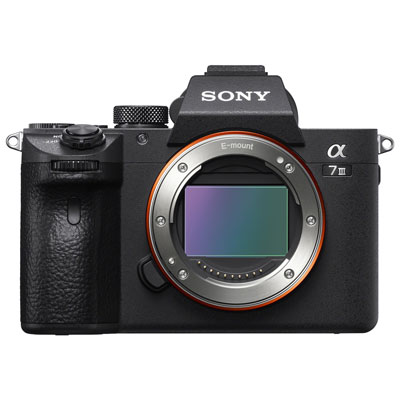 Your price for this item is $1899.99
-
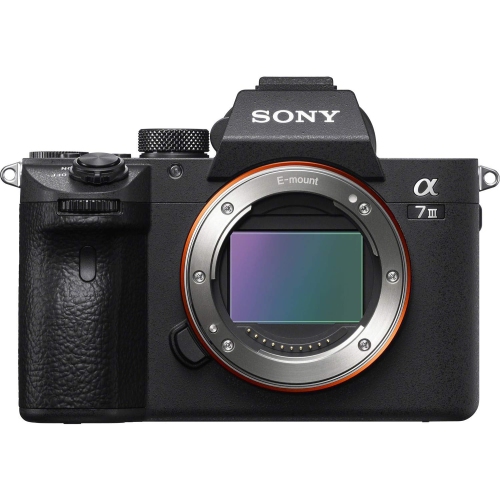 Your price for this item is $1899
-
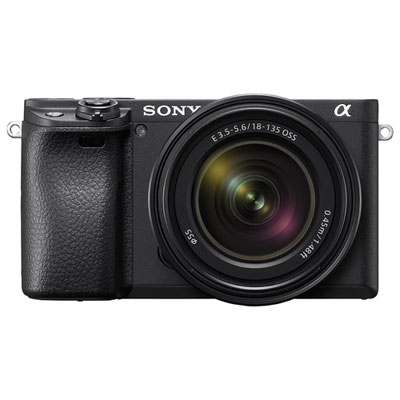 Your price for this item is $1749.99
-
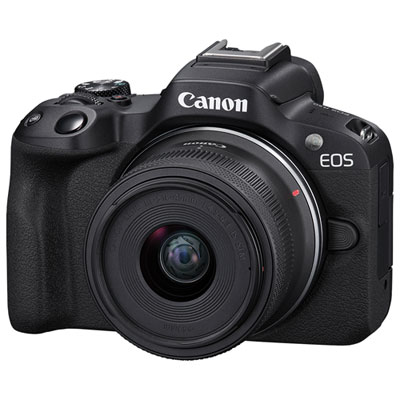 Your price for this item is $1099.99
-
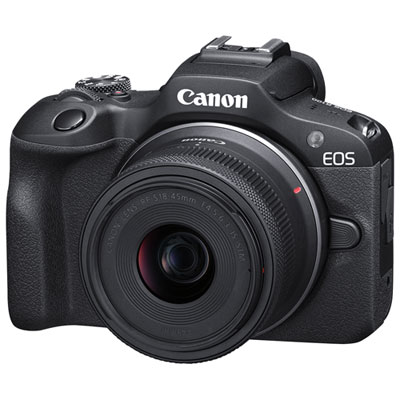 Your price for this item is $629.99
-
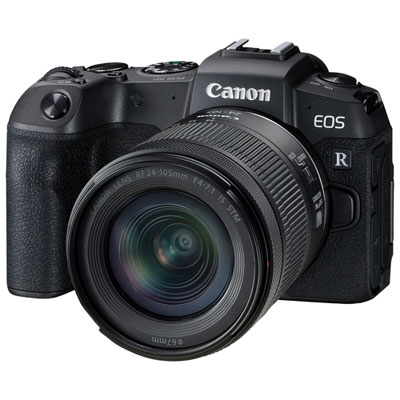 Your price for this item is $1499.99
-
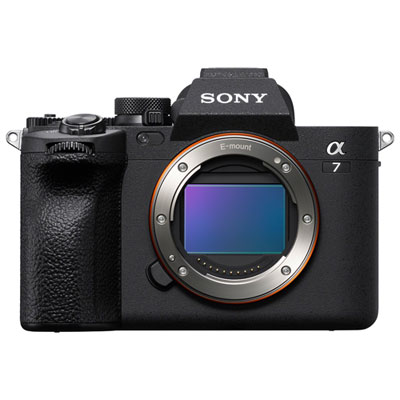 Your price for this item is $2699.99
-
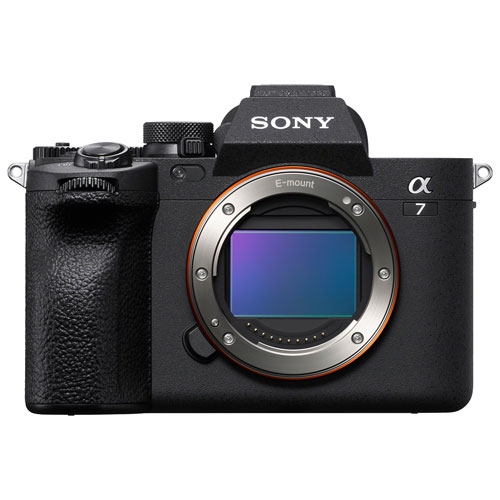 Your price for this item is $2419.99
Discover more categories related to Compact Mirrorless Cameras for Travel
Top Collections:
Pokemon Centers, Best Cameras for Sports Photography, Kindle Devices, Samsung Galaxy Phones, Canon G7X Cameras, Pokémon 30th Celebration Cards, Refurbished Apple Laptops, iPhone 15 Apple, Laptops for Students, Budget Smartphones
Some products may be subject to Environmental Handling Fees
(EHF) depending on your province.
Learn more about EHFs.