Top Rated Electric Scooters for Kids
Electric scooters are a popular choice for kids looking to zip around with ease and style. With a range of features such as adjustable handlebars, sturdy frames, and reliable brakes, these scooters offer a fun and safe way for young riders to enjoy outdoor adventures. Whether your child is a beginner or a seasoned pro, our selection of top-rated electric scooters for kids provides options that prioritize both performance and safety. Explore our range to find the perfect ride for your little one today!
Sort
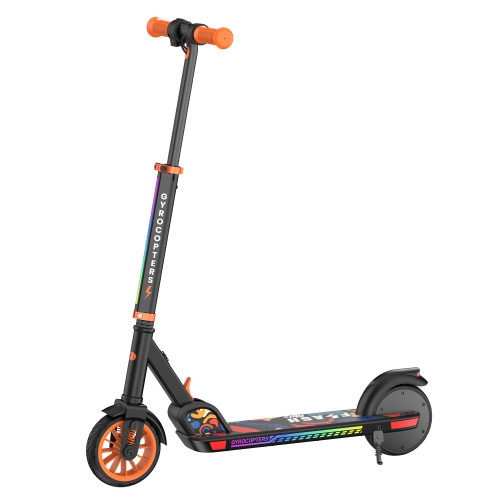
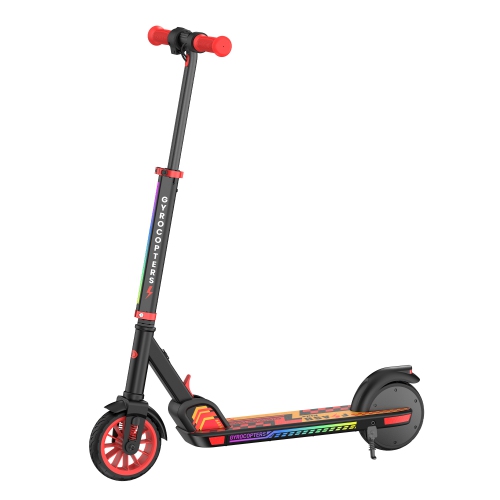
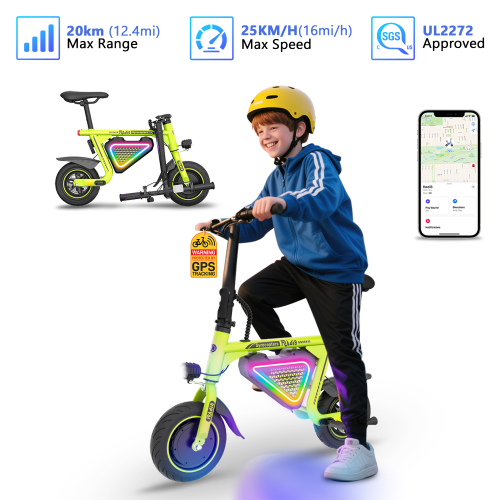
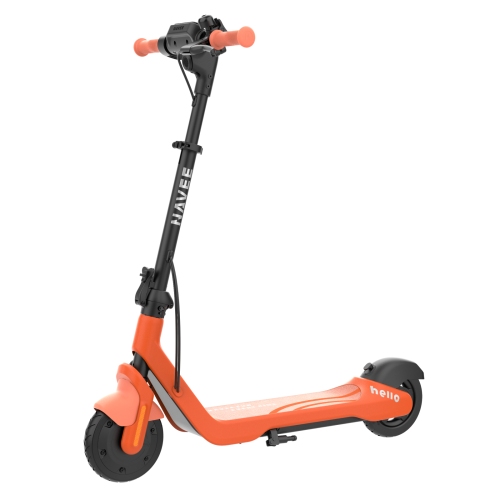
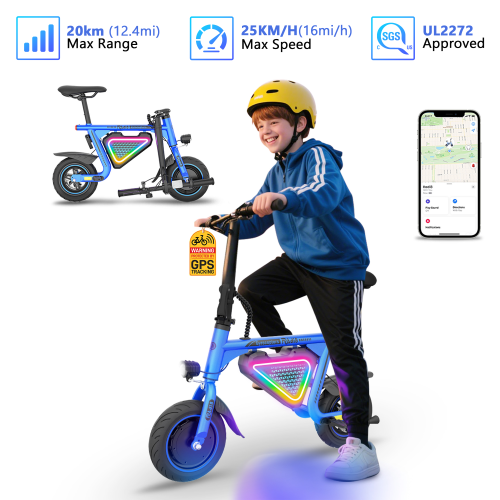
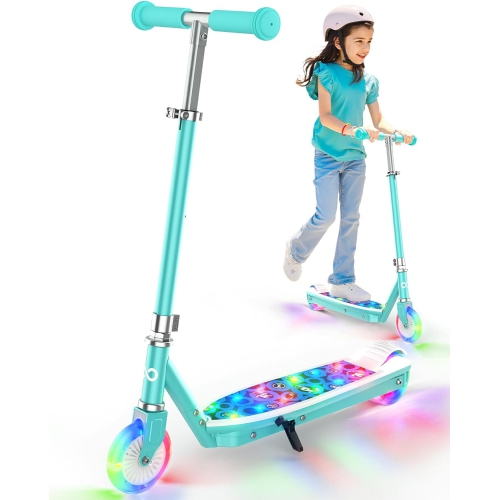
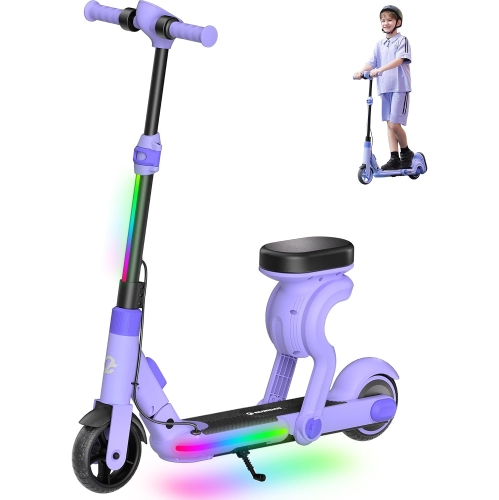

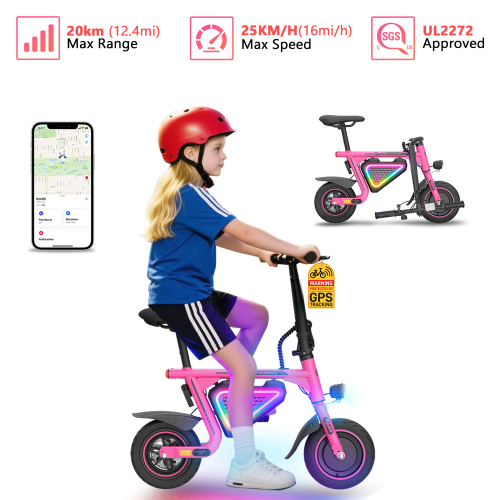
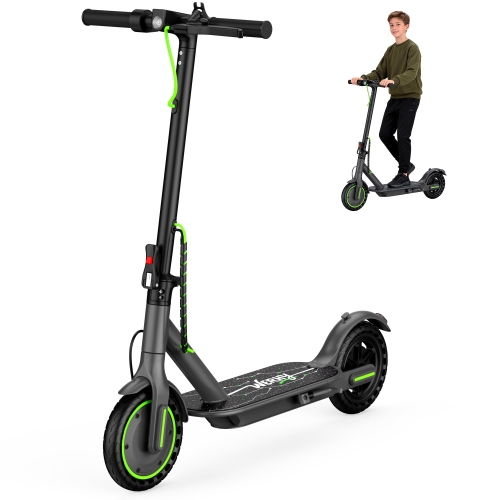

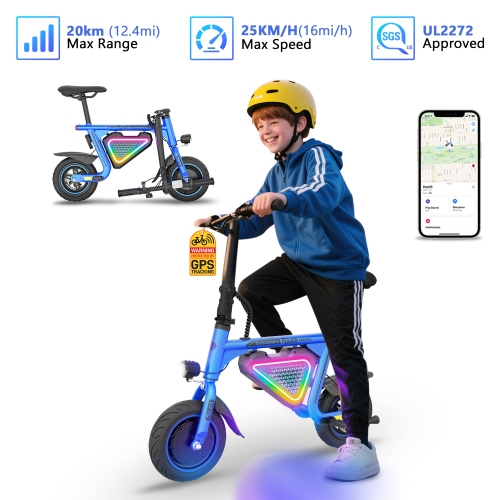
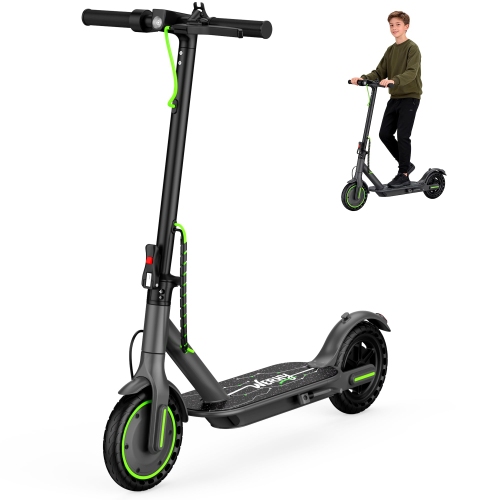
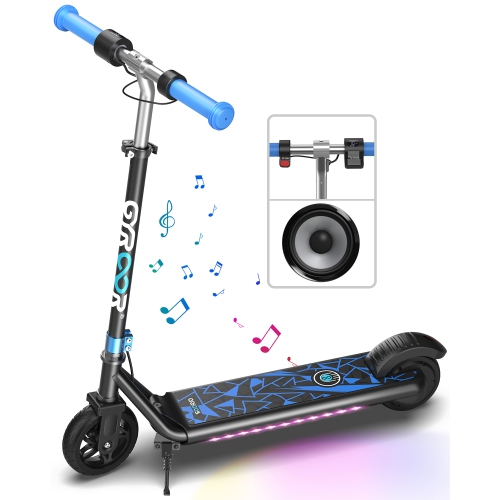
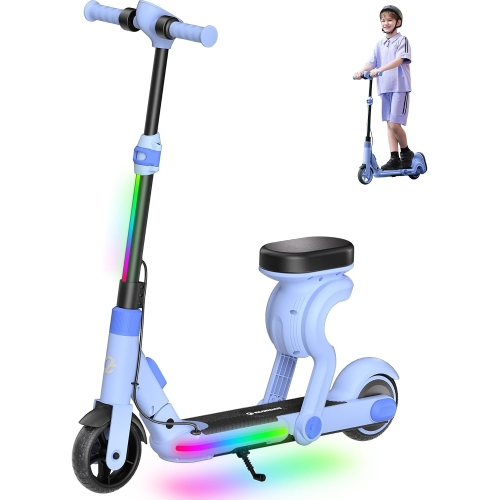
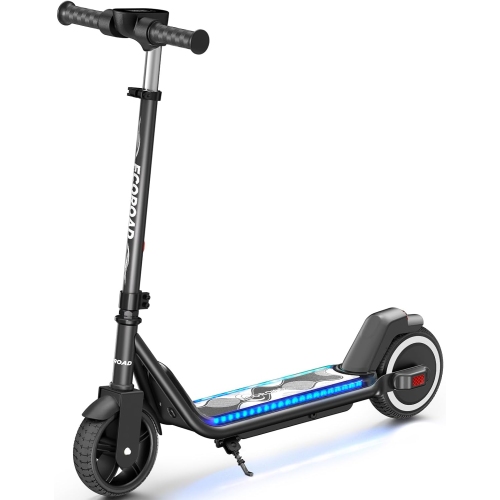
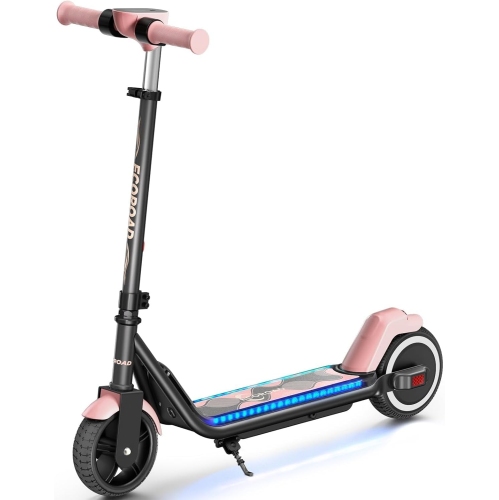
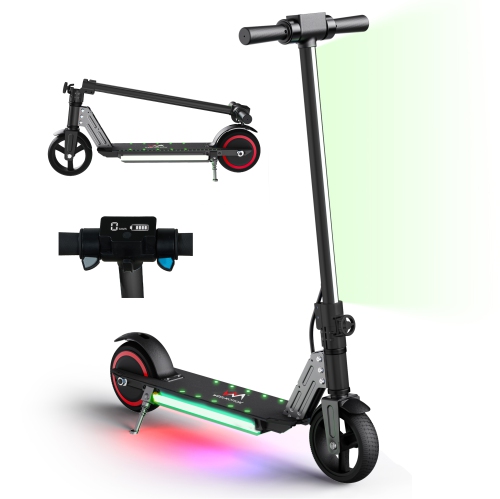
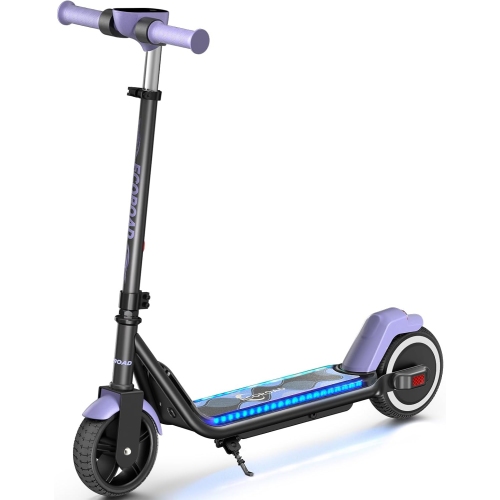
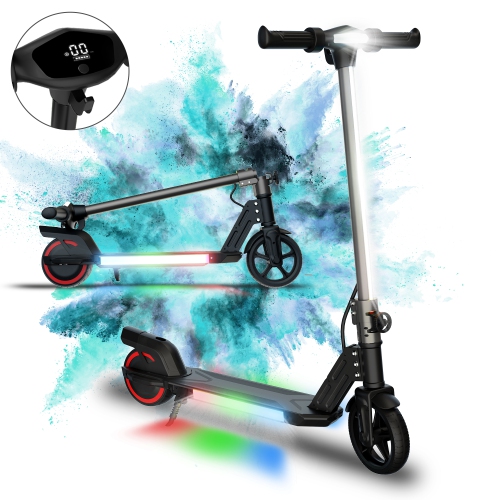
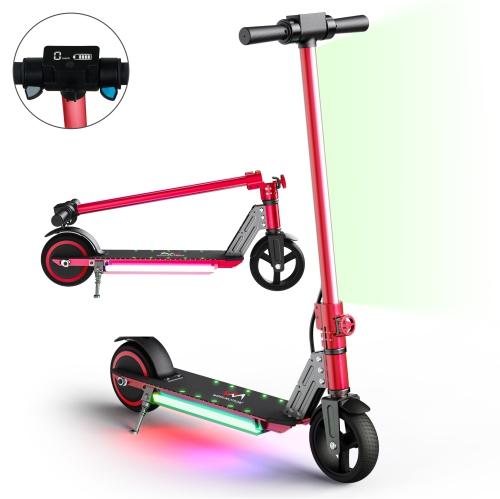
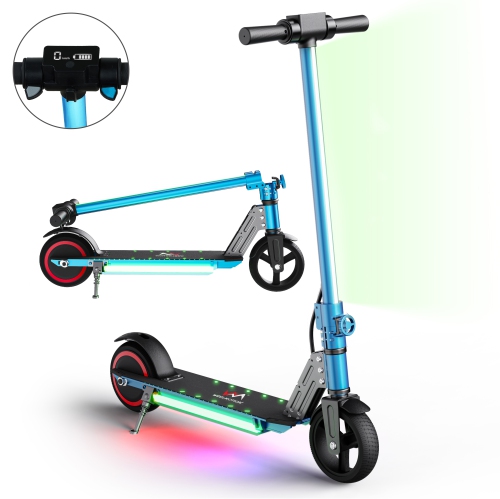






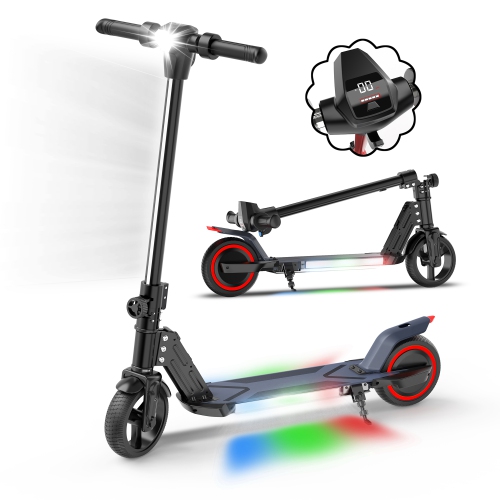
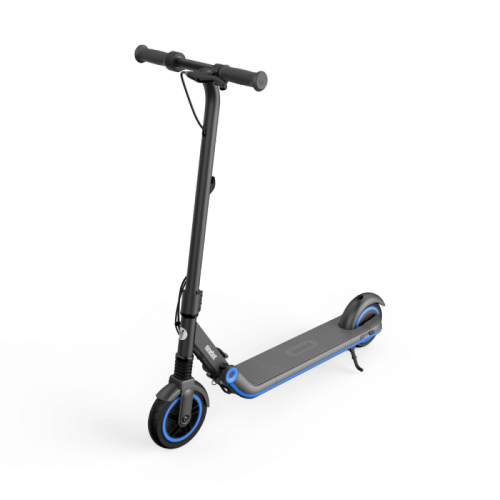
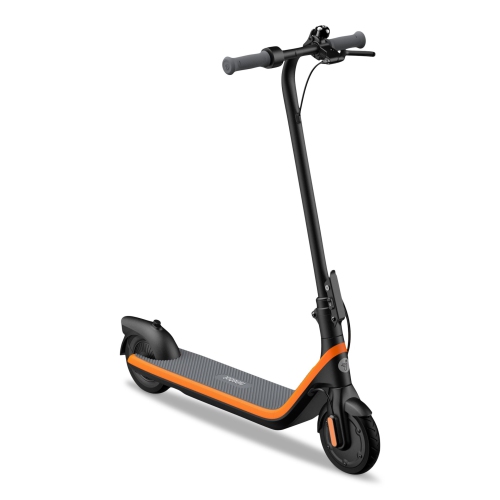

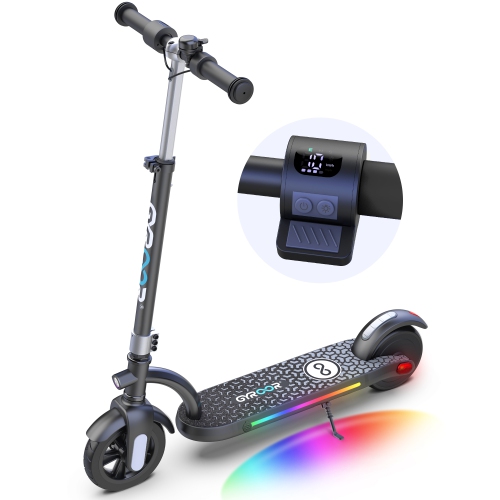
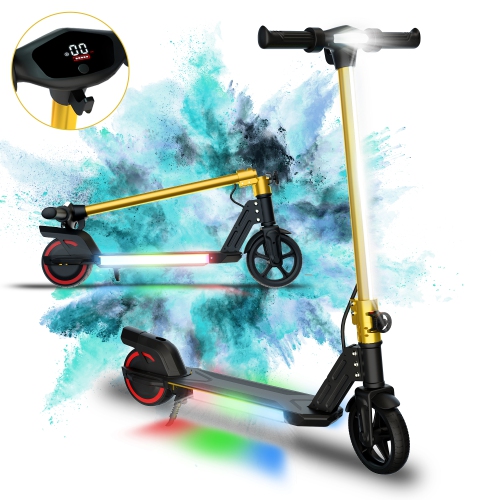
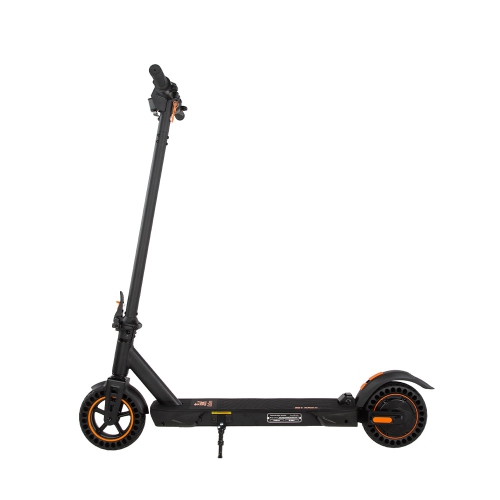
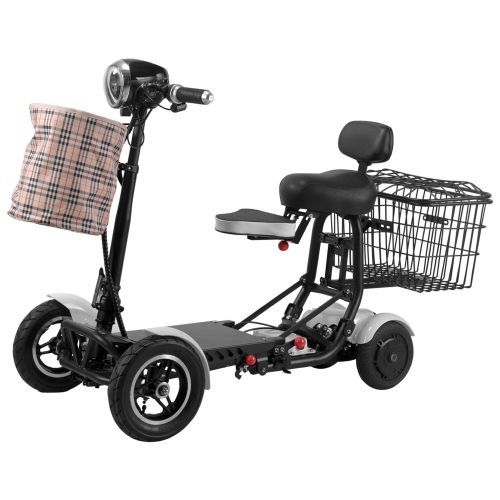
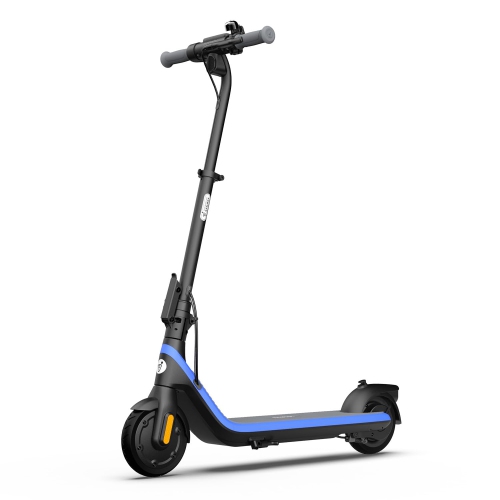



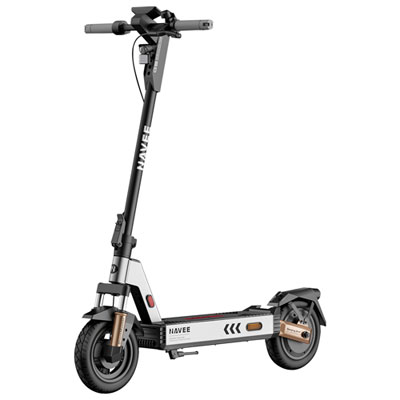
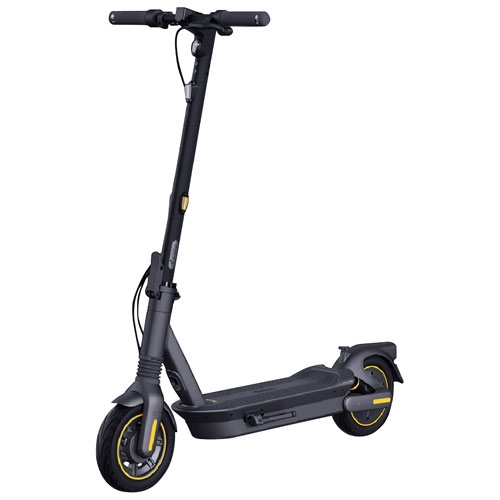


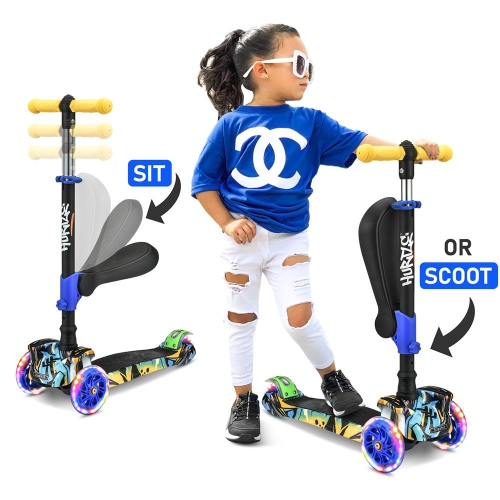
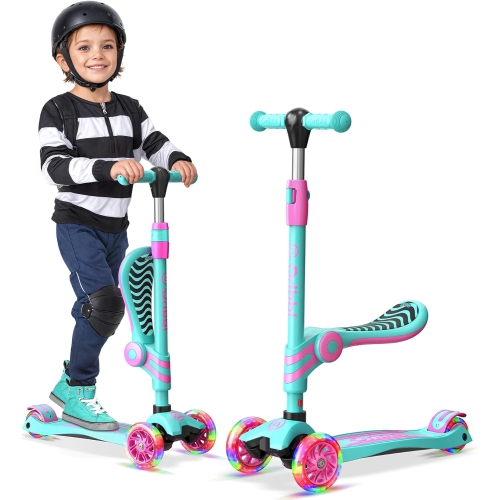



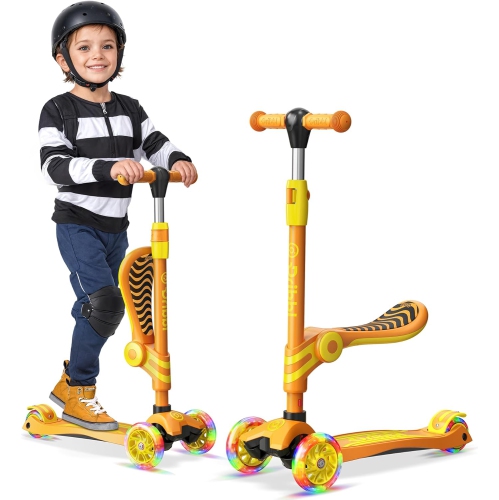
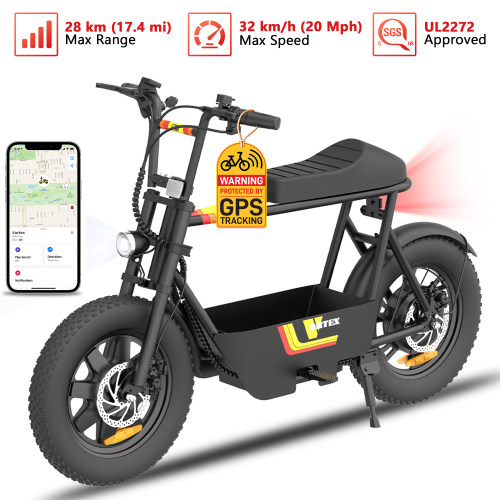
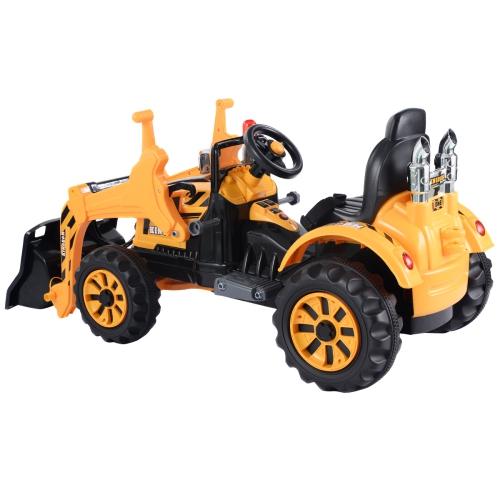
Why the right scooter fit matters for young riders
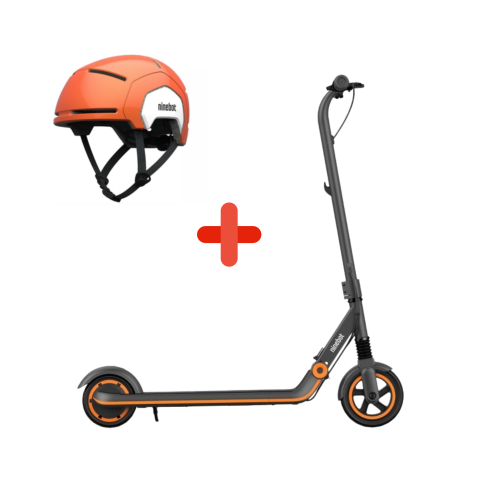
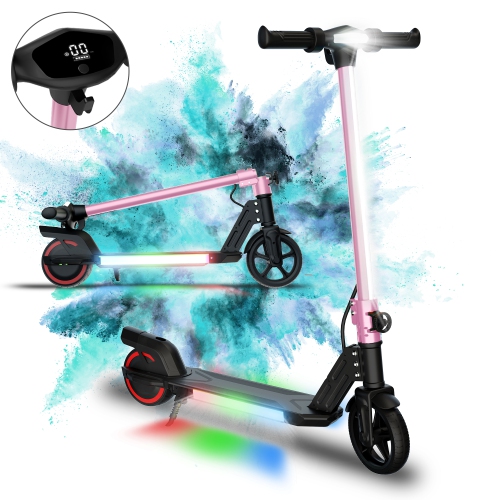
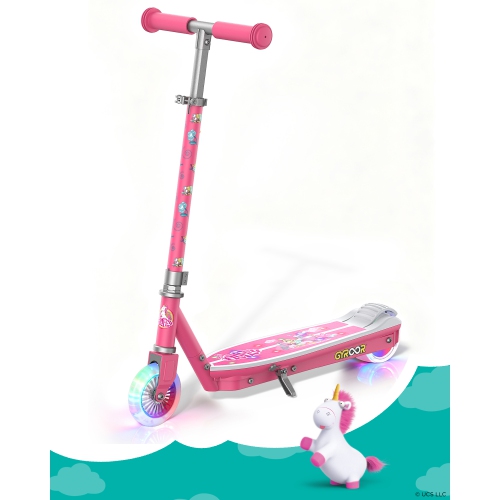
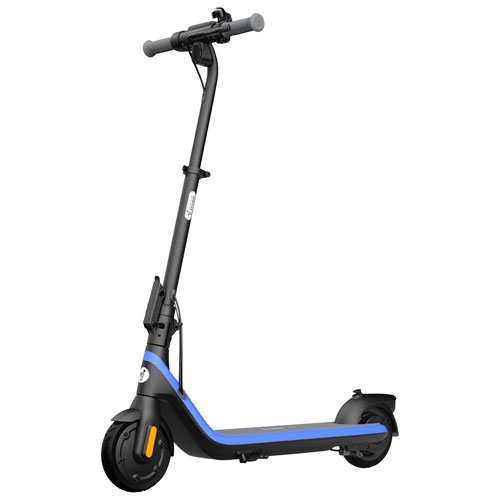
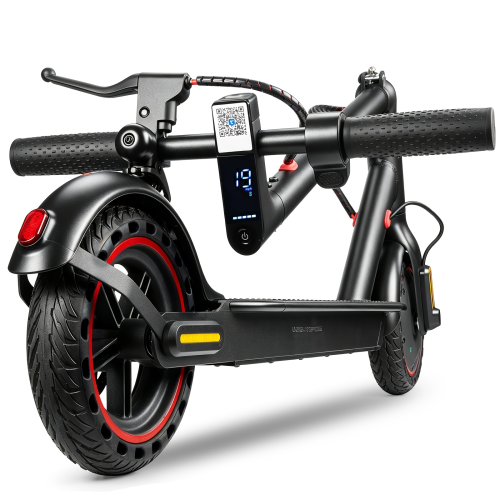
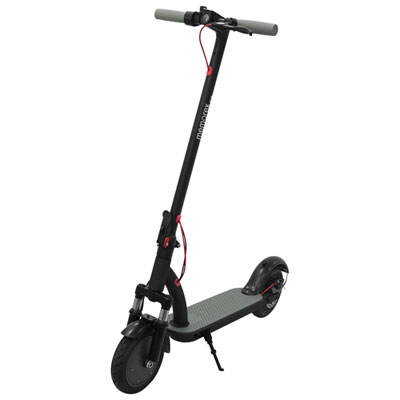
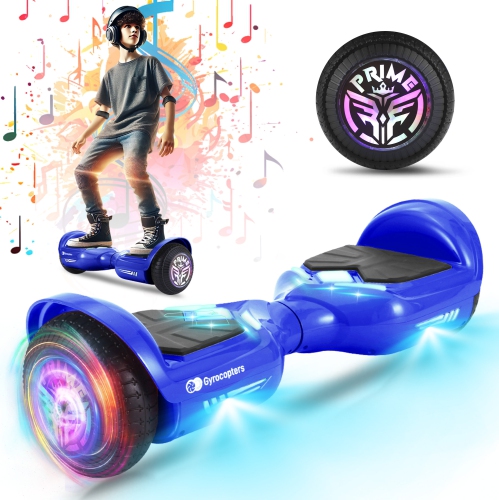
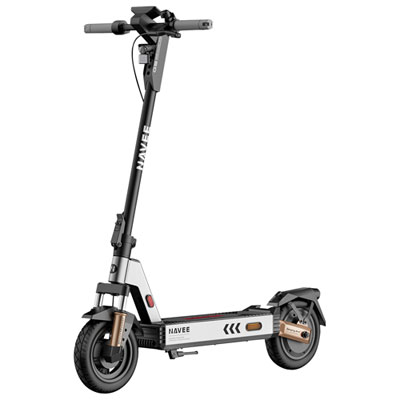
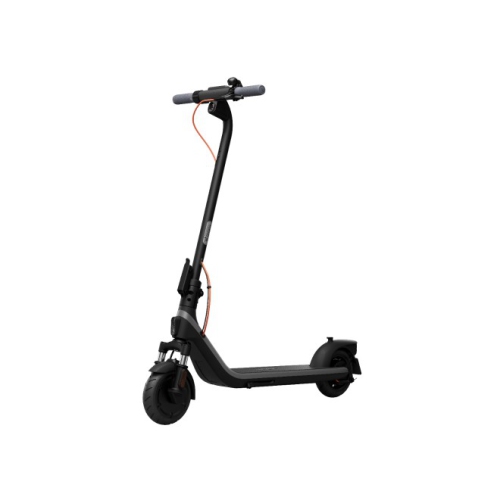
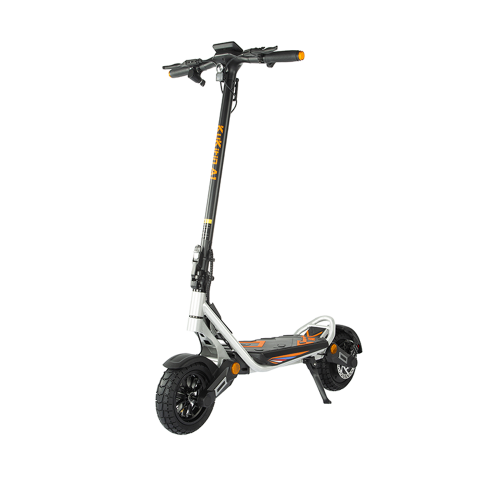
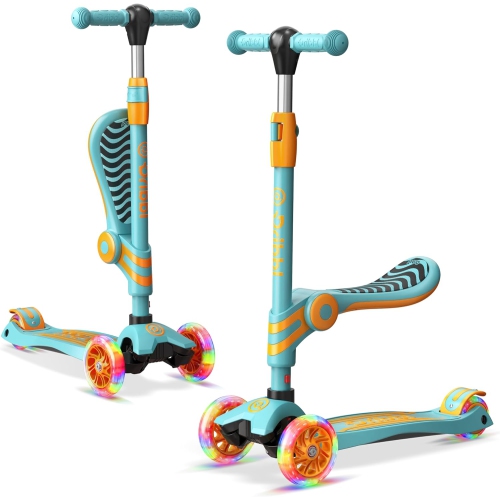
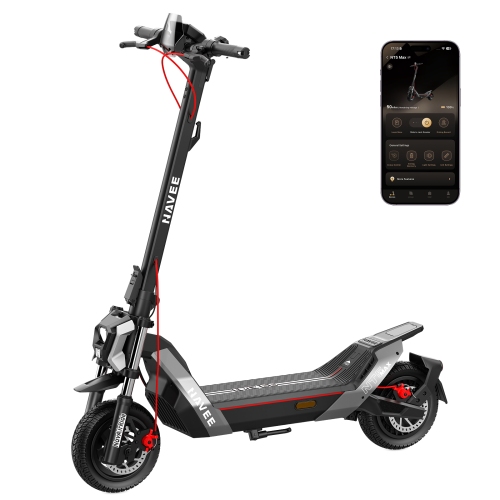
Top rated electric scooters for kids pair an enjoyable ride with controls, dimensions, and performance suited to younger riders. The most relevant features include manageable speed settings, easy-to-reach brakes, a secure standing deck, and handlebars that fit the child rather than simply matching an advertised age range. A beginner who is comfortable on a kick scooter may still need time to get used to motor assistance, especially when starting, slowing down, and turning. Lower-speed modes can make that transition more manageable, while a kick-to-start design, where fitted, requires the scooter to be moving before the motor engages. Neither feature replaces supervision or makes a scooter appropriate for every child. Manufacturer age recommendations, rider weight limits, and the child’s balance and judgement all matter. Fit becomes clearer when the rider stands on the deck: the grips should be comfortably within reach, elbows should have a slight bend, and the brake should be usable without an awkward stretch. An adjustable handlebar can accommodate changes in height, but only within the model’s stated limits. Braking deserves particular attention because designs vary, with some scooters using a hand-operated brake, a rear foot brake, electronic braking, or a combination. Having two braking mechanisms does not automatically mean shorter stopping distances; predictable operation and a child’s ability to use them are just as important. A level, unobstructed area where riding is permitted gives a supervised beginner space to practise smooth starts and controlled stops before attempting tighter turns. A properly fitted helmet appropriate for scooter riding, closed-toe shoes, and suitable protective pads belong alongside the scooter, not as an afterthought. Canadian rules differ by province and municipality, and age restrictions may prevent children from riding electric scooters on public roads, sidewalks, or paths. A child-sized design does not establish permission to ride in those spaces. Colour choices and deck lighting can add personality, but decorative lights are not a substitute for required visibility equipment, and appearance should remain secondary to fit and control.
Construction and everyday handling help distinguish electric scooters that suit short practice sessions from those better matched to a more confident young rider. Aluminium frames can keep carrying weight manageable, while steel components may add strength along with extra weight; overall durability also depends on joint quality, fasteners, and the folding mechanism, where one is included. A deck with a grippy surface gives shoes a more secure footing, and enough standing room allows a comfortable stance without making the scooter unnecessarily bulky. Handlebar grips should feel secure in small hands, with controls positioned so the rider can keep a steady hold. Wheel size and tire construction influence how a scooter feels over minor surface irregularities. Larger wheels generally roll over small imperfections more easily than smaller ones, although no wheel design makes rough ground automatically suitable for children. Solid tires avoid punctures and routine inflation, but can transmit more vibration. Air-filled tires can provide cushioning and need regular pressure checks. Suspension, where included, may soften bumps, but adds components to maintain and does not remove the need for a suitable riding surface. A folding scooter can be easier for an adult to carry or store, provided its latch locks securely and the folded shape is practical to handle. The scooter’s own weight is separate from its maximum rider weight, an important distinction when an adult will be lifting it between uses. Battery range and run time also describe different things: range refers to distance, while run time refers to how long the scooter operates under stated conditions. Rider weight, inclines, acceleration, and speed settings can all affect the results. A higher motor rating or advertised top speed is not necessarily an advantage for a child who mainly wants short, supervised rides. For families comparing top rated kids’ electric scooters, detailed owner feedback is most useful when it describes the rider’s size, brake response, ease of handling, and performance after repeated use. Star ratings can help identify patterns in customer experience, but they are not a safety certification or proof that a scooter will fit another child equally well.
Care and storage are part of owning a kids’ electric scooter, particularly because the battery, wiring, and charging system require more attention than a traditional kick scooter. Clear manufacturer documentation and independently verified electrical certification are useful considerations. For example, UL 2272 addresses the electrical system of personal e-mobility devices; it does not certify a child’s riding ability or guarantee protection from every hazard. Charging should be handled or supervised by an adult, using the charger specified for the scooter and following the manufacturer’s directions. A stable charging location away from combustible materials and exit routes helps keep the setup orderly, and charging should not be left unattended or continue beyond the prescribed instructions. Batteries or chargers showing swelling, unusual heat, damage, or other warning signs should not remain in use. Routine checks also cover the mechanical parts: firm grips, secure handlebars, a properly engaged folding latch, responsive brakes, sound tires, and a deck surface free of loose debris. These small details matter when a scooter is carried frequently or used for repeated practice sessions. Cleaning usually involves a soft cloth and the method described in the care instructions rather than soaking the scooter or directing water into electrical components. Storage guidance matters during longer gaps between rides, since battery care requirements vary by design. As a gift, an electric scooter is most thoughtful when a parent or guardian has confirmed the intended rider’s fit, readiness, permitted riding location, and protective equipment needs. A favourite colour can make the gift feel personal, while manageable dimensions and straightforward controls determine how comfortably it can be used. Adult and child scooters serve different riders, so a larger model is not simply a longer-lasting alternative for a growing child. For a parent or another grown-up choosing a separate ride, Top Rated Adult Electric Scooters offers a related category focused on adult needs. For children, the strongest match remains a scooter whose size, controls, and intended use suit the rider today, with consistent supervision and care supporting each outing.
Top selling and popular products
-
 Your price for this item is $299.99
-
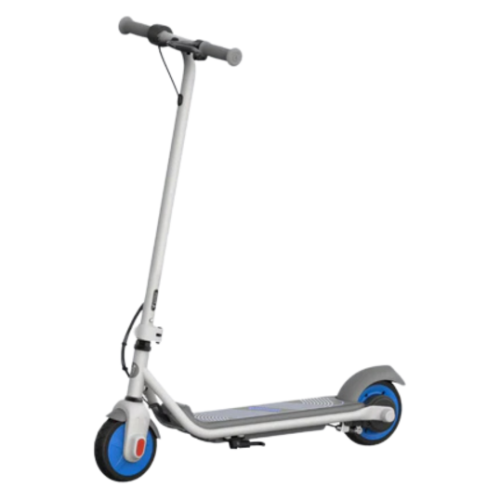 Your price for this item is $224.99
-
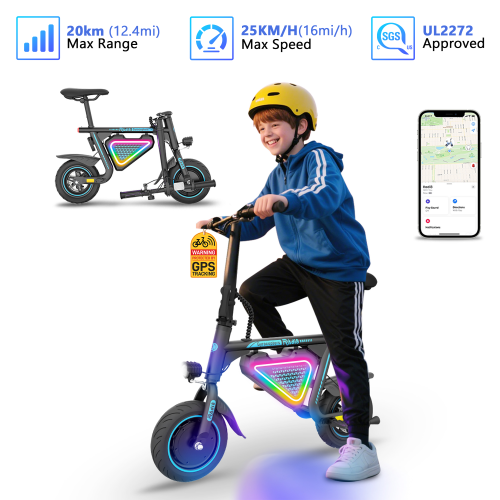 Your price for this item is $199.97
-
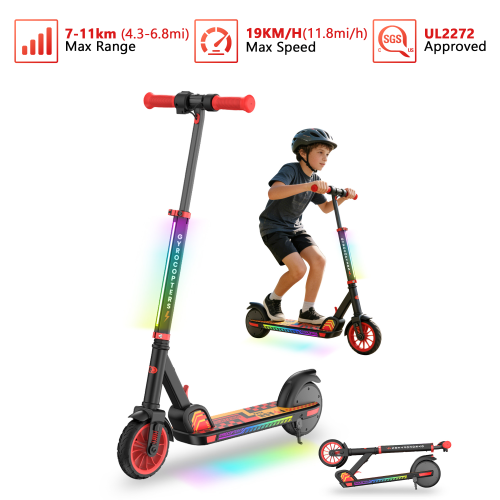 Your price for this item is $199.97
-
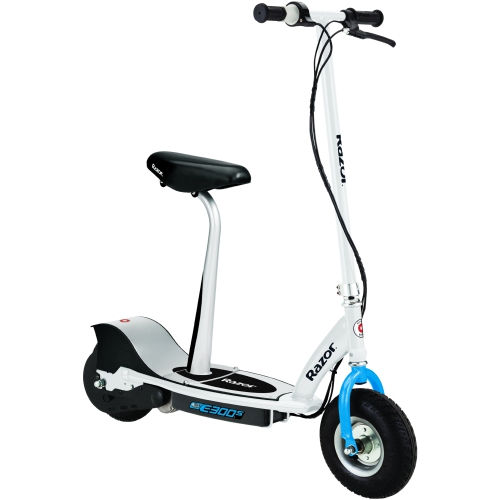 Your price for this item is $549.99
-
 Your price for this item is $499.99
-
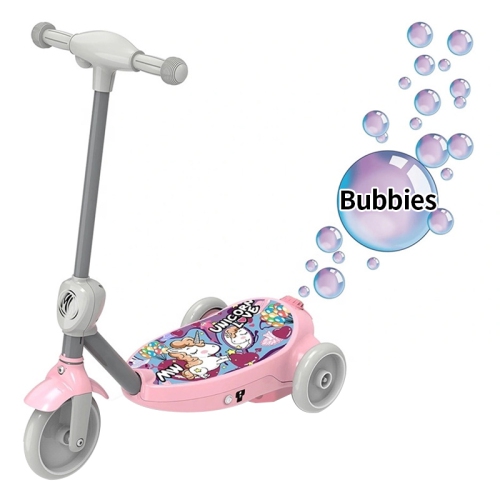 Your price for this item is $99.95
-
 Your price for this item is $259
Discover more categories related to Top Rated Electric Scooters for Kids

Top Collections:
Pokemon Centers, Best Cameras for Sports Photography, Kindle Devices, Samsung Galaxy Phones, Canon G7X Cameras, Pokémon 30th Celebration Cards, Refurbished Apple Laptops, iPhone 15 Apple, Laptops for Students, Budget Smartphones
Some products may be subject to Environmental Handling Fees
(EHF) depending on your province.
Learn more about EHFs.