Cabinet Kitchen Exhaust Fans
Looking to keep your kitchen fresh and free from cooking odors? Look no further than our selection of cabinet kitchen exhaust fans. These powerful yet compact fans are designed to fit seamlessly into your kitchen cabinets, providing efficient ventilation and eliminating unwanted odors. With a variety of styles and sizes available, you can find the perfect exhaust fan to suit your kitchen's needs. Say goodbye to lingering smells and hello to a clean and inviting cooking space with our range of cabinet kitchen exhaust fans.
Sort
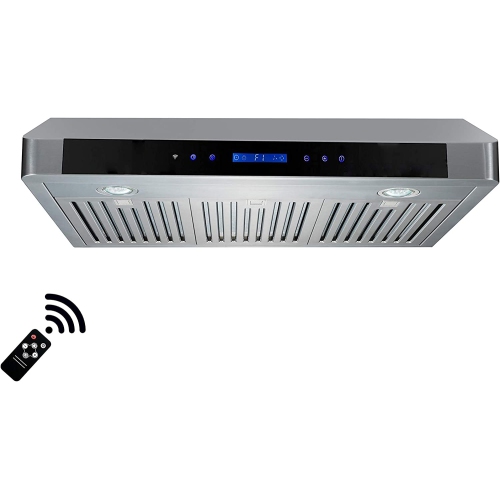
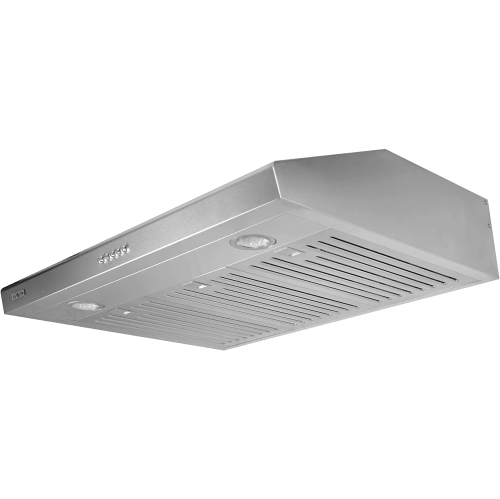
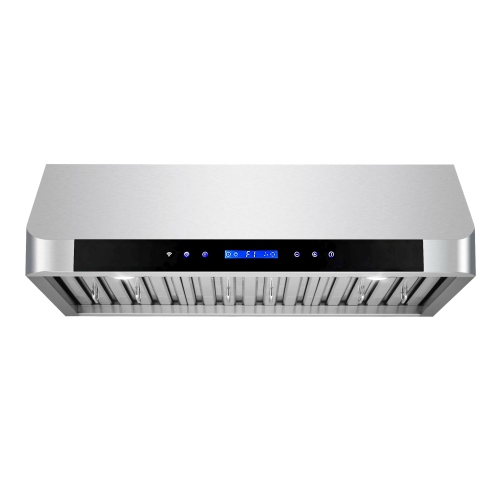
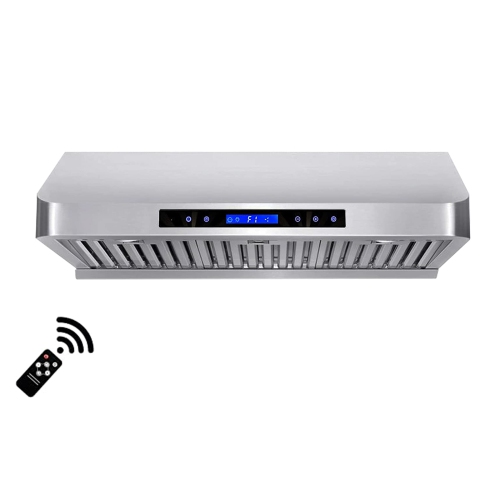
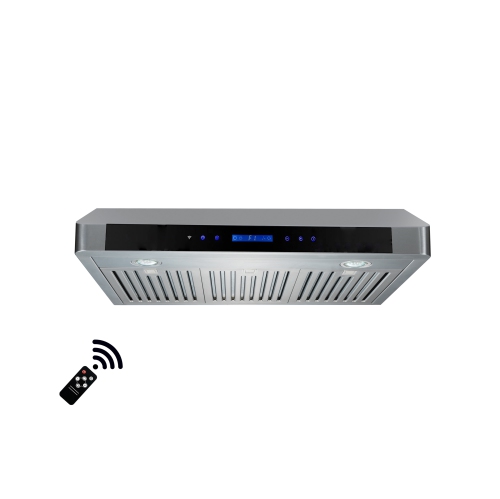
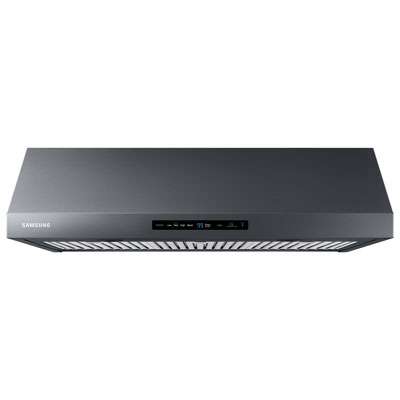
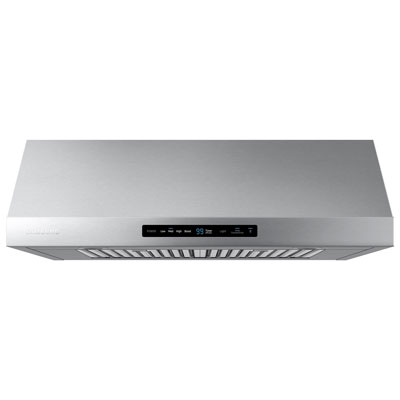
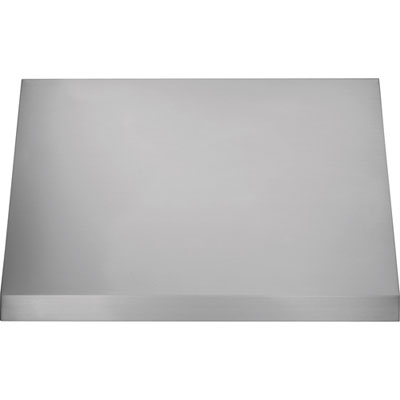
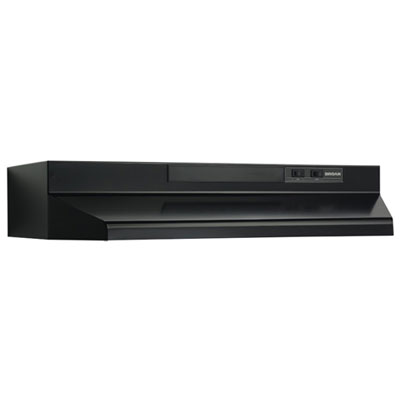
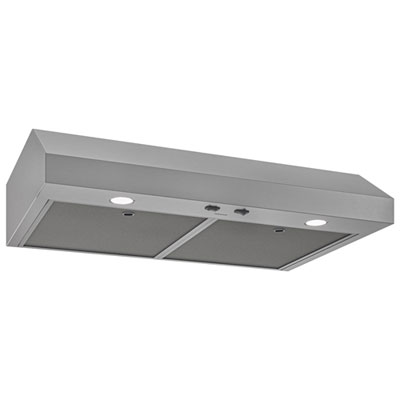
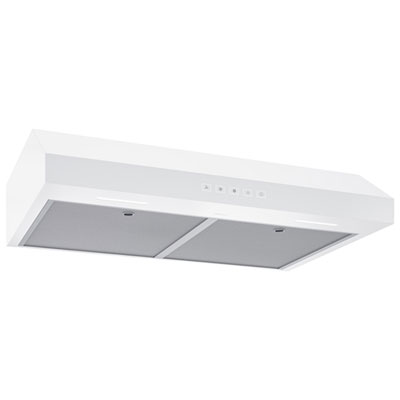
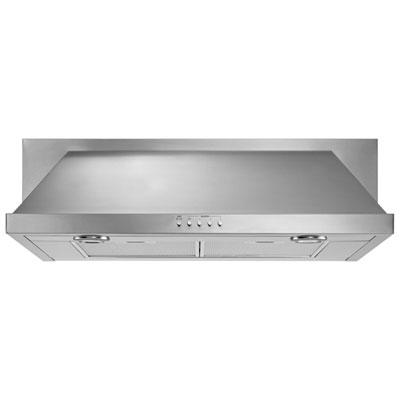
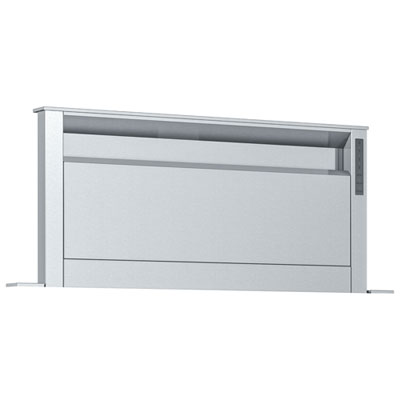

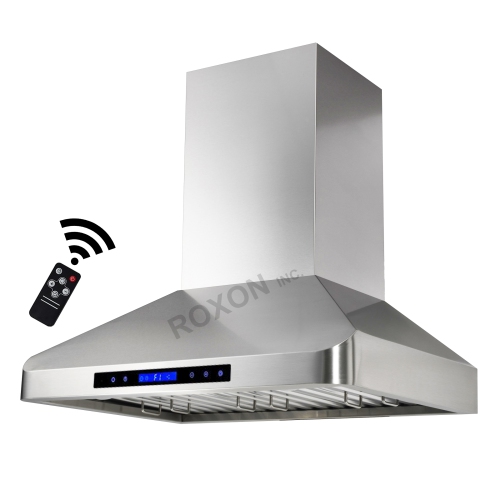
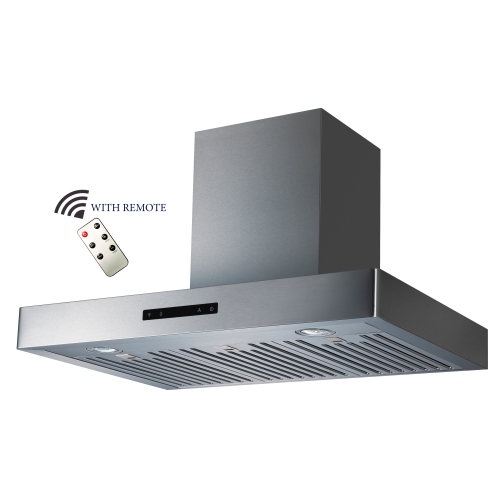
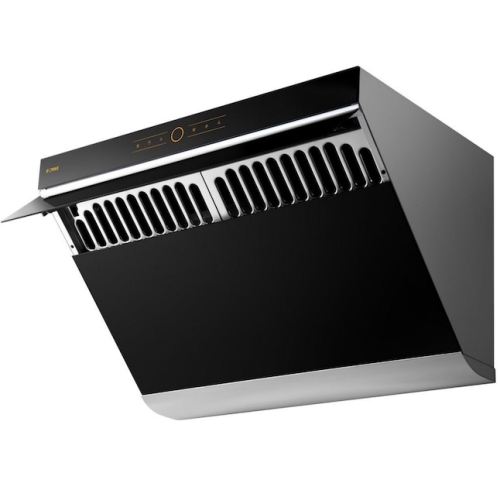

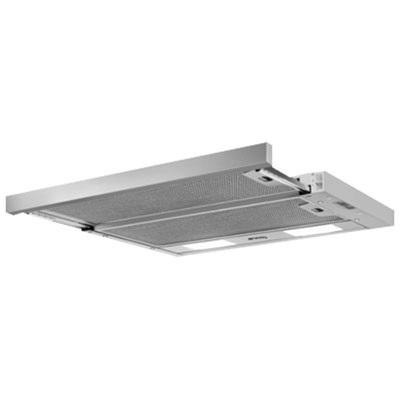
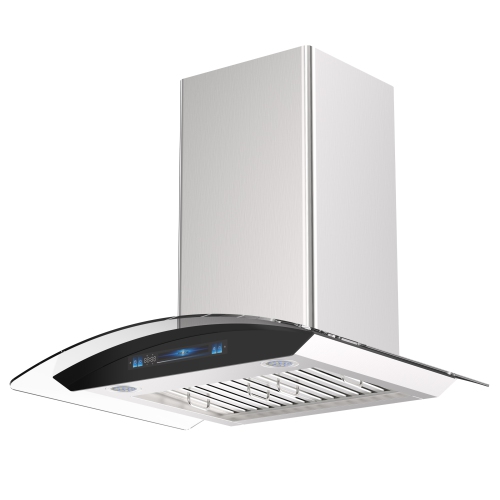
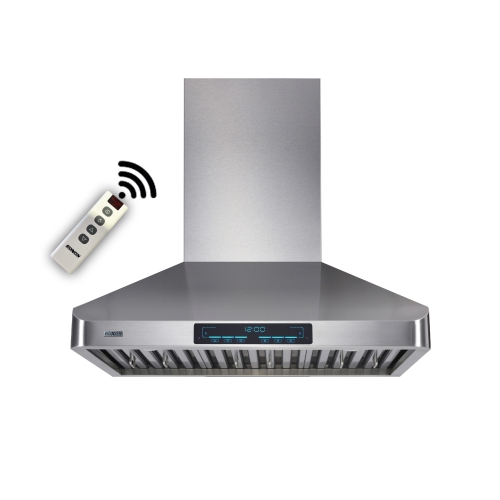
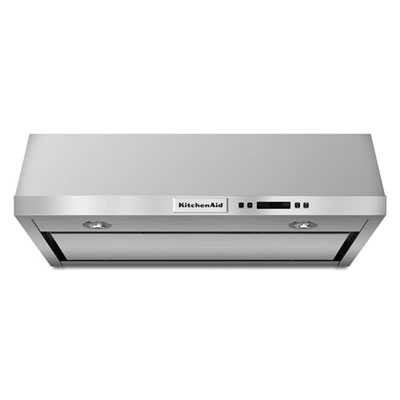
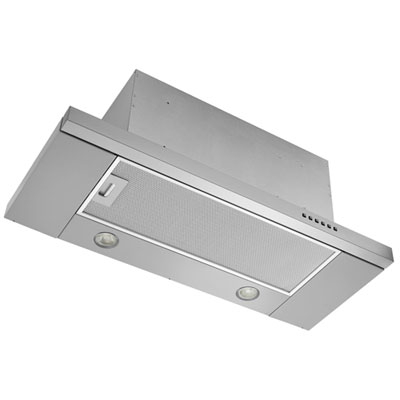
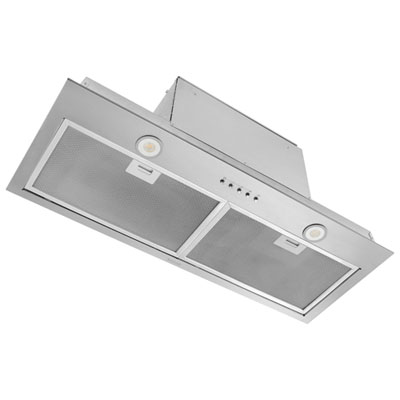
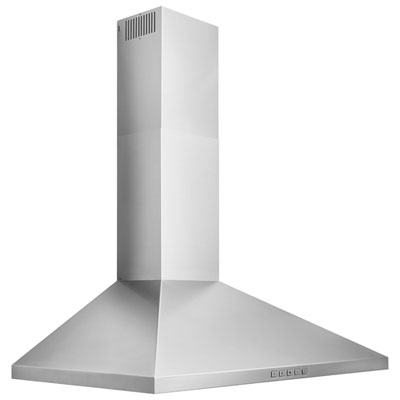
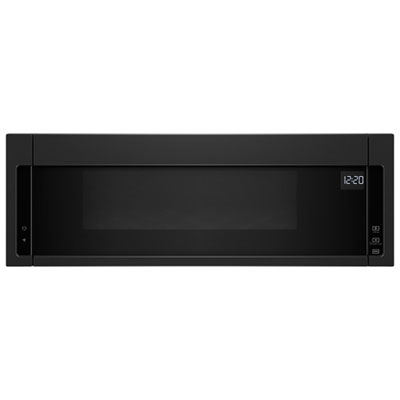
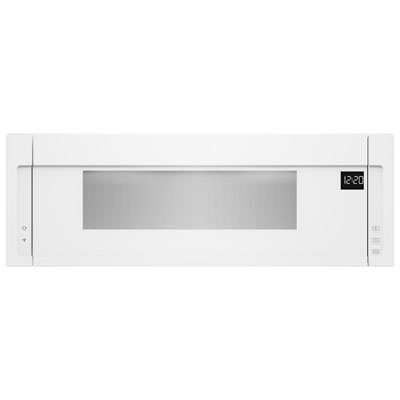
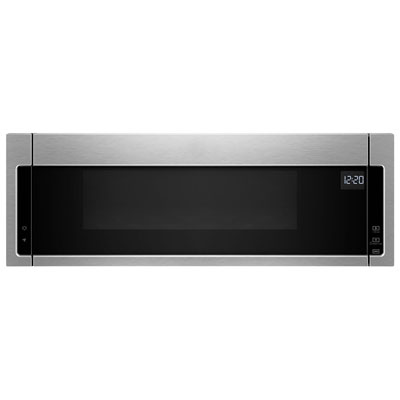
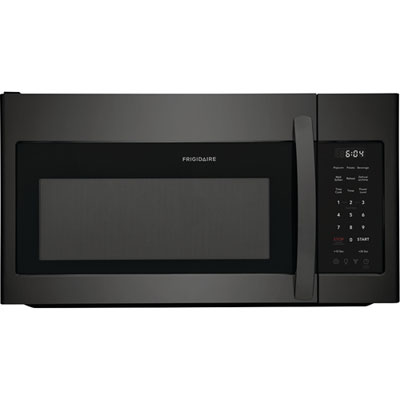
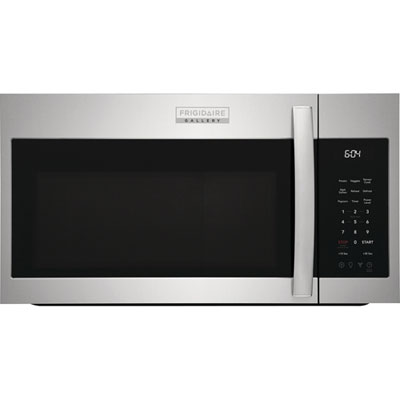
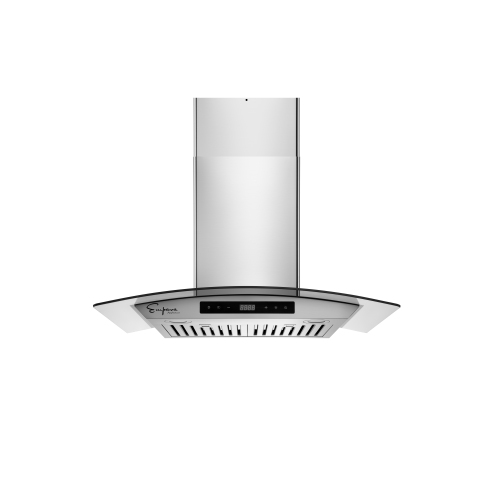
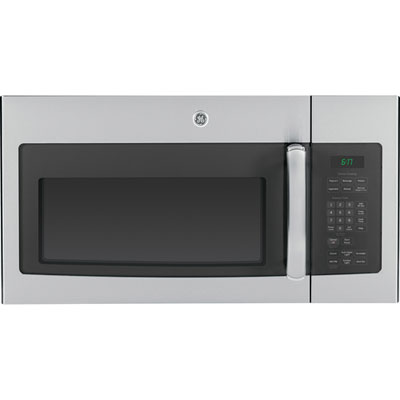
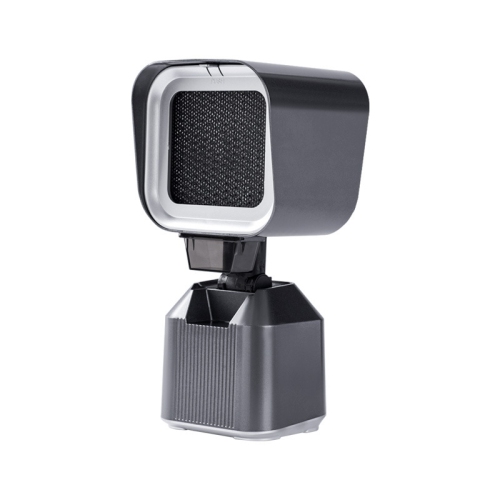
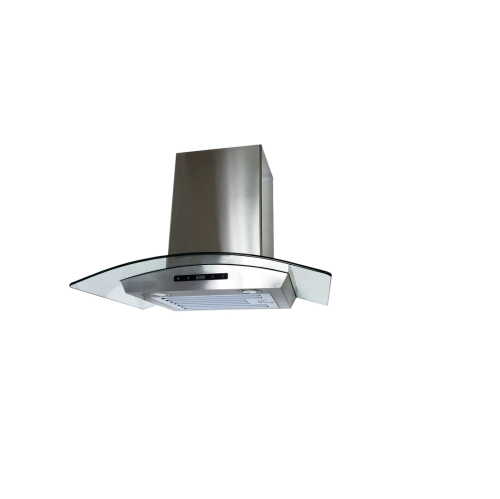
Practical guidance for sizing, venting and maintaining cabinet fans
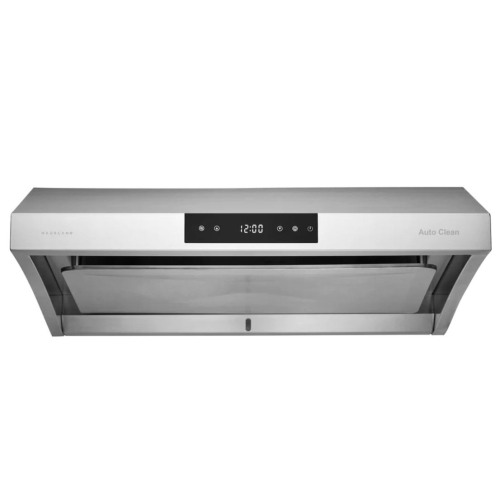
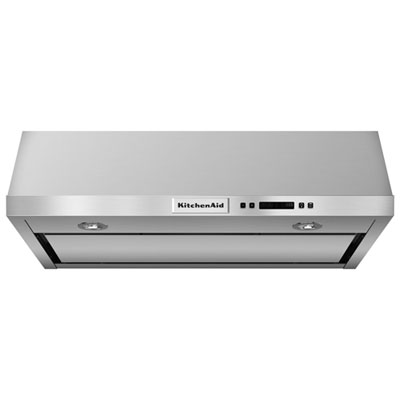
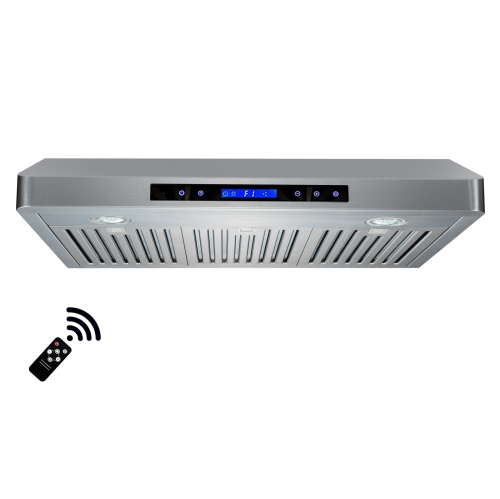
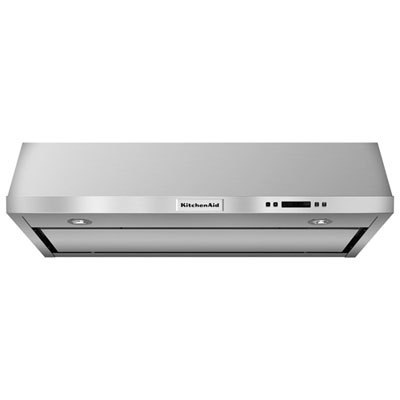
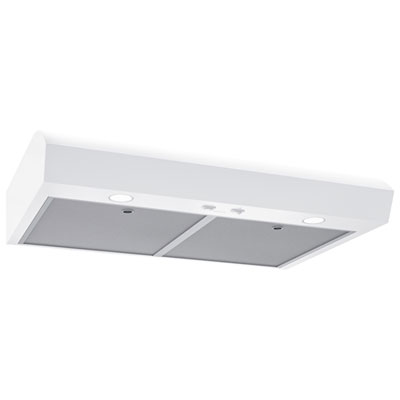
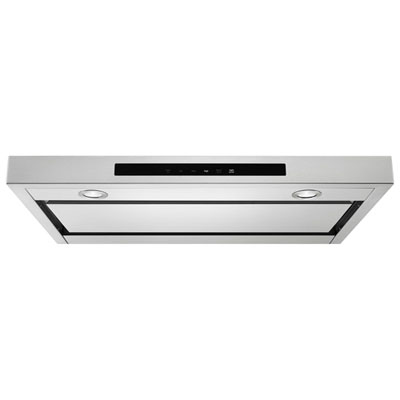
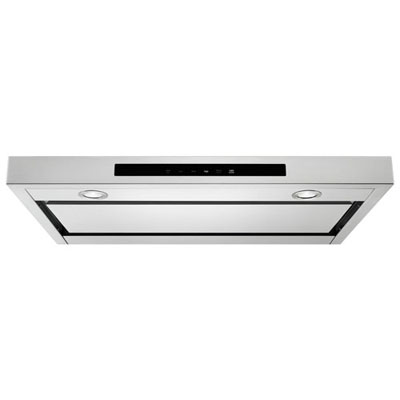
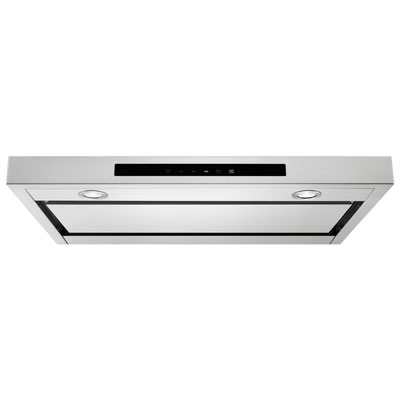
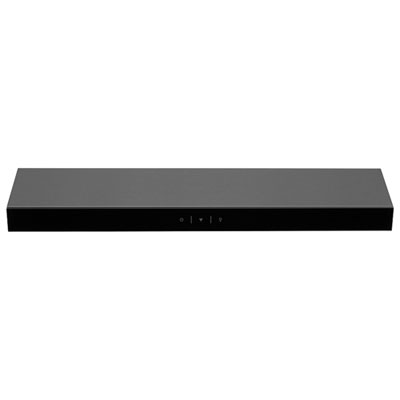
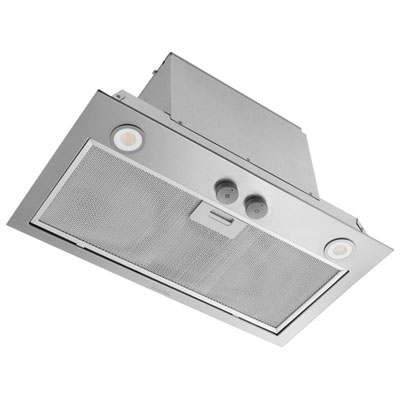
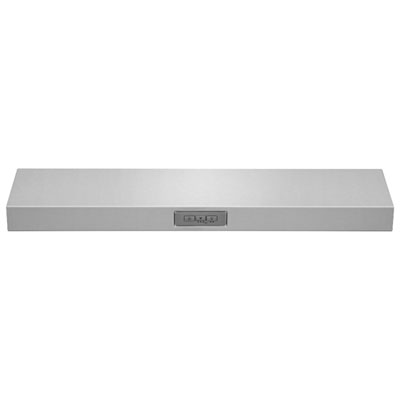
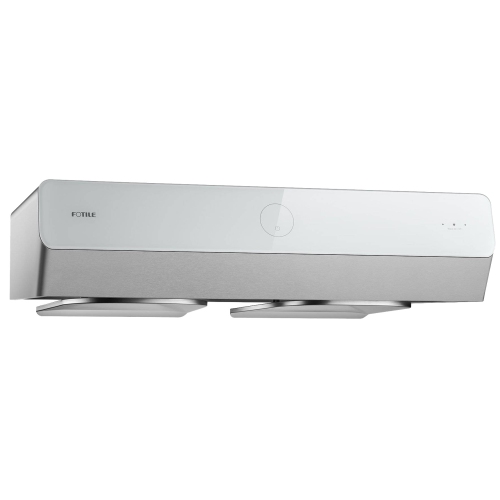
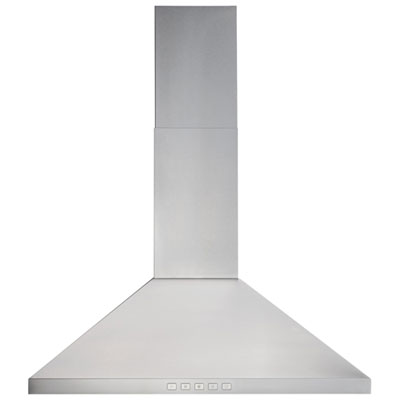
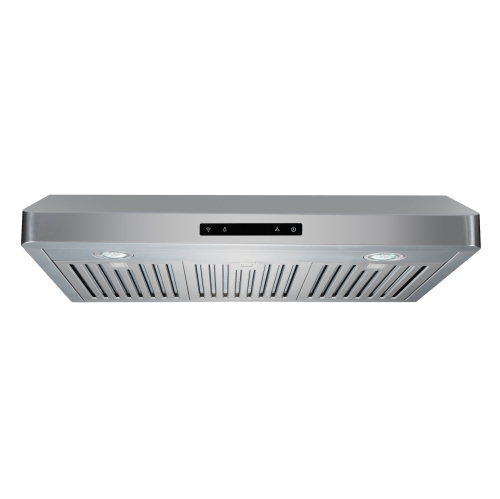
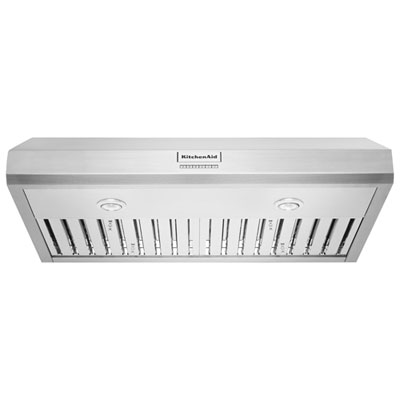
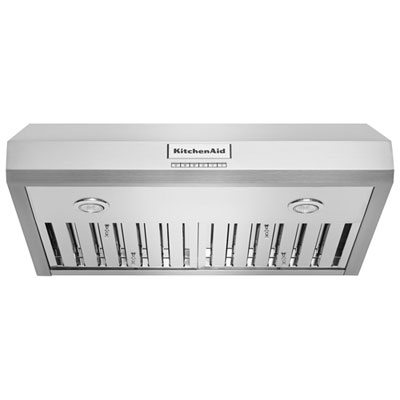
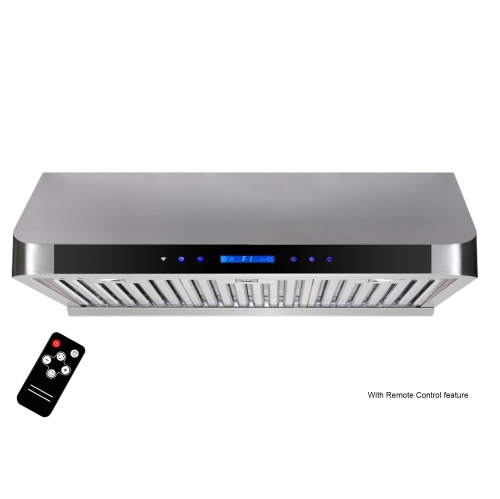
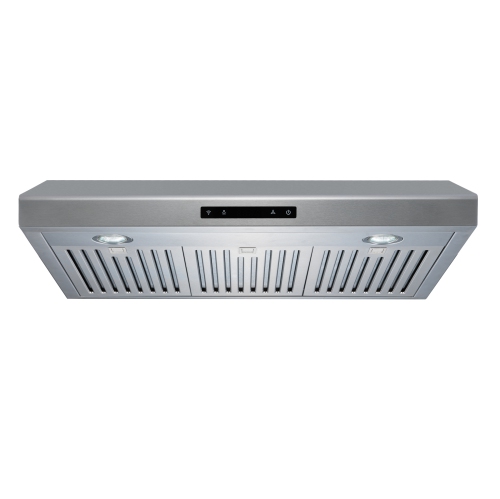
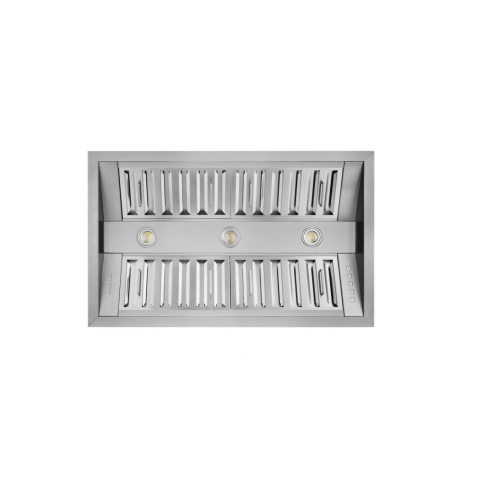
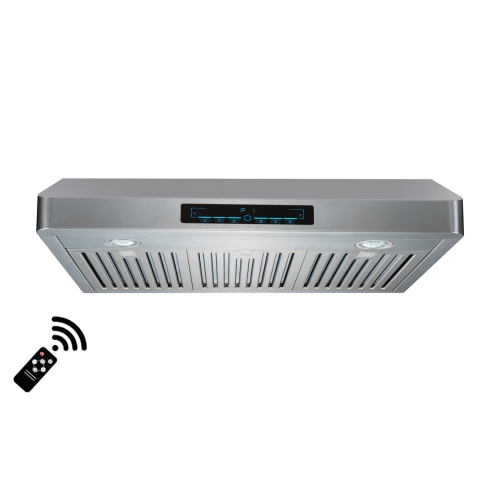
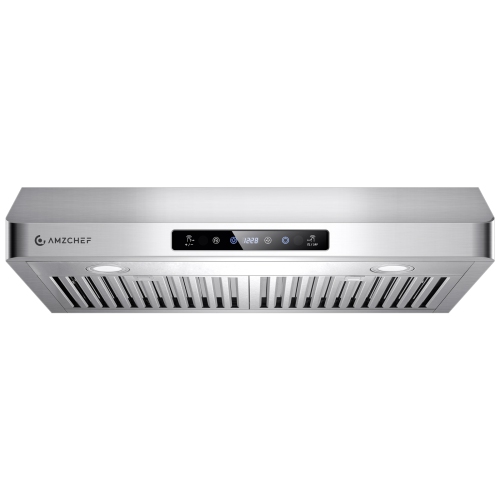
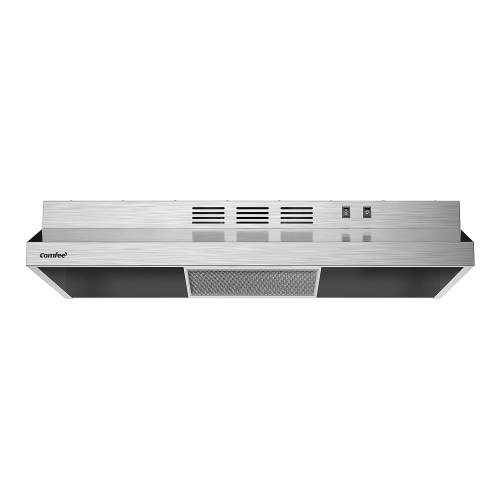
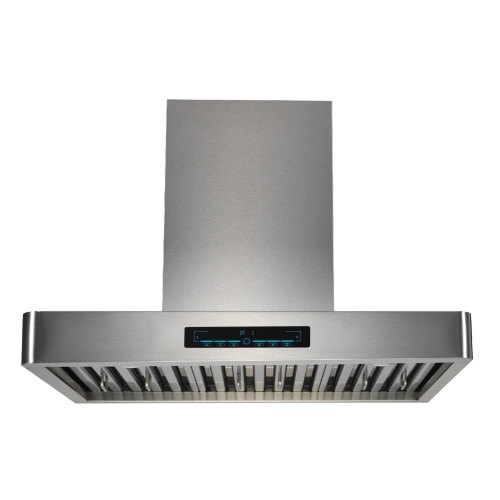
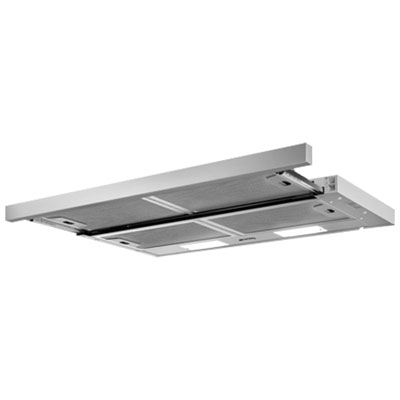
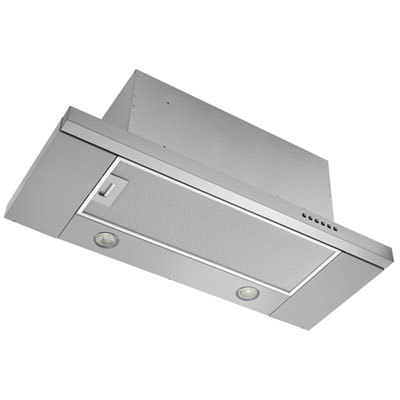
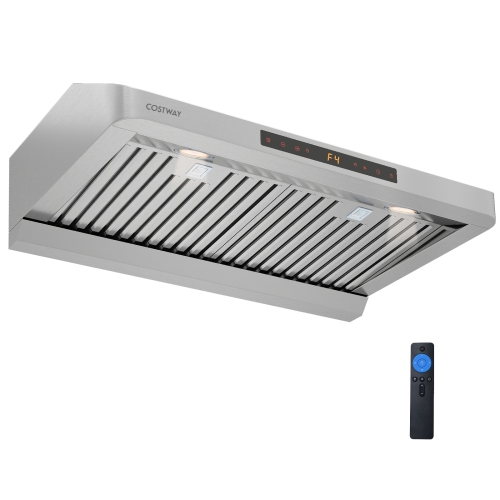
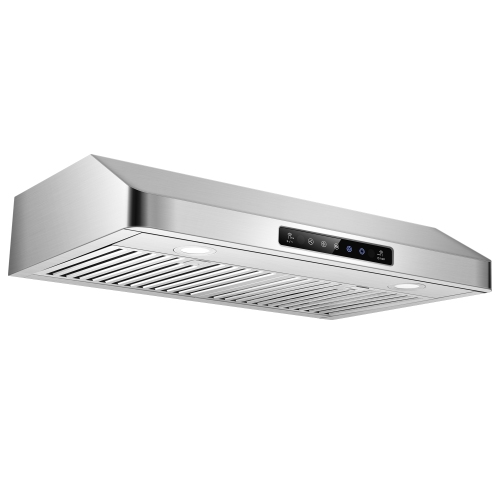
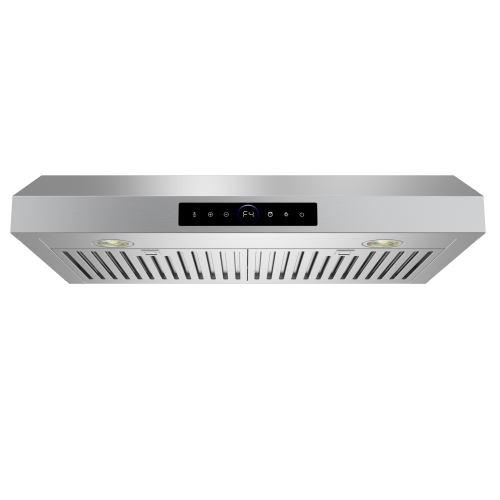
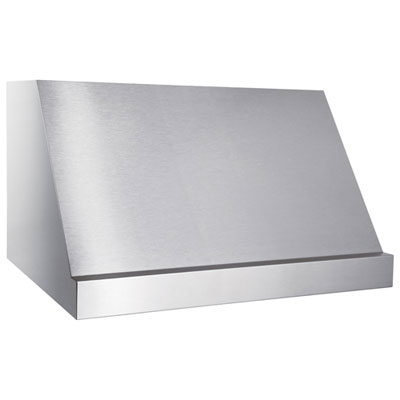
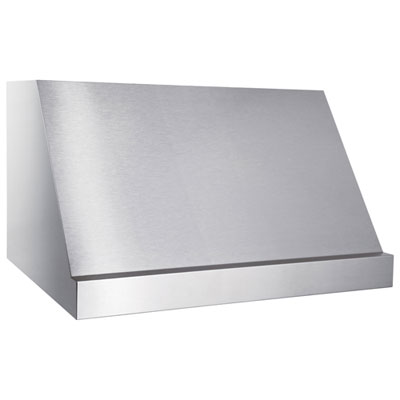
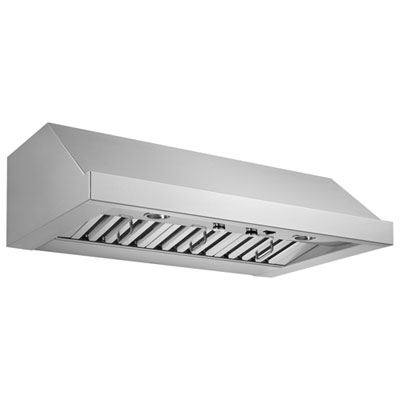
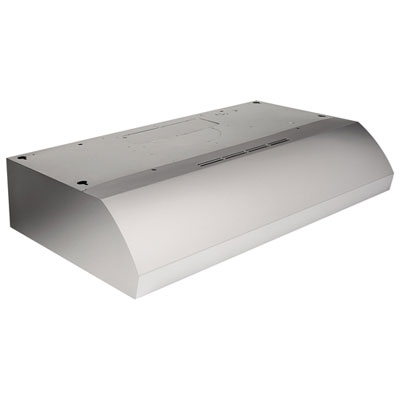
Cabinet kitchen exhaust fans are a practical choice for kitchens where wall cabinets sit above the cooktop and every inch of counter and storage space matters. Often called under-cabinet range hoods, these compact ventilation units mount beneath a cabinet and help capture smoke, steam, grease and cooking odours before they spread through the room. They can make a noticeable difference when searing steak, simmering a richly spiced sauce, boiling pasta or preparing a meal that produces a steady cloud of steam. A properly selected fan also helps keep cabinet surfaces, walls and nearby ceilings cleaner by drawing airborne grease away from the cooking area. When comparing cabinet kitchen exhaust fans, start with the width of the cooking surface and the available space under the cabinet. The fan should generally be at least as wide as the cooktop or range so it can collect vapour from the burners more effectively, while the installation height must follow the manufacturer’s instructions and any applicable local requirements. Measure the cabinet opening, check the depth, and confirm where the electrical connection and ventilation duct are located before ordering. These details are especially important during a kitchen renovation, when an existing opening or duct route may limit the available options. A slim, flush-fitting design can preserve the clean appearance of a compact kitchen, while a more substantial hood may be better suited to frequent cooking or a wider cooking surface.
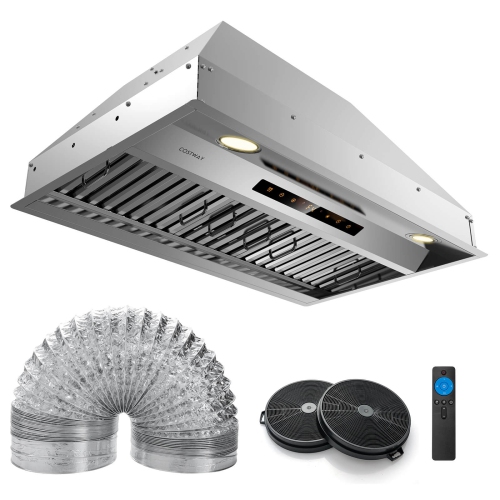
Airflow is another key consideration. Exhaust fan capacity is measured in cubic feet per minute, or CFM, and the right level depends on the size of the cooktop, the type of cooking and how often the kitchen is used. For many everyday cooking setups, a fan in the 300 to 400 CFM range can provide useful ventilation when it is correctly installed. Heavy cooking, high-heat searing, wok cooking or a professional-style range may call for a higher-capacity model, often 600 CFM or more, although the kitchen’s ductwork and local installation requirements must also be suitable. More airflow is not automatically better if the duct is too narrow, too long or full of bends, since these conditions can reduce performance and increase operating noise. Cabinet kitchen exhaust fans are available in ducted, ductless and convertible configurations. A ducted fan sends air outdoors through a properly fitted vent, which is generally the most effective approach for removing heat, moisture, smoke and odours from the kitchen. A ductless, or recirculating, model draws air through filters and returns it to the room, making it useful in apartments, condominiums or kitchens where exterior ducting is not possible. Recirculating models do not remove heat and moisture outdoors, and their charcoal or carbon filters need to be replaced as recommended to help control odours. Convertible models offer flexibility for a renovation or a future move, but the fan must be configured correctly for the chosen venting method. If reducing operating sound is particularly important in an open-concept home, dining area or small kitchen, browse Quiet Kitchen Exhaust Fans and compare published sound ratings, fan speeds and control settings.
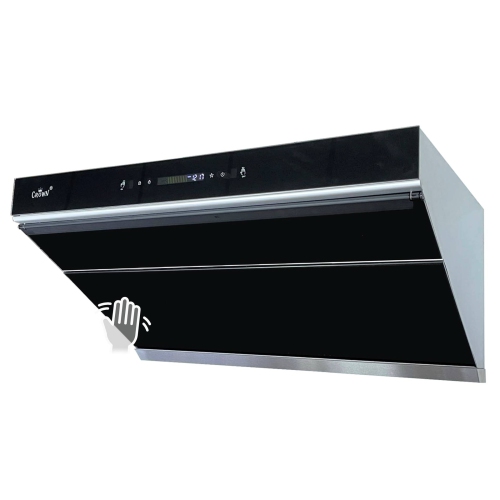
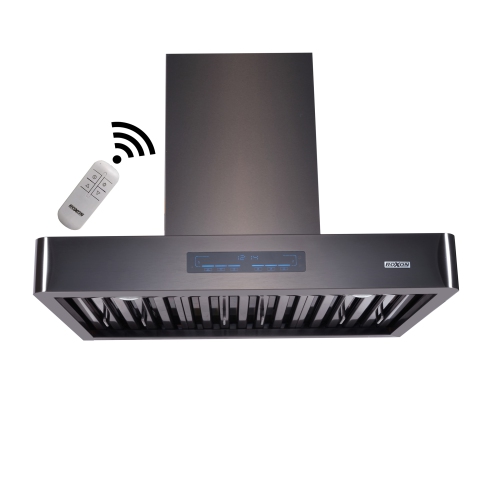
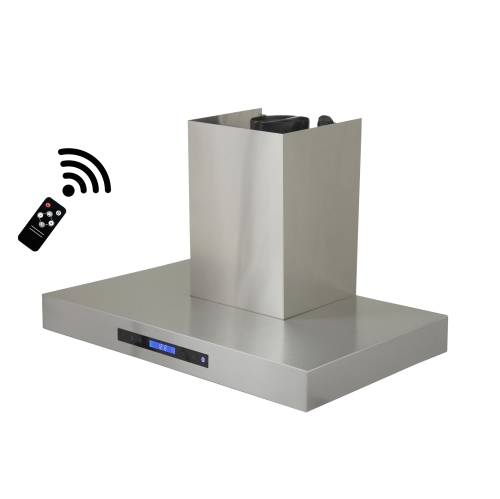
Filters, controls and maintenance all affect the everyday experience of using a cabinet kitchen exhaust fan. Aluminium mesh filters are lightweight and effective for many routine cooking tasks, but they can collect grease quickly and may need regular washing. Stainless steel baffle filters are often preferred by people who cook frequently or use high heat because their larger channels are designed to manage grease and can be cleaned when required. Always check whether filters are removable and dishwasher-safe, and leave enough clearance to take them out without emptying the cabinet above. Push-button, rocker, slider and touch controls each offer a different feel; simple physical buttons can be convenient when hands are wet or messy, while touch controls may create a smooth, easy-to-wipe surface. Multiple fan speeds let you use a lower setting for gentle simmering and a higher setting for frying or boiling, while a separate light can brighten the cooking surface and make food preparation easier during the darker hours of the cooler months. Look for a design and finish that suits the surrounding cabinetry and appliances, whether the kitchen has a traditional, contemporary or apartment-inspired layout. Cabinet kitchen exhaust fans are most useful for homeowners replacing an aging range hood, renters who have an approved replacement option, landlords updating a rental kitchen, and renovators planning a more functional cooking area. They can also be a thoughtful housewarming or wedding gift when the recipient is settling into a new home, although measurements, venting and electrical details should be confirmed before choosing one. Installation may involve cabinetry alterations, ductwork, electrical work or exterior venting, so a qualified professional can help verify clearances and connect the unit safely. Once installed, running the fan a few minutes before cooking and leaving it on briefly afterwards can help capture lingering vapour and odours; wiping the surrounding surfaces and cleaning or replacing filters on a regular schedule helps maintain airflow and performance.
Airflow is another key consideration. Exhaust fan capacity is measured in cubic feet per minute, or CFM, and the right level depends on the size of the cooktop, the type of cooking and how often the kitchen is used. For many everyday cooking setups, a fan in the 300 to 400 CFM range can provide useful ventilation when it is correctly installed. Heavy cooking, high-heat searing, wok cooking or a professional-style range may call for a higher-capacity model, often 600 CFM or more, although the kitchen’s ductwork and local installation requirements must also be suitable. More airflow is not automatically better if the duct is too narrow, too long or full of bends, since these conditions can reduce performance and increase operating noise. Cabinet kitchen exhaust fans are available in ducted, ductless and convertible configurations. A ducted fan sends air outdoors through a properly fitted vent, which is generally the most effective approach for removing heat, moisture, smoke and odours from the kitchen. A ductless, or recirculating, model draws air through filters and returns it to the room, making it useful in apartments, condominiums or kitchens where exterior ducting is not possible. Recirculating models do not remove heat and moisture outdoors, and their charcoal or carbon filters need to be replaced as recommended to help control odours. Convertible models offer flexibility for a renovation or a future move, but the fan must be configured correctly for the chosen venting method. If reducing operating sound is particularly important in an open-concept home, dining area or small kitchen, browse Quiet Kitchen Exhaust Fans and compare published sound ratings, fan speeds and control settings.
Filters, controls and maintenance all affect the everyday experience of using a cabinet kitchen exhaust fan. Aluminium mesh filters are lightweight and effective for many routine cooking tasks, but they can collect grease quickly and may need regular washing. Stainless steel baffle filters are often preferred by people who cook frequently or use high heat because their larger channels are designed to manage grease and can be cleaned when required. Always check whether filters are removable and dishwasher-safe, and leave enough clearance to take them out without emptying the cabinet above. Push-button, rocker, slider and touch controls each offer a different feel; simple physical buttons can be convenient when hands are wet or messy, while touch controls may create a smooth, easy-to-wipe surface. Multiple fan speeds let you use a lower setting for gentle simmering and a higher setting for frying or boiling, while a separate light can brighten the cooking surface and make food preparation easier during the darker hours of the cooler months. Look for a design and finish that suits the surrounding cabinetry and appliances, whether the kitchen has a traditional, contemporary or apartment-inspired layout. Cabinet kitchen exhaust fans are most useful for homeowners replacing an aging range hood, renters who have an approved replacement option, landlords updating a rental kitchen, and renovators planning a more functional cooking area. They can also be a thoughtful housewarming or wedding gift when the recipient is settling into a new home, although measurements, venting and electrical details should be confirmed before choosing one. Installation may involve cabinetry alterations, ductwork, electrical work or exterior venting, so a qualified professional can help verify clearances and connect the unit safely. Once installed, running the fan a few minutes before cooking and leaving it on briefly afterwards can help capture lingering vapour and odours; wiping the surrounding surfaces and cleaning or replacing filters on a regular schedule helps maintain airflow and performance.
Top selling and popular products
-
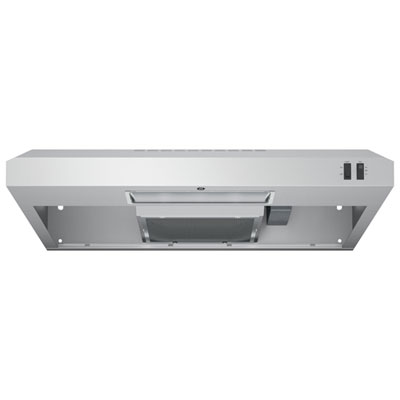 Your price for this item is $249.99
 -
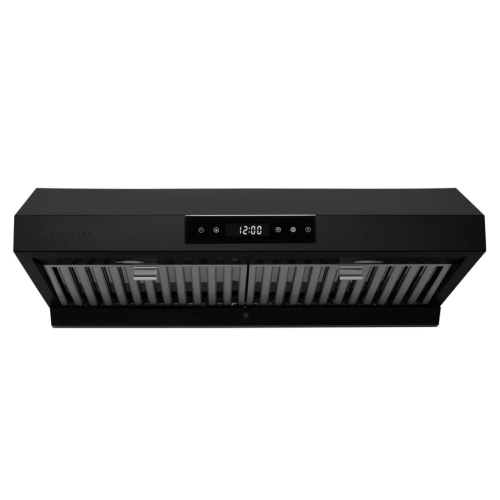 Your price for this item is $598.49
 -
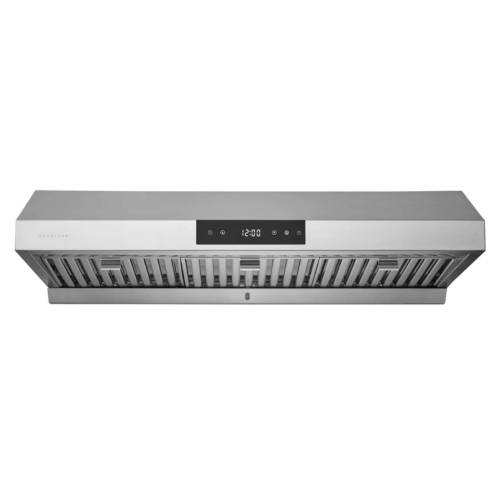 Your price for this item is $645.99
 -
 Your price for this item is $645.99
 -
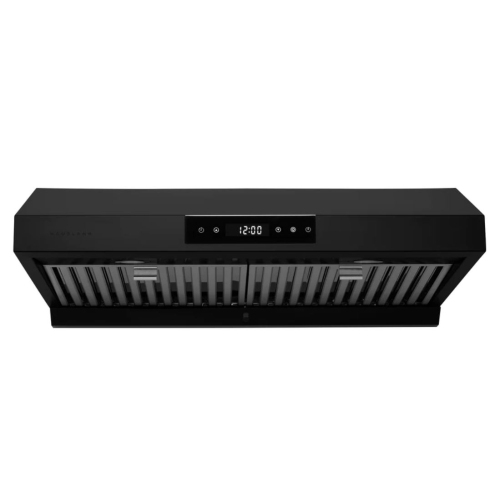 Your price for this item is $645.99
 -
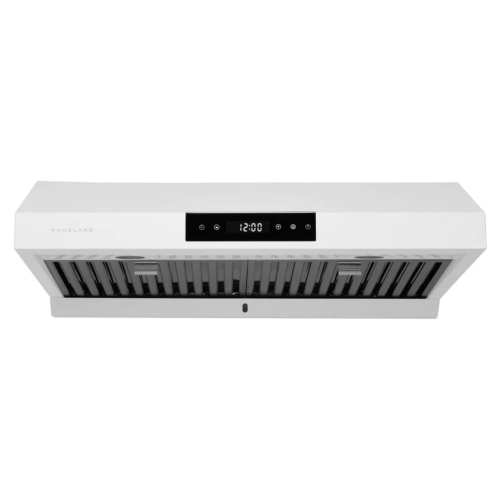 Your price for this item is $598.49
 -
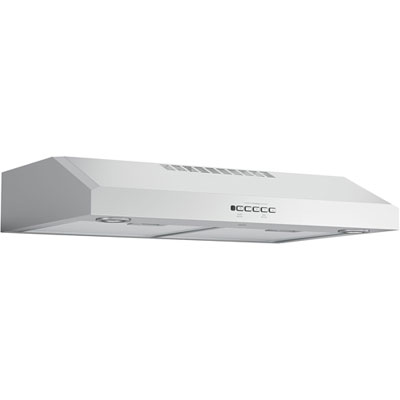 Your price for this item is $449.99
 -
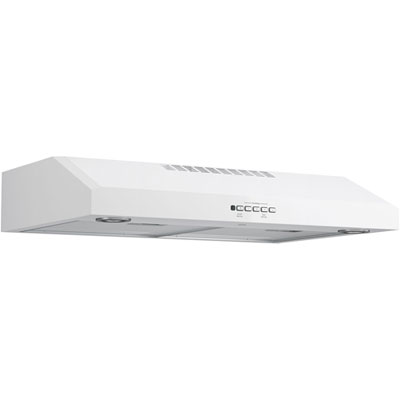 Your price for this item is $399.99
Discover more categories related to Cabinet Kitchen Exhaust Fans


Top Collections:
Pokemon Centers, Kindle Devices, Best Budget Office Chairs, Apple iPhones 16, Best Laptops for Writers, iPhone 15 Apple, Canon G7X Cameras, Refurbished Apple Laptops, Alarm Clock, Motorola Razr Phones
Some products may be subject to Environmental Handling Fees
(EHF) depending on your province.
Learn more about EHFs.