Whirlpool Garage Fridges
A garage fridge is a great way to keep food fresh and your drinks cold while you work on your car, fix something in the garage, or just hang out. It's also a good place to keep leftovers, so you have dinner ready when you get home from work. Here are some great Whirlpool fridges for your garage.
Sort
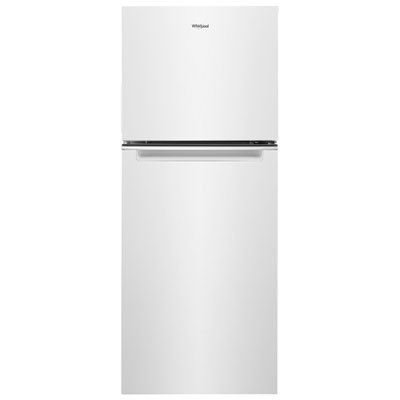
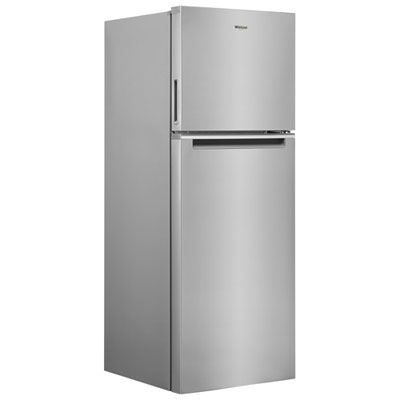
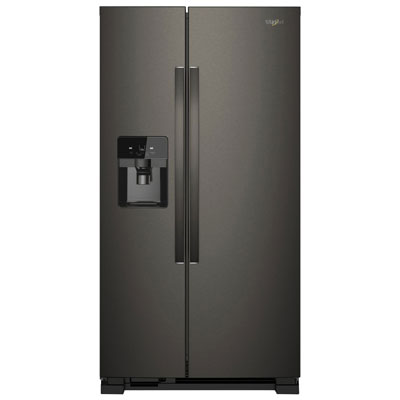
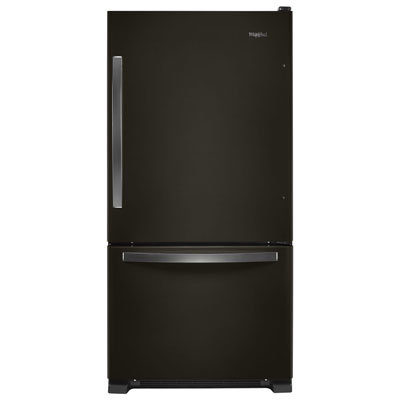
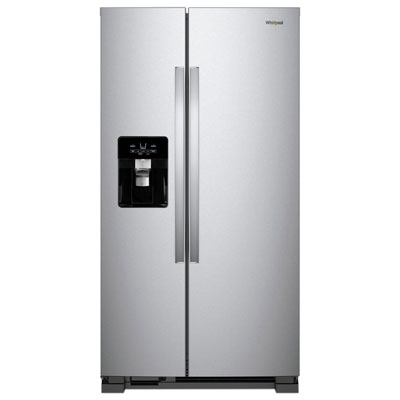
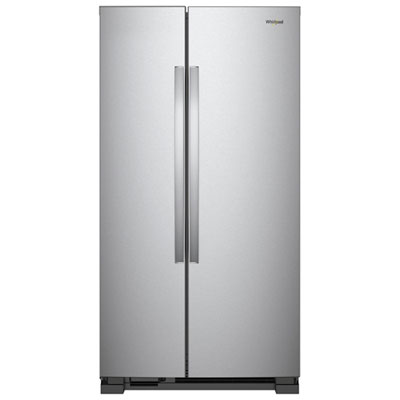

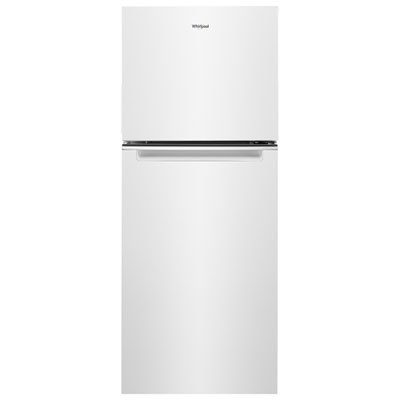
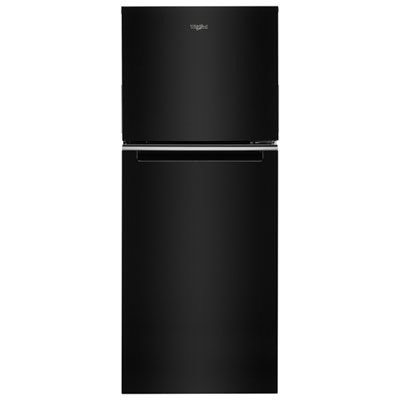
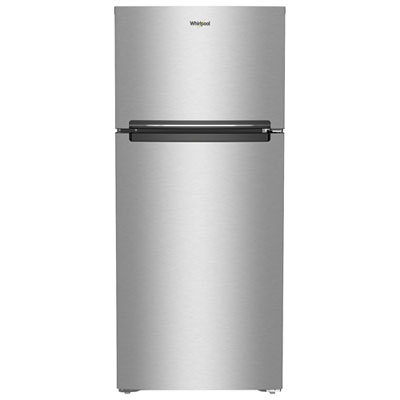
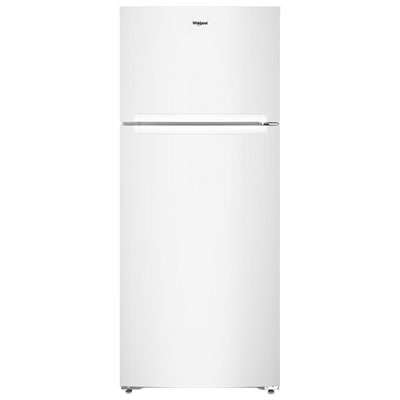
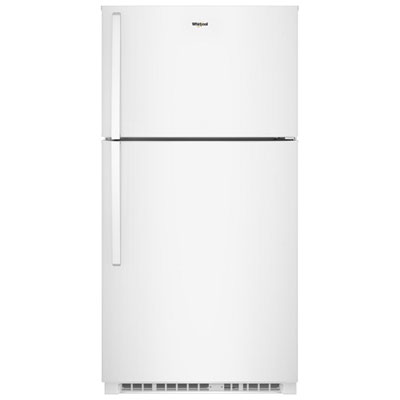
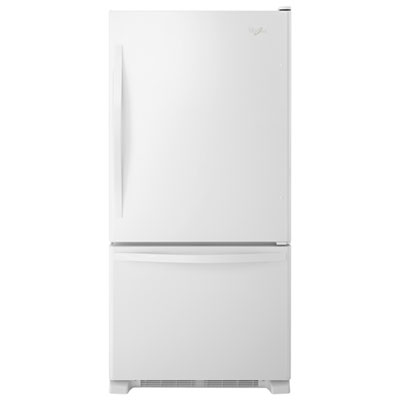
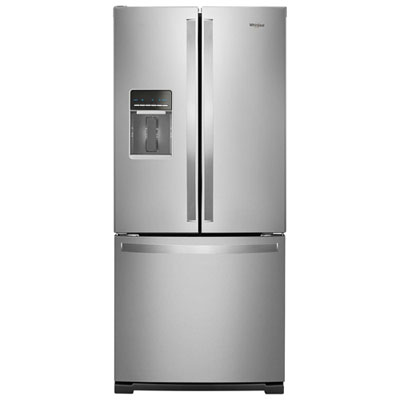
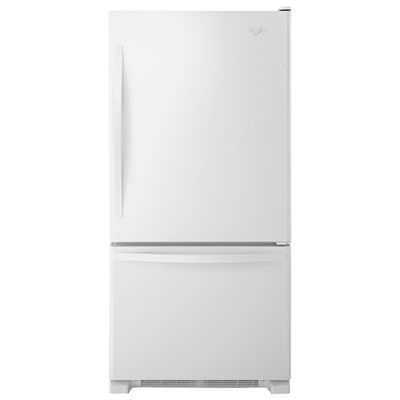

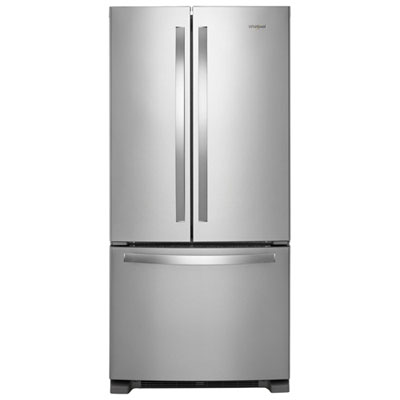
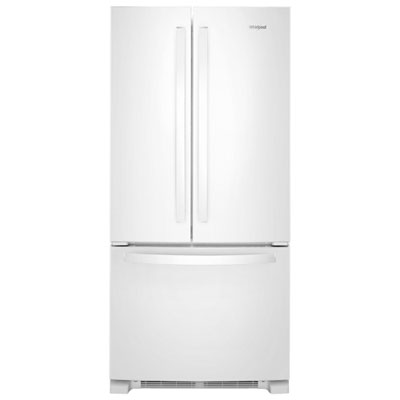
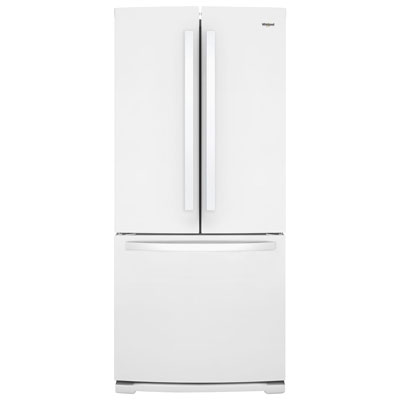
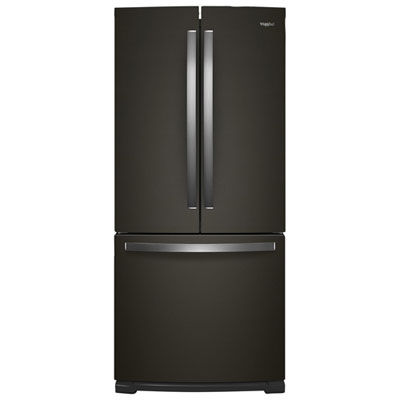
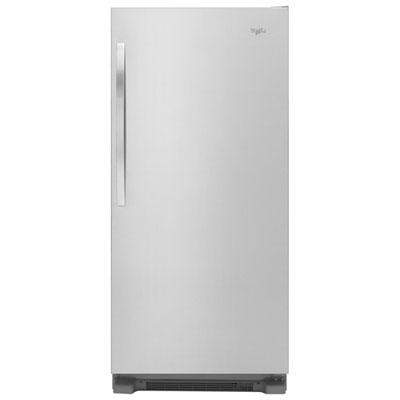
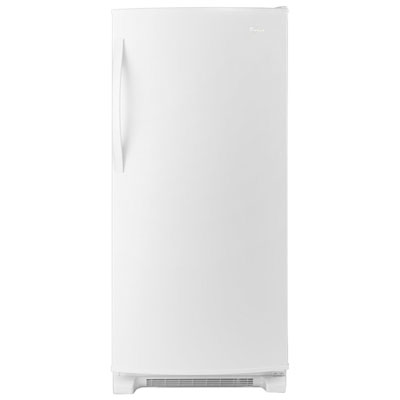
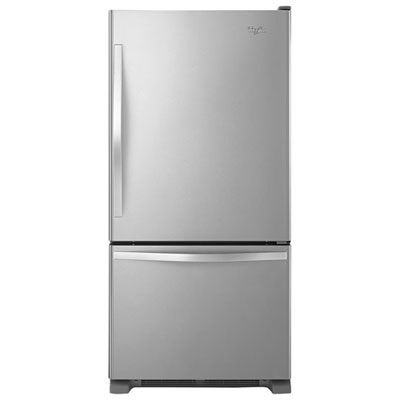
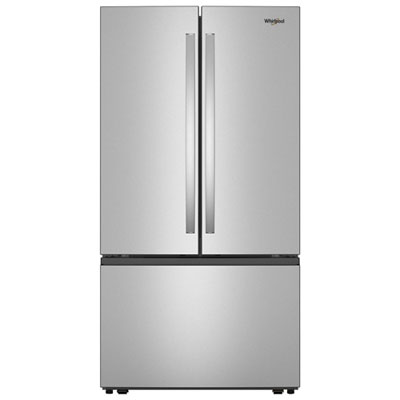

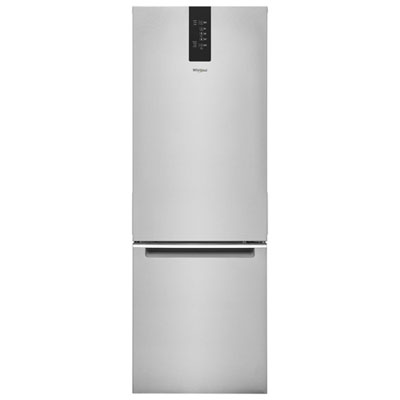
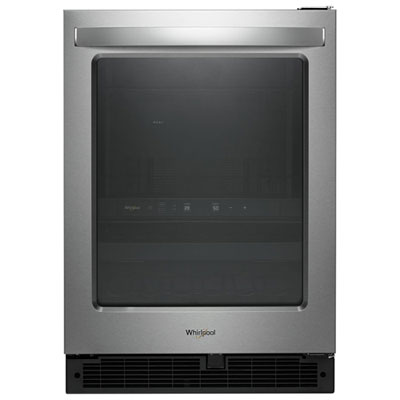
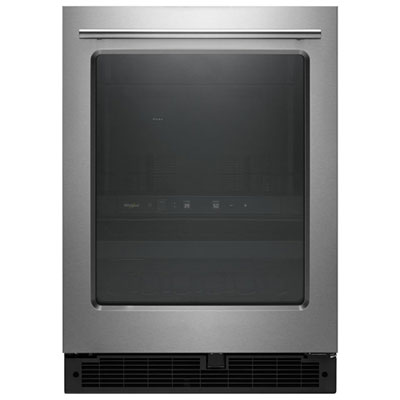

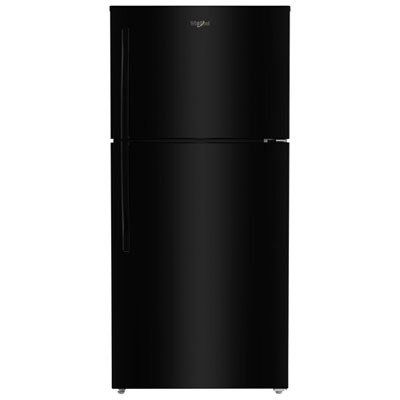
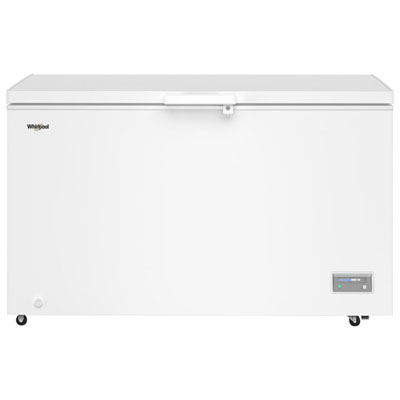
Extra fridge space starts with the right operating range
A garage fridge adds dedicated food and drink storage outside the kitchen, giving busy households more room for groceries, prepared meals, and the extras that tend to crowd everyday shelves. It can hold a tray of sandwiches before a family gathering, keep lunch supplies together, or give large beverage containers a home without taking over the main refrigerator. For this setting, the distinction between a garage-ready refrigerator and a standard household fridge matters more than appearance alone. Garage-ready means the manufacturer has approved the appliance to operate within a specified range of surrounding temperatures; it does not mean the fridge is suitable for every garage or for unrestricted outdoor use. A unit placed in an unheated garage needs an operating range that matches the conditions it will actually encounter. A sheltered location is not necessarily a suitable one, and a standard kitchen refrigerator should not be assumed to perform properly there simply because it fits. In a fridge-freezer combination, unsuitable surrounding temperatures can affect how the controls call for cooling, potentially compromising freezer performance even when the refrigerator section seems cold. The stated operating limits, installation requirements, and warranty conditions are therefore important details to compare. Garage-ready construction also does not make an appliance weatherproof or suitable for exposure to rain. For food storage, the refrigerator compartment should maintain a temperature of 4°C or below, while the freezer should remain at −18°C or below. Separate appliance thermometers make those conditions easier to monitor rather than relying only on a control setting. This is especially useful when storing meat, dairy products, or frozen meals that may stay in the garage fridge longer than items in the kitchen. A well-matched garage refrigerator provides practical overflow capacity, but its suitability comes from its documented operating limits and installation requirements, not simply from where a household plans to put it.
The most useful capacity depends on what needs storing and how comfortably the appliance fits into the garage. A household buying larger grocery quantities may value wide shelves for meal containers and a freezer compartment for bread, vegetables, and batch-cooked dinners. Someone mainly storing drinks may get more benefit from adjustable shelves and door bins that accommodate tall cartons without wasting space above shorter containers. Total volume tells only part of the story: shelf spacing, usable door storage, drawer access, and the width of the freezer opening all affect everyday convenience. A top-freezer layout places frozen food higher up, while a bottom-freezer layout generally keeps frequently used refrigerated food closer to eye level. In either arrangement, adjustable storage can make it easier to separate ready-to-eat foods from raw ingredients and keep smaller packages visible. Fit involves more than the cabinet dimensions. Measure the intended location, the delivery route, and any doorway or step along the way, then allow the ventilation clearances specified by the manufacturer. Door handles add depth, and the door may need to open beyond a right angle before drawers can slide out fully. A fridge tucked beside a shelving unit can look neatly positioned yet become awkward if the door strikes a post or blocks access to a storage cupboard. Space for a parked vehicle, walking routes, and carrying grocery bags also deserves attention. A reversible door, where offered, can help with placement, though hinge changes must follow the installation instructions. A firm, level floor supports proper door alignment and closure. For finishes, painted steel and stainless steel offer different appearances, while fingerprint-resistant treatments, where specified, can reduce visible handling marks. No finish is scratch-proof, particularly around bicycles, tools, and storage totes. Inside, shelves and bins should feel appropriate for their intended loads; sturdy construction, accessible surfaces, and replaceable components can matter as much as a polished exterior.
Day-to-day convenience comes from details that make a garage fridge easy to organize, clean, and check. Bright interior lighting helps distinguish similar containers at a glance, while clear drawers keep produce and smaller packages from disappearing behind larger groceries. Adjustable door bins can make room for different bottle heights, but their load limits still apply; heavy containers should not be crowded onto a bin beyond its rated capacity. Shelves with raised edges can help contain minor spills, and removable components make routine cleaning less awkward. Cold-air vents need open space around them, so tightly packing every shelf can work against consistent cooling. Grouping foods by use, dating leftovers, and placing older groceries near the front can keep overflow storage from becoming forgotten storage. For households that mainly need a modest amount of extra room, Whirlpool Mini Fridges provide a smaller-format category to compare, though compact dimensions alone do not establish garage suitability. Any refrigerator considered for the space still needs the appropriate operating rating. Optional conveniences also carry practical requirements: an ice maker needs confirmed compatibility and, when connected to household plumbing, a suitable water supply and installation. Electrical connections should follow the appliance manual and applicable local requirements rather than relying on an extension cord. For ongoing care, wipe spills promptly, clean door gaskets gently, and check that packages are not preventing a complete seal. Follow the manufacturer’s directions for cleaning accessible coils or ventilation areas, since maintenance arrangements vary by design. Keep the appliance away from workshop chemicals and activities that could damage its surfaces or contaminate food-handling areas. In a shared family garage, a clear path to the door and a simple shelf arrangement make quick grocery trips easier for everyone using the space. Whether the purpose is supporting weekly meal preparation, separating drinks from kitchen essentials, or keeping extra ingredients within reach, the best fit balances useful storage with dependable operation and straightforward upkeep.
The most useful capacity depends on what needs storing and how comfortably the appliance fits into the garage. A household buying larger grocery quantities may value wide shelves for meal containers and a freezer compartment for bread, vegetables, and batch-cooked dinners. Someone mainly storing drinks may get more benefit from adjustable shelves and door bins that accommodate tall cartons without wasting space above shorter containers. Total volume tells only part of the story: shelf spacing, usable door storage, drawer access, and the width of the freezer opening all affect everyday convenience. A top-freezer layout places frozen food higher up, while a bottom-freezer layout generally keeps frequently used refrigerated food closer to eye level. In either arrangement, adjustable storage can make it easier to separate ready-to-eat foods from raw ingredients and keep smaller packages visible. Fit involves more than the cabinet dimensions. Measure the intended location, the delivery route, and any doorway or step along the way, then allow the ventilation clearances specified by the manufacturer. Door handles add depth, and the door may need to open beyond a right angle before drawers can slide out fully. A fridge tucked beside a shelving unit can look neatly positioned yet become awkward if the door strikes a post or blocks access to a storage cupboard. Space for a parked vehicle, walking routes, and carrying grocery bags also deserves attention. A reversible door, where offered, can help with placement, though hinge changes must follow the installation instructions. A firm, level floor supports proper door alignment and closure. For finishes, painted steel and stainless steel offer different appearances, while fingerprint-resistant treatments, where specified, can reduce visible handling marks. No finish is scratch-proof, particularly around bicycles, tools, and storage totes. Inside, shelves and bins should feel appropriate for their intended loads; sturdy construction, accessible surfaces, and replaceable components can matter as much as a polished exterior.
Day-to-day convenience comes from details that make a garage fridge easy to organize, clean, and check. Bright interior lighting helps distinguish similar containers at a glance, while clear drawers keep produce and smaller packages from disappearing behind larger groceries. Adjustable door bins can make room for different bottle heights, but their load limits still apply; heavy containers should not be crowded onto a bin beyond its rated capacity. Shelves with raised edges can help contain minor spills, and removable components make routine cleaning less awkward. Cold-air vents need open space around them, so tightly packing every shelf can work against consistent cooling. Grouping foods by use, dating leftovers, and placing older groceries near the front can keep overflow storage from becoming forgotten storage. For households that mainly need a modest amount of extra room, Whirlpool Mini Fridges provide a smaller-format category to compare, though compact dimensions alone do not establish garage suitability. Any refrigerator considered for the space still needs the appropriate operating rating. Optional conveniences also carry practical requirements: an ice maker needs confirmed compatibility and, when connected to household plumbing, a suitable water supply and installation. Electrical connections should follow the appliance manual and applicable local requirements rather than relying on an extension cord. For ongoing care, wipe spills promptly, clean door gaskets gently, and check that packages are not preventing a complete seal. Follow the manufacturer’s directions for cleaning accessible coils or ventilation areas, since maintenance arrangements vary by design. Keep the appliance away from workshop chemicals and activities that could damage its surfaces or contaminate food-handling areas. In a shared family garage, a clear path to the door and a simple shelf arrangement make quick grocery trips easier for everyone using the space. Whether the purpose is supporting weekly meal preparation, separating drinks from kitchen essentials, or keeping extra ingredients within reach, the best fit balances useful storage with dependable operation and straightforward upkeep.
Top selling and popular products
-
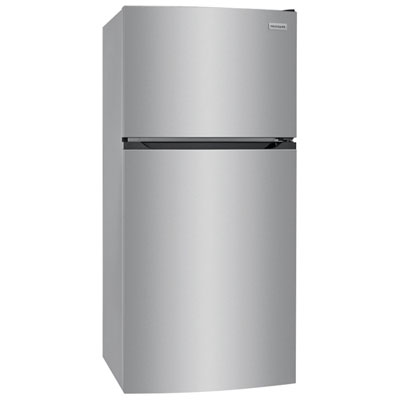 Your price for this item is $849.99
 -
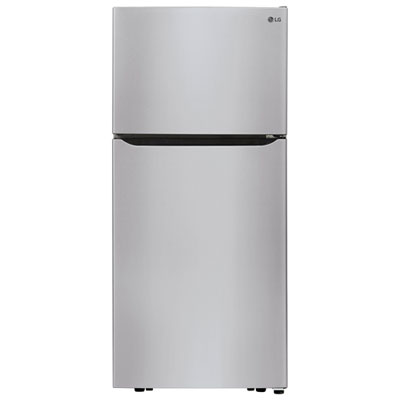 Your price for this item is $1149.99
 -
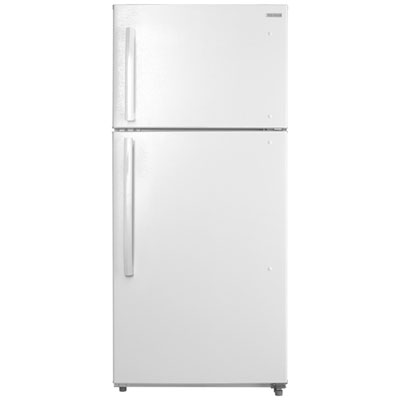 Your price for this item is $799.99
 -
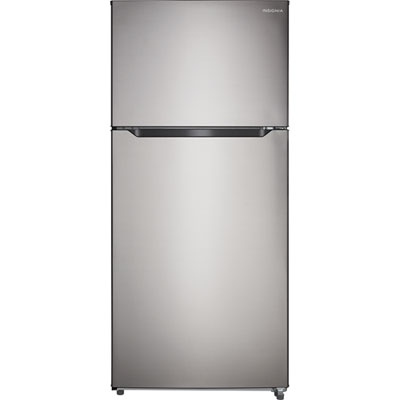 Your price for this item is $949.99
 -
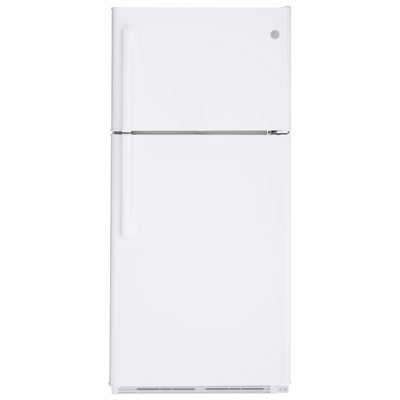 Your price for this item is $1549.99
 -
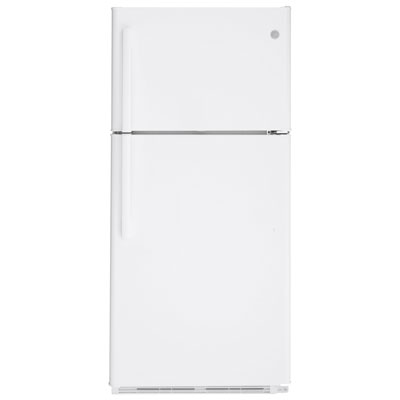 Your price for this item is $1649.99
 -
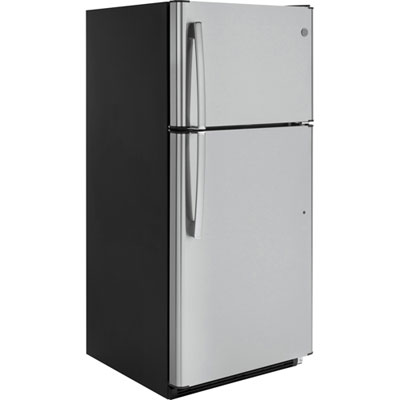 Your price for this item is $1549.99
 -
 Your price for this item is $1449.99
Discover more categories related to Whirlpool Garage Fridges
Top Collections:
Pokemon Centers, Kindle Devices, Best Budget Office Chairs, Apple iPhones 16, Best Laptops for Writers, iPhone 15 Apple, Canon G7X Cameras, Refurbished Apple Laptops, Alarm Clock, Motorola Razr Phones
Some products may be subject to Environmental Handling Fees
(EHF) depending on your province.
Learn more about EHFs.