Noise Cancelling Headphones Under $150
If you're looking for a pair of noise-canceling headphones that won't break the bank, we've got you covered. These headphones are designed to reduce ambient noise, allowing you to focus on your music or other audio without distraction. Many of these models come with features such as adjustable noise cancellation, wireless connectivity, and foldable designs for easy storage. Here are some of the best headphones under $150 available to choose from.
Sort
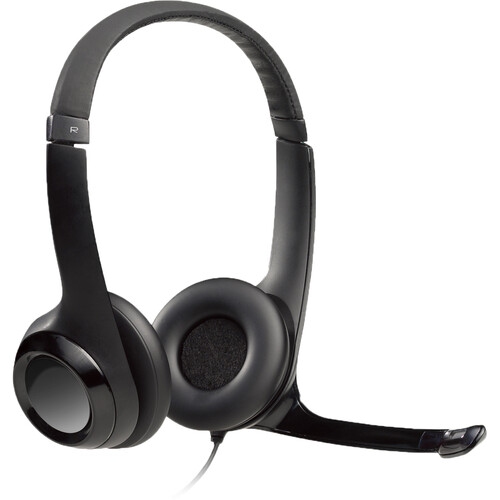
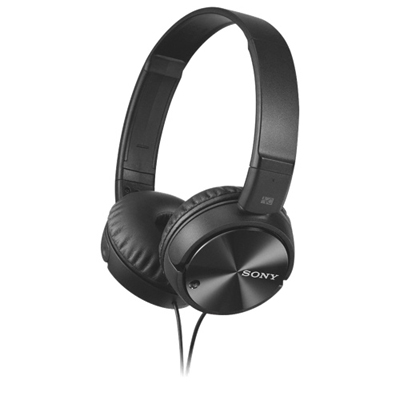
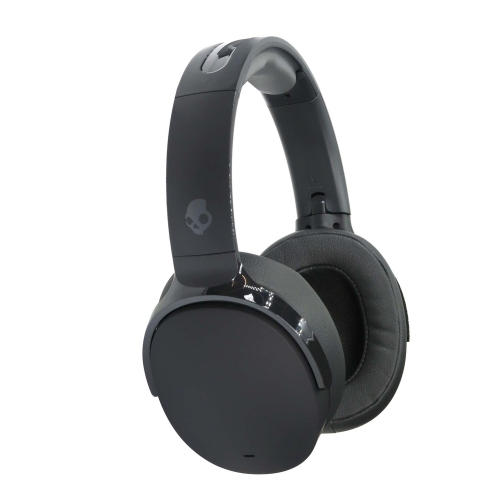
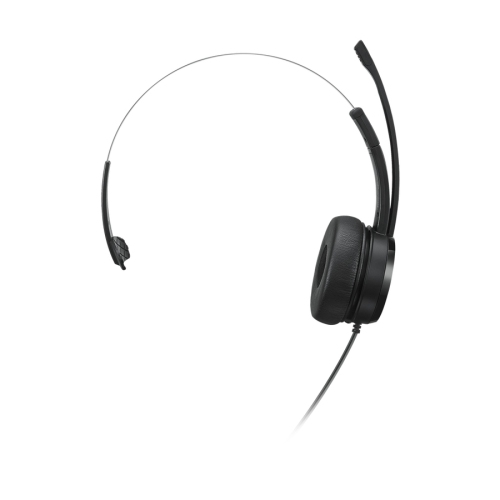

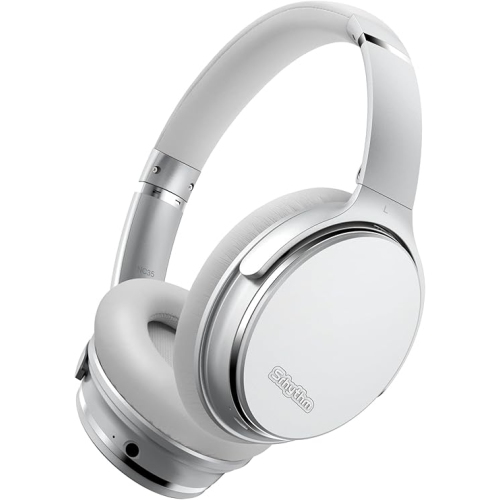
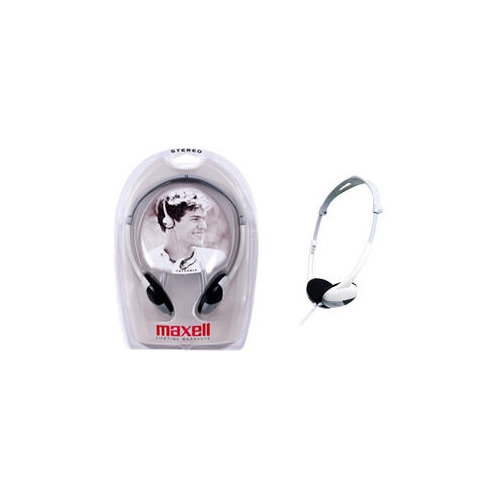
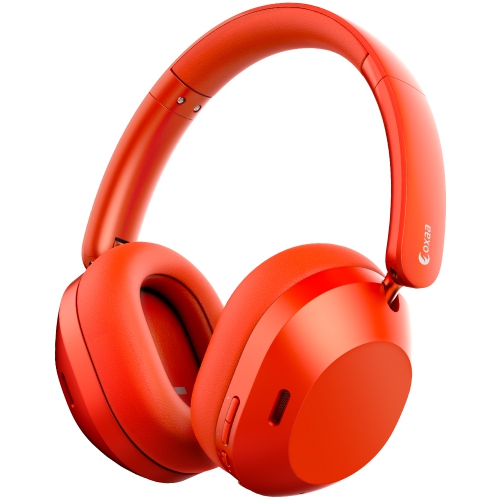
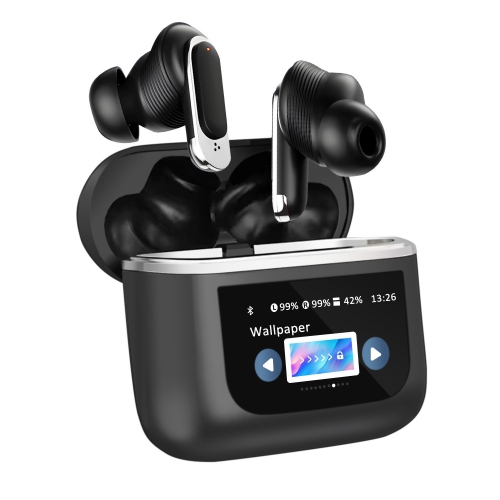
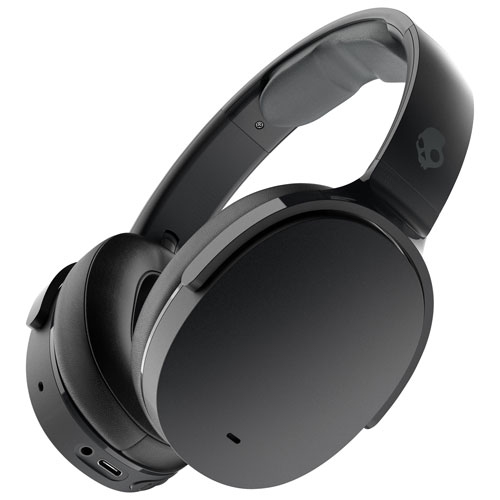
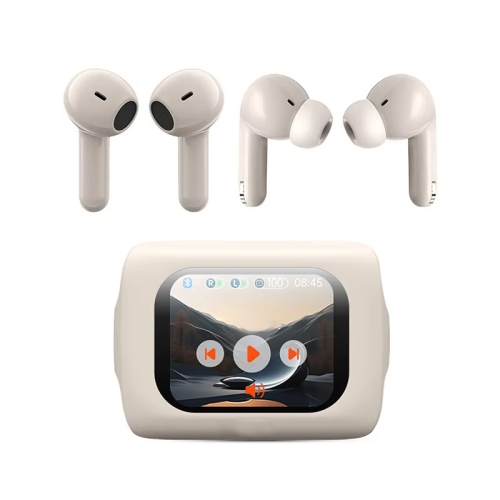
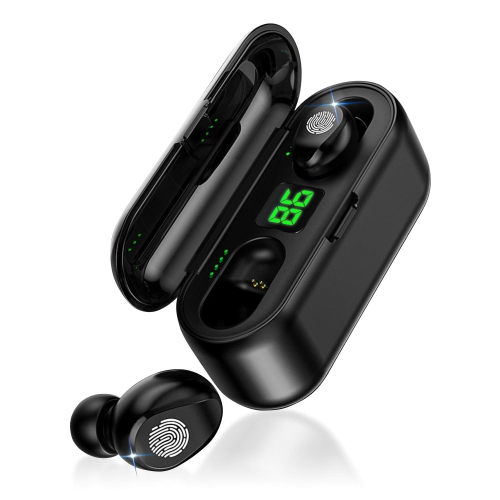
![CABLESHARK [2 Packs] USB C Headphone Type C Earphones Wired Earbuds Hifi Stereo Noise Canceling In-Ear Headset w Microphone for Ipad Pro Samsung](https://multimedia.bbycastatic.ca/multimedia/products/500x500/170/17050/17050876.jpeg)
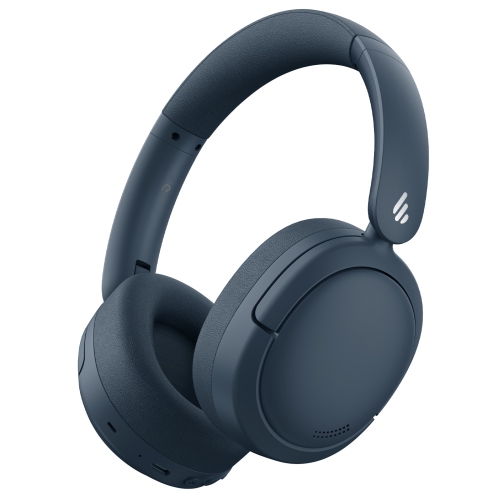

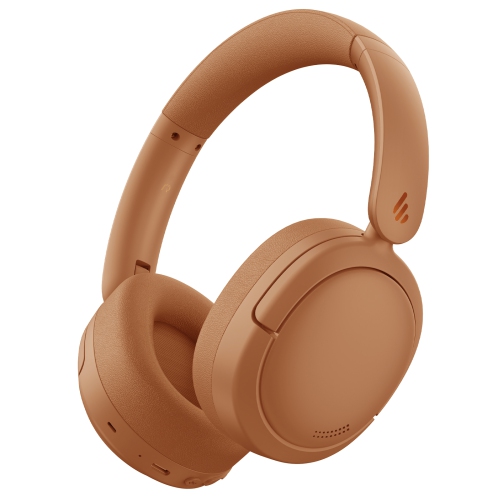
![GREEN SCENIC [Orange] Bluetooth 5.1 Noise-Cancelling Headphones | Intelligent Ai Noise Reduction | 40 Hours Of Battery Life | Lightweight Folding](https://multimedia.bbycastatic.ca/multimedia/products/500x500/192/19274/19274265.jpeg)

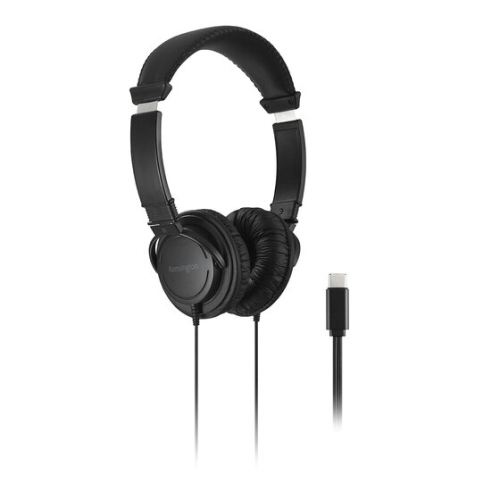
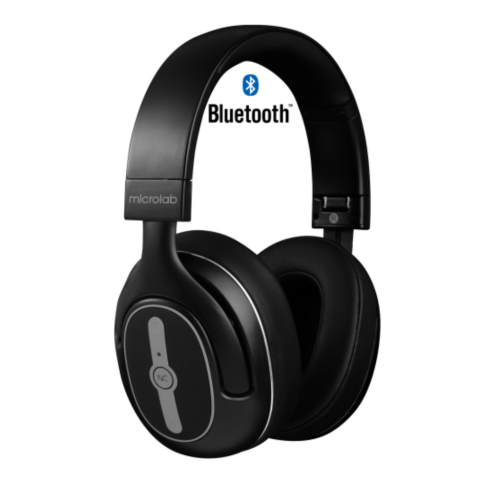
![UOLO Pulse Elite 2 True Wireless Anc/enc [Active Noise & Environmental Noise Cancelling] Bluetooth 5.3, Touch Control, Built In Mic for Phone Call -](https://multimedia.bbycastatic.ca/multimedia/products/500x500/171/17166/17166524.jpeg)
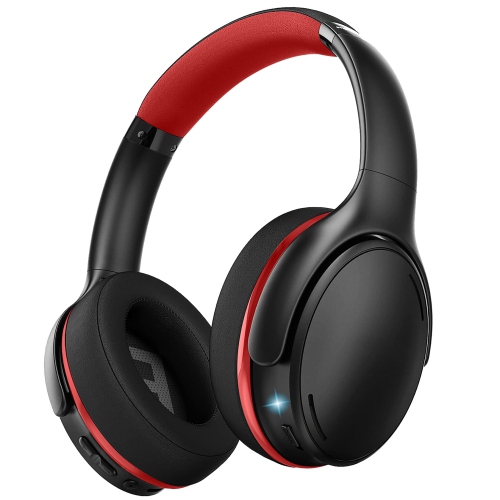
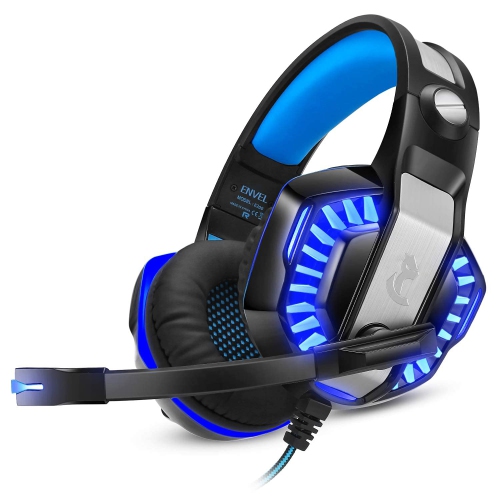
![GREEN SCENIC [Lake Blue] Intelligent Noise-Cancelling Headphones | Adaptive Ambient Sound | Ipx5 Waterproof | Rotating Folding | Must-Have Artifact](https://multimedia.bbycastatic.ca/multimedia/products/500x500/192/19274/19274338.jpeg)
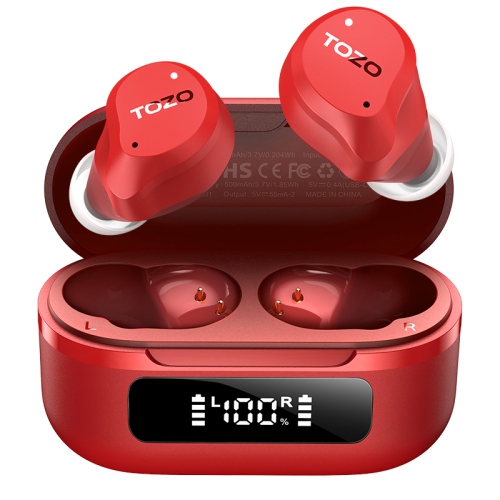
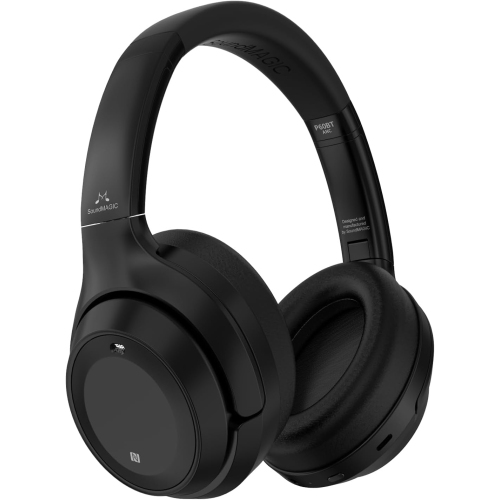
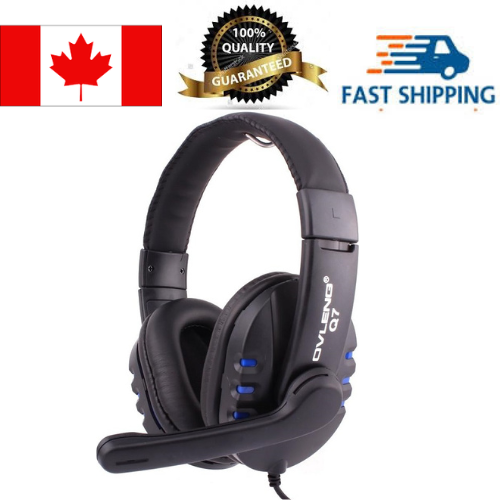
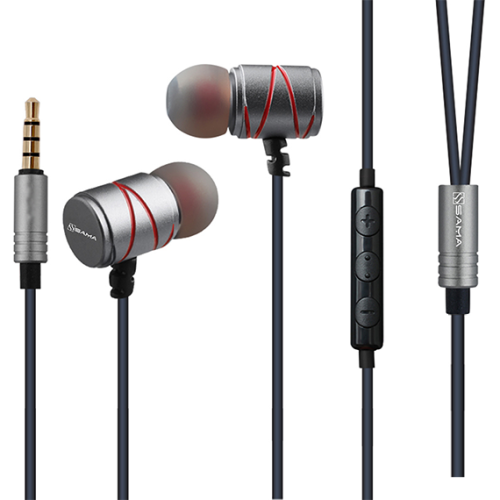

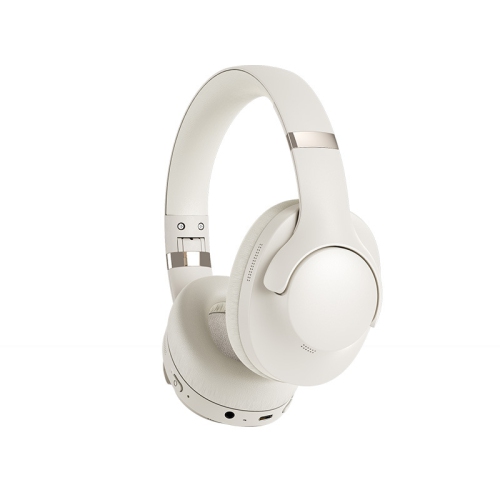
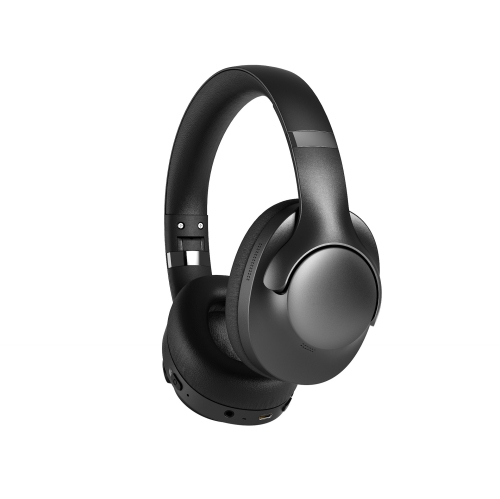
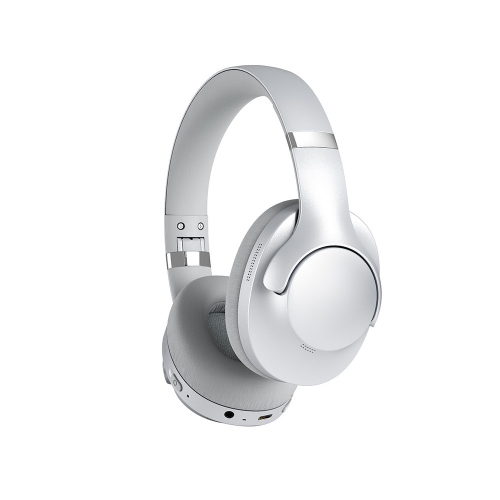
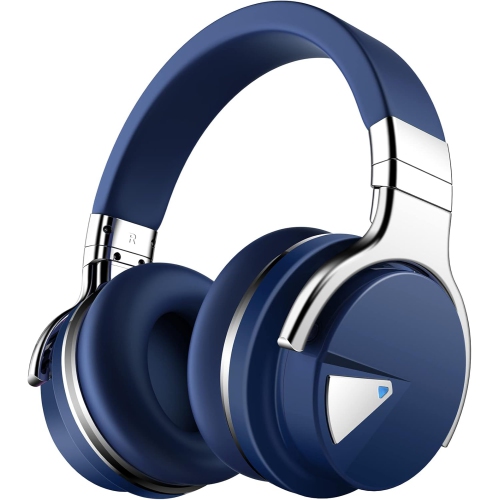
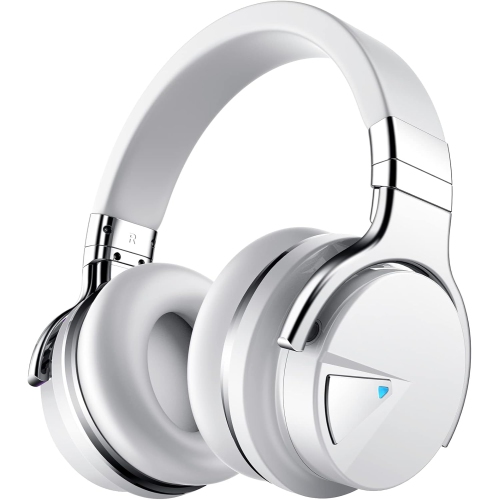
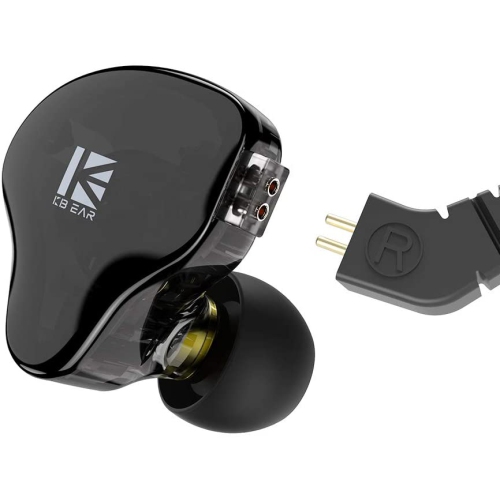
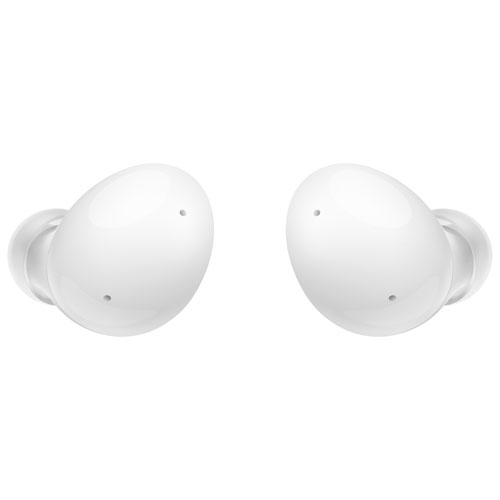
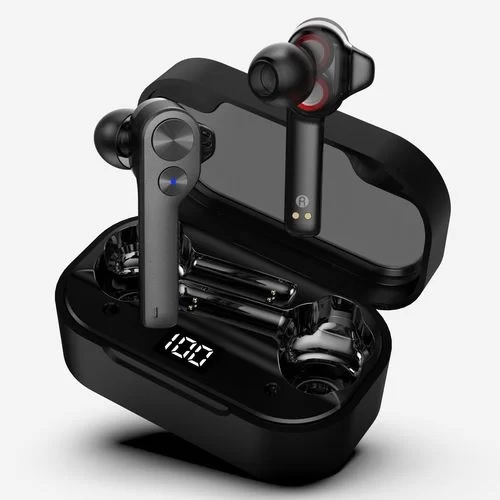
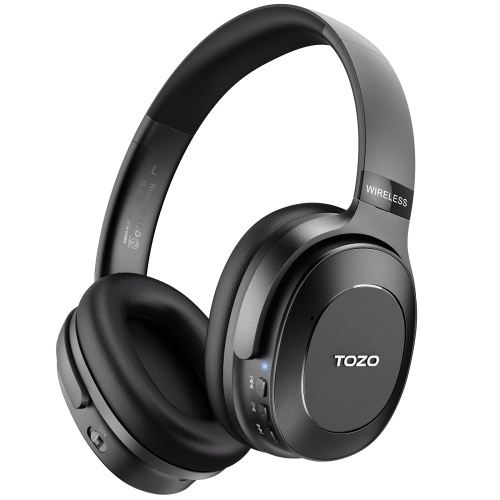
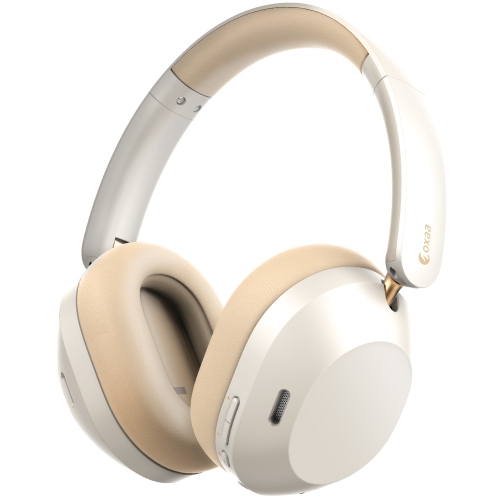
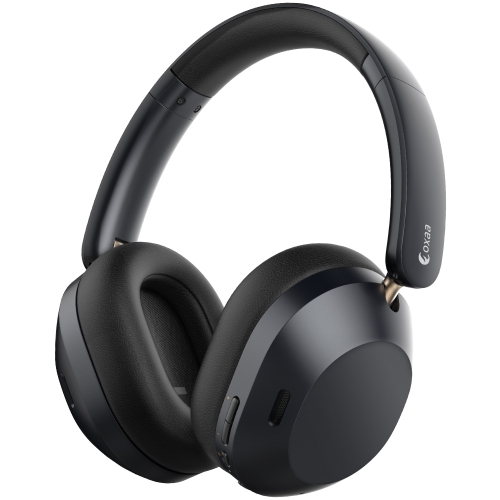
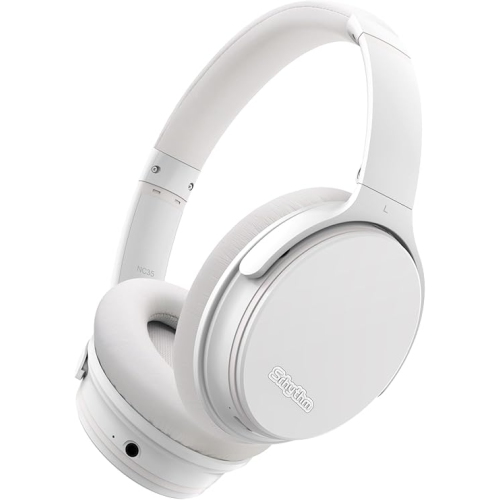
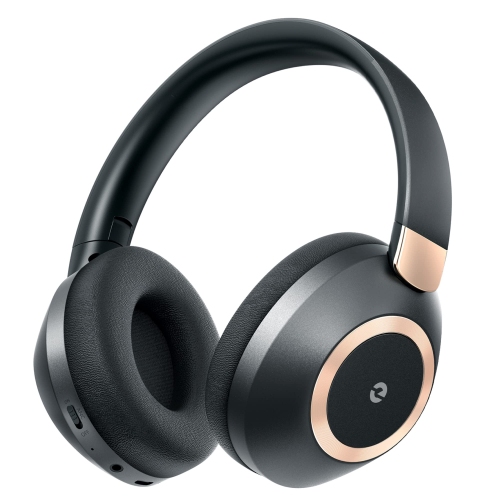
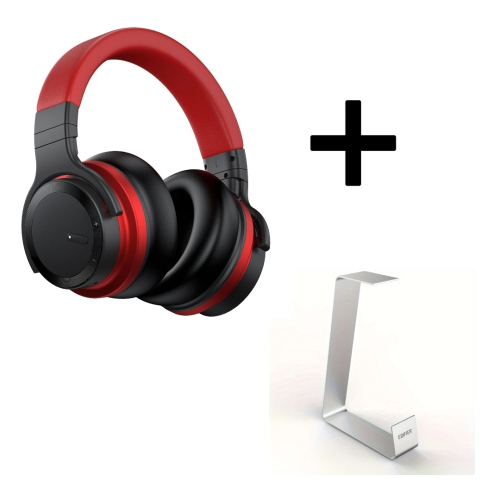

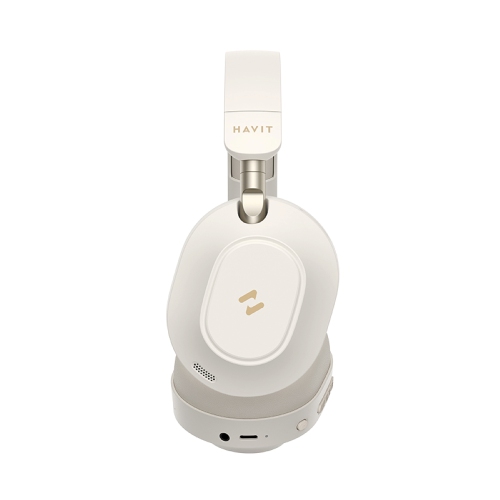
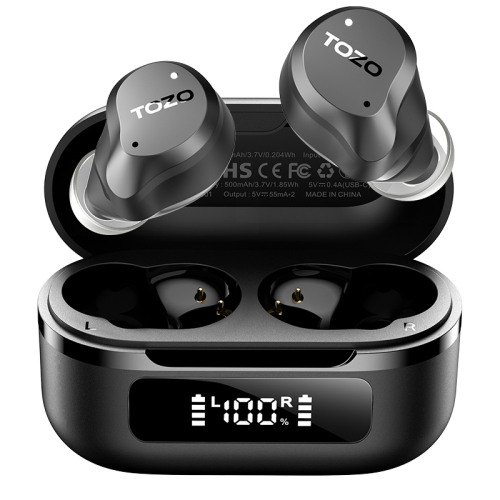

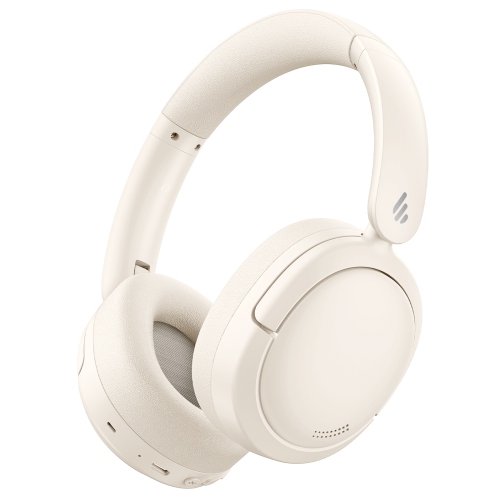
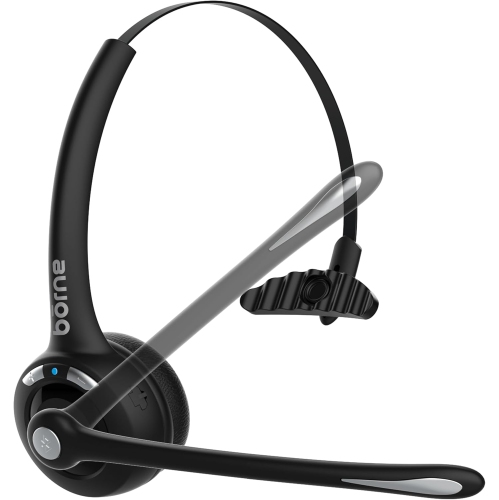
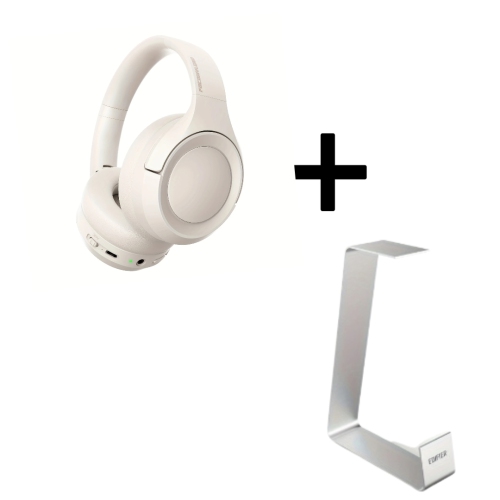
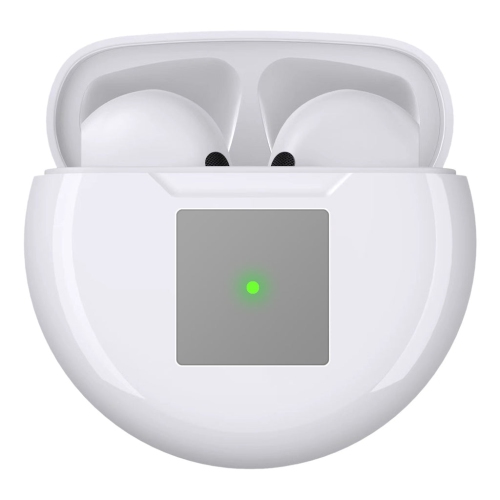
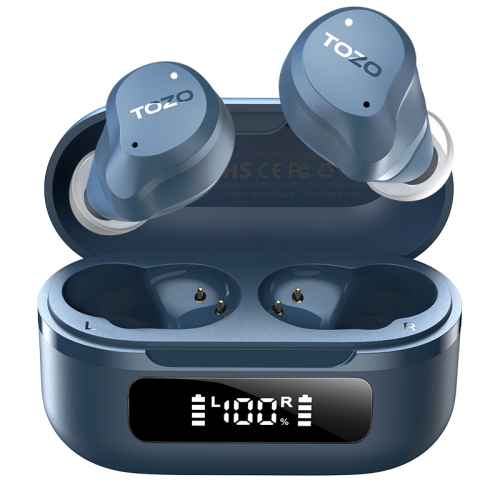
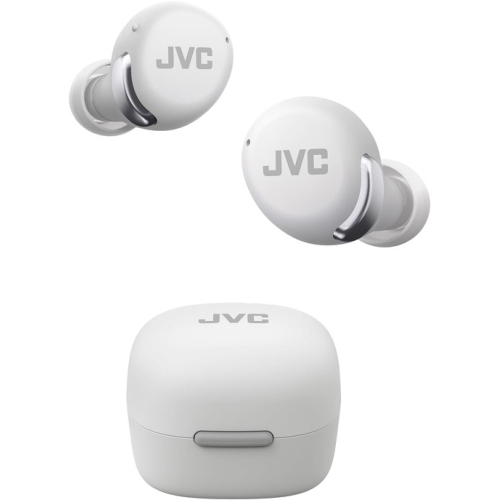
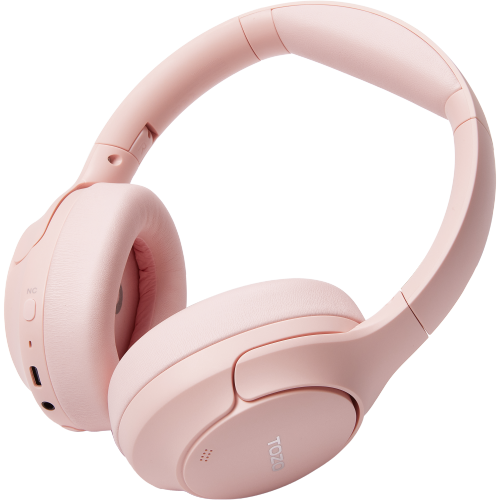
![THE VOICE : Audition Active Noise Cancelling Headphones [Electronics]](https://multimedia.bbycastatic.ca/multimedia/products/500x500/188/18884/18884558.jpeg)
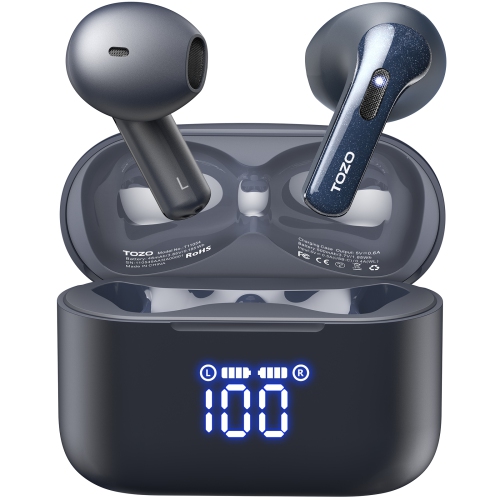
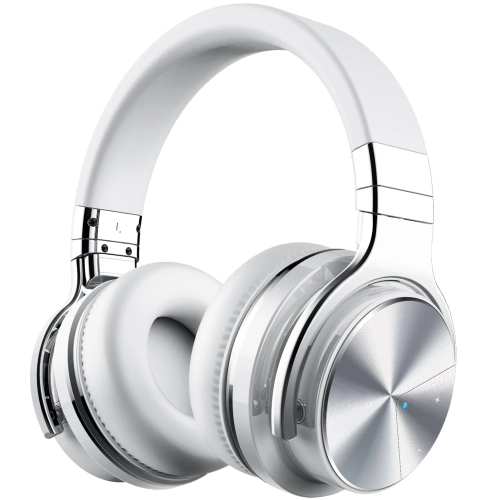
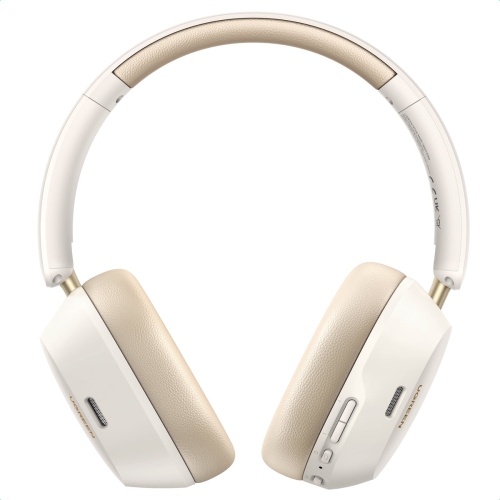
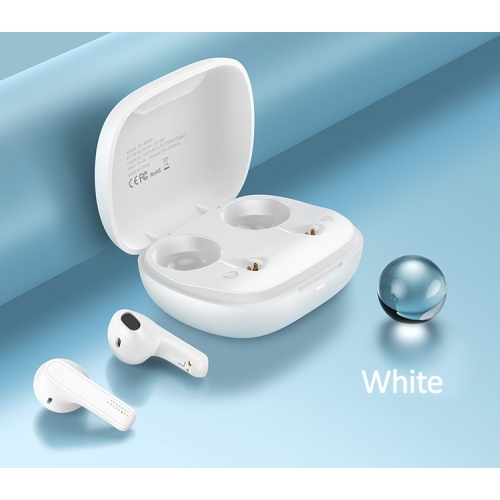
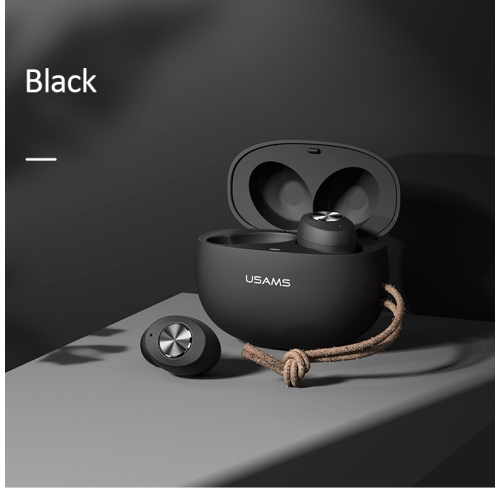
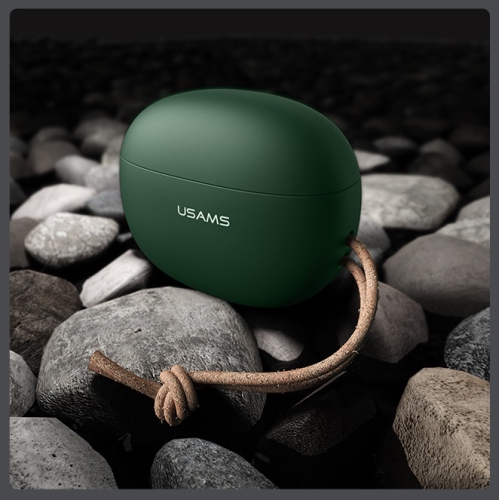
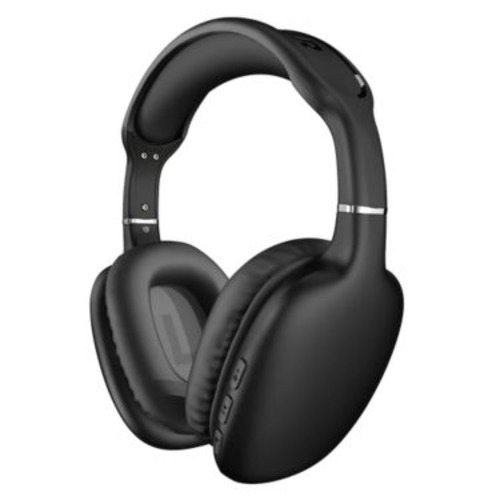
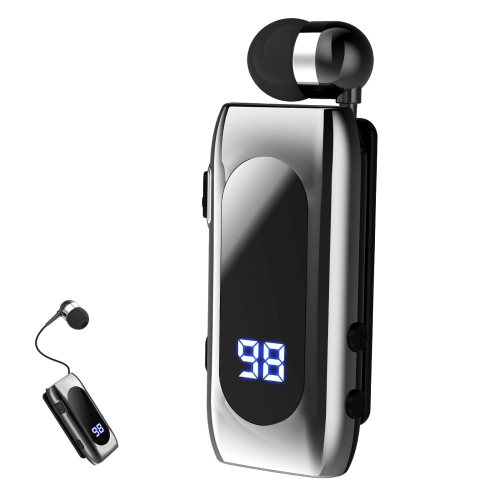
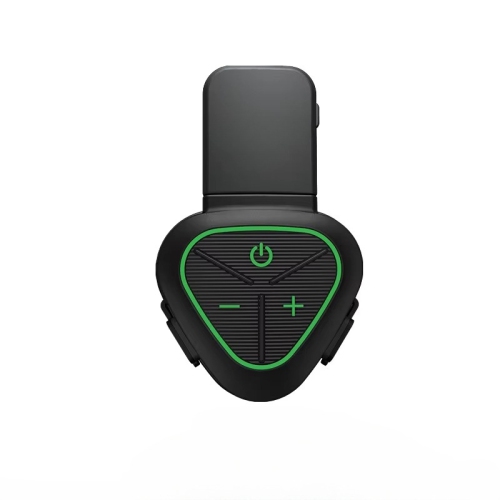
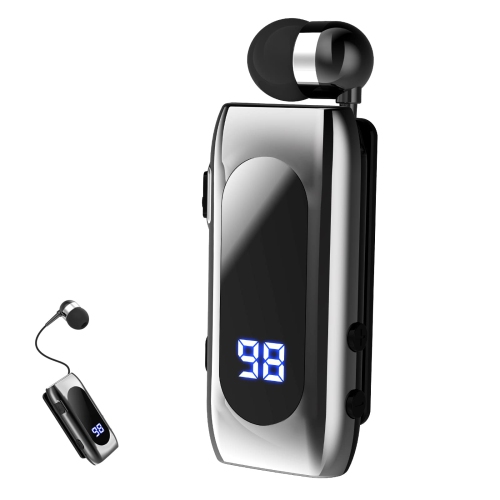
Why noise cancellation softens distractions rather than silencing everything
Noise cancelling headphones bring music, podcasts, and everyday listening into clearer focus by reducing some of the background sound that competes for attention. Active noise cancellation, often shortened to ANC, uses microphones to detect outside noise and processing to produce an opposing sound signal. It generally works best on steady, low-frequency sounds, such as the hum of a ventilation system or the rumble inside a bus. Conversations, sudden clatters, and other irregular sounds can still come through, so noise cancellation is better understood as a way to soften distractions than a promise of complete silence. Passive isolation contributes too: the earcups and cushions form a physical barrier that helps limit incoming sound, particularly at higher frequencies. Together, a comfortable seal and effective ANC can make an audiobook easier to follow on a commute or help keep a familiar playlist in the foreground during a busy afternoon. Over-ear designs surround the ears, while on-ear designs rest against them; the difference affects both comfort and how much outside sound reaches the listener. Sound quality remains a separate consideration from noise reduction. Clear vocals suit spoken-word recordings and video calls, while well-balanced bass can add weight to music without overwhelming instruments or dialogue. Where supported, an adjustable equalizer lets listeners tailor the sound to their preferences rather than relying on a single preset. A transparency or ambient sound mode uses the microphones to let outside sound through, which can be useful for hearing an announcement or speaking briefly with someone nearby. These modes vary in how natural they sound and how much they amplify surrounding noise. For commuting, studying, desk work, or relaxing at home, the most useful combination is one that matches the listening setting: enough noise reduction to ease distractions, a sound profile that stays enjoyable over time, and controls that are straightforward to reach. Noise cancelling headphones are not a substitute for certified hearing protection, and awareness of traffic and other hazards remains essential.
Comfort often determines whether headphones stay on for an entire film or end up beside the laptop after half an hour. Soft ear cushions, a padded headband, and a useful range of adjustment help distribute pressure across the head rather than concentrating it at the temples or crown. Memory foam can mould gently around the ears, while cushion coverings such as fabric or synthetic leather feel different against the skin. Fabric can feel more breathable, whereas smooth synthetic coverings are often easier to wipe clean; construction and care requirements vary. The size and depth of the earcup openings matter as much as the softness of the padding, especially for listeners whose ears touch the inner lining. Glasses can also change the fit, with frame arms affecting both the seal and pressure around the temples. A secure fit should hold during ordinary movement without pinching, and swivelling earcups can help the cushions sit evenly against the head. Lightweight plastic keeps weight manageable for longer sessions, while metal reinforcement in a headband or hinge may add strength at points that receive frequent stress. Neither material alone guarantees durability: hinge design, cable strain relief, and careful handling all play a part. Folding designs take up less room in a backpack, while earcups that rotate flat can sit neatly in a protective case. A case helps keep cushions from being crushed against books, chargers, or keys during travel. For daily care, a soft cloth can remove skin oils and dust; any damp cleaning should follow the manufacturer's directions, with moisture kept away from ports, microphones, and drivers. Allow cushions to dry fully before storing the headphones, and avoid leaving them loose where the headband can be bent or twisted. Replaceable ear pads, where supported, make it easier to refresh a worn fit. For exercise, an explicit sweat-resistance rating matters more than a sporty appearance, since headphones intended for commuting or desk use may not tolerate repeated exposure to perspiration.
Wireless features shape how smoothly noise cancelling headphones fit into a routine. Bluetooth removes the cable between the headphones and a compatible phone, tablet, or computer, while multipoint connectivity, when supported, allows connections to two devices at once. That can simplify moving from audio on a laptop to a call on a phone, although switching behaviour depends on the devices and headphones involved. Microphone performance deserves separate attention from ANC: reducing noise for the listener does not automatically mean the person at the other end of a call will hear a clear voice. Microphone placement and voice processing influence how well speech carries through keyboard tapping or nearby conversation. Physical buttons offer a tactile way to adjust volume or pause playback, while touch controls can keep the earcups uncluttered; ease of use depends on personal preference and the control layout. Battery figures are most meaningful when the listening mode is specified, because using ANC can shorten playback time compared with listening with it switched off. Volume, calls, and other enabled features can also affect results. Quick charging can be helpful before leaving for a commute, but the playback gained from a short charge varies by model. USB-C charging can simplify a charging setup, though a USB-C port does not necessarily support wired audio. A separate audio input may provide another listening option for compatible equipment, and some headphones still need battery power for ANC or other functions when connected by cable. App support can add sound adjustments, control settings, or firmware updates, with compatibility depending on the device and operating system. These details are useful for students moving between study spaces, commuters sharing busy transit routes, and people balancing focused work with calls. As a gift, headphones are a personal choice, with fit, familiar controls, and compatibility often more important than a long feature list. For another comparison, explore noise cancelling headphones under $300, keeping comfort, listening habits, and practical features at the centre of the choice.
Comfort often determines whether headphones stay on for an entire film or end up beside the laptop after half an hour. Soft ear cushions, a padded headband, and a useful range of adjustment help distribute pressure across the head rather than concentrating it at the temples or crown. Memory foam can mould gently around the ears, while cushion coverings such as fabric or synthetic leather feel different against the skin. Fabric can feel more breathable, whereas smooth synthetic coverings are often easier to wipe clean; construction and care requirements vary. The size and depth of the earcup openings matter as much as the softness of the padding, especially for listeners whose ears touch the inner lining. Glasses can also change the fit, with frame arms affecting both the seal and pressure around the temples. A secure fit should hold during ordinary movement without pinching, and swivelling earcups can help the cushions sit evenly against the head. Lightweight plastic keeps weight manageable for longer sessions, while metal reinforcement in a headband or hinge may add strength at points that receive frequent stress. Neither material alone guarantees durability: hinge design, cable strain relief, and careful handling all play a part. Folding designs take up less room in a backpack, while earcups that rotate flat can sit neatly in a protective case. A case helps keep cushions from being crushed against books, chargers, or keys during travel. For daily care, a soft cloth can remove skin oils and dust; any damp cleaning should follow the manufacturer's directions, with moisture kept away from ports, microphones, and drivers. Allow cushions to dry fully before storing the headphones, and avoid leaving them loose where the headband can be bent or twisted. Replaceable ear pads, where supported, make it easier to refresh a worn fit. For exercise, an explicit sweat-resistance rating matters more than a sporty appearance, since headphones intended for commuting or desk use may not tolerate repeated exposure to perspiration.
Wireless features shape how smoothly noise cancelling headphones fit into a routine. Bluetooth removes the cable between the headphones and a compatible phone, tablet, or computer, while multipoint connectivity, when supported, allows connections to two devices at once. That can simplify moving from audio on a laptop to a call on a phone, although switching behaviour depends on the devices and headphones involved. Microphone performance deserves separate attention from ANC: reducing noise for the listener does not automatically mean the person at the other end of a call will hear a clear voice. Microphone placement and voice processing influence how well speech carries through keyboard tapping or nearby conversation. Physical buttons offer a tactile way to adjust volume or pause playback, while touch controls can keep the earcups uncluttered; ease of use depends on personal preference and the control layout. Battery figures are most meaningful when the listening mode is specified, because using ANC can shorten playback time compared with listening with it switched off. Volume, calls, and other enabled features can also affect results. Quick charging can be helpful before leaving for a commute, but the playback gained from a short charge varies by model. USB-C charging can simplify a charging setup, though a USB-C port does not necessarily support wired audio. A separate audio input may provide another listening option for compatible equipment, and some headphones still need battery power for ANC or other functions when connected by cable. App support can add sound adjustments, control settings, or firmware updates, with compatibility depending on the device and operating system. These details are useful for students moving between study spaces, commuters sharing busy transit routes, and people balancing focused work with calls. As a gift, headphones are a personal choice, with fit, familiar controls, and compatibility often more important than a long feature list. For another comparison, explore noise cancelling headphones under $300, keeping comfort, listening habits, and practical features at the centre of the choice.
Top selling and popular products
-
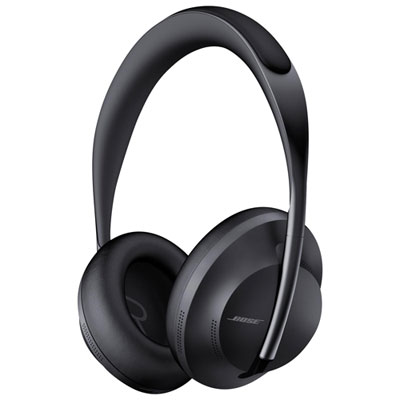 Your price for this item is $479.97
 -
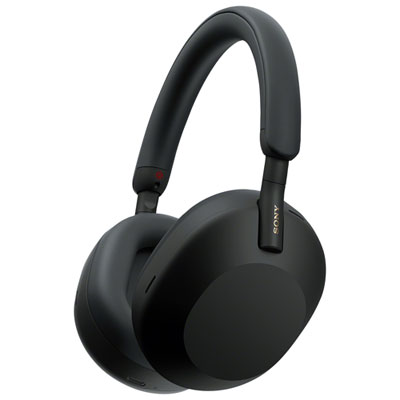 Your price for this item is $499.99
 -
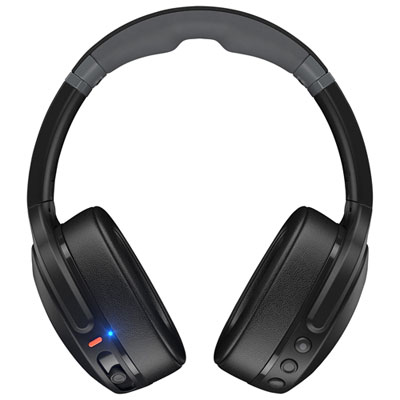 Your price for this item is $199.99
 -
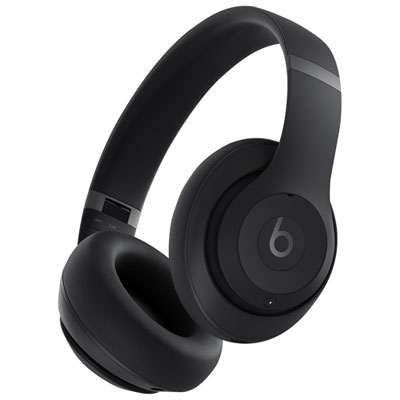 Your price for this item is $249.99
 -
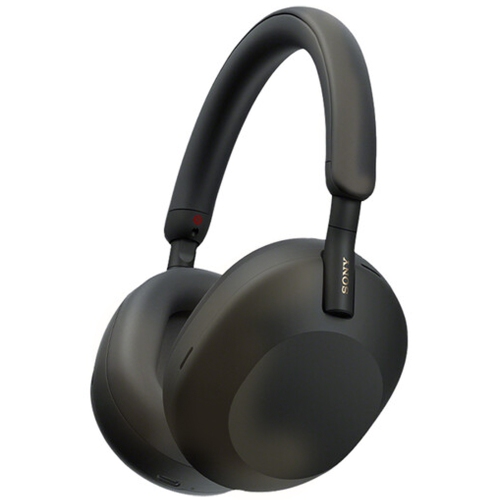 Your price for this item is $438
 -
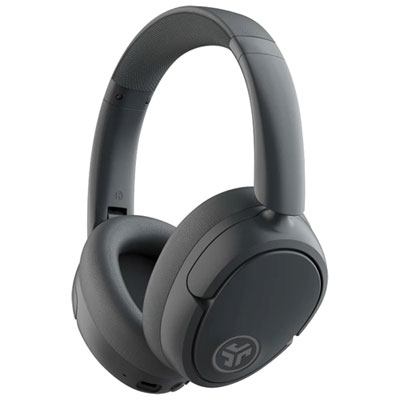 Your price for this item is $119.99
 -
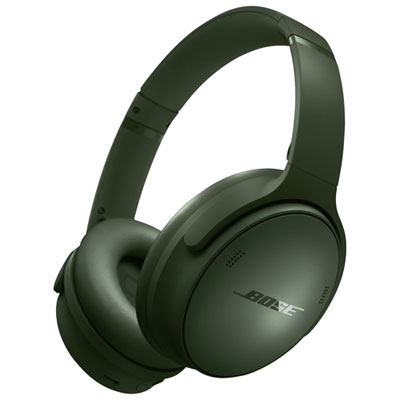 Your price for this item is $479.99
 -
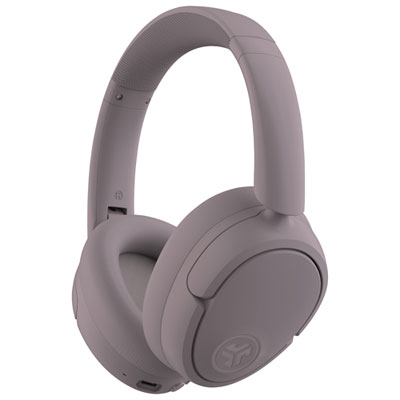 Your price for this item is $119.99
Discover more categories related to Noise Cancelling Headphones Under $150
Top Collections:
Pokemon Centers, Budget 4K TVs, Kindle Devices, Canon G7X Cameras, Apple iPhones 16, iPhone 15 Apple, Laptops for Business Work, Flip Phones, Xiaomi Phones, Refurbished Apple Laptops
Some products may be subject to Environmental Handling Fees
(EHF) depending on your province.
Learn more about EHFs.