RF Wireless Headphones
Experience the ultimate freedom while enjoying your favorite tunes with our selection of RF wireless headphones. Say goodbye to tangled cords and cumbersome wires as you immerse yourself in high-quality sound without limitations. Whether you're working out, commuting, or simply relaxing at home, these wireless headphones provide convenience and superior audio performance. Explore our range of RF wireless headphones to find the perfect pair that suits your lifestyle and elevates your listening experience.
Sort



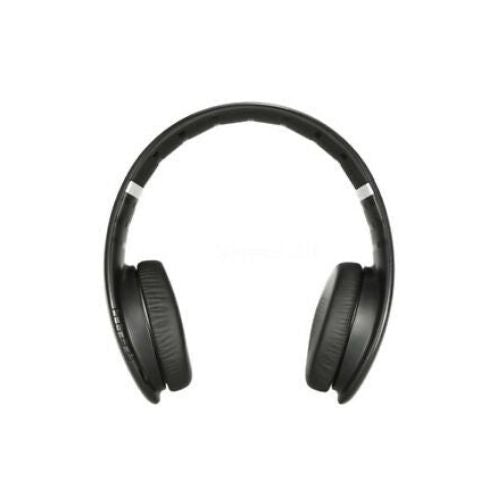
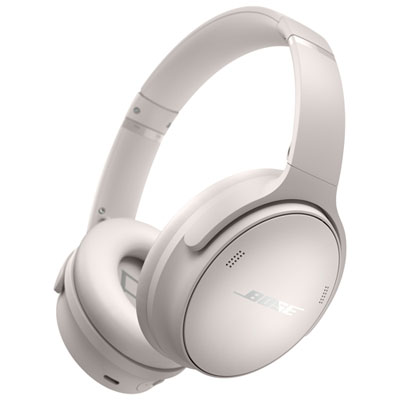
![HLD Wireless Bluetooth Headphones Over-Ear, [40H Playtime, Bluetooth 5.0] Foldable Stereo Wireless/wired Headphone Over Ear w Mic Deep Bass Headset](https://multimedia.bbycastatic.ca/multimedia/products/500x500/154/15462/15462444.jpeg)

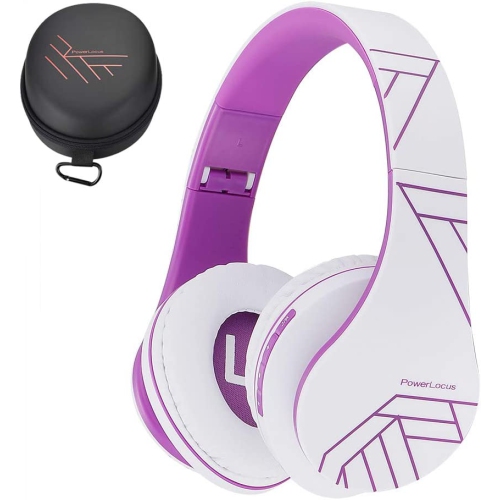

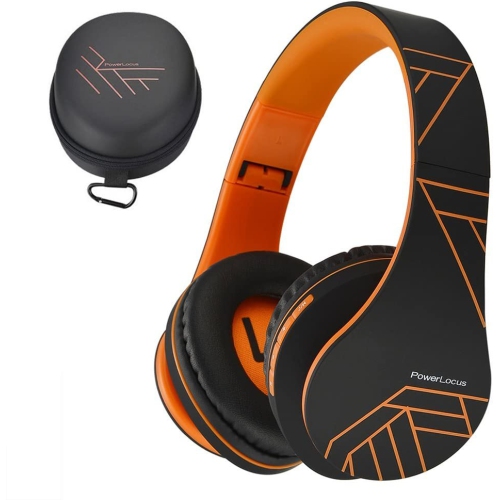
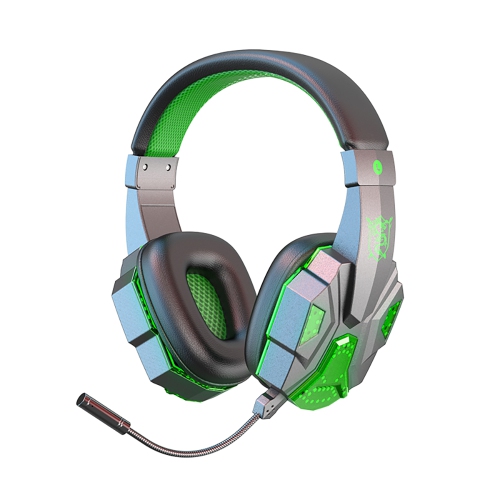
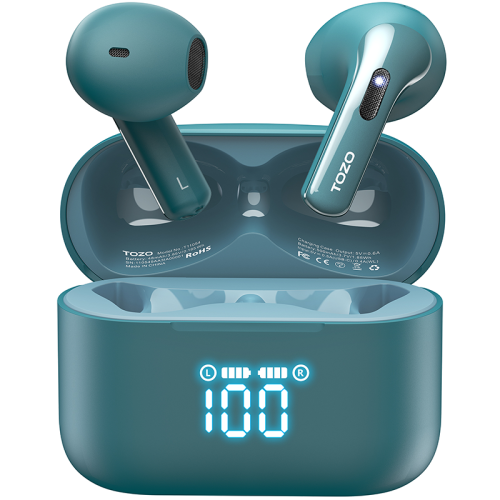
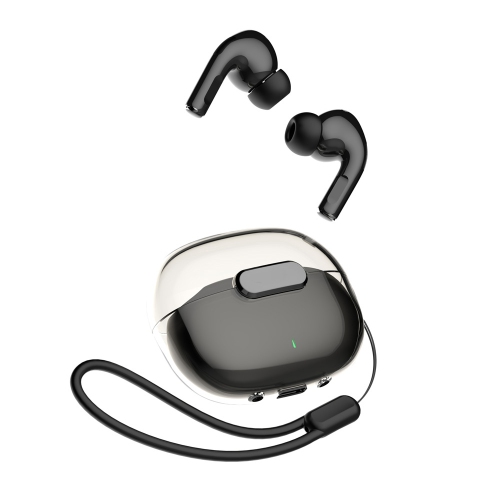
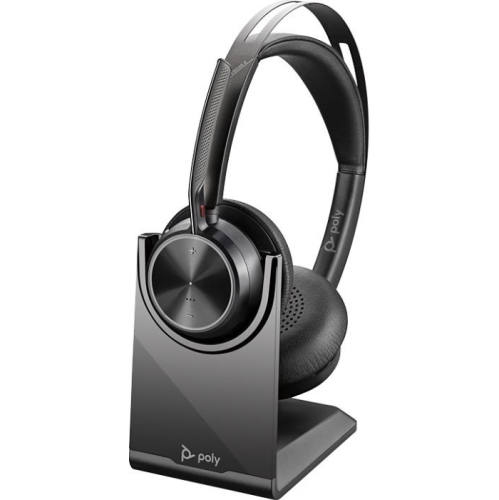
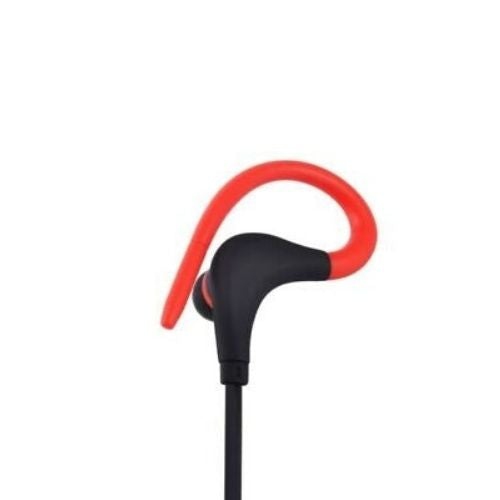
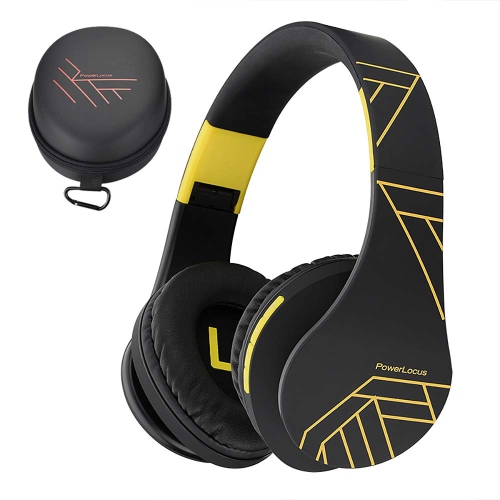
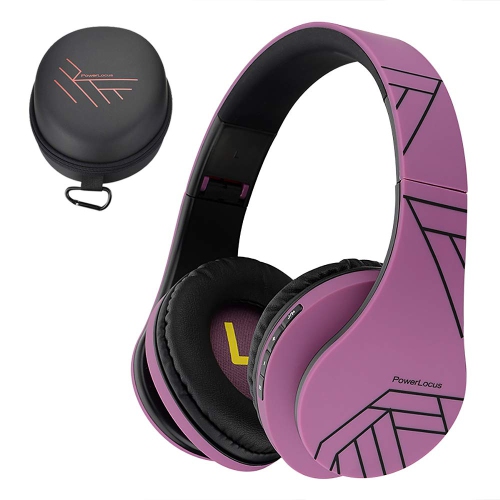
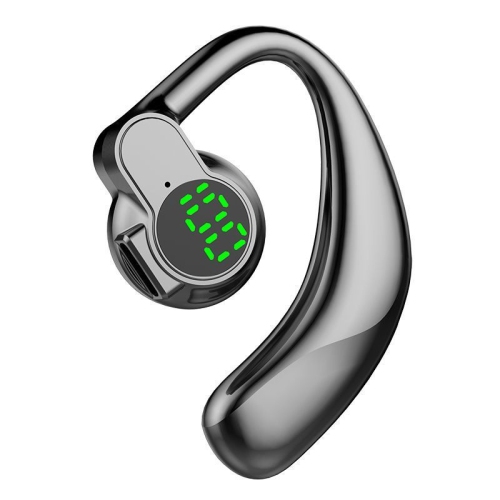
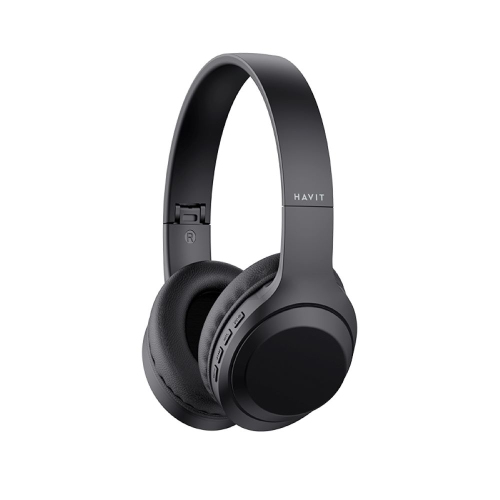
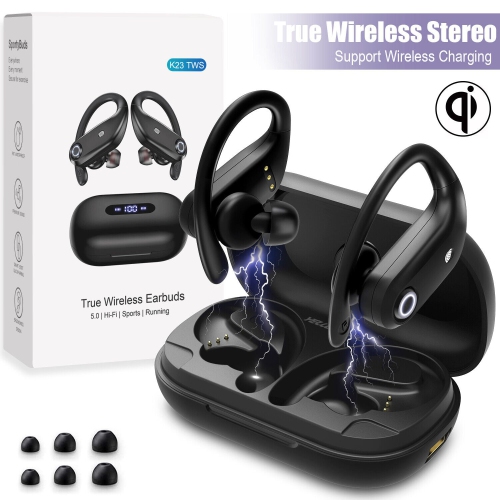
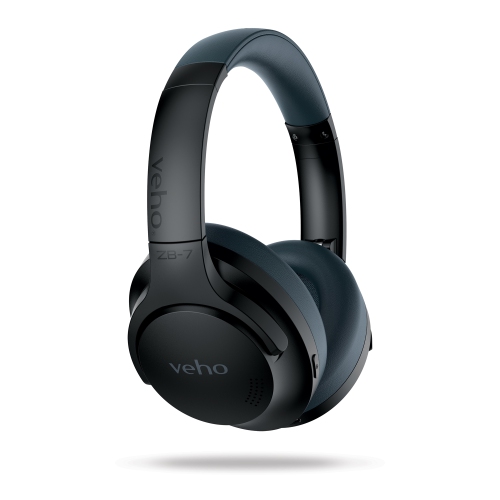
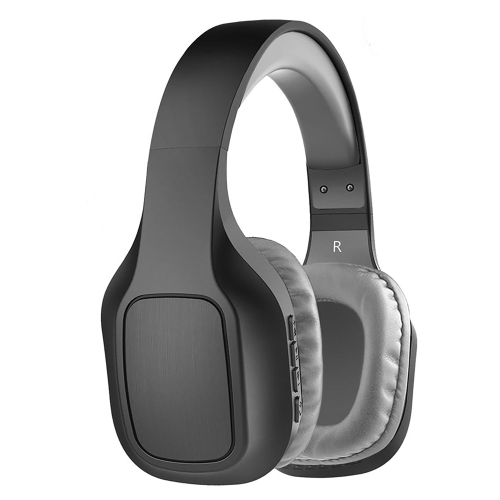
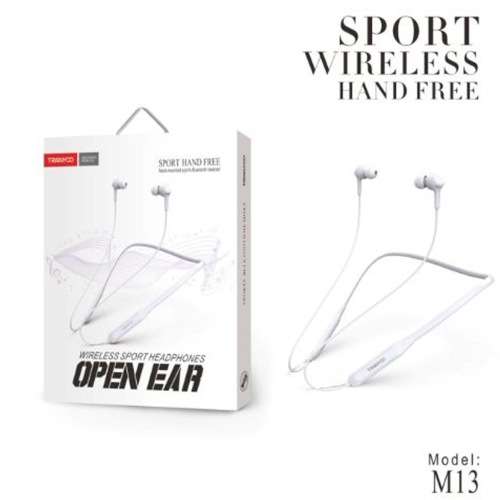
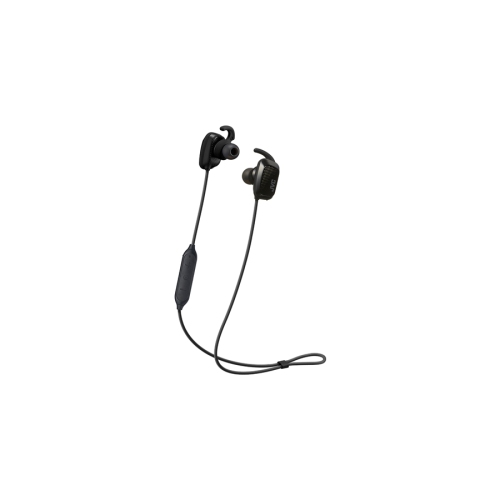
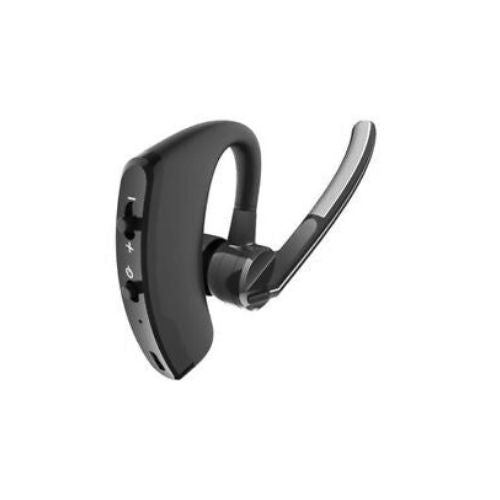

Private TV listening without a cable across the room
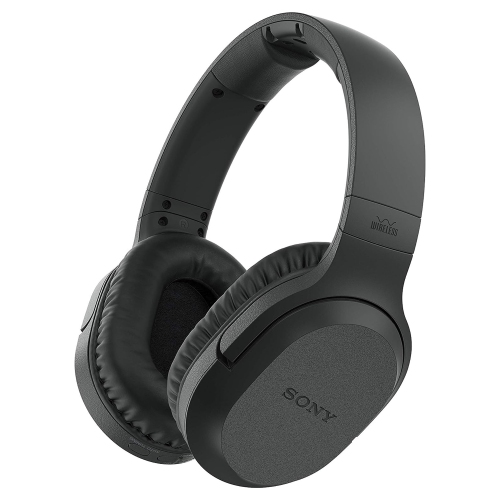
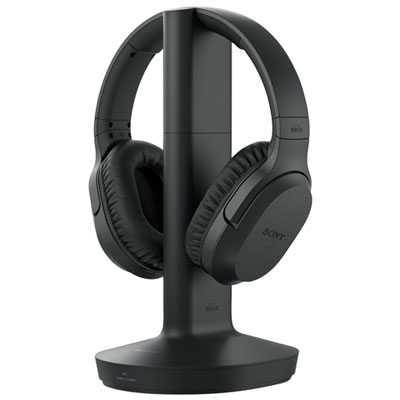
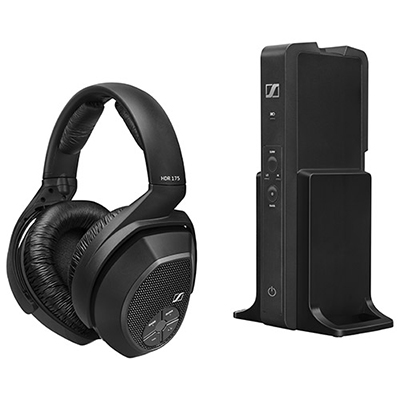
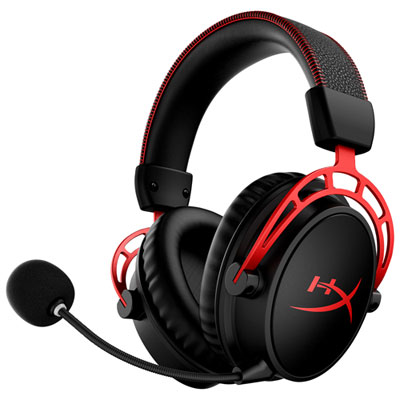
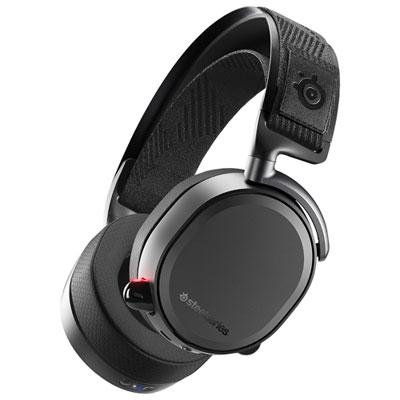
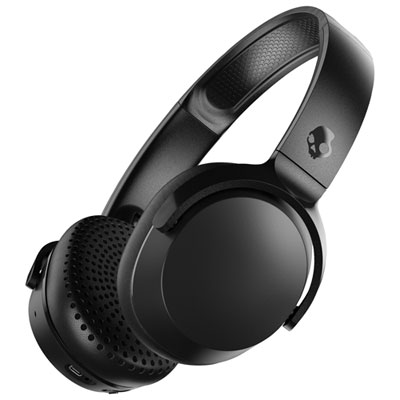
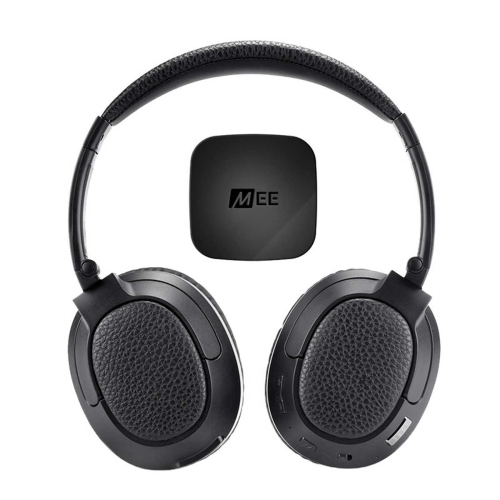
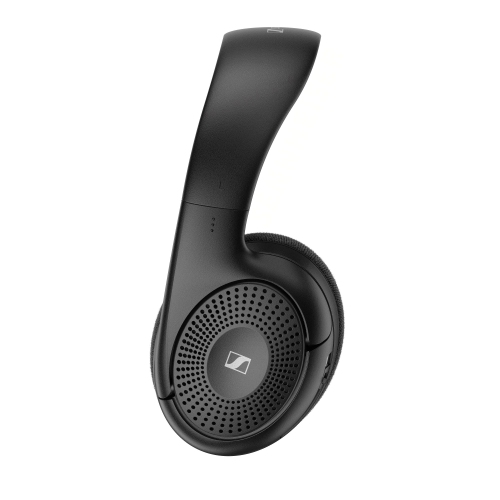
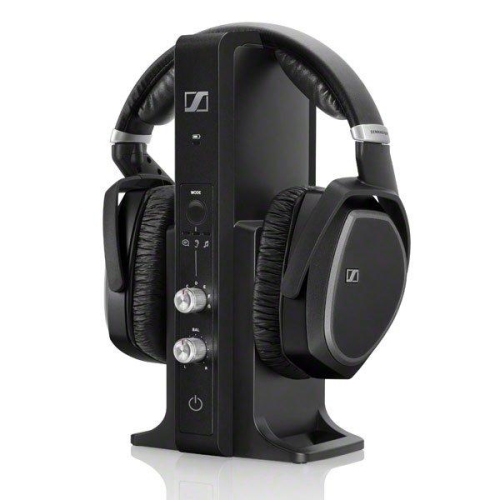
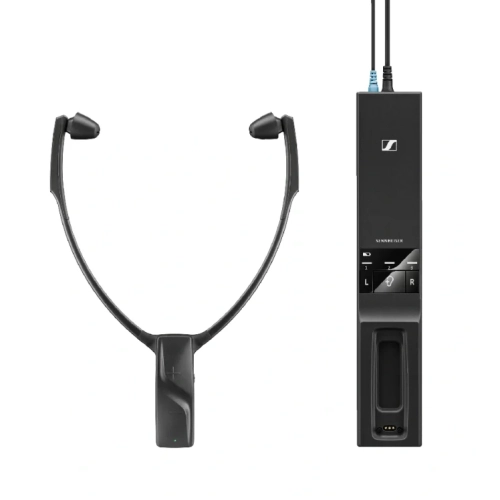
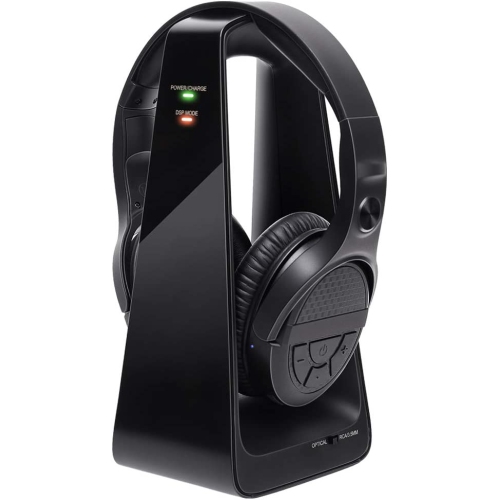
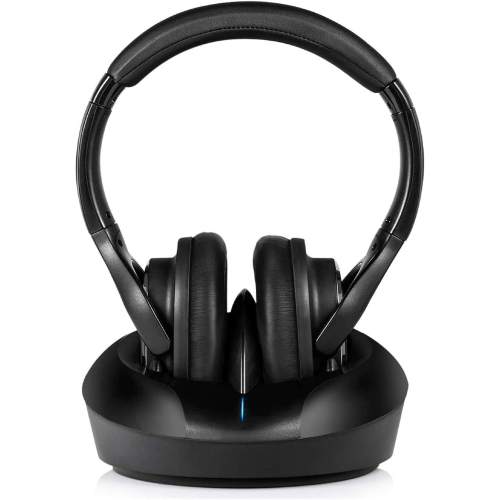
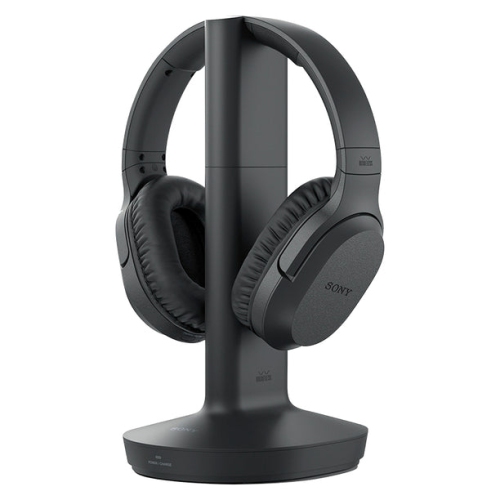
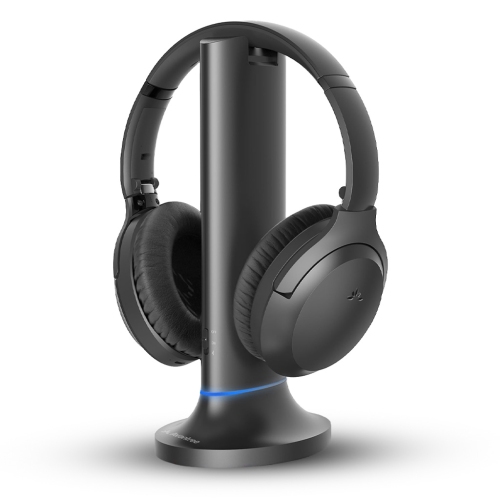
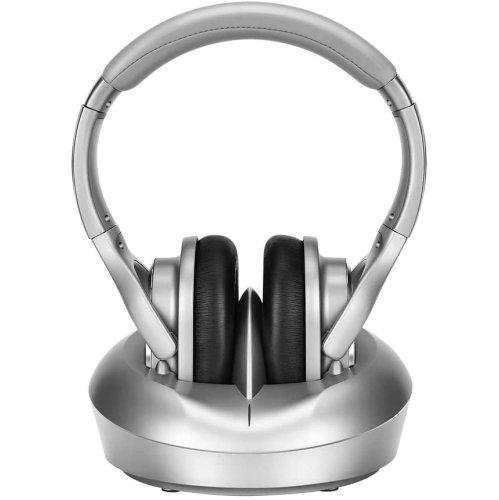
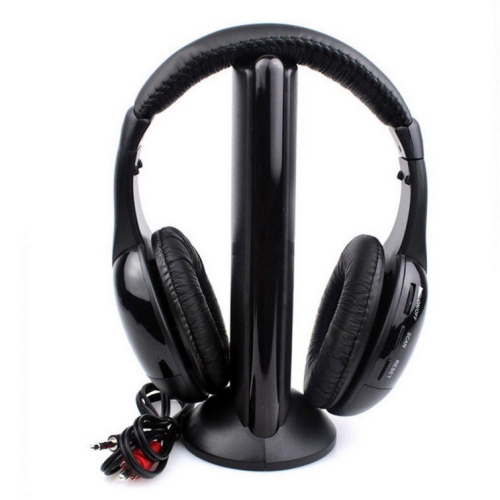
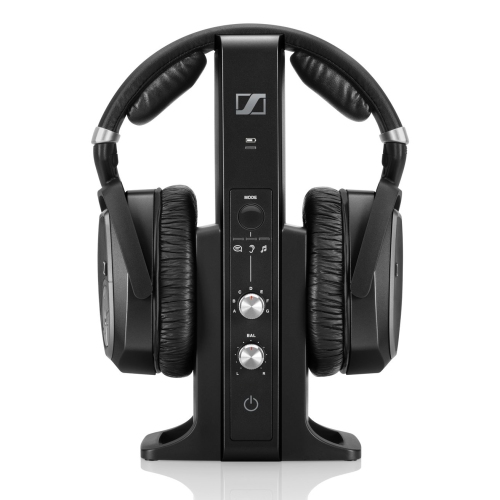
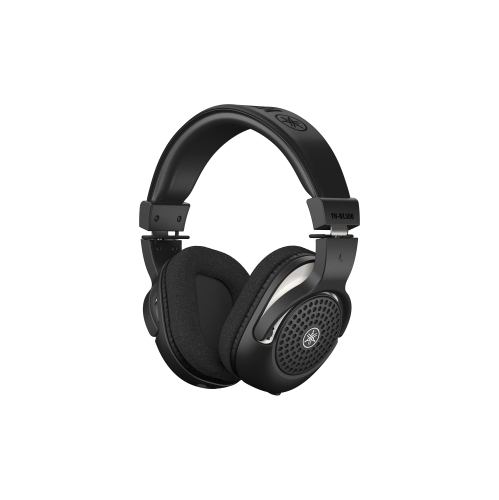
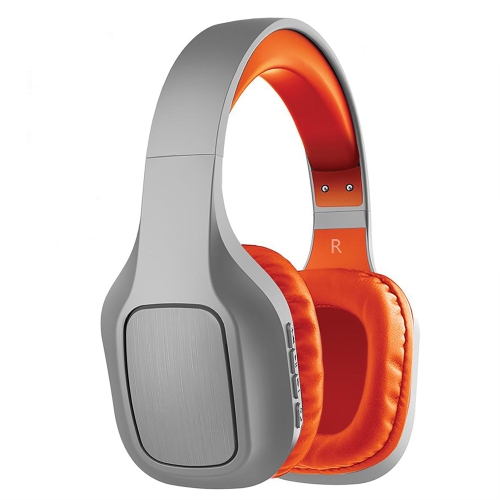
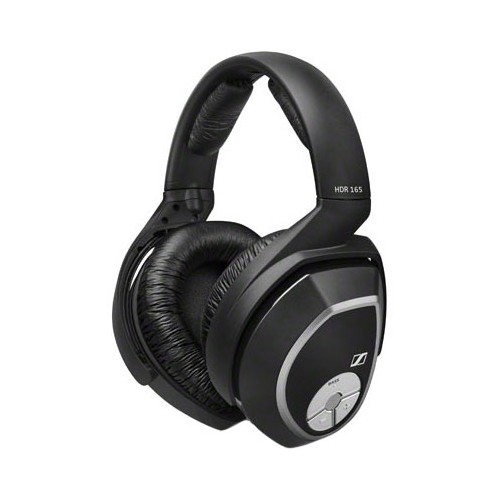
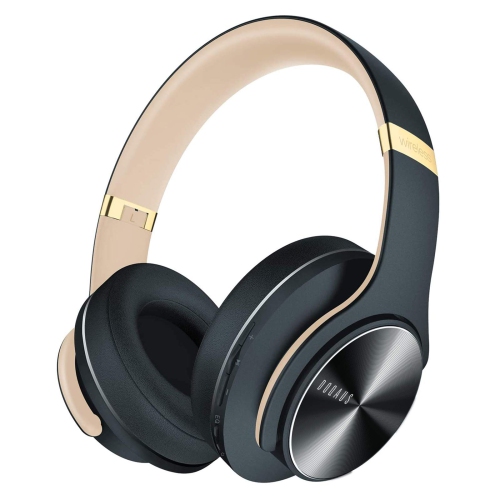
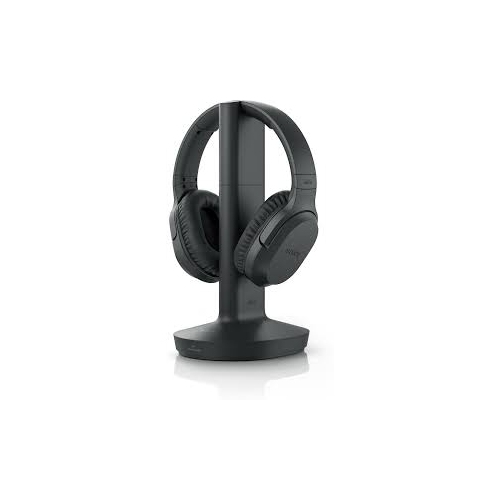
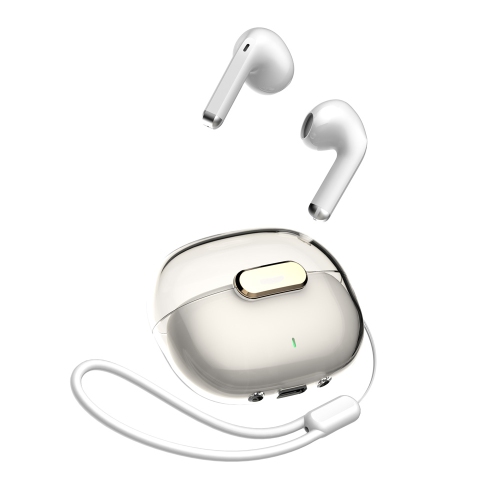
RF wireless headphones bring private listening to televisions, home theatre systems, and other compatible audio sources without a cable running from the screen to the listener. RF stands for radio frequency: a transmitter connected to the audio source sends sound by radio waves to a receiver built into the headphones. Although Bluetooth also uses radio waves, headphones sold as RF models typically work with a dedicated transmitter rather than pairing directly with a television or phone through Bluetooth. That distinction makes them particularly useful for a regular listening spot, such as an armchair across from the TV or a sofa shared with someone who prefers a quieter room. A late-night film, a live sports broadcast, or an afternoon of music can stay personal while others read, work, or rest nearby. Many RF headphone systems are designed for low audio delay, helping spoken words stay aligned with lip movements and keeping sound effects close to the action on screen. However, no wireless category guarantees completely delay-free playback; the television’s sound processing, connection type, and headphone design can all affect timing. Transmission range also depends on the system. Some models specify distances of around 30 to 45 metres under favourable conditions, but walls, floors, furniture, and nearby electronics can reduce the usable range inside a home. Radio signals can pass through some obstacles, so a clear line of sight is not always necessary, though moving between rooms may still cause interference or dropouts. For someone who wants to follow a conversation on TV while stepping into an adjoining kitchen, that extra freedom can be a meaningful benefit. RF wireless headphones for TV are generally best understood as a home listening system: their transmitter needs a suitable audio connection and power source, and the headphones usually cannot connect independently to a phone for listening away from home unless they also include another connection option.
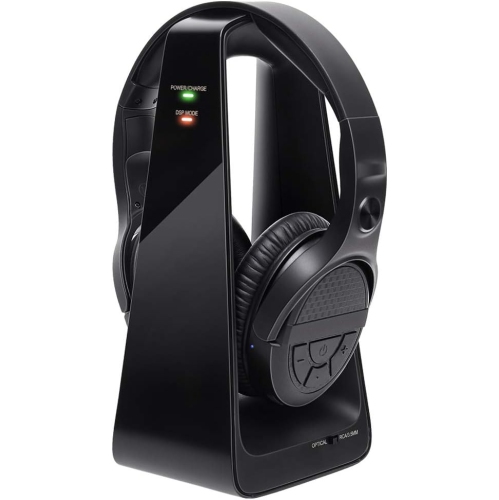
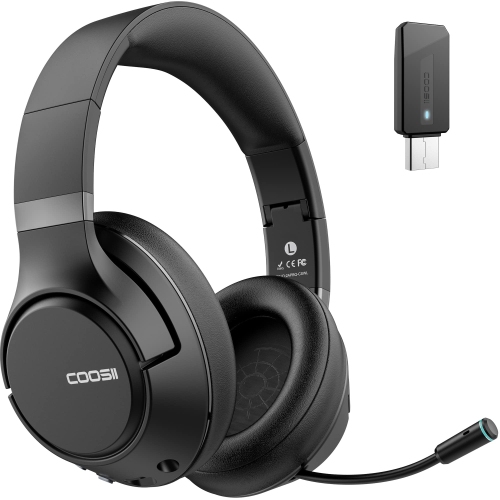
Connections and controls have a direct effect on how comfortably RF headphones fit into an existing setup. A transmitter may accept optical digital audio, a 3.5 mm headphone connection, or RCA audio, but those inputs vary, and the television must have a matching output or a compatible conversion solution. An optical connection can be useful when the TV lacks a headphone socket, while an analogue headphone output may offer a straightforward connection on older equipment. Optical transmitters often require the television’s digital audio output to be set to stereo PCM rather than a surround-sound format, so supported audio formats matter as much as the shape of the socket. A USB port on a transmitter may supply power only; its presence does not necessarily mean it can receive sound from a computer or television. Shared viewing deserves attention, too. Some televisions mute their built-in speakers when headphones are connected, while others allow speakers and an external audio output to work together. Independent headphone volume is especially helpful when two people prefer different listening levels, provided the television and connection support that arrangement. On-headphone controls let the listener adjust sound without reaching for the TV remote, and tactile buttons can be easier to find by touch than small, closely spaced controls. Dialogue-focused sound modes may make voices more prominent, although they are not a substitute for hearing care or a guarantee that every soundtrack will sound clearer. Households with two private listeners may benefit from a transmitter that supports multiple compatible headsets; separate RF headphones are not automatically interchangeable, even when their stated frequencies seem similar. Gaming use brings another distinction: receiving game audio does not necessarily include sending microphone audio back to a console or computer. For shoppers comparing home entertainment listening with desk-based audio setups, Studio Wireless Headphones offer a related category to explore, with connection options, microphone support, and audio delay worth assessing against the intended use rather than assuming that all wireless designs serve the same purpose.
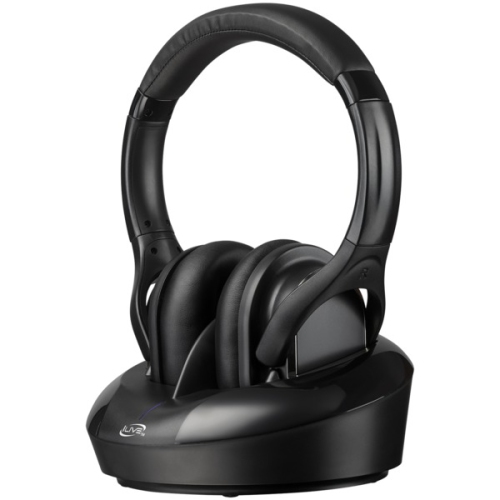
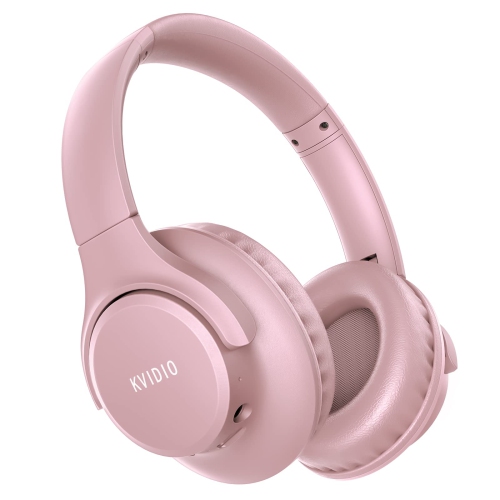
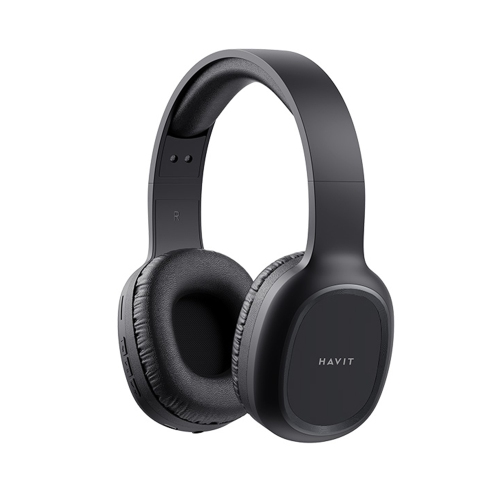
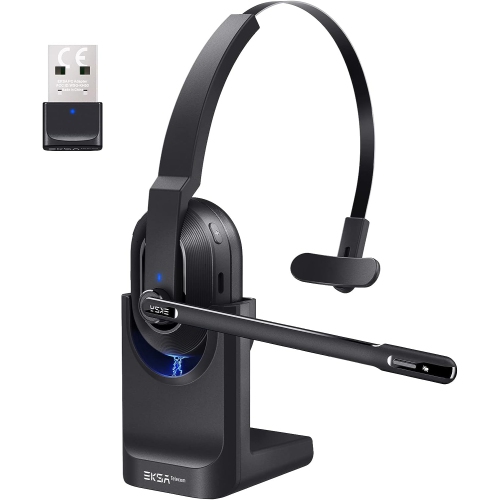
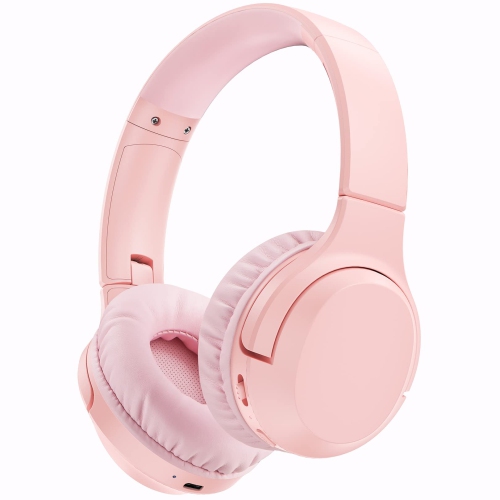
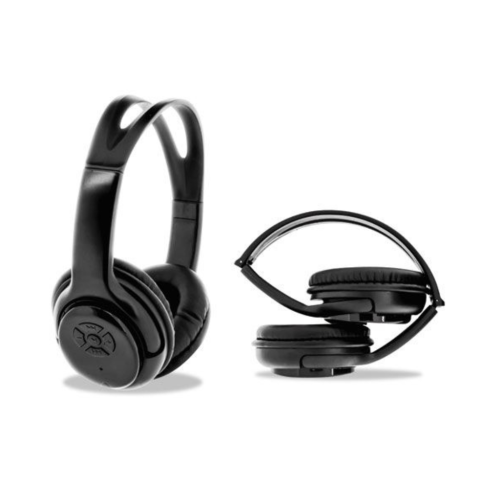
Comfort becomes more noticeable over a full film than during a brief try-on, making fit and construction important parts of choosing RF wireless headphones. Over-ear earcups surround the ears, while on-ear designs rest against them; either style can feel different depending on head size, ear shape, and the pressure of the headband. An adjustable headband, swivelling earcups, and cushioning that distributes weight can help the headphones settle securely without requiring frequent repositioning. Glasses wearers may notice pressure where the ear pads meet the arms of their frames, particularly during longer sessions. Soft fabric coverings can feel different against the skin than leatherette, while denser cushioning and a closer earcup seal can change both comfort and the amount of outside sound heard. Closed-back designs generally limit sound leakage more than open designs, but they do not make listening completely inaudible to someone sitting nearby. Passive isolation from an earcup seal is also different from active noise cancellation, which should not be assumed unless it is specified. Battery life needs to suit the routine: a short daily news programme places different demands on a headset than several consecutive films. Stated playback times depend on testing conditions, listening volume, battery age, and enabled features. A charging cradle can provide a convenient place to store the headphones between sessions, while other designs use a charging cable or user-replaceable batteries. Secure docking and visible charging indicators help prevent the frustration of picking up an uncharged headset. For care, a soft cloth and cleaning methods approved for the ear-pad material help remove skin oils without soaking cushions or letting moisture reach the electronics. Replaceable ear pads and batteries, where supported, can extend practical service life, while sound hinges and a stable stand help withstand repeated handling. As a gift for a film enthusiast, a music listener, or someone sharing a busy household, RF wireless headphones are most useful when their fit, controls, and transmitter connections suit the recipient’s everyday routine. Comfortable listening at a moderate volume, with regular breaks, supports longer enjoyment without relying on excessive loudness.
Connections and controls have a direct effect on how comfortably RF headphones fit into an existing setup. A transmitter may accept optical digital audio, a 3.5 mm headphone connection, or RCA audio, but those inputs vary, and the television must have a matching output or a compatible conversion solution. An optical connection can be useful when the TV lacks a headphone socket, while an analogue headphone output may offer a straightforward connection on older equipment. Optical transmitters often require the television’s digital audio output to be set to stereo PCM rather than a surround-sound format, so supported audio formats matter as much as the shape of the socket. A USB port on a transmitter may supply power only; its presence does not necessarily mean it can receive sound from a computer or television. Shared viewing deserves attention, too. Some televisions mute their built-in speakers when headphones are connected, while others allow speakers and an external audio output to work together. Independent headphone volume is especially helpful when two people prefer different listening levels, provided the television and connection support that arrangement. On-headphone controls let the listener adjust sound without reaching for the TV remote, and tactile buttons can be easier to find by touch than small, closely spaced controls. Dialogue-focused sound modes may make voices more prominent, although they are not a substitute for hearing care or a guarantee that every soundtrack will sound clearer. Households with two private listeners may benefit from a transmitter that supports multiple compatible headsets; separate RF headphones are not automatically interchangeable, even when their stated frequencies seem similar. Gaming use brings another distinction: receiving game audio does not necessarily include sending microphone audio back to a console or computer. For shoppers comparing home entertainment listening with desk-based audio setups, Studio Wireless Headphones offer a related category to explore, with connection options, microphone support, and audio delay worth assessing against the intended use rather than assuming that all wireless designs serve the same purpose.
Comfort becomes more noticeable over a full film than during a brief try-on, making fit and construction important parts of choosing RF wireless headphones. Over-ear earcups surround the ears, while on-ear designs rest against them; either style can feel different depending on head size, ear shape, and the pressure of the headband. An adjustable headband, swivelling earcups, and cushioning that distributes weight can help the headphones settle securely without requiring frequent repositioning. Glasses wearers may notice pressure where the ear pads meet the arms of their frames, particularly during longer sessions. Soft fabric coverings can feel different against the skin than leatherette, while denser cushioning and a closer earcup seal can change both comfort and the amount of outside sound heard. Closed-back designs generally limit sound leakage more than open designs, but they do not make listening completely inaudible to someone sitting nearby. Passive isolation from an earcup seal is also different from active noise cancellation, which should not be assumed unless it is specified. Battery life needs to suit the routine: a short daily news programme places different demands on a headset than several consecutive films. Stated playback times depend on testing conditions, listening volume, battery age, and enabled features. A charging cradle can provide a convenient place to store the headphones between sessions, while other designs use a charging cable or user-replaceable batteries. Secure docking and visible charging indicators help prevent the frustration of picking up an uncharged headset. For care, a soft cloth and cleaning methods approved for the ear-pad material help remove skin oils without soaking cushions or letting moisture reach the electronics. Replaceable ear pads and batteries, where supported, can extend practical service life, while sound hinges and a stable stand help withstand repeated handling. As a gift for a film enthusiast, a music listener, or someone sharing a busy household, RF wireless headphones are most useful when their fit, controls, and transmitter connections suit the recipient’s everyday routine. Comfortable listening at a moderate volume, with regular breaks, supports longer enjoyment without relying on excessive loudness.
Top selling and popular products
-
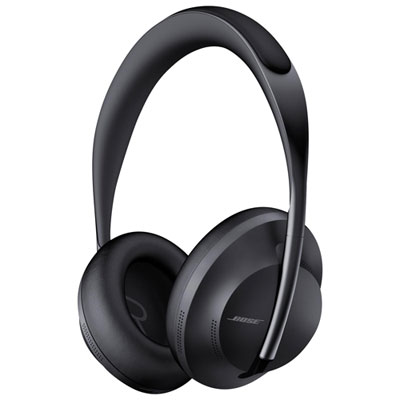 Your price for this item is $479.97
 -
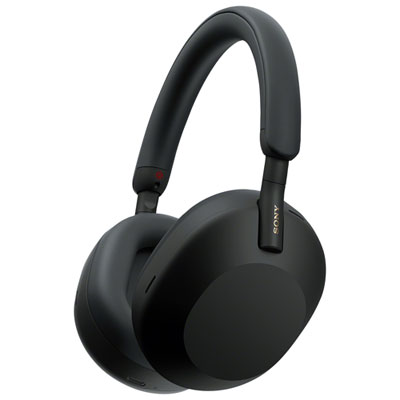 Your price for this item is $348
 -
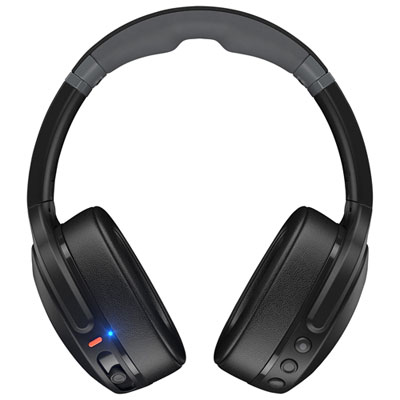 Your price for this item is $199.99
 -
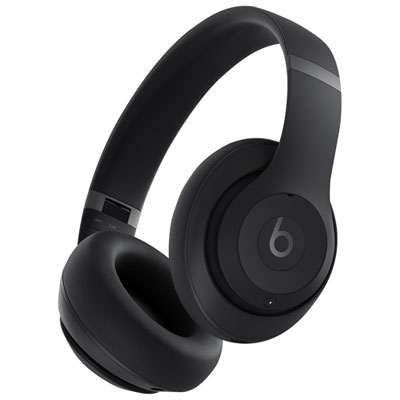 Your price for this item is $229.99
 -
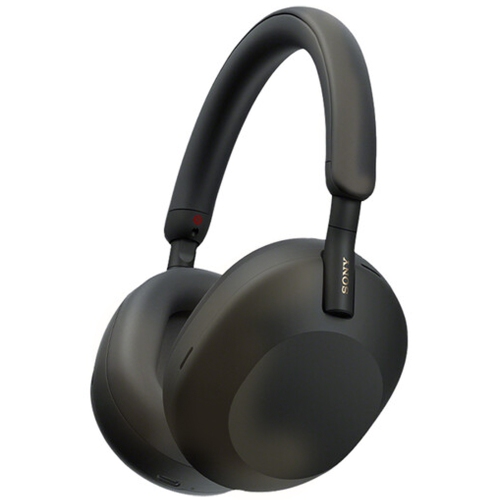 Your price for this item is $438
 -
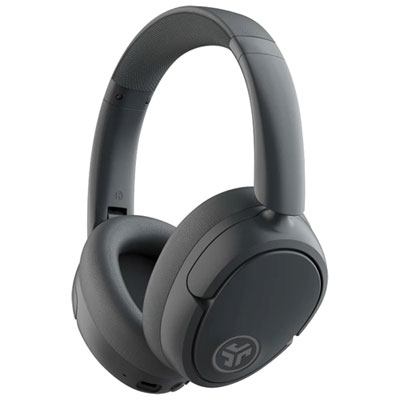 Your price for this item is $79.99
 -
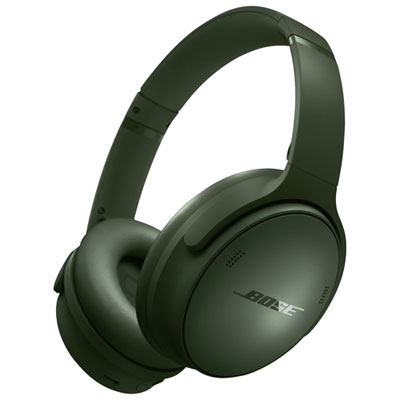 Your price for this item is $479.99
 -
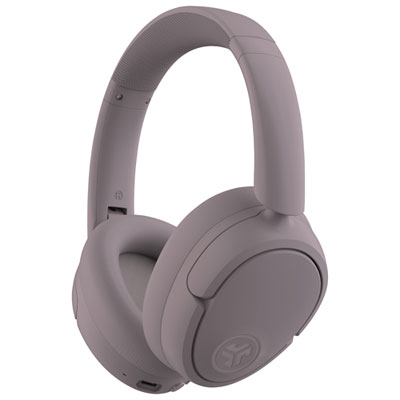 Your price for this item is $79.99
Discover more categories related to RF Wireless Headphones
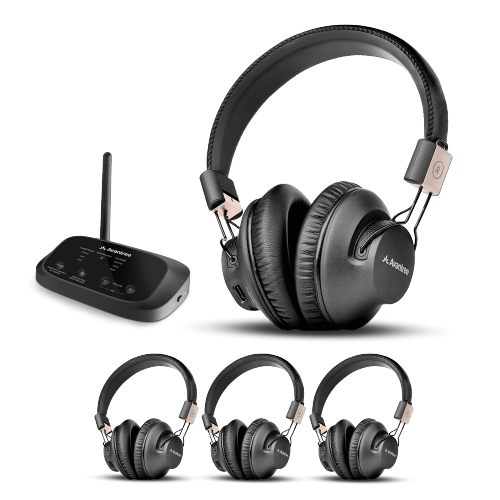
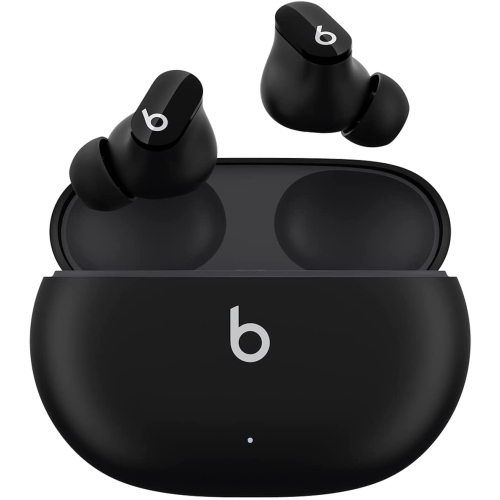
Top Collections:
Pokemon Centers, Kindle Devices, Best Budget Office Chairs, Apple iPhones 16, Canon G7X Cameras, iPhone 15 Apple, Alarm Clock, Refurbished Apple Laptops, Flip Phones, Best Laptops for Writers
Some products may be subject to Environmental Handling Fees
(EHF) depending on your province.
Learn more about EHFs.