Sony Bass Hedphones
Experience the ultimate sound quality with our range of bass headphones from Sony. Whether you're a music lover, or gamer, or simply enjoy immersive audio experiences, our selection of bass headphones is designed to elevate your listening pleasure. Immerse yourself in deep, rich tones and powerful beats that will make you feel like you're right in the heart of the action. With cutting-edge technology and superior craftsmanship, our bass headphones deliver an unparalleled audio experience that will leave you craving for more. Get ready to feel the rhythm and unleash your inner music enthusiast with our incredible range of bass headphones.
Sort
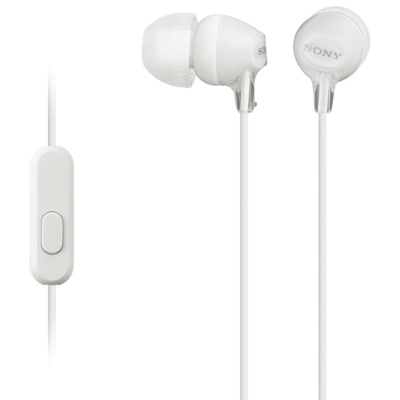
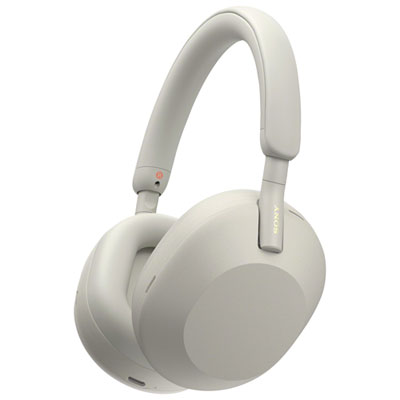
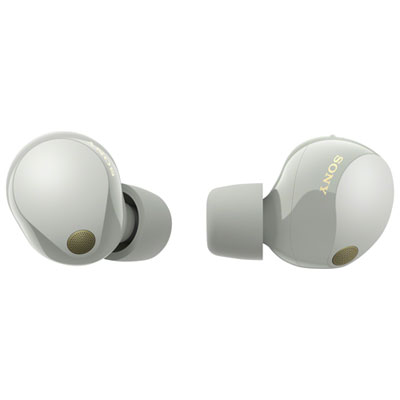
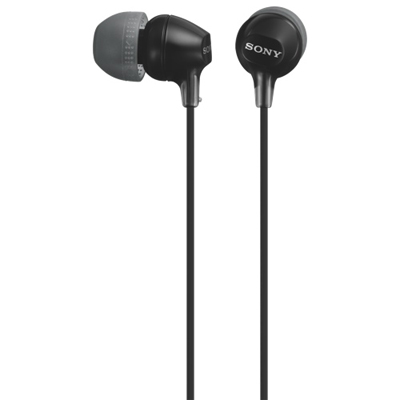
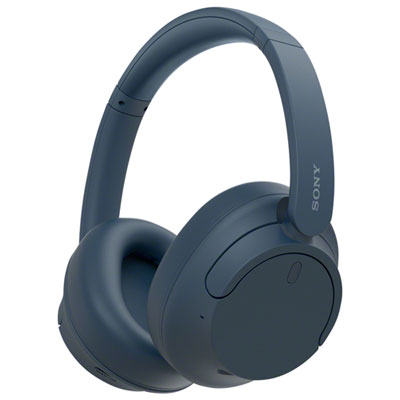
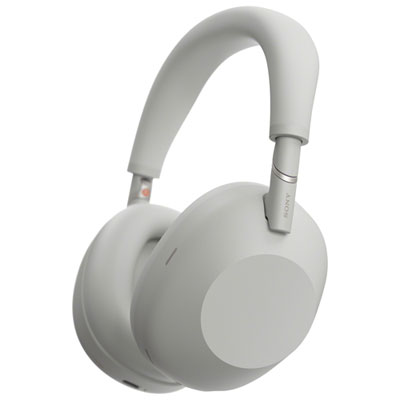
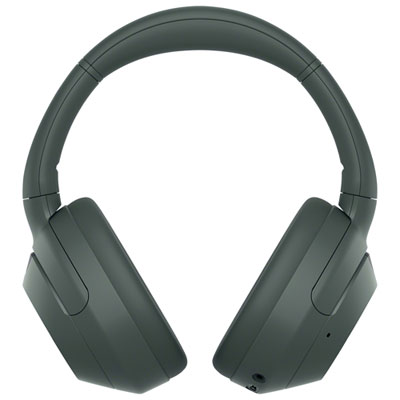
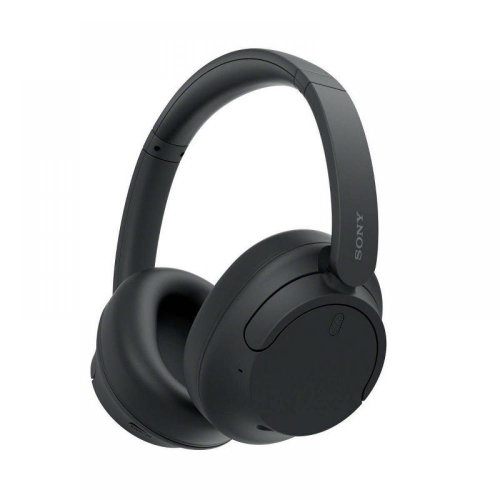
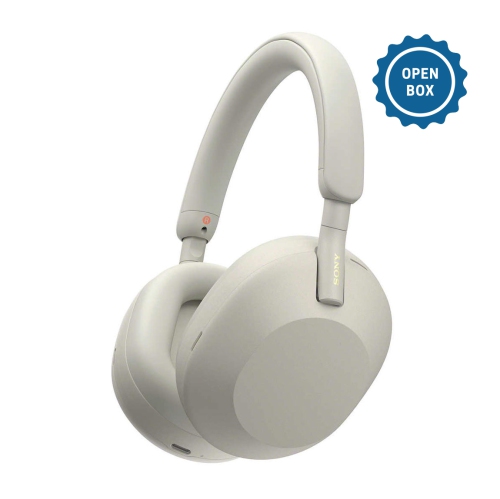
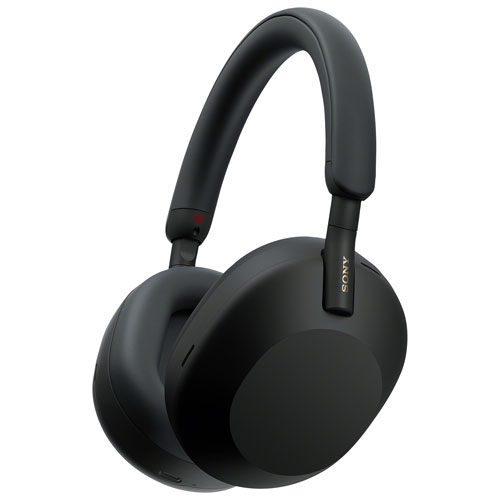
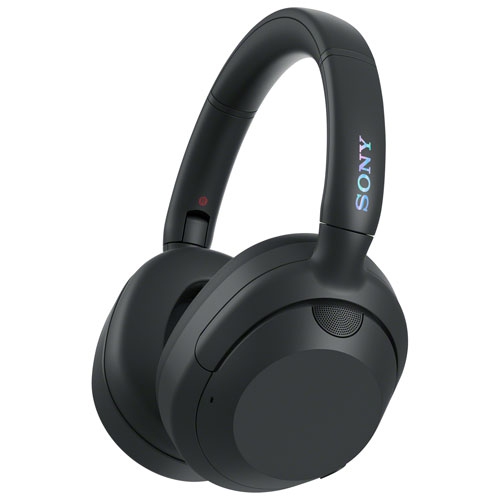
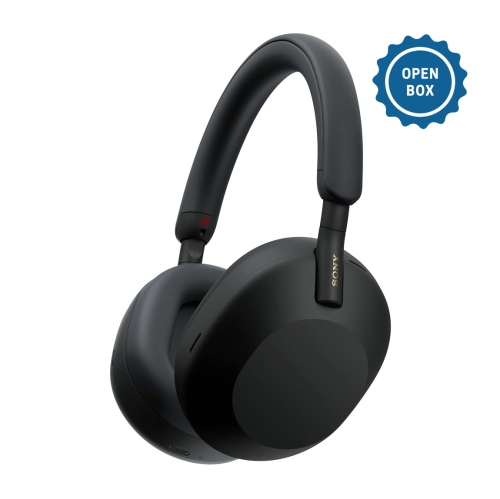
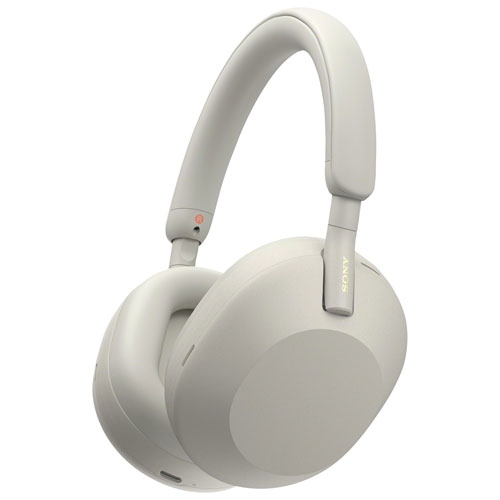
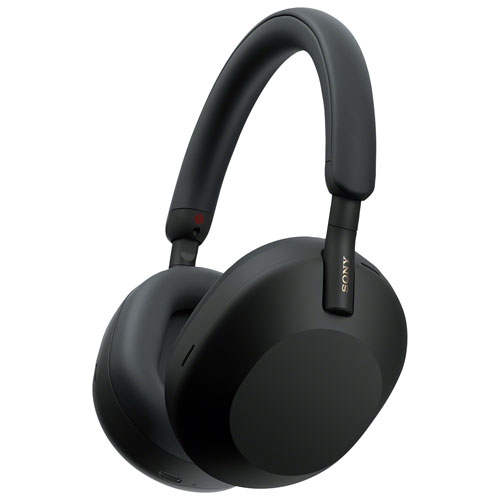
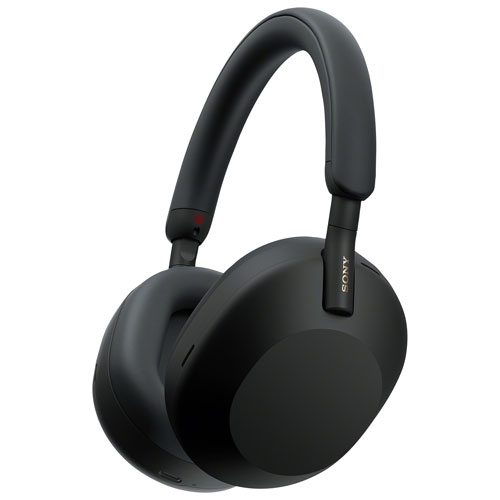
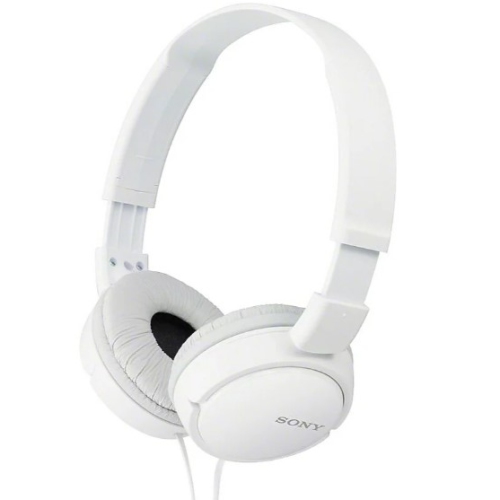
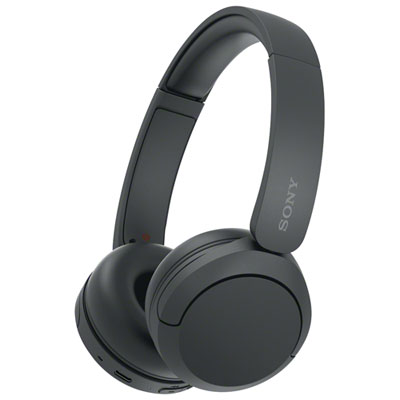
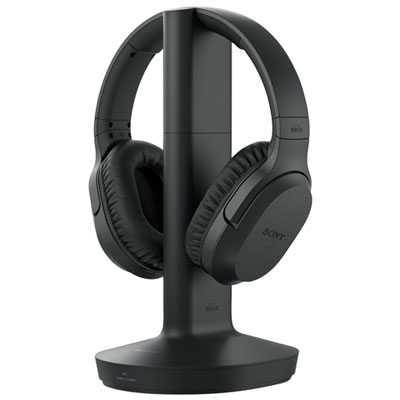
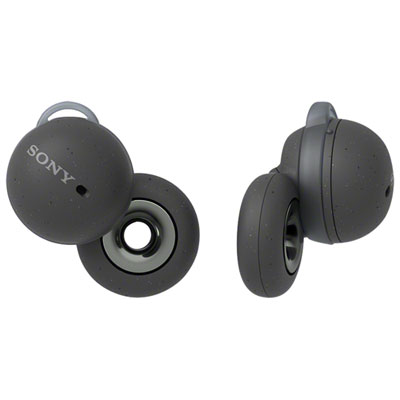
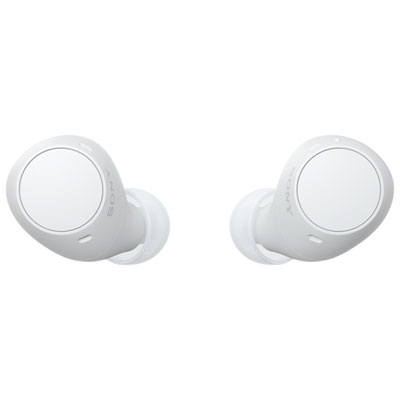

Powerful bass is about more than louder sound
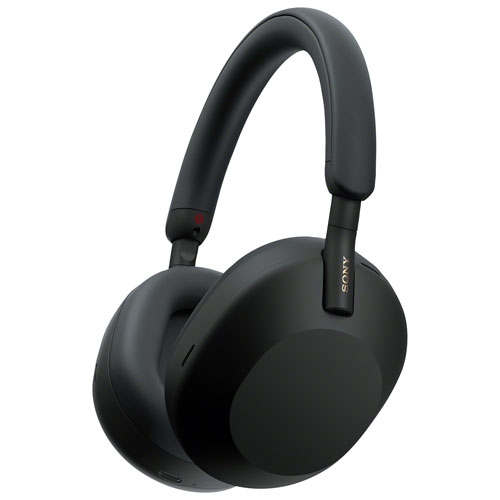
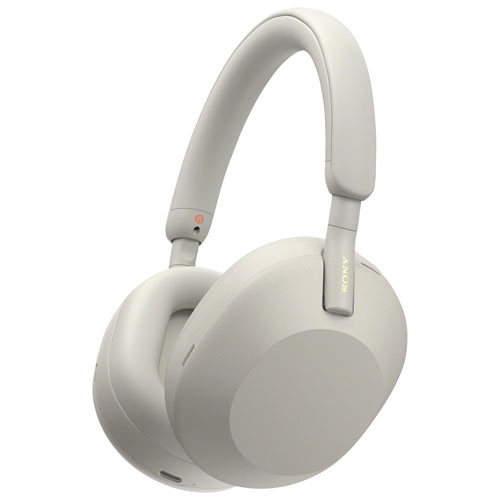
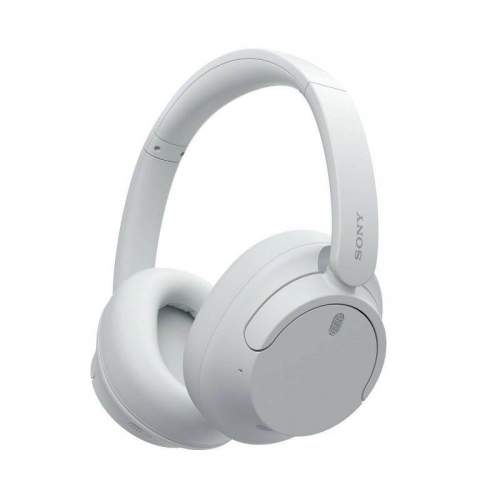
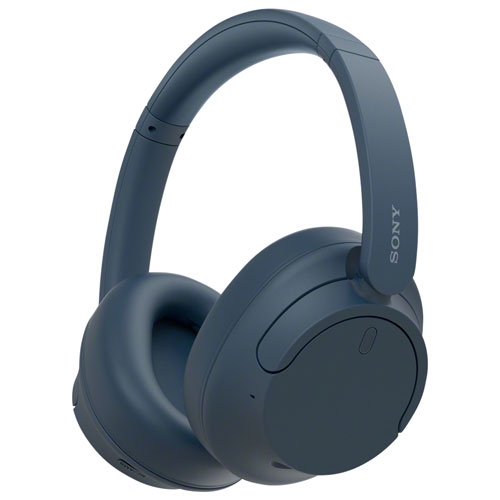
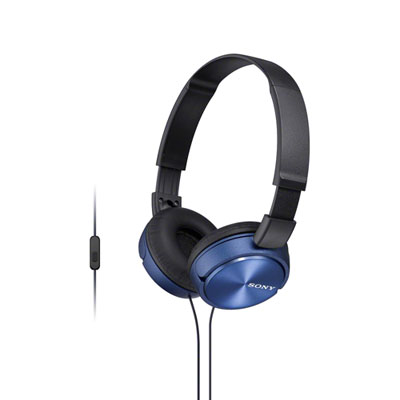
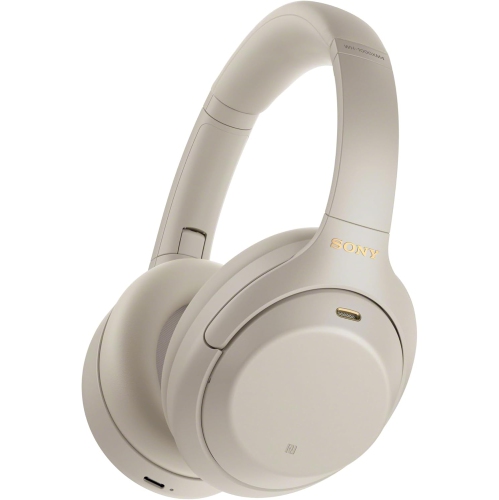
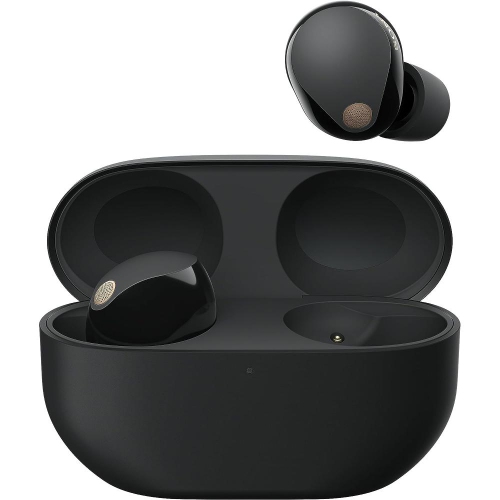
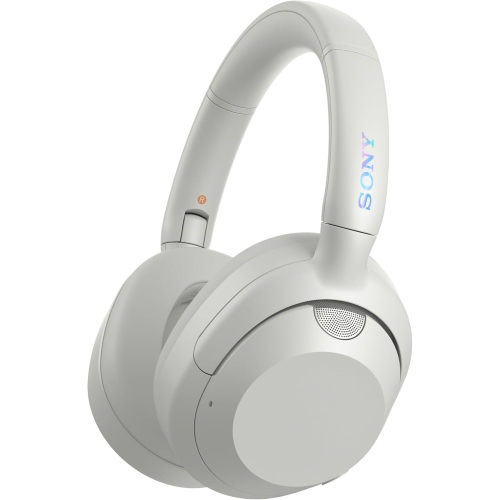
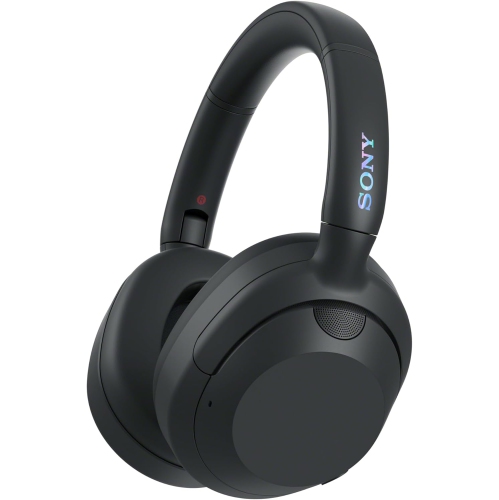
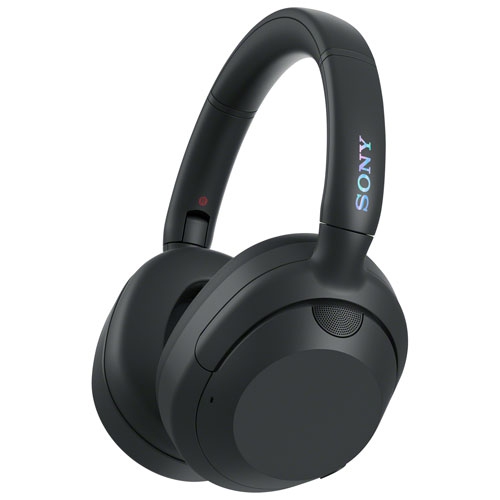
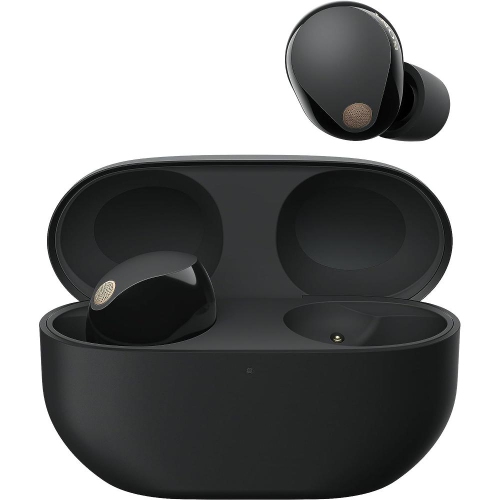
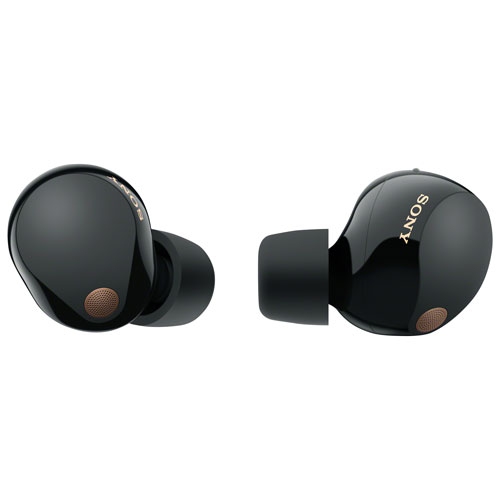
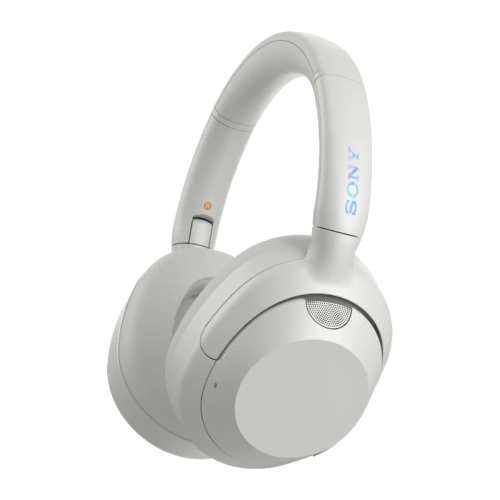
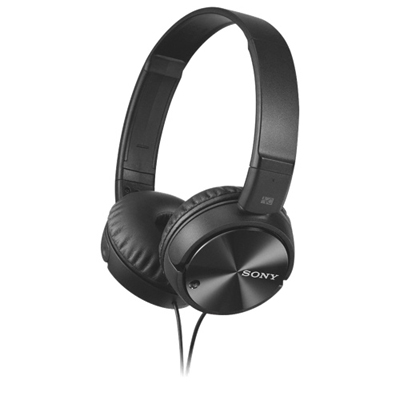
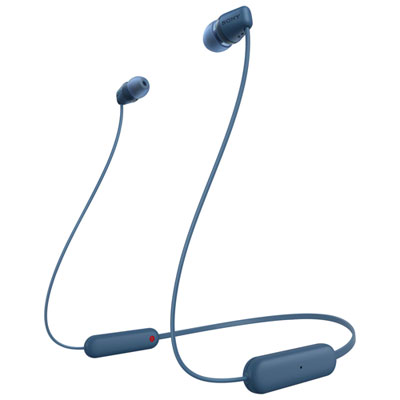
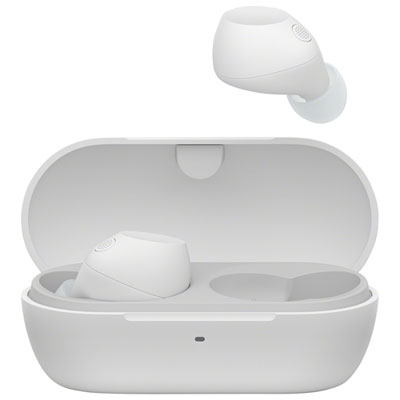
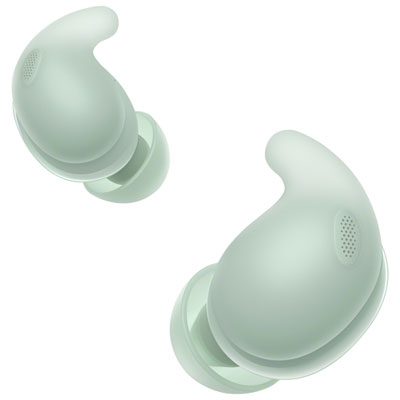
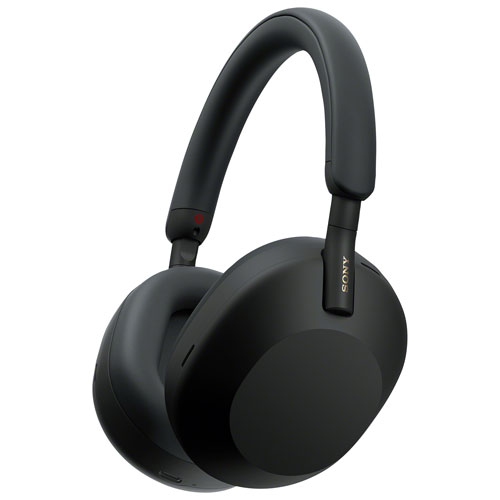
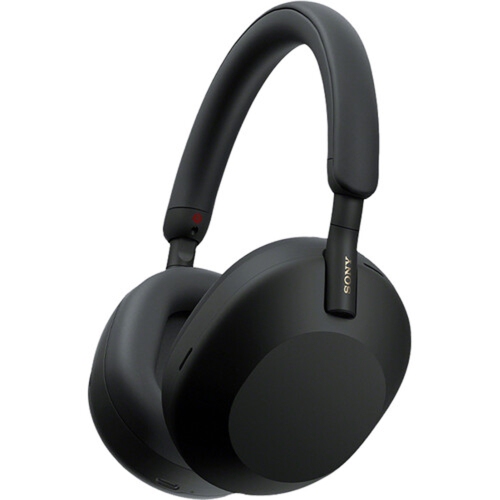
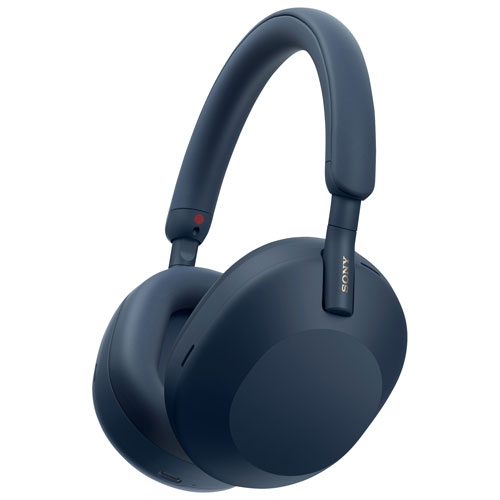
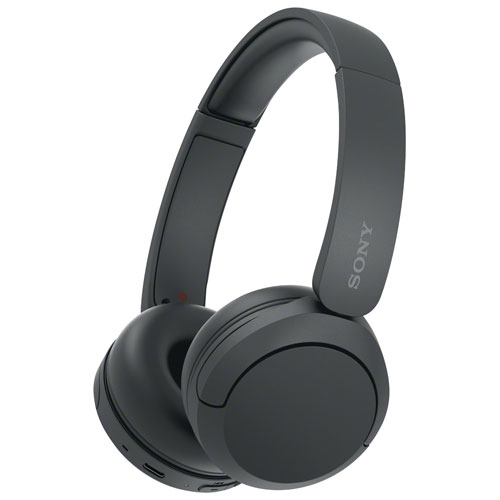
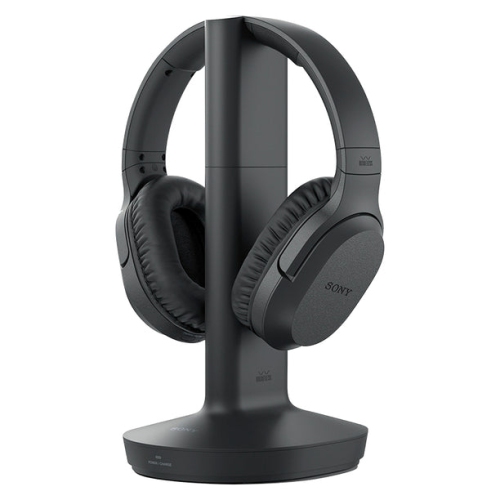
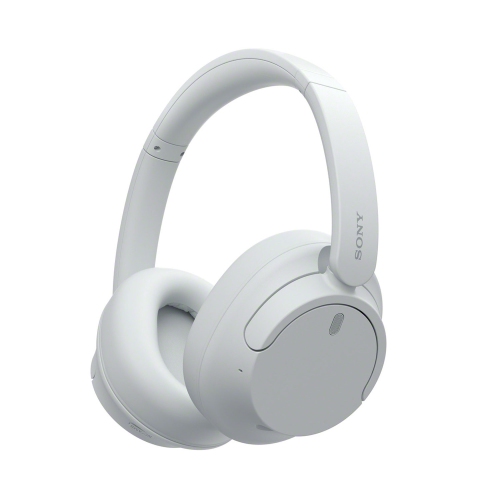
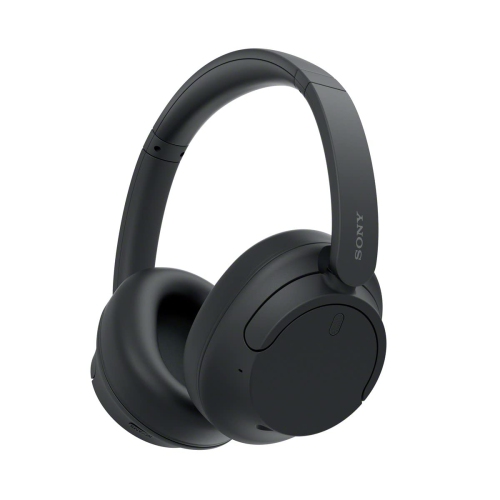
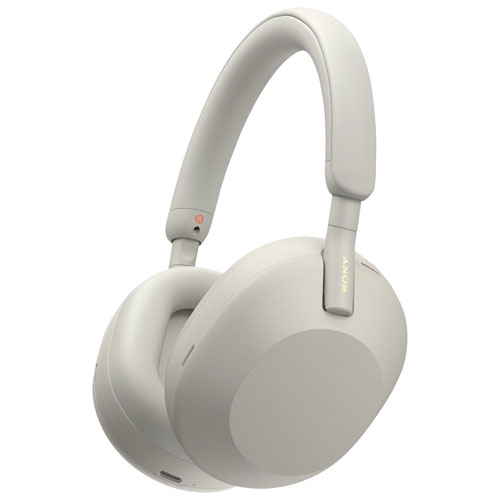
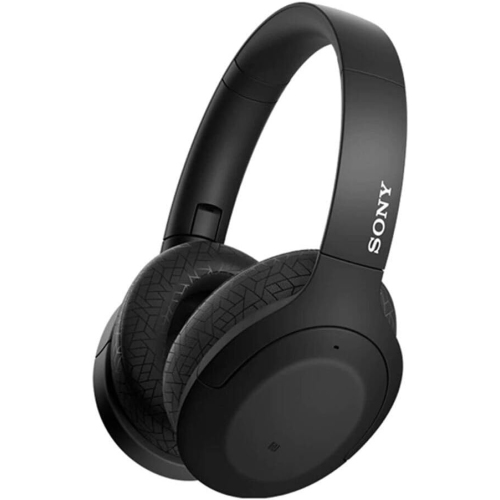
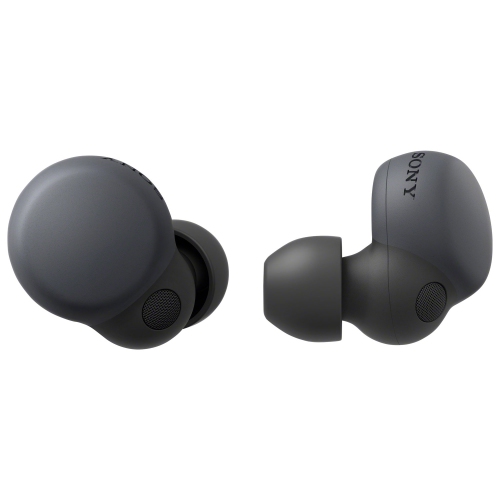
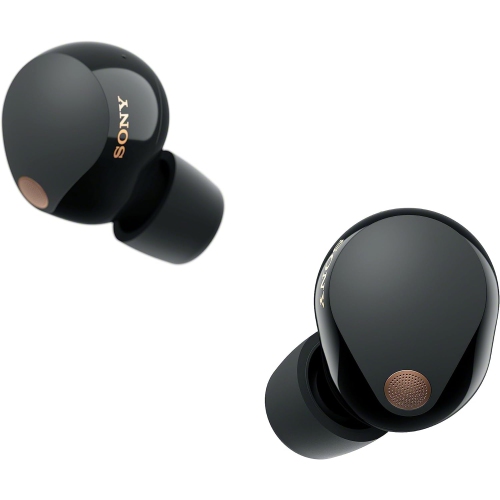
Bass headphones emphasize the lower frequencies that give music its weight, from the rounded pulse of a bass guitar to the deep rumble beneath an electronic track. Their appeal is not simply louder sound: a well-controlled bass response adds impact to kick drums and depth to cinematic effects while leaving room for voices, strings, and higher notes. For listeners who enjoy hip-hop, dance music, pop, or action-packed films, that combination can make familiar recordings feel more engaging. Different sound signatures produce different results. A warmer tuning adds fullness across the lower notes, while a stronger sub-bass emphasis brings out the low vibrations that sit beneath a beat. Extra bass should still have definition, so a quick drum pattern sounds like separate strikes rather than one continuous thump. Headphones designed around this listening style may use specially tuned drivers, acoustic chambers, or adjustable sound settings to shape their low-frequency response. Driver size alone does not determine bass quality; the tuning, earcup design, and seal around or inside the ear also influence what reaches the listener. Some designs include a dedicated bass control, while others offer an equalizer through a compatible app. These options can be useful when a playlist moves from bass-heavy electronic music to a vocal-led acoustic recording, where a gentler setting may sound more natural. Noise cancellation is another feature found on some bass-focused headphones. By reducing certain outside sounds, particularly steady background noise, it can make quieter musical details easier to hear without turning up the volume. It does not remove every distraction, and its effectiveness varies with fit and the type of noise nearby. Bass-focused listening can suit a daily commute, a session at a desk, or an evening with a favourite album, but the most satisfying sound balances low-end energy with clarity. For a broader look at this category, Best Bass Headphones brings together options centred on a fuller, more impactful listening experience.
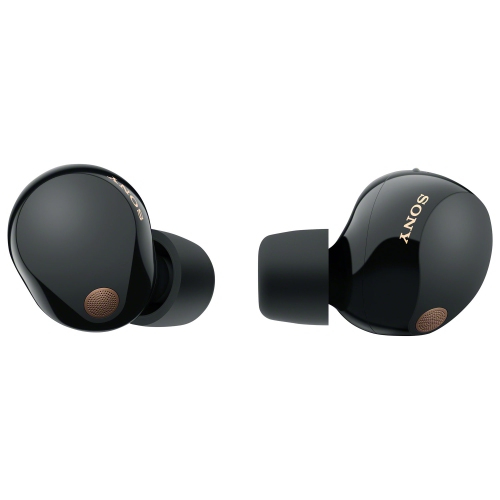
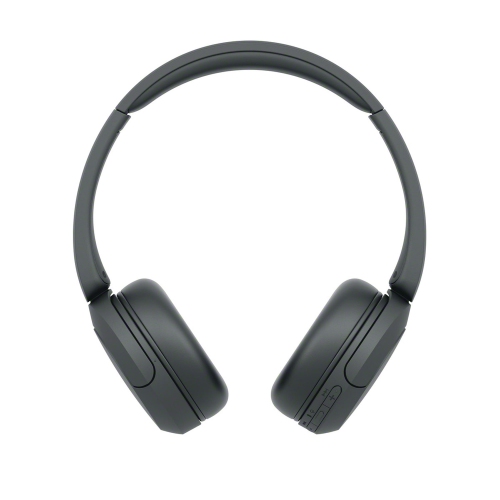
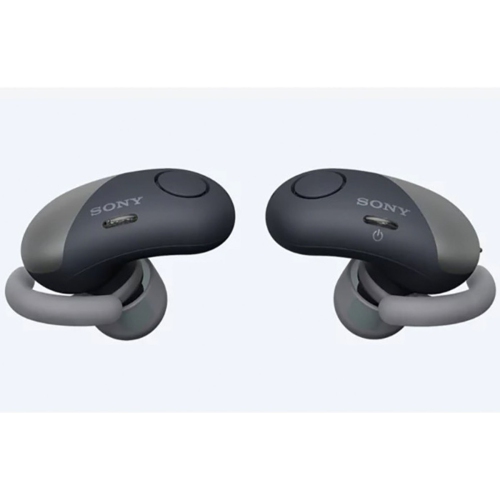
The physical design matters just as much as the sound, especially when headphones stay on through an entire album or several hours of work. Over-ear headphones have cushions that surround the ears, creating space between the driver and the ear while helping form the seal that supports bass response. Cushion depth, earcup shape, and headband adjustment all affect comfort; a spacious-looking earcup can still feel restrictive if its inner opening is too small. On-ear headphones rest directly against the ears and often have a more compact profile, although their pressure may become noticeable during longer sessions. In-ear designs take up less room in a bag and rely on correctly sized tips to create a secure seal. With an incomplete seal, even headphones tuned for strong bass can sound thin. Soft silicone tips are easy to wipe clean, while compatible foam tips compress to fit the ear canal and may need more frequent replacement. For over-ear and on-ear styles, cushions may use foam beneath a fabric or leather-like covering. Smooth coverings are generally straightforward to wipe down, while fabric has a different feel against the skin and may require more attention when cleaning. Glasses, earrings, and hairstyles can change how the cushions sit, so a fit that feels comfortable at first may need adjustment during extended listening. A balanced headband helps distribute weight rather than concentrating it at the top of the head, and swivelling earcups can follow the angle of the jaw more naturally. Intended use also shapes the right form factor. Full-size headphones can be comfortable for seated listening, whereas compact earbuds are easier to carry between classes or tuck into a small work bag. For exercise, a secure fit and an explicitly stated water-resistance rating matter more than a sporty appearance; everyday headphones should not be assumed to tolerate sweat. Listeners who need to hear announcements or nearby conversation may appreciate an ambient sound mode, where supported, though this is not a substitute for staying attentive around traffic.
Connection options, controls, and everyday care help determine how easily bass headphones fit into a routine. Bluetooth connectivity removes the cable between headphones and a compatible phone, tablet, or computer, which is convenient when moving around a room or travelling with a device in a pocket. Wired listening avoids the need to maintain a wireless connection, but the plug must match the source device or a suitable adapter. Some wireless headphones also support a wired input, although powered features and sound settings may behave differently in that mode. For someone switching between a work laptop and a personal phone, supported multipoint connectivity can reduce the need to disconnect and reconnect manually. Microphone performance deserves attention if calls are a regular part of the day: strong music playback does not automatically mean clear voice pickup in a busy setting. Physical buttons offer a tactile reference for playback and volume, while touch controls can keep the earcup surface uncluttered; either approach should be easy to operate without repeatedly reaching for a phone. Battery-life figures are best understood alongside their test conditions, since listening volume, noise cancellation, and other enabled features can affect actual use. Quick charging may help before a journey, but the required charging time and resulting playback depend on the design. Durability comes from both construction and handling. Hinges, sliders, cable entry points, and charging ports are worth treating gently, especially when headphones travel daily. A fitted case helps prevent cushions from being crushed and keeps loose objects away from delicate surfaces. Wiping contact areas with a soft cloth, following the supplied cleaning directions, and letting any moisture dry before storage can help keep headphones comfortable to wear. Replaceable cushions, ear tips, or cables can also be useful as those parts wear. As a gift, bass headphones can suit a music fan, a student who listens between classes, or someone who enjoys immersive film sound without filling the room with speaker audio. Their device connections, preferred fit, and listening habits are more useful starting points than bass strength alone. Whatever the setting, keeping the volume moderate and taking listening breaks supports a more comfortable experience over time.
The physical design matters just as much as the sound, especially when headphones stay on through an entire album or several hours of work. Over-ear headphones have cushions that surround the ears, creating space between the driver and the ear while helping form the seal that supports bass response. Cushion depth, earcup shape, and headband adjustment all affect comfort; a spacious-looking earcup can still feel restrictive if its inner opening is too small. On-ear headphones rest directly against the ears and often have a more compact profile, although their pressure may become noticeable during longer sessions. In-ear designs take up less room in a bag and rely on correctly sized tips to create a secure seal. With an incomplete seal, even headphones tuned for strong bass can sound thin. Soft silicone tips are easy to wipe clean, while compatible foam tips compress to fit the ear canal and may need more frequent replacement. For over-ear and on-ear styles, cushions may use foam beneath a fabric or leather-like covering. Smooth coverings are generally straightforward to wipe down, while fabric has a different feel against the skin and may require more attention when cleaning. Glasses, earrings, and hairstyles can change how the cushions sit, so a fit that feels comfortable at first may need adjustment during extended listening. A balanced headband helps distribute weight rather than concentrating it at the top of the head, and swivelling earcups can follow the angle of the jaw more naturally. Intended use also shapes the right form factor. Full-size headphones can be comfortable for seated listening, whereas compact earbuds are easier to carry between classes or tuck into a small work bag. For exercise, a secure fit and an explicitly stated water-resistance rating matter more than a sporty appearance; everyday headphones should not be assumed to tolerate sweat. Listeners who need to hear announcements or nearby conversation may appreciate an ambient sound mode, where supported, though this is not a substitute for staying attentive around traffic.
Connection options, controls, and everyday care help determine how easily bass headphones fit into a routine. Bluetooth connectivity removes the cable between headphones and a compatible phone, tablet, or computer, which is convenient when moving around a room or travelling with a device in a pocket. Wired listening avoids the need to maintain a wireless connection, but the plug must match the source device or a suitable adapter. Some wireless headphones also support a wired input, although powered features and sound settings may behave differently in that mode. For someone switching between a work laptop and a personal phone, supported multipoint connectivity can reduce the need to disconnect and reconnect manually. Microphone performance deserves attention if calls are a regular part of the day: strong music playback does not automatically mean clear voice pickup in a busy setting. Physical buttons offer a tactile reference for playback and volume, while touch controls can keep the earcup surface uncluttered; either approach should be easy to operate without repeatedly reaching for a phone. Battery-life figures are best understood alongside their test conditions, since listening volume, noise cancellation, and other enabled features can affect actual use. Quick charging may help before a journey, but the required charging time and resulting playback depend on the design. Durability comes from both construction and handling. Hinges, sliders, cable entry points, and charging ports are worth treating gently, especially when headphones travel daily. A fitted case helps prevent cushions from being crushed and keeps loose objects away from delicate surfaces. Wiping contact areas with a soft cloth, following the supplied cleaning directions, and letting any moisture dry before storage can help keep headphones comfortable to wear. Replaceable cushions, ear tips, or cables can also be useful as those parts wear. As a gift, bass headphones can suit a music fan, a student who listens between classes, or someone who enjoys immersive film sound without filling the room with speaker audio. Their device connections, preferred fit, and listening habits are more useful starting points than bass strength alone. Whatever the setting, keeping the volume moderate and taking listening breaks supports a more comfortable experience over time.
Top selling and popular products
-
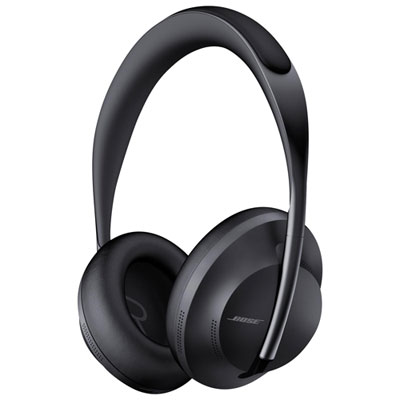 Your price for this item is $479.97
 -
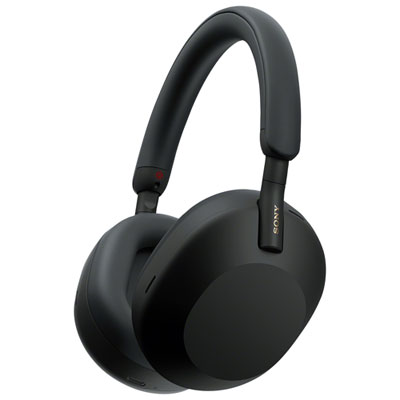 Your price for this item is $499.99
 -
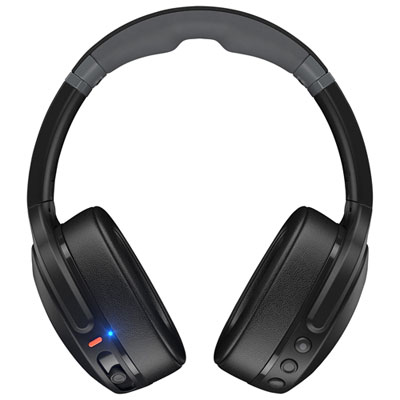 Your price for this item is $199.99
 -
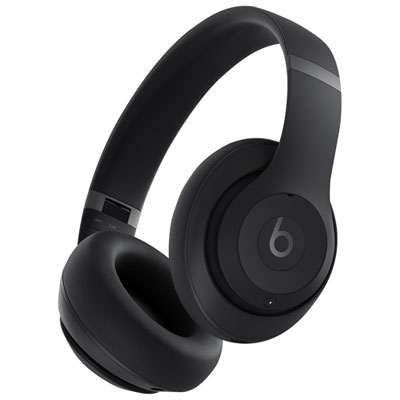 Your price for this item is $249.99
 -
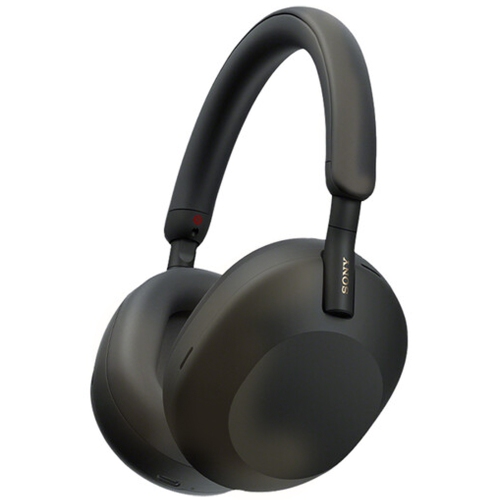 Your price for this item is $438
 -
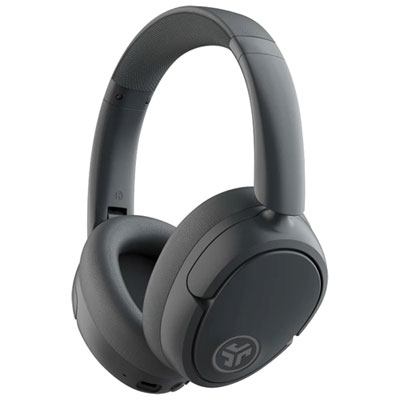 Your price for this item is $119.99
 -
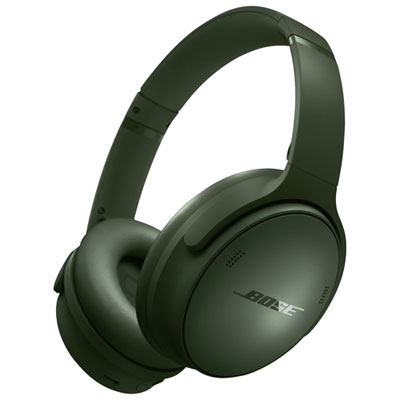 Your price for this item is $479.99
 -
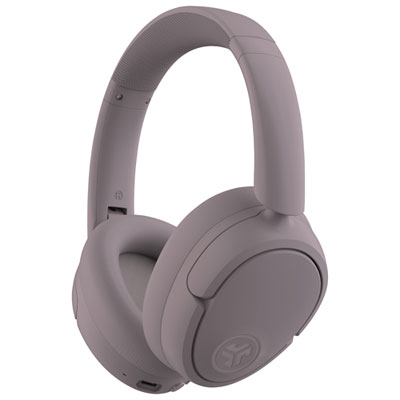 Your price for this item is $119.99
Discover more categories related to Sony Bass Hedphones
Top Collections:
Pokemon Centers, Budget 4K TVs, Kindle Devices, Canon G7X Cameras, Apple iPhones 16, iPhone 15 Apple, Laptops for Business Work, Flip Phones, Xiaomi Phones, Refurbished Apple Laptops
Some products may be subject to Environmental Handling Fees
(EHF) depending on your province.
Learn more about EHFs.