Power Towers
Elevate your home workout routine with a versatile power tower, the ultimate solution for strength training and bodyweight exercises. Designed to accommodate a variety of fitness levels, power towers offer multiple stations that allow you to perform pull-ups, dips, push-ups, and more—all in one compact unit. Whether you're looking to build muscle, improve endurance, or simply maintain a healthy lifestyle, a power tower provides the flexibility and functionality needed to achieve your fitness goals. Explore our selection to find the perfect addition to your home gym setup and take the first step towards a stronger, healthier you.
Sort
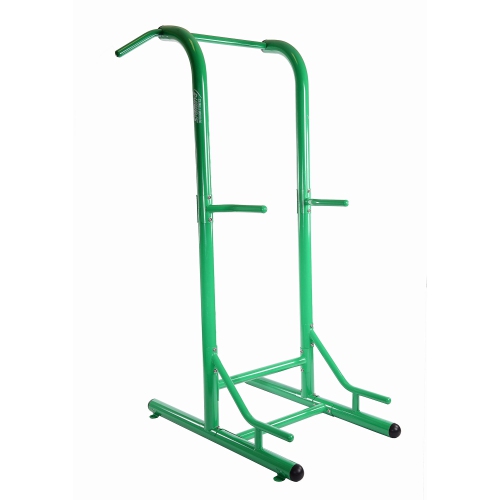
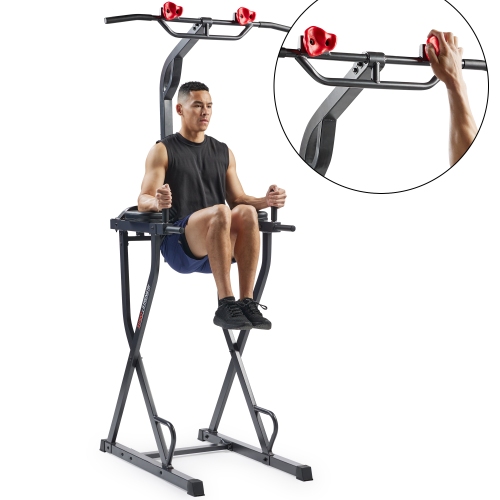
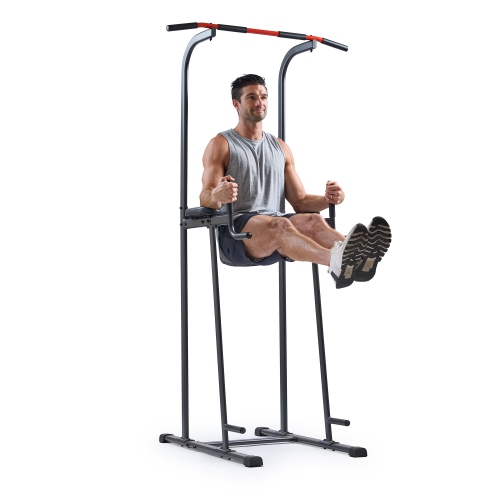
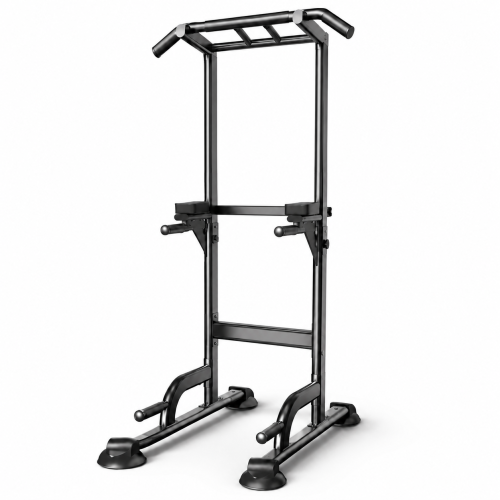
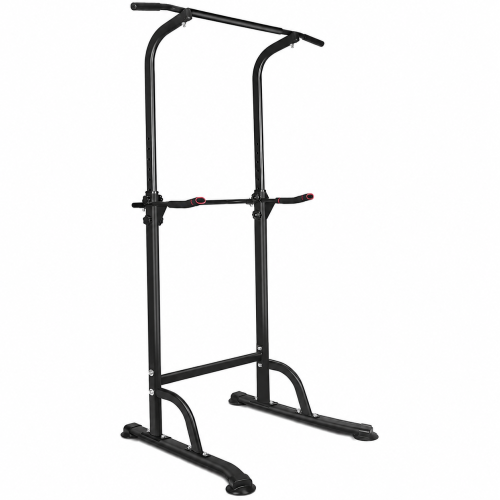
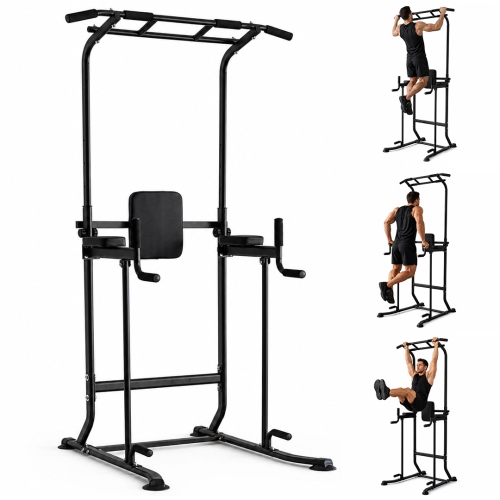
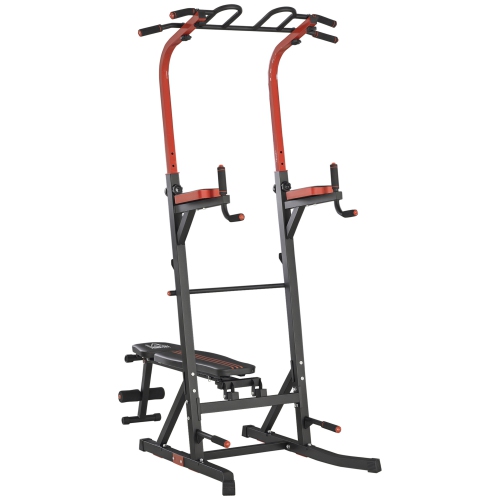
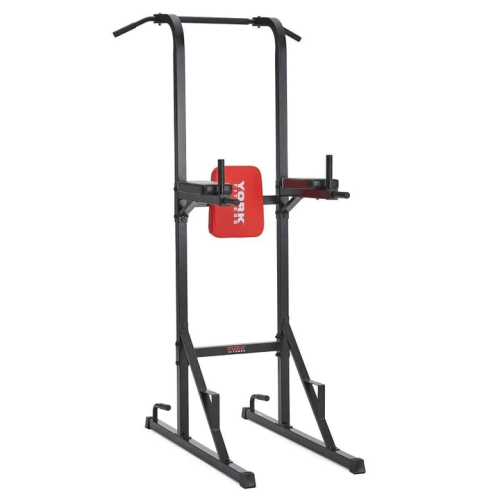
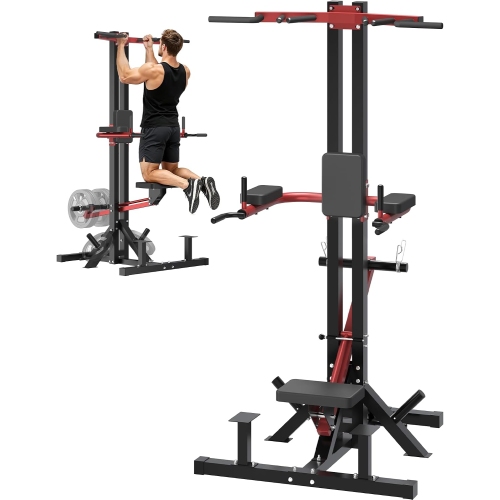
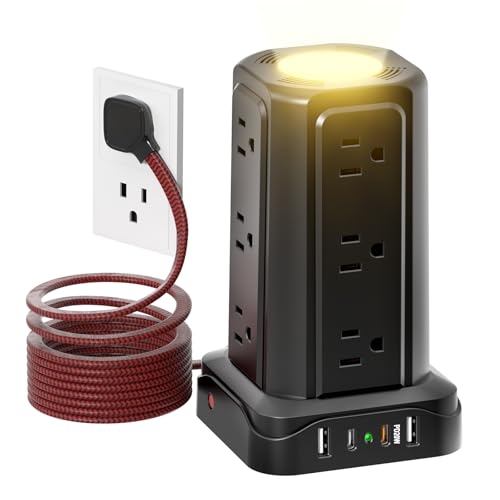
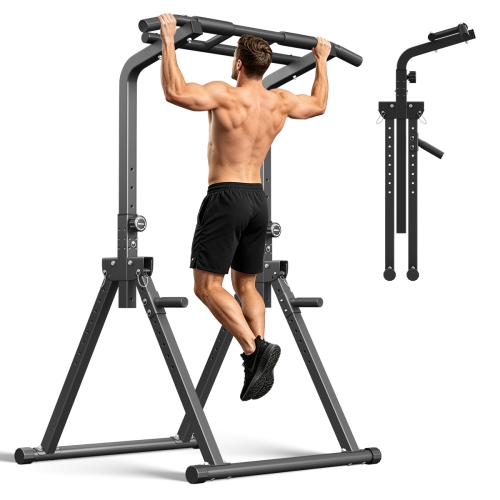
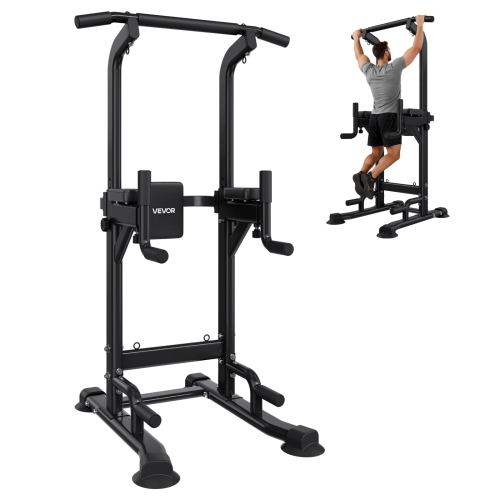
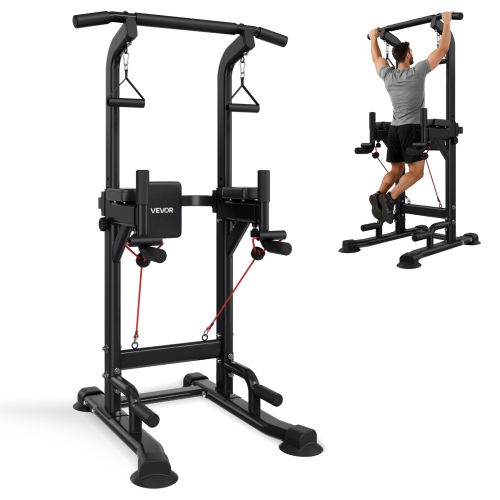
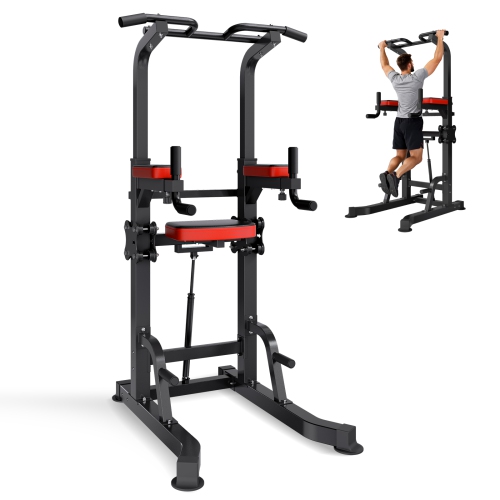
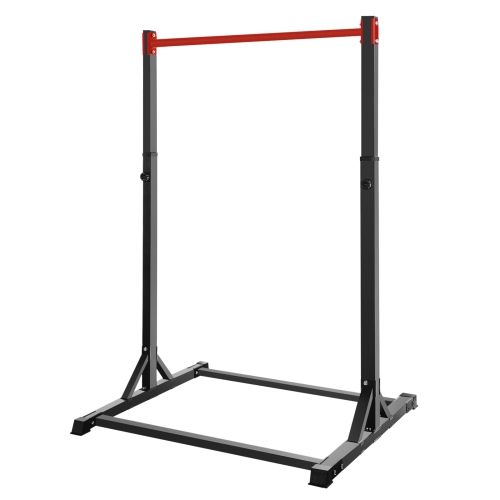


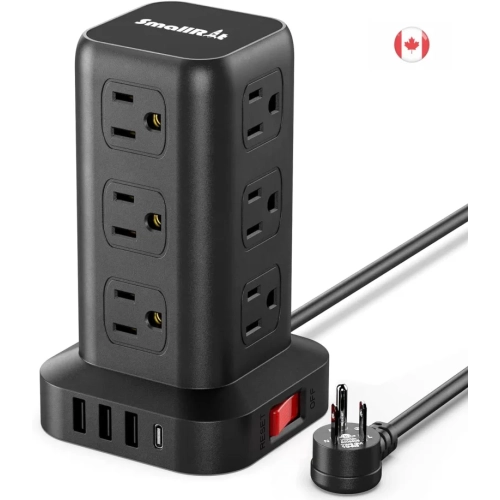
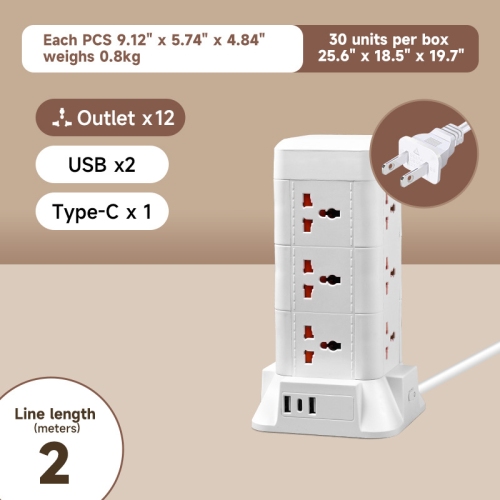
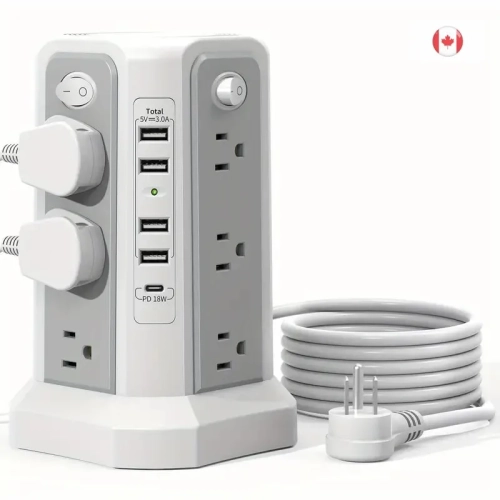













Upper-body and core training in one upright station
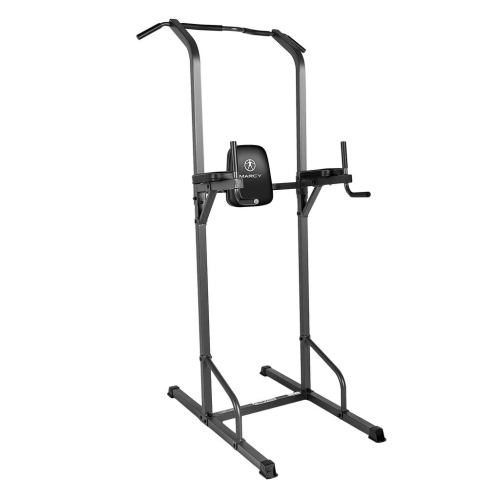
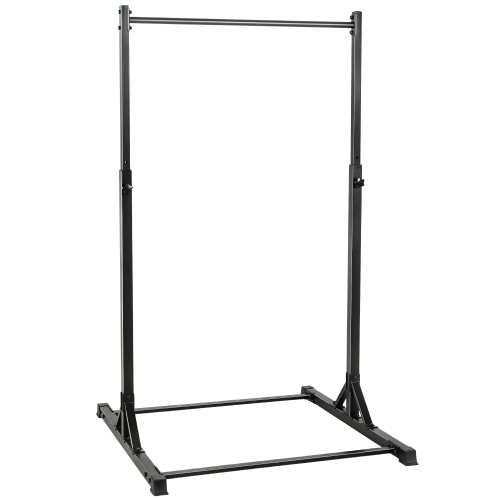
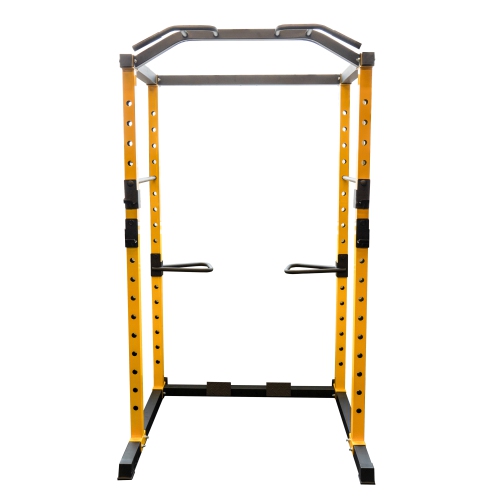
Power towers are freestanding fitness stations that combine several bodyweight exercise positions in one upright frame, typically supporting pull-ups, dips, and core exercises such as vertical knee raises. Depending on the design, they may also include lower handles for push-ups or additional grip positions for different movements. Their appeal is straightforward: a single station brings together exercises that would otherwise require separate bars, supports, or machines. For a home gym, this makes a power tower a practical option for upper-body and abdominal training without a weight stack or a collection of large exercise machines. Pull-ups emphasize the back and arms, dips involve the chest, shoulders, and triceps, and controlled knee raises challenge the abdominal muscles while the forearms rest on padded supports. These movements serve different purposes, so the arrangement of the station matters as much as the number of exercises listed. Someone focused on pull-ups may value comfortable overhead grips and generous hanging clearance, while someone who regularly performs knee raises may place more importance on forearm support and back-pad placement. Beginners can use suitable variations within their abilities, while experienced exercisers may use the same station for more demanding bodyweight routines. A power tower does not need to replace every other piece of fitness equipment to earn its space; it can complement lower-body exercises, mobility work, and cardiovascular activity. It also suits people who prefer a repeatable routine, such as a few sets of pulling and pushing movements between other exercises. Although the frame may look compact compared with a full training rack, its usefulness depends on having room to approach each exercise position and move freely. The result is a focused piece of home fitness equipment whose value comes from a comfortable fit, a stable setup, and exercise options that match the way it will actually be used.
Fit involves both the person exercising and the room around the station. Overall height affects whether a power tower fits beneath a ceiling, but pull-ups also require space above the bar for the head and below it for the body to hang or the knees to bend. Ceiling fixtures, overhead shelving, and nearby doors can make an otherwise suitable location awkward. The assembled footprint is only part of the space requirement, since elbows, feet, and legs extend beyond the base during different movements. A station placed against a wall may leave enough room for dips on one side but restrict access to a pull-up position on the other, depending on its layout. Adjustable height can help accommodate different users or room dimensions, though each adjustment must remain within the manufacturer's specified settings. Handle spacing is another important detail: dip bars that feel comfortable for one person may be too wide for someone with a smaller frame, and fixed forearm supports may not suit every torso length. Padding should support the intended contact points without forcing the shoulders into an awkward position. Grip diameter and surface texture also affect comfort, particularly during repeated sets when hands begin to tire. Steel tubing is common in power tower frames, with painted or powder-coated finishes helping protect exposed metal from everyday wear. However, material alone does not determine how secure a station feels. Base dimensions, bracing, joint construction, assembly quality, and the supporting floor all contribute to stability. Rubber feet or protective end caps may help limit movement and reduce contact with flooring, but they are not a substitute for a level surface. Published load limits deserve close attention, including whether separate limits apply to individual exercise positions. Any added resistance must also fall within the manufacturer's permitted use. Controlled repetitions are generally more appropriate for these stations than swinging or explosive movements unless the equipment is explicitly designed for them.
Everyday comfort and straightforward care can make a noticeable difference to how often a power tower becomes part of a routine. Foam or textured grips should feel secure without creating uncomfortable pressure points, while padded armrests and back supports benefit from upholstery that is easy to wipe down. Sweat, dust, and repeated contact can gradually affect grips, coverings, and exposed hardware, so cleaning methods should follow the manufacturer's directions rather than relying on harsh cleaners or soaking padded surfaces. Regular checks for loose fasteners, damaged end caps, worn grips, or split upholstery help identify maintenance needs before the next workout. Assembly is equally important to long-term use: correctly fitted washers, securely tightened bolts, and fully engaged adjustment pins allow the frame to function as intended. Where assembly requires two people, the extra help can make it easier to align larger frame sections without putting strain on the connections. In a shared home gym, clearly established height settings and unobstructed access make the station easier for different household members to use. For someone building strength over time, progress may mean performing a movement with better control or completing another comfortable repetition, rather than immediately adding weight. Accessories such as assistance bands are only suitable where their attachment and use are permitted by the equipment manufacturer. A power tower can also be a thoughtful gift for a fitness enthusiast who already enjoys bodyweight training, provided its dimensions, exercise positions, and setup requirements suit the recipient's space and preferences. It is a substantial piece of equipment, so those practical details matter more than the surprise. In a multipurpose room, a defined exercise area helps keep everyday belongings away from the base and moving limbs. Separate Storage Towers can provide a place for towels and small workout accessories outside the exercise clearance. With suitable placement and consistent care, a well-matched power tower offers an accessible home base for focused strength sessions, from a short practice set to a fuller upper-body and core workout.
Top selling and popular products
-
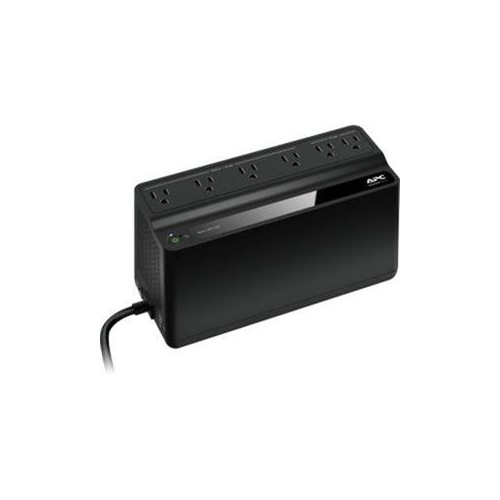 Your price for this item is $105.68
-
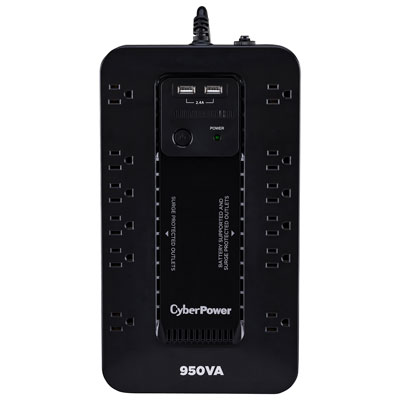 Your price for this item is $149.99
-
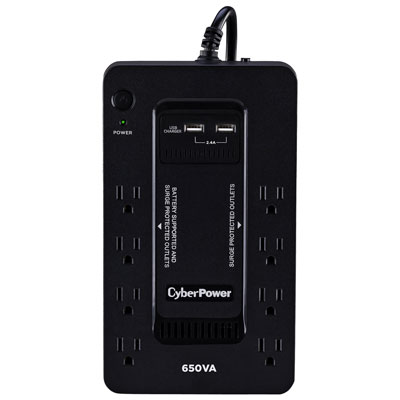 Your price for this item is $99.99
-
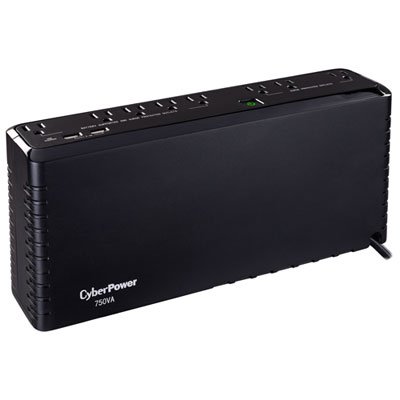 Your price for this item is $119.99
-
 Your price for this item is $299.99
-
 Your price for this item is $149.99
-
 Your price for this item is $170.99
-
 Your price for this item is $175.56
Discover more categories related to Power Towers

Top Collections:
Best Black Friday Deals This Year, Best Black Friday Deals On Electronics, Kindle Devices, Pokemon Centers, Best Black Friday Deals On Apple Products, Best Cameras for Sports Photography, Dyson Airwrap, Pokémon 30th Celebration Cards, Apple iPhone 17 Pro, Canon G7X Cameras
Some products may be subject to Environmental Handling Fees
(EHF) depending on your province.
Learn more about EHFs.