Home Business Phones
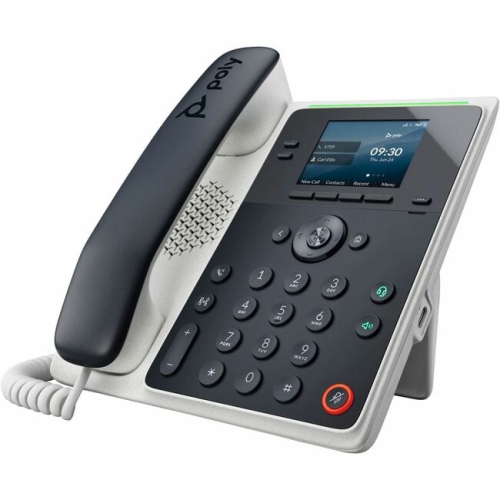
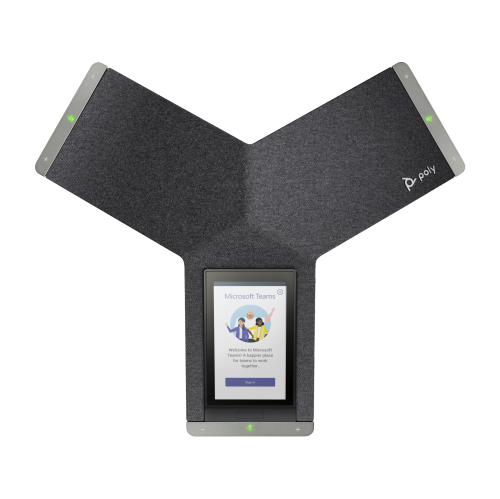
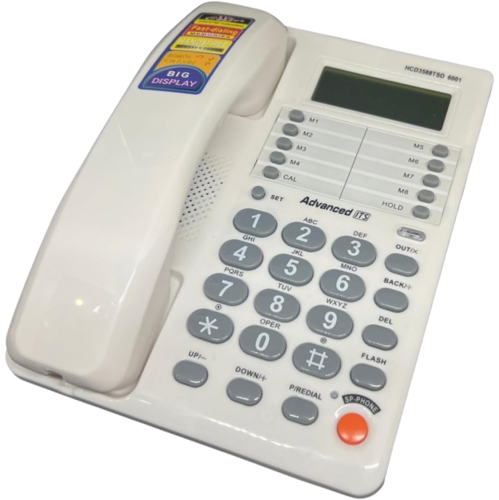
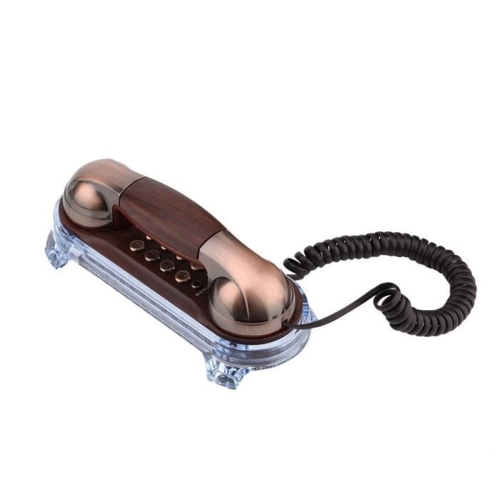
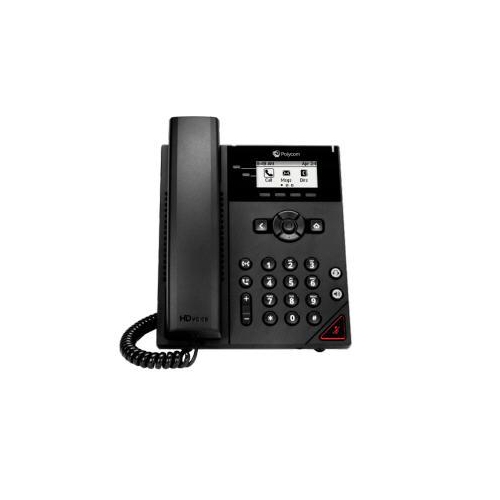
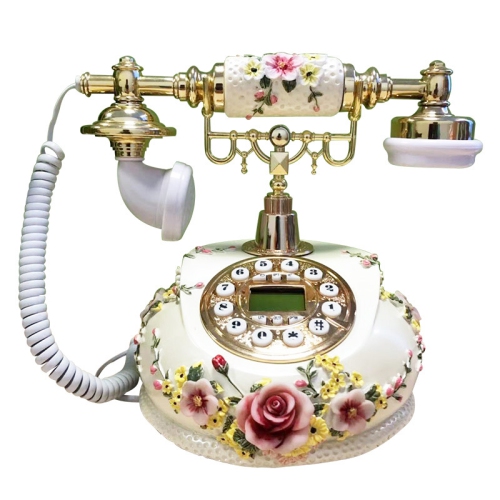
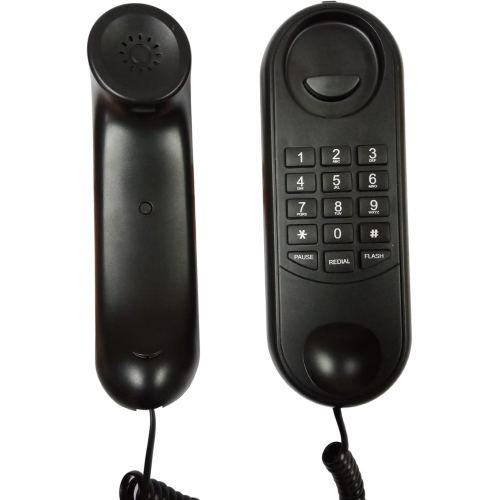
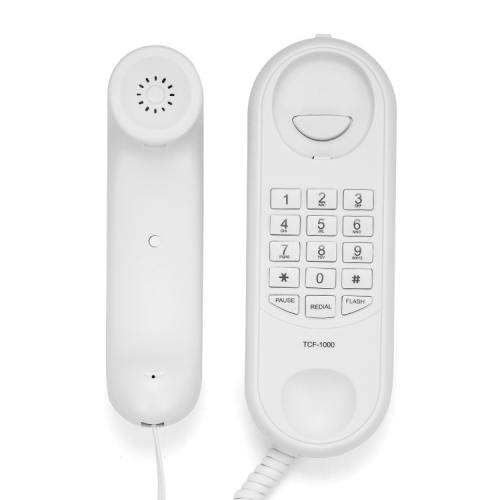
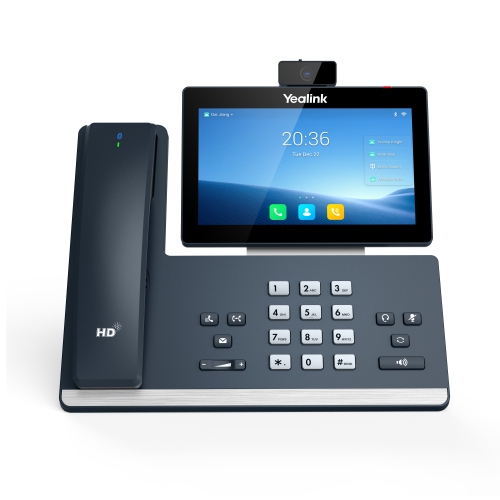
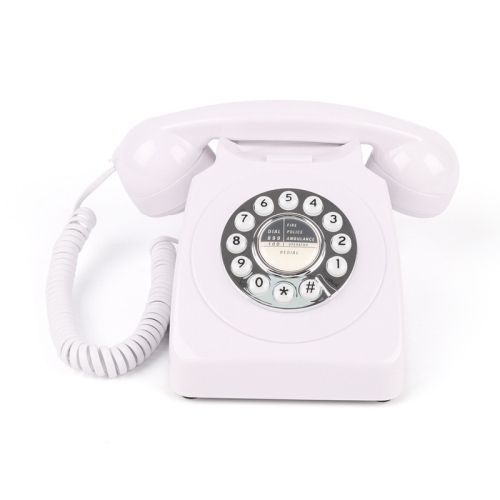
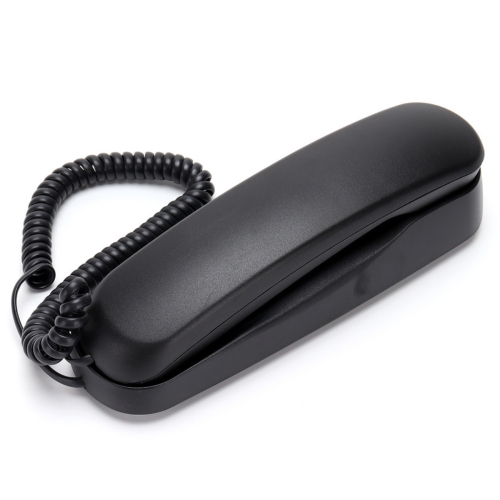
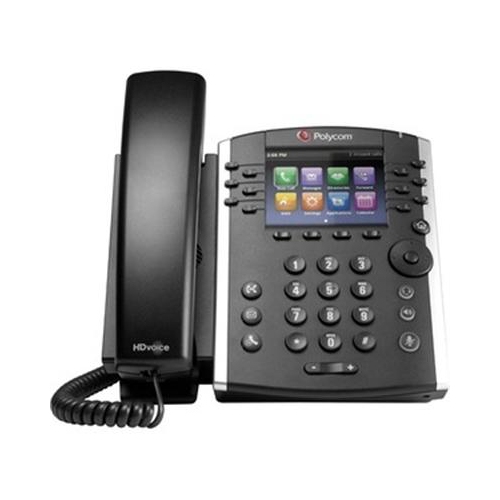
Find home business phones for managing work calls from your home office. Compare options with your daily call volume, desk space, and preferred setup in mind, and check each model’s compatibility with your existing phone service before choosing.
























































FAQ
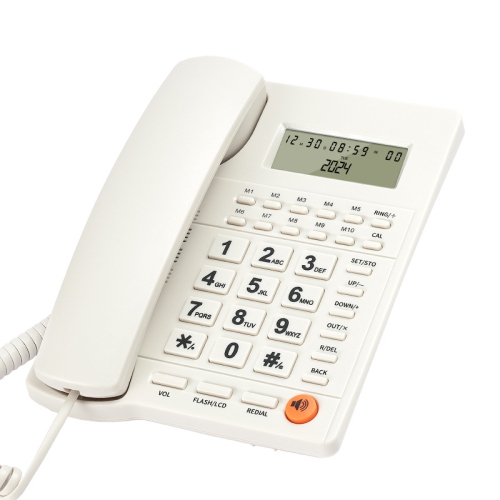
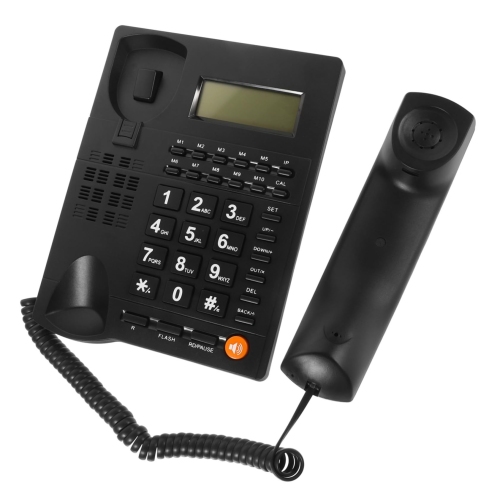
Common features include caller ID, call waiting, speakerphone, mute, speed dial, and phonebook storage. Some models also offer call blocking, call transfer, or conference calling. Features vary by phone, and services such as caller ID and call waiting may require support from your phone service provider.
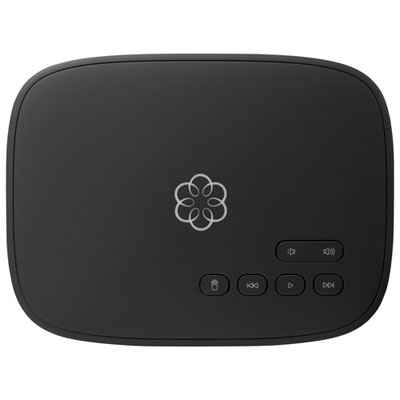
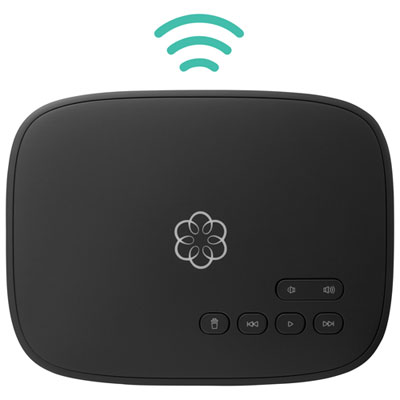
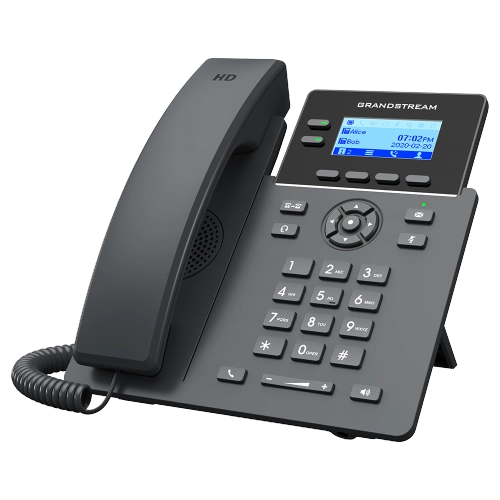
Traditional landline phones connect through a telephone service line, while VoIP phones use an internet connection and a compatible calling service. Some standard phones can work with VoIP through an adapter. Check compatibility with your service provider before choosing a phone.
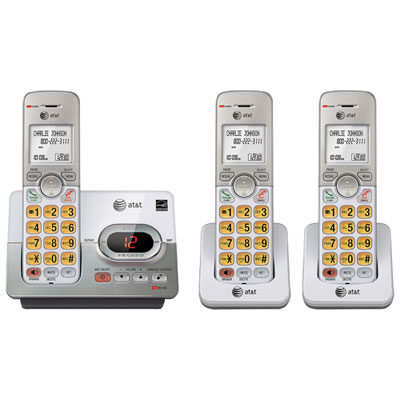
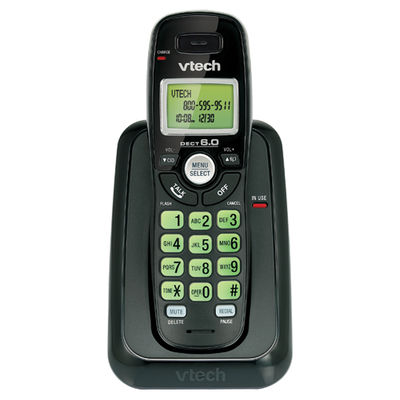
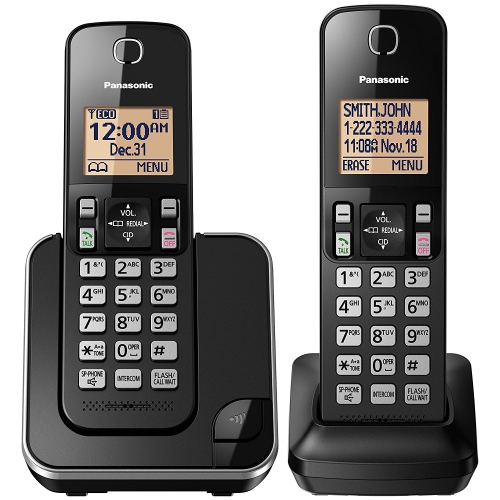
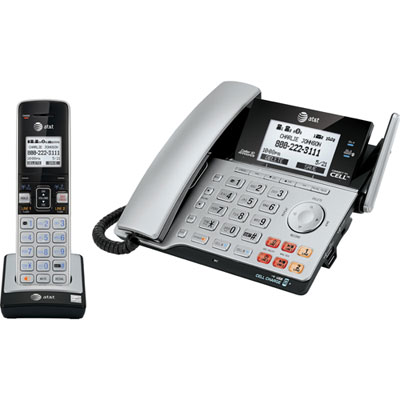
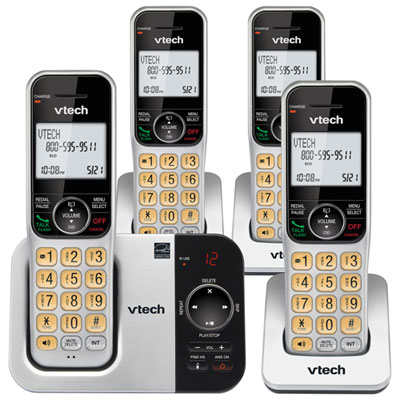
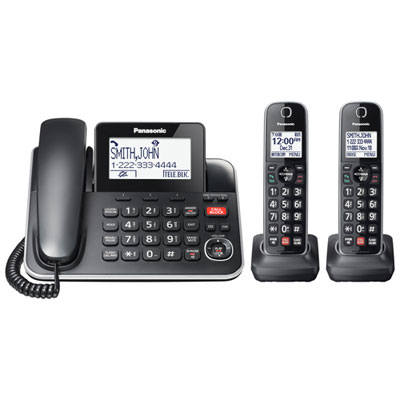
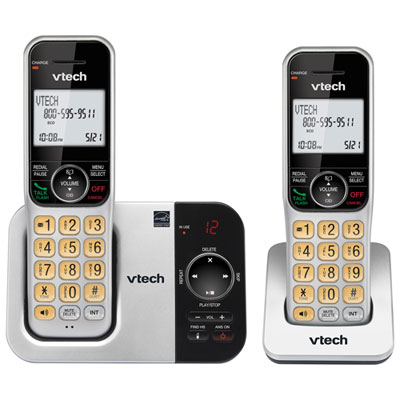
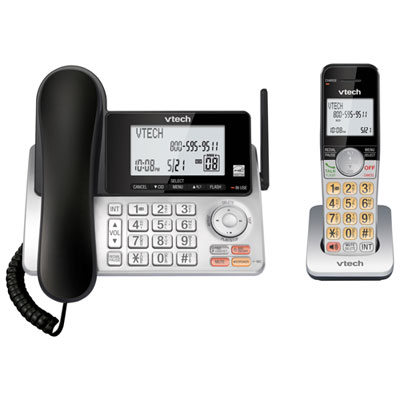
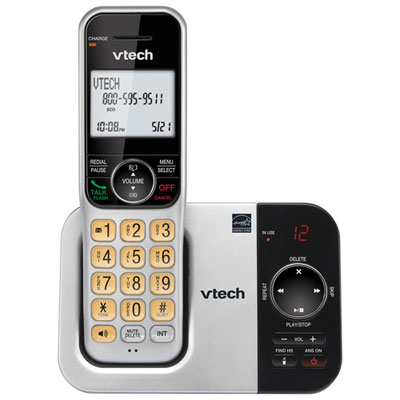
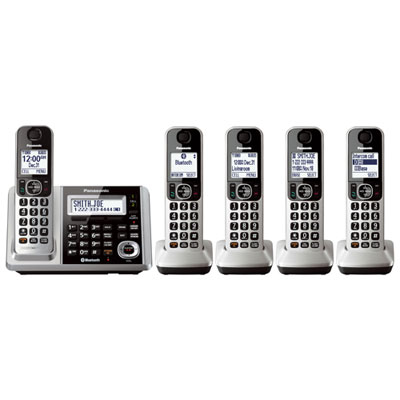
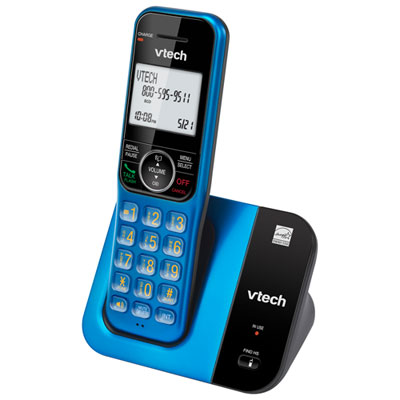
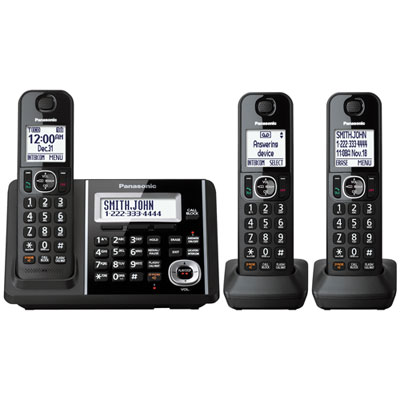
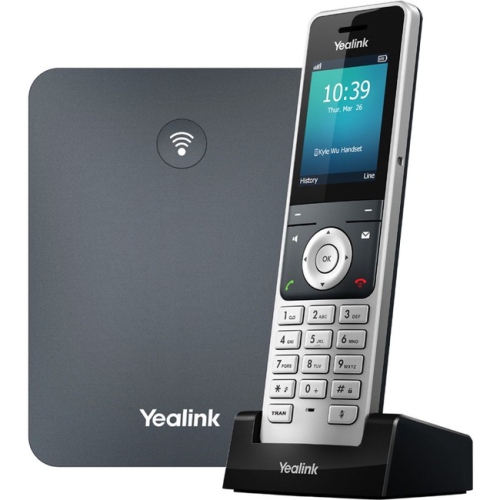
Cordless systems use a base connected to your phone service and one or more handsets that communicate wirelessly with it. Some systems support additional compatible handsets, intercom calling, and call transfers between handsets. Expansion options depend on the system.
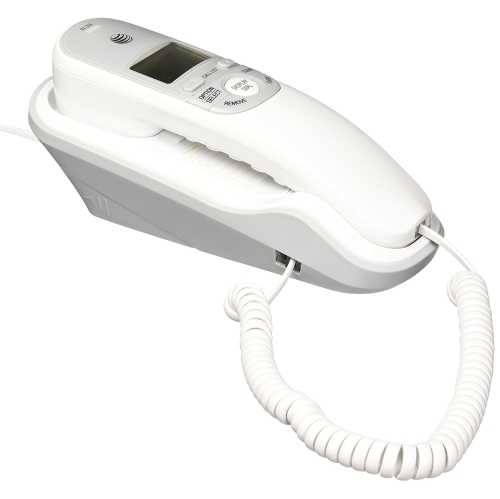
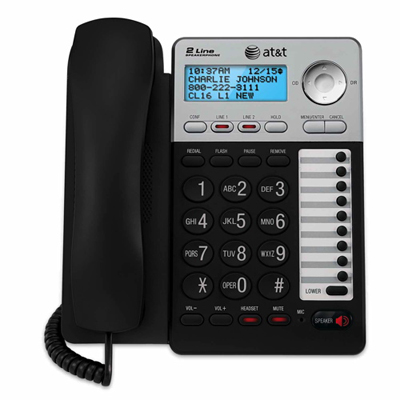
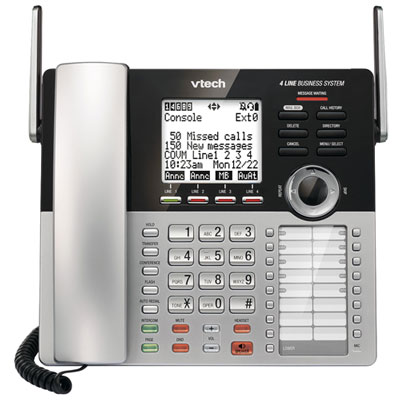
Single-line phones handle one telephone line, while multi-line phones support multiple lines for separate calls or numbers. A multi-line setup can keep household and business calls on different lines. The phone and your service must both support the number of lines you want to use.
A built-in answering machine records messages on the phone system, while voicemail stores messages through your phone service provider. Answering machines typically offer playback from the base or handset. Voicemail access and features depend on your service, and either option may support remote message retrieval.
Top selling and popular products
Discover more categories related to Home Business Phones

Some products may be subject to Environmental Handling Fees (EHF) depending on your province. Learn more about EHFs.