Gas Burner Cooktops
Elevate your culinary experience with a gas burner cooktop, the perfect addition to almost any modern kitchen. Known for their precision and control, gas burner cooktops offer an ideal solution for both everyday cooking and gourmet meal preparation. Whether you're simmering a delicate sauce or searing a steak to perfection, these cooktops provide the versatility and efficiency that home chefs desire. Explore this selection of gas burner cooktops to find the perfect match for your cooking style and kitchen design.
Sort
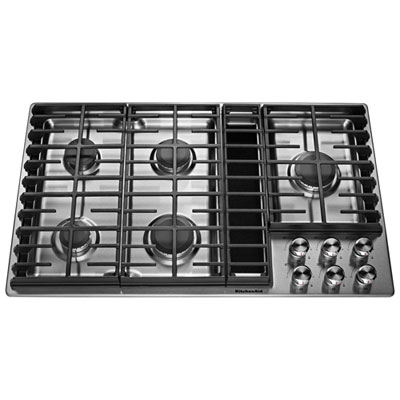
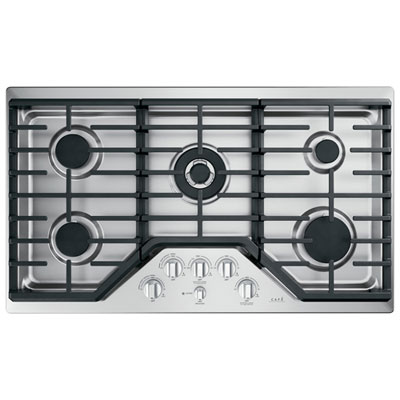
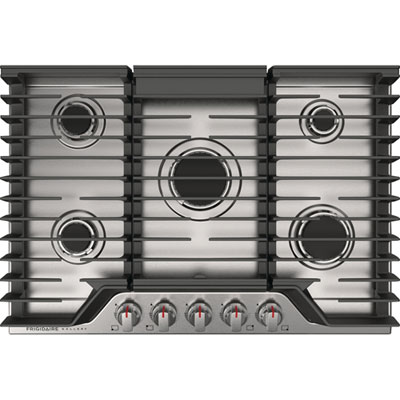

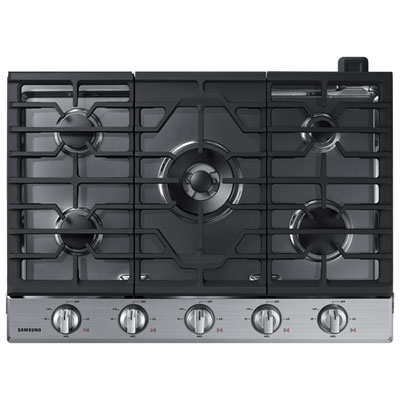
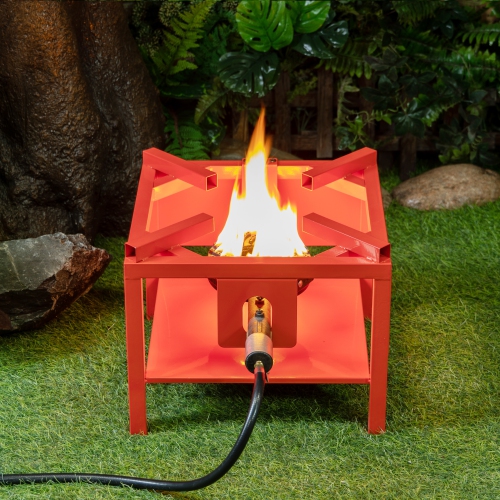
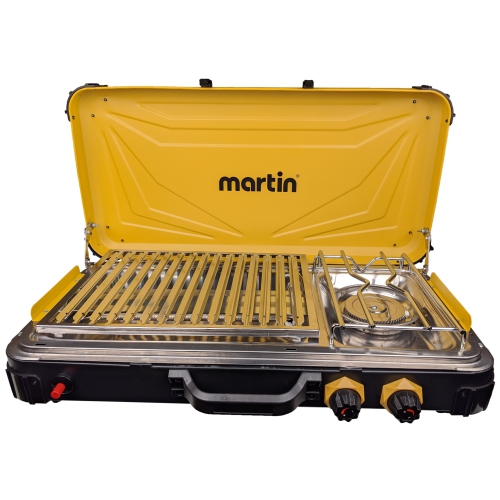
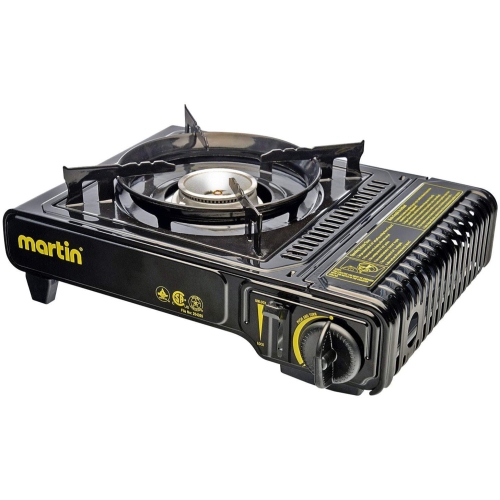
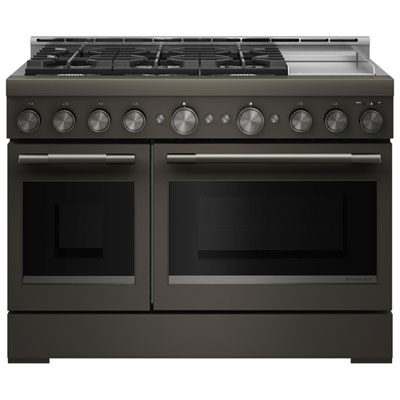


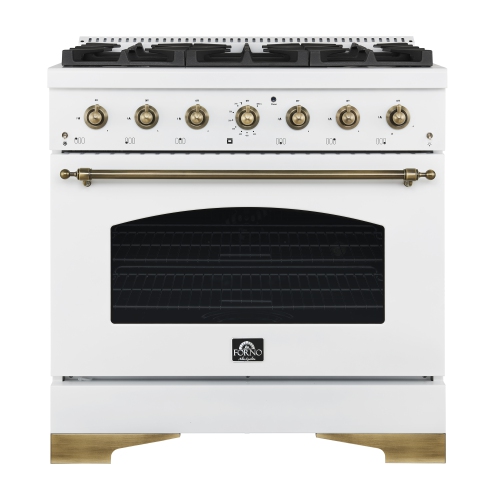
There’s more to cooking comfort than burner count
Gas burner cooktops provide a dedicated cooking surface with a visible flame and responsive heat adjustment, separate from the oven below or elsewhere in the kitchen. They suit everything from a quick saucepan of oatmeal to a dinner that needs several pots going at once. Common configurations include four, five, or six burners, with 30-inch and 36-inch widths familiar choices for built-in kitchens. Burner count alone does not determine how useful the surface will feel: the spacing between burners, the position of the controls, and the size of the cookware all affect everyday comfort. A broad frying pan needs room for its handle and enough clearance from the neighbouring pot, while a small saucepan benefits from a grate that supports it securely. Households working with limited counter space can explore Small Gas Cook Tops for a more compact cooking footprint. Across sizes, a practical burner arrangement usually combines stronger heat for boiling and searing with lower output for simmering sauces, melting butter, or keeping soup gently bubbling. Burner output is commonly expressed in British thermal units per hour, often shortened to BTU in appliance specifications. Higher output can be useful for a large pot of pasta water, but it is not a complete measure of cooking performance. Stable low heat, an evenly distributed flame, and a good match between the burner and pan matter just as much for delicate dishes. Some designs use dual-ring burners to provide a wider range of adjustment, although the control range varies by model. Continuous grates can make it easier to reposition a heavy pot without lifting it completely off the cooking surface. For frequent cooks, the most useful combination is often a spacious layout and flexible heat settings rather than the greatest number of burners squeezed into the available width.
Fit involves more than matching a cooktop’s stated width to the space left by an older appliance. The countertop cutout, overall depth, appliance height, and required clearances all need to match the manufacturer’s installation specifications. Two cooktops described as 30-inch can require different openings, so an existing cutout is not a guarantee of compatibility. Countertop material and thickness also affect installation, particularly when an opening needs to be altered. Space beneath the cooktop matters for the gas connection, pressure regulator, electrical supply, and any drawers or cabinetry below. A wall oven installed underneath must be part of an approved combination, with the specified separation and ventilation space. Gas burner cooktops may be configured for natural gas or propane; compatibility should be confirmed rather than assumed. Conversion requires manufacturer-approved components and professional work, and not every appliance supports both fuels. Installation by a qualified gas fitter helps ensure that connections, fuel pressure, and leak testing are handled properly. Many gas cooktops also require electricity for electronic ignition or other features, so the location and type of electrical connection belong in the fit assessment. Overhead ventilation deserves the same attention as the cooking surface itself. A properly sized range hood, installed at the required height and ducted outdoors where possible, helps remove cooking odours, grease, moisture, and combustion by-products. Hood capacity and any make-up air requirements depend on the appliance, kitchen, and applicable local requirements. In an open kitchen, burner placement can also influence how comfortably several people move around the work area. Front-mounted controls may be easier to reach without leaning across cookware, while side-mounted controls leave a different arrangement of usable cooking space. Clearly marked settings, knobs with a secure grip, and ignition controls that are straightforward to operate make a noticeable difference during a busy meal. For anyone planning a kitchen renovation, settling these practical details before the countertop is cut helps avoid a cooking surface that looks right but fits poorly.
Materials and construction shape both the appearance of gas burner cooktops and the effort involved in keeping them clean. Stainless steel has a familiar kitchen finish and generally tolerates everyday use well, though it can show fingerprints, water marks, and scratches. Porcelain-enamel surfaces offer a smooth finish that wipes down readily, but hard impacts can chip the coating. Glass surfaces create a different look and require care to avoid scratches or damage from dropped cookware. Heavy cast iron grates provide substantial support for pots and pans, while their weight can make removal and washing less convenient. Lighter grates may be easier to handle, making the balance between stability and manageable cleaning worth considering. Sealed burners help limit spills from reaching the area beneath the cooking surface, but the burner caps, ports, and surrounding recesses still need regular attention. A boil-over of starchy water or a splash of tomato sauce is easier to address once the surface has cooled than after repeated cooking has baked it on. Gentle cleaning methods suited to the finish help protect the surface; abrasive pads and harsh cleaners can leave lasting marks. Removable parts should be cleaned according to the manufacturer’s directions, and grates should go in the dishwasher only when explicitly identified as dishwasher-safe. Thorough drying and correct repositioning of burner caps help support reliable ignition and an even flame. Cookware compatibility is generally broad, including many stainless steel, cast iron, and other stovetop-safe pans, but flat, stable bases and suitable pan diameters remain important. Flames should stay beneath the base rather than curl up the sides, where they can heat handles unnecessarily. Specialty cookware such as a round-bottom wok may need an approved support rather than an improvised resting place. Features such as automatic re-ignition or flame-failure protection can add reassurance when included, although their functions differ and do not replace attentive cooking. For a household preparing several dishes daily, easy-to-lift grates and accessible spill areas can matter as much as a powerful centre burner. For someone who cooks mainly with one saucepan and a frying pan, a simpler layout may provide all the flexibility needed while preserving useful counter space.
Top selling and popular products
-
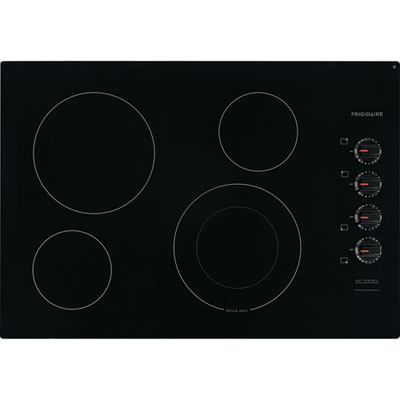 Your price for this item is $699.99
-
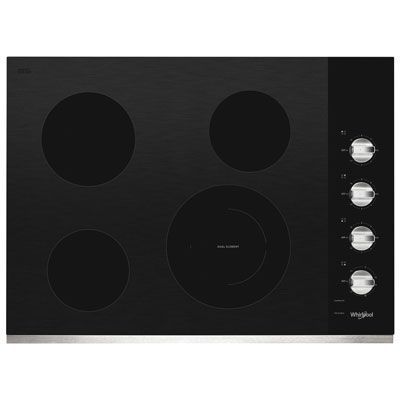 Your price for this item is $949.99
-
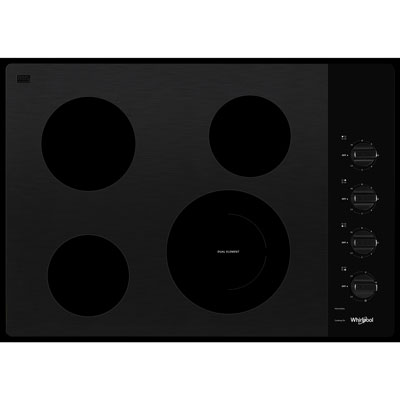 Your price for this item is $899.99
-
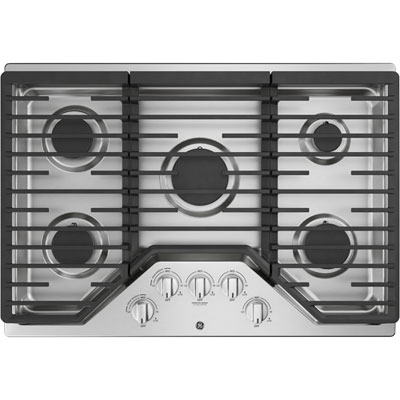 Your price for this item is $1499.99
-
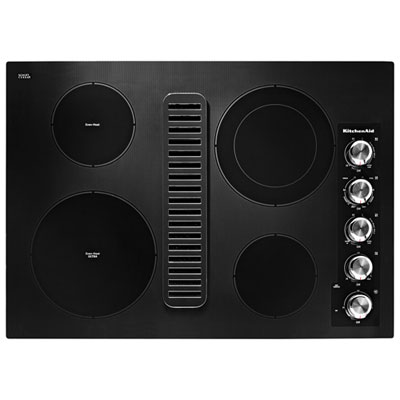 Your price for this item is $3199.99
-
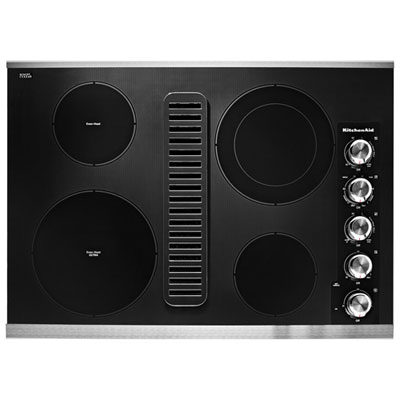 Your price for this item is $3299.99
-
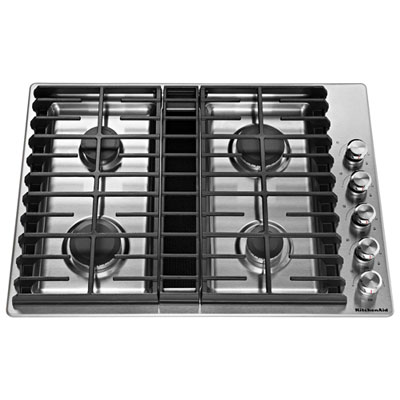 Your price for this item is $3799.99
-
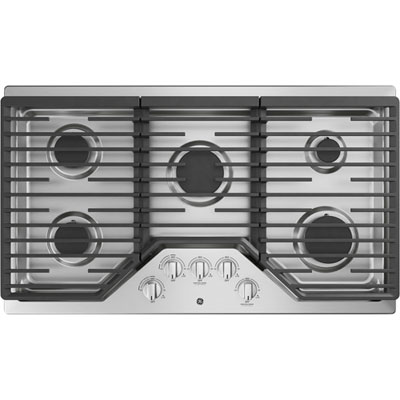 Your price for this item is $1659.99
Discover more categories related to Gas Burner Cooktops

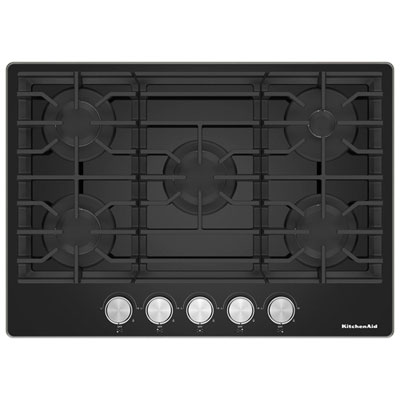
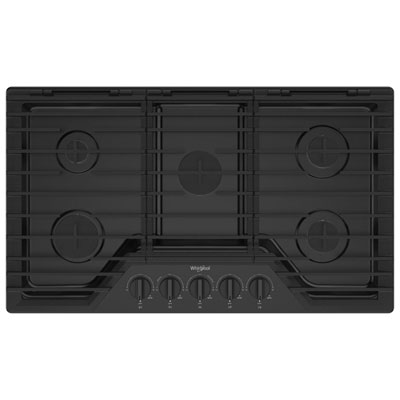
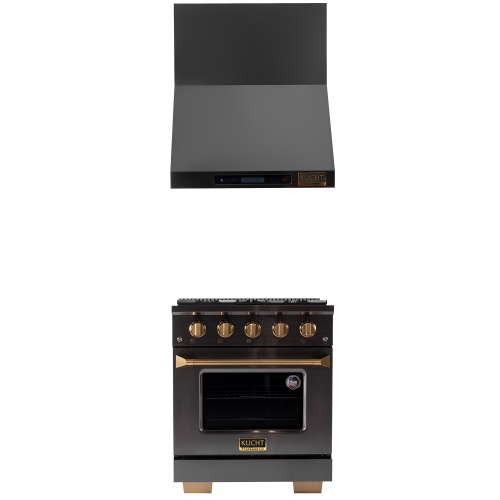
Top Collections:
Best Black Friday Deals This Year, Best Black Friday Deals On Electronics, Kindle Devices, Pokemon Centers, Best Black Friday Deals On Apple Products, Best Cameras for Sports Photography, Dyson Airwrap, Pokémon 30th Celebration Cards, Apple iPhone 17 Pro, Canon G7X Cameras
Some products may be subject to Environmental Handling Fees
(EHF) depending on your province.
Learn more about EHFs.