Gas Stove Cookware
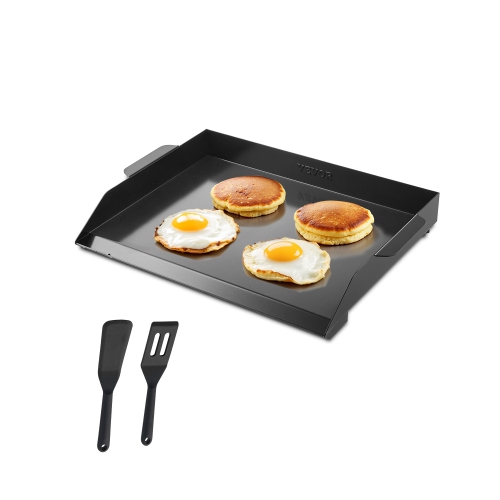
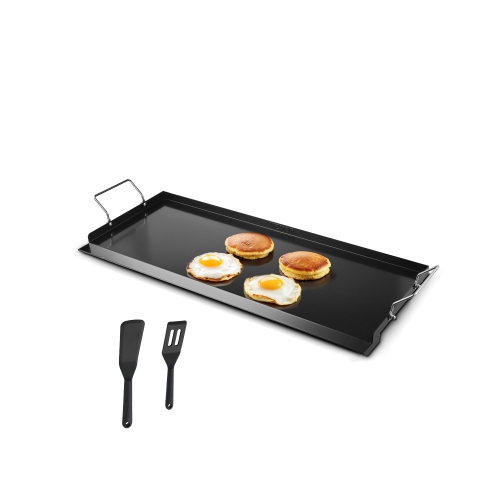
Upgrade your cooking experience with the perfect gas stove cookware. Whether you're a passionate home chef or simply enjoy preparing delicious meals for your loved ones, having the right cookware is essential. That's why we offer a wide selection of gas stove cookware that combines innovative features, superior performance, and stylish designs. From non-stick frying pans to durable saucepans and versatile griddles, our collection has everything you need to elevate your culinary skills.
Sort








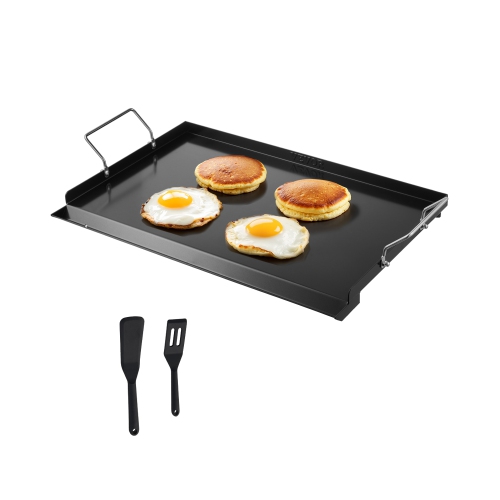
How cookware materials respond to a gas flame
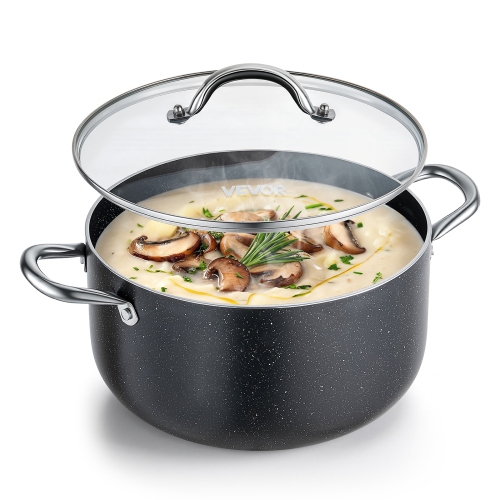
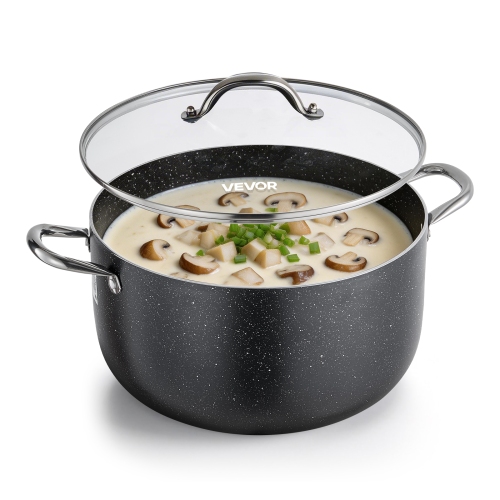
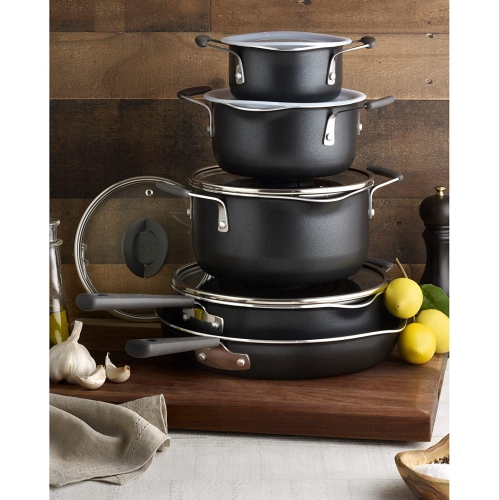
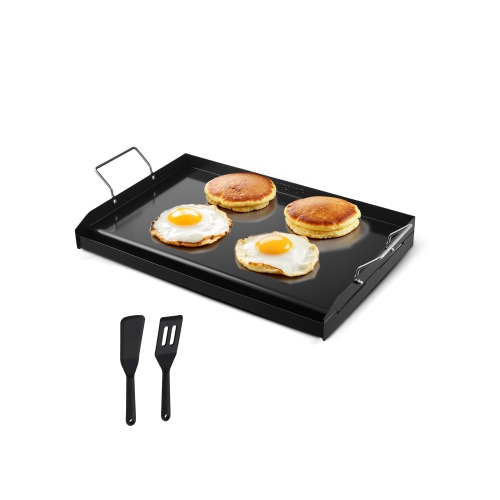
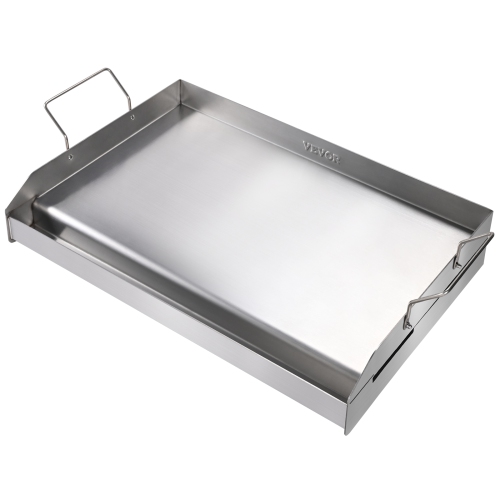
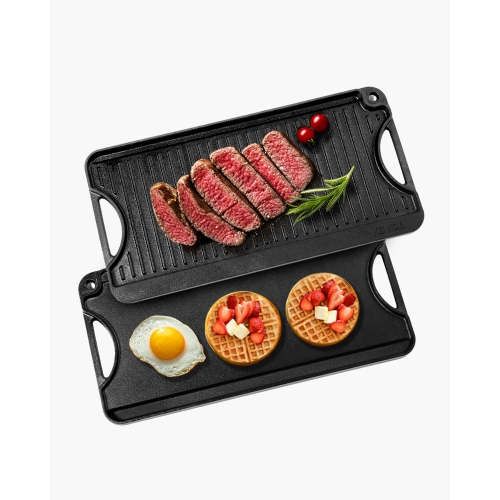
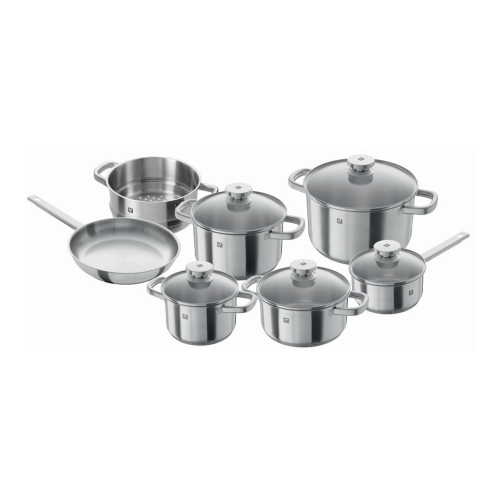
Gas stove cookware is designed to work with the direct flame and responsive heat control of a gas burner. Stainless steel, cast iron, carbon steel, and enamelled cast iron are well suited to this style of cooking when their construction and manufacturer’s specifications support gas use. Each material brings something different to the stovetop, from the steady heat of a heavy braising pot to the quicker response of a carbon steel frying pan. Multi-ply stainless steel combines a durable cooking surface with conductive layers, commonly aluminum, that help spread heat beyond the points directly above the flame. Fully clad construction carries those layers through the base and sides, while other designs concentrate them in a bonded base. Both can work well on gas, though thickness and build quality affect heat distribution. Stainless steel is useful for browning chicken, sautéing vegetables, and making a pan sauce from the browned bits left behind. Bare cast iron takes longer to heat but holds heat well, making it a practical choice for searing and dishes that benefit from a steady cooking surface. Carbon steel generally weighs less than a comparable cast iron pan and responds more quickly to burner adjustments, although its performance depends on thickness. Both bare cast iron and carbon steel need seasoning and prompt drying to protect their surfaces. Enamelled cast iron offers similar heat retention with a coating that does not require seasoning and is suitable for acidic ingredients such as tomatoes and wine. Non-stick cookware can also suit gas stoves when explicitly rated for them, particularly for eggs, pancakes, and delicate fish cooked over controlled low to medium heat. Its heat limits matter: a coating intended for gentle cooking is not a substitute for a pan built for high-heat searing. The best cookware for a gas stove therefore depends on the food being prepared, the desired maintenance routine, and how readily the pan needs to respond when the flame is lowered.
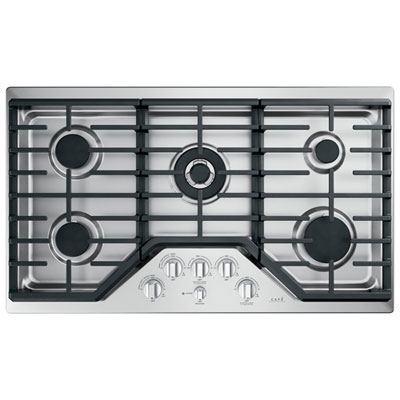
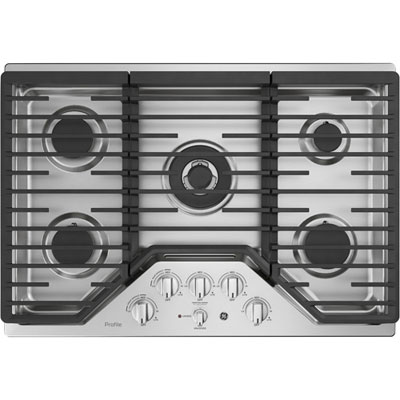
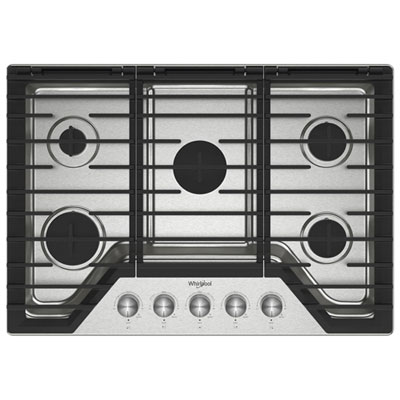
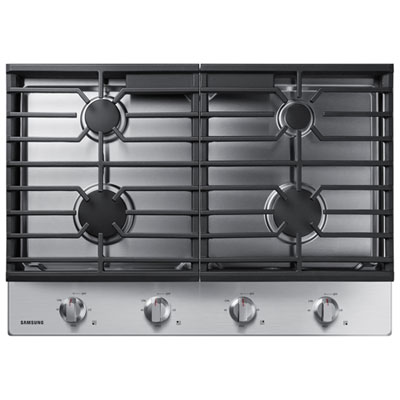
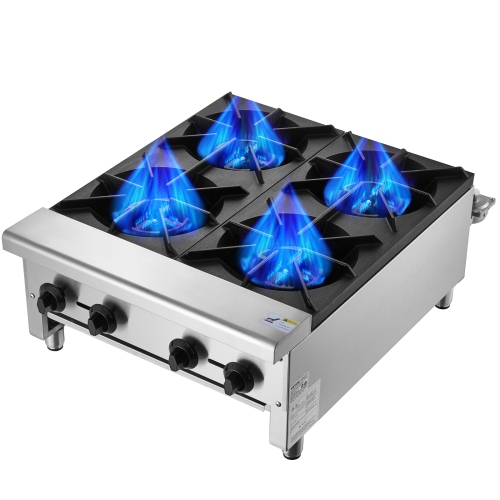
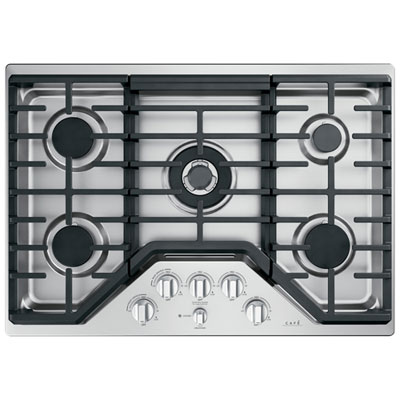
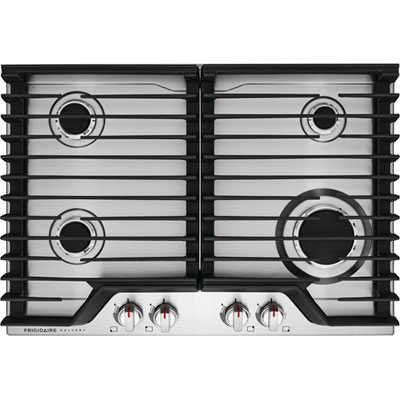
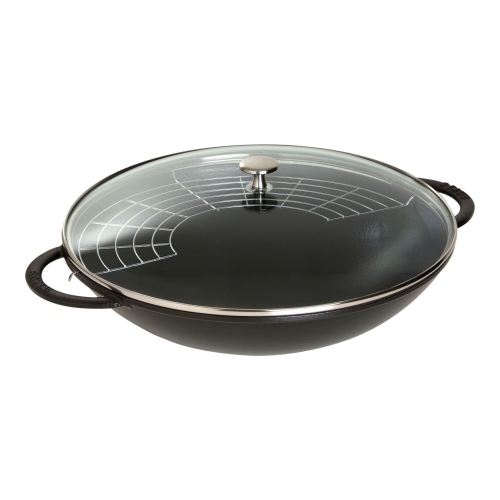
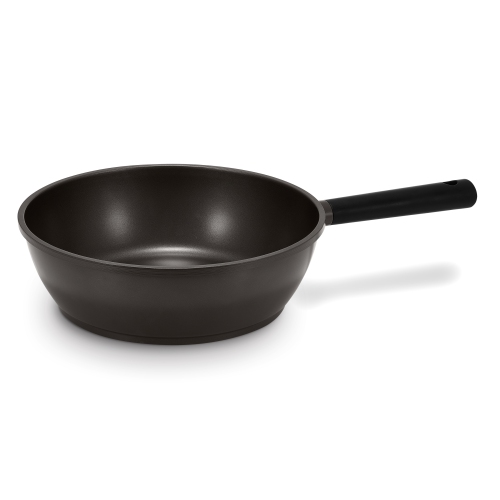
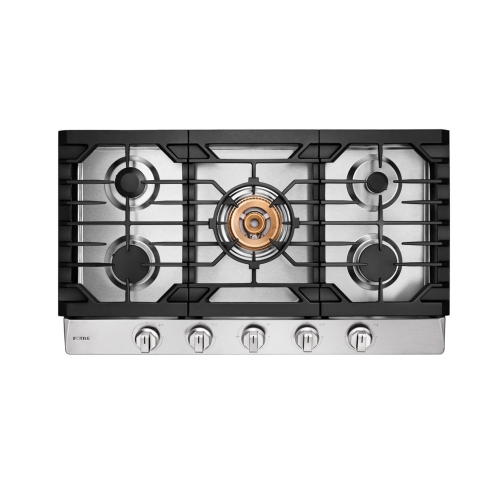
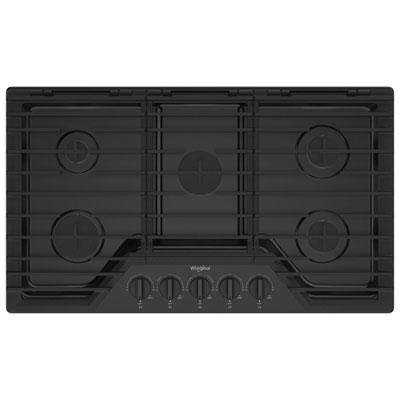
Fit matters as much as material because a gas burner applies heat in a concentrated pattern beneath the cookware. A stable, flat base should sit securely on the grate without rocking, and the cooking vessel should be appropriately sized for the burner. A small saucepan over a wide flame can waste heat and expose its sides and handle to excessive heat, while a very wide frying pan over a small burner may develop a hotter centre and cooler edges. Keep the flame beneath the base rather than allowing it to climb the sides. Round-bottom woks are an exception to the flat-base approach and need a compatible support arrangement approved for the cooking appliance; a flat-bottom wok is often a simpler fit for a standard household grate. When matching cookware with Black Gas Cooktops, burner layout, grate support, and clearance between adjacent pots are more important than matching finishes. Two broad pans should have enough room to sit properly without forcing either one off-centre. Listed diameter alone does not tell the whole story, since sloped sides can leave a smaller usable cooking surface than straight sides of the same rim width. Capacity, depth, and handle length also affect everyday use. A deep pot gives pasta water room to bubble, a broad sauté pan allows food to brown without crowding, and a snug-fitting lid helps contain moisture during simmering. Substantial bases can spread heat and resist distortion, but no construction is immune to damage from overheating or sudden cooling. Handles should offer a secure grip and enough clearance for comfortable lifting. Metal handles can become hot, and silicone-covered or other heat-resistant handles still have temperature limits; none should be exposed to direct flame. A helper handle is especially useful on heavier cookware when moving a full pot. For recipes that finish in the oven, check the temperature ratings of the entire vessel, including its handles, lid, and lid knob.
Everyday care helps gas-compatible cookware retain its performance and makes the differences between materials more noticeable over time. Stainless steel suits cooks who want a durable, non-reactive surface without a seasoning routine, though food release takes some practice. Moderate preheating, an appropriate amount of cooking fat, and patience while a crust forms can make browning easier without relying on maximum burner output. For stubborn residue, let the pan cool before soaking or cleaning it according to its care instructions; pouring cold water into a very hot pan can cause thermal shock and distortion. Bare cast iron and carbon steel benefit from washing, thorough drying, and a light application of oil as needed to maintain their seasoning. Long simmers with acidic ingredients can weaken that seasoning, so stainless steel or intact enamel is often better suited to tomato sauces and similar dishes. Enamelled surfaces need protection from hard knocks, abrasive cleaning, and abrupt temperature changes. For non-stick interiors, compatible wood or silicone utensils and gentle cleaning help preserve the coating, while careful storage reduces scratches. Avoid preheating an empty non-stick pan, and follow its stated heat limits even when a gas burner can deliver much more heat. Dishwasher suitability varies across cookware, lids, and handles, so care labels remain important even within the same material category. Weight is another practical consideration: a pan that feels manageable empty may be difficult to lift once filled with sauce or stew. Cooks preparing meals for one or two may prefer smaller vessels that are easy to wash and store, while households cooking larger batches often benefit from broader cooking surfaces and higher-capacity pots. Nesting shapes and protective separators can help keep a compact cupboard organized without letting cooking surfaces rub together. For someone setting up a first kitchen or receiving cookware as a housewarming gift, a few versatile, gas-compatible pieces can be more useful than a large assortment with overlapping purposes. A thoughtful match between material, burner size, lifting comfort, and cooking habits supports everything from a quick omelette to a slowly simmered sauce, without adding unnecessary care or storage demands.
Fit matters as much as material because a gas burner applies heat in a concentrated pattern beneath the cookware. A stable, flat base should sit securely on the grate without rocking, and the cooking vessel should be appropriately sized for the burner. A small saucepan over a wide flame can waste heat and expose its sides and handle to excessive heat, while a very wide frying pan over a small burner may develop a hotter centre and cooler edges. Keep the flame beneath the base rather than allowing it to climb the sides. Round-bottom woks are an exception to the flat-base approach and need a compatible support arrangement approved for the cooking appliance; a flat-bottom wok is often a simpler fit for a standard household grate. When matching cookware with Black Gas Cooktops, burner layout, grate support, and clearance between adjacent pots are more important than matching finishes. Two broad pans should have enough room to sit properly without forcing either one off-centre. Listed diameter alone does not tell the whole story, since sloped sides can leave a smaller usable cooking surface than straight sides of the same rim width. Capacity, depth, and handle length also affect everyday use. A deep pot gives pasta water room to bubble, a broad sauté pan allows food to brown without crowding, and a snug-fitting lid helps contain moisture during simmering. Substantial bases can spread heat and resist distortion, but no construction is immune to damage from overheating or sudden cooling. Handles should offer a secure grip and enough clearance for comfortable lifting. Metal handles can become hot, and silicone-covered or other heat-resistant handles still have temperature limits; none should be exposed to direct flame. A helper handle is especially useful on heavier cookware when moving a full pot. For recipes that finish in the oven, check the temperature ratings of the entire vessel, including its handles, lid, and lid knob.
Everyday care helps gas-compatible cookware retain its performance and makes the differences between materials more noticeable over time. Stainless steel suits cooks who want a durable, non-reactive surface without a seasoning routine, though food release takes some practice. Moderate preheating, an appropriate amount of cooking fat, and patience while a crust forms can make browning easier without relying on maximum burner output. For stubborn residue, let the pan cool before soaking or cleaning it according to its care instructions; pouring cold water into a very hot pan can cause thermal shock and distortion. Bare cast iron and carbon steel benefit from washing, thorough drying, and a light application of oil as needed to maintain their seasoning. Long simmers with acidic ingredients can weaken that seasoning, so stainless steel or intact enamel is often better suited to tomato sauces and similar dishes. Enamelled surfaces need protection from hard knocks, abrasive cleaning, and abrupt temperature changes. For non-stick interiors, compatible wood or silicone utensils and gentle cleaning help preserve the coating, while careful storage reduces scratches. Avoid preheating an empty non-stick pan, and follow its stated heat limits even when a gas burner can deliver much more heat. Dishwasher suitability varies across cookware, lids, and handles, so care labels remain important even within the same material category. Weight is another practical consideration: a pan that feels manageable empty may be difficult to lift once filled with sauce or stew. Cooks preparing meals for one or two may prefer smaller vessels that are easy to wash and store, while households cooking larger batches often benefit from broader cooking surfaces and higher-capacity pots. Nesting shapes and protective separators can help keep a compact cupboard organized without letting cooking surfaces rub together. For someone setting up a first kitchen or receiving cookware as a housewarming gift, a few versatile, gas-compatible pieces can be more useful than a large assortment with overlapping purposes. A thoughtful match between material, burner size, lifting comfort, and cooking habits supports everything from a quick omelette to a slowly simmered sauce, without adding unnecessary care or storage demands.
Top selling and popular products
-
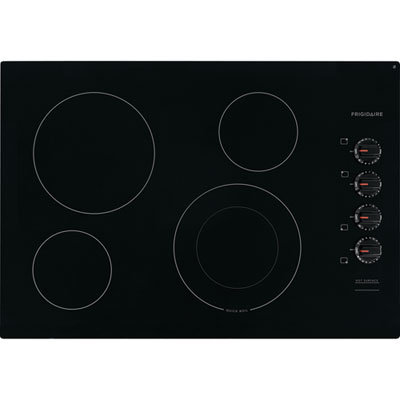 Your price for this item is $699.99
 -
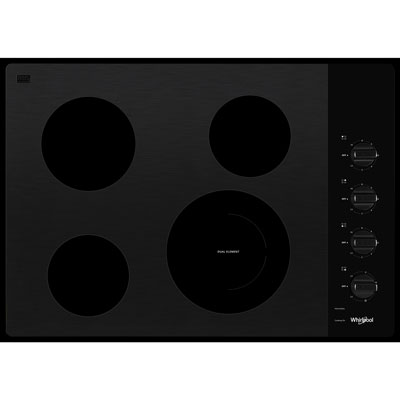 Your price for this item is $949.99
 -
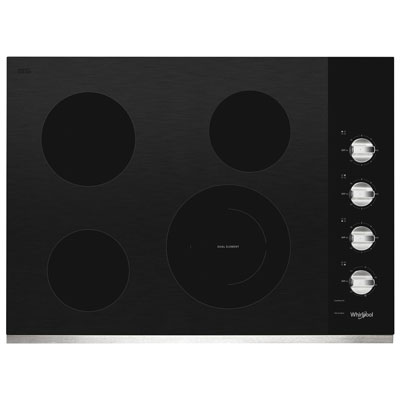 Your price for this item is $949.99
 -
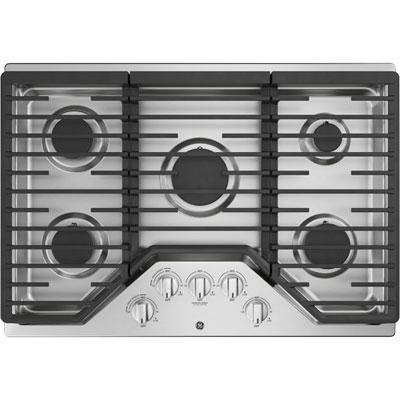 Your price for this item is $1499.99
 -
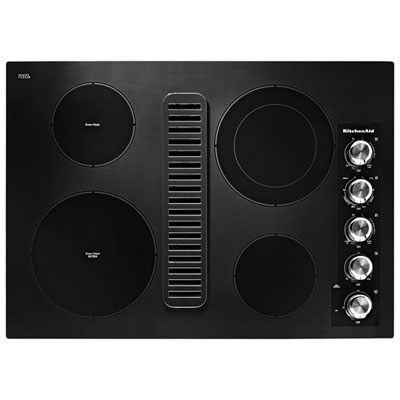 Your price for this item is $2999.99
 -
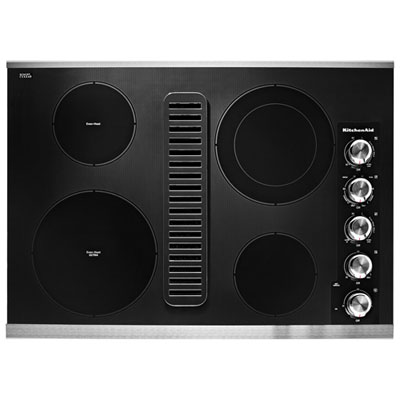 Your price for this item is $3099.99
 -
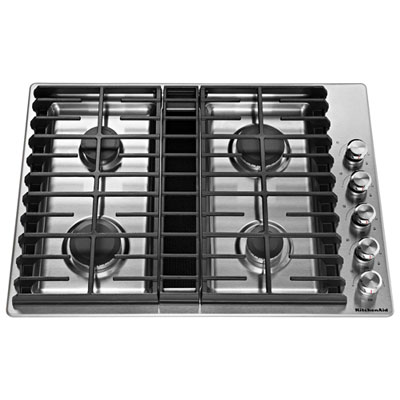 Your price for this item is $3099.99
 -
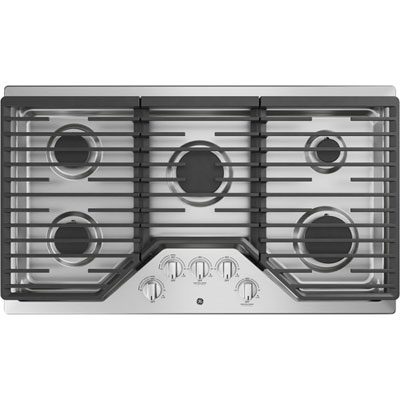 Your price for this item is $1899.99
Discover more categories related to Gas Stove Cookware
Top Collections:
Pokemon Centers, Kindle Devices, Best Budget Office Chairs, Apple iPhones 16, Best Laptops for Writers, iPhone 15 Apple, Canon G7X Cameras, Refurbished Apple Laptops, Alarm Clock, Motorola Razr Phones
Some products may be subject to Environmental Handling Fees
(EHF) depending on your province.
Learn more about EHFs.