Lightweight Irons
Lightweight Iron options make everyday ironing effortless and convenient, whether you’re freshening up work attire or tackling a pile of laundry. Designed for easy maneuverability and comfortable handling, these irons help streamline your routine and keep your clothes looking their best. Discover a range of Lightweight Iron solutions to suit your needs and enjoy smooth, crisp results with every use.
Sort
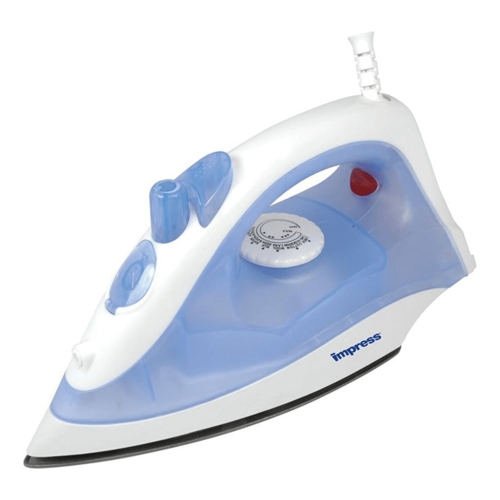
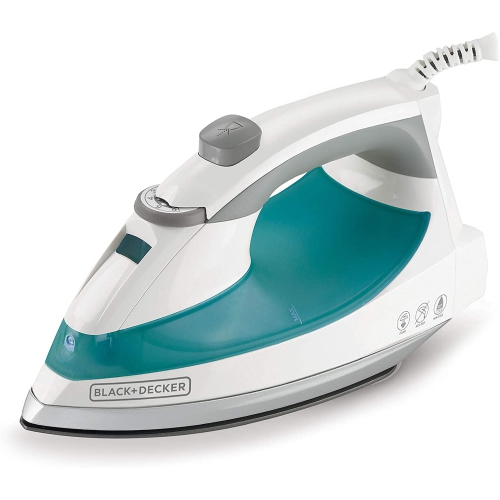
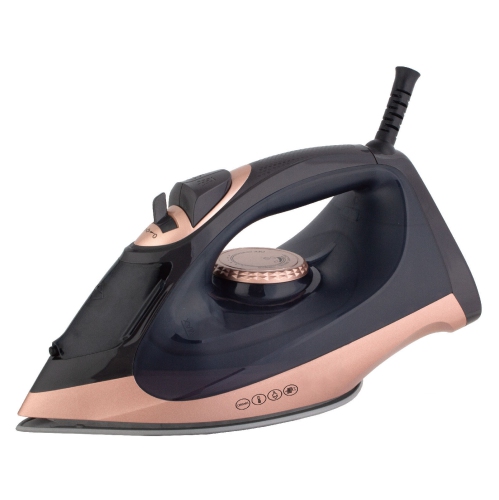
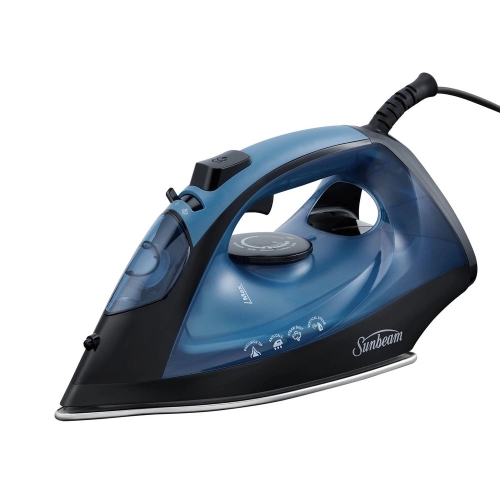


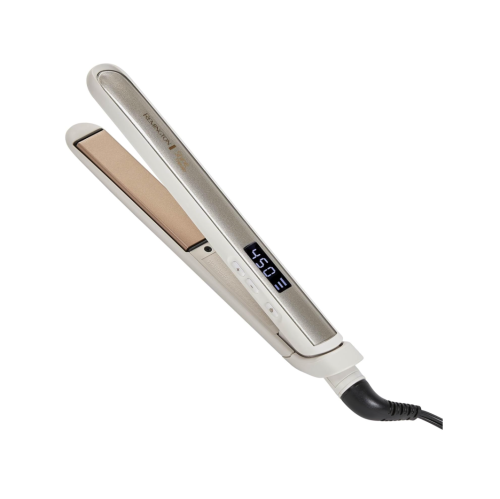
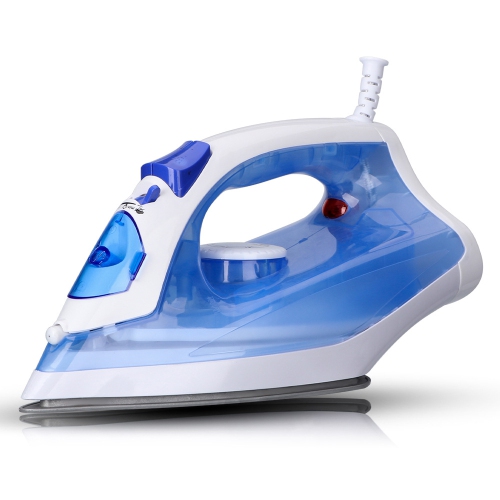
Why comfortable ironing depends on more than weight
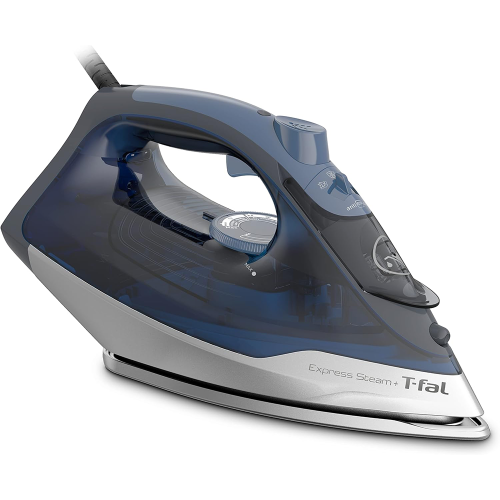
Lightweight irons are clothing-care appliances designed to make pressing and steaming easier to manage without the heft of a heavier iron. Their appeal is practical: less weight to lift between passes, a comfortable grip for working around cuffs and collars, and a manageable size for everyday laundry. They suit quick touch-ups before work, small batches of shirts, sewing projects, and households where an iron needs to move easily between a cupboard and an ironing board. A lighter body can also be helpful for someone who finds a heavier appliance tiring, although handle shape, balance, and the amount of water in the tank matter just as much as the listed weight. An iron that feels light when empty will feel different once filled, and a well-balanced design can be more comfortable than a smaller appliance with an awkward grip. Lightweight does not necessarily mean travel-sized or limited to occasional use. Full-size steam irons can combine a relatively light body with a broad soleplate, adjustable heat, and useful steam controls, while compact versions favour easy packing and smaller storage spaces. For regular clothing care, a clearly marked temperature dial, accessible steam buttons, and a visible water level can make the experience more straightforward. A pointed tip helps reach the fabric between shirt buttons, while a smooth soleplate edge makes it easier to work around pockets and seams. Cord length and the position of the cord connection also affect how freely an iron moves across the board. For a person who usually presses one outfit at a time, easy handling may matter more than a large tank. Someone working through several shirts may prefer a balance of low weight, steady steam, and fewer refills. The most useful design is one that feels manageable throughout the task, rather than simply being the smallest appliance.
Soleplate materials, steam delivery, and fabric settings all contribute to how a lightweight iron handles clothing. Stainless steel soleplates are commonly valued for their smooth glide and durability, while ceramic-coated and non-stick surfaces can also move smoothly over suitable fabrics when kept clean and used as directed. No finish is immune to damage: exposed zips, metal fasteners, abrasive cleaning tools, and unsuitable heat settings can mark a surface or leave residue behind. A clean, undamaged soleplate helps the iron travel evenly instead of catching on a seam or dragging across a sleeve. Adjustable heat is important because a cotton shirt, a linen tablecloth, and a synthetic blouse may require very different treatment. The garment care label remains the starting point, particularly for blends, printed finishes, pleats, and delicate trims. Some pieces call for low heat, a pressing cloth, or no ironing at all. Steam can help relax wrinkles in fabrics that tolerate moisture and heat, while a dry setting offers flexibility for tasks where steam is not appropriate. A burst-of-steam function may help with a stubborn crease, and a spray feature can lightly dampen compatible fabric before pressing. Vertical steam, where supported, offers another way to refresh suitable hanging garments, but it does not provide the same crisp finish as pressing fabric against an ironing board. Garments should never be steamed while being worn. Anti-drip features are intended to reduce water leakage, especially when the soleplate is not hot enough to produce steam, though correct settings and use still matter. For someone pressing a shirt collar or a narrow trouser hem, control and visibility can be more valuable than a forceful steam burst. For broader areas, such as the back of a cotton shirt, a comfortable glide and consistent heat help keep the work moving. A lightweight iron still needs a firm, well-padded ironing surface; the fabric, setting, steam, and support beneath the garment all contribute to the finished result.
Day-to-day convenience also depends on filling, cleaning, storage, and the way the iron fits into a home. A water opening that is easy to reach and a tank with clear markings can make refills less awkward. Tank size involves a trade-off: more water can extend a pressing session, but it also adds weight. Water requirements vary by appliance, so the manufacturer’s directions should determine whether tap water, a specified mixture, or another recommended option is appropriate. Self-cleaning or anti-scale features, when included, can support routine maintenance, but they do not remove the need to follow cleaning instructions. Household descaling mixtures are not suitable for every iron. After use, cooling time and a secure resting position matter, particularly in shared spaces or homes with children and pets. Automatic shut-off can provide an additional safeguard, but it does not replace careful handling or unplugging and storing the appliance as directed. Cordless designs can reduce cord interference during pressing, although they typically need to return to a powered base to regain heat. Compact travel irons serve a different purpose, with packable dimensions that may come with a smaller soleplate and water tank. For travel outside Canada, voltage compatibility needs checking; a plug adaptor alone does not change the electrical supply. Those whose routines involve frequent pressing of sturdy fabrics or long laundry sessions may also find Heavy Duty Irons relevant when weighing handling comfort against capacity and construction. A lightweight iron remains a practical choice for everyday garments, small living spaces, and people who prefer an appliance that is easy to lift and put away. It can also make a useful housewarming gift for someone who regularly wears pressed clothing or enjoys sewing, especially when comfortable handling and simple controls are priorities. Thoughtful details such as a stable heel rest, readable settings, and accessible buttons often make the greatest difference to regular use.
Top selling and popular products
-
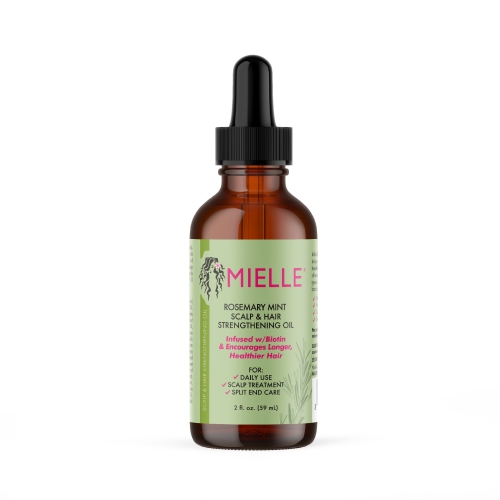 Your price for this item is $15.99
-
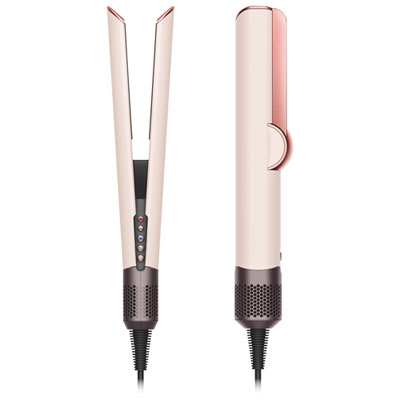 Your price for this item is $699.99
-
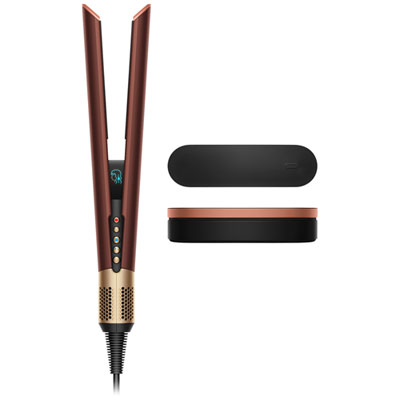 Your price for this item is $699.99
-
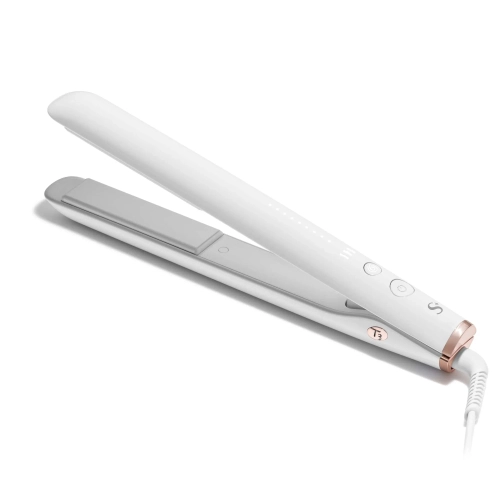 Your price for this item is $269.95
-
 Your price for this item is $649.99
-
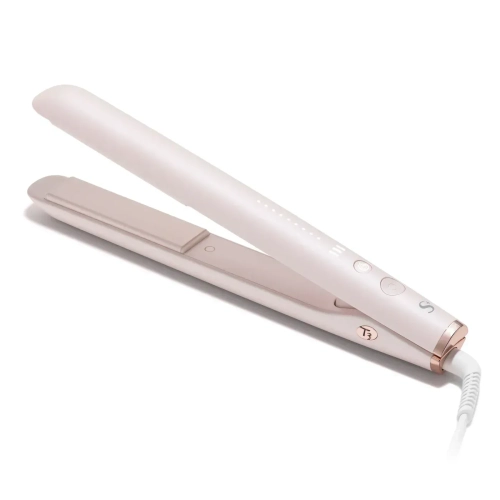 Your price for this item is $289.95
-
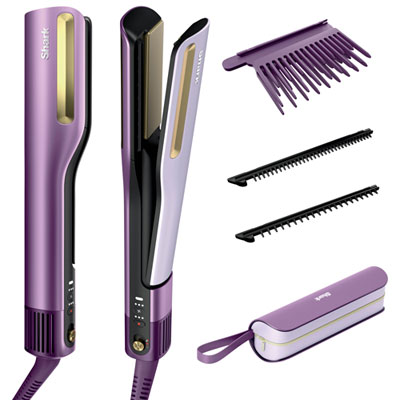 Your price for this item is $299.99
-
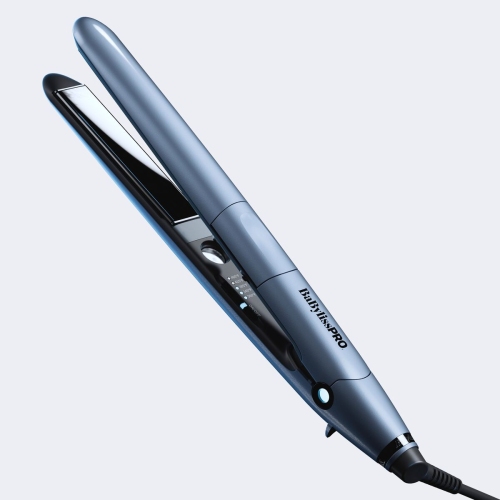 Your price for this item is $229.99
Discover more categories related to Lightweight Irons


Top Collections:
Best Black Friday Deals This Year, Best Black Friday Deals On Electronics, Kindle Devices, Pokemon Centers, Best Black Friday Deals On Apple Products, Best Cameras for Sports Photography, Dyson Airwrap, Pokémon 30th Celebration Cards, Apple iPhone 17 Pro, Canon G7X Cameras
Some products may be subject to Environmental Handling Fees
(EHF) depending on your province.
Learn more about EHFs.