Lightweight Steam Irons
Lightweight Steam Irons offer a convenient solution for tackling everyday wrinkles and keeping your wardrobe looking its best. Designed for easy handling, these irons make it simple to achieve crisp, smooth results on a variety of fabrics. Whether you're preparing outfits for work, special occasions, or daily wear, Lightweight Steam Irons provide the flexibility and efficiency needed to maintain polished clothes with minimal effort. Explore options that help you breeze through ironing tasks and keep your garments looking fresh.
Sort
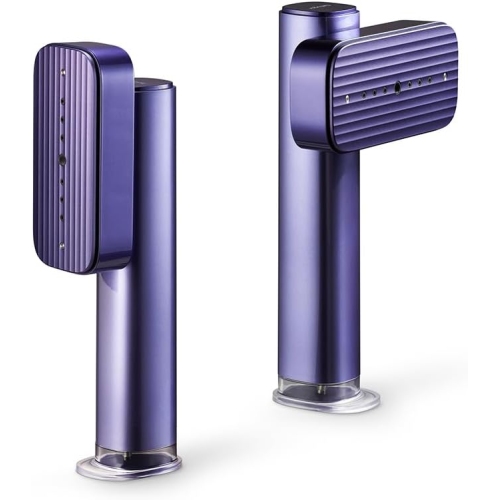
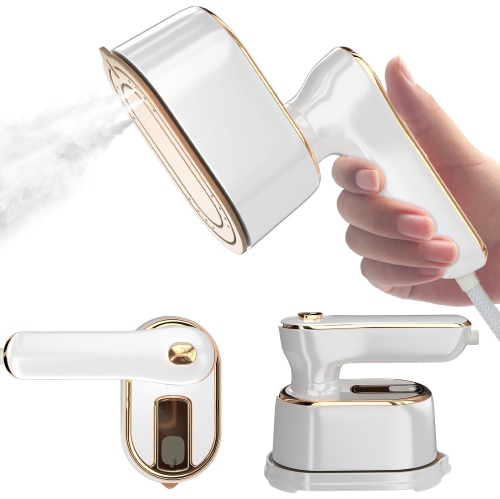
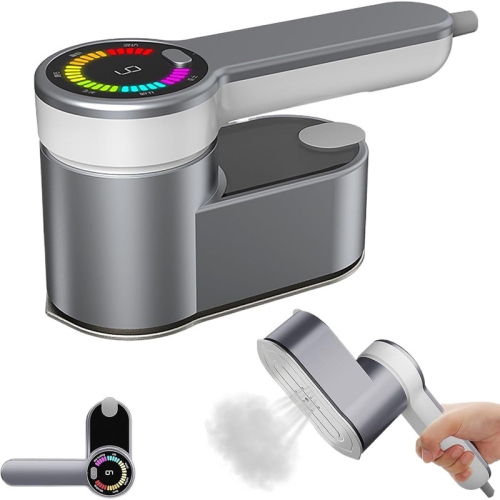
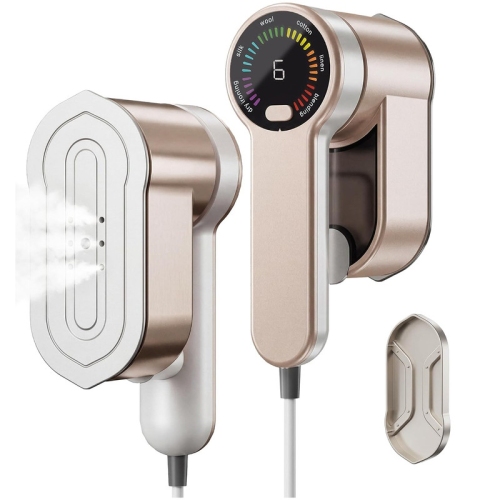


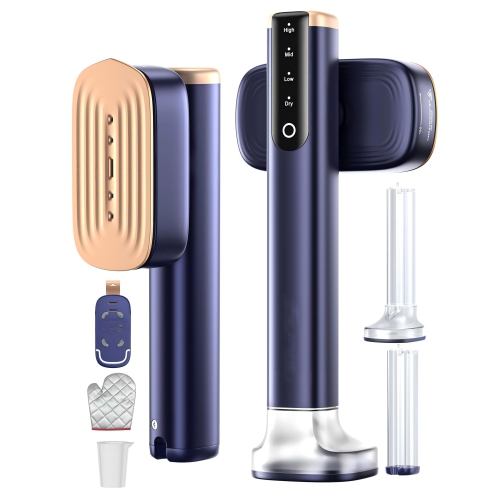
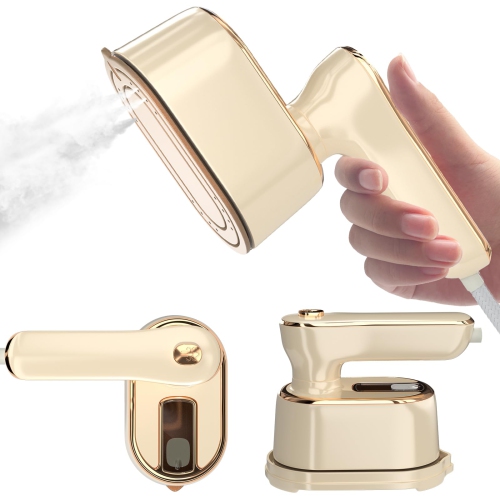
Why comfortable ironing depends on more than weight
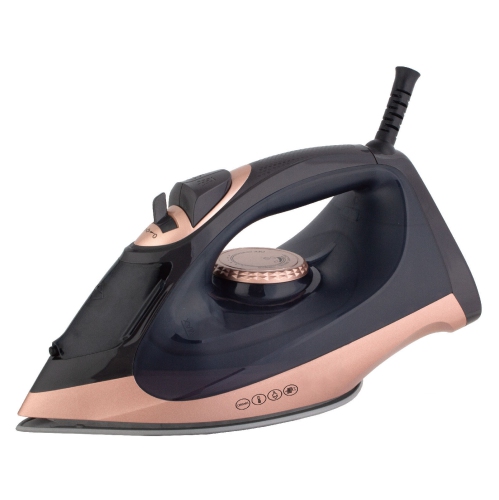
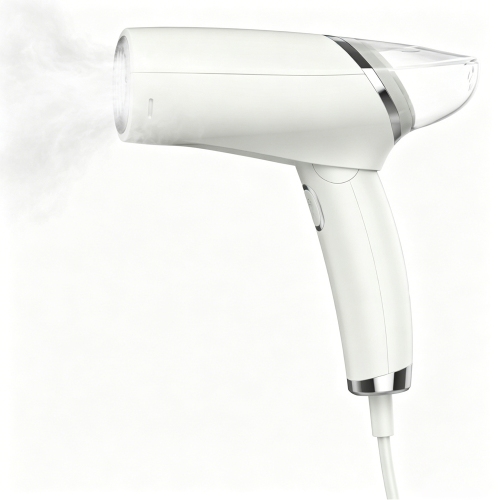
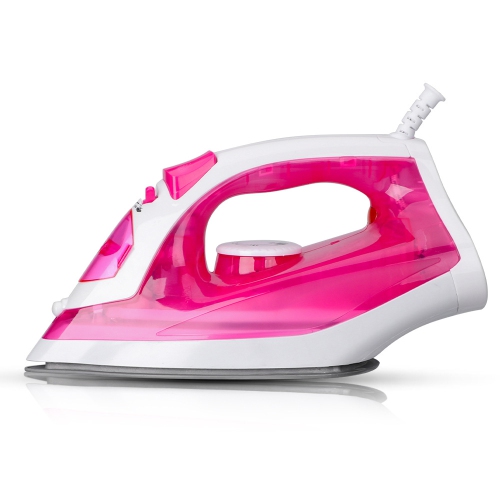
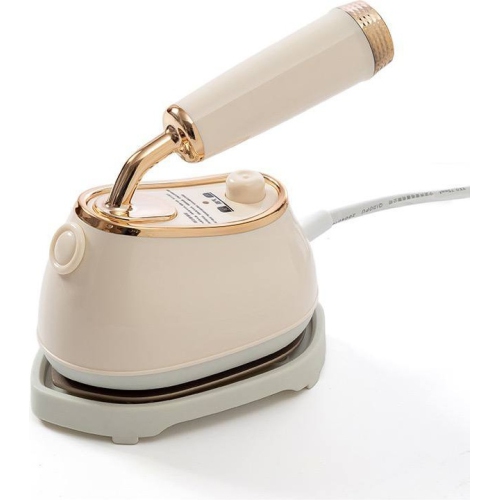
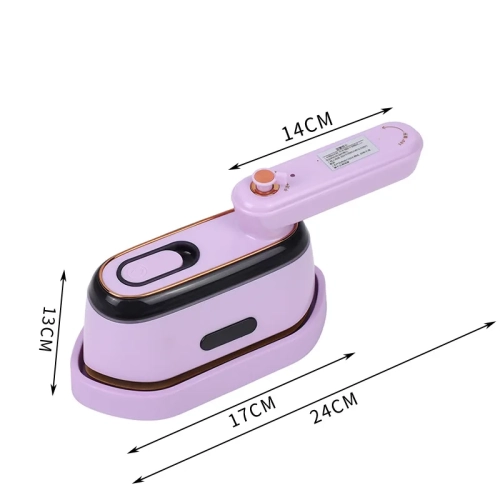
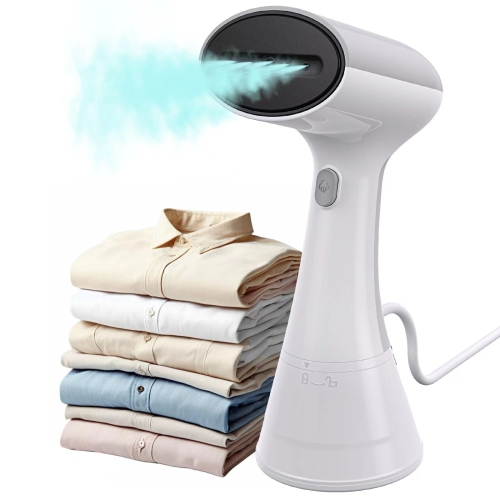
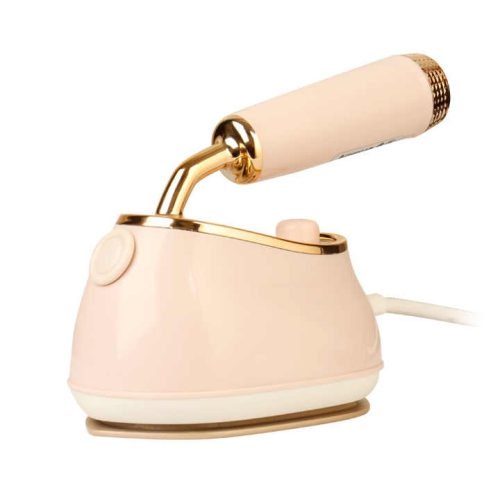
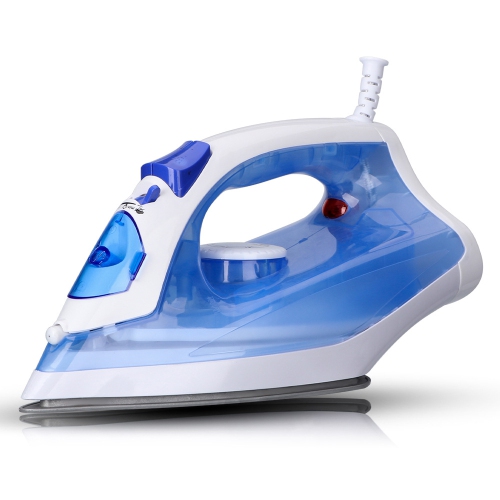
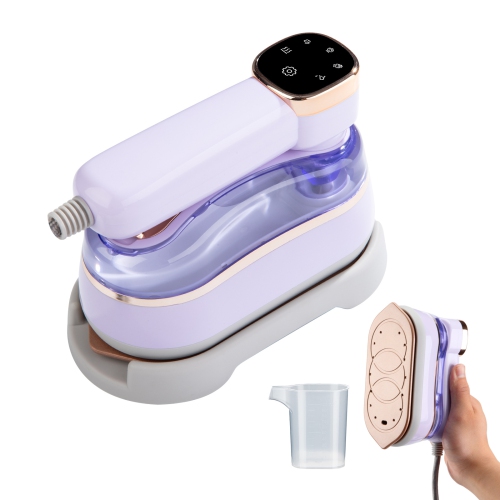
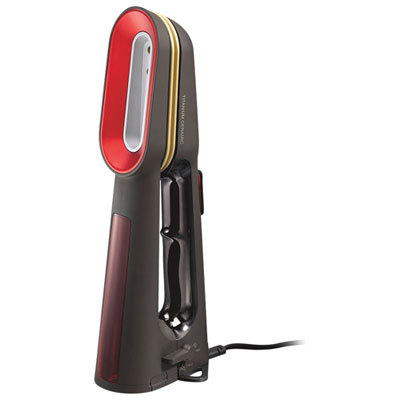
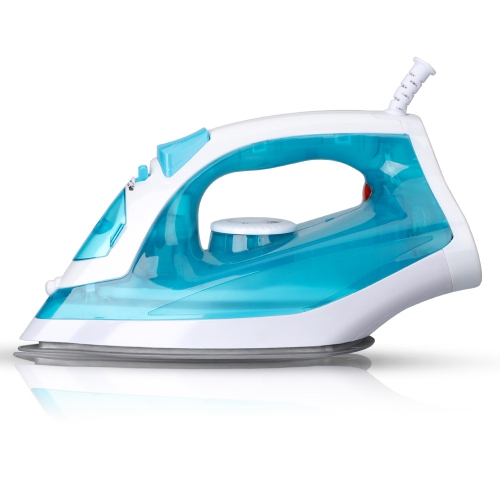
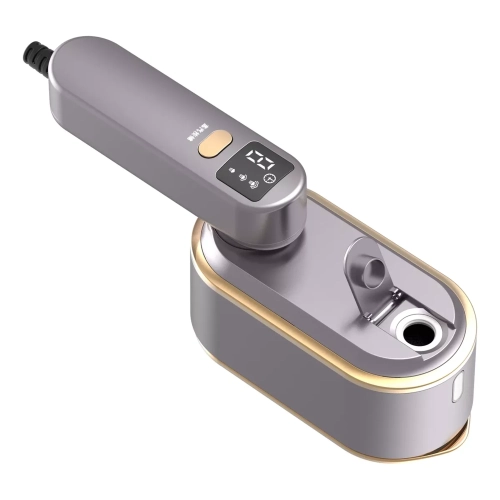
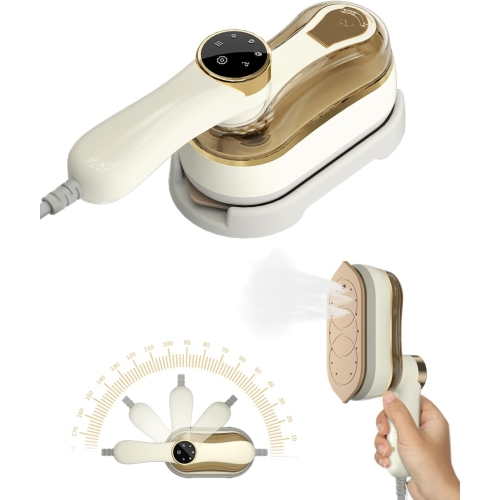
Lightweight steam irons combine a manageable body with heated soleplates and steam to smooth wrinkles in clothing, table linens, and other washable fabrics suitable for ironing. Their appeal is especially clear when working around shirt cuffs, lifting the iron between trouser legs, or pressing several garments in one session: less weight can make those repeated movements feel more comfortable. There is no single weight that defines a lightweight iron, so comparing the stated weight is more useful than relying on the description alone. Check whether that figure refers to the empty appliance, since a filled water tank adds to the weight carried in the hand. A larger tank can mean fewer trips to the tap, while a smaller one may suit quick touch-ups before work or an evening out. Handle shape, balance, and button placement matter just as much as the number on the specifications sheet. A comfortable grip should leave room for the fingers, with steam and spray controls positioned where they are easy to reach without shifting the hand awkwardly. A pointed tip helps navigate the spaces between buttons and reach narrow pleats, while a broader soleplate covers more fabric with each pass. Cord length and a swivelling cord connection can also affect how freely the iron moves across an ironing board. These details are worth considering for regular shirt ironing, occasional garment care, sewing projects, or a first laundry setup in a smaller home. A lightweight design can also make a thoughtful practical gift for someone who enjoys sewing or has asked for easier-to-handle laundry tools. For larger loads, comfort depends on the whole setup: a stable ironing board at a suitable height and enough space to lay fabric flat can reduce awkward reaching. The best fit is an iron that feels manageable for the intended workload, rather than simply the smallest appliance.
Soleplate materials and steam controls influence how a lightweight steam iron performs once it meets the fabric. Stainless steel is commonly used for its smooth surface and durability, while ceramic and non-stick coatings are designed to help the soleplate glide. Actual handling depends on the finish, its condition, and the fabric being pressed; no surface should be treated as scratchproof. Avoid running the soleplate over zippers, metal fasteners, or decorative hardware, and use a pressing cloth when the garment instructions call for one. Steam helps relax fibres so wrinkles are easier to smooth, but heat and moisture need to match the care label. Cotton shirts and linen napkins often tolerate more heat than synthetic blouses, while some delicate garments require low heat, a protective cloth, or no ironing at all. Adjustable temperature and steam settings provide flexibility across different fabrics, and a dry-ironing option is useful when steam is unsuitable. When moving from a high-temperature fabric to one that needs lower heat, allow the soleplate to cool before making contact. Continuous steam supports longer passes over broad areas, while a steam burst can help with a stubborn fold at a trouser knee or a crease along a shirt sleeve. A spray mist can lightly dampen a suitable fabric before pressing. These functions are helpful, but more steam is not automatically better for every garment. Anti-drip features are intended to limit water droplets, especially when the iron is operating at lower temperatures, though the correct settings and filling level still matter. Wattage indicates electrical power use, not the complete ironing experience; soleplate design, temperature control, and steam delivery also affect results. For sewing and quilting, a narrow tip and responsive controls can be particularly useful for opening seams and working around small fabric sections. Some projects call for lifting and pressing rather than sliding, making a balanced, easy-to-lift iron a practical choice.
When comparing Reliable Steam Irons, consider how easily the appliance can be filled, cleaned, and stored alongside its weight and steam features. A clearly marked tank, a filling opening that is easy to access, and visible water levels help keep routine use straightforward. Follow the manufacturer's water instructions rather than assuming that distilled, softened, or tap water is suitable for every design. Mineral deposits can affect steam output over time, so self-cleaning functions, anti-scale systems, or removable collectors may be useful where provided. These features still require the maintenance described in the manual. Avoid adding fragrances, starch, or other substances to the tank unless explicitly permitted; products intended for use on fabric should be applied only as directed. Keep the soleplate clean using the approved method, and let the iron cool fully before wiping or storing it. A secure heel rest provides a place to stand the iron between passes, while automatic shutoff can add reassurance if it is left stationary. Shutoff behaviour varies by design and position, and it does not replace unplugging the appliance after use or keeping it away from children and pets. Let freshly ironed garments release any remaining moisture before folding or hanging them, and avoid packing the iron away while it is hot. Storage features such as a cord wrap or retractable cord can help keep a laundry cupboard tidy, provided the cord is handled according to the instructions. For travel, remember that lightweight does not necessarily mean compact or compatible with another country's electrical supply. Check dimensions, voltage requirements, and any voltage selector before packing; a plug adapter alone does not change voltage. For everyday use at home, a comfortable grip, dependable fabric settings, accessible maintenance, and sensible storage often matter more than the lowest possible weight. Together, those details help make routine pressing easier to fit into the day.
Top selling and popular products
-
 Your price for this item is $59.97
-
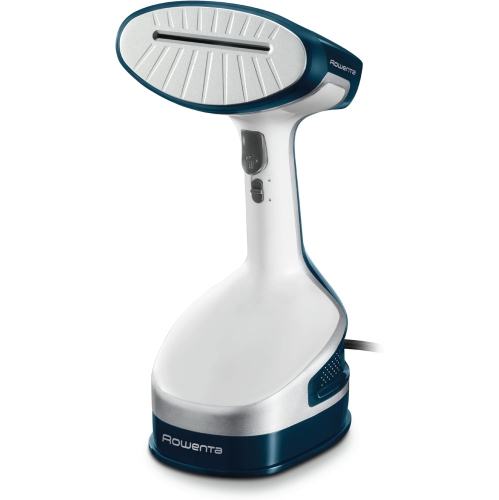 Your price for this item is $129.99
-
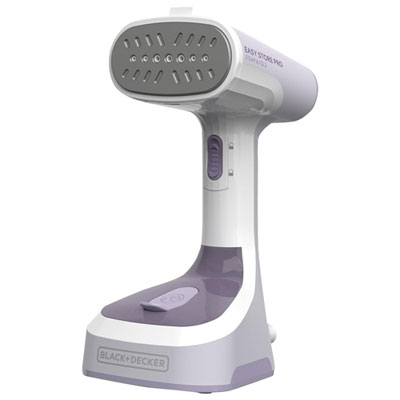 Your price for this item is $69.99
-
 Your price for this item is $59.99
-
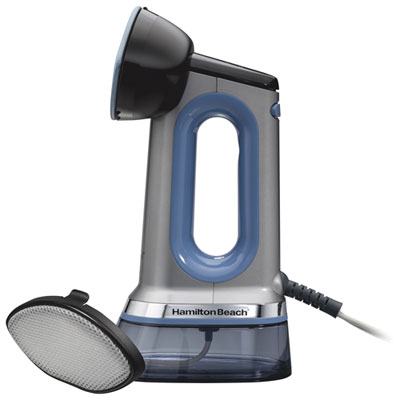 Your price for this item is $54.99
-
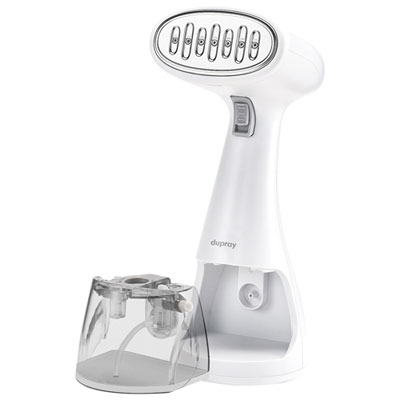 Your price for this item is $74.99
-
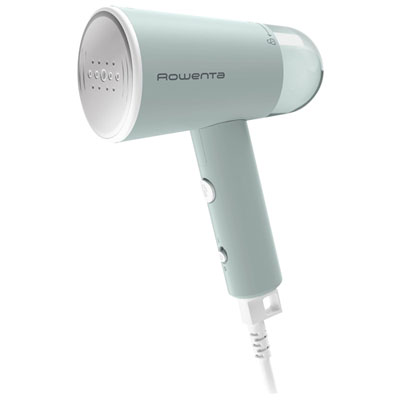 Your price for this item is $19.95
-
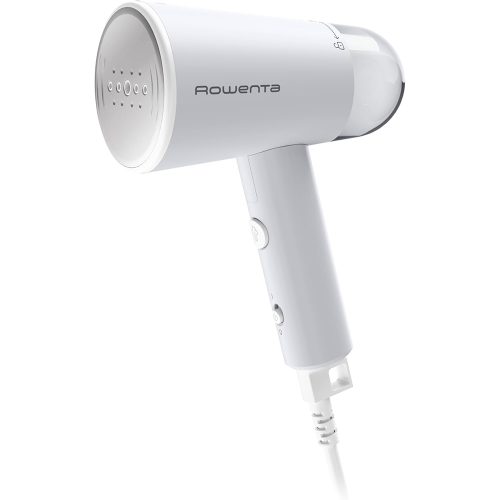 Your price for this item is $34.99
Discover more categories related to Lightweight Steam Irons

Top Collections:
Best Black Friday Deals This Year, Best Black Friday Deals On Electronics, Kindle Devices, Pokemon Centers, Best Black Friday Deals On Apple Products, Best Cameras for Sports Photography, Dyson Airwrap, Pokémon 30th Celebration Cards, Apple iPhone 17 Pro, Canon G7X Cameras
Some products may be subject to Environmental Handling Fees
(EHF) depending on your province.
Learn more about EHFs.