Gas Hose
Gas hoses are essential components for safely and efficiently connecting gas appliances to their fuel sources. Whether you're setting up a new outdoor grill, installing a gas stove, or maintaining your existing equipment, choosing the right gas hose is crucial for optimal performance and safety. Available in various lengths and materials, these hoses are designed to withstand high pressures and provide a secure connection that minimizes the risk of leaks. Explore options that suit your specific needs, ensuring compatibility with your appliances and adherence to safety standards. With the right gas hose, you can enjoy peace of mind and reliable operation for all your gas-powered devices.
Sort
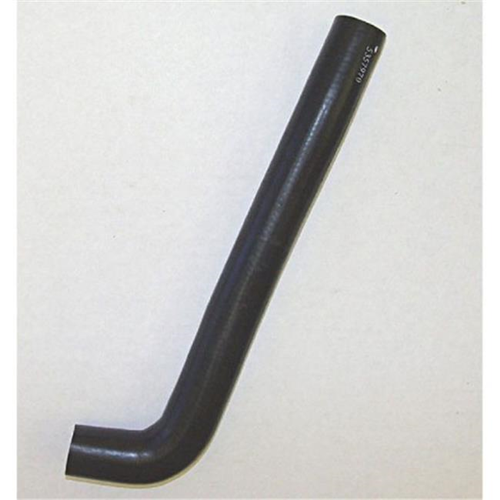
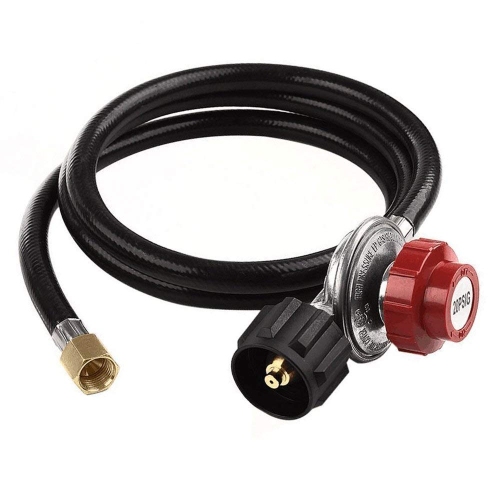
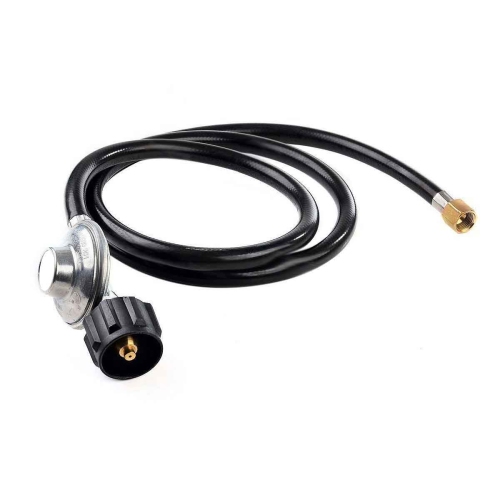
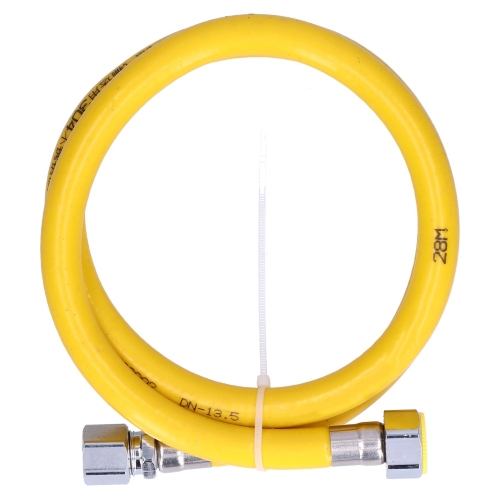
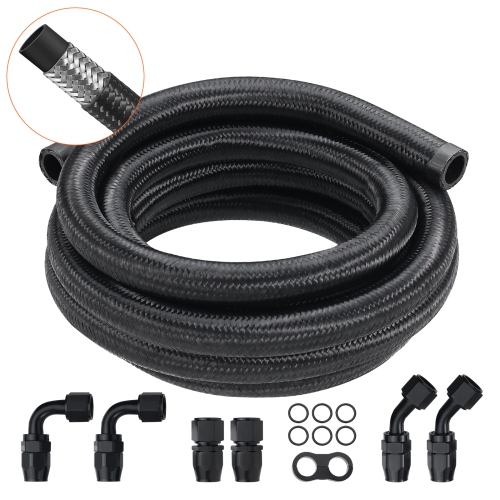
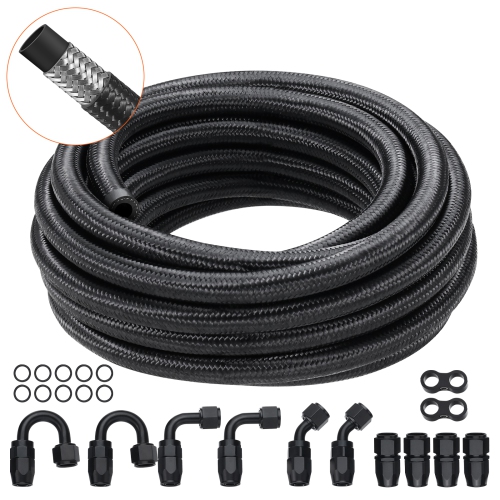
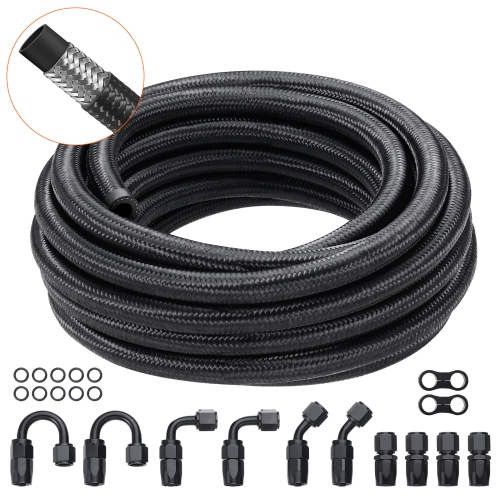
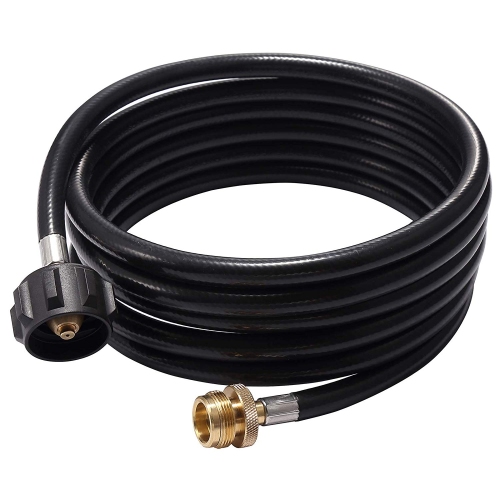
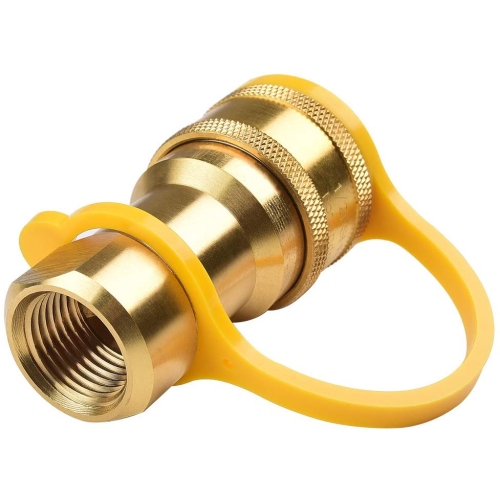
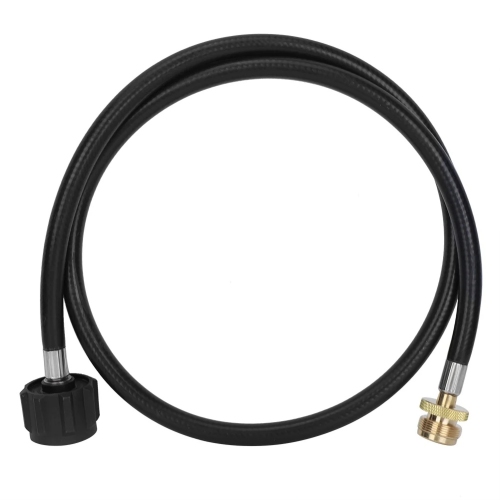
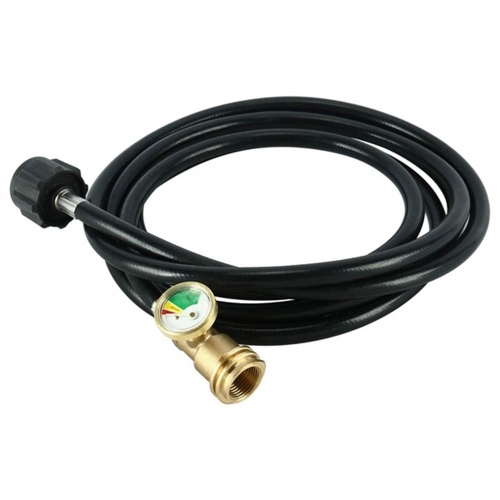
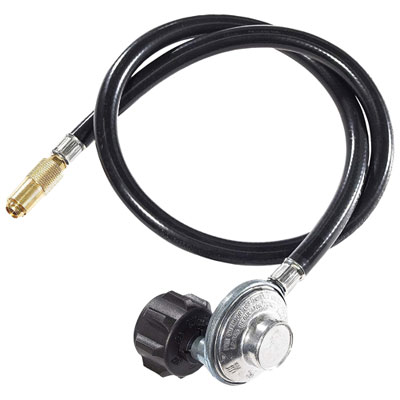
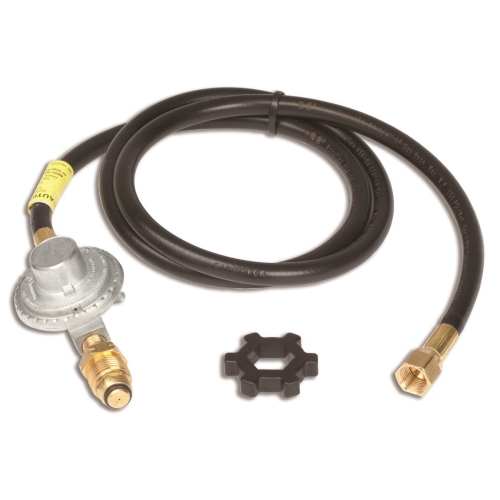
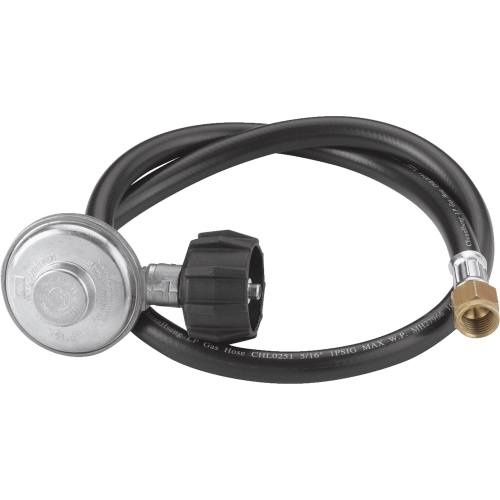
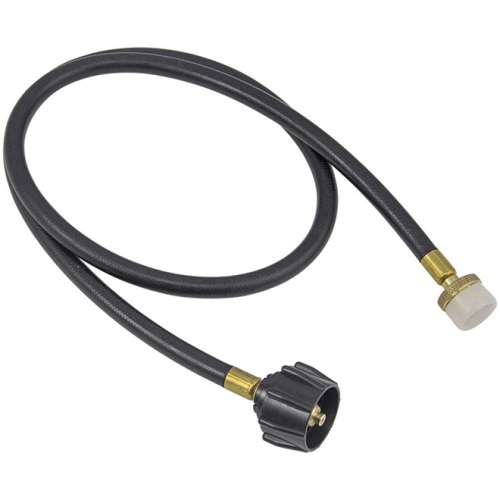
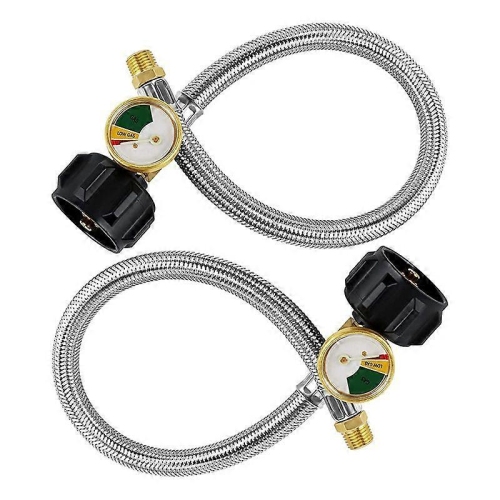
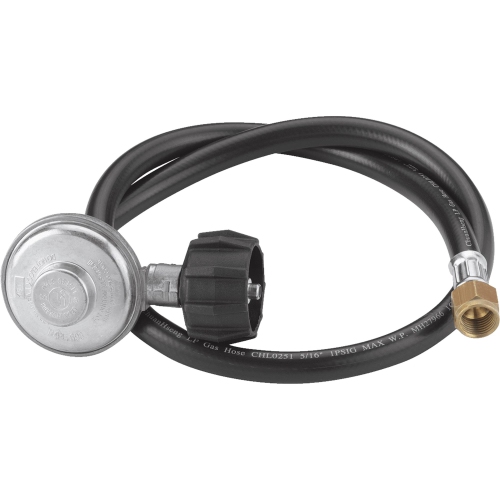
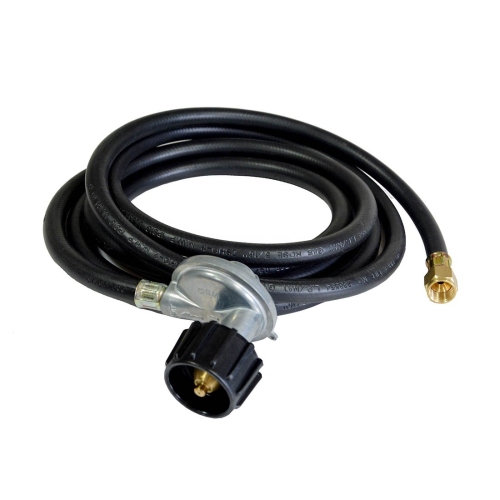
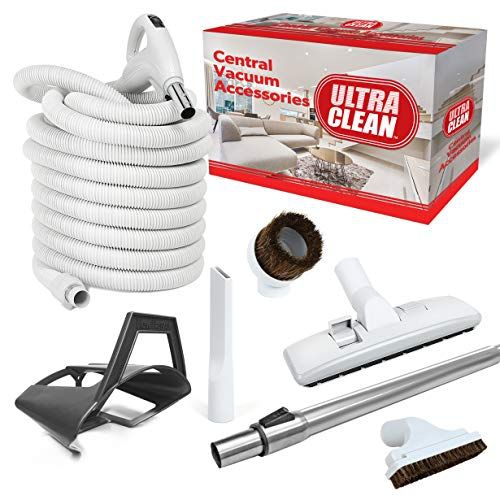
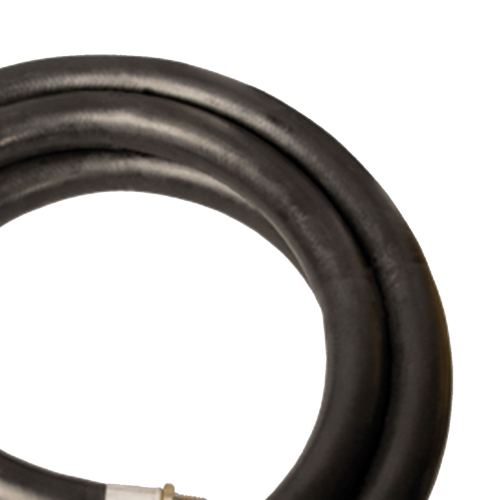
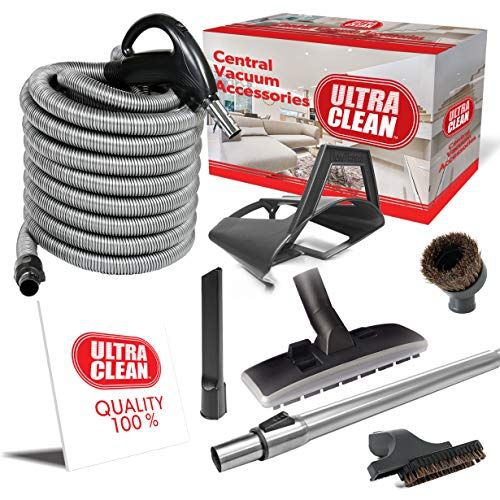
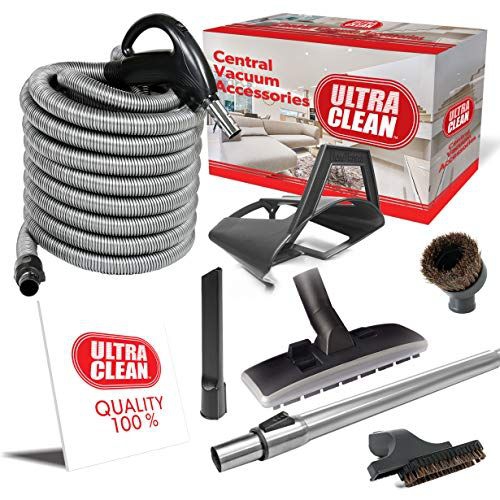

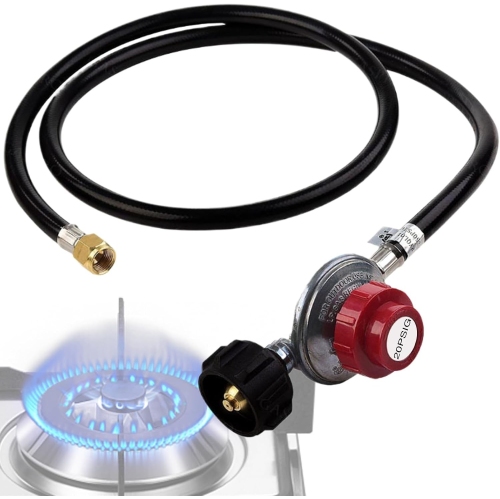
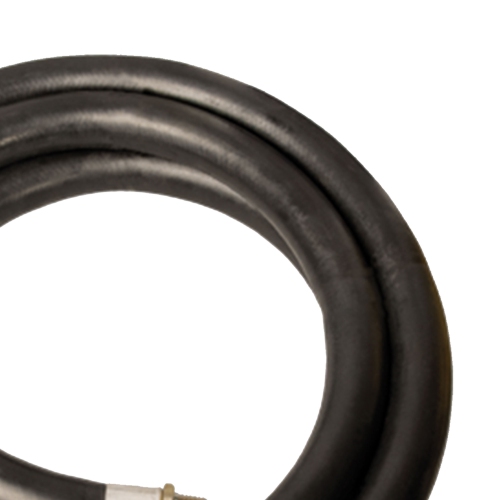
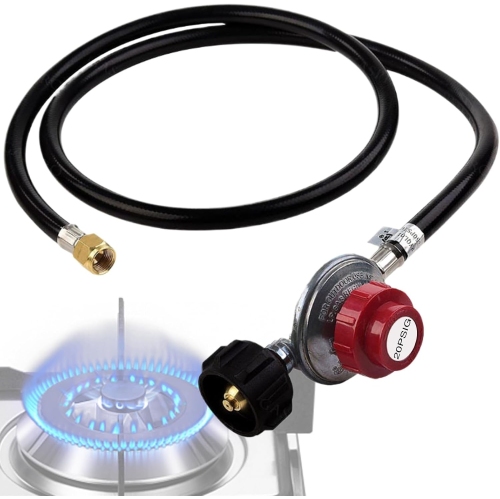
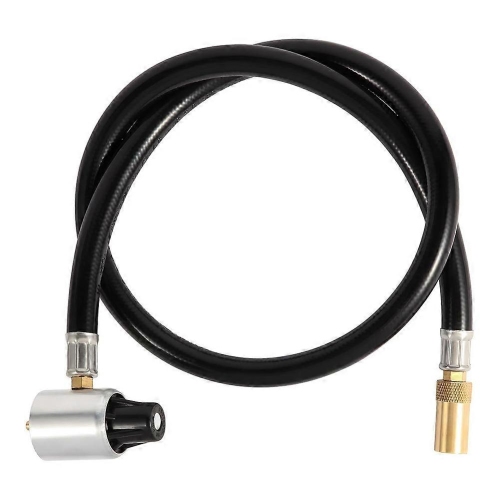
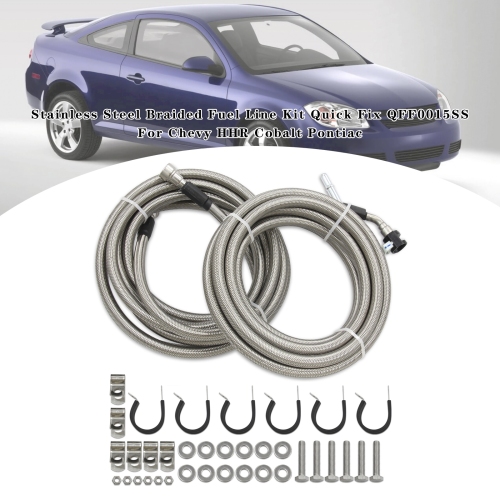
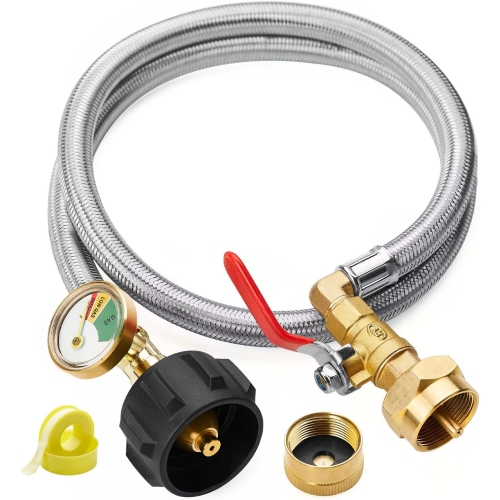

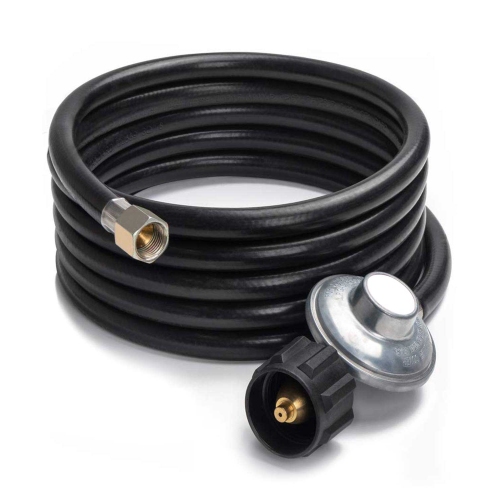
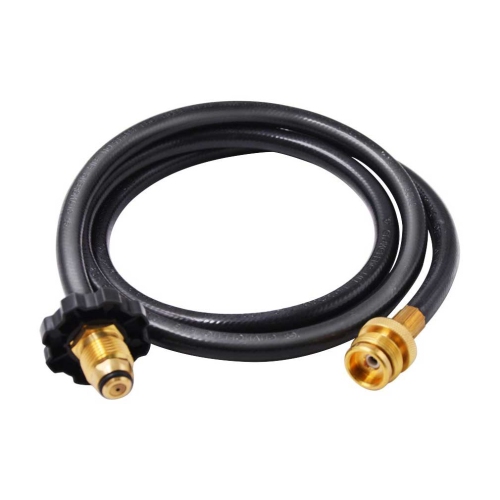

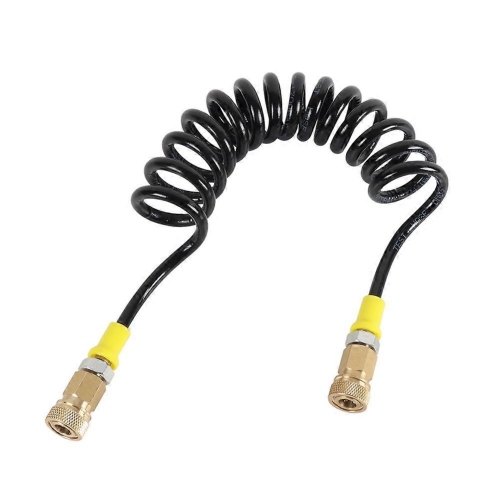
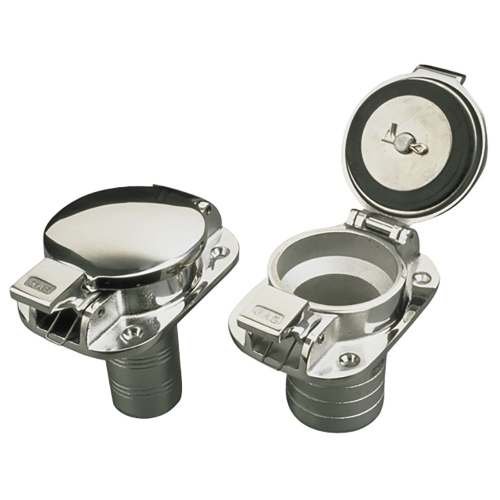
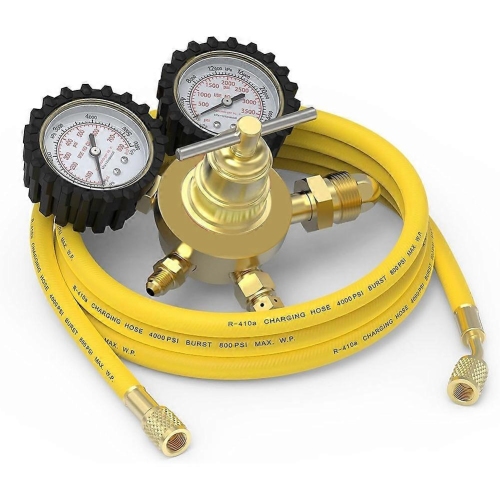
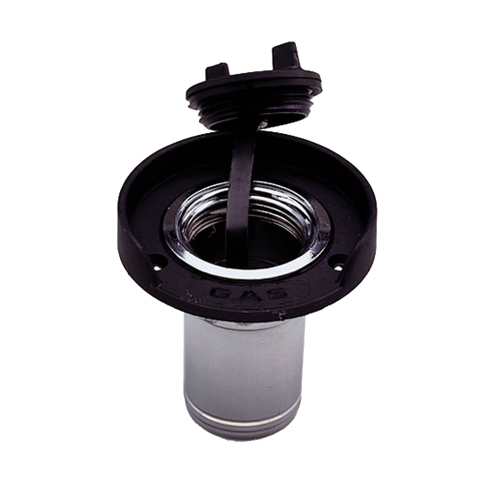
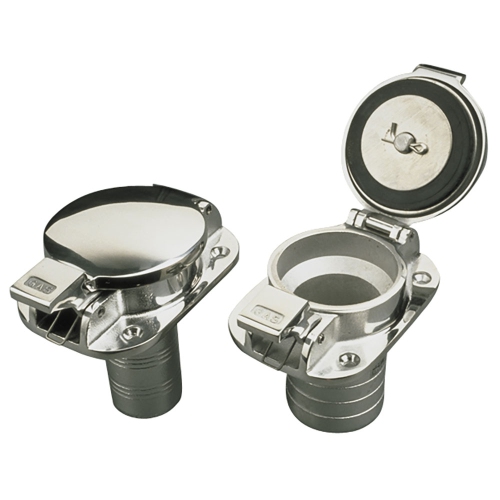
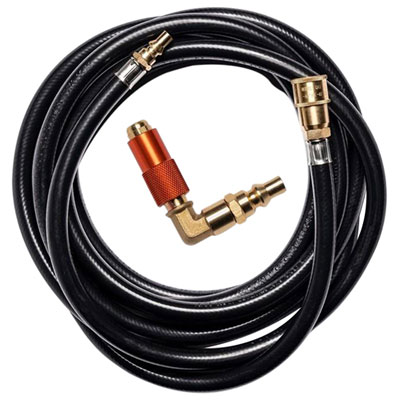
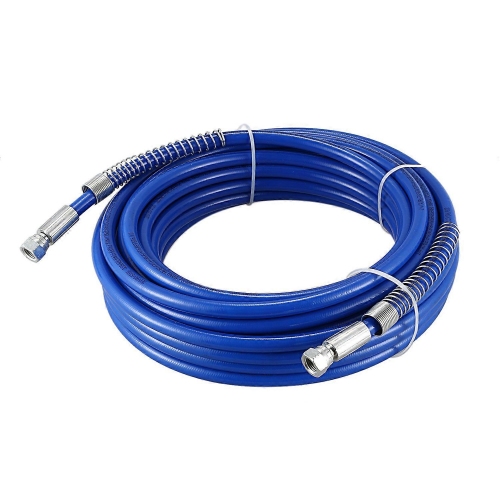
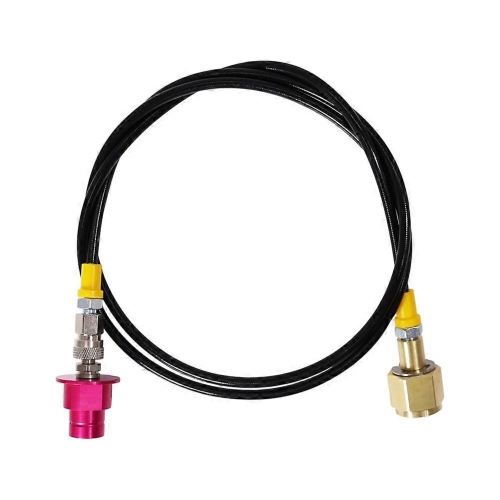
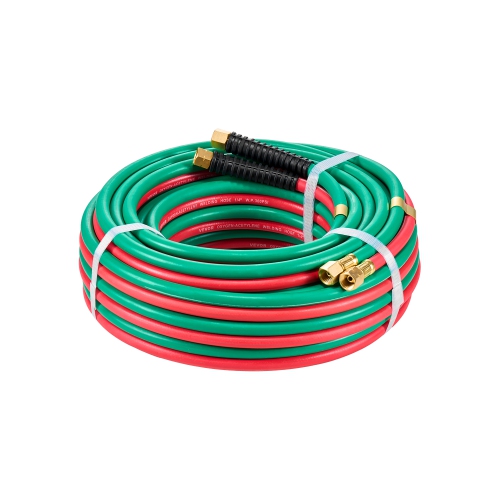
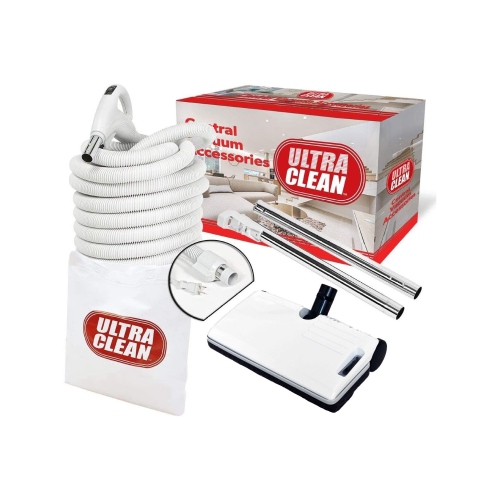
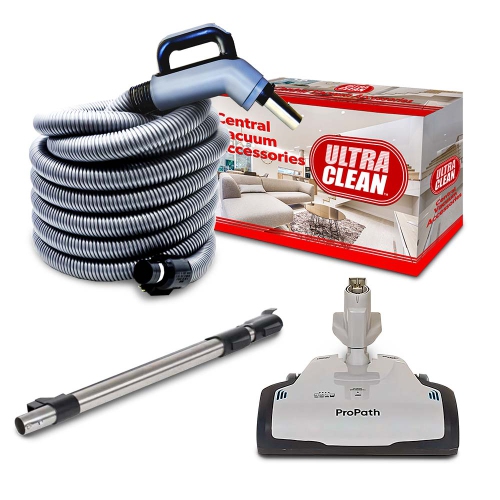
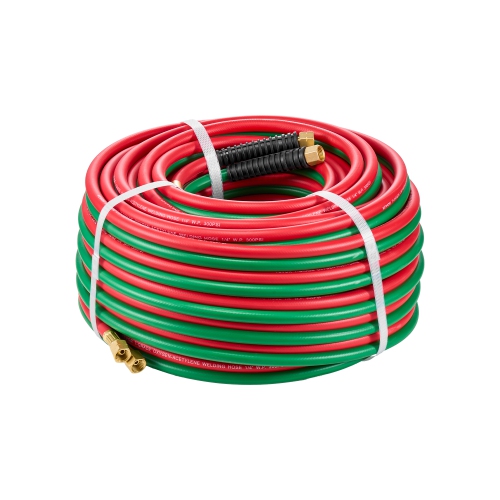
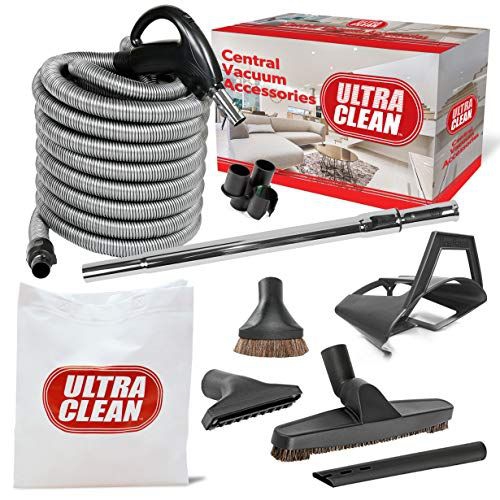
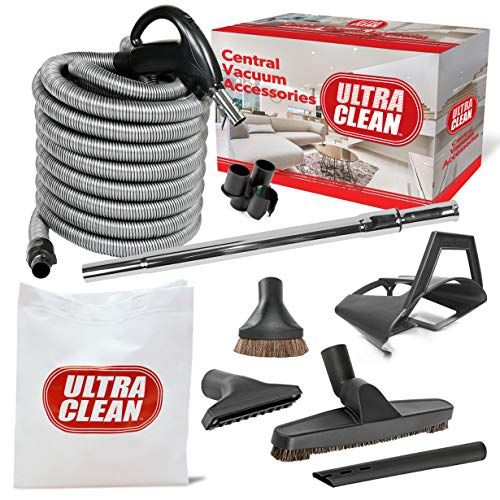
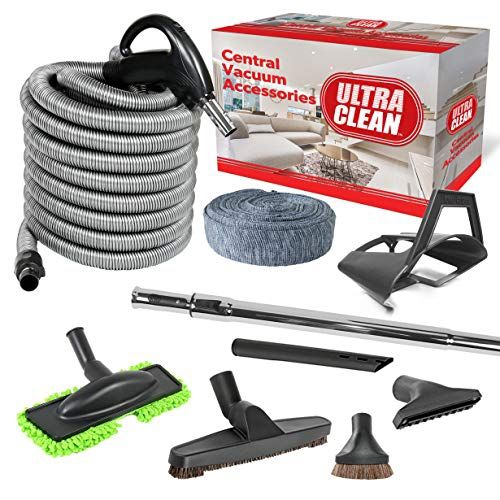

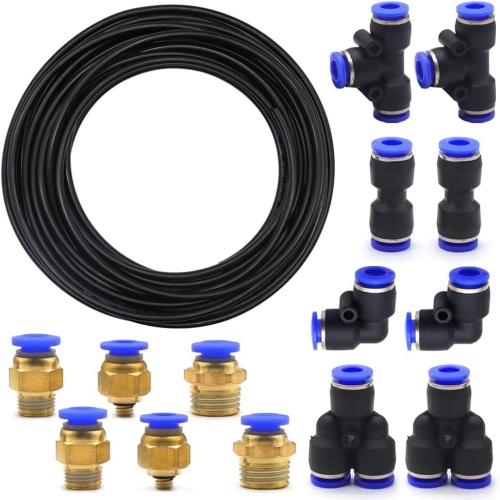
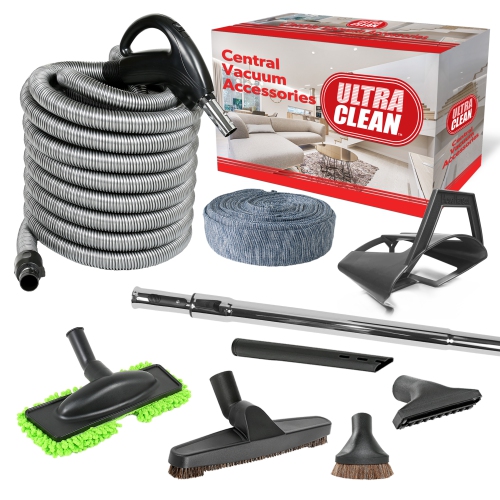

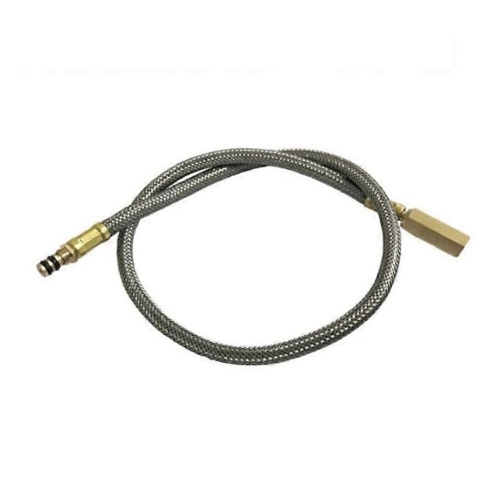
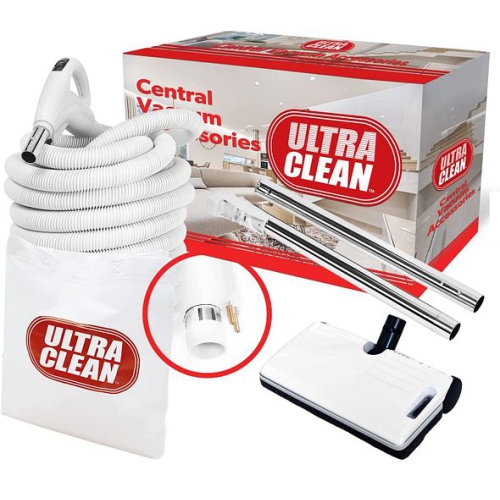
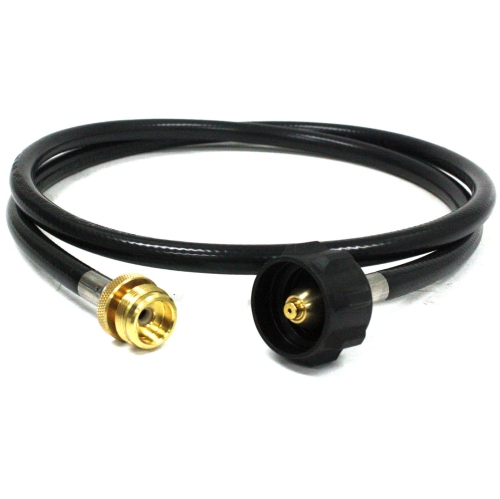
Reliable gas connections for indoor and outdoor appliances
Gas hoses are essential components designed to safely and efficiently deliver natural gas or propane from a supply source to a range of appliances, both indoors and outdoors. Whether you’re setting up a backyard barbecue, connecting a patio heater, or installing a gas dryer in your laundry room, the right gas hose ensures a secure, leak-free connection that meets safety standards. During the warmer months, families often gather outdoors for grilling and entertaining, making it crucial to have reliable gas hoses for everything from portable grills to built-in outdoor kitchens. As the weather cools, attention shifts to patio heaters and indoor appliances, all of which rely on properly fitted hoses to function safely and effectively. Gas hoses come in a variety of materials, including flexible stainless steel braided models that are ideal for stationary or high-pressure applications, as well as durable rubber options suited for portable propane tanks. Their flexibility allows for easy installation in tight spaces, while quick-connect fittings and standard sizes, such as 3/8 or 1/2 inch, make them compatible with most household and recreational appliances.
When choosing a gas hose, safety and compliance should always be top priorities. Look for hoses that are CSA approved, as this certification ensures they meet rigorous Canadian safety standards for fuel applications. Avoid using ordinary rubber or PVC hoses for gas, as these materials are not designed to withstand the demands of natural gas or propane and may pose safety risks. Instead, opt for hoses specifically engineered for gas transport, featuring robust construction and secure fittings to prevent leaks. It’s also important to consider the length and flexibility of the hose, especially if you need to accommodate movement or reach appliances located further from the supply source. For those who enjoy camping, tailgating, or outdoor cooking, portable gas hoses provide the convenience of connecting to propane cylinders wherever your adventures take you. Homeowners, landlords, and property managers may find themselves replacing or upgrading hoses as part of regular appliance maintenance, ensuring continued performance and peace of mind. Gas hoses also make practical gifts for new homeowners, outdoor enthusiasts, or anyone setting up a new grill, heater, or gas-powered appliance.
Proper installation and regular inspection of gas hoses are key to maintaining a safe and reliable gas supply. Always follow manufacturer guidelines and consult a certified technician if you’re unsure about compatibility or installation requirements. Over time, exposure to the elements or repeated movement can cause wear and tear, so it’s wise to periodically check hoses for signs of cracking, corrosion, or loose fittings. In addition to connecting appliances like grills and heaters, gas hoses are commonly used with specialty equipment such as fire pits and Gas Burners, expanding their versatility for both home and recreational use. By choosing the right gas hose for your needs and maintaining it properly, you can enjoy safe, hassle-free operation of your gas-powered appliances throughout the seasons, whether you’re hosting a lively summer cookout or staying cozy during the cooler months.
When choosing a gas hose, safety and compliance should always be top priorities. Look for hoses that are CSA approved, as this certification ensures they meet rigorous Canadian safety standards for fuel applications. Avoid using ordinary rubber or PVC hoses for gas, as these materials are not designed to withstand the demands of natural gas or propane and may pose safety risks. Instead, opt for hoses specifically engineered for gas transport, featuring robust construction and secure fittings to prevent leaks. It’s also important to consider the length and flexibility of the hose, especially if you need to accommodate movement or reach appliances located further from the supply source. For those who enjoy camping, tailgating, or outdoor cooking, portable gas hoses provide the convenience of connecting to propane cylinders wherever your adventures take you. Homeowners, landlords, and property managers may find themselves replacing or upgrading hoses as part of regular appliance maintenance, ensuring continued performance and peace of mind. Gas hoses also make practical gifts for new homeowners, outdoor enthusiasts, or anyone setting up a new grill, heater, or gas-powered appliance.
Proper installation and regular inspection of gas hoses are key to maintaining a safe and reliable gas supply. Always follow manufacturer guidelines and consult a certified technician if you’re unsure about compatibility or installation requirements. Over time, exposure to the elements or repeated movement can cause wear and tear, so it’s wise to periodically check hoses for signs of cracking, corrosion, or loose fittings. In addition to connecting appliances like grills and heaters, gas hoses are commonly used with specialty equipment such as fire pits and Gas Burners, expanding their versatility for both home and recreational use. By choosing the right gas hose for your needs and maintaining it properly, you can enjoy safe, hassle-free operation of your gas-powered appliances throughout the seasons, whether you’re hosting a lively summer cookout or staying cozy during the cooler months.
Top selling and popular products
-
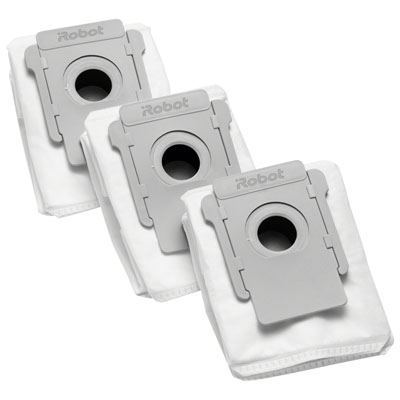 Your price for this item is $19.99
 -
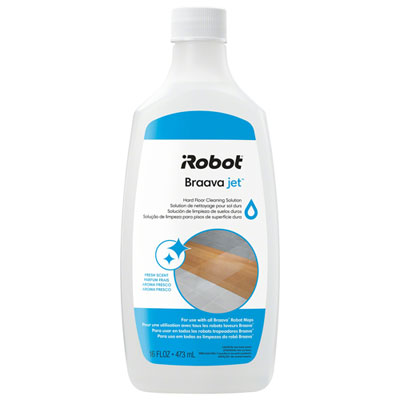 Your price for this item is $9.99
 -
 Your price for this item is $39.99
 -
 Your price for this item is $129
 -
 Your price for this item is $25.99
 -
 Your price for this item is $14.95
 -
 Your price for this item is $69.99
 -
 Your price for this item is $39
Discover more categories related to Gas Hose

Top Collections:
Pokemon Centers, Best Cameras for Sports Photography, Kindle Devices, Samsung Galaxy Phones, Canon G7X Cameras, Pokémon 30th Celebration Cards, Refurbished Apple Laptops, iPhone 15 Apple, Laptops for Students, Budget Smartphones
Some products may be subject to Environmental Handling Fees
(EHF) depending on your province.
Learn more about EHFs.