Stainless Steel Flasks
Looking for a stylish and practical way to keep your beverages hot or cold on the go? Look no further than our collection of stainless steel flasks. These sleek and durable flasks are the perfect companion for outdoor adventures, long commutes, or simply enjoying a hot cup of coffee at your desk. With their excellent insulation properties, stainless steel flasks can keep your drinks at the desired temperature for hours. Whether you're a coffee lover, tea enthusiast, or just need a reliable hydration solution, our selection of stainless steel flasks has something for everyone.
Sort





















Why pocket flasks and insulated flasks serve different needs
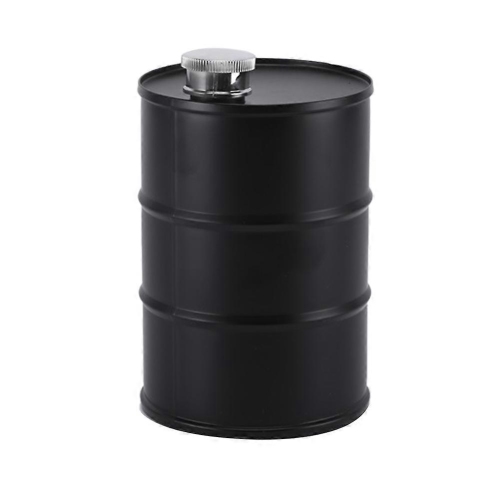
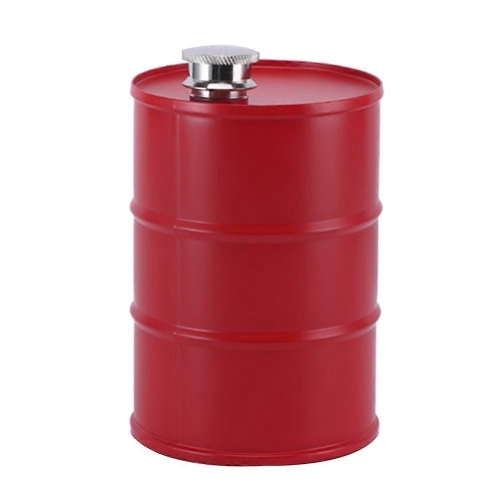
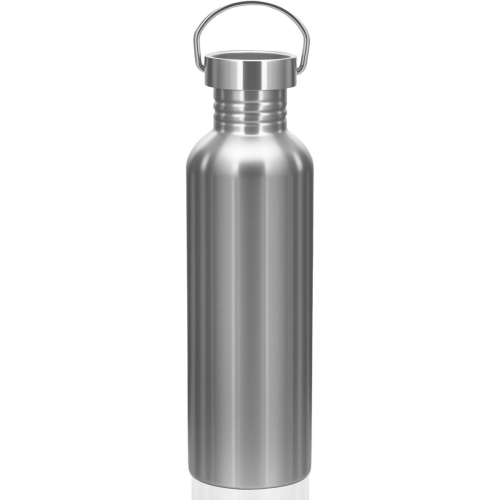
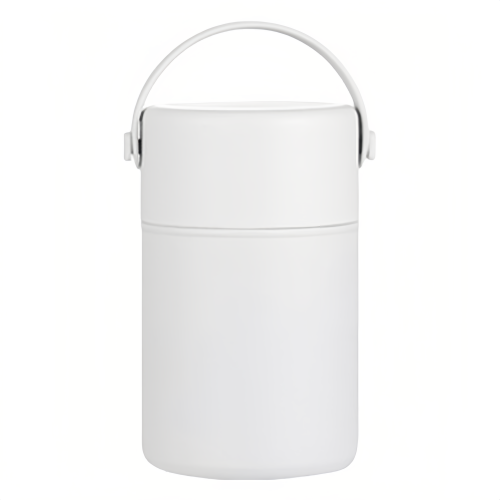
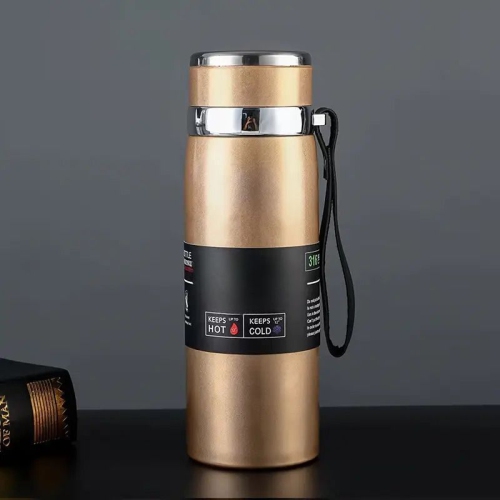
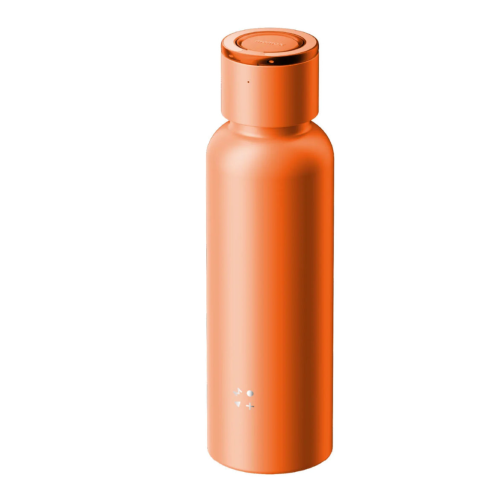
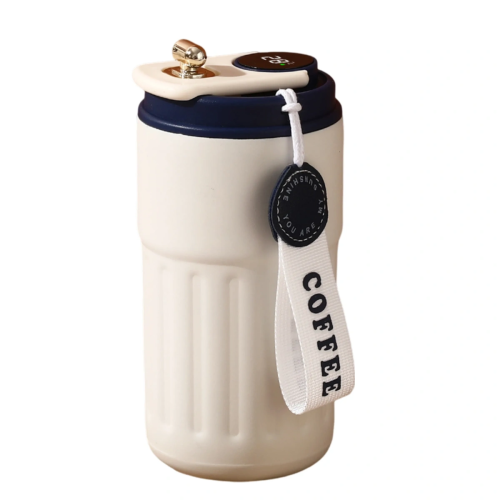
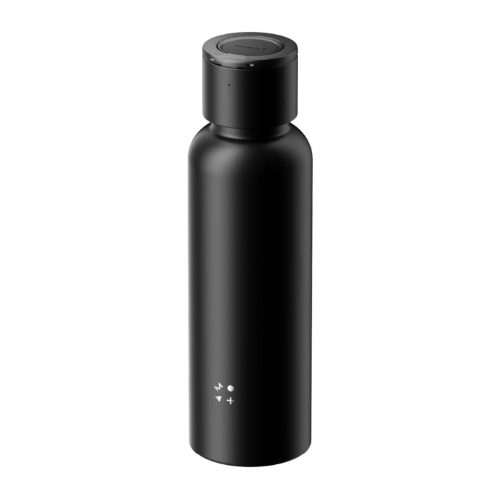
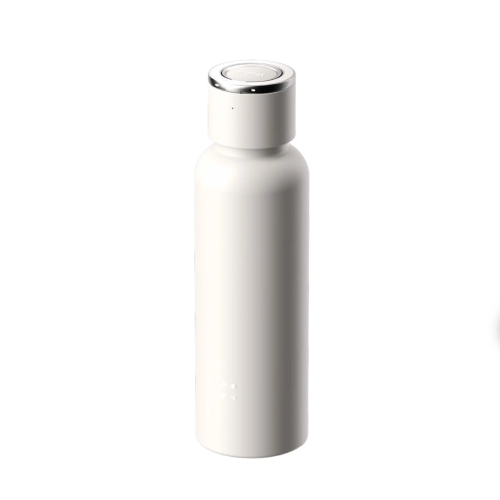
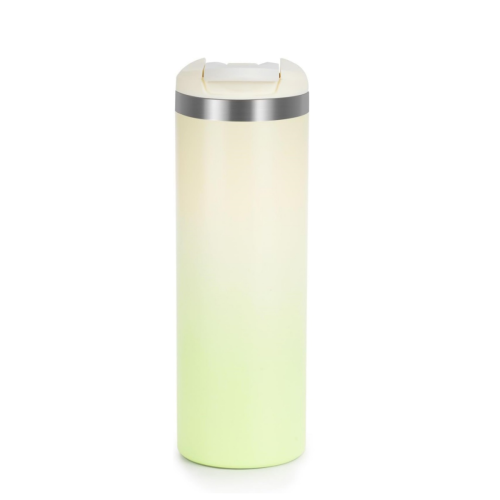
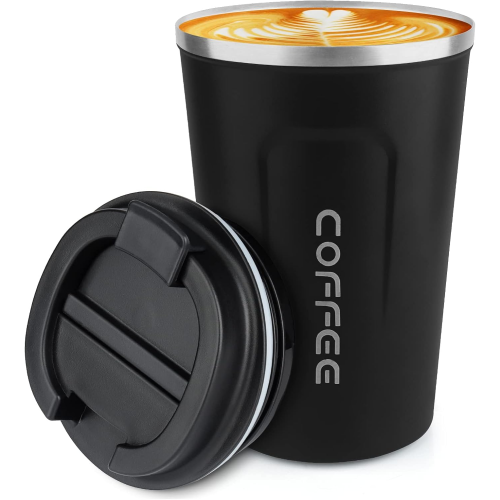
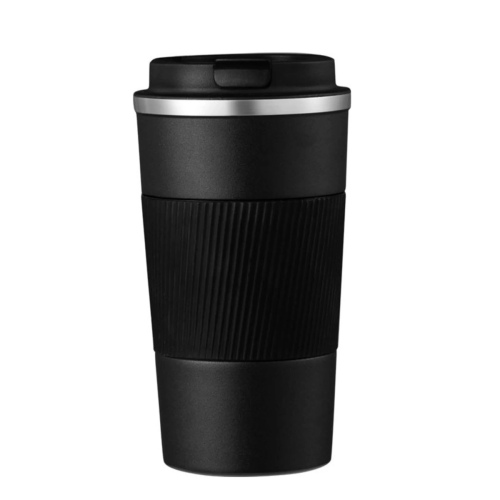
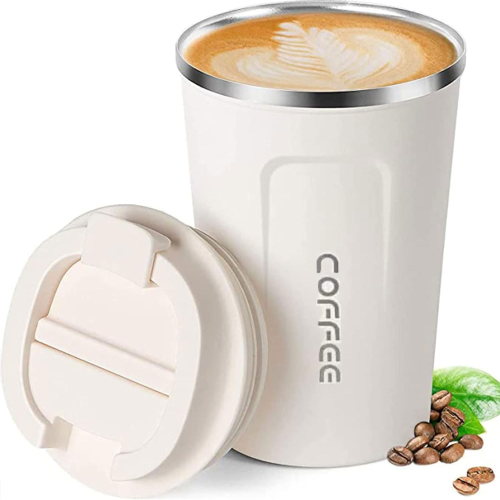
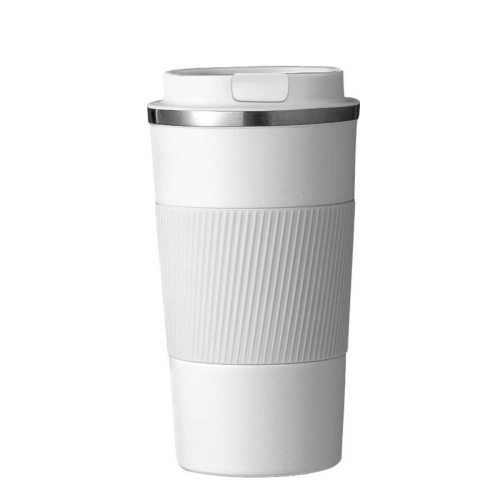
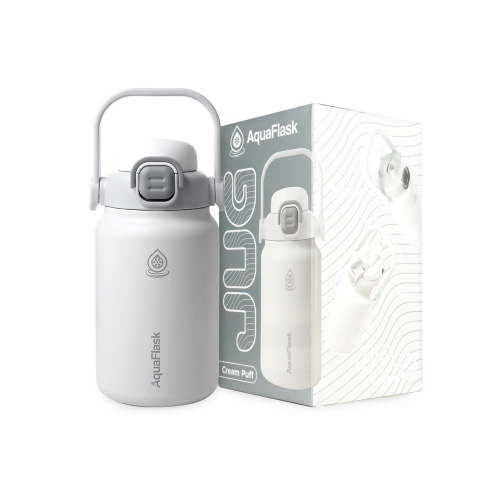
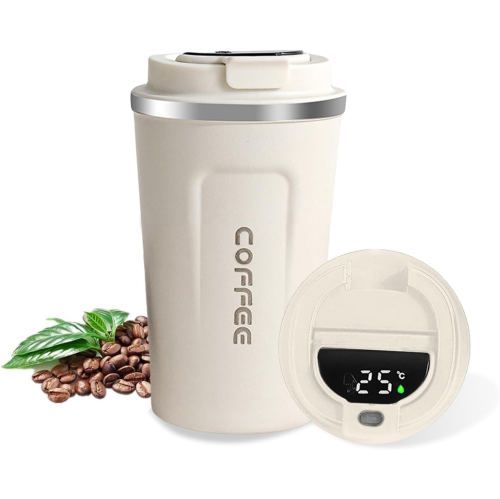
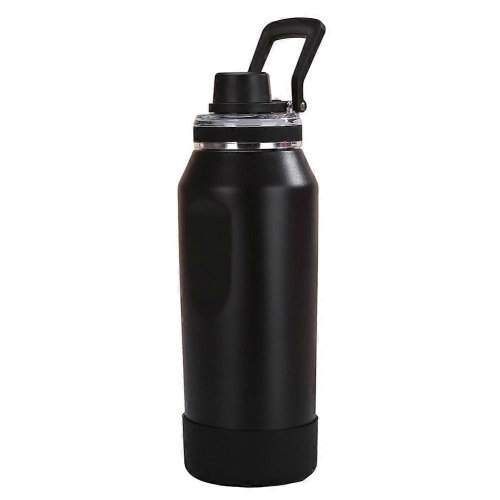
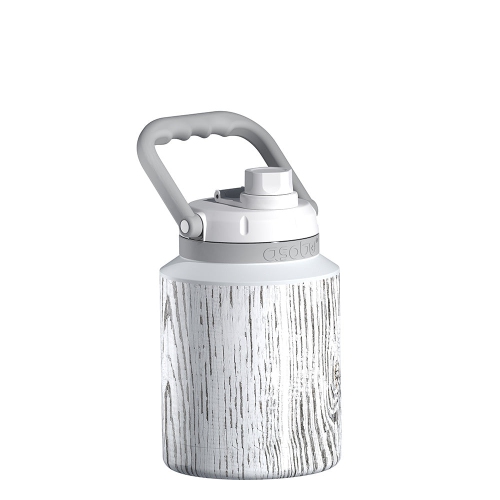
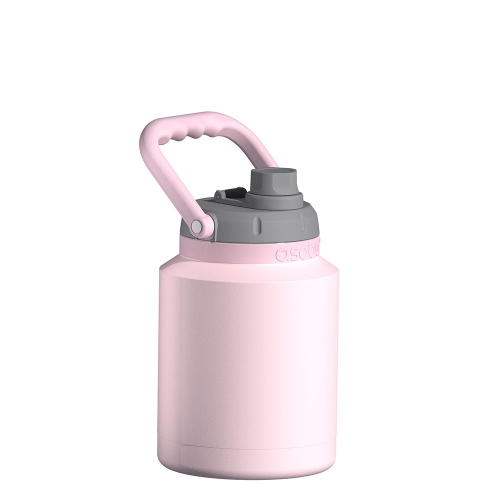
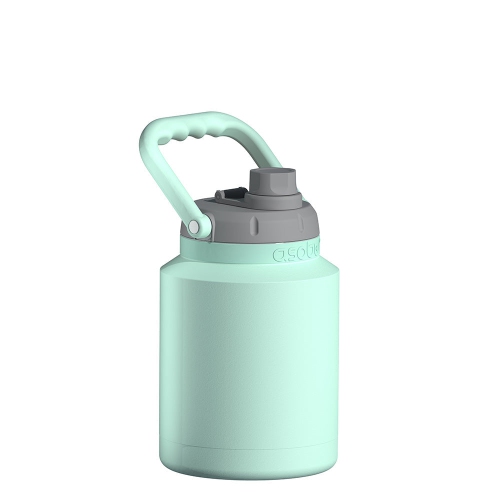
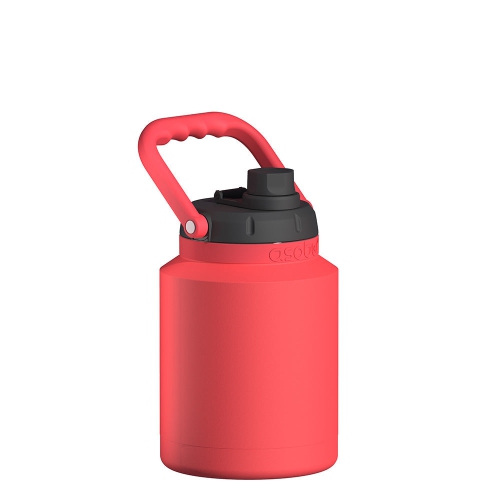
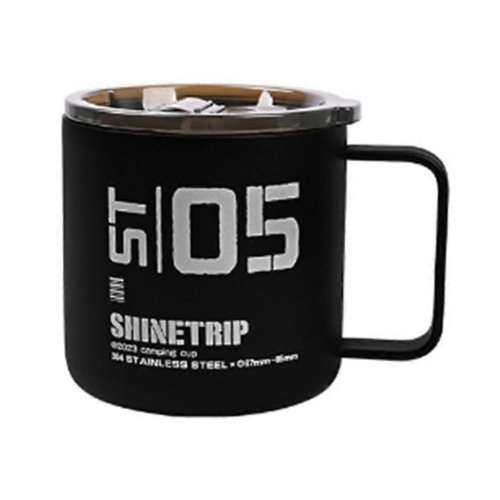
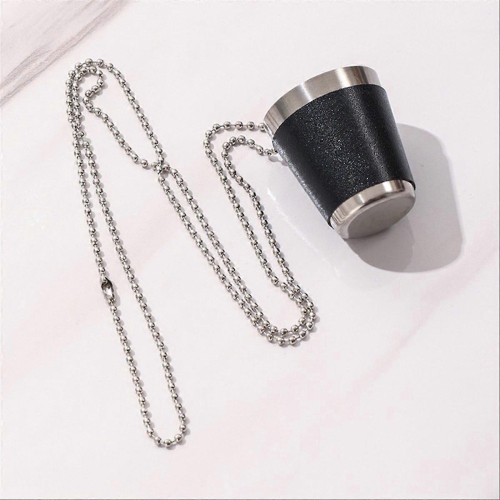
Stainless steel flasks are portable beverage containers valued for their strength, resistance to rust and relatively neutral effect on taste when properly cleaned. The category includes two distinct styles: compact hip flasks for carrying small portions of a beverage, and larger insulated flasks designed to help keep drinks hot or cold. That distinction matters more than appearance alone. A slim pocket flask generally has a single-wall body and offers little temperature control, while a vacuum-insulated beverage flask uses a gap between its inner and outer walls to slow heat transfer. For someone carrying coffee on a morning commute or tea to an outdoor gathering during the cooler months, insulation and a practical pouring lid are useful features. For an adult seeking a traditional flask for an appropriate private celebration, a compact shape, secure cap and comfortable pocket fit may matter more. Food-contact components made from stainless steel provide a sturdy alternative to more fragile materials, although lids, seals and exterior coverings can use other materials. Descriptions such as 18/8 and 304 refer to common stainless steel designations used in drinkware; neither is, by itself, a guarantee of leak resistance or heat retention. Construction, lid design and care all affect how a flask performs. Stainless steel is rust-resistant rather than rustproof, and its surface can still develop marks or corrosion under unsuitable conditions. A smooth interior, neatly finished opening and well-fitting closure make a noticeable difference in everyday handling. Capacity also changes the experience: a small flask slips into a suitable pocket with less bulk, whereas a larger thermal flask provides more servings but takes up more room and weighs more when filled. The most useful size is the one that suits the drink, the length of the outing and the space it needs to occupy, whether that is a work bag, a lunch tote or a coat pocket.
Shape and closure deserve as much attention as capacity when comparing stainless steel flasks. A curved hip flask can sit more comfortably against the body than a flat, angular container, but its width and thickness still need to suit the intended pocket. Rounded edges are easier on fabric, while an exposed hinge or projecting cap may catch against a tight opening. A captive screw cap stays attached during pouring, which can be helpful when setting a loose lid down would be inconvenient. It still needs to thread smoothly and close fully; an attached cap does not automatically mean the flask is leakproof. Where a gasket forms part of the seal, its condition and correct placement are important. A narrow neck supports controlled pouring but can make filling and cleaning more fiddly, especially without a properly sized funnel. A wider opening makes it easier to see inside, rinse thoroughly and add ice where the flask is designed for it. On insulated styles, a cup-style lid can be useful for taking a measured serving of a hot drink, while a direct-drinking lid suits a different routine. Someone pouring tea at a desk may prefer a stable base and an easy-to-clean stopper; someone packing a flask beside paperwork will place greater value on a closure explicitly rated to resist leaks during transport. Exterior finishes bring their own trade-offs. Brushed steel can make fingerprints less obvious, while polished surfaces have a dressier appearance but may show handling marks more readily. Painted or powder-coated surfaces can provide a different feel in the hand, though repeated rubbing against keys or bag hardware may leave visible wear. Leather or fabric sleeves add texture but require care separate from the steel body. For drinks that will mostly be enjoyed at a desk or around the home, Stainless Steel Tumblers offer a different format, often with easier sipping access rather than the compact, capped shape associated with a flask. Intended use helps distinguish a convenient drinking vessel from one better suited to carrying a beverage between places.
Good care helps a stainless steel flask stay pleasant to use and protects the parts that keep it closed. Before the first fill, wash it according to its care instructions, paying attention to the neck, cap threads and any removable seals. After use, empty it promptly rather than allowing a leftover drink to sit inside for days. Warm water, mild dish soap and a suitable soft brush are often useful for routine cleaning, but dishwasher compatibility should never be assumed, particularly with insulated bodies, coated finishes, attached caps or exterior wraps. Rinse away soap thoroughly and let the flask and its removable components dry completely before storing them with the lid off. This is especially important around gaskets and narrow openings, where trapped moisture and drink residue are easy to miss. Avoid abrasive tools and cleaners containing chlorine bleach unless the manufacturer specifically permits them. Beverage compatibility also varies. Many traditional hip flasks are intended for short-term carrying of specified spirits, not long-term storage, and may not be suitable for acidic mixers, juice or other drinks. Carbonated beverages can create pressure in a closed container, so they belong only in flasks expressly designed for that purpose. Insulated beverage flasks may accommodate a broader range of drinks, but their instructions remain the best reference for temperature limits, filling levels and cleaning requirements. Leave the specified space below the closure and use care when opening or pouring hot liquids, since a drink can remain hot long after filling. For gifting, a stainless steel flask can suit an adult who appreciates practical drinkware, traditional accessories or a personalised keepsake. An insulated style may be a thoughtful choice for a tea drinker with a long commute, while a classic pocket flask can mark a milestone or wedding-party occasion where appropriate. Engraving suitability depends on the finish and construction. Matching the format to the recipient’s habits gives the gift lasting usefulness: comfortable handling, straightforward cleaning and a dependable closure tend to matter well beyond the first impression.
Top selling and popular products
-
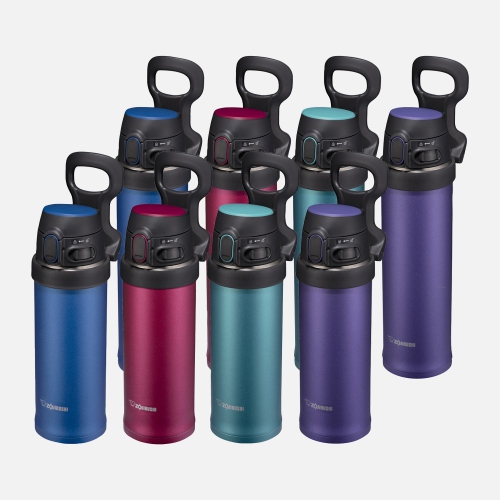 Your price for this item is $69.99
-
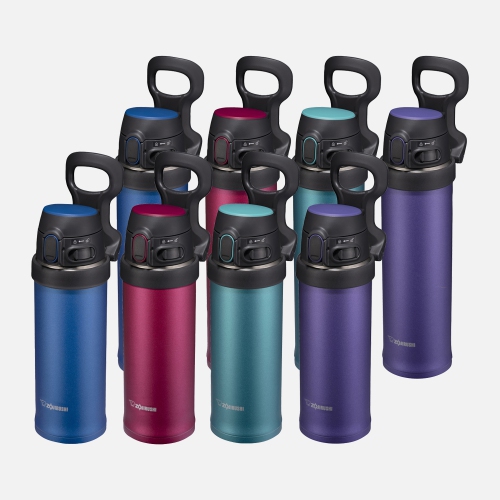 Your price for this item is $59.99
-
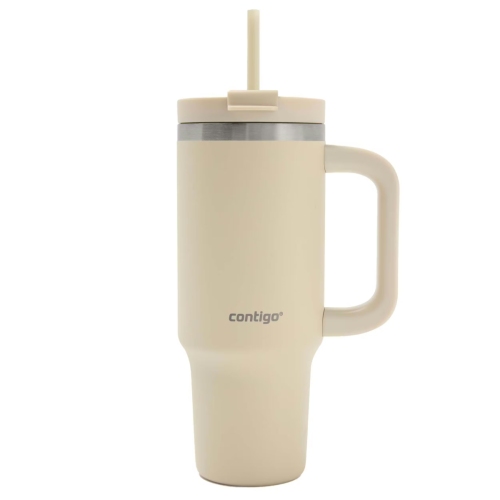 Your price for this item is $42.93
-
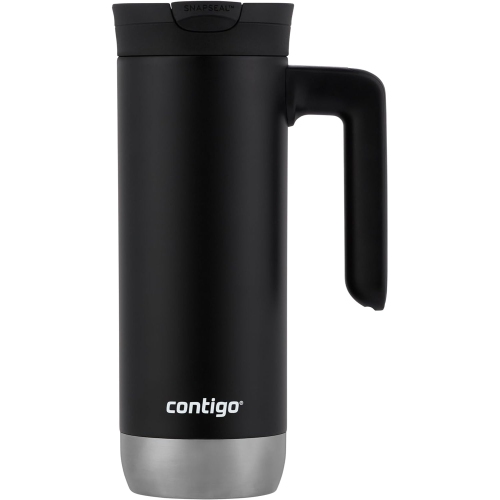 Your price for this item is $27.97
-
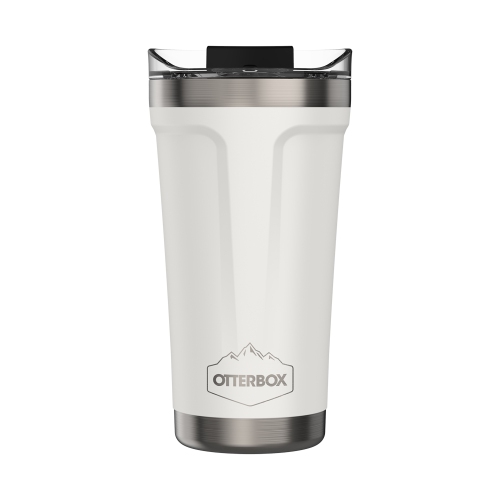 Your price for this item is $34.95
-
 Your price for this item is $39.99
-
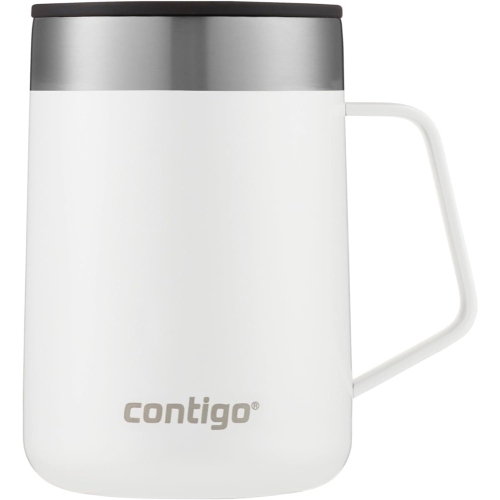 Your price for this item is $23.97
-
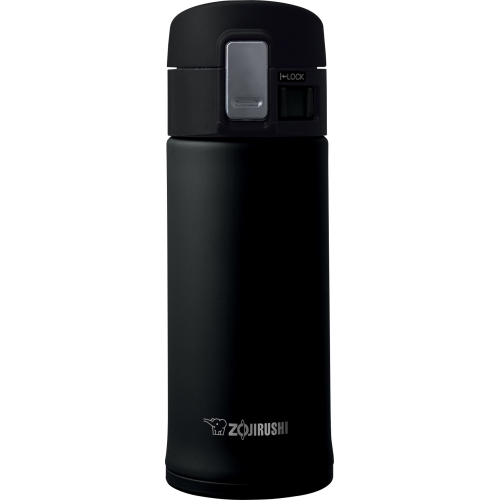 Your price for this item is $59.99
Discover more categories related to Stainless Steel Flasks
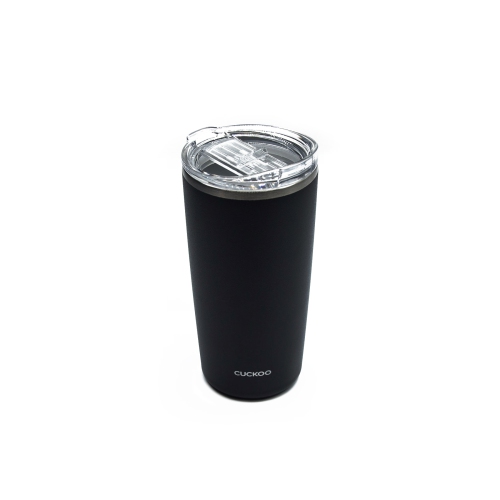

Top Collections:
Pokemon Centers, Best Cameras for Sports Photography, Kindle Devices, Samsung Galaxy Phones, Canon G7X Cameras, Pokémon 30th Celebration Cards, Refurbished Apple Laptops, iPhone 15 Apple, Laptops for Students, Budget Smartphones
Some products may be subject to Environmental Handling Fees
(EHF) depending on your province.
Learn more about EHFs.