USB Lights
USB Light options offer a convenient way to brighten up your workspace, reading nook, or travel setup with ease. Perfect for laptops, desktops, and portable chargers, USB Lights are designed to provide flexible illumination wherever you need it most. Explore a wide variety of styles and designs to find the ideal USB Light to suit your needs, whether you're working late, studying, or simply adding a touch of light to your environment. Find the right USB Light to enhance your everyday tasks and activities.
Sort
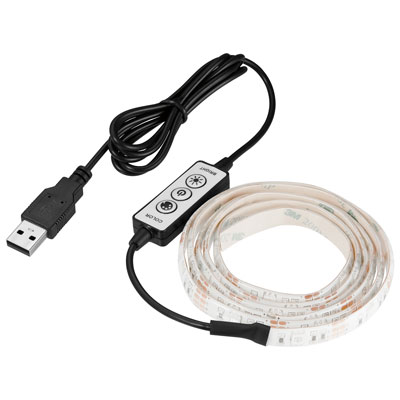
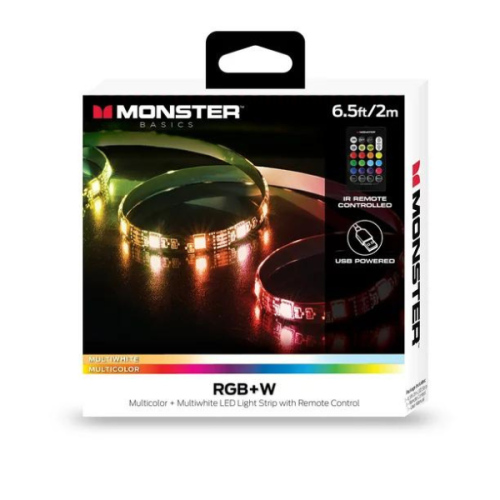
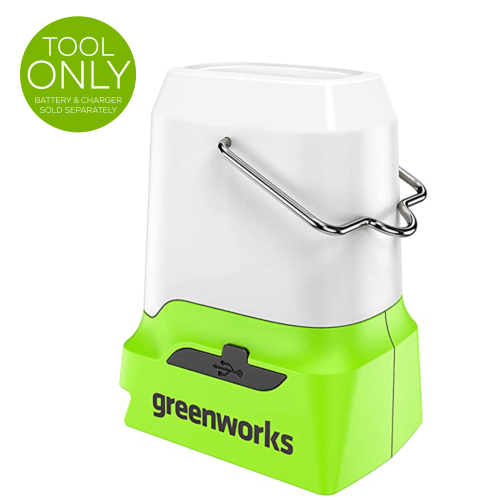
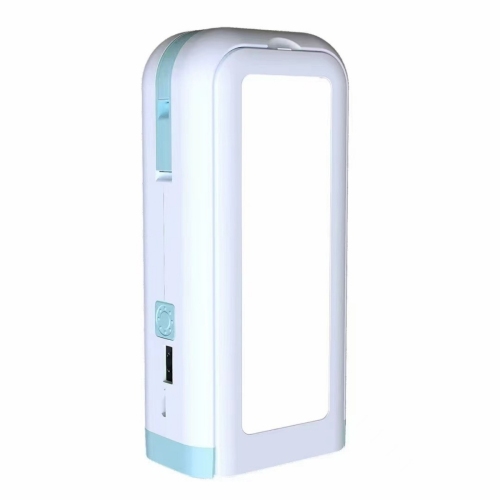
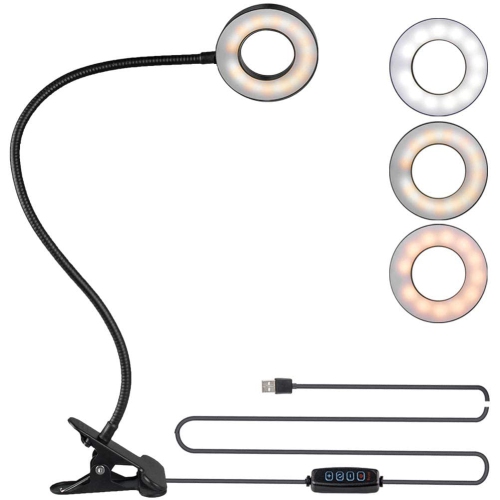
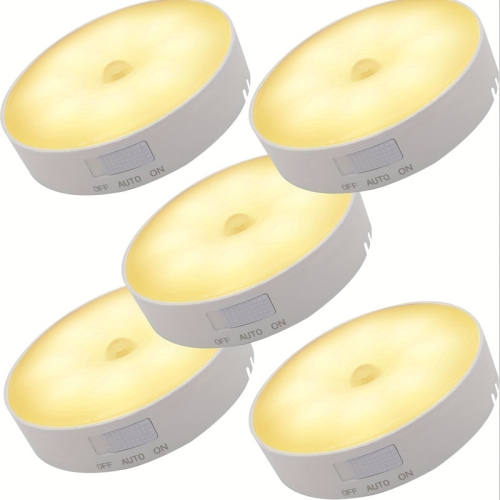
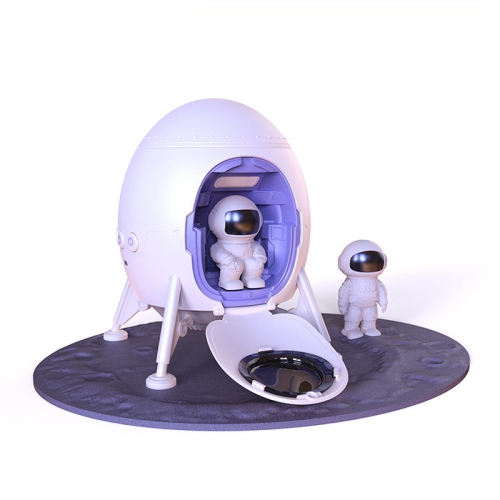
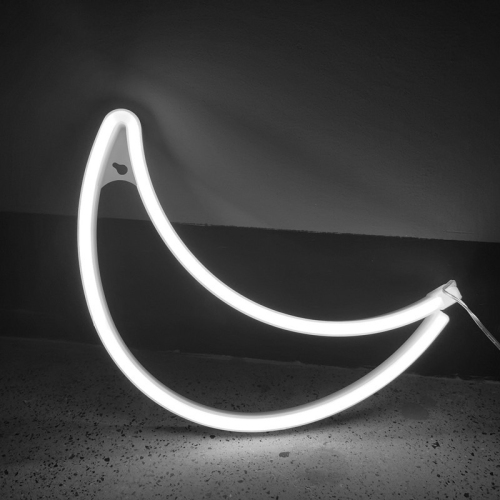
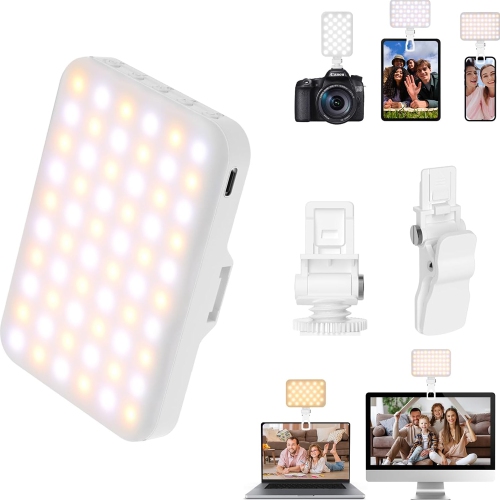
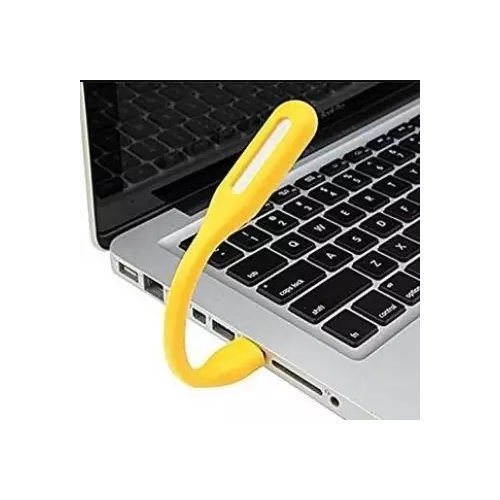
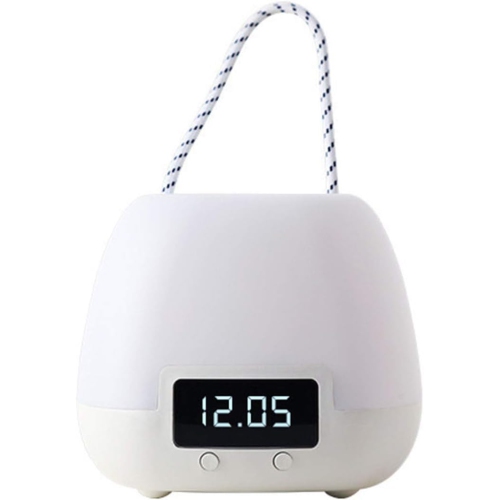
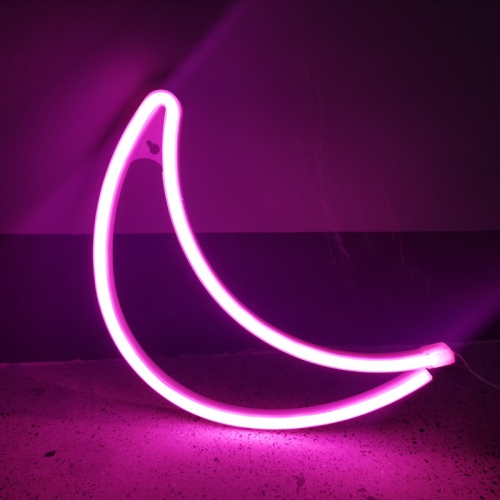
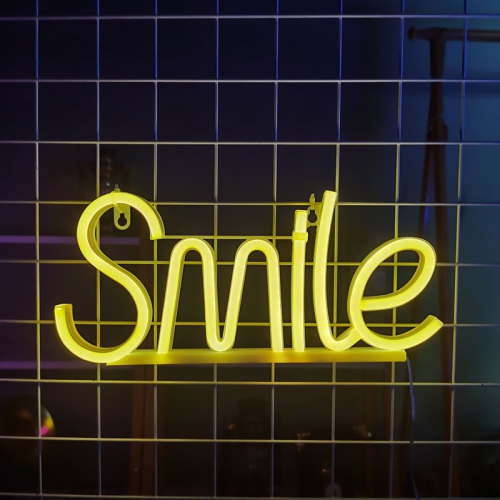
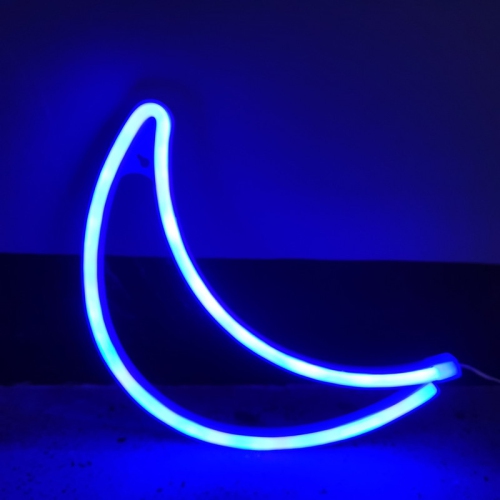
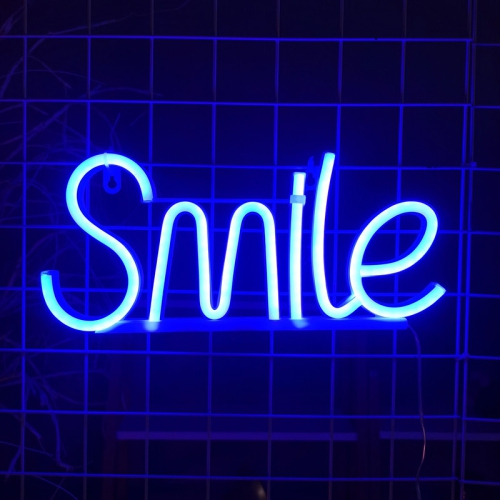
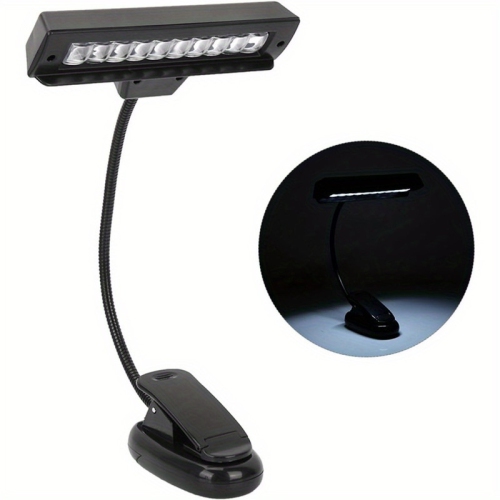
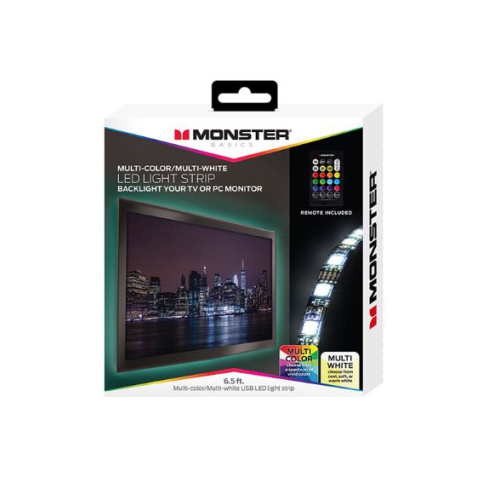

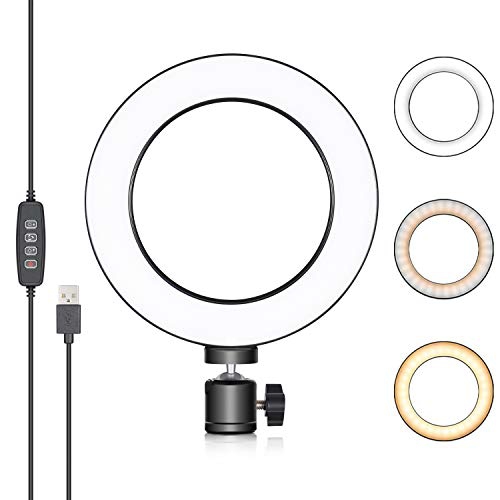
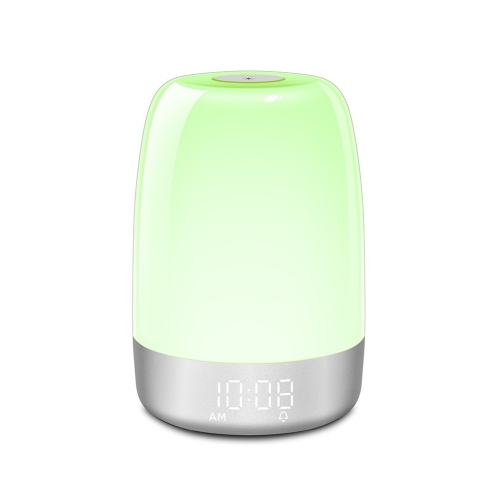

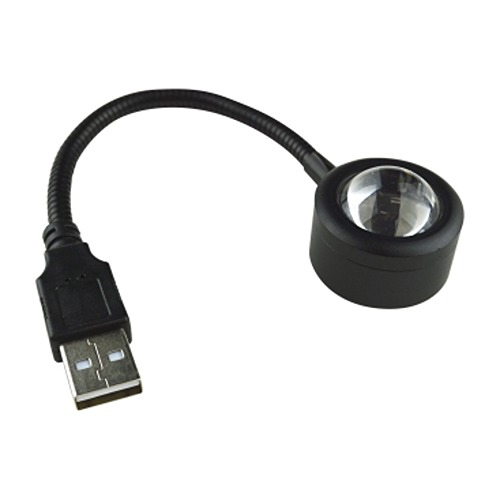

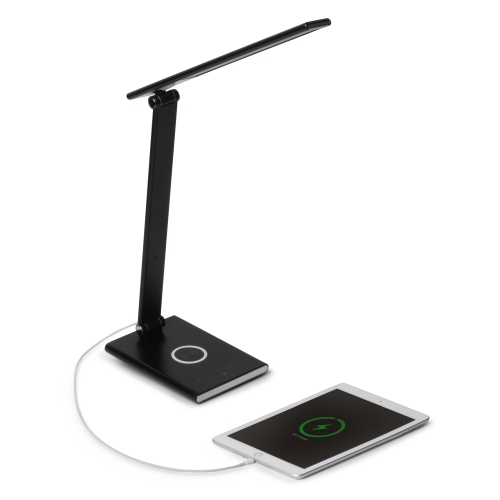
Focused lighting that leaves room on your desk
USB lights are compact lighting solutions that draw power from a compatible USB connection, making them useful for desks, bedside tables, reading corners, and portable setups. Many use LEDs to provide focused illumination without the bulk of a traditional lamp, though brightness, beam spread, and controls vary by design. The main styles include small direct-plug lights, flexible gooseneck lamps, clip-on reading lights, freestanding desk lamps, and light bars or strips for accent lighting. Each serves a different purpose: a tiny light can illuminate a laptop keyboard, while a broader lamp head can spread light across handwritten notes or an open textbook. A flexible neck makes it easier to direct the beam onto a page rather than towards someone sitting nearby. For a shared bedroom, that control can be more useful than maximum brightness. At a workstation, an adjustable head helps position light beside a monitor without creating a bright reflection on the screen. Diffused light bars and strips are better suited to adding a soft glow behind a display or along a shelf than to lighting detailed tasks, unless their specifications indicate otherwise. USB-powered does not necessarily mean cordless or rechargeable; some lights must remain connected throughout use, while others have a built-in battery that charges through USB. That distinction matters for anyone moving a lamp between rooms or using it away from a socket. A lamp with a USB charging port is also not necessarily a USB-powered light, since some plug into a wall outlet and simply provide a connection for charging another device. For students, readers, hobbyists, and people working at compact desks, the appeal is often straightforward: light where it is needed, with a footprint that leaves room for everything else. As a practical gift, a USB light is most useful when its mounting style and power connection suit the recipient’s routine, whether that means clipping onto a headboard or slipping into a laptop bag.
The power connection deserves as much attention as the shape of the lamp. USB-A and USB-C describe different connector types, so the light’s plug or supplied cable needs to match the intended power source. A computer port, USB wall adapter, powered hub, or portable power bank may be suitable, provided it meets the light’s stated voltage and power requirements. Connector fit alone does not confirm electrical compatibility, and a hub shared with several devices may have limited power to spare. Some computer ports stop supplying power when the computer sleeps or shuts down, which can make a difference when a desk light is also used for reading after work. Similarly, certain power banks automatically switch off when a connected light draws very little power; a compatible low-current mode may be needed for a small LED light. For related connections and workspace essentials, USB Accessories can complement a USB lighting setup. Cable length also affects placement. A cable that comfortably reaches the power source allows a lamp to sit where it lights the task properly, rather than wherever the nearest port happens to be. Routing it behind a desk or along a stable surface helps keep the working area clear without pulling on the connector. For the light itself, lumens describe light output, while the shape of the beam determines how that output reaches a surface. A narrow beam can feel bright on a small page but leave the rest of a desk dim. Adjustable brightness is useful when switching from screen work to paper documents, and selectable white tones offer another degree of control. Warm white gives a softer appearance, while neutral or cool white can suit focused work; neither replaces adequate brightness and sensible positioning. An opaque shade or diffuser can reduce direct glare, especially when the lamp sits near eye level. Touch controls, physical buttons, and inline switches each work differently in everyday use, so accessible placement matters more than an elaborate control layout.
Materials, mounting hardware, and moving parts influence how well a USB light fits into daily life. Plastic housings can keep portable lights light and easy to carry, while metal components may provide a firmer structure around the base, arm, or hinge. Neither material alone guarantees durability: secure joints, a stable base, and strain relief where the cable enters the housing are equally important. A gooseneck should hold its position without gradually drooping, and a hinged arm needs enough adjustment to direct light comfortably across the intended surface. For clip-on designs, the clamp opening must accommodate the desk edge, shelf, or headboard, with pads that help protect the finish and resist slipping. A heavy lamp head on a thin paperback cover can feel awkward even when the clip technically fits; a lightweight reading light is better matched to that task. Freestanding lamps need a level surface and enough base stability to tolerate an occasional brush from a hand or notebook. Adhesive-backed strips require a clean, compatible surface, and removal may affect paint or delicate finishes. Repeatedly repositioning them can also weaken the adhesive. For travel, a folding design or detachable cable can pack neatly, but exposed plugs and flexible arms still benefit from a protective pouch rather than being pushed loose among keys and chargers. Care is generally simple: disconnect the light before cleaning, remove dust with a soft cloth, and follow the manufacturer’s directions for the lens, diffuser, and housing. Avoid getting moisture into ports or controls, and do not use a light near splashes unless it carries an appropriate rating for that use. Integrated LEDs may not be replaceable, making warranty coverage and the expected service life worth noting. Rechargeable designs add battery runtime and charging time to those considerations, with brighter settings typically shortening use between charges. Whether the goal is illuminating a craft project, reading without lighting the whole room, or keeping a keyboard visible, the most suitable USB light combines the right beam, a secure fit, and a power arrangement that works naturally with the space.
The power connection deserves as much attention as the shape of the lamp. USB-A and USB-C describe different connector types, so the light’s plug or supplied cable needs to match the intended power source. A computer port, USB wall adapter, powered hub, or portable power bank may be suitable, provided it meets the light’s stated voltage and power requirements. Connector fit alone does not confirm electrical compatibility, and a hub shared with several devices may have limited power to spare. Some computer ports stop supplying power when the computer sleeps or shuts down, which can make a difference when a desk light is also used for reading after work. Similarly, certain power banks automatically switch off when a connected light draws very little power; a compatible low-current mode may be needed for a small LED light. For related connections and workspace essentials, USB Accessories can complement a USB lighting setup. Cable length also affects placement. A cable that comfortably reaches the power source allows a lamp to sit where it lights the task properly, rather than wherever the nearest port happens to be. Routing it behind a desk or along a stable surface helps keep the working area clear without pulling on the connector. For the light itself, lumens describe light output, while the shape of the beam determines how that output reaches a surface. A narrow beam can feel bright on a small page but leave the rest of a desk dim. Adjustable brightness is useful when switching from screen work to paper documents, and selectable white tones offer another degree of control. Warm white gives a softer appearance, while neutral or cool white can suit focused work; neither replaces adequate brightness and sensible positioning. An opaque shade or diffuser can reduce direct glare, especially when the lamp sits near eye level. Touch controls, physical buttons, and inline switches each work differently in everyday use, so accessible placement matters more than an elaborate control layout.
Materials, mounting hardware, and moving parts influence how well a USB light fits into daily life. Plastic housings can keep portable lights light and easy to carry, while metal components may provide a firmer structure around the base, arm, or hinge. Neither material alone guarantees durability: secure joints, a stable base, and strain relief where the cable enters the housing are equally important. A gooseneck should hold its position without gradually drooping, and a hinged arm needs enough adjustment to direct light comfortably across the intended surface. For clip-on designs, the clamp opening must accommodate the desk edge, shelf, or headboard, with pads that help protect the finish and resist slipping. A heavy lamp head on a thin paperback cover can feel awkward even when the clip technically fits; a lightweight reading light is better matched to that task. Freestanding lamps need a level surface and enough base stability to tolerate an occasional brush from a hand or notebook. Adhesive-backed strips require a clean, compatible surface, and removal may affect paint or delicate finishes. Repeatedly repositioning them can also weaken the adhesive. For travel, a folding design or detachable cable can pack neatly, but exposed plugs and flexible arms still benefit from a protective pouch rather than being pushed loose among keys and chargers. Care is generally simple: disconnect the light before cleaning, remove dust with a soft cloth, and follow the manufacturer’s directions for the lens, diffuser, and housing. Avoid getting moisture into ports or controls, and do not use a light near splashes unless it carries an appropriate rating for that use. Integrated LEDs may not be replaceable, making warranty coverage and the expected service life worth noting. Rechargeable designs add battery runtime and charging time to those considerations, with brighter settings typically shortening use between charges. Whether the goal is illuminating a craft project, reading without lighting the whole room, or keeping a keyboard visible, the most suitable USB light combines the right beam, a secure fit, and a power arrangement that works naturally with the space.
Top selling and popular products
-
 Your price for this item is $274.99
 -
 Your price for this item is $49.99
 -
 Your price for this item is $48.2
 -
 Your price for this item is $89.99
 -
 Your price for this item is $89.99
 -
 Your price for this item is $26.99
 -
 Your price for this item is $370.07
 -
 Your price for this item is $99.99
Discover more categories related to USB Lights
Top Collections:
Pokemon Centers, Kindle Devices, Best Budget Office Chairs, Apple iPhones 16, Best Laptops for Writers, iPhone 15 Apple, Canon G7X Cameras, Refurbished Apple Laptops, Alarm Clock, Motorola Razr Phones
Some products may be subject to Environmental Handling Fees
(EHF) depending on your province.
Learn more about EHFs.