High Quality Juicers
Juicing is a great way to get a lot of nutrients into your diet, and the best juicers extract as much as possible from fruits and vegetables, leaving behind as little as possible. Here are some of the best high-quality juicers on the market today.
Sort



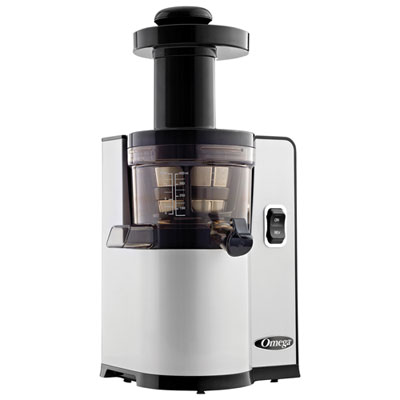

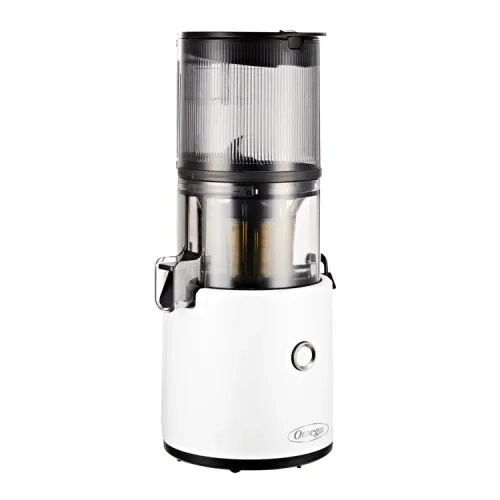
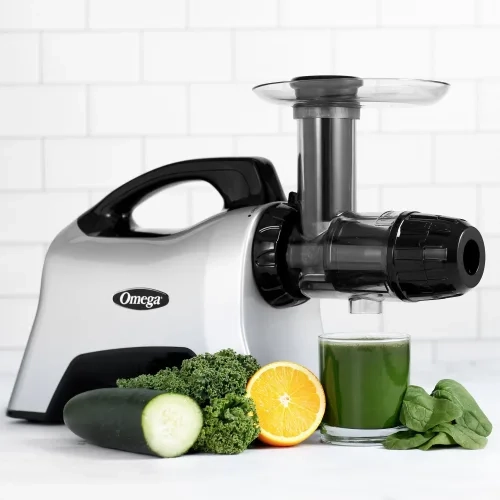
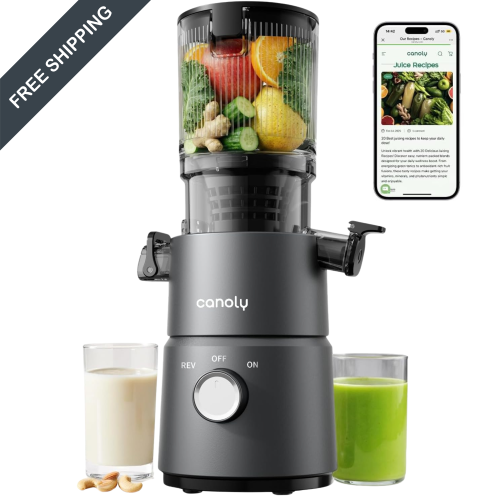
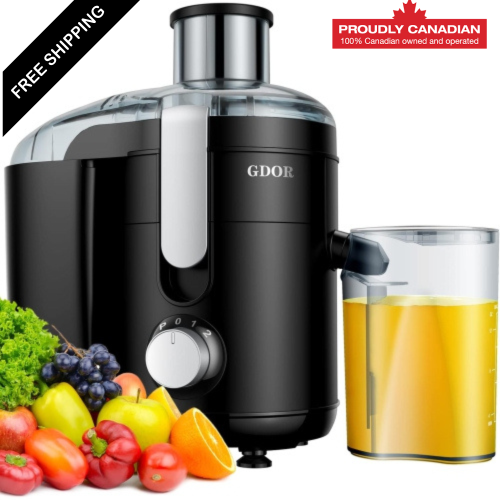
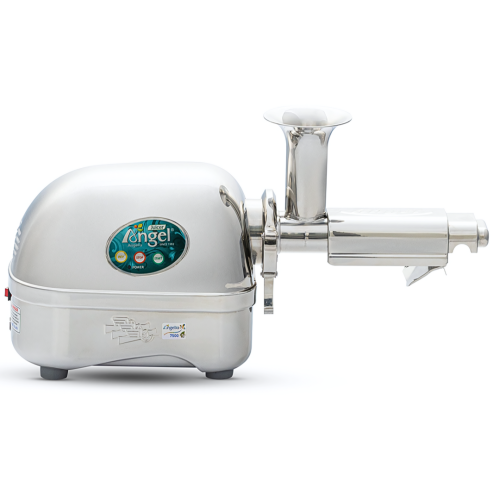
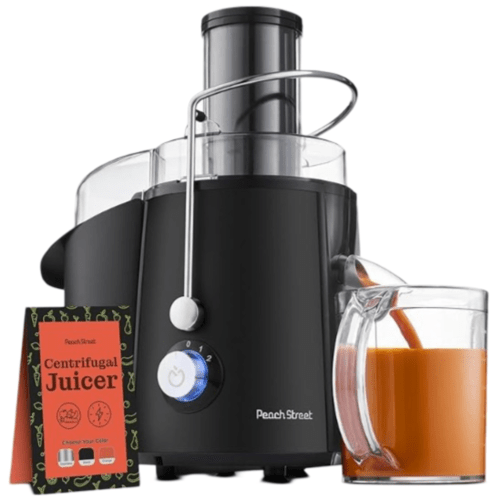
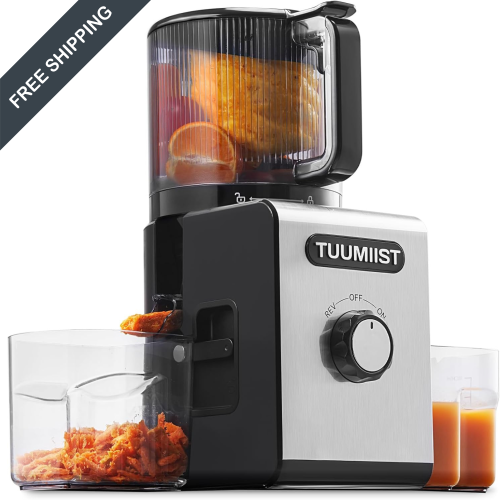
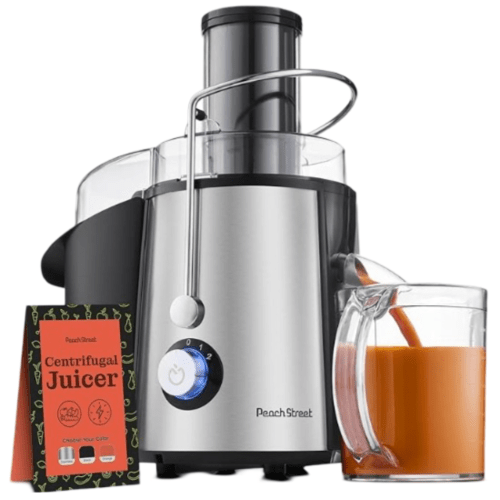
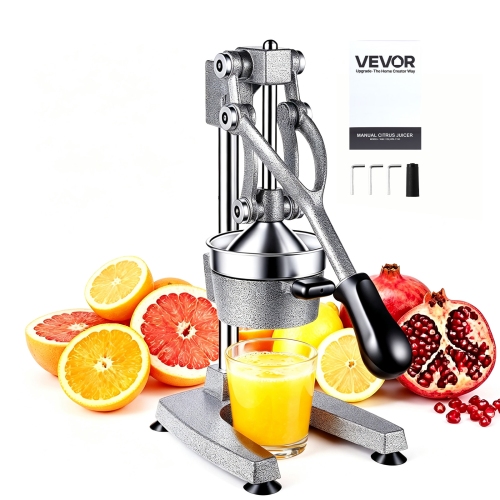
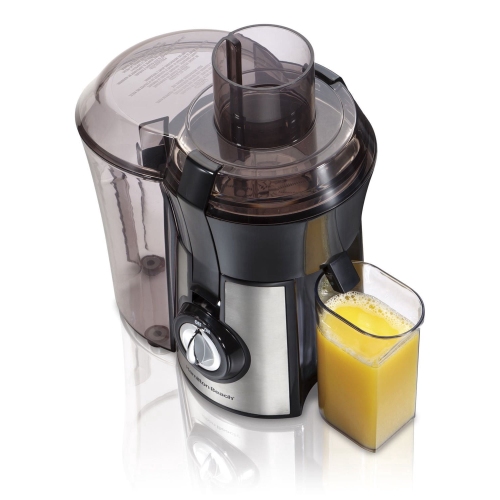
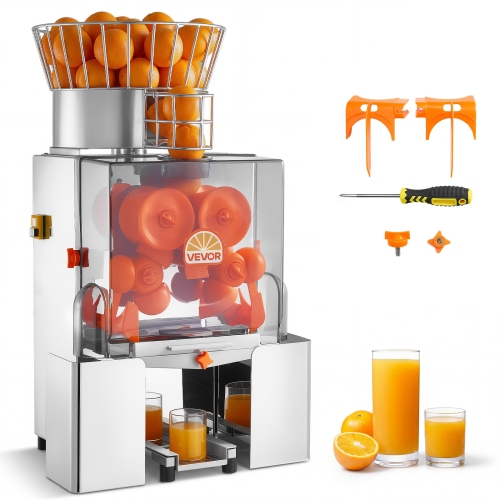
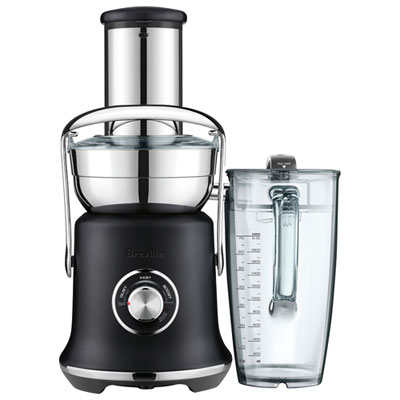
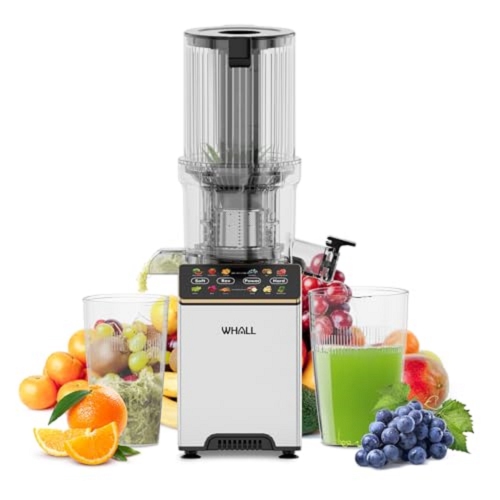
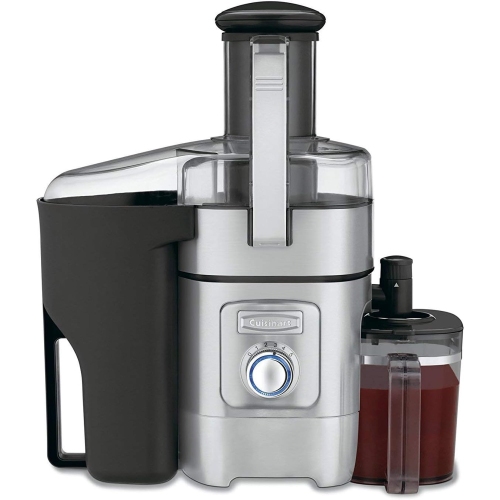
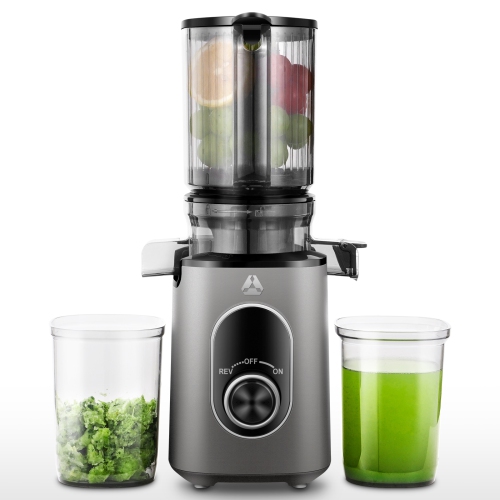

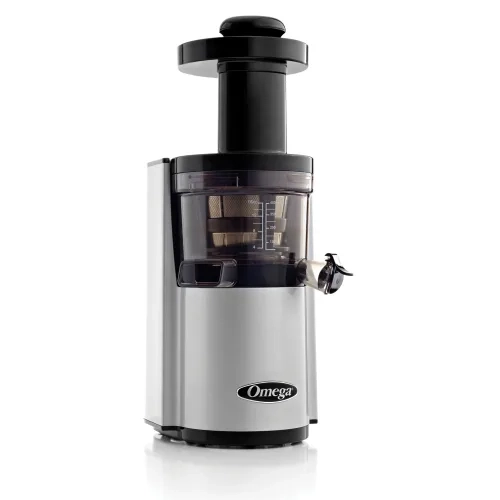
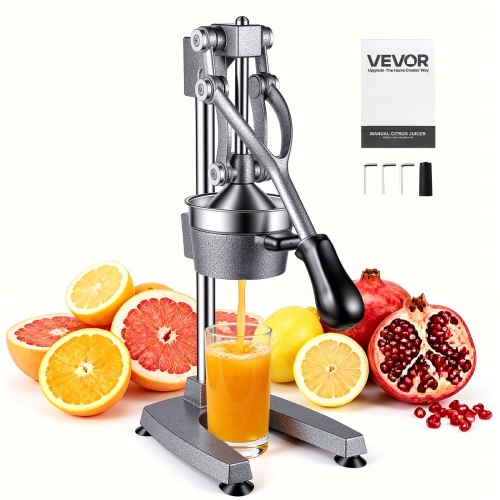
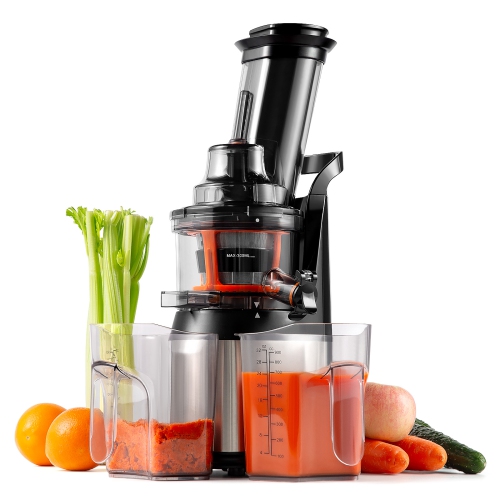
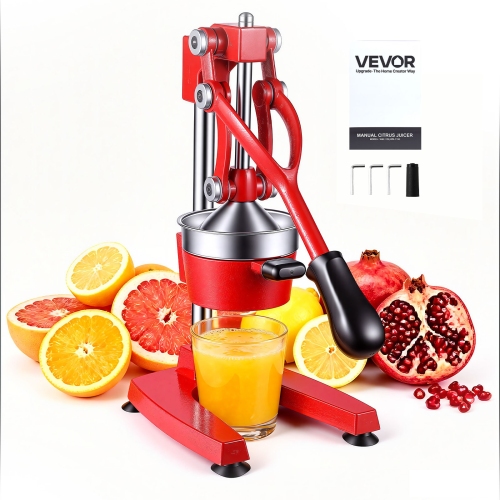
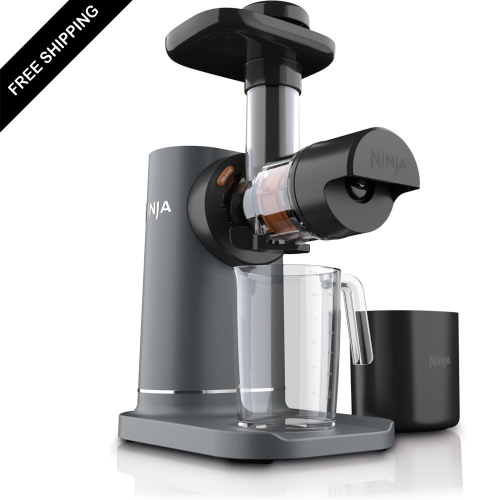
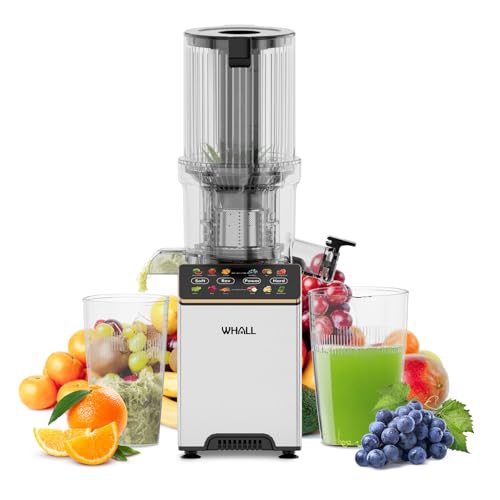
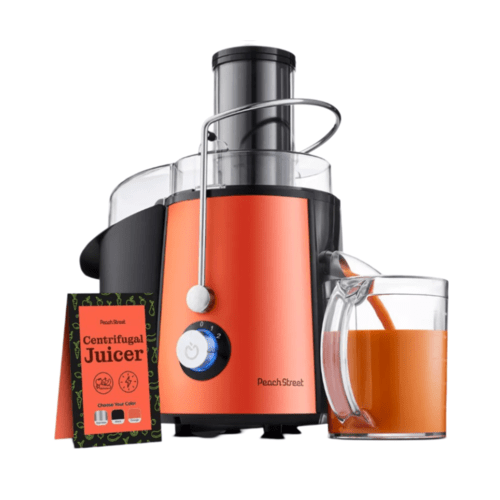
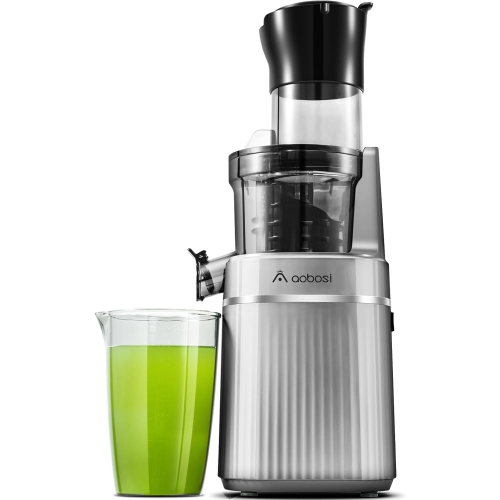
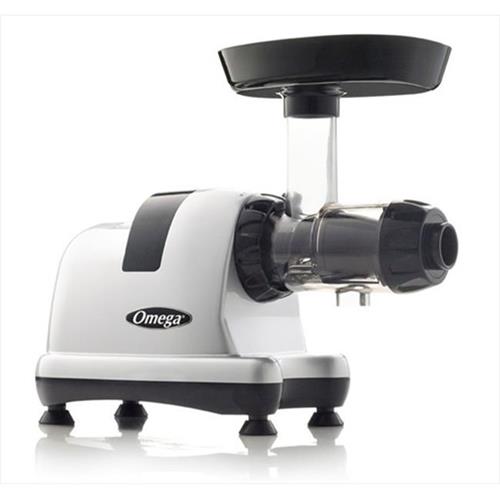
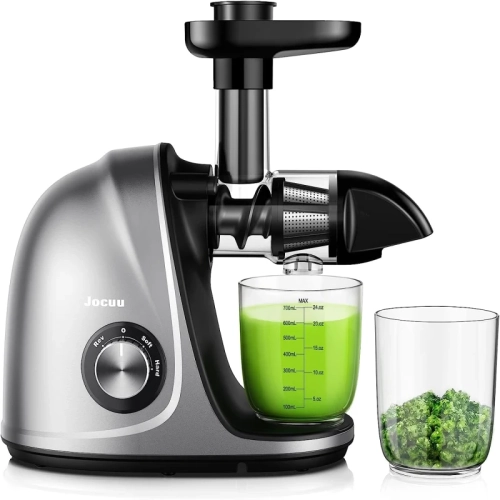
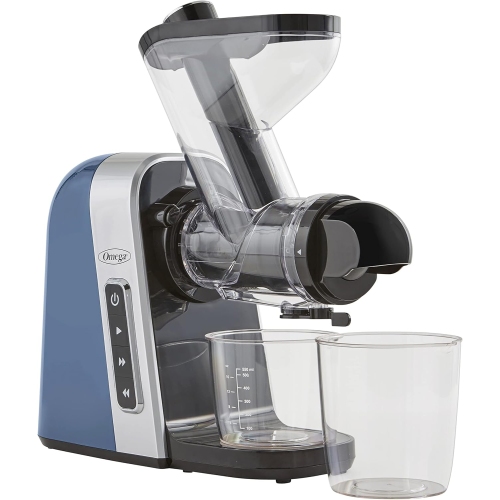
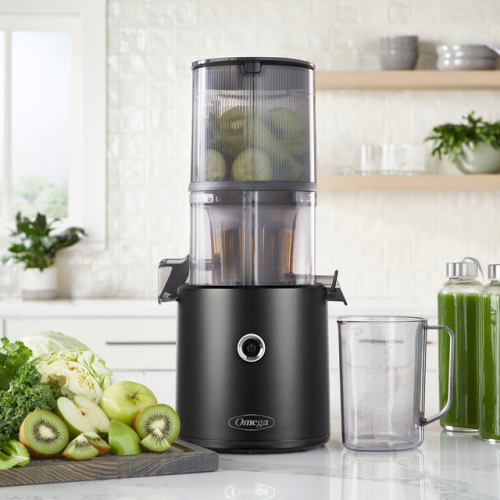
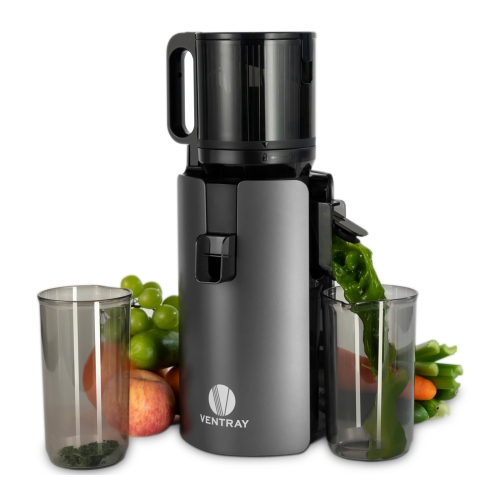
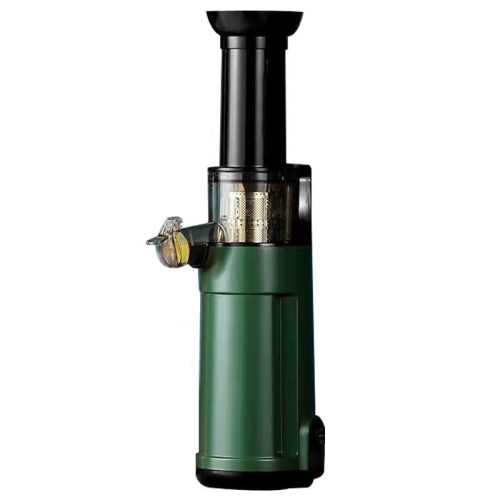
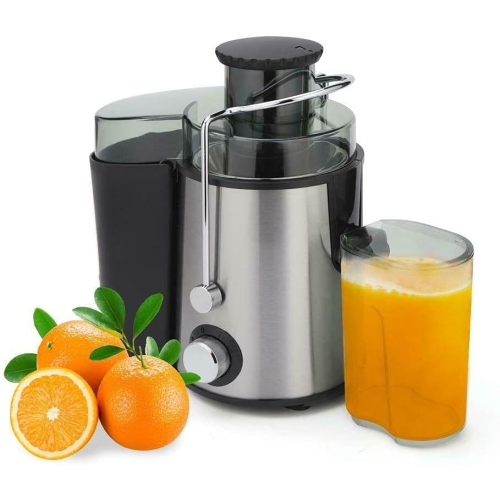

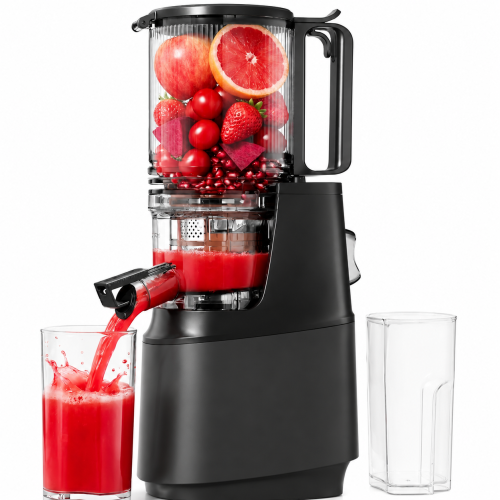
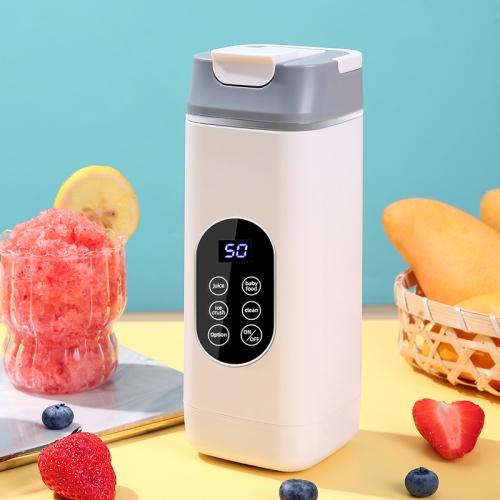
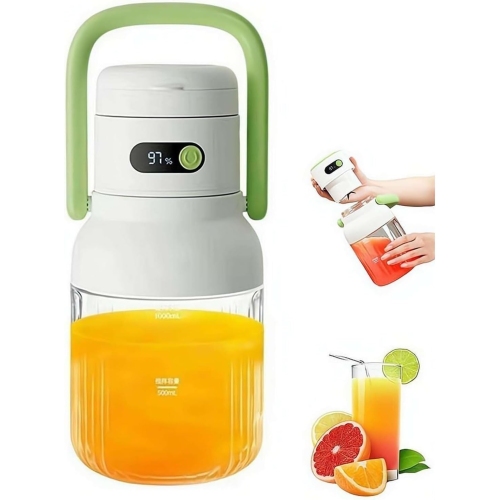
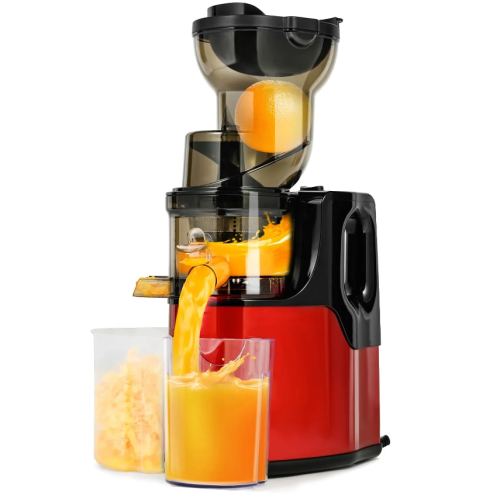
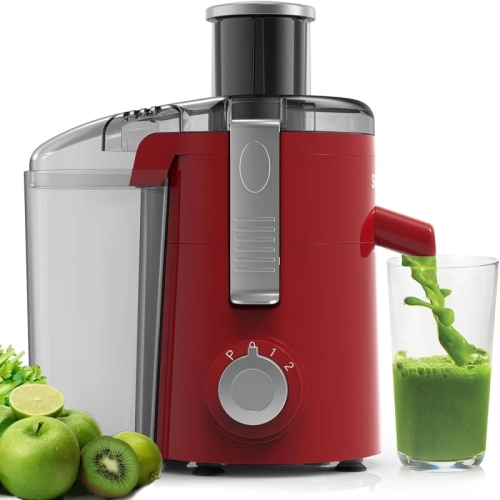
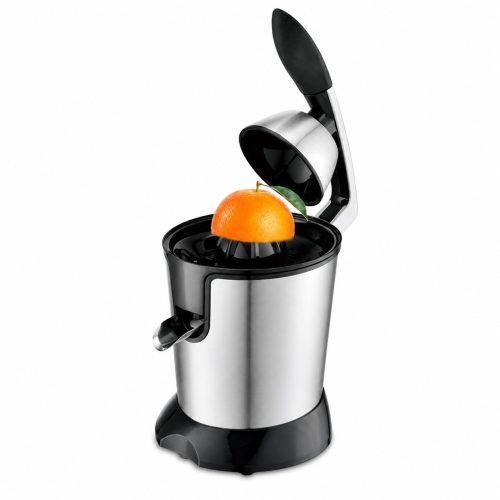
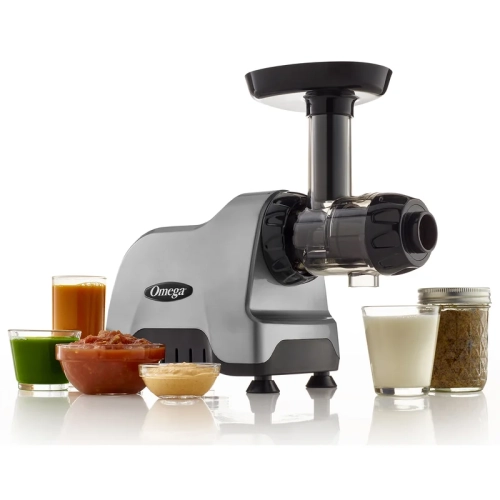
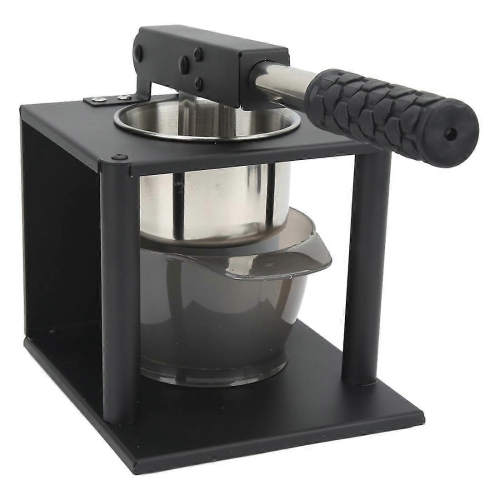
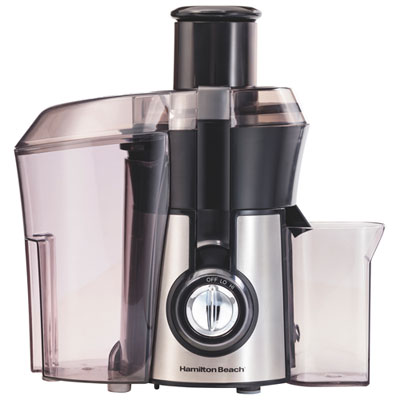
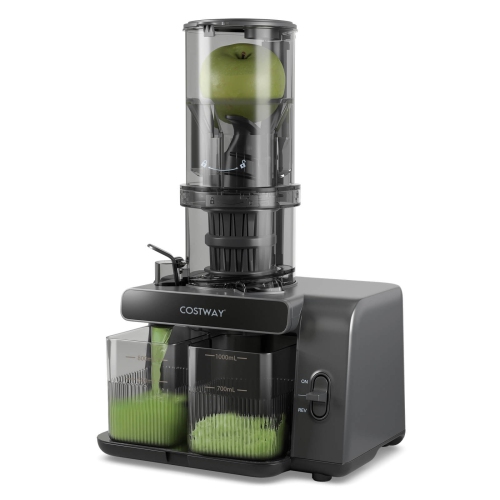
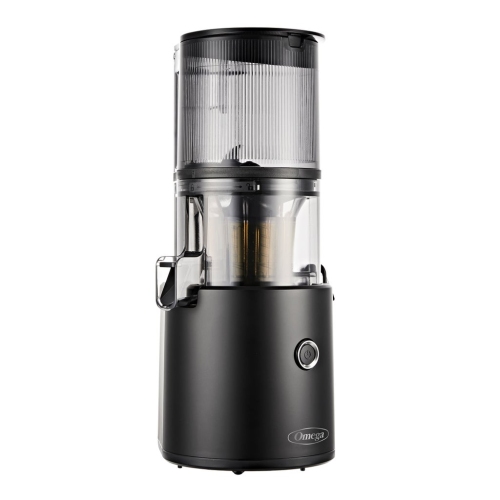
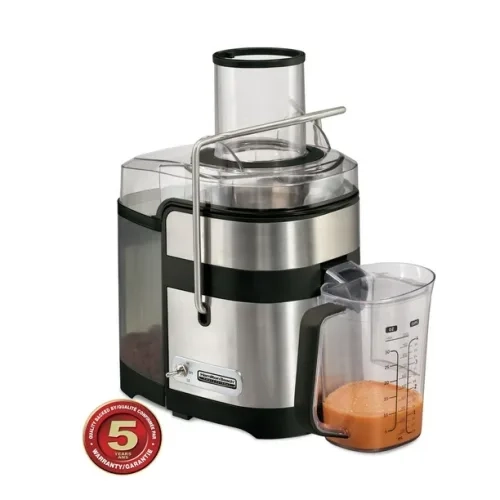



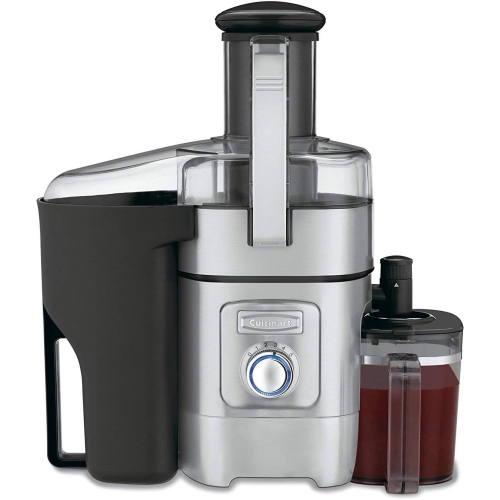
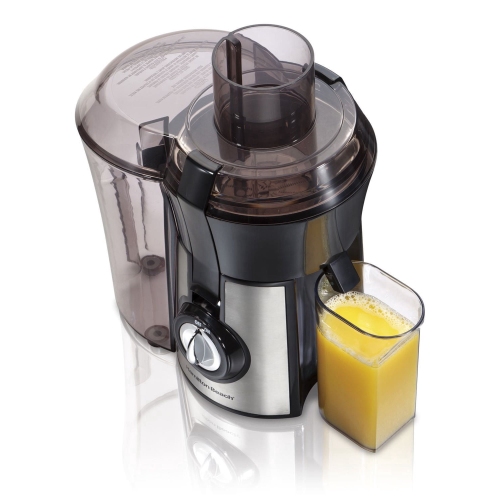
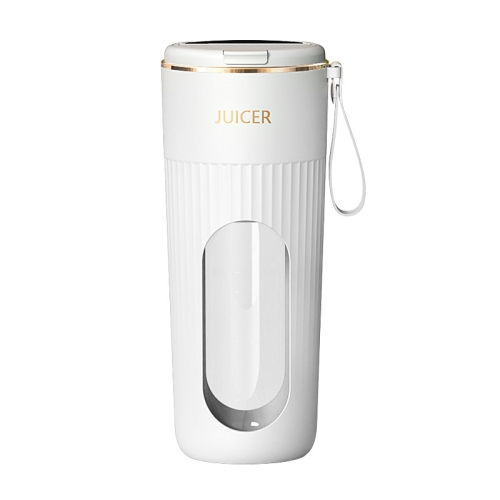

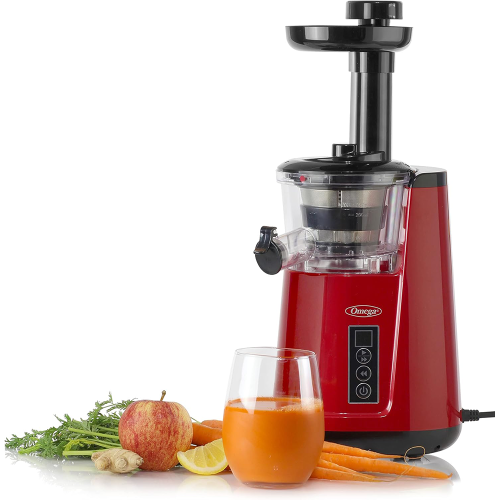


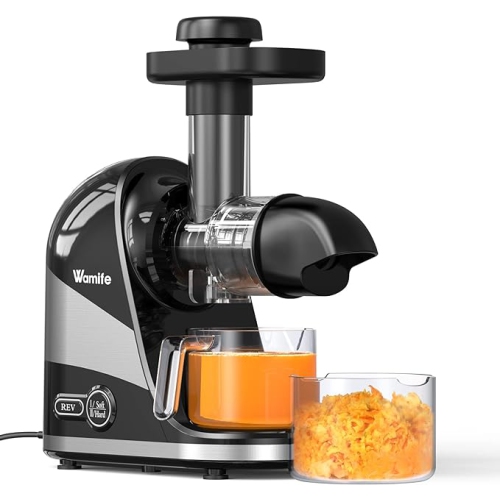
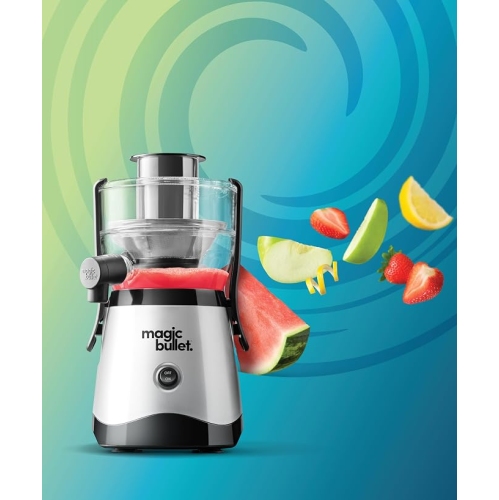
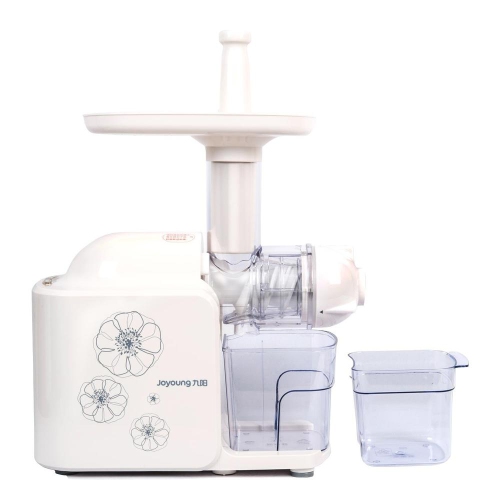

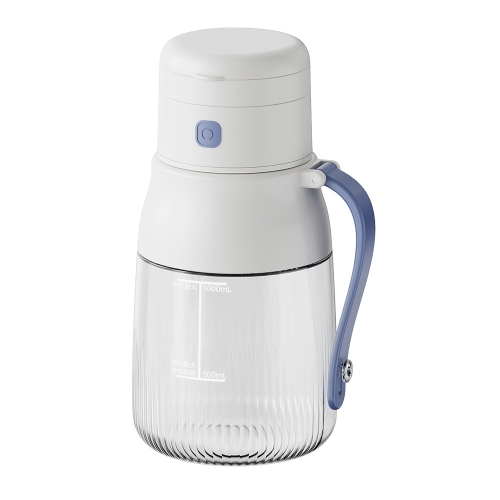
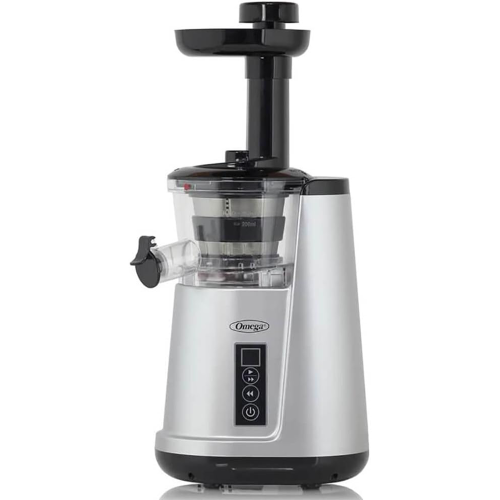
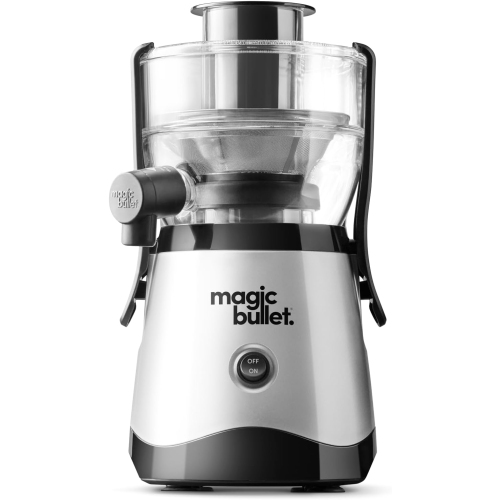
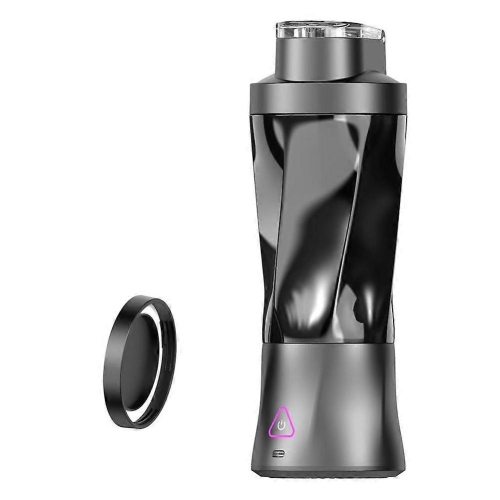
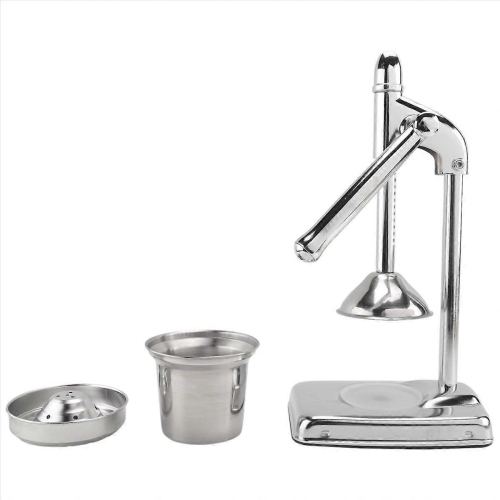

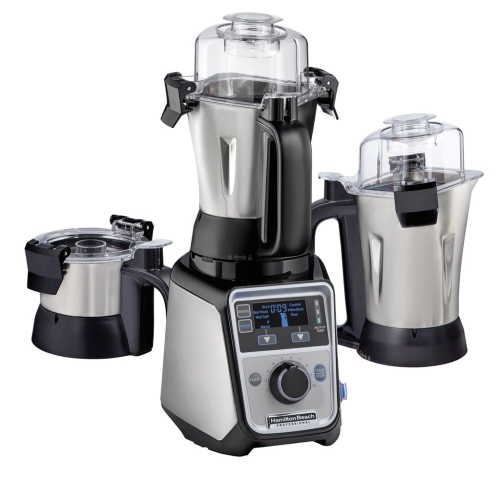
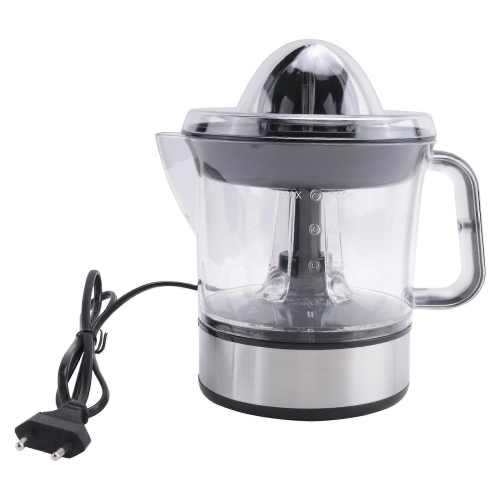

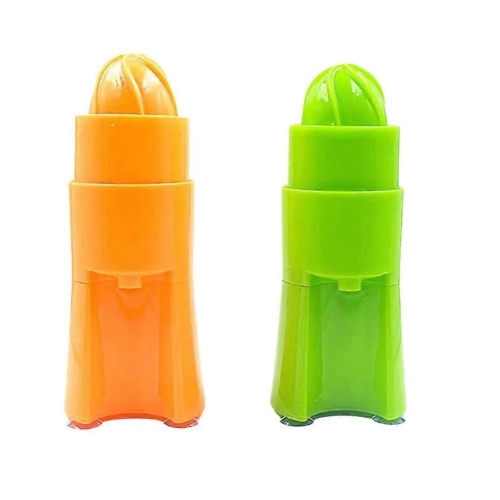
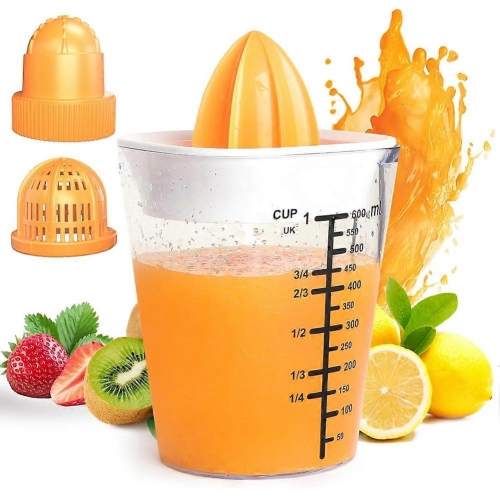
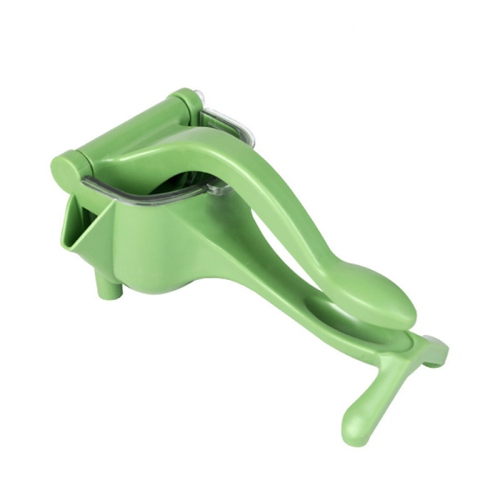
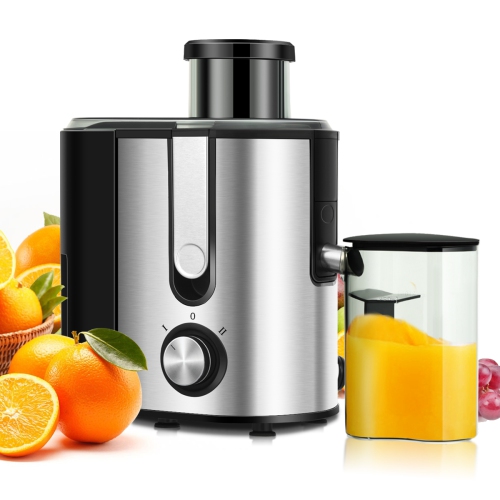
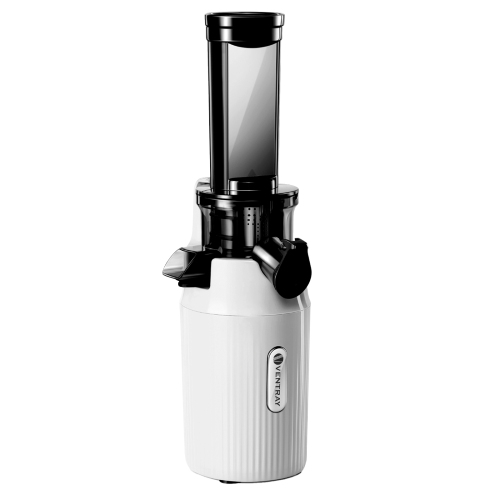


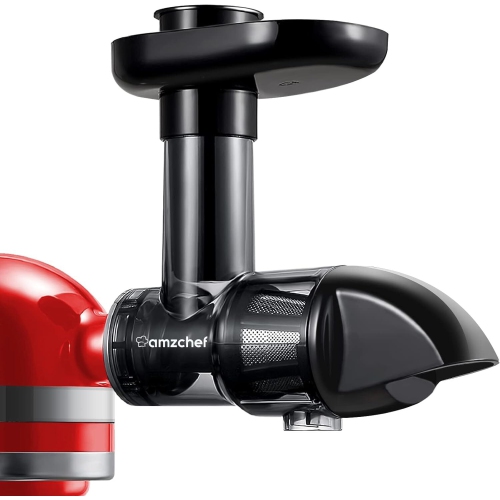
What separates everyday juicers from occasional kitchen appliances
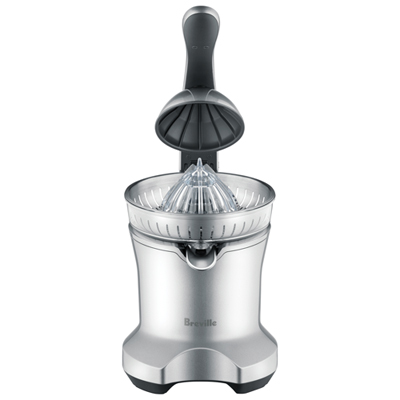
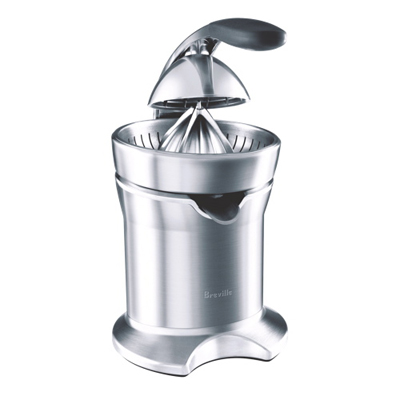
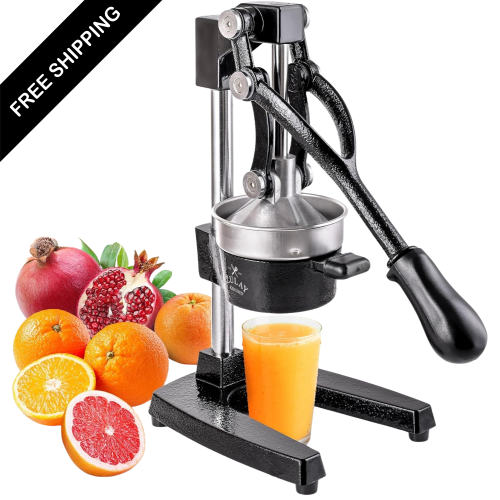
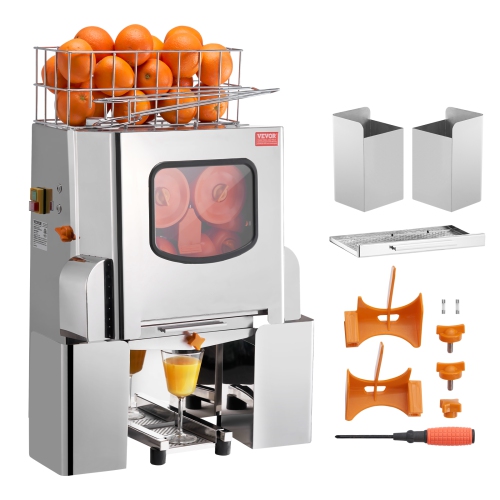
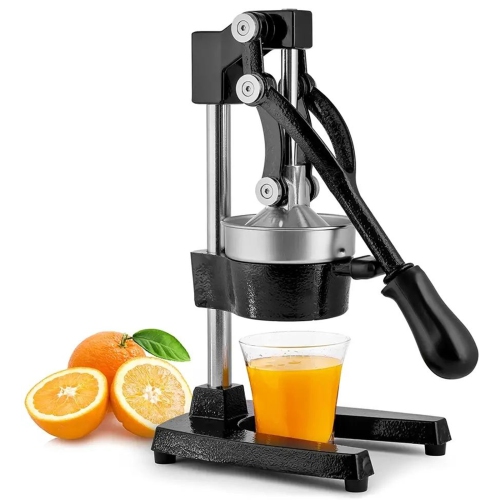
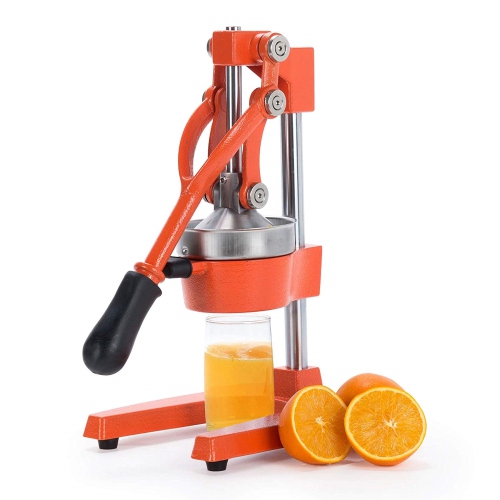
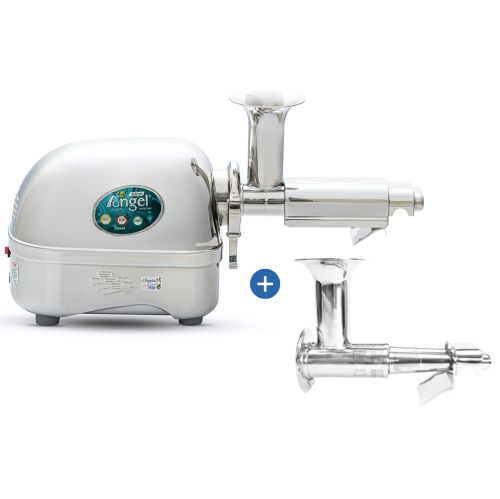
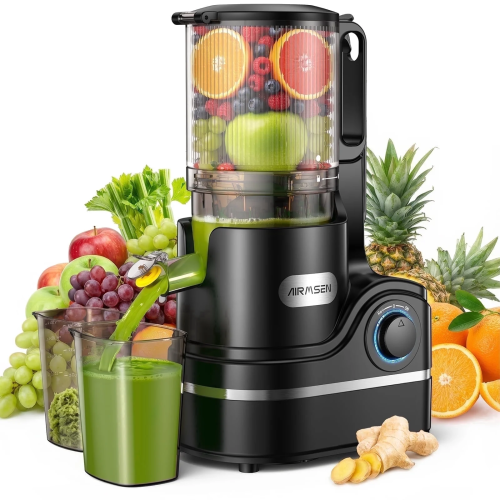
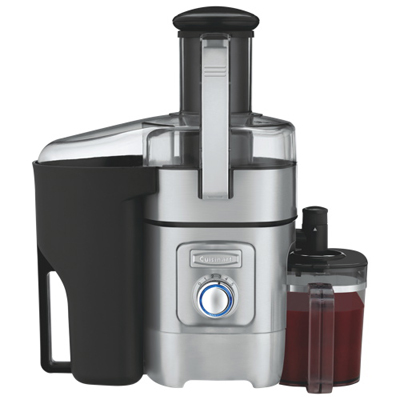
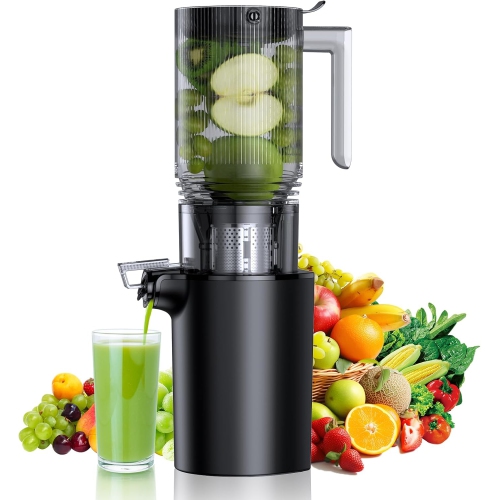
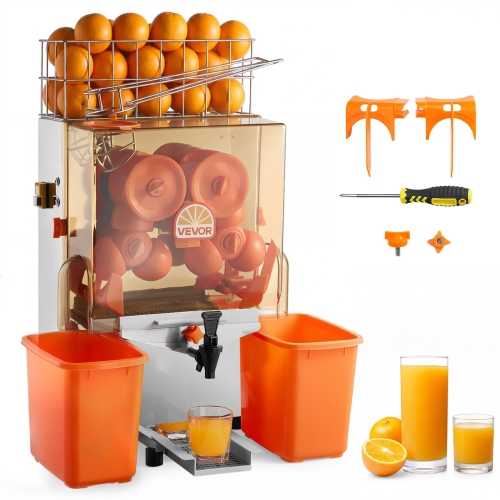
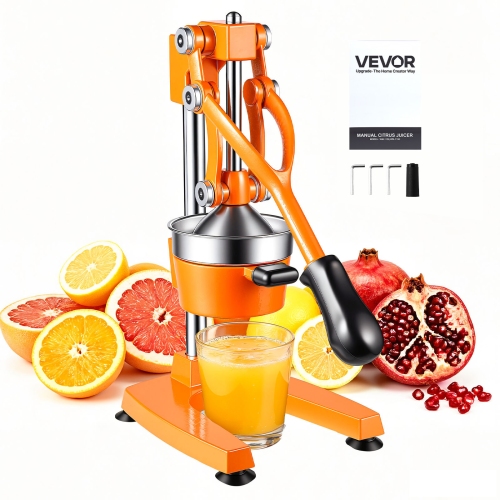
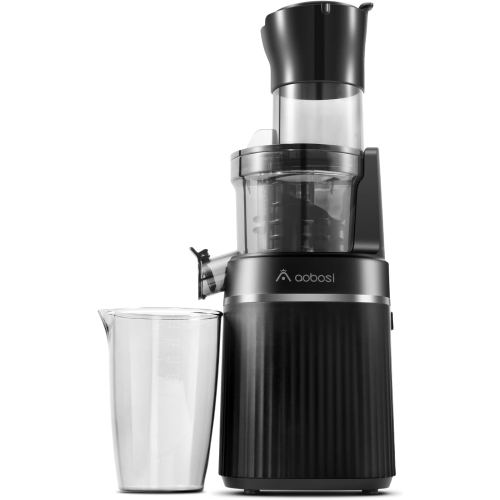
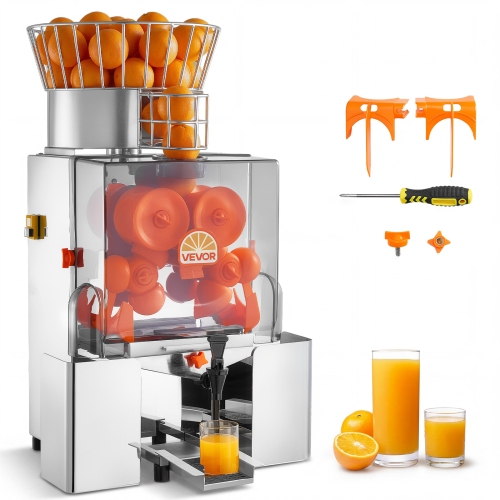
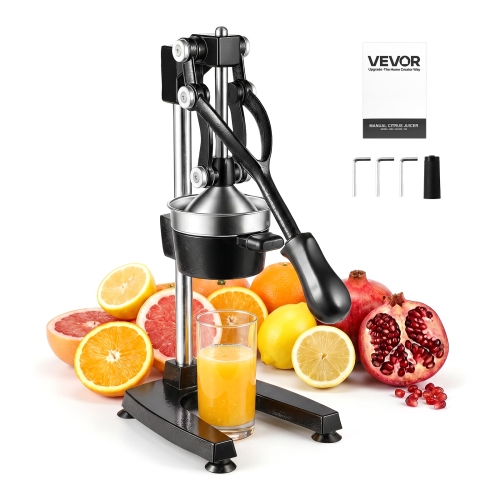
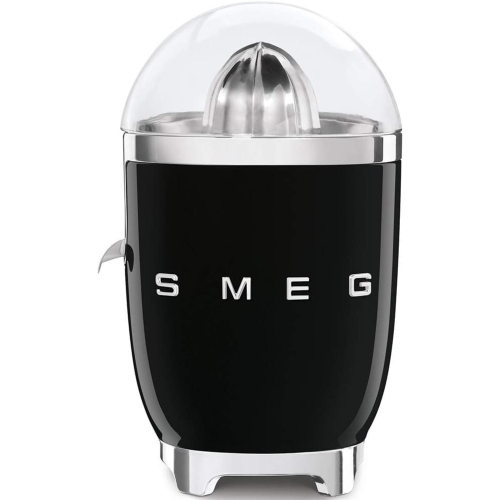
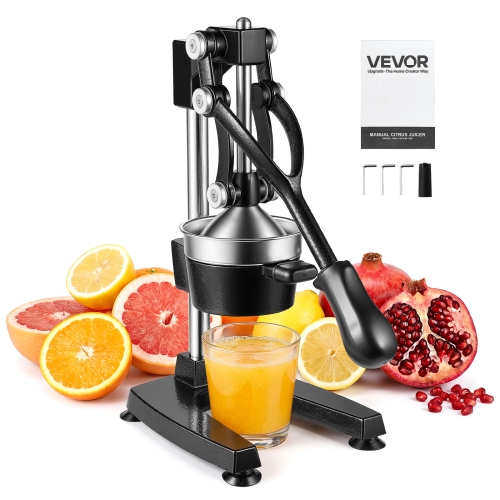
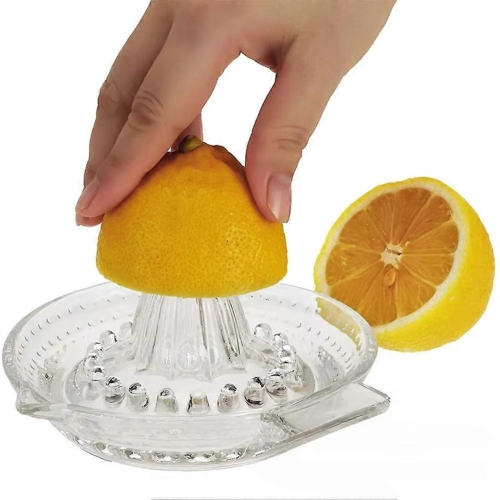
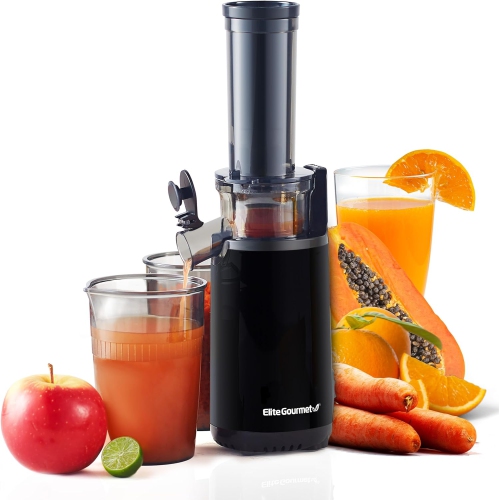
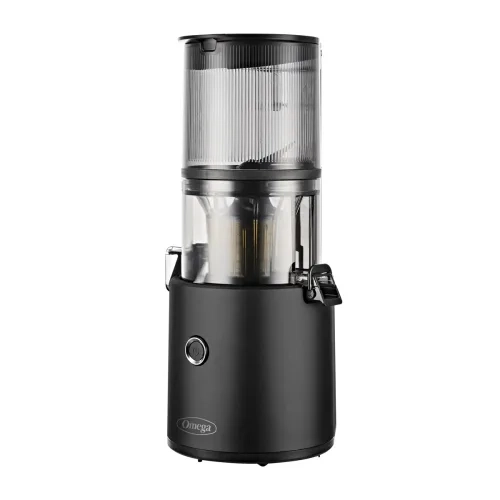
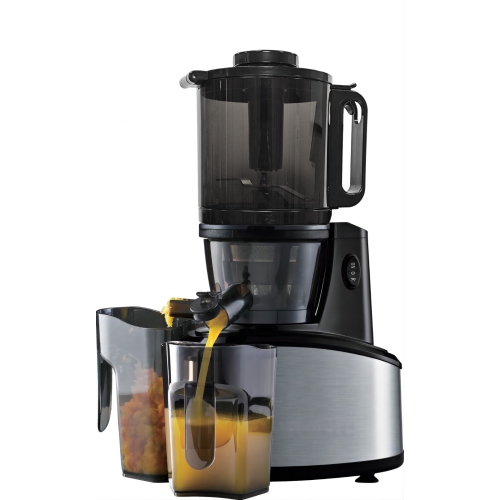
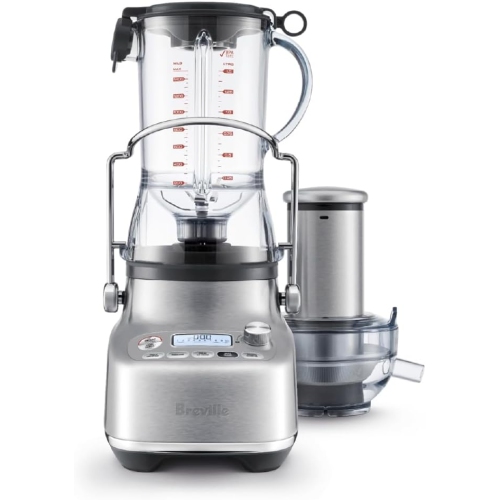
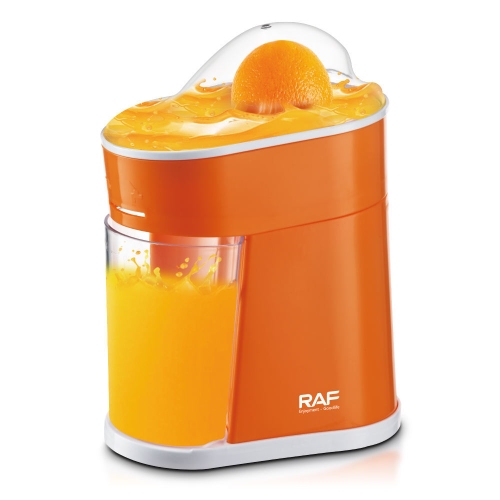
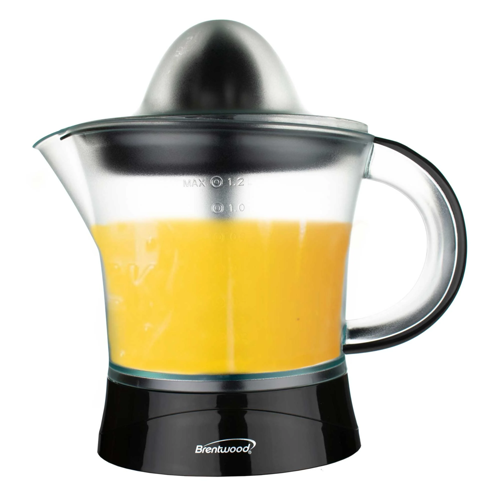
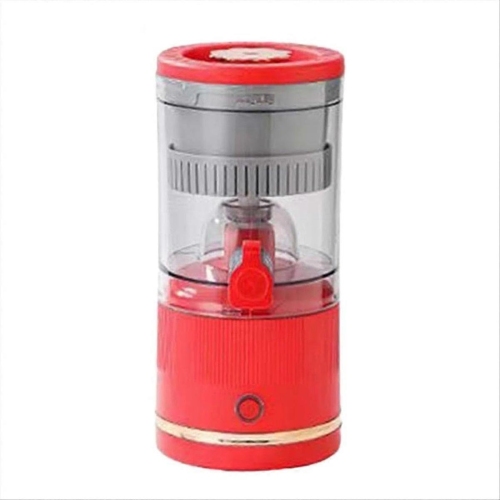
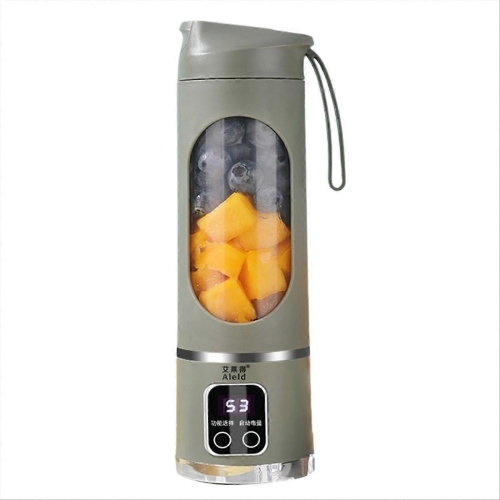
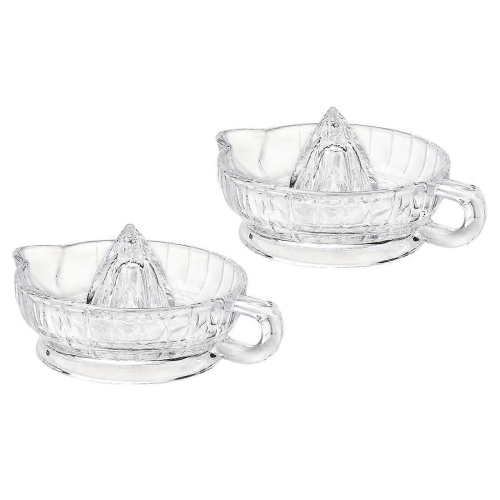
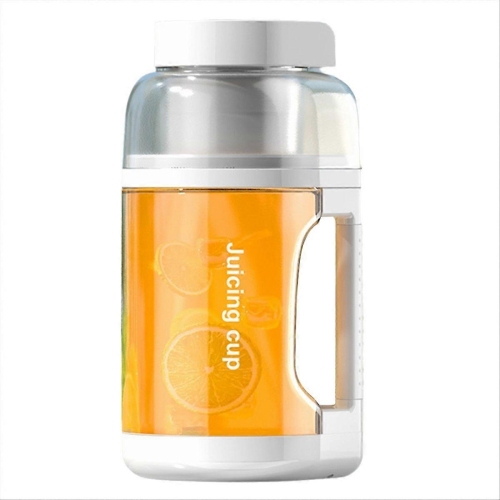
High quality juicers are designed for people who want more control over the flavour, texture, and preparation of fresh juice at home. Rather than treating juicing as an occasional novelty, these appliances are made to handle regular use, varied ingredients, and the small details that make a noticeable difference from one glass to the next. A well-built juicer can be used for crisp apples, citrus, leafy greens, celery, cucumbers, carrots, beets, ginger, and firm root vegetables, depending on its design and included attachments. Many shoppers begin by deciding how they expect to use their juicer: a quick glass before work, a pitcher for the household, fresh ingredients for mocktails and cocktails, or recipes that combine fruit, vegetables, herbs, and spices. For a closer look at popular options across different styles and price ranges, browse Best Rated Juicers. High quality models generally stand out through sturdy construction, dependable motors, thoughtful feeding chutes, secure locking mechanisms, and components that fit together smoothly. These details matter during everyday use. A juicer that accepts ingredients efficiently, runs with less vibration, and separates pulp consistently can make the preparation feel straightforward instead of fussy. Strong performance is especially helpful when working with fibrous produce or dense ingredients, while a wide feed chute can reduce the amount of chopping needed before juicing. Look for clear controls, stable feet, durable strainers, and a pulp container that is large enough for the quantity you usually prepare. Some models are compact enough for a smaller counter or apartment kitchen, while others are better suited to households that make larger batches and have room to leave the appliance assembled. Capacity, footprint, and storage should be considered together, since an impressive machine that is difficult to lift or store may see less use over time. A high quality juicer should feel like a practical part of the kitchen rather than an appliance reserved for special occasions.
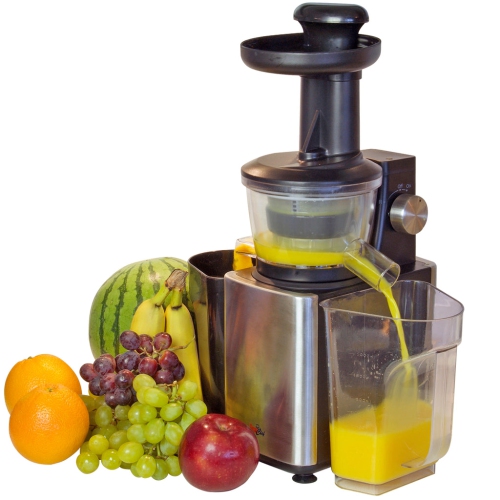
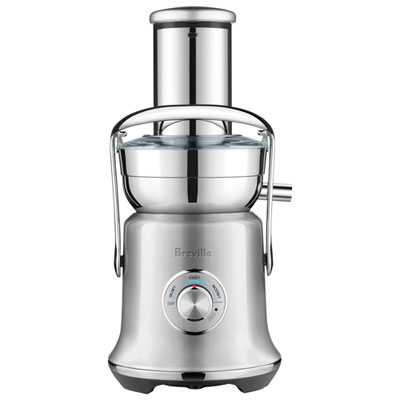
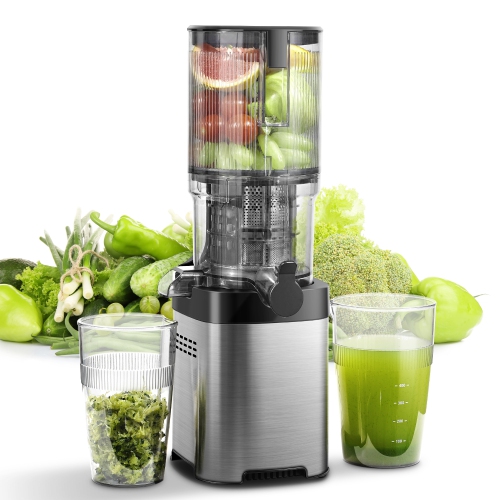
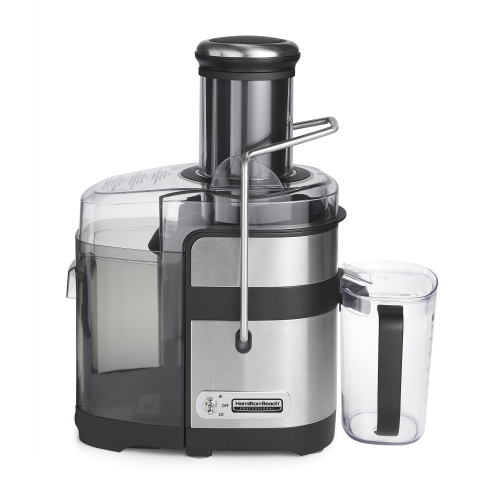
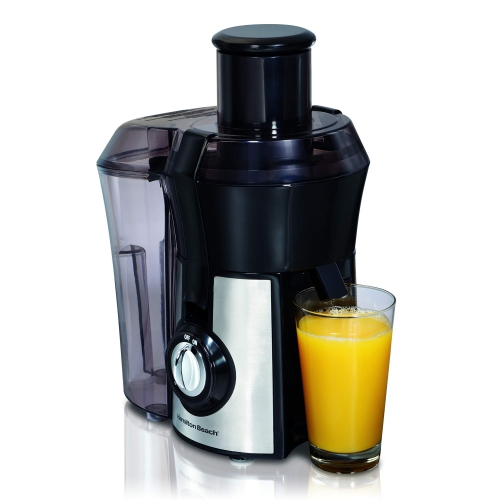
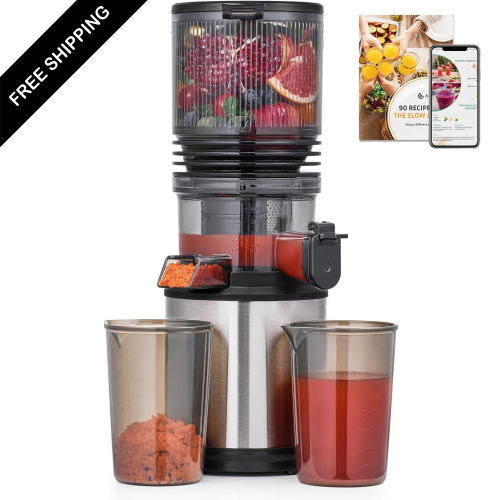
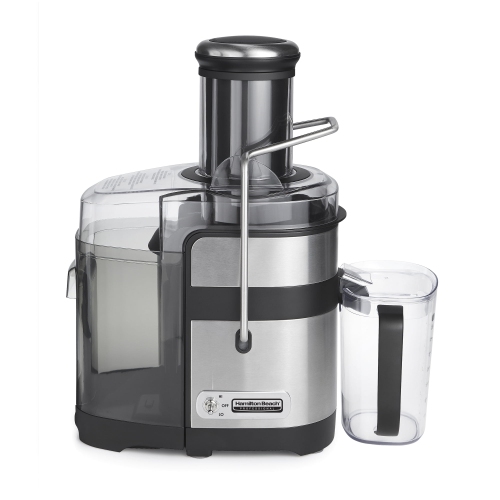
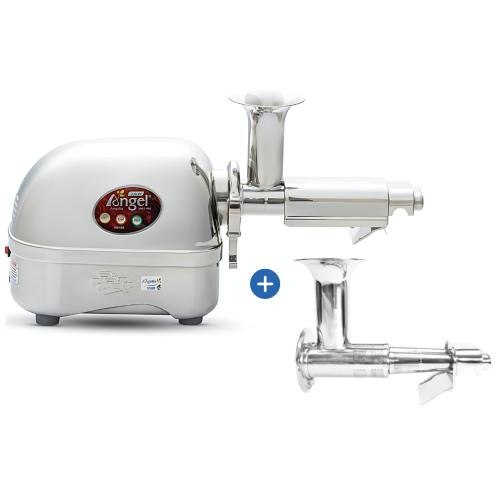
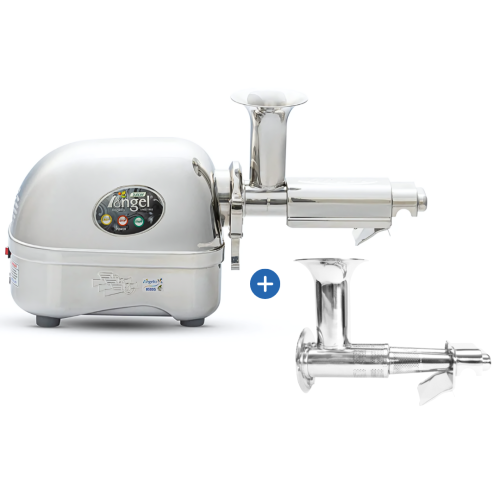
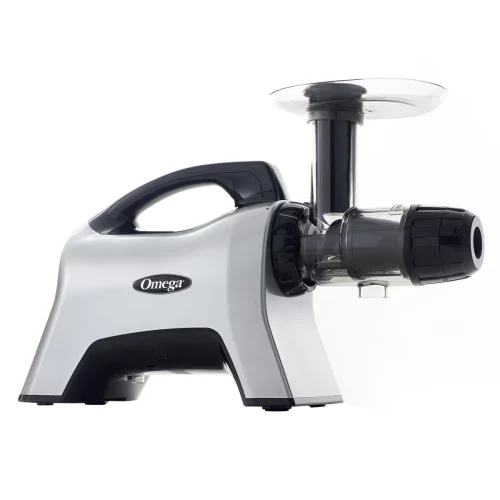
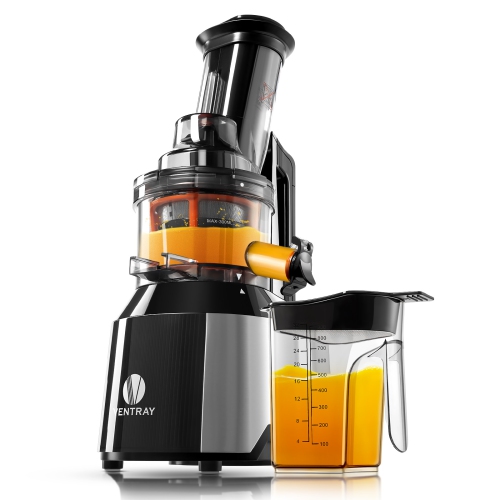
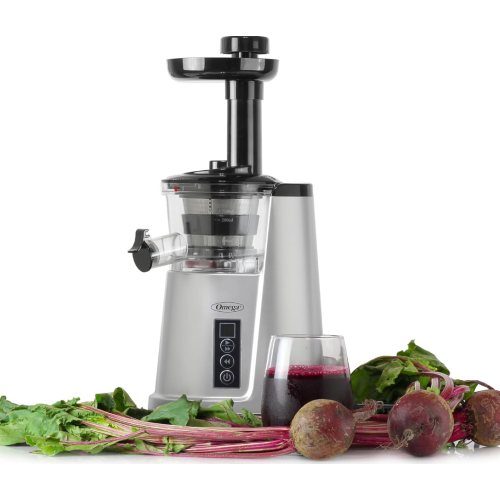
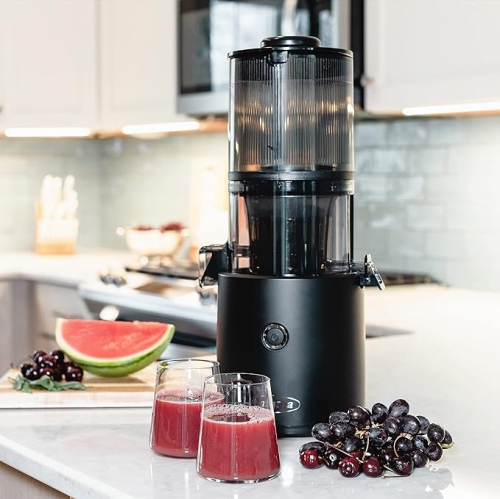
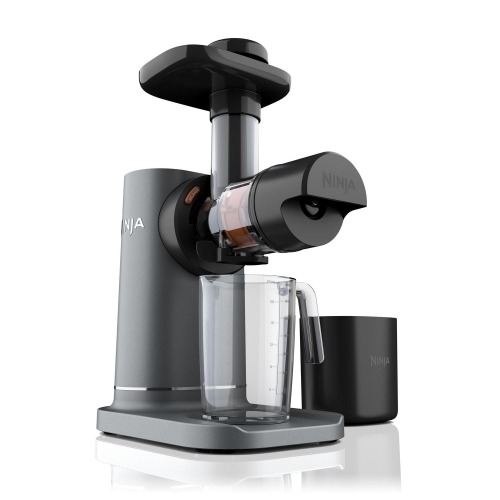
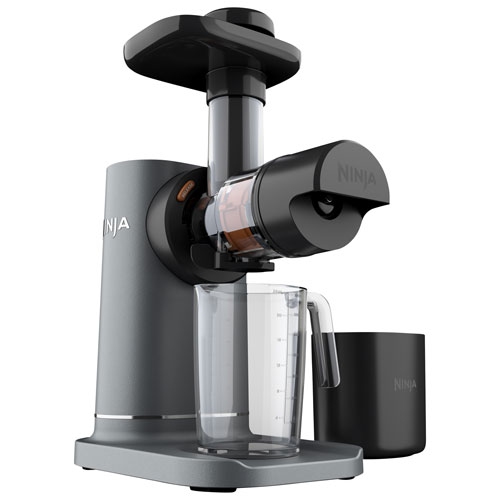
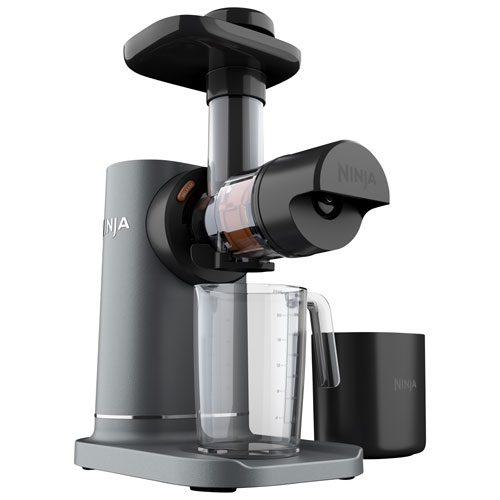
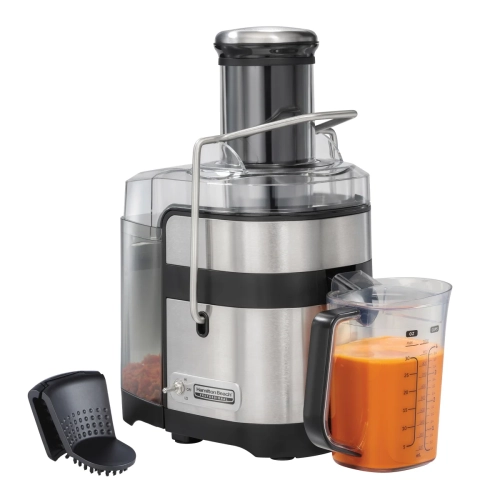
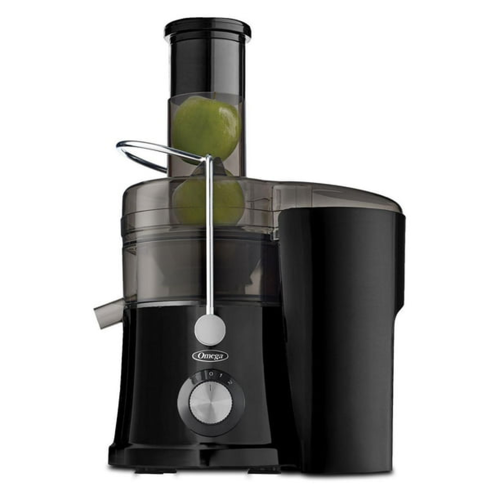
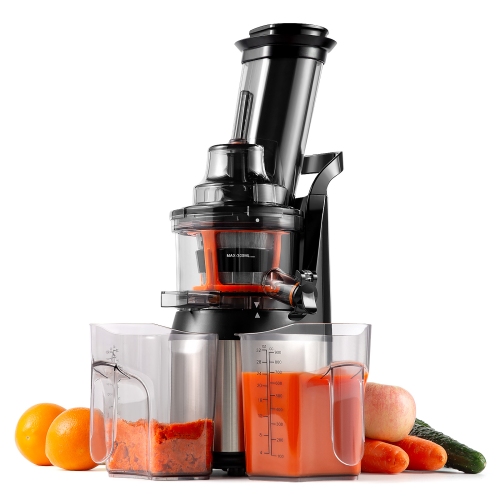
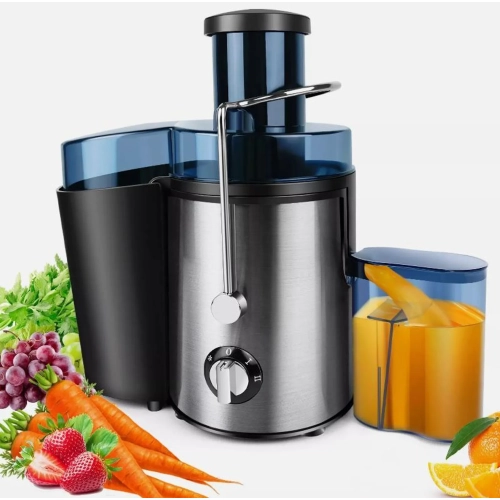
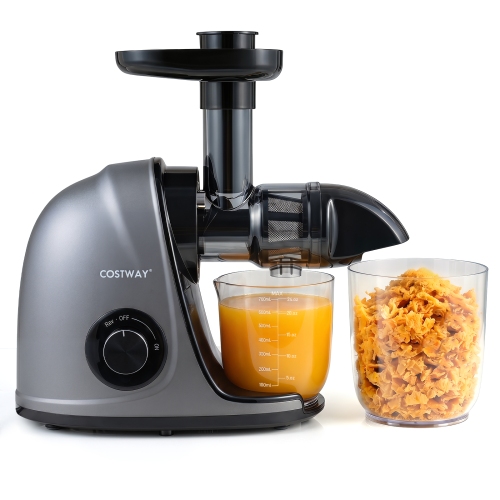
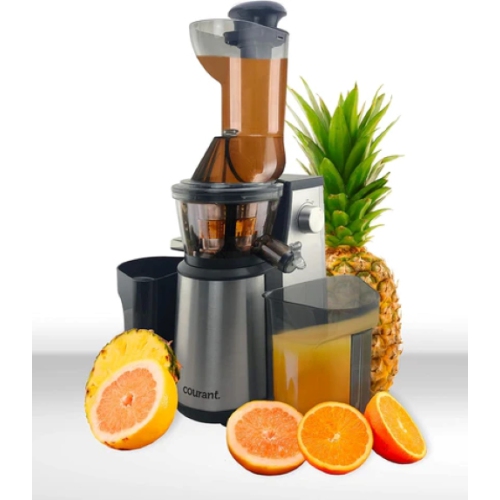
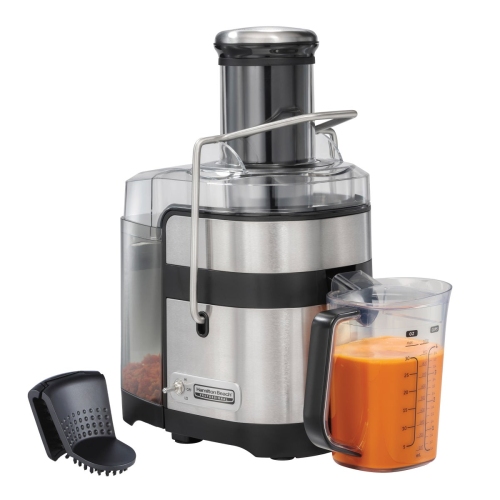
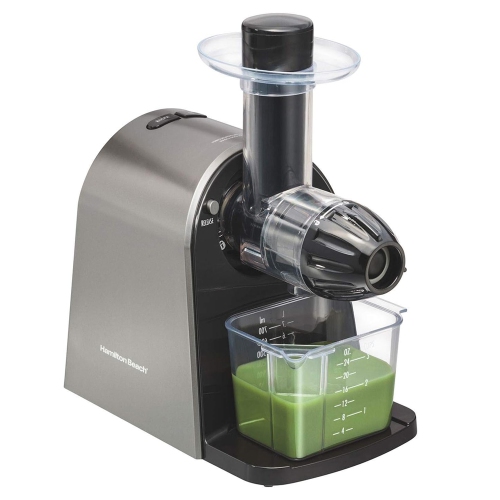
The two most common juicer styles are slow or cold-press juicers and centrifugal juicers, and each suits a different rhythm of preparation. Slow juicers, also called masticating juicers, crush and press ingredients at a lower speed. They are often chosen for leafy greens, celery, soft produce, and recipes where a smoother, fuller-bodied juice is preferred. Their slower operation can also be appealing in an open-concept kitchen or early in the morning when a quieter appliance is welcome. Depending on the model, a larger hopper or self-feeding design may allow several ingredients to be loaded together, reducing the need to stand over the machine and add produce piece by piece. Centrifugal juicers grate ingredients and separate the juice quickly, making them a useful choice for people who value speed, convenience, and generous portions. They can be particularly handy for hard fruits and vegetables, family breakfasts, or entertaining when several glasses need to be prepared in a short time. High quality centrifugal models often include powerful motors, wide chutes, and settings that help accommodate different ingredients. Neither style is automatically right for every kitchen; the best choice depends on the produce you buy, the texture you enjoy, the quantity you prepare, and the amount of time you want to spend on preparation and cleanup. Consider the type of juice you picture pouring into your glass. A bright carrot-and-orange blend, a green juice with celery and herbs, and a thick pear-and-ginger mixture can place different demands on an appliance. Check whether the juicer is suited to soft fruit, hard produce, leafy greens, citrus, and fibrous ingredients, and review whether the manufacturer recommends alternating softer and firmer items to help move pulp through the system. Features such as adjustable pulp control, reverse operation, multiple speed settings, and dedicated attachments can add useful flexibility, but they should support your routine rather than complicate it. Ease of cleaning is equally important. Removable parts, included brushes, dishwasher-safe components, and a strainer that can be rinsed promptly may determine whether juicing remains a regular habit during busy weeks.
High quality juicers can be a thoughtful choice for a wide range of households and gift recipients. They suit home cooks who enjoy experimenting with seasonal produce, people who like preparing café-style drinks at home, families looking for a convenient way to serve fresh juice, and hosts who want an attractive addition to a brunch or beverage station. They can also appeal to someone setting up a new kitchen, refreshing an appliance collection, or building a more flexible routine around homemade drinks. During the cooler months, a juicer can bring bright colour and fresh flavour to the kitchen when local produce selections may feel less varied, while stored apples, citrus, carrots, beets, and hardy greens remain useful for blends. It is also a practical gift for a new homeowner or anyone who enjoys making recipes from scratch, particularly when the machine matches the recipient’s available counter space and tolerance for hands-on preparation. Before buying, think beyond the motor and compare the complete ownership experience. Check the juicing chamber size, feed chute dimensions, noise level, cord storage, warranty coverage, included accessories, and availability of replacement strainers or seals. A model with a generous warranty and readily available parts may provide greater peace of mind for frequent users. Read the care instructions to understand how soon the components should be rinsed after use and whether the machine requires disassembly after every batch. For households with limited storage, measure the intended cupboard or counter area and allow extra room for removing the hopper, lid, and pulp container. For larger households, compare juice yield, container capacity, and the time needed to prepare multiple servings. It is also worth considering whether you prefer juice with more natural pulp or a cleaner, lighter finish, since strainer design and pulp settings affect the final result. With the right match, a high quality juicer can turn a handful of produce into a vivid glass of juice, a base for a smoothie, a mixer for a weekend drink, or a refreshing accompaniment to breakfast. The most rewarding model is one that fits naturally into your kitchen, handles the ingredients you buy most often, and makes it easy to keep coming back to fresh, homemade recipes.
Top selling and popular products
-
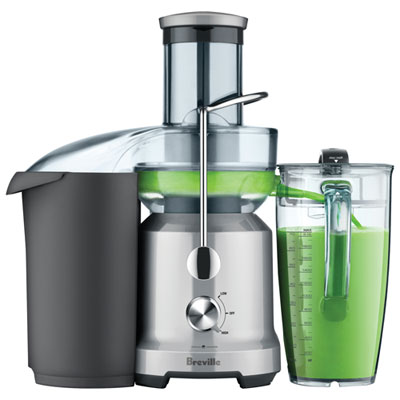 Your price for this item is $209.99
-
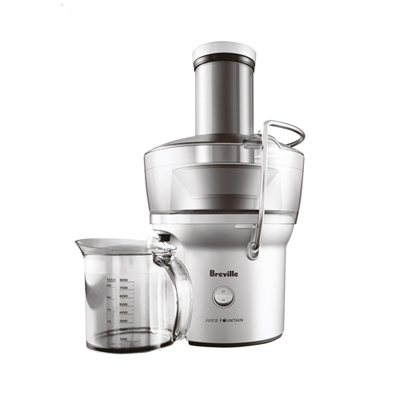 Your price for this item is $149.98
-
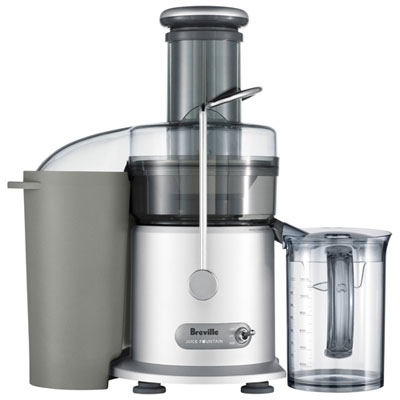 Your price for this item is $149.99
-
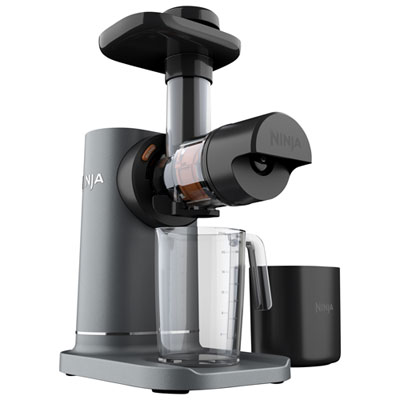 Your price for this item is $199.99
-
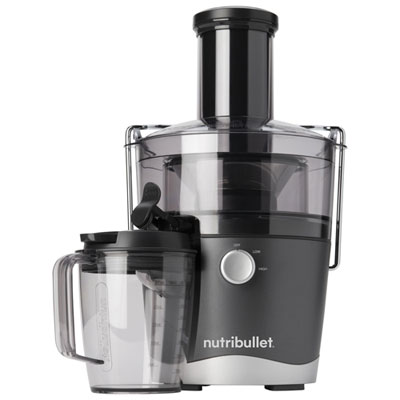 Your price for this item is $99.99
-
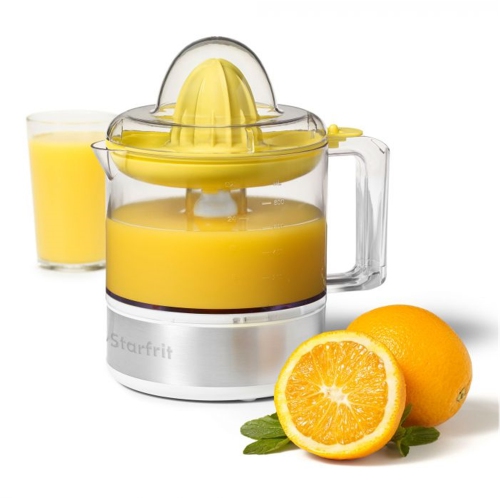 Your price for this item is $29.99
-
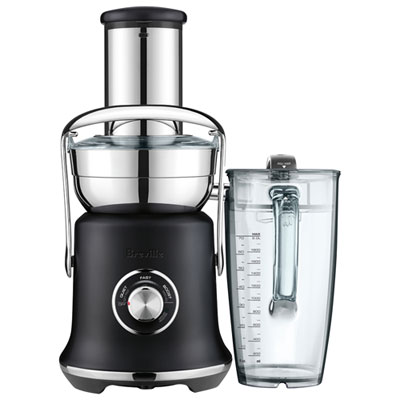 Your price for this item is $499.99
-
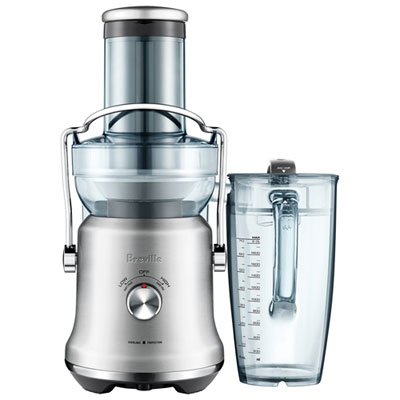 Your price for this item is $299.98
Discover more categories related to High Quality Juicers
Top Collections:
Pokemon Centers, Best Cameras for Sports Photography, Kindle Devices, Samsung Galaxy Phones, Canon G7X Cameras, Pokémon 30th Celebration Cards, Refurbished Apple Laptops, iPhone 15 Apple, Laptops for Students, Budget Smartphones
Some products may be subject to Environmental Handling Fees
(EHF) depending on your province.
Learn more about EHFs.