PD Wall Chargers
Power up your devices quickly and efficiently with a PD Wall Charger. Designed to support a wide range of smartphones, tablets, laptops, and other USB-powered electronics, these chargers offer reliable performance for home, office, or travel use. Browse a variety of options to find the perfect PD Wall Charger that fits your charging needs and keeps your devices ready for action.
Sort








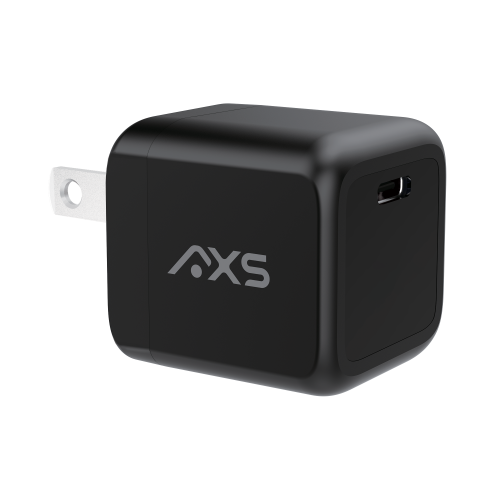

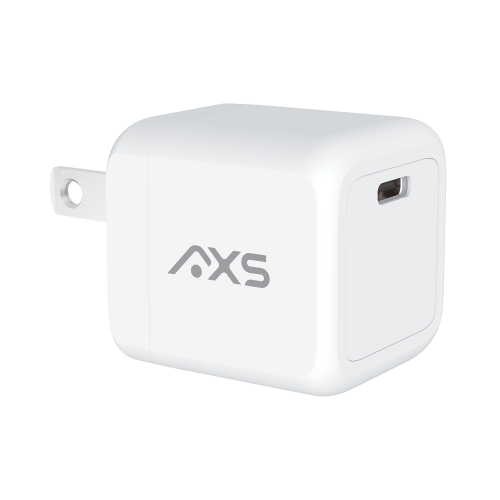
Why higher wattage does not always mean faster charging
USB-C Power Delivery (PD) wall chargers supply power to compatible devices through a charging standard that lets the charger and device negotiate a supported power level. Rather than sending the same output to every connected device, a PD charger offers supported voltage and current combinations, and the device requests an appropriate option. This makes the format useful for everyday electronics ranging from phones and wireless headphones to tablets, handheld gaming devices and compatible laptops. The USB Power Delivery specification supports power levels up to 240W, but an individual wall charger may have a much lower maximum output. Reaching a particular charging speed depends on the capabilities of the charger, the device and the cable together. A higher-wattage charger does not force extra power into a smaller device, and a phone will not necessarily charge faster simply because it is connected to an adapter designed to support a laptop. For a practical match, compare the device manufacturer’s charging requirements with the charger’s listed USB-C output profiles. A compact adapter may suit a phone on a bedside table, while a laptop used for video calls and demanding applications may need substantially more power to charge while operating. Cable specifications matter just as much as the number printed on the adapter. USB-C cables can look alike while supporting different power levels, and a cable intended for basic charging may limit a higher-output setup. Power above 60W generally requires a suitable 5A electronically marked cable; charging above 100W also requires compatible Extended Power Range equipment and an appropriately rated cable. Some devices use Programmable Power Supply, or PPS, an optional USB PD feature that allows finer adjustments to voltage and current during charging. When that feature is required for a device’s fastest supported charging mode, both the charger and device need to support it. Charging speed also varies with battery level and device activity, so a maximum wattage rating is a capability rather than a promise of constant charging speed.
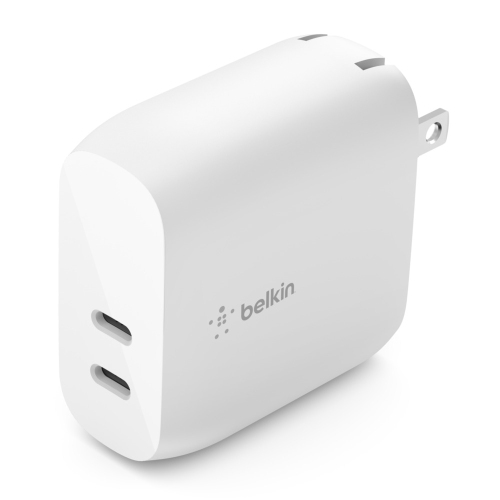
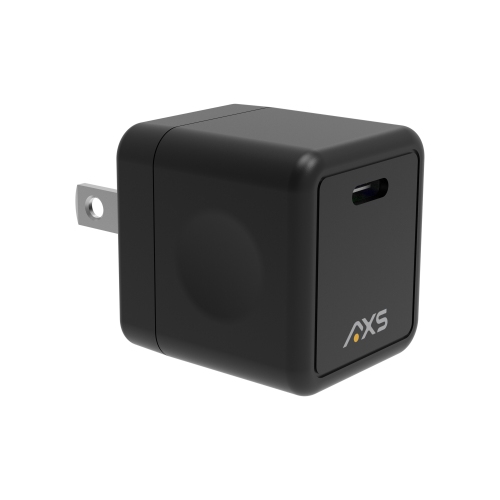
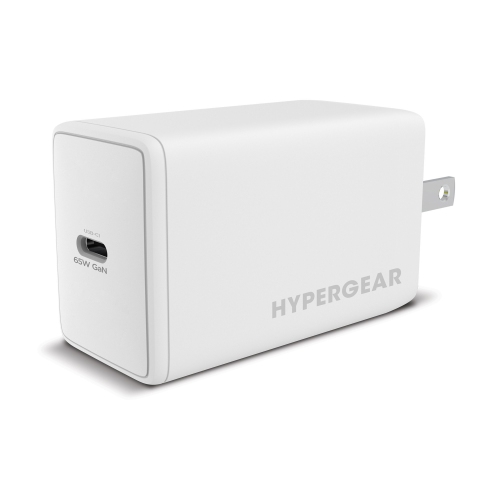
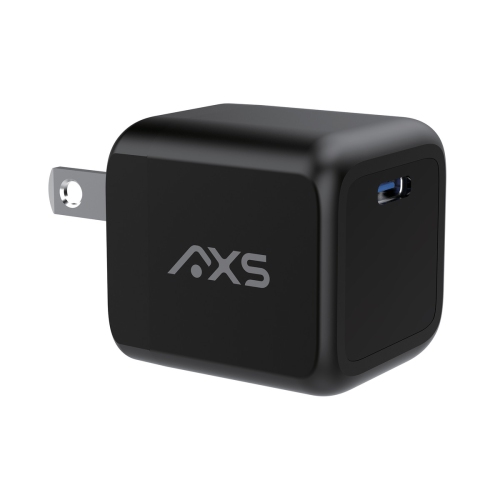
The number of ports and the way power is shared make a noticeable difference to daily use. A single-port PD wall charger keeps a simple setup tidy, with one cable leading to a phone, tablet or laptop. A multiport charger can serve a desktop work surface, a shared charging spot or a travel bag where several separate adapters would otherwise compete for space. Its total output, however, is not necessarily available from every port at once. A charger may deliver its highest wattage through one USB-C port when used alone, then divide that power differently when a second or third device is connected. The listed power allocation is especially important for anyone charging a laptop alongside a phone: the laptop still needs enough power after the other ports are occupied. Some chargers briefly renegotiate power when another device is plugged in, which can cause a momentary charging interruption. Physical fit deserves similar attention. A wide adapter can cover a neighbouring receptacle, while a deep body may project too far from an outlet behind a nightstand. Port placement affects whether cables hang neatly or press against furniture, and folding prongs can make an adapter easier to pack without catching on other belongings. Many charger housings use moulded plastic, with construction quality, secure prongs and firmly seated ports contributing to durability. Gallium nitride, often shortened to GaN, is a semiconductor technology used in some compact designs; it can enable smaller high-output adapters, although dimensions and performance still vary by design. For regular use, look for electrical safety certification appropriate for Canada and follow the manufacturer’s operating instructions. Keep the adapter uncovered on a dry, ventilated surface, avoid pinching the cable behind furniture, and unplug it before cleaning the exterior with a dry cloth. A loose connection, damaged casing, bent prong or frayed cable is a reason to stop using the affected component rather than hold it in place or cover the damage.
PD wall chargers fit naturally into routines where dependable power matters more than a complicated setup. A student moving between a desk and a study space may prefer one adapter that can support both a compatible laptop and a phone, while someone working from home may value a dedicated charger that stays connected beneath the desk. For a bedside setup, a compact body and an unobtrusive indicator light can matter as much as maximum output. In a shared household, clearly rated ports and enough power for the usual combination of devices help make a charging area straightforward to use. A separate cable of a suitable length can also keep a device within reach without leaving excess cord looped across a walkway. For commuting and travel, Portable Wall Chargers can help keep a bag organized, particularly when one compatible adapter can replace several single-purpose charging blocks. A wall charger still requires an electrical outlet and does not store energy like a power bank. Travellers should check the input rating before connecting an adapter abroad: a model labelled for 100–240V AC can support that input range, but the destination may still require a plug adapter. A plug adapter changes the physical connection; it does not convert voltage. At home or away, leaving a little slack near each connector reduces strain when a device is moved or picked up. These practical details also make a PD charger a useful gift for someone setting up a study area, starting a new job or replacing a bulky charging arrangement, provided its output and cable requirements match their devices. The most useful choice is not always the charger with the largest wattage figure or the most ports. It is the one that supplies the required power, fits the available space and works comfortably with the devices and cables used each day.
Top selling and popular products
-
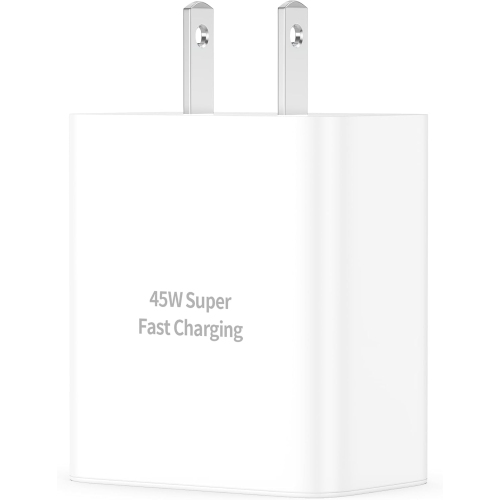 Your price for this item is $27.99
-
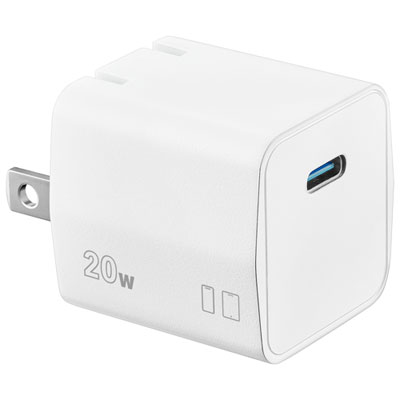 Your price for this item is $16.99
-
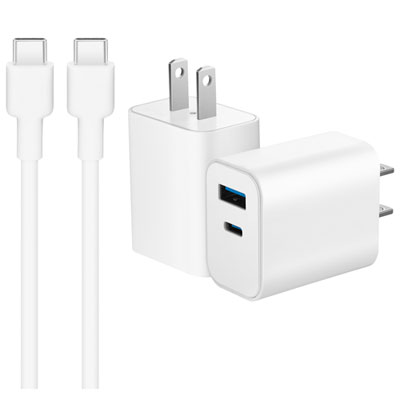 Your price for this item is $24.99
-
 Your price for this item is $49.99
-
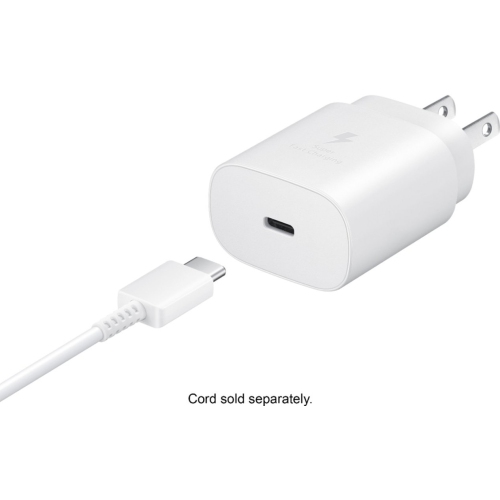 Your price for this item is $25
-
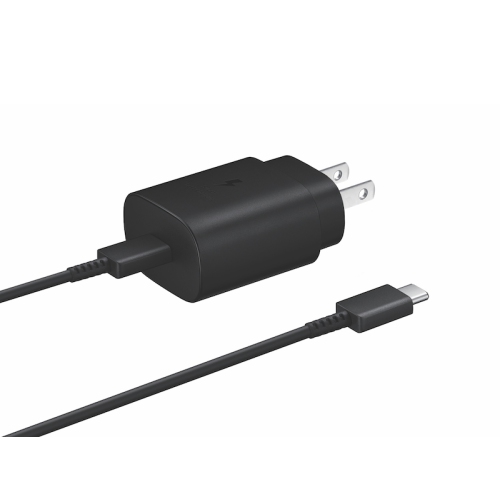 Your price for this item is $14.99
-
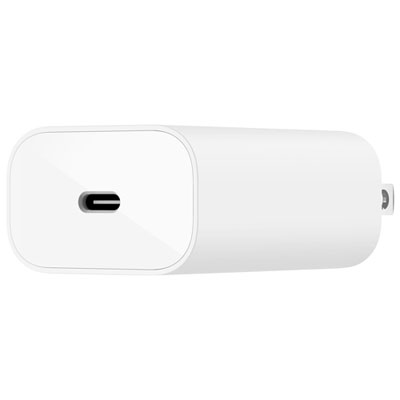 Your price for this item is $19.98
-
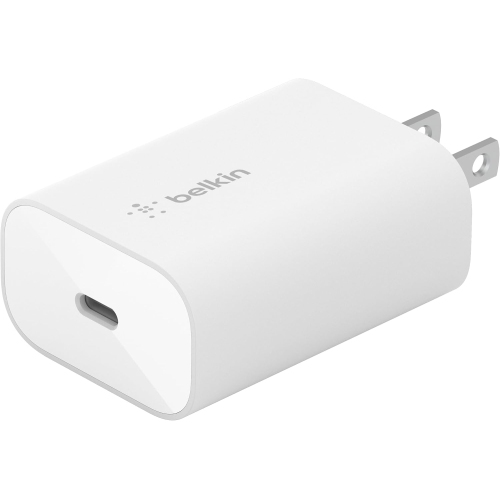 Your price for this item is $43.49
Discover more categories related to PD Wall Chargers


Top Collections:
Pokemon Centers, Pokémon 30th Celebration Cards, Best Budget Office Chairs, Kindle Devices, Best Cameras for Sports Photography, Canon G7X Cameras, Best Black Friday Deals On Electronics, Best Laptops for Writers, iPhone 15 Apple, Jackery Power Stations
Some products may be subject to Environmental Handling Fees
(EHF) depending on your province.
Learn more about EHFs.