USB C GaN Wall Chargers
Upgrade your charging experience with a USB C GaN Wall Charger, designed to keep your devices powered up at home, in the office, or on the go. With advanced technology and a compact design, these chargers offer a reliable solution for quickly and efficiently charging your favorite gadgets. Discover a range of options to suit your needs and enjoy the convenience of fast, easy charging with a USB C GaN Wall Charger.
Sort


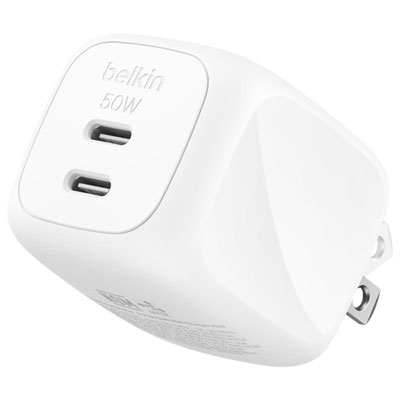
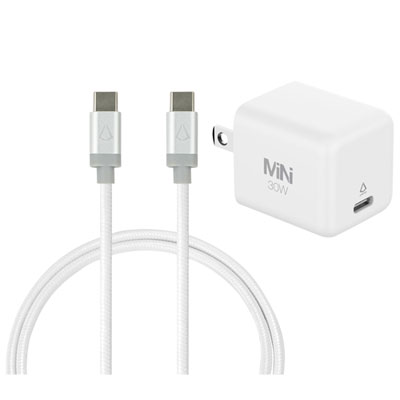


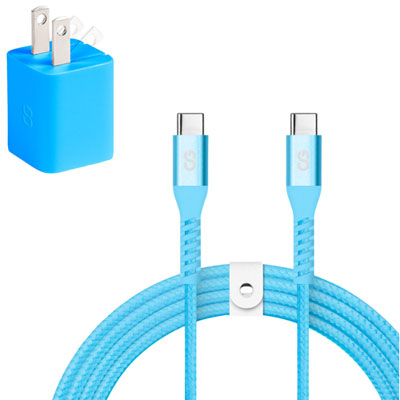

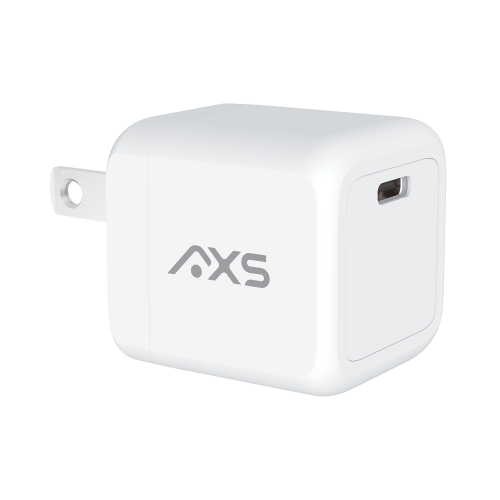
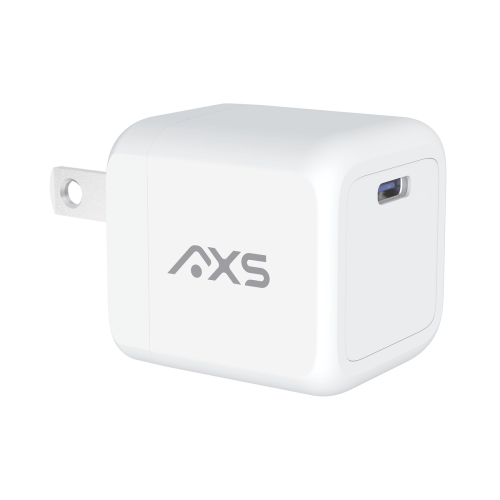


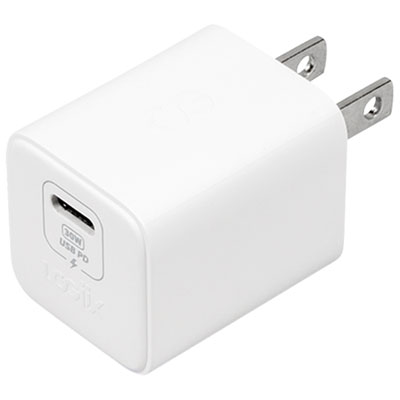
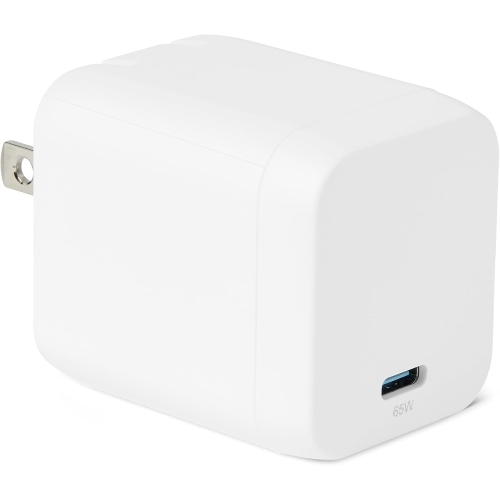

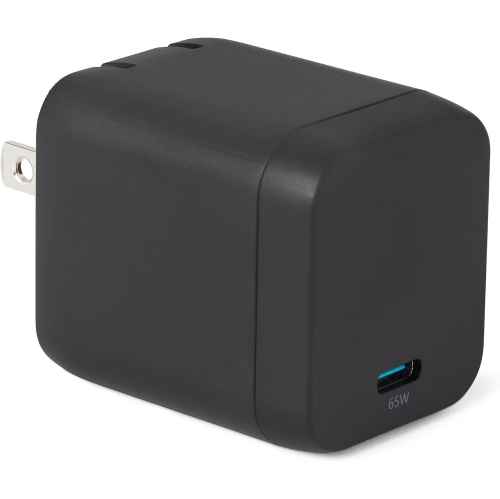
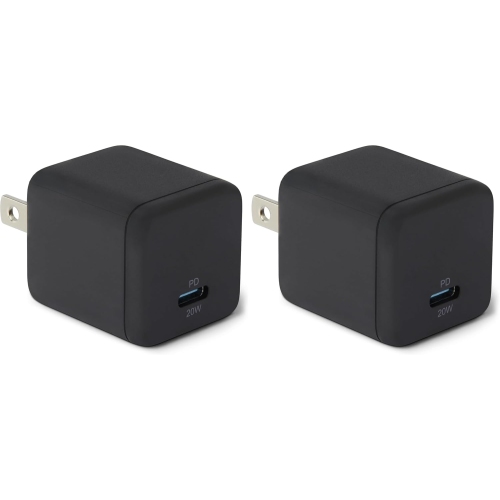
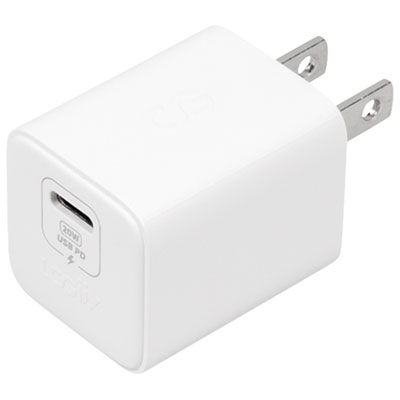
Compact charging power that goes beyond your phone
USB-C GaN wall chargers bring compact, high-output charging to everyday devices, from phones and wireless earbuds to tablets and compatible laptops. GaN stands for gallium nitride, a semiconductor material used in power circuitry that allows charger designs to deliver substantial power in a smaller body than many conventional silicon-based designs. The result can be an adapter that slips into a laptop sleeve pocket rather than taking up a separate compartment in a bag. For a desk, bedside table, or shared household charging spot, that smaller footprint also leaves less hardware surrounding the outlet. The most useful power rating depends on what gets plugged in: roughly 20W to 35W can suit many phones and smaller accessories, while 45W to 67W can accommodate many tablets and some USB-C laptops. Chargers rated at 100W or more can suit higher-power laptops or several devices sharing one adapter, provided their individual port outputs meet those devices’ requirements. These ranges are starting points rather than universal compatibility rules. A laptop used for video editing may need more power than a lightweight notebook used for email, and some larger laptops still require their original power adapters for full performance. A phone also cannot use every watt a charger offers; its supported charging standard, battery level, and charging limits determine how much power it accepts. With compatible, compliant USB Power Delivery equipment, the charger and device negotiate an appropriate power level, so a higher-rated charger does not simply push its maximum output into a smaller device. That makes a suitably specified GaN adapter useful across several parts of a daily routine: charging a phone beside the bed, powering a notebook at a library table, or keeping a tablet ready for a long commute. Compared with carrying separate adapters for each task, one well-matched wall charger can make a charging setup easier to pack and simpler to manage. Its value lies in the combination of usable output, compatible connections, and a shape that fits the places where charging actually happens.
Port layout matters just as much as the wattage printed on the charger. A single USB-C port keeps things straightforward for someone charging one device at a time, while two or more ports can serve a laptop, phone, and headphones from one wall outlet. Some GaN wall chargers combine USB-C and USB-A connections, which can be useful when older accessories still rely on USB-A cables. The important distinction is between total output and the maximum output of each port. A charger’s headline rating may describe the power available across all connected devices, not the amount delivered through every connection simultaneously. On a multi-port design, plugging in a phone can reduce the power allocated to a laptop, and some chargers briefly interrupt charging while redistributing that power. Port markings and the manufacturer’s power-sharing chart help clarify which connection is intended for a laptop and what happens when the remaining ports are occupied. A laptop may charge comfortably while idle yet gain battery more slowly during demanding work if its share of the output is reduced. USB Power Delivery, often shortened to USB PD, is a key compatibility feature for many phones, tablets, and laptops. Programmable Power Supply, or PPS, is an additional capability that some devices use to reach their supported fast-charging speeds; a high wattage alone does not replace the need for the correct charging protocol. Cable specifications deserve the same attention. The USB-C connector describes the plug shape, but cables with that shape do not all support identical charging power or data speeds. Charging above 60W generally requires a suitably rated, electronically marked 5A USB-C cable, and higher-voltage charging requires a cable rated for that application. A compatible cable is therefore part of the charging setup, not merely a finishing detail. For related connection options, USB C Charging Ports covers another part of a device’s charging arrangement. Together, the adapter’s specifications, port allocation, device requirements, and cable rating determine what a setup can deliver in everyday use.
The physical design of a USB-C GaN wall charger can make a noticeable difference in how comfortably it fits into a room or travel bag. A narrow body may leave an adjacent receptacle accessible, while a wider adapter can overlap nearby sockets on a crowded power bar. Outlet orientation matters, too: a charger that projects straight out from the wall needs clearance behind furniture, and a side-facing port can change where a cable bends. Foldable prongs help prevent the plug from catching on a fabric pouch or scratching other belongings in transit, although they should still open firmly and sit securely when connected. Most housings use rigid insulating plastic, with finishes ranging from smooth to lightly textured; colour and finish can complement a desk setup, but sturdy construction, secure ports, and readable electrical markings have a more practical role in daily use. A charger carried between home and work benefits from a protective compartment that keeps its connectors away from loose objects and spills. At home, cables should have enough slack to reach a device without pulling sideways on the charger or leaving a phone suspended by its connector. GaN chargers can become warm during use, particularly when supplying substantial power, so ventilation and placement remain important even with a compact design. They belong on an unobstructed outlet, not buried under bedding or covered by clothing. For care, disconnect the adapter before wiping the exterior with a soft, dry cloth, and avoid liquids or metal objects inside its ports. Cracked housings, loose prongs, damaged cables, or intermittent connections are reasons to stop using the affected equipment. Recognized Canadian electrical safety certification is another important consideration for a mains-powered accessory. For travel outside Canada, the stated input voltage range and local plug shape both need checking; an adapter that accepts 100–240V may still require a suitable plug adapter abroad. As a practical gift for a student, commuter, or frequent traveller, a GaN wall charger is most useful when its ports and output match the recipient’s devices. That compatibility turns a compact accessory into something that earns a regular place beside the devices it powers.
Top selling and popular products
-
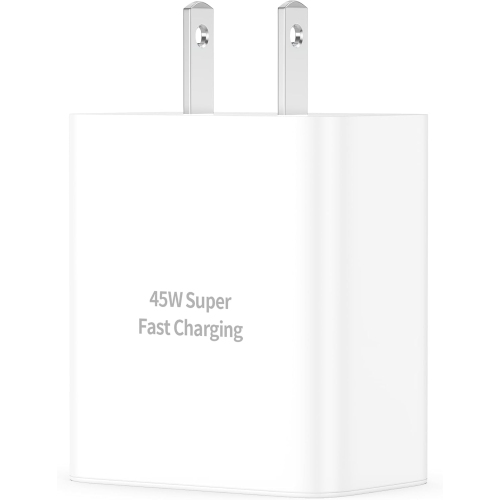 Your price for this item is $27.99
-
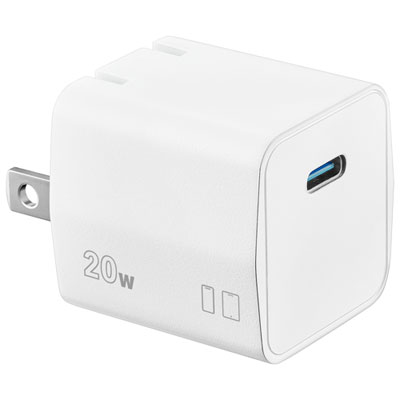 Your price for this item is $16.99
-
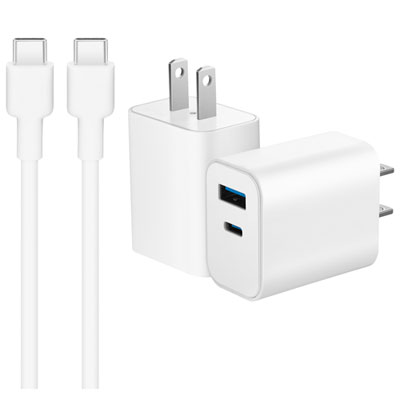 Your price for this item is $24.99
-
 Your price for this item is $49.99
-
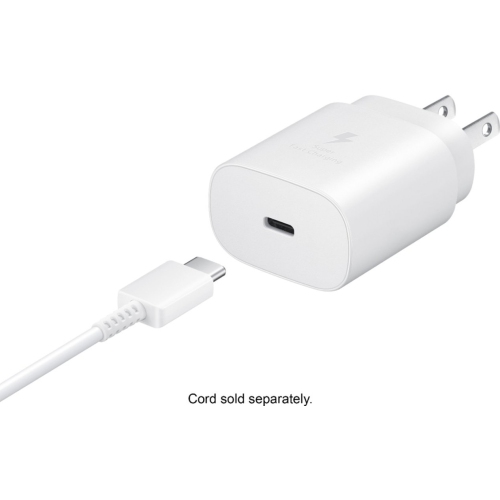 Your price for this item is $25
-
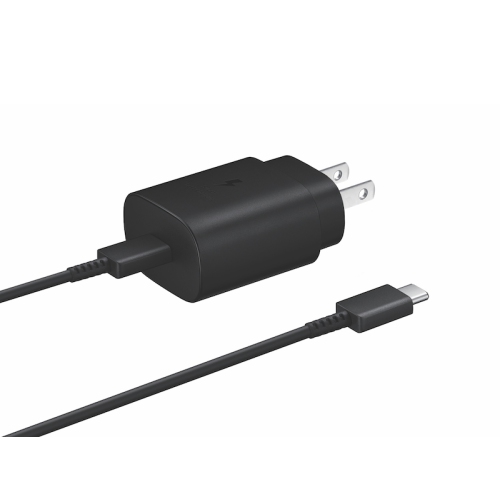 Your price for this item is $14.99
-
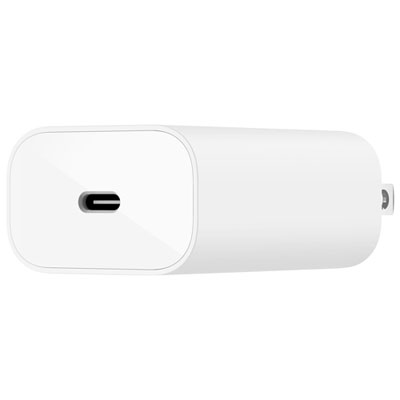 Your price for this item is $19.98
-
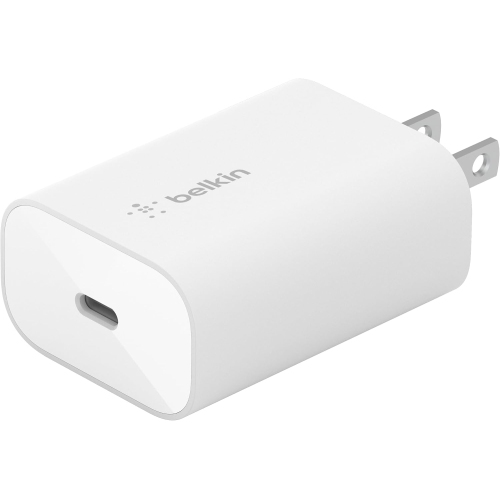 Your price for this item is $43.49
Discover more categories related to USB C GaN Wall Chargers



Top Collections:
Pokemon Centers, Pokémon 30th Celebration Cards, Best Budget Office Chairs, Kindle Devices, Best Cameras for Sports Photography, Canon G7X Cameras, Best Black Friday Deals On Electronics, Best Laptops for Writers, iPhone 15 Apple, Jackery Power Stations
Some products may be subject to Environmental Handling Fees
(EHF) depending on your province.
Learn more about EHFs.