Samsung 25W Power Adapters
The Samsung 25W Power Adapter offers a reliable solution for powering up your compatible devices at home, in the office, or on the go. Designed for convenience and efficiency, it’s an essential accessory for keeping your everyday electronics charged and ready whenever you need them. Explore options to find the right fit for your charging needs and enjoy seamless connectivity with the Samsung 25W Power Adapter.
Sort









Why fast charging depends on more than wattage
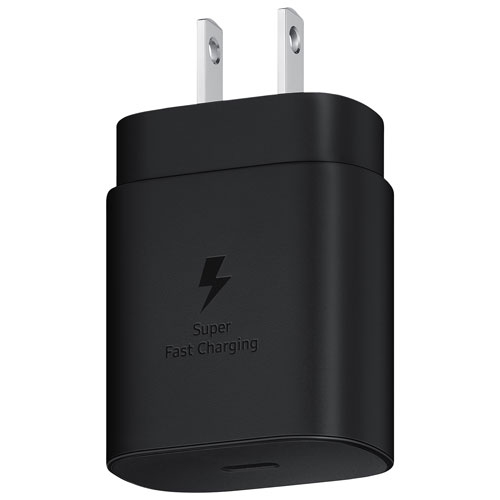
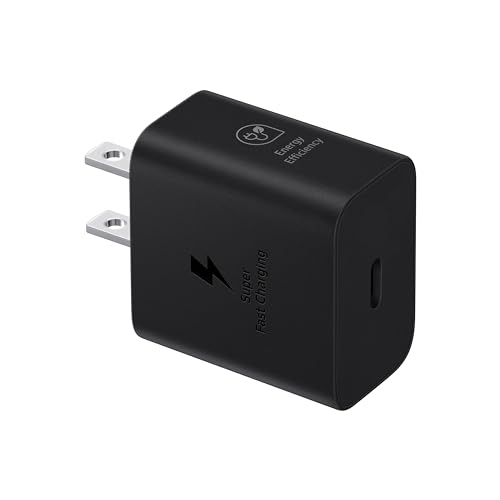
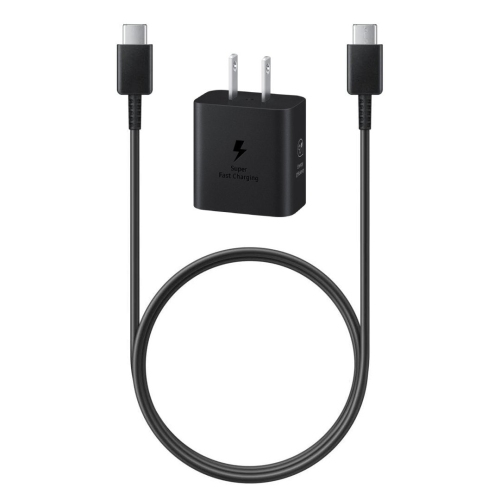
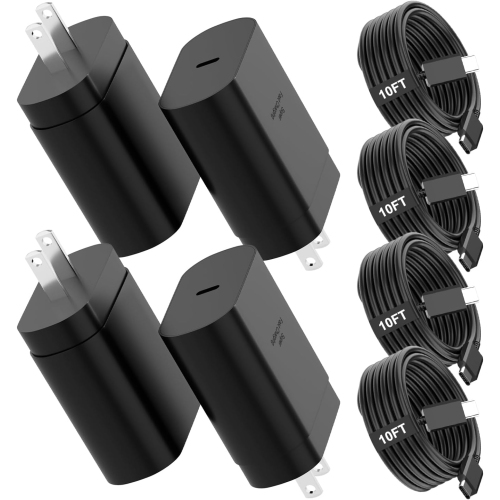
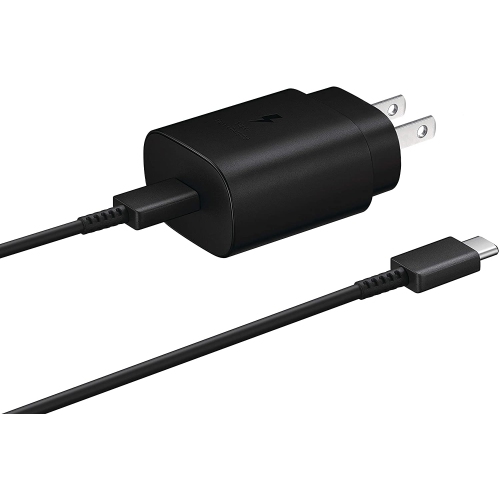
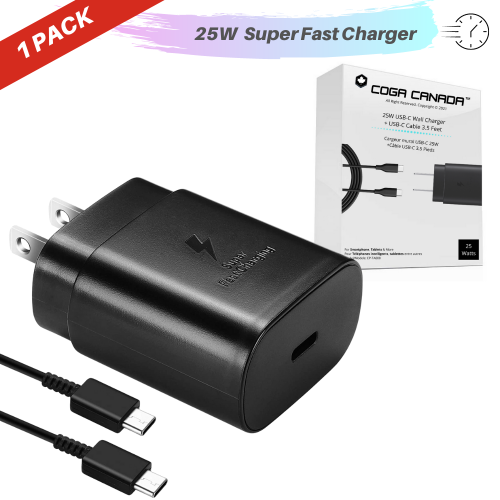
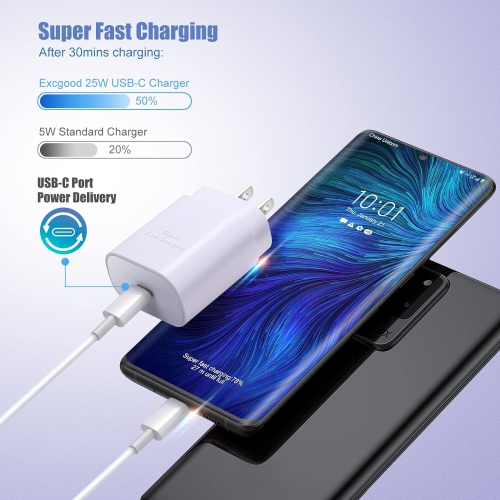
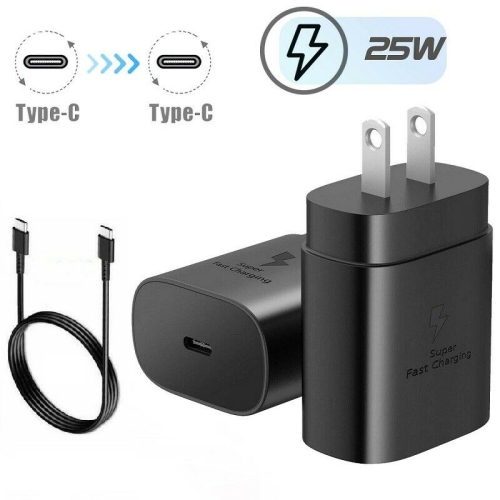
25W USB-C power adapters bring compact, everyday charging to compatible phones and other portable devices, with enough output for supported fast-charging modes without the bulk of a higher-wattage laptop charger. The 25W rating describes the adapter’s maximum power output, rather than a constant amount supplied to every connected device. Actual charging speed depends on the device’s supported charging standards, the cable, battery level and whether the device is being used while plugged in. USB Power Delivery 3.0, often shortened to PD 3.0, and Programmable Power Supply, or PPS, are important specifications for devices that require these technologies to reach 25W charging. PPS allows a compatible adapter to adjust its output in small increments to meet the device’s requests. A matching wattage alone does not guarantee the same result: a phone that requires PPS for its 25W charging mode needs an adapter that supports PPS as well. On supported phones, this combination may enable a mode labelled Super Fast Charging. The USB-C connection is another part of the fit, but the shape of the port does not establish charging compatibility by itself. A suitable USB-C to USB-C cable connects the adapter to the device, and its power rating, condition and connectors all matter. An older USB-A cable cannot plug directly into a USB-C output port, even if the connector at the phone end looks familiar. Package contents also deserve attention because a wall adapter and a charging cable are separate accessories unless both are expressly included. For someone replacing a missing charger, the distinction can mean the difference between using an existing cable immediately and needing a compatible replacement. Small accessories such as earbuds may draw much less than 25W, while a tablet may charge below its maximum supported speed. Many laptops need substantially more power, so a 25W adapter should not be assumed to replace a laptop’s original power supply.
The appeal of a compact wall adapter is often clearest in the places where charging happens every day: beside a bed, beneath a desk or near the spot where a phone lands after arriving home. Physical fit matters almost as much as electrical compatibility. The width of the adapter can affect access to a neighbouring socket, while the position of its USB-C port determines how the cable leaves the wall. Behind furniture, room for the connector and a gentle cable bend helps prevent a tight, awkward connection. At a desk, a cable long enough to reach a comfortable resting place keeps the phone from hanging by its cord or pulling against the adapter. A shorter cable can be easier to tuck into a work bag, though it offers less flexibility when the nearest outlet is below a table. Moulded plastic housings are common for this type of accessory, providing an insulating outer shell around the charging electronics. Durability also depends on details that are less visible than the finish, including secure prongs, a well-fitted port and sound internal construction. A smooth casing is easy to wipe clean, but no finish makes an adapter resistant to every scratch, drop or impact. In a bag, keeping it in a small accessory pouch helps stop the prongs from pressing against a screen or catching on fabric. For travel outside Canada, the input-voltage range printed on the adapter determines whether it can accept the local electrical supply; the destination’s socket shape is a separate consideration. A plug adapter changes the physical connection, not the voltage. The wider Samsung Adapters collection offers a broader starting point for related accessory needs. A dedicated charger can also make a useful gift for a student, commuter or frequent traveller, provided its charging specifications and cable connection match the recipient’s device.
Reliable daily use starts with treating the adapter, cable and outlet as parts of the same charging setup. A firm connection should not require force, and a cable should sit securely without needing to be held at an angle. Loose sockets, bent prongs, cracked housings or damaged cable insulation are reasons to stop using the affected component rather than keep adjusting it until charging resumes. Clear manufacturer identification, readable electrical ratings and Canadian electrical safety certification from a recognized testing organization are useful details when assessing a charging accessory. For routine care, disconnect the adapter from the wall and remove the cable before wiping the exterior with a soft, dry cloth. Liquid cleaners, damp storage and metal objects inserted into the port can damage an otherwise serviceable charger. Keeping the adapter uncovered, away from spills and clear of bedding gives it space to release the heat produced during normal operation. Cables last better when unplugged by the connector rather than tugged by the cord, then stored in loose loops instead of tightly wrapped around the adapter body. Everyday charging habits also shape expectations. A brief connection before leaving home can add useful battery capacity, but charging does not proceed at one fixed speed from empty to full. Compatible devices typically reduce the charging rate as the battery fills, and running navigation, video calls or demanding apps can leave less incoming power available to replenish it. The adapter’s maximum rating therefore cannot promise a particular charging time for every phone. For a shared household, a clearly designated charging spot can reduce the need to move one adapter between rooms, while a separate work-bag charger keeps a desk setup intact. Across these uses, the most useful match is an adapter with the right charging protocol, an appropriate cable and a physical shape that suits the space—not simply the highest wattage printed on the casing.
Top selling and popular products
-
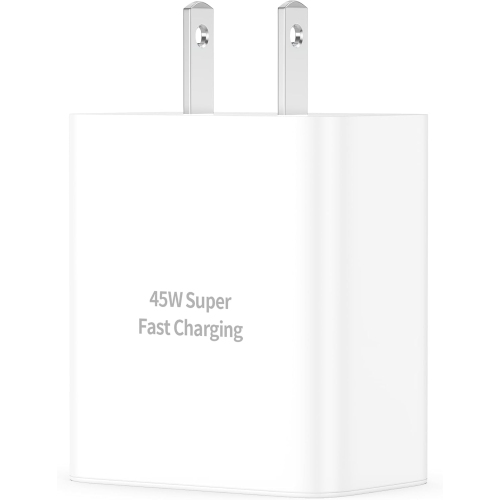 Your price for this item is $27.99
-
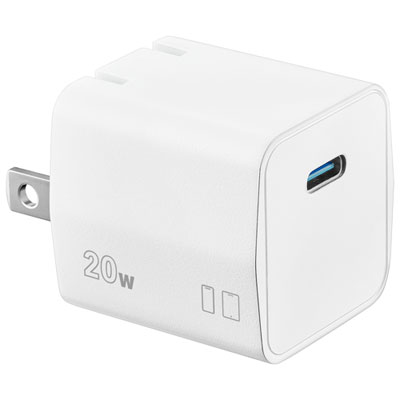 Your price for this item is $16.99
-
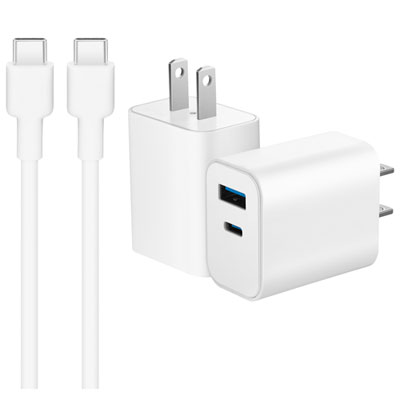 Your price for this item is $24.99
-
 Your price for this item is $49.99
-
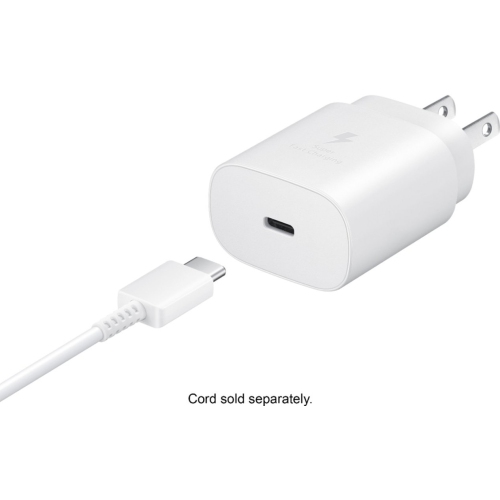 Your price for this item is $25
-
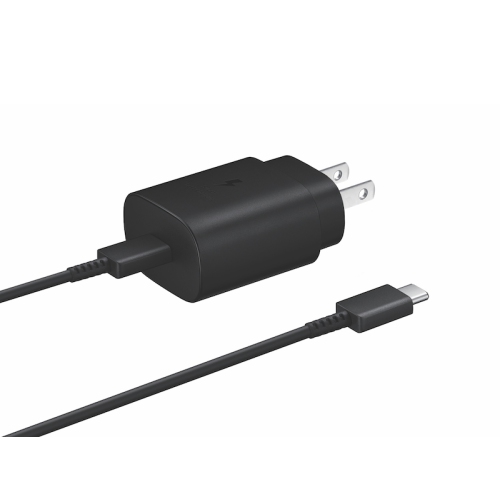 Your price for this item is $14.99
-
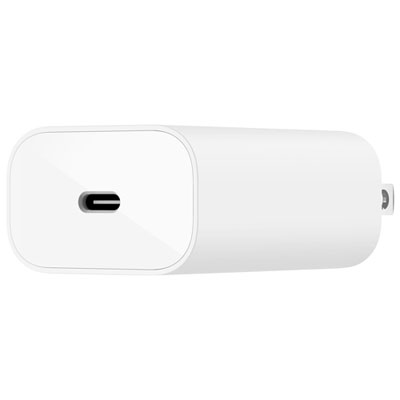 Your price for this item is $19.98
-
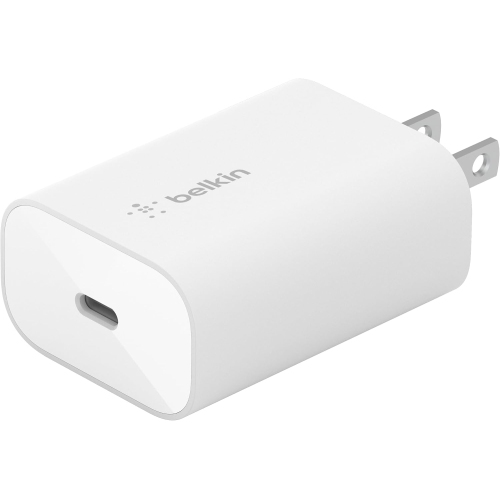 Your price for this item is $43.49
Discover more categories related to Samsung 25W Power Adapters

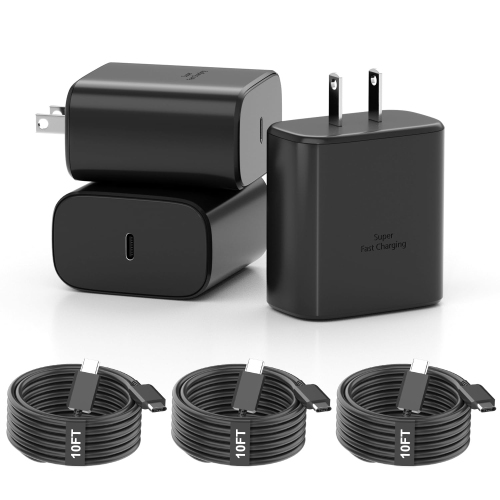


Top Collections:
Pokemon Centers, Pokémon 30th Celebration Cards, Best Budget Office Chairs, Kindle Devices, Best Cameras for Sports Photography, Canon G7X Cameras, Best Black Friday Deals On Electronics, Best Laptops for Writers, iPhone 15 Apple, Jackery Power Stations
Some products may be subject to Environmental Handling Fees
(EHF) depending on your province.
Learn more about EHFs.