Drumming Practice Pads
Looking to enhance your drumming skills without disturbing the peace? Look no further than our selection of drumming practice pads. Designed to provide a quiet and convenient way to practice your beats, these pads are perfect for drummers of all levels. Whether you're a beginner looking to build your technique or an experienced drummer wanting to refine your skills, our range of practice pads offers a realistic drumming experience in a compact and portable package. Get ready to sharpen your rhythm and unleash your creativity with our top-notch drumming practice pads.
Sort
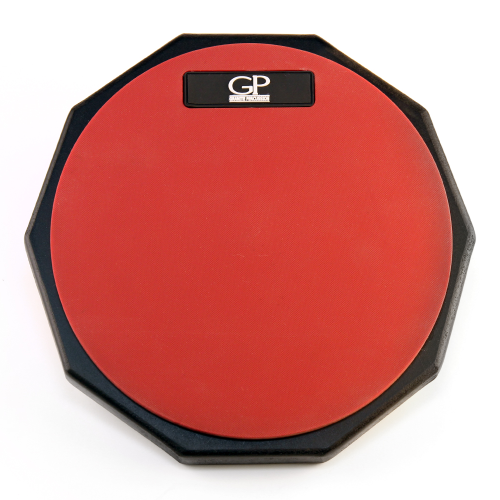

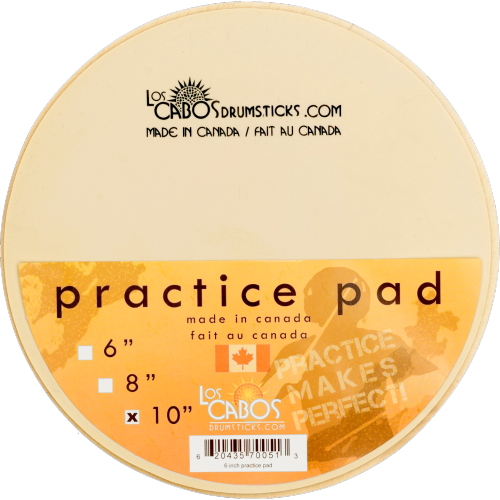
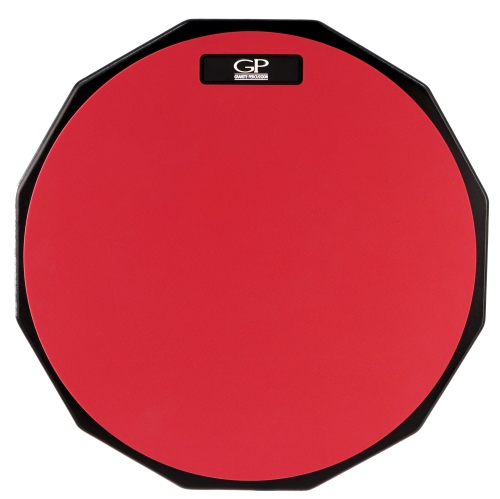
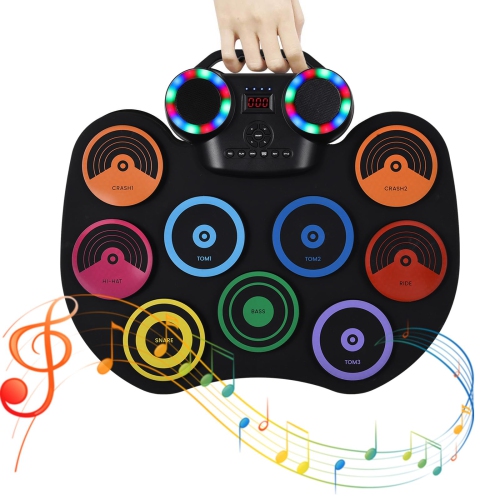
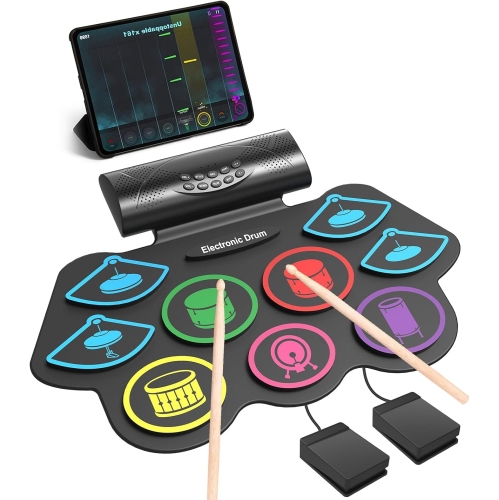
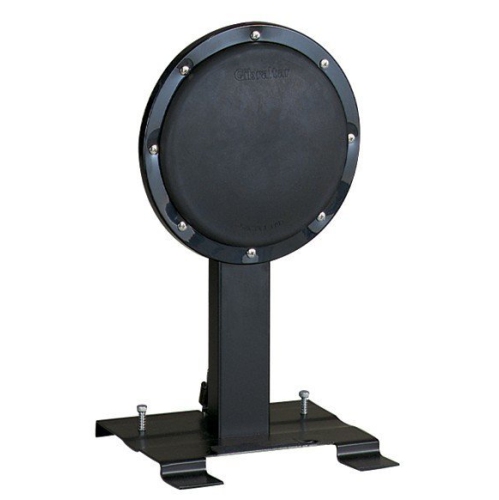
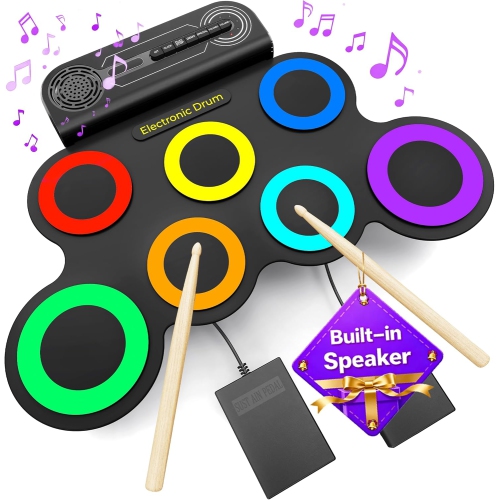
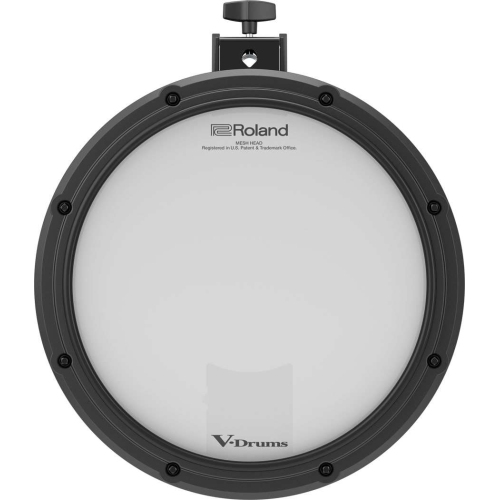
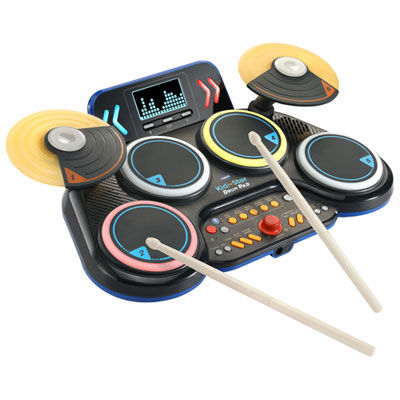

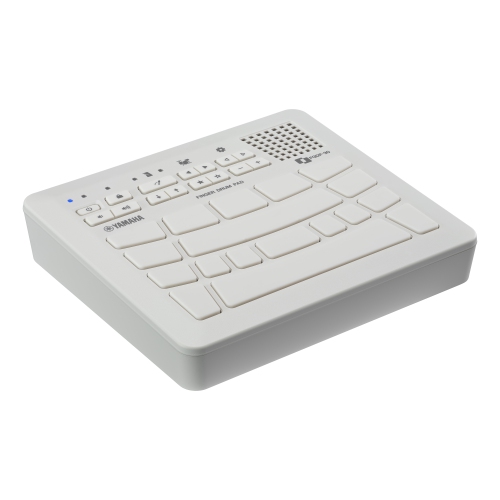
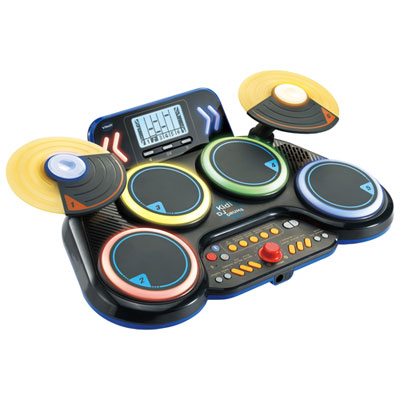
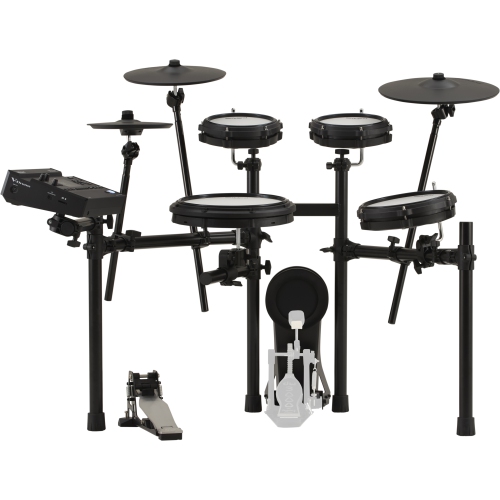
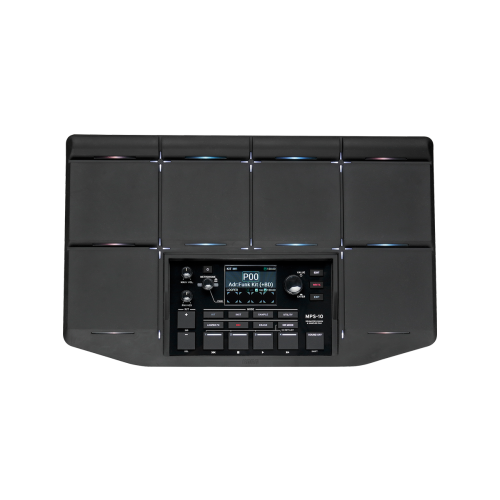
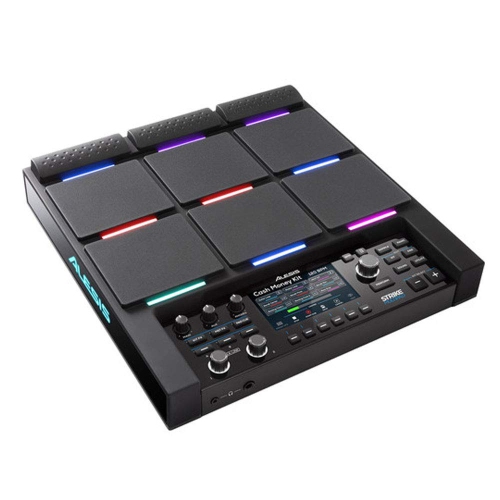
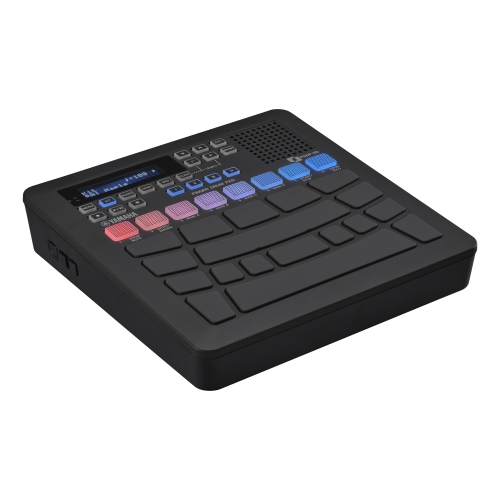
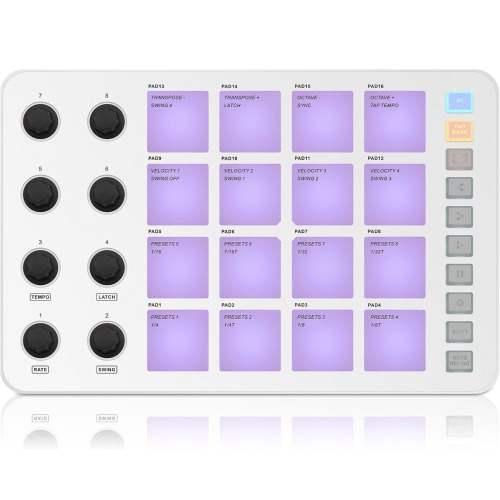
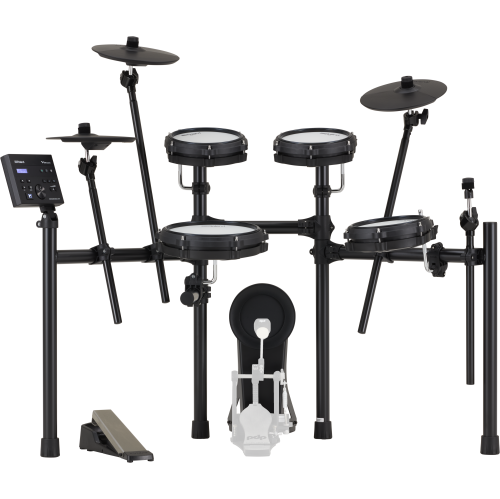

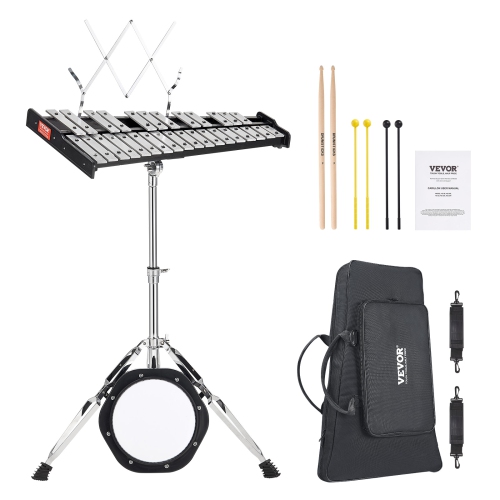
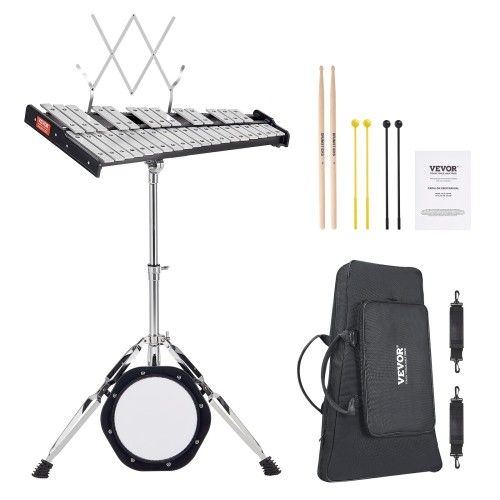
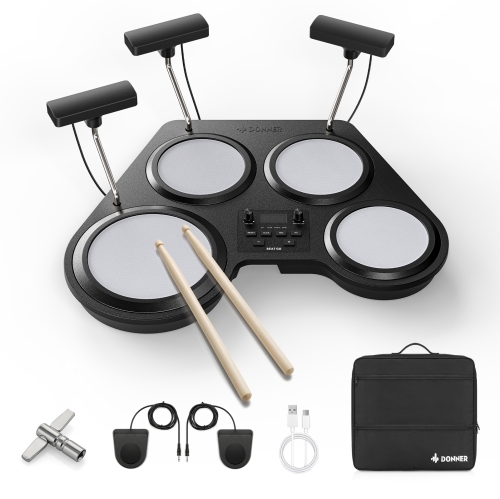
Focused technique work with manageable volume
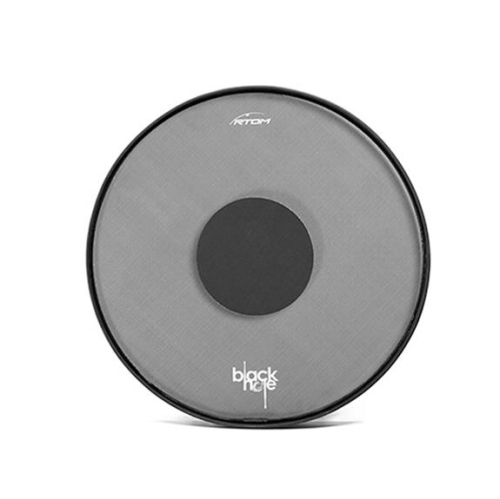
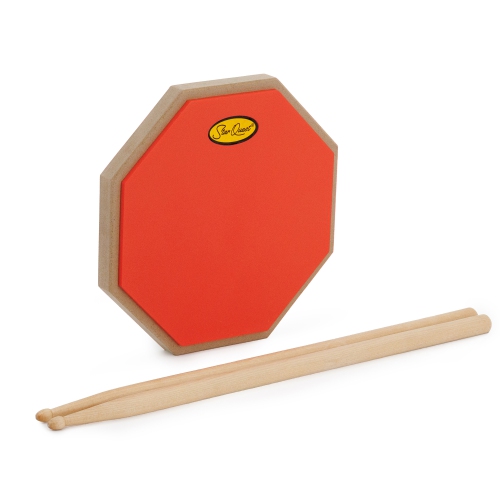
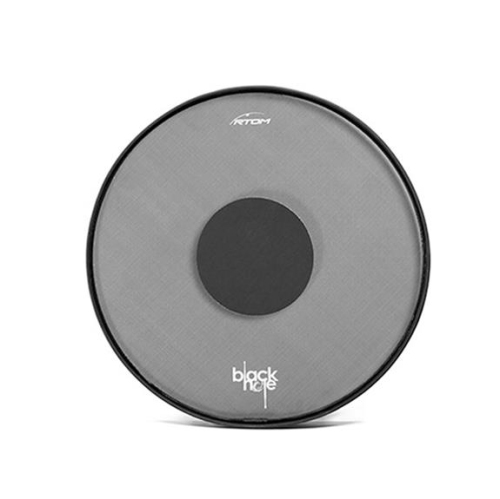
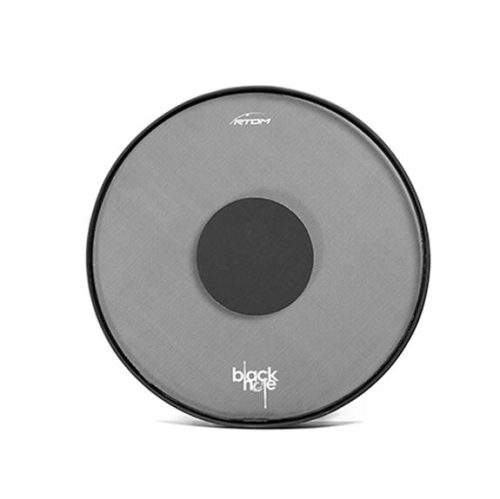
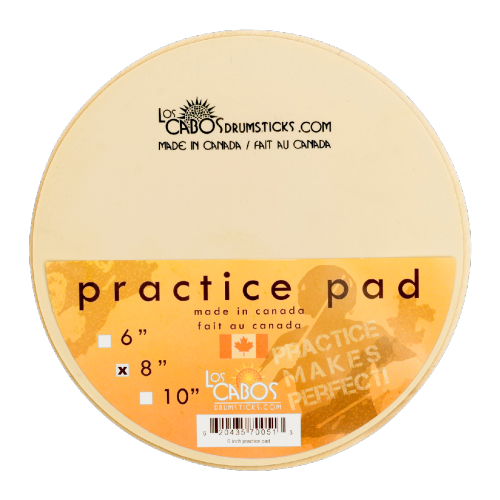
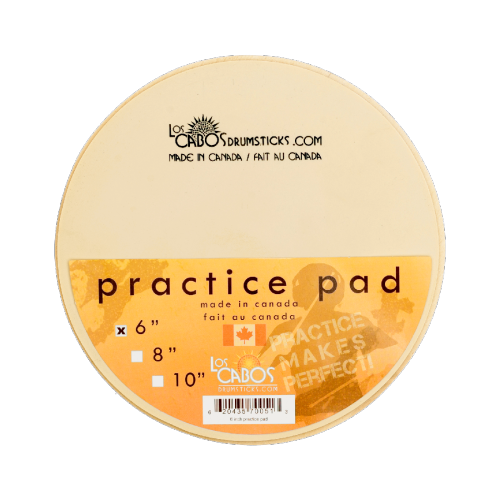
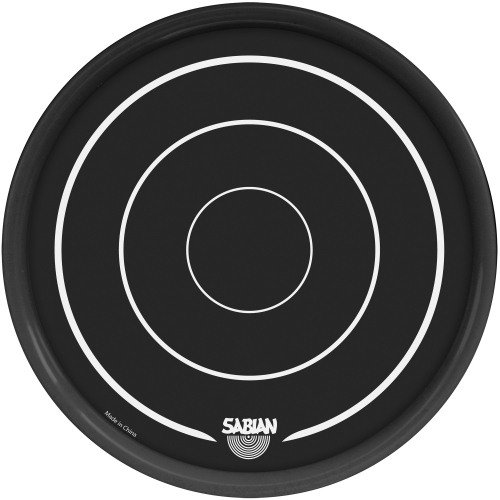
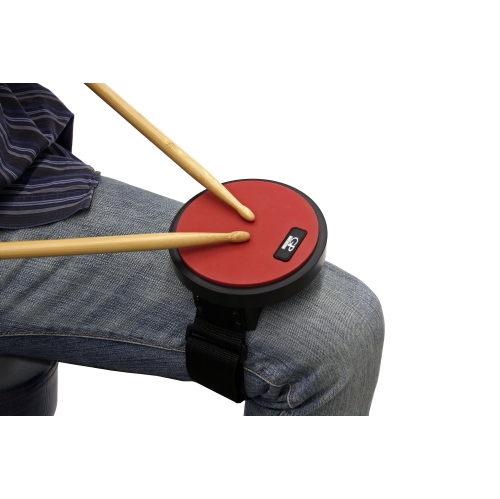
Drumming practice pads give players a focused, portable way to work on technique without setting up a full acoustic drum kit. A pad can sit on a desk, table, snare stand or lap, making it useful for short exercises at home, in a rehearsal space or while travelling. The compact surface encourages attention to the details that often get lost when several drums and cymbals are competing for attention: even strokes, controlled rebounds, relaxed wrists, precise accents and steady timing. Beginners can use a practice pad to become comfortable holding sticks and following simple rudiments, while experienced drummers can use one to maintain speed and coordination between rehearsals or performances. A quiet practice routine can also fit more easily into shared homes, apartments and busy family schedules. Although no pad fully replaces the feel and sound of a complete kit, it provides a practical way to repeat the same movement hundreds of times while keeping volume manageable. During the warmer months, a lightweight pad can be taken to a porch, cottage or outdoor gathering for focused practice; during the cooler months, it can stay beside a desk or sofa for a quick warm-up before work, school or an evening rehearsal. For shoppers exploring related configurations, Drum Pad Sets can offer several playing surfaces in one arrangement, while a single pad may be the better fit for simple, portable practice.
The playing surface is one of the most important details to compare. Rubber pads usually provide a lively, predictable rebound that feels similar to a responsive drumhead and makes them well suited to learning basic strokes, rolls and speed-building exercises. A firmer surface can make the sticks return quickly, helping a player hear uneven spacing or inconsistent accents, but it may also encourage relying too heavily on rebound. Lower-bounce surfaces, often made with softer foam or a muted synthetic material, require more work from the fingers and wrists. They are useful for developing control, endurance and a balanced stroke, especially after a player has become comfortable with standard rubber. Some practice pads include two surfaces so the drummer can switch between familiar rebound and a more demanding workout without carrying two separate pads. Surface texture and volume matter as well: a softer pad can be a considerate choice for late-night practice, though the sound of sticks striking the surface will not disappear entirely. Players who are new to drumming may appreciate a forgiving pad that gives clear feedback without feeling overly demanding, while advancing drummers may prefer a combination of surfaces that supports both warm-ups and technique drills. Size affects both comfort and portability. Pads in the 6-inch to 7-inch range are easy to place in a backpack or stick bag and work well for travel, lessons and quick sessions between activities. A larger pad, around 12 inches, provides more room for consistent placement and can sit naturally on a standard snare stand, which is helpful for players who want their practice posture to resemble a kit setup. Check the base, grip and mounting options before choosing. A non-slip underside helps keep the pad steady on a tabletop, while a threaded mount can provide a more secure setup at playing height. A stable surface lets the drummer concentrate on technique instead of chasing the pad across the room.
Practice pads can suit a wide range of players and make thoughtful gifts for aspiring musicians, students beginning lessons or experienced drummers who want a reliable practice surface at home. For a beginner, look for a size that feels comfortable, a surface with clear rebound and enough stability for repeated exercises. A student who carries equipment between home, school and lessons may value a smaller pad that fits easily in a bag, while someone building a dedicated practice corner may prefer a larger model that works with a stand. Players preparing for auditions, school performances or band rehearsals can use a pad to practise rudiments, transitions and metronome exercises without disturbing the rest of the household. A multi-pad arrangement can be useful for drummers working on movement around several playing positions, as it brings the spacing and flow of a kit closer to the practice experience while remaining more compact than a full drum set. When giving a practice pad as a gift, drumsticks, a metronome or a comfortable stand can make the setup more complete, provided the recipient’s size and playing preferences are known. It is also worth considering where the pad will be used: a desk-friendly design suits occasional sessions, a mounted pad is better for regular standing or seated practice, and a quieter surface may be appreciated in a condo, townhouse or shared bedroom. A simple routine can begin with a few minutes of alternating strokes, followed by single and double-stroke patterns, accents and gradual speed increases. Keeping the shoulders relaxed, the grip light and the strokes even is more valuable than chasing speed too early. With regular use, a practice pad becomes a familiar part of the day—ready for a brief warm-up before rehearsal, a technical session during a quiet afternoon or a few measured exercises when cooler weather keeps everyone indoors.
Top selling and popular products
-
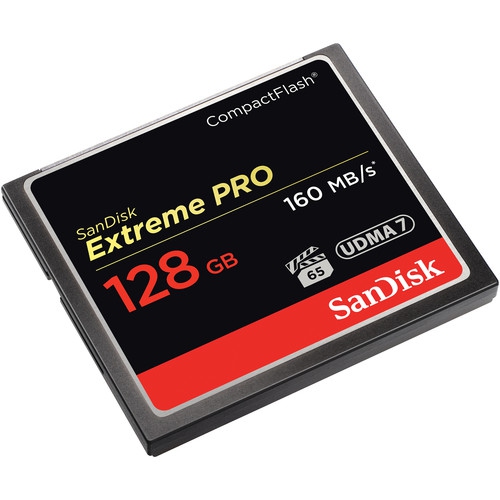 Your price for this item is $240.64
-
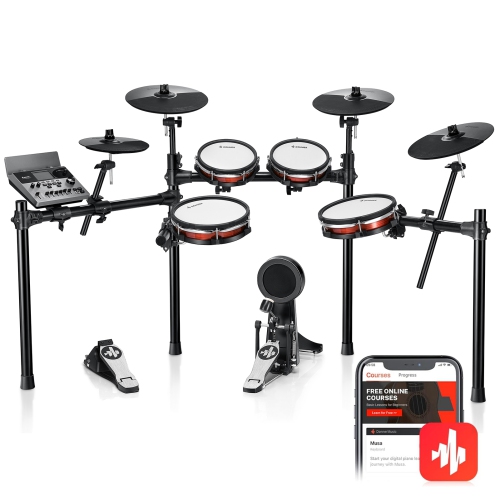 Your price for this item is $789.99
-
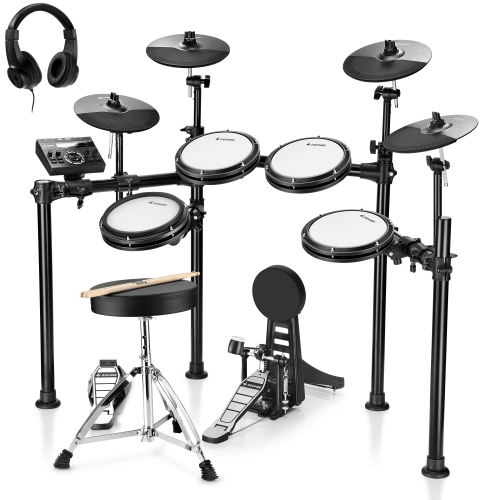 Your price for this item is $605.99
-
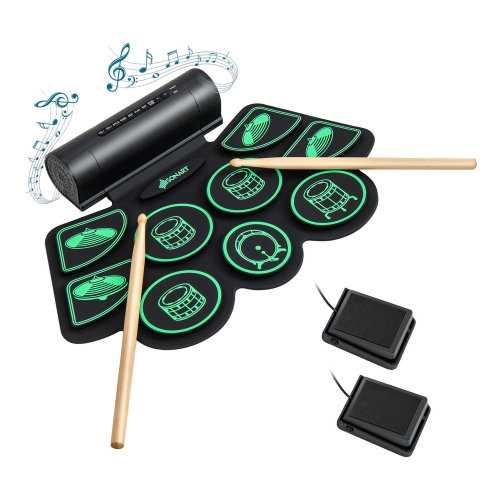 Your price for this item is $99.99
-
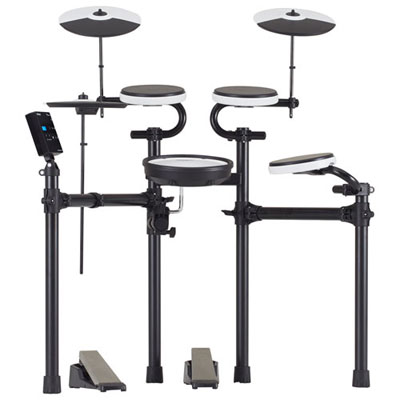 Your price for this item is $719.99
-
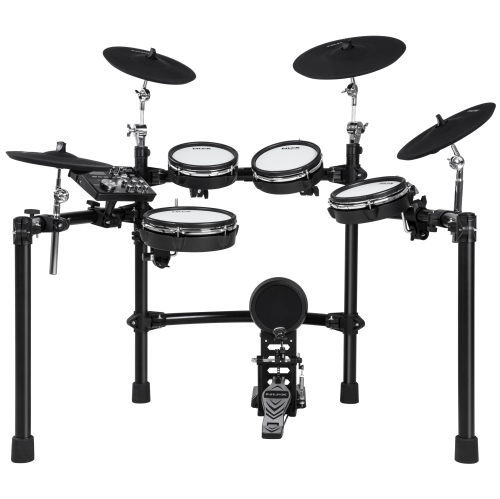 Your price for this item is $459
-
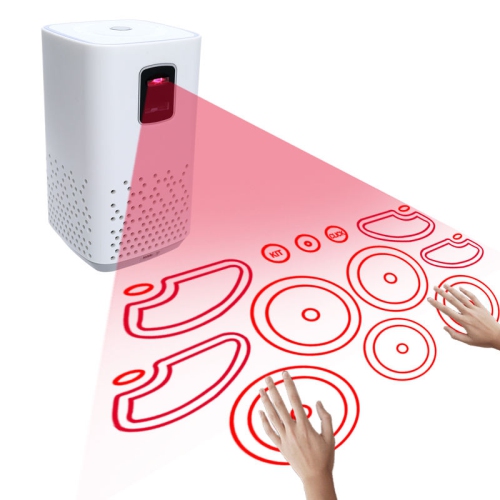 Your price for this item is $248.88
-
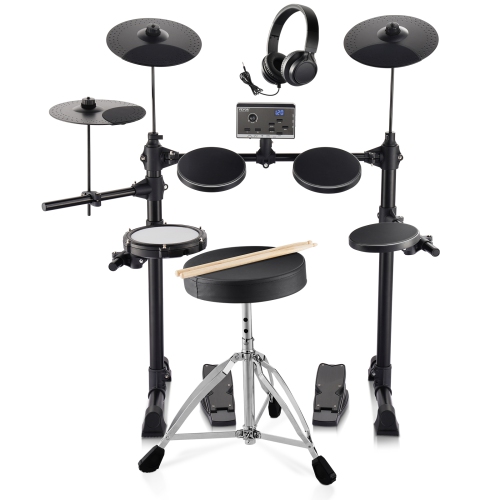 Your price for this item is $284.99
Discover more categories related to Drumming Practice Pads
Top Collections:
Pokemon Centers, Best Cameras for Sports Photography, Kindle Devices, Samsung Galaxy Phones, Canon G7X Cameras, Pokémon 30th Celebration Cards, Refurbished Apple Laptops, iPhone 15 Apple, Laptops for Students, Budget Smartphones
Some products may be subject to Environmental Handling Fees
(EHF) depending on your province.
Learn more about EHFs.