Cute Nintendo Switch Games
Nintendo Switch is a versatile console that can be used on the go or at home. These cute games can be enjoyed by both kids and adults. If you're looking for a fun way to pass the time on your next trip or just want to add a little cuteness to your gaming life, here are some great cute Nintendo switch games at Best Buy.
Sort
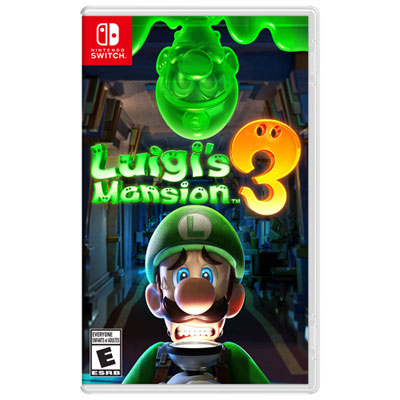
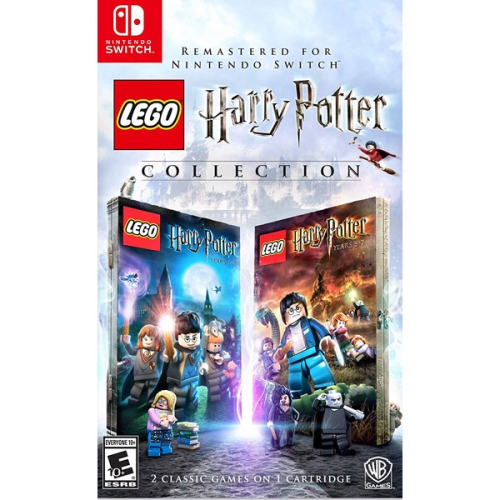

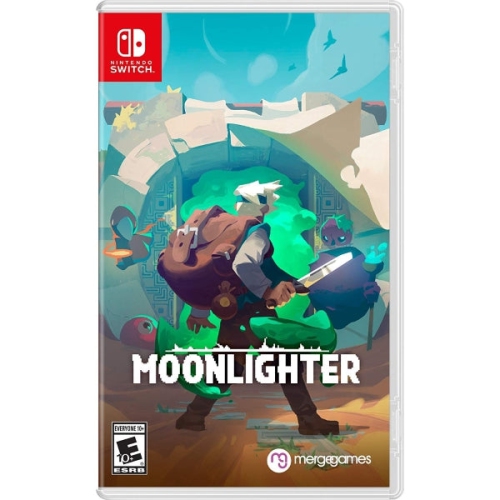
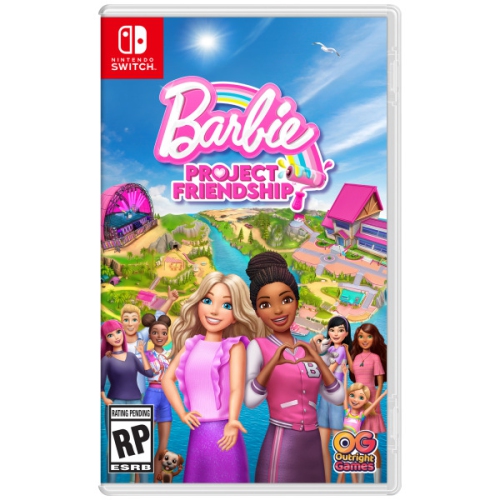

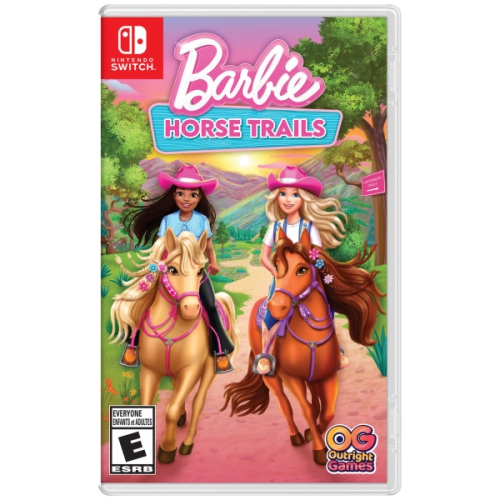
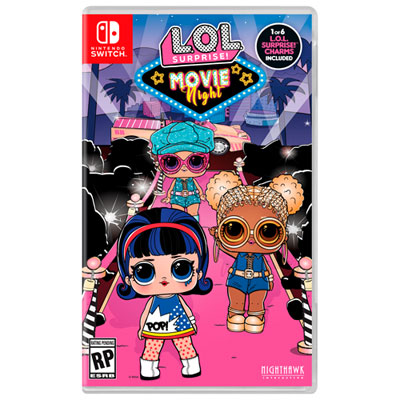
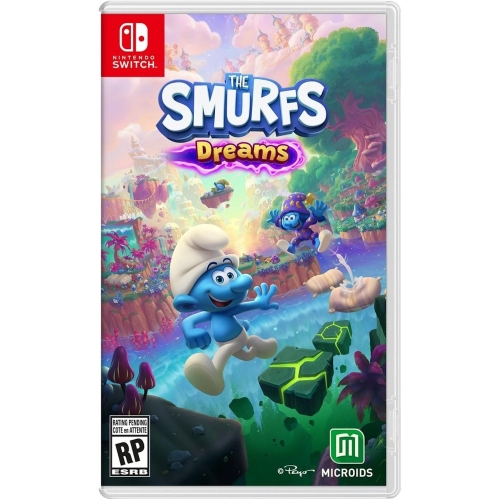


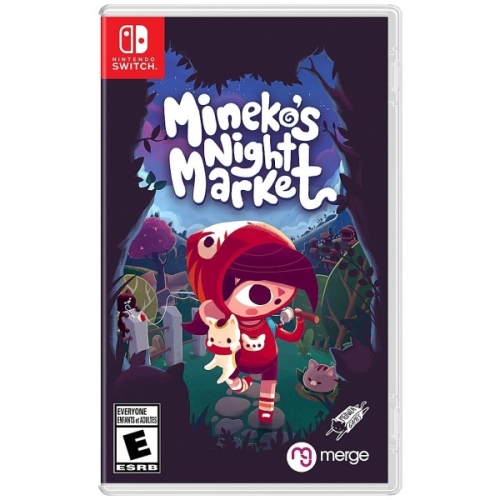


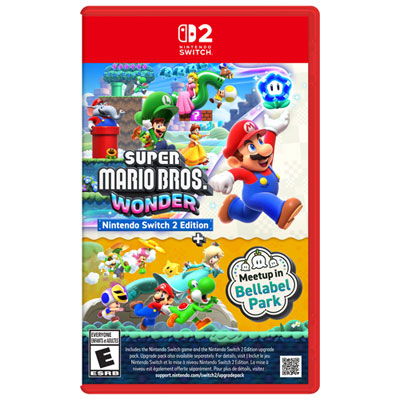


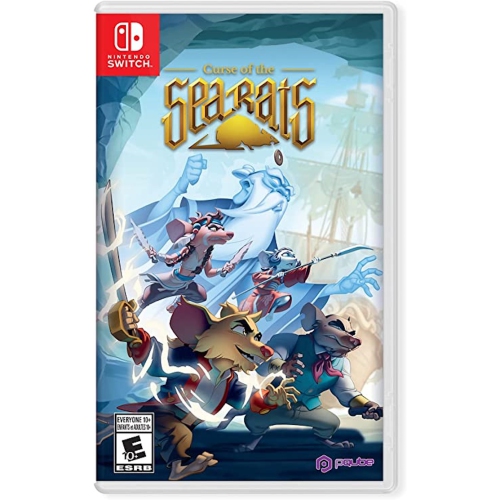

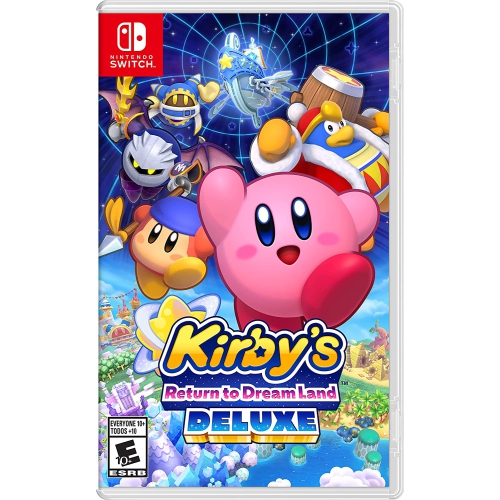

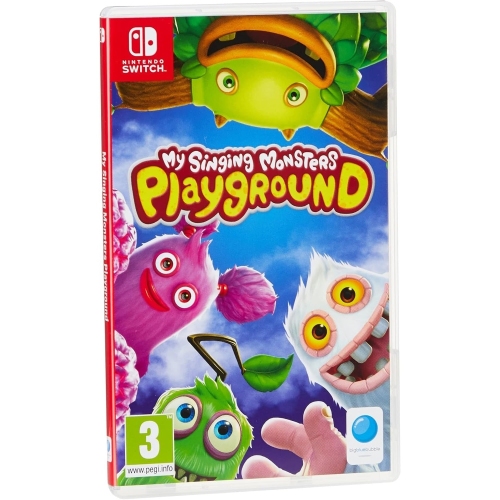
Small details give charming games their big personalities
Cute Nintendo Switch games bring together expressive characters, colourful settings, and playful activities that make a game feel welcoming from its opening moments. Their appeal can come from tiny details: a creature waving when approached, a cottage gradually filling with collected furniture, or a character’s delighted reaction to a freshly baked treat. The category spans more than one style of play. Life simulations often centre on friendships, gardening, cooking, and decorating, while exploration games invite players to wander along winding paths, uncover hidden corners, and help the characters they meet. Puzzle games can turn matching shapes or arranging objects into cheerful little challenges, and platforming adventures add jumping, collecting, and movement-based obstacles. Creature-focused games may involve caring for companions, discovering their personalities, or building a team with different abilities. What connects these experiences is usually their visual charm and sense of personality, rather than a single set of rules. Cute does not always mean easy, and a gentle-looking game can still include tricky jumps, timed tasks, or battles that require practice. Likewise, cosy games are not necessarily without goals; many offer satisfying progress through small achievements rather than constant competition. Restoring a neglected room, completing a collection, or learning a character’s favourite gift can give each session a clear purpose without demanding a dramatic adventure. The most suitable style depends on what makes play enjoyable. Someone who likes arranging spaces may spend hours adjusting furniture and colours, while a player who enjoys discovery may prefer open paths, secret passages, and a map that slowly fills in. Others enjoy the rhythm of planting, gathering, crafting, and returning to familiar characters. These differences matter more than appearance alone: a game built around daily routines feels quite different from a short story with a definite ending, even when both feature soft colours and friendly animal faces. A distinctive soundtrack, readable visual cues, and responsive movement can make that charming presentation feel just as enjoyable in motion as it looks in screenshots.
Pacing, controls, and reading demands help distinguish cute games for different players. A relaxed exploration game may allow plenty of time to learn movement, while a colourful action game can ask for quick reactions and precise button presses. For younger players or anyone learning to use a controller, simple objectives, forgiving checkpoints, and adjustable difficulty can make progress feel more manageable. A friendly art style is not a substitute for checking the age rating and content descriptors, since stories may still include frightening scenes, conflict, or themes better suited to older audiences. Text is another useful consideration. Some games communicate largely through pictures and animation; others rely on lengthy conversations, written instructions, or menus that require confident reading. Clear text, adjustable text size where supported, separate music and sound controls, and visual alternatives to audio cues can all affect comfort during play. The way a game saves progress also shapes everyday use. Frequent save points or an autosave feature can suit short sessions between other activities, while longer levels or limited saving may call for uninterrupted time. Multiplayer features deserve a closer look when a game is intended for siblings, friends, or a shared household. Local multiplayer, online multiplayer, and taking turns with a single-player adventure are different experiences, and a game with several characters on screen does not necessarily support several players. Supported player counts, controller requirements, and any online account or membership requirements help clarify what a shared session involves. Cooperative play can be especially appealing when players want to solve puzzles together, explore side by side, or share a creative project, although some games give one player a larger role than another. For solo play, a clear objective and flexible stopping points can make a quiet session feel rewarding without needing another person to join. A satisfying match comes from understanding whether the player enjoys following a story, setting personal goals, completing challenges, or simply spending time in a cheerful fictional place.
Format and compatibility also affect how these games fit into a household. Physical game cards suit players who like keeping a visible collection and, where supported, moving a game between compatible consoles. Digital games can keep several choices together on one system without swapping cards, though downloads need sufficient storage space and may require an internet connection for setup or updates. Physical editions can also need downloads, so a game card does not always remove the need for storage or an initial connection. Supported hardware and play modes matter, particularly when a game will be used mainly on a handheld screen or shared on a television. Small decorative details may look lovely on a larger display, while clear menus and readable dialogue become especially important during handheld play. For physical games, a protective case helps prevent lost cards and damage during transport. Keeping cards dry, handling them with clean hands, and avoiding contact with the exposed connectors supports reliable use. Save data is stored on the console rather than on the game card, so changing cards is not the same as transferring a player’s progress. Separate user profiles can help household members maintain individual progress, although some games use shared features or a shared game world, making those details worth checking. As gifts, cute games can suit children, teens, and adults alike when the activities match the recipient’s interests. An animal lover may enjoy expressive companions, a puzzle fan may appreciate compact challenges, and someone with a creative streak may prefer decorating or character customization. Replay value can come from alternate paths, optional discoveries, flexible building tools, or the pleasure of revisiting a familiar setting, rather than simply the number of hours needed to reach an ending. For interests that extend beyond this theme, Best Games on Nintendo Switches offers a broader starting point for exploring different genres. Within cute games, the lasting appeal is often the combination of an inviting world, enjoyable routines, and enough freedom to make each visit feel personal.
Top selling and popular products
-
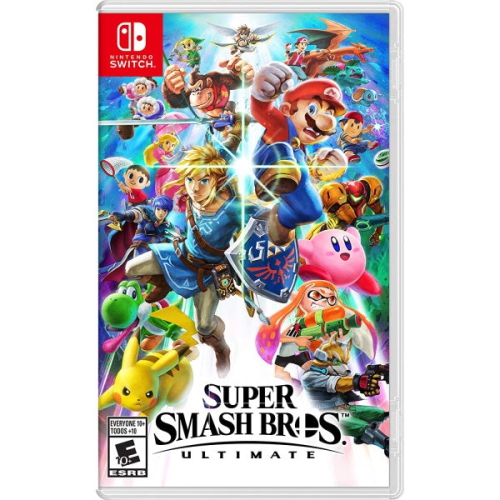 Your price for this item is $89.95
-
 Your price for this item is $89.95
-
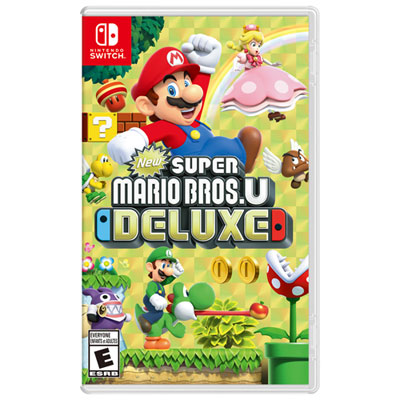 Your price for this item is $84.99
-
 Your price for this item is $85
-
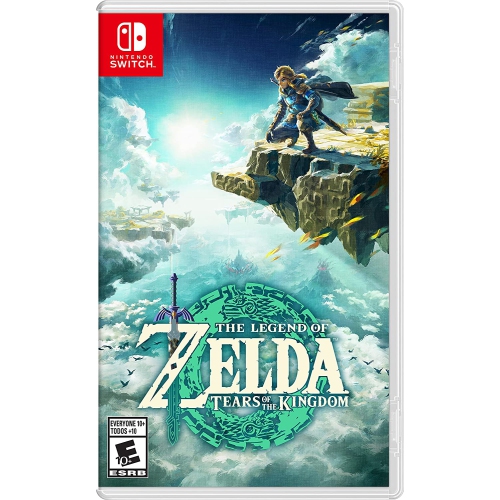 Your price for this item is $109.99
-
 Your price for this item is $99.99
-
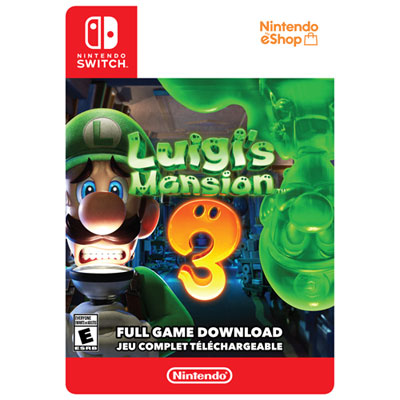 Your price for this item is $84.99
-
 Your price for this item is $79.99
Discover more categories related to Cute Nintendo Switch Games
Top Collections:
Best Black Friday Deals This Year, Best Black Friday Deals On Electronics, Kindle Devices, Pokemon Centers, Best Black Friday Deals On Apple Products, Best Cameras for Sports Photography, Dyson Airwrap, Pokémon 30th Celebration Cards, Apple iPhone 17 Pro, Canon G7X Cameras
Some products may be subject to Environmental Handling Fees
(EHF) depending on your province.
Learn more about EHFs.