Cool Nintendo Switch Games
The Nintendo Switch is a powerful gaming console that can be played at home or outside. It's also a handheld device, and there are a lot of cool games you can get to play some of your favorite games everywhere you go. Here are some cool Nintendo Switch games that you can play on the go.
Sort
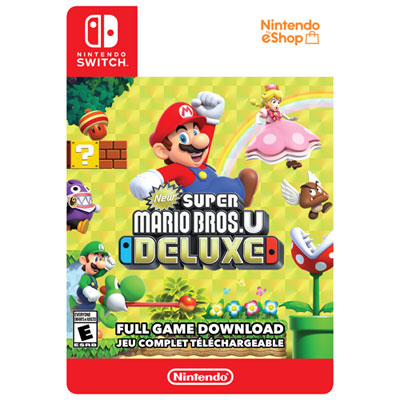


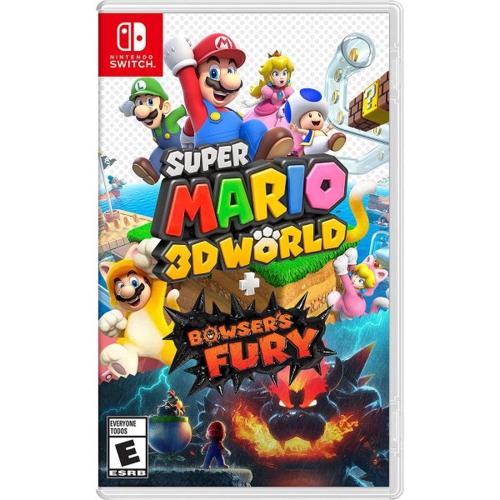

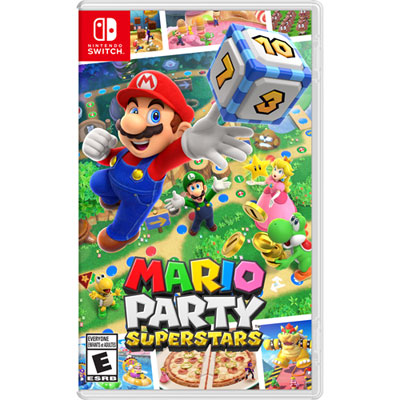
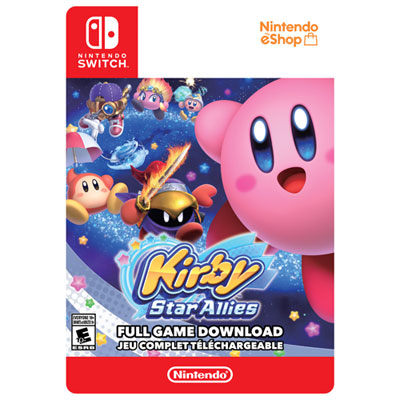




What makes Switch games hard to put down
Cool games for handheld and TV play stand out through inventive mechanics, memorable worlds, distinctive art, and moments that make another round hard to resist. That appeal takes different forms across genres: an open-world adventure might turn a distant tower into an evening of exploration, while a platformer builds excitement around a perfectly timed jump or a hidden route behind an ordinary-looking wall. Action-adventure games often combine traversal, puzzles, and combat, giving players several ways to engage with a fictional world. Role-playing games place more emphasis on character development, equipment, and decisions that unfold over longer sessions. Their appeal can lie as much in assembling a complementary team as in following the story. Racing games bring a different rhythm, with short events, colourful tracks, and the satisfaction of taking a difficult corner cleanly. Fighting and arena games reward timing, positioning, and learning how different characters behave, while puzzle games can make a compact set of rules feel fresh through increasingly clever challenges. Creative simulations and life-simulation games offer room to decorate, build, collect, and organize at a more relaxed pace. Players drawn to friendly characters, playful animation, and charming settings may also enjoy exploring Cute Nintendo Switch Games. A gentle visual style does not necessarily mean simple gameplay; an inviting world can still contain intricate puzzles or demanding challenges. Likewise, realistic graphics are not a requirement for depth. Clear visual design, responsive controls, expressive sound, and a strong sense of discovery often matter more than graphical complexity, especially on a smaller screen. Some games are satisfying in ten-minute bursts, with a clear goal and a natural stopping point. Others invite longer stretches of concentration through branching quests, connected areas, or an unfolding mystery. This variety makes the category relevant to occasional players, dedicated hobbyists, and anyone looking for a different pace from their usual favourites.
The way a game brings people together is another important part of its appeal. Solo adventures create space for uninterrupted exploration and story, while cooperative games give partners, siblings, or friends a shared objective. In a good cooperative session, one player might handle a tricky jump while another spots a hidden switch, or teammates might divide tasks before a timer runs out. Competitive party games and racers suit a different kind of gathering, where quick rounds and clear rules help people join without a lengthy introduction. Player counts deserve attention because local multiplayer, local wireless play, and online multiplayer describe different arrangements. Local play may place several people on one console, sometimes sharing a screen and sometimes using split-screen views. Local wireless play generally connects nearby consoles, with additional systems and copies of the game potentially required. Online play connects participants over the internet and may require an account or membership, depending on the title and mode. These distinctions matter for family evenings, visits with friends, and playing with relatives who live elsewhere. Controller requirements also vary: some games allow each person to use a single small controller, while others require a fuller control setup. Motion-based play can add physical involvement, but it needs suitable controllers and clear space around the players. For younger players or mixed-experience groups, readable menus, adjustable difficulty, steering assistance, and forgiving restart points can make participation more comfortable. Accessibility features such as remappable controls, subtitle options, and alternatives to rapid button presses vary by game, so their presence should not be assumed. Age ratings and content descriptors provide a separate measure of suitability, covering elements such as violence, language, and other mature themes. They do not indicate how difficult a game will be. A bright, cartoon-like presentation may still demand precise timing, while a more complex-looking adventure may include helpful settings that make it approachable. For gifts, the recipient’s interests, reading confidence, preferred play style, and comfort with competition are more useful clues than appearance alone.
Format, compatibility, and everyday handling shape the experience beyond the gameplay itself. Physical editions use compact plastic game cards that are easy to store in their cases, making a shelf-based collection straightforward to browse. Their small size also makes careful storage worthwhile: a protective case helps keep cards together and shields their contacts from dirt or accidental damage. Cards should be handled by their edges and kept clean and dry rather than left loose in a bag or near food and drinks. Digital editions remove the need to swap cards, with access managed through the console and the account associated with the purchase. They use storage space on the system or a compatible memory card, and larger downloads can take time depending on the internet connection. Physical editions may also need updates, additional downloads, or storage space, so a card does not always mean the entire experience is ready without an internet connection. Save data is stored on the console rather than on the game card, an important distinction when sharing a physical copy or moving between systems. Supported play modes matter just as much as format. Not every game works equally in handheld, tabletop, and TV modes, and TV output depends on the console model. Small interface text, intricate maps, and detailed menus may feel different on a handheld screen than on a television. Some games also depend on detached controllers or particular accessories. Beyond these practical details, lasting appeal often comes from features that remain interesting after the first playthrough: alternate routes, optional challenges, character builds, creation tools, or multiplayer modes with enough variety to reward repeated sessions. Length alone is not a measure of enjoyment. A tightly designed puzzle game can become a favourite through replay, while a sprawling adventure suits someone who enjoys returning to the same world over many evenings. As a gift, a game that complements an existing collection can be more personal than another entry in a familiar genre. A story-focused player might appreciate a different kind of adventure, while a household that enjoys shared play may get lasting use from a flexible multiplayer game with room for different skill levels.
Top selling and popular products
-
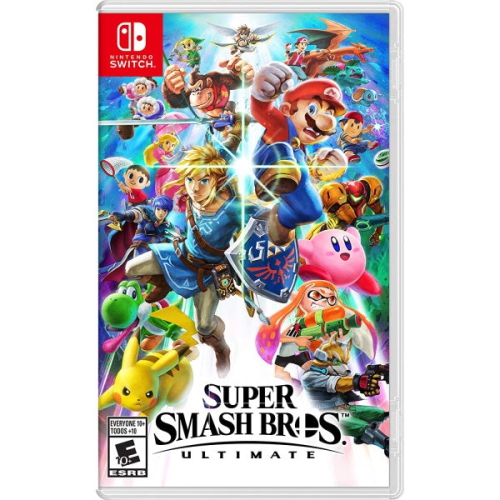 Your price for this item is $89.95
-
 Your price for this item is $89.95
-
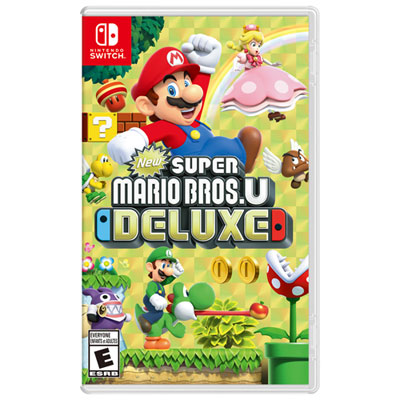 Your price for this item is $79.99
-
 Your price for this item is $85
-
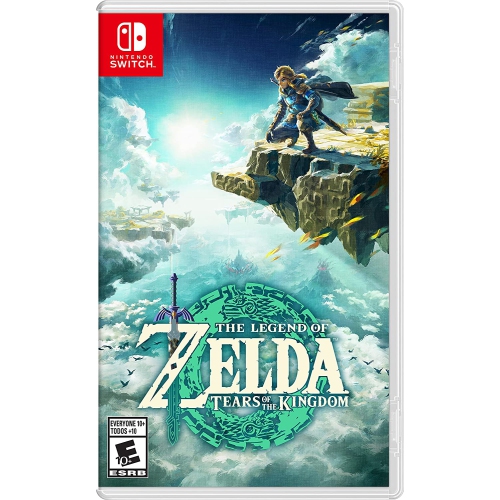 Your price for this item is $109.99
-
 Your price for this item is $99.99
-
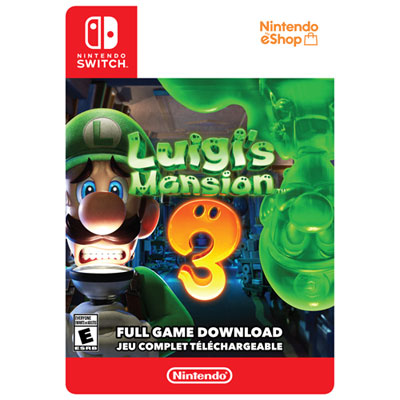 Your price for this item is $84.99
-
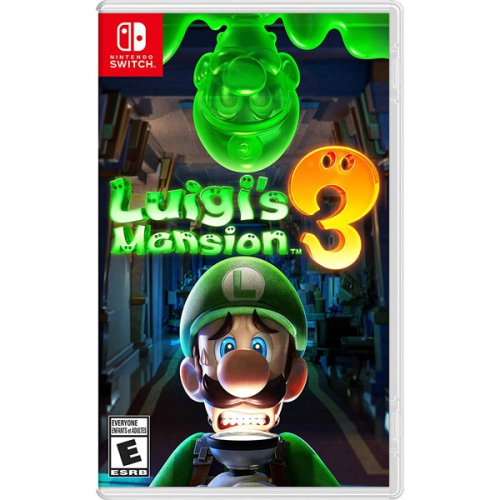 Your price for this item is $87.75
Discover more categories related to Cool Nintendo Switch Games
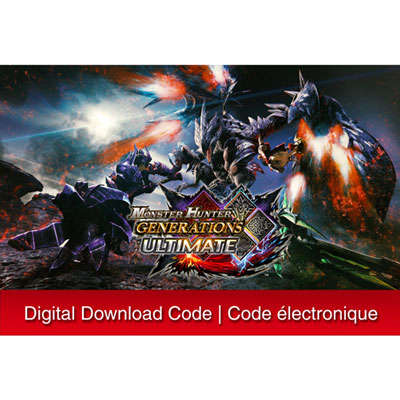
Top Collections:
Pokemon Centers, Pokémon 30th Celebration Cards, Best Budget Office Chairs, Kindle Devices, Best Cameras for Sports Photography, Canon G7X Cameras, Best Black Friday Deals On Electronics, Best Laptops for Writers, iPhone 15 Apple, Jackery Power Stations
Some products may be subject to Environmental Handling Fees
(EHF) depending on your province.
Learn more about EHFs.