Nintendo Switch Couple Game
Find the perfect way to enjoy quality time together with a nintendo switch couple game. Whether you’re looking for something competitive, cooperative, or just plain fun, there are plenty of options designed to bring players closer and create memorable moments. Explore a variety of nintendo switch couple game choices that cater to different interests and skill levels, making it easy to find the ideal match for your next gaming session as a duo.
Sort
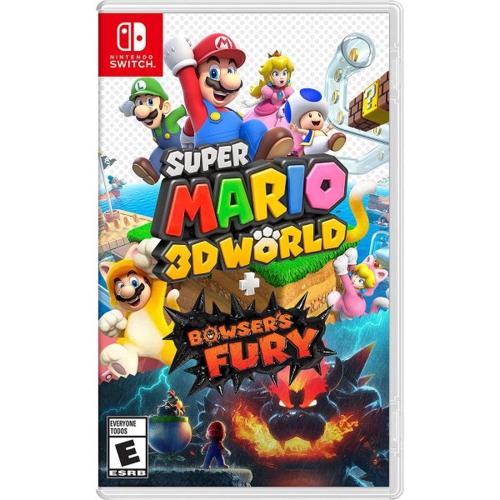
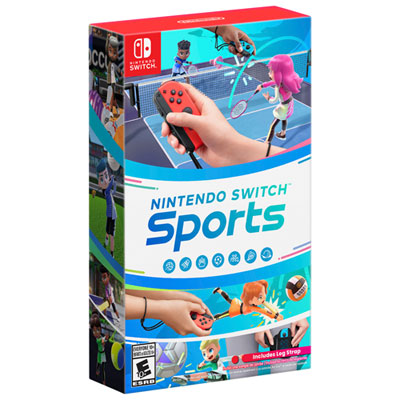
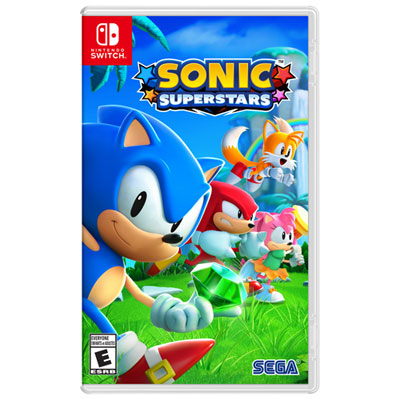
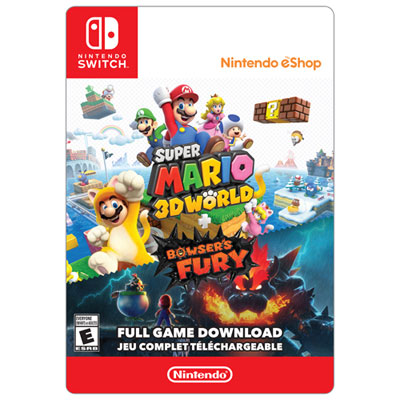

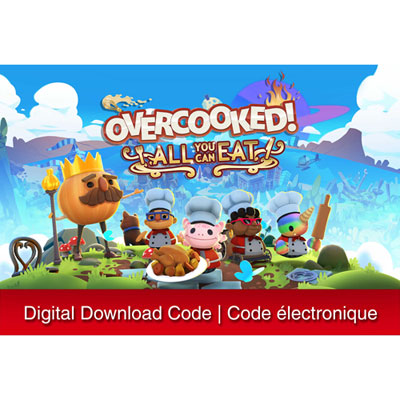
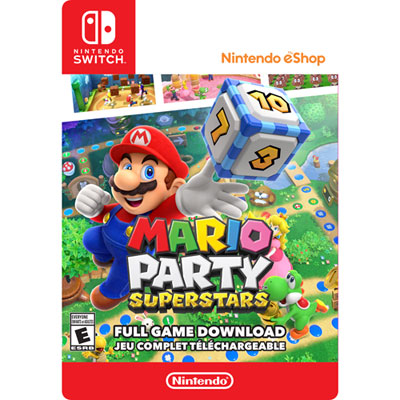

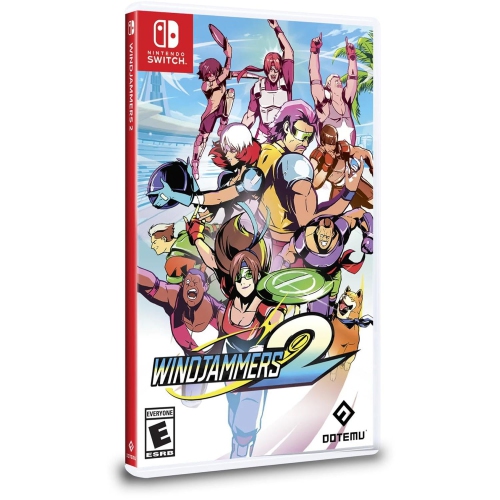
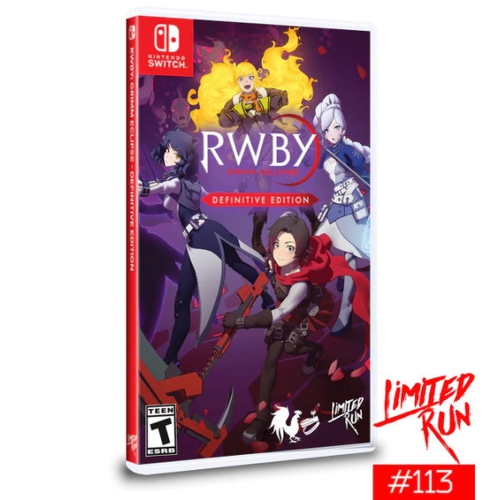

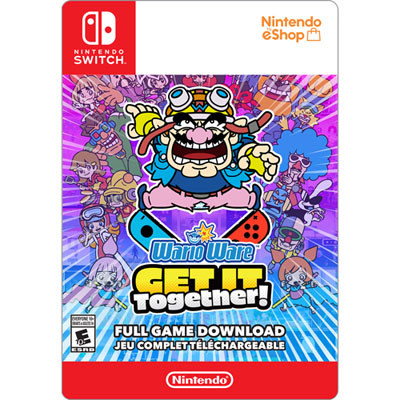
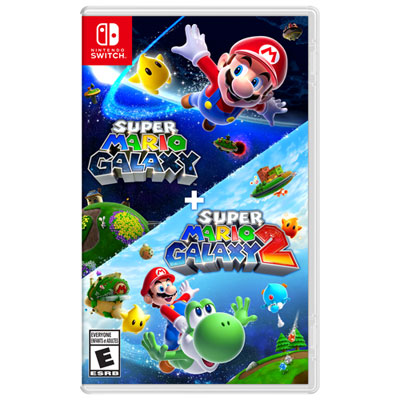

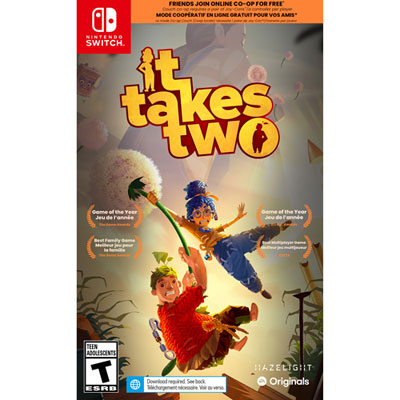


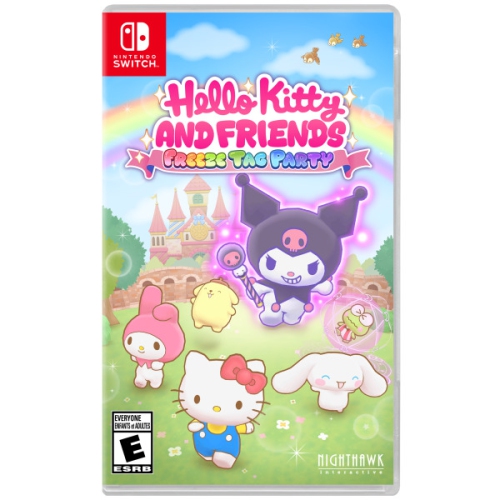
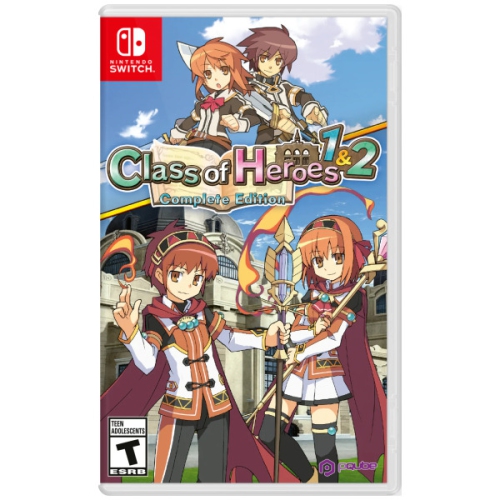
From shared puzzles to last-lap rivalries
Games for couples can turn time on the same console into a shared project, a friendly rivalry or a bit of both. In a co-operative puzzle game, one player might notice a pattern on the wall while the other works out how to reach the switch that opens the next room. In a platform game, the conversation might be less about clues and more about counting down to a jump that both players have to land. There’s a different kind of satisfaction in a close race, where a lead built over several laps can disappear on the last bend and there’s time for a rematch before calling it a night. A pair that tends to play in short bursts may get more out of quick rounds with a clear finish than a lengthy story. For partners who like picking up where they left off, a campaign with shared goals can give each session a purpose, even when there’s only time to finish one level. The way a game handles differences in experience can matter more than its genre. A forgiving retry lets a newer player try a tricky move without making both players repeat the whole stage. Adjustable difficulty or assists can give each partner room to get comfortable, especially when settings can be changed separately for each player. Some games give both players the same moves, while others offer distinct roles, so the person who likes planning a route doesn’t have to do the same thing as the person who likes taking the jumps. Competitive play can be just as welcoming when the controls are easy to pick up and the gap in skill doesn’t decide every round. A match with a little room for improvisation can be enjoyable even when one partner has had more practice. The best fit often comes down to what both people want from the time together: a challenge to talk through, a score to settle or something relaxed to play alongside a conversation.
For partners playing in the same room, local multiplayer means sharing one console, but it doesn’t always mean sharing the same view. A shared screen keeps both characters in the same frame, making it easy to spot when one person needs a hand. Split screen gives each player an independent view, which suits games where the two players may travel in different directions. That extra freedom feels different on a television than it does on a small tabletop display, where each player gets only part of the screen and details such as map icons or subtitles can be harder to see. The games on the Nintendo Switch Couch Co Op page are a related option for couples who want to work together from the same couch. Controller requirements can vary even among games that support two players on one console. Some let each person use a single detachable controller held sideways; others need a full set of controls for each player. A compact grip might feel fine for a quick round, while a full-size controller can feel more comfortable during a longer session. It’s also worth distinguishing local multiplayer from local wireless play, which connects nearby consoles, and online multiplayer, which can suit partners who live apart or travel separately. A game that supports two players online doesn’t necessarily let both play on one console. Depending on the game and mode, playing on separate systems can mean separate copies, accounts or an online membership. The point at which a partner can join matters, too. Dropping straight into a match is handy when time is limited, while a game that introduces the controls through a solo tutorial may take a little setup before both people can settle in. Games also differ in how much each player can do: in some, both make decisions and explore freely, while in others the person joining takes on a simpler support role. That lighter role can be a good fit for someone who wants to take part without managing a long list of controls.
Physical and digital formats fit different households, and neither changes whether a game is designed for the way a couple wants to play. A physical game comes on a small plastic card that fits into the console’s game card slot. The card is easy to move between compatible consoles, and returning it to its case between sessions helps protect the contacts and keeps it from getting lost at the bottom of a bag. Moving the card doesn’t move a saved campaign, since save data is kept on the console rather than on the card. That distinction matters for a couple who start a story on one system and expect to pick it up on another. A digital copy means one less thing to pack or swap between rounds, although downloads and updates need storage space and access can depend on the account and console setup. A physical copy can also require a download, so the card alone doesn’t always cover everything needed to start playing. For a gift, the format the recipient already uses is a practical clue, but their habits as a pair can say more about which game will get played. An anniversary gift for two people who like solving things together might suit a game where each player has a different piece of information and progress depends on talking it through. For a couple who already trade wins over a board game, short competitive rounds might make for an easier addition to a regular night in. Partners who haven’t played together before may find common ground in a game that gives both people something useful to do without assuming that both know the controls. Whether the sessions end after one race or stretch across a story played a chapter at a time, a game earns its place when both partners have a reason to reach for a controller.
Top selling and popular products
-
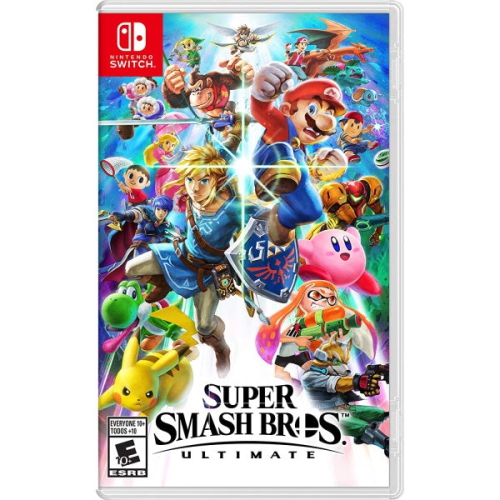 Your price for this item is $89.95
-
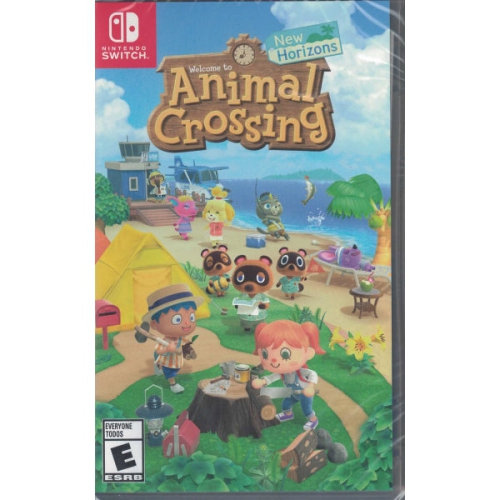 Your price for this item is $89.95
-
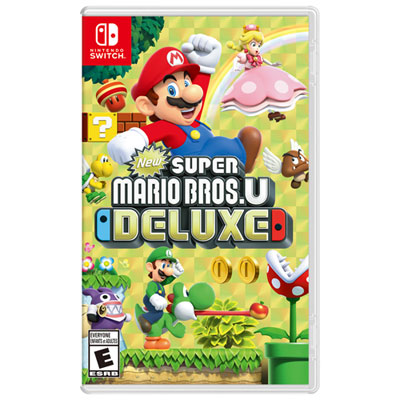 Your price for this item is $84.99
-
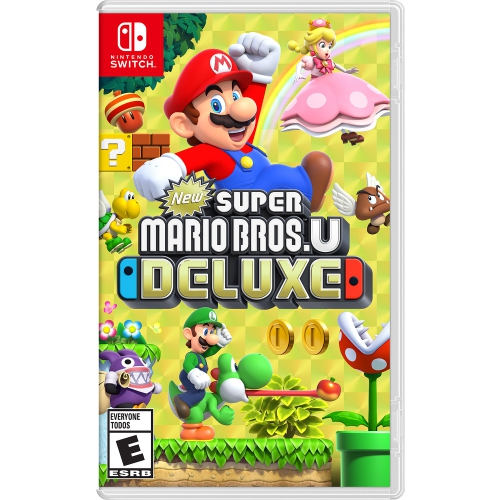 Your price for this item is $88
-
 Your price for this item is $109.87
-
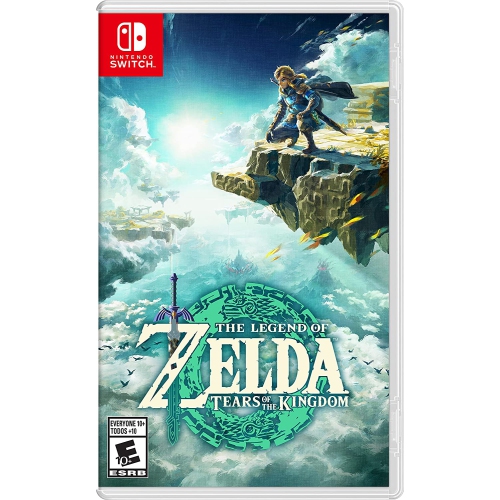 Your price for this item is $109.99
-
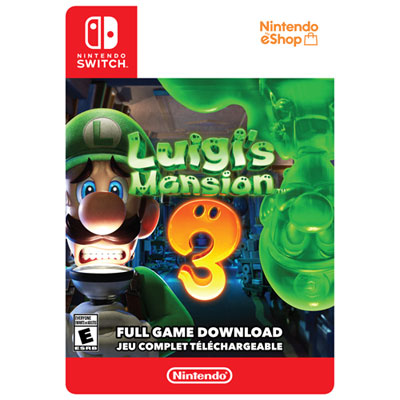 Your price for this item is $84.99
-
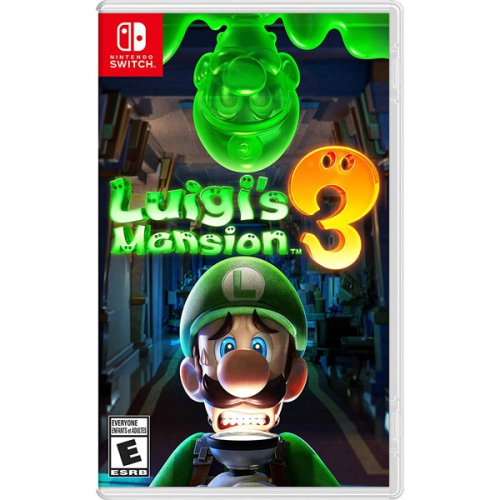 Your price for this item is $79.99
Discover more categories related to Nintendo Switch Couple Game
Top Collections:
Best Black Friday Deals This Year, Best Black Friday Deals On Electronics, Kindle Devices, Dyson Airwrap, Best Cameras for Sports Photography, Best Budget Office Chairs, Canon G7X Cameras, PS5 Pro Consoles, Best Black Friday Deals On Apple Products, XBOX One S Consoles
Some products may be subject to Environmental Handling Fees
(EHF) depending on your province.
Learn more about EHFs.