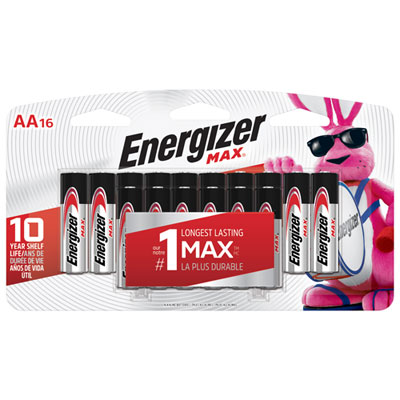
16-Pack AA Batteries
Power up your devices with the 16-pack AA batteries. Whether you need to keep your remote control, flashlight, or wireless mouse running smoothly, these high-performance batteries are here to deliver long-lasting and reliable power. With a pack of 16 at your disposal, you'll have an ample supply of batteries to keep all your essential gadgets powered up and ready to go. Don't let a drained battery slow you down - stock up on the 16-pack AA batteries and ensure that your devices stay powered up whenever you need them.
Sort






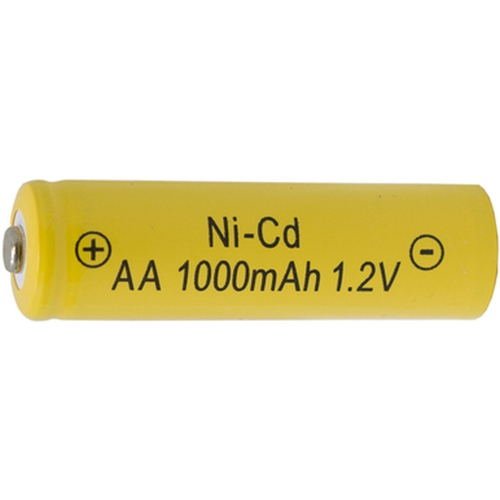
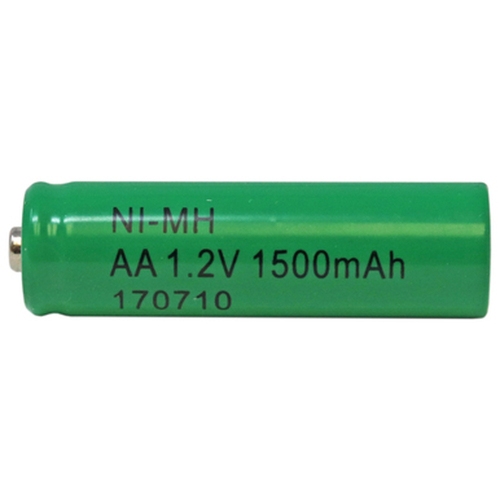


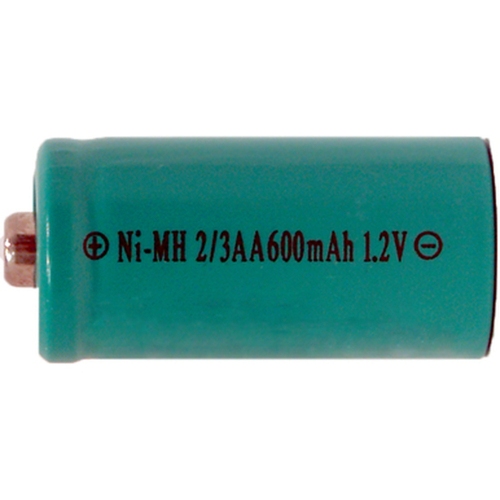
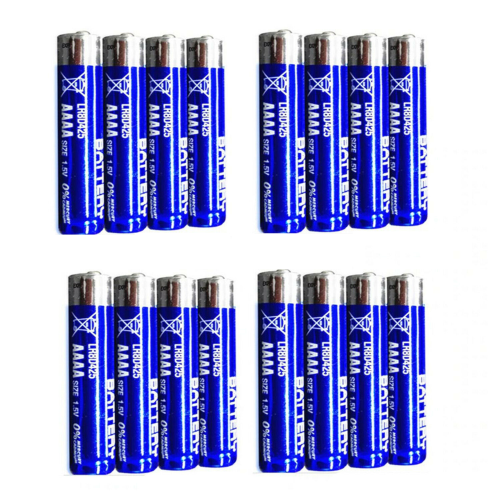


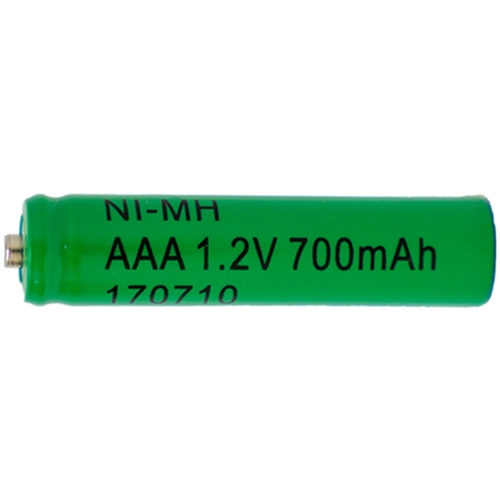


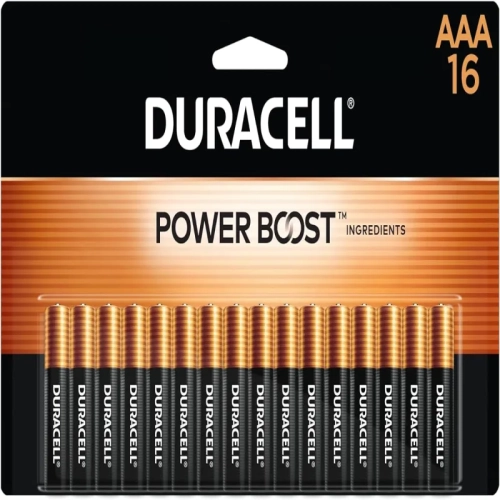
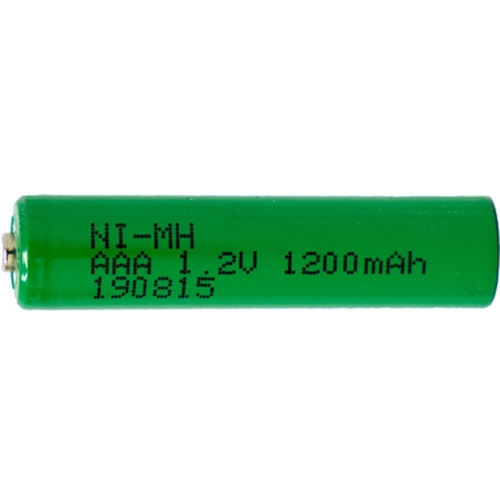


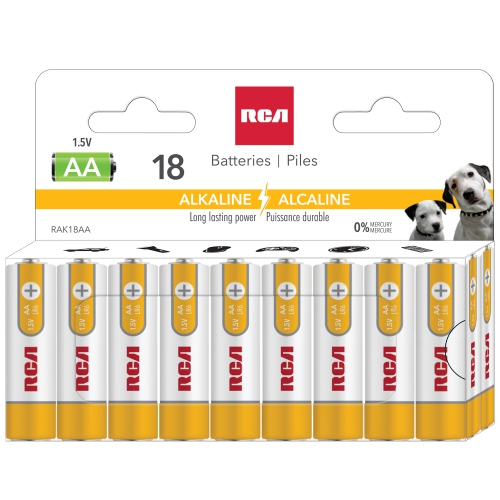
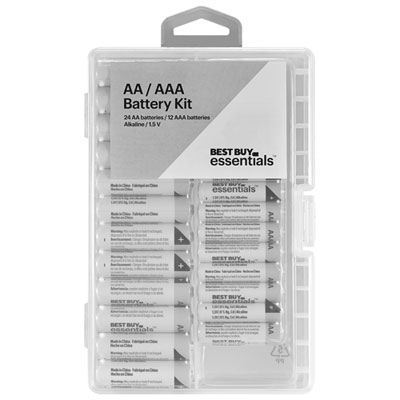


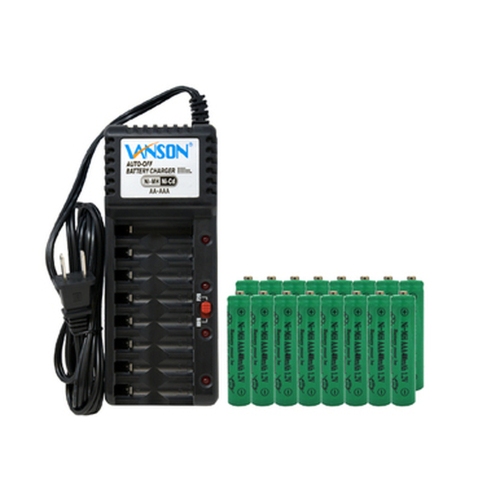

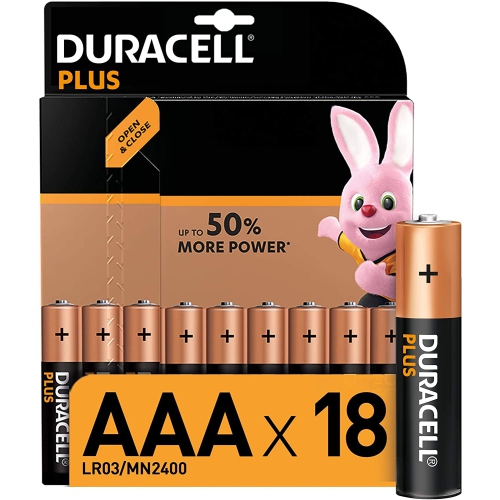
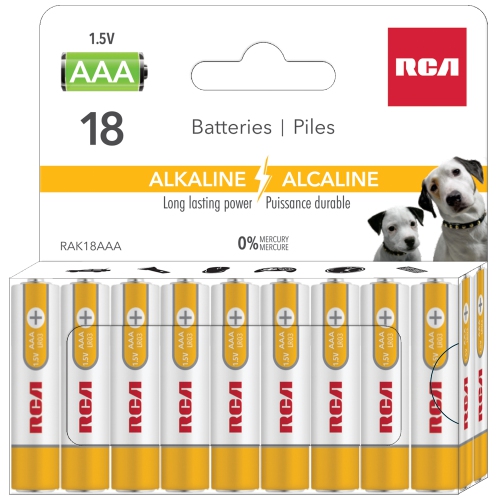


One pack for everyday battery replacements around the home
A 16-pack of AA batteries is a practical format for households with several battery-powered devices, offering enough cells to cover everyday replacements without keeping multiple small packages scattered through drawers. AA is a familiar size in remote controls, wall clocks, wireless mice, game controllers, torches, and children’s toys, although the battery compartment or device manual should always confirm the required type. The usefulness of a pack often comes down to how those devices are used: a clock may run for an extended period on a single cell, while a motorized toy or frequently used controller can draw considerably more power. Sixteen batteries can supply eight devices that each take two cells, or four complete changes for a device that uses four, making the pack size easy to relate to everyday routines. In a home office, that might mean replacing the batteries in a mouse and keyboard while keeping the remaining cells together for later use. In a family living room, it can mean having replacements ready when a remote stops responding or a favourite toy slows down. The AA format describes physical size rather than a single level of performance, so batteries that look similar can behave differently under the same load. Chemistry, device requirements, usage patterns, and storage all influence how long they last. For shoppers browsing Disposable Batteries, 16-pack AA batteries offer a straightforward way to match a familiar battery size with the number of devices used around the home. They can also make a thoughtful addition to a battery-powered gift when the recipient would otherwise need to find suitable batteries before trying it. That small detail is especially useful for toys and games that need several cells at once, provided the correct size, chemistry, and quantity are checked beforehand. The value of the format lies in this everyday convenience: a clearly identified pack that can serve several compatible devices while keeping unused batteries organized.
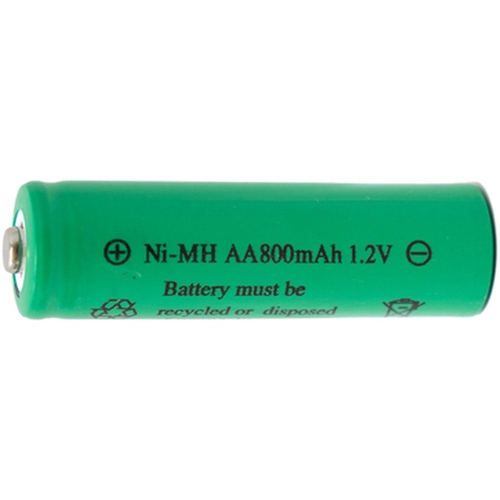
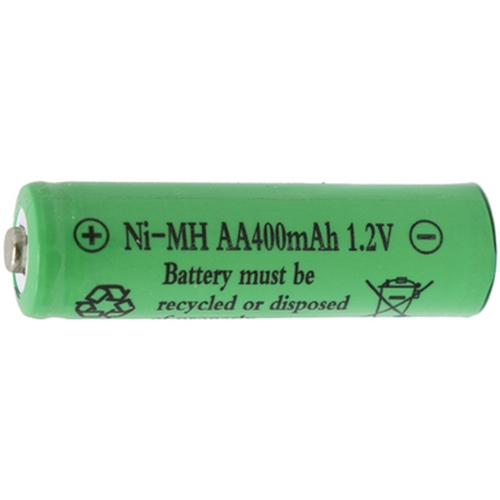
Battery chemistry is an important distinction within the AA category because the materials inside the casing affect power delivery and suitability for different tasks. Alkaline AA batteries commonly use zinc and manganese dioxide and have a nominal voltage of 1.5 volts. They are widely used in everyday electronics, particularly devices with low to moderate power demands. Disposable lithium AA batteries use a different chemistry and can be suitable for certain higher-drain applications when the device manufacturer permits them. They may also weigh less than alkaline equivalents, which can matter in handheld equipment carried for longer periods. Neither chemistry guarantees a particular runtime in every device, and claims about longer life are most meaningful when they identify the application and comparison being tested. A remote that sends a brief signal with each button press places different demands on its batteries than a toy with a moving motor, lights, and sound. Even two devices that both require a pair of AA cells can have very different replacement intervals. The best fit therefore involves more than choosing a pack with the correct letter designation. Voltage, chemistry, and any restrictions in the device instructions all matter. Rechargeable AA batteries often have a different nominal voltage from disposable alkaline cells, and similarly sized lithium-ion cells are not interchangeable with ordinary AA batteries simply because their dimensions appear close. A device designed for standard AA batteries can be damaged by an unsuitable higher-voltage cell. Where the battery compartment specifies a particular type, that requirement takes priority over general performance claims. Capacity figures also need context: a milliamp-hour rating does not, by itself, predict how long a disposable battery will operate in every application. For a household using the same battery size across several rooms, consistent labelling helps distinguish cells intended for different equipment. Clear polarity markings, readable chemistry information, and an identifiable date marking make a pack easier to use with confidence, particularly when several people share responsibility for replacing batteries in frequently used devices.
The outer casing, seals, and terminals all contribute to a battery’s durability, but even a well-made disposable cell needs sensible handling and storage. An intact wrapper and clean, undamaged terminals are important; batteries showing leakage, swelling, corrosion, or other visible damage should not be put into a device. Packaging that keeps unused cells separated and easy to identify can be useful in a busy household drawer, where loose batteries might otherwise end up beside keys, coins, or other metal objects. Contact between terminals and conductive objects can create a short circuit, so original packaging or a purpose-made battery organizer is preferable to an open container of mixed household odds and ends. A dry storage location away from direct sunlight helps keep the pack and its markings in good condition. Date information on the packaging can help establish which pack to use first, though a shelf-life claim refers to specified storage conditions rather than guaranteed operating time after installation. When a device needs several batteries, replacing the full set together with fresh cells of the same type supports more consistent performance than combining new and partly used batteries. Mixing different chemistries is also best avoided. Correct alignment with the positive and negative symbols inside the compartment matters, and a battery should fit without forcing the cover shut. For equipment that will sit unused for an extended period, removing the batteries according to the manufacturer’s directions can help reduce the risk of damage from leakage. Disposable batteries must not be placed in a charger, and all batteries should be kept out of reach of young children and pets. These everyday considerations are particularly relevant to a 16-pack, since some cells may go straight into use while others remain stored until needed. In shared spaces such as a home office or family room, keeping fresh batteries separate from used ones prevents needless trial and error when something stops working. A well-organized pack of compatible AA batteries makes routine replacements simpler, whether the task is restoring a wireless mouse before a meeting or getting a toy ready for another afternoon of play.
Top selling and popular products
-
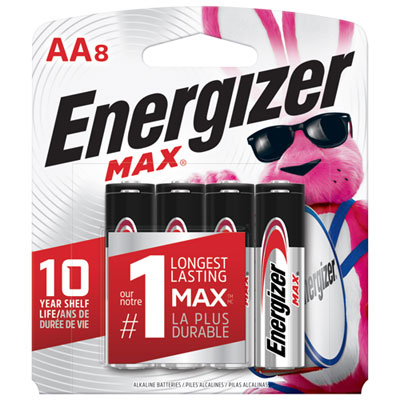 Your price for this item is $11.99
-
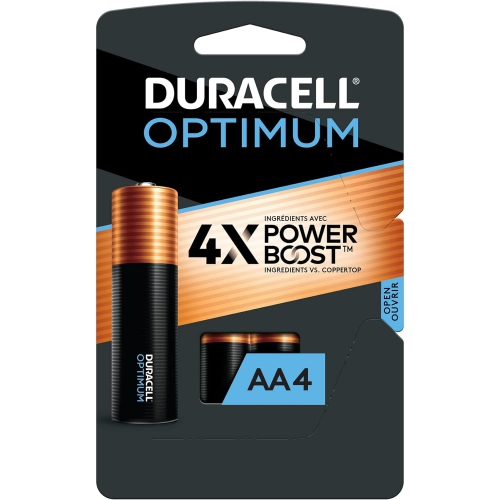 Your price for this item is $15.99
-
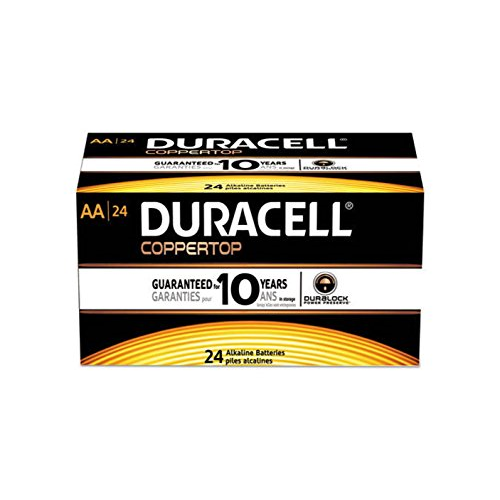 Your price for this item is $45.99
-
 Your price for this item is $29.99
-
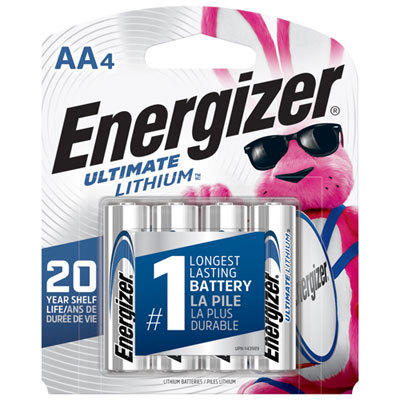 Your price for this item is $17.99
-
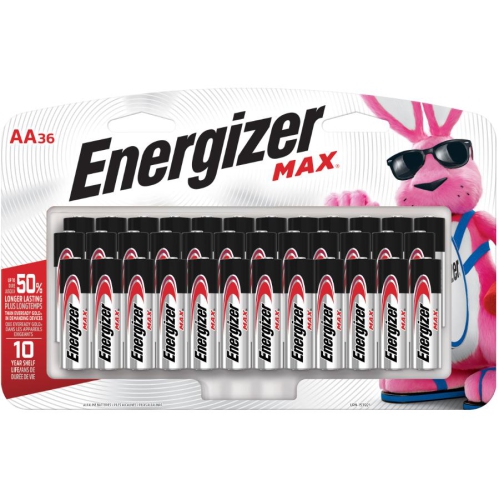 Your price for this item is $27.99
-
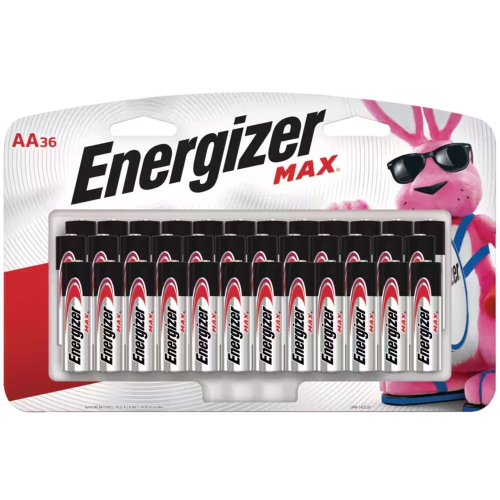 Your price for this item is $19.99
-
 Your price for this item is $26.55
Discover more categories related to 16-Pack AA Batteries

Top Collections:
Pokemon Centers, Pokémon 30th Celebration Cards, Best Budget Office Chairs, Kindle Devices, Best Cameras for Sports Photography, Canon G7X Cameras, Best Black Friday Deals On Electronics, Best Laptops for Writers, iPhone 15 Apple, Jackery Power Stations
Some products may be subject to Environmental Handling Fees
(EHF) depending on your province.
Learn more about EHFs.