Eneloop AA Batteries
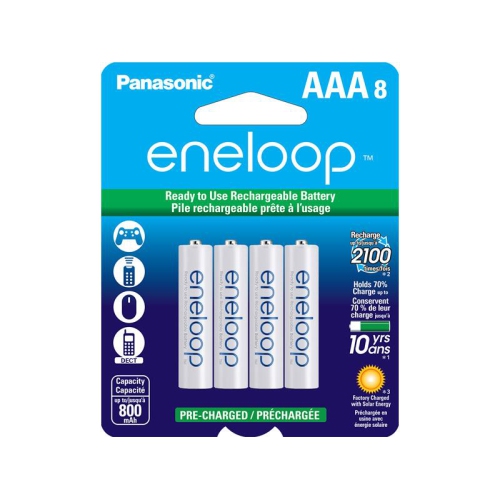
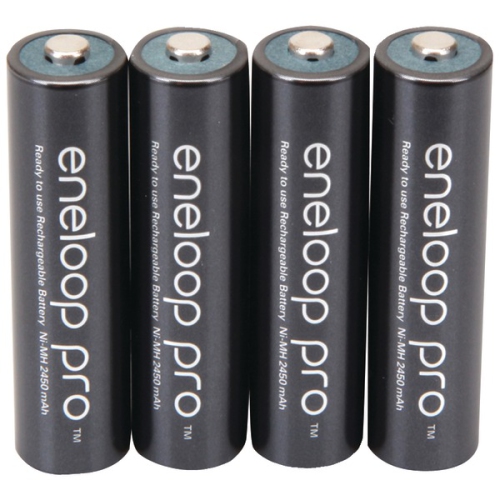
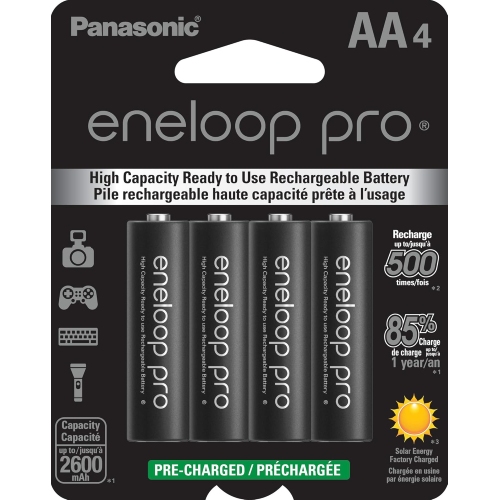
Eneloop AA Batteries offer a reliable power solution for a wide range of devices, from remote controls and cameras to gaming controllers and flashlights. Designed for everyday use, these batteries are a smart choice for keeping your electronics running smoothly at home or on the go. Explore the selection of Eneloop AA Batteries to find the right option for your needs and enjoy long-lasting performance for all your essential gadgets.
Sort





Why higher battery capacity is not always better
AA rechargeable batteries provide repeat-use power for household electronics, from wireless mice and game controllers to toys, portable audio equipment, and camera flashes. Nickel-metal hydride, commonly abbreviated to NiMH, is a rechargeable chemistry used in this familiar cylindrical format. Each cell has a nominal voltage of 1.2 volts, compared with the 1.5-volt rating of a typical disposable alkaline AA battery. Many devices accept both types, but the device manufacturer’s instructions remain the best reference for compatibility, particularly for equipment with specific voltage requirements. The AA designation describes the physical size, not the chemistry or charging method, so a battery that fits the compartment is not automatically suitable for the device. Capacity, usually expressed in milliampere-hours or mAh, helps distinguish options within the same size. Ratings around 2,000 mAh are common among everyday rechargeable AA cells, while higher-capacity versions may carry ratings around 2,500 mAh or more. A larger capacity can mean longer operation between charges under comparable conditions, although actual runtime depends on the device, its settings, and how it draws power. A controller used for a long gaming session places different demands on its batteries than a remote used for a few brief button presses each day. Low-self-discharge construction is another useful characteristic: it helps a charged battery retain more of its stored energy while it sits unused. That can make a spare set more practical for equipment used occasionally rather than daily. Charge retention and usable service life are separate measurements, however. One describes how much charge remains after storage; the other concerns how well a battery continues to perform through repeated use and charging. These distinctions matter when choosing between a set that spends much of its time in a drawer and one that moves regularly between a charger and an active device.
The most suitable AA rechargeable batteries balance runtime, recharge-cycle ratings, charge retention, and the demands of the equipment they power. Higher capacity is useful for devices that draw substantial power, such as compatible camera flashes, motorized toys, or frequently used gaming controllers. For a photographer, having a charged spare set ready during a portrait session can be more useful than stretching a partly depleted set through the final shots. For a household with several controllers, matching sets can make it easier to rotate batteries without interrupting play. Lower-drain equipment, including some clocks and remotes, may place more emphasis on charge retention than maximum capacity. Compatibility still matters in every case, especially for alarms, medical equipment, and other devices whose manufacturers specify a particular battery type. Recharge-cycle claims also deserve context. Some NiMH cells are rated for hundreds of charging cycles, while others carry ratings reaching into the thousands under defined test conditions. Those figures are not a promise that every battery will deliver the same result in everyday use. Discharge depth, charging practices, storage, and the device itself all influence longevity. Higher-capacity construction can involve a trade-off with cycle life or stored-charge retention, so the largest mAh number is not automatically the strongest choice for every application. Pack size is another practical consideration. A device that takes four batteries is easier to manage with complete sets of four, rather than a mixture gathered from different drawers. Keeping cells of the same type, capacity, and similar age together supports more consistent performance, since a weaker battery can limit the usefulness of the whole set. Pre-charged rechargeable cells may be ready for initial use, but their starting charge varies with storage history and the manufacturer’s specifications. For a planned recording session, game night, or photography assignment, a freshly charged matching set offers a more predictable starting point than assuming every stored cell has a full charge.
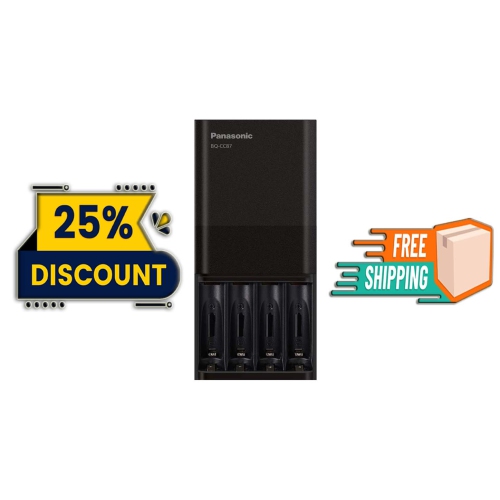
Charging equipment and everyday care are central to getting dependable service from rechargeable AA batteries. A charger must explicitly support NiMH AA cells; chargers intended only for other chemistries are not interchangeable. Charging disposable alkaline batteries in a standard NiMH charger is unsafe. Independent charging channels can be useful because they monitor cells separately, while charge-status indicators make it easier to distinguish a finished set from one still charging. Some chargers accept individual batteries, whereas others require pairs, which can affect convenience when a device uses an odd number of cells. Charging speed also varies with battery capacity and the charger’s output, so a stated charging time applies only under the conditions specified by the manufacturer. A dedicated place for Eneloop Batteries, a compatible charger, and separate charged and used sets can keep a household’s routine organized without leaving loose cells scattered around a desk. A protective battery case helps keep the terminals away from keys, coins, and other metal objects that could cause a short circuit. The outer insulating sleeve and terminal surfaces should remain intact; dents, leakage, corrosion, or damaged wrapping are reasons to stop using a cell. Batteries should never be opened, punctured, or forced into a compartment. Removing them from equipment that will remain unused for an extended period, where the device instructions advise it, also makes later inspection easier. Clean, dry contacts and correct polarity support a reliable connection, while mixing rechargeable and disposable cells in the same device can create uneven performance and safety concerns. Rechargeable AA batteries can also be a practical addition to a gift for someone who regularly uses compatible toys, gaming accessories, or photography equipment. Including a suitable charger matters when the recipient does not already have one, and matching the battery count to the intended device makes the setup more useful. For regular household use, the appeal lies in a straightforward routine: batteries matched to the equipment, a charger suited to their chemistry, and a clearly identified spare set ready for the next session.
Top selling and popular products
-
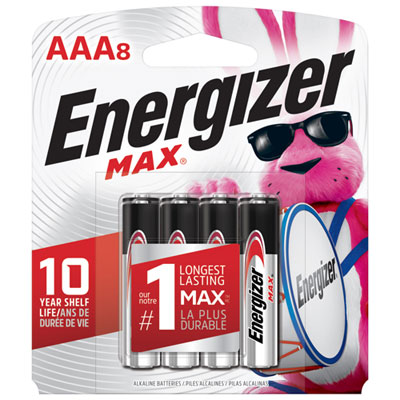 Your price for this item is $16.99
-
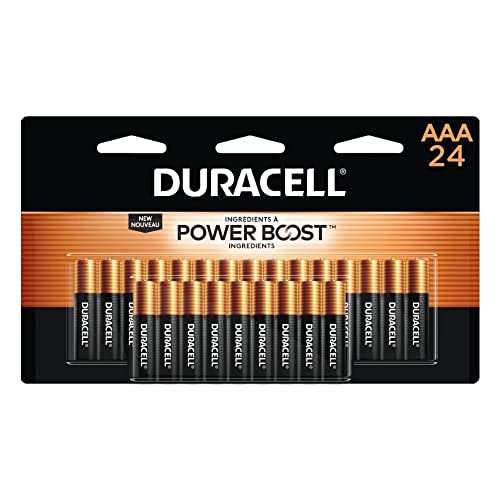 Your price for this item is $24.99
-
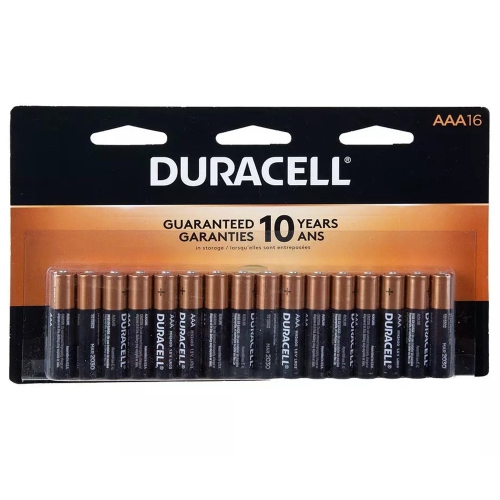 Your price for this item is $32.99
-
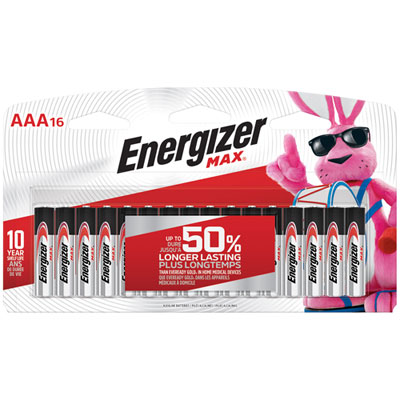 Your price for this item is $20.99
-
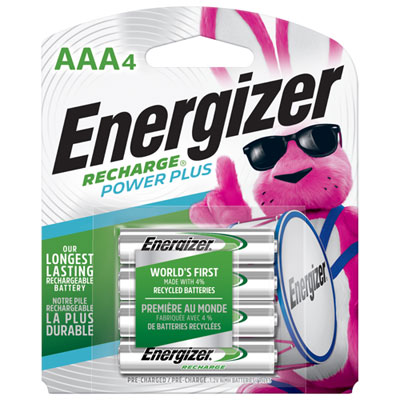 Your price for this item is $17.99
-
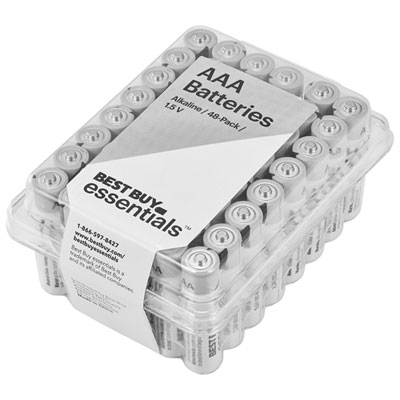 Your price for this item is $15.99
-
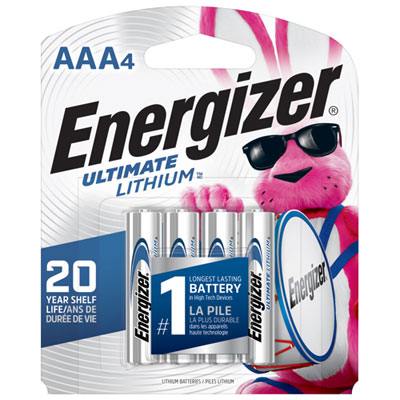 Your price for this item is $16.95
-
 Your price for this item is $15.99
Discover more categories related to Eneloop AA Batteries
Top Collections:
Pokemon Centers, Pokémon 30th Celebration Cards, Best Budget Office Chairs, Kindle Devices, Best Cameras for Sports Photography, Canon G7X Cameras, Best Black Friday Deals On Electronics, Best Laptops for Writers, iPhone 15 Apple, Jackery Power Stations
Some products may be subject to Environmental Handling Fees
(EHF) depending on your province.
Learn more about EHFs.