Eneloop Batteries
Eneloop Batteries provide a reliable power solution for a wide range of devices at home, in the office, or on the go. Designed to meet the needs of modern electronics, these batteries help keep everything from cameras and remote controls to gaming controllers running smoothly. Explore a variety of Eneloop Batteries to find the right fit for your gadgets and enjoy dependable performance every time you need it.
Sort

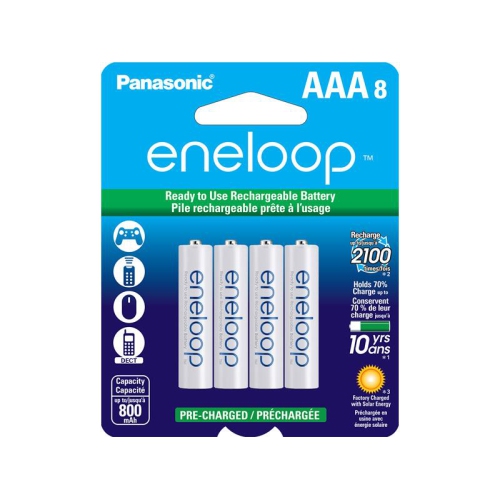


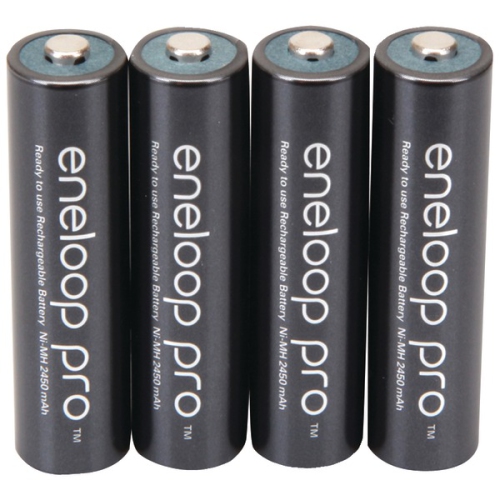
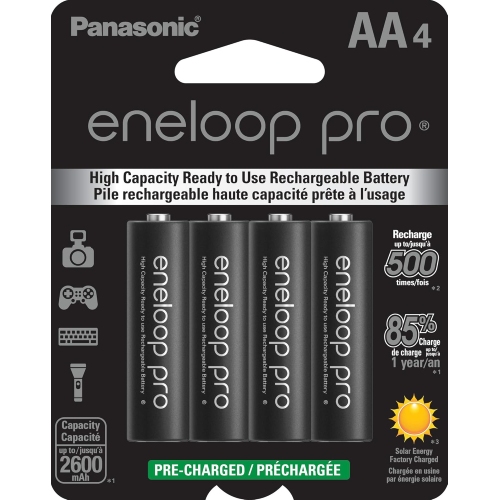
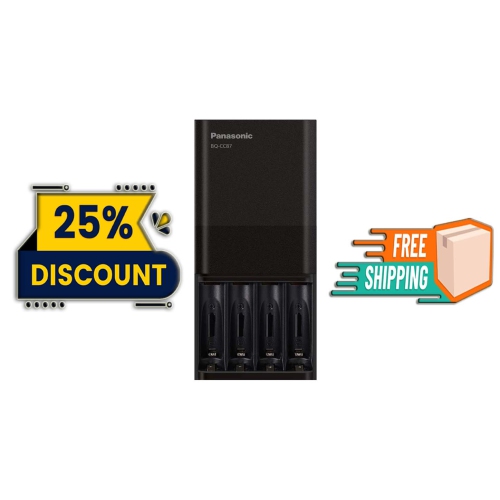
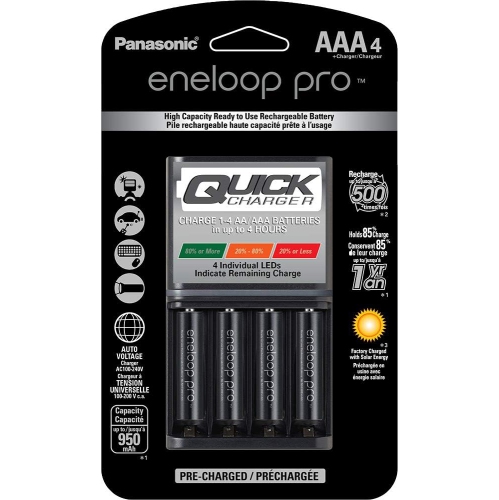


Rechargeable power designed to retain charge between uses
A defining feature of Panasonic Eneloop is low-self-discharge nickel-metal hydride (Ni-MH) chemistry, which supports repeated charging while helping batteries retain their charge between uses. That combination makes rechargeable AA and AAA batteries practical for compatible devices used every day, as well as equipment that spends time tucked in a drawer between activities. A wireless mouse, a game controller, a child’s electronic toy, and a camera flash place different demands on their batteries, but each benefits from power suited to its particular requirements. Low self-discharge matters because a battery’s charge can decrease even when it is not powering anything; reducing that loss helps a charged spare remain useful until it is needed. It does not mean that a battery stays fully charged indefinitely, and actual charge retention depends on the battery, its condition, and how it is stored. Pre-charged batteries are intended to provide usable power before their first recharge, although their initial charge level and the connected device’s demands affect how long that first use lasts. AA and AAA describe physical sizes rather than interchangeable power options, so the battery compartment and device instructions determine the correct fit. Ni-MH cells have a nominal voltage of 1.2 volts, compared with the 1.5-volt rating commonly associated with disposable alkaline cells. Many devices accept rechargeable Ni-MH batteries, but compatibility should never be assumed solely because the batteries fit inside the compartment. Devices with particular voltage requirements or battery restrictions need the chemistry specified by their manufacturer. The same distinction applies to cylindrical lithium-ion cells that may resemble familiar household battery sizes but operate at a different voltage. For everyday use, the appeal is a repeatable routine: compatible batteries power the device, recharge in an appropriate charger, and return to service without changing how the device is handled. This is particularly convenient for households with several frequently used accessories that share the same battery size.
Battery capacity, charging performance, and intended use all help distinguish rechargeable options beyond their AA or AAA dimensions. Capacity is usually expressed in milliamp-hours, or mAh, and is most useful when comparing batteries of the same chemistry and nominal voltage. A higher capacity rating can support longer operation under comparable conditions, but it is not a guaranteed runtime for every device. A camera flash drawing short bursts of power behaves differently from a clock drawing a small, steady current, while a game controller’s vibration and connected accessories can change its power demands during a single session. For someone photographing a family gathering, the ability to keep a matched spare set in a protective case may matter as much as the capacity printed on the cells. For a household sharing wireless keyboards and controllers, a consistent rotation between charged batteries and those awaiting a recharge can make everyday use simpler. Higher capacity can also involve trade-offs in rated recharge cycles or charge retention, so the largest mAh figure is not automatically the best match for every routine. Battery specifications provide the clearest basis for those comparisons. Charging equipment is equally important: Ni-MH batteries require a charger that explicitly supports Ni-MH chemistry and the relevant battery size. A charger designed only for another battery chemistry is not a substitute. Features such as individual charging channels, charge-status indicators, and automatic charge termination can make it easier to manage cells with different remaining charge levels, although the exact functions depend on the charger. Some chargers handle batteries individually, while others require pairs, making their layout relevant to devices that use an odd number of cells. Charging time depends on capacity, starting charge level, and the charger’s supported charging rate. Faster charging is not a universal advantage; proper compatibility and controlled charging are more important than an ambitious time estimate. A charging setup that suits the household’s actual pattern of use is generally more convenient than one chosen around capacity alone.
The outer wrapper, metal terminals, and internal cell chemistry all play a part in a rechargeable battery’s working life. An intact insulating wrapper helps prevent unintended electrical contact, while clean terminals support a reliable connection with the contacts inside the device. Batteries showing leakage, swelling, corrosion, or damaged wrapping should be taken out of use rather than returned to the charger. Routine care is straightforward: storage in a dry place, protection from direct heat, and separation from coins, keys, and other loose metal objects help prevent avoidable damage or short circuits. A fitted battery case is particularly useful inside a camera bag, desk drawer, or travel pouch, where loose cells can otherwise shift against other objects. Batteries used together in a device are best kept as a matched set with the same chemistry, capacity, and similar age and condition. Mixing rechargeable and disposable cells, or combining substantially different batteries, can lead to uneven performance and increase the risk of leakage or other damage. Disposable batteries should never be placed in a charger unless their manufacturer explicitly identifies them as rechargeable and specifies a compatible charging method. Long-term durability also depends on use: recharge-cycle claims describe performance under defined test conditions, not a fixed promise for every household. Runtime can gradually decline as batteries age, even when the outer surfaces still look sound. Some devices may also display their battery indicator differently with Ni-MH cells because their voltage profile differs from that of alkaline batteries. These practical details make rechargeable batteries a thoughtful companion gift for someone who enjoys photography, gaming, or battery-powered hobbies, provided the battery size and chemistry match their equipment. A suitable charger and protective storage case can be just as relevant to that gift as the cells themselves. In homes with children, both charged and discharged batteries need secure storage, and toy battery compartments should remain properly fastened. With compatible equipment and sensible handling, low-self-discharge Ni-MH batteries offer repeatable power for familiar daily routines, from an evening game to a keyboard used throughout the working day.
Top selling and popular products
-
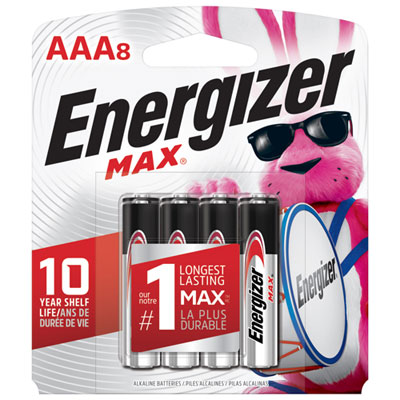 Your price for this item is $16.99
-
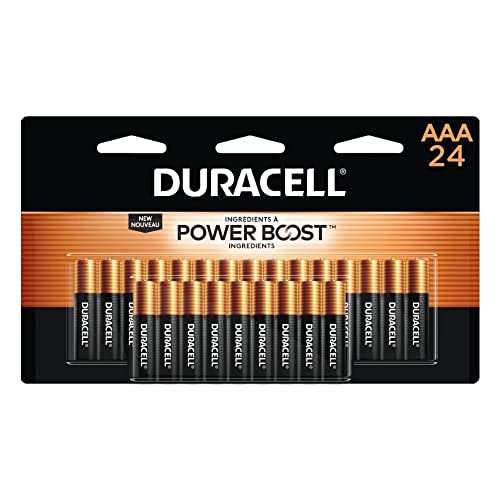 Your price for this item is $24.99
-
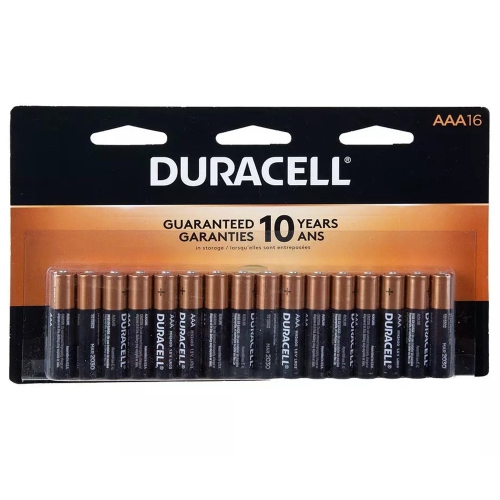 Your price for this item is $32.99
-
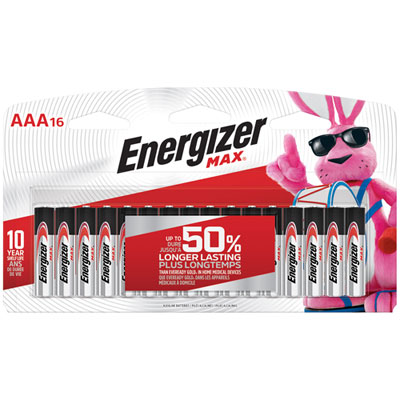 Your price for this item is $20.99
-
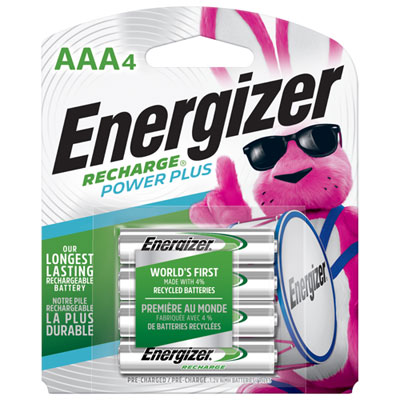 Your price for this item is $17.99
-
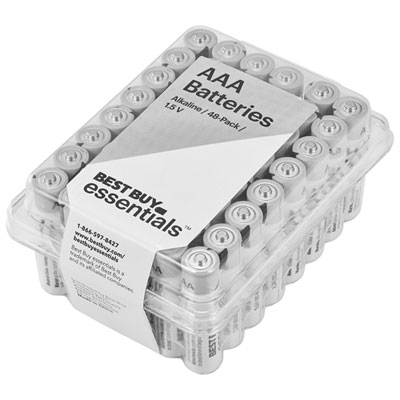 Your price for this item is $15.99
-
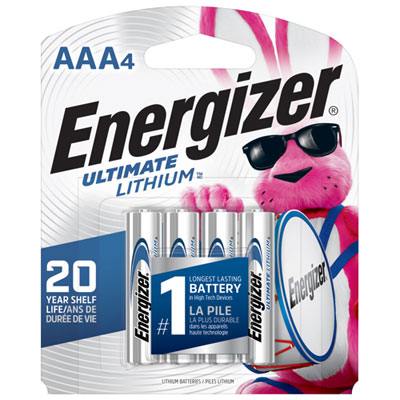 Your price for this item is $16.95
-
 Your price for this item is $15.99
Discover more categories related to Eneloop Batteries
Top Collections:
Pokemon Centers, Pokémon 30th Celebration Cards, Best Budget Office Chairs, Kindle Devices, Best Cameras for Sports Photography, Canon G7X Cameras, Best Black Friday Deals On Electronics, Best Laptops for Writers, iPhone 15 Apple, Jackery Power Stations
Some products may be subject to Environmental Handling Fees
(EHF) depending on your province.
Learn more about EHFs.