Panasonic Eneloop
Panasonic Eneloop offers a reliable solution for powering your everyday devices, from cameras and remote controls to gaming accessories and more. Designed to deliver consistent performance, Panasonic Eneloop batteries are a smart choice for those seeking dependable energy options at home or on the go. Explore the selection to find the right fit for your needs and keep your electronics running smoothly with confidence.
Sort
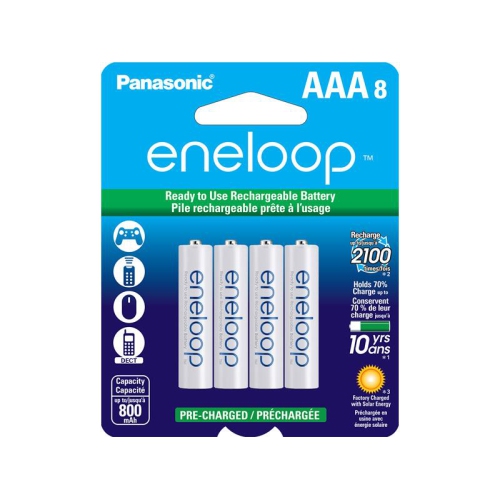


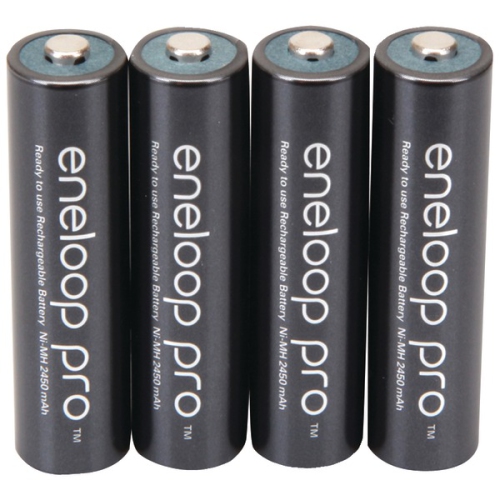


Rechargeable batteries that hold their charge between uses
Low self-discharge nickel-metal hydride (Ni-MH) rechargeable batteries are designed to power compatible everyday electronics while holding much of their charge between uses. That combination makes them useful for devices that are used regularly, as well as equipment that may sit in a drawer between outings or projects. Unlike disposable alkaline batteries, rechargeable Ni-MH cells can be replenished with a compatible charger and returned to service repeatedly. Their low self-discharge design helps limit the gradual loss of stored energy when they are not being used, so a charged spare set can remain useful between charging sessions. Performance varies by battery design: some long-life cells are rated for up to 2,100 recharge cycles and retain up to 70% of their charge after 10 years in storage under specified test conditions. These figures describe particular designs and testing methods rather than a guarantee for every battery or pattern of use. Higher-capacity AA designs can offer up to 2,600mAh, while some are rated for up to 500 recharge cycles, reflecting a different balance between energy storage and repeated charging. Capacity, charge retention, and cycle life are separate characteristics, and a larger capacity number does not automatically mean a longer overall service life. A frequently used game controller, for example, may benefit from more energy between charges, while a remote control used briefly each day may place greater value on charge retention. Precharged cells can offer added convenience, although the charge remaining when they are first used depends on storage time and handling. For households with several battery-powered devices, a rechargeable format also supports a straightforward routine: one matched set powers the device while another charged set waits in a protective case. The practical appeal is repeat use and the ability to keep compatible equipment ready without charging the device itself through a cable. This is particularly useful for electronics with removable batteries, where exchanging a depleted set can be simpler than waiting beside a charging outlet.
Battery size and electrical compatibility matter as much as capacity. AA and AAA cells have different dimensions and are not interchangeable simply because they use the same chemistry. Standard Ni-MH AA and AAA batteries have a nominal voltage of 1.2V per cell, compared with the nominal 1.5V of disposable alkaline versions. Many devices accept both, but the equipment manufacturer’s instructions remain the best reference, especially for electronics with strict voltage requirements or battery gauges calibrated for alkaline cells. A charge indicator may behave differently with Ni-MH batteries because their discharge characteristics differ from those of alkaline batteries. For devices that specifically take AA cells, Eneloop AA Batteries provides a focused way to browse that format. Capacity is expressed in milliamp-hours, usually written as mAh, and is most useful when comparing batteries of the same size and chemistry under similar conditions. Actual runtime also depends on the device’s power demand, settings, and usage pattern. A camera flash firing repeatedly draws power differently from a wireless mouse moving across a desktop, so the same batteries will not deliver an identical number of operating hours in both. High-drain equipment can benefit from Ni-MH batteries’ ability to supply substantial current, provided the device supports them. Physical fit deserves attention too: cells should sit securely in the compartment, with their positive and negative terminals aligned with the markings and the cover closing normally. The cylindrical casing, insulating wrapper, and terminal surfaces all contribute to safe handling, making an intact outer covering important rather than merely cosmetic. Matched sets of the same chemistry, capacity, and similar age help keep performance consistent in devices that use two or more cells together. Mixing an older, weaker battery with freshly charged cells can leave the whole set limited by the weakest member. Keeping pairs or groups together in a labelled case makes it easier to maintain those matches and distinguish charged spares from batteries waiting to be charged.
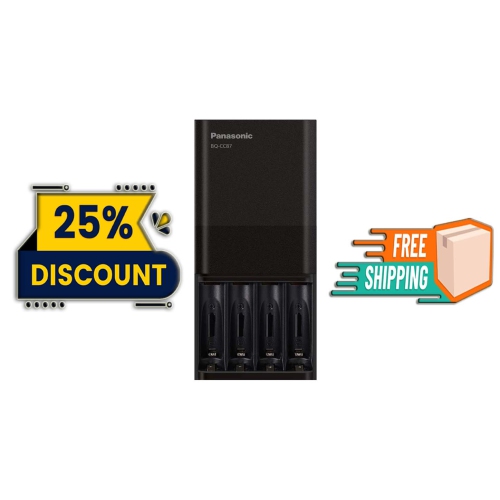
A compatible Ni-MH charger is an essential part of everyday use, and its features can make a noticeable difference to convenience. Independent charging channels allow each cell to be monitored separately, which is useful when batteries return from different devices with different amounts of charge remaining. Status indicators make charging progress easier to follow, while automatic charge termination helps prevent continued charging once the cells are full. Charging time depends on battery capacity, the charger’s output, and sometimes the number of occupied slots, so a single charging-time claim may not apply to every arrangement. Chargers intended for lithium-ion batteries are not substitutes unless they explicitly support the relevant Ni-MH size and chemistry. Non-rechargeable batteries should never be placed in a charger. Good care also includes inspecting cells before use, keeping terminals clean and dry, and removing batteries from equipment that will not be used for an extended period, following the device manufacturer’s directions. Batteries with leakage, swelling, damaged wrappers, or other visible damage should be taken out of service. Loose cells belong in a protective case rather than a pocket or drawer with coins, keys, or other metal objects that could bridge their terminals. Storage away from moisture and direct heat helps protect the casing and contacts, while avoiding drops and forced insertion reduces physical damage. Over time, batteries may run a device for less time after a full charge; that gradual reduction can signal that a matched set is nearing the end of its useful service life. For shared households, simple labels on storage cases can prevent charged and depleted sets from becoming mixed together. Rechargeable batteries and a suitable charger can also make a practical gift for someone who regularly uses compatible photography equipment, gaming accessories, portable audio devices, or children’s electronic toys. The most useful combination suits the recipient’s actual battery sizes and charging habits, with enough clearly organized cells to support the devices they reach for most often.
Top selling and popular products
-
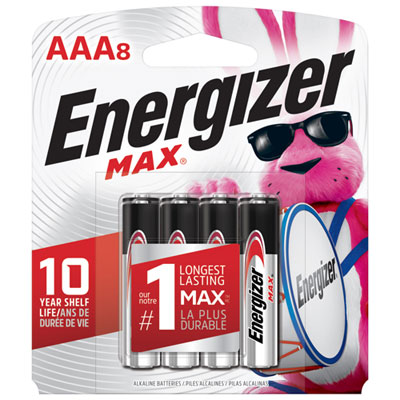 Your price for this item is $16.99
-
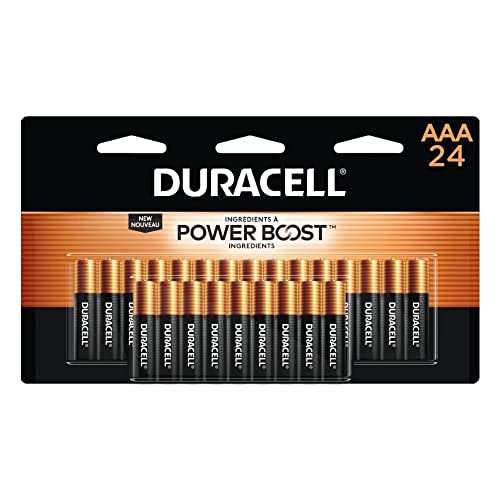 Your price for this item is $24.99
-
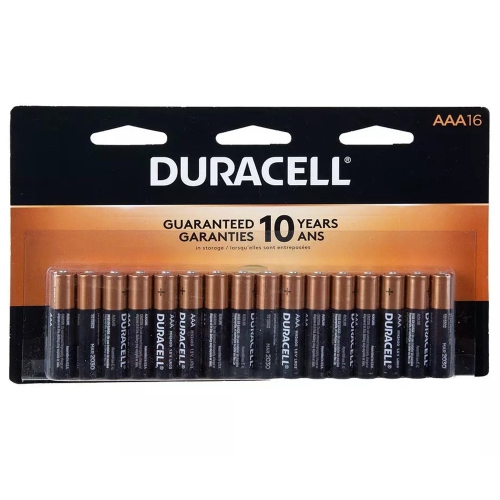 Your price for this item is $32.99
-
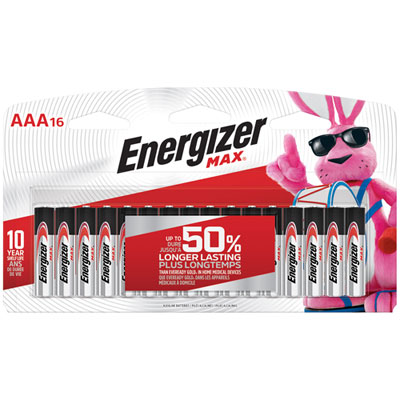 Your price for this item is $20.99
-
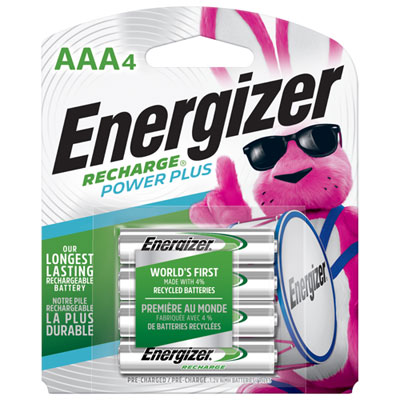 Your price for this item is $17.99
-
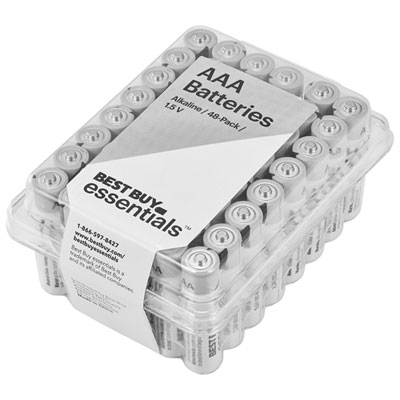 Your price for this item is $15.99
-
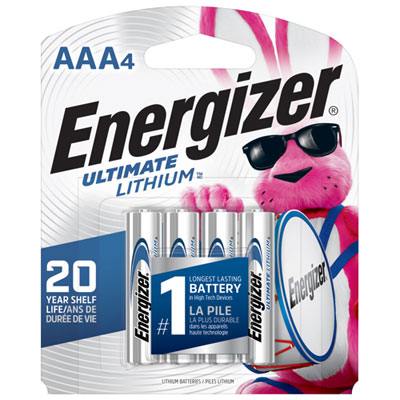 Your price for this item is $16.95
-
 Your price for this item is $15.99
Discover more categories related to Panasonic Eneloop
Top Collections:
Pokemon Centers, Pokémon 30th Celebration Cards, Best Budget Office Chairs, Kindle Devices, Best Cameras for Sports Photography, Canon G7X Cameras, Best Black Friday Deals On Electronics, Best Laptops for Writers, iPhone 15 Apple, Jackery Power Stations
Some products may be subject to Environmental Handling Fees
(EHF) depending on your province.
Learn more about EHFs.