Panasonic Eneloop Pro AA
Panasonic Eneloop Pro AA batteries offer a reliable solution for powering your everyday devices. Perfect for use in cameras, remote controls, gaming controllers, and more, these batteries are designed to deliver consistent performance. Whether you're at home or on the go, Panasonic Eneloop Pro AA batteries help keep your essential electronics running smoothly. Explore options to find the right fit for your needs and enjoy dependable power with every charge.
Sort







Rechargeable AA power for devices that demand more
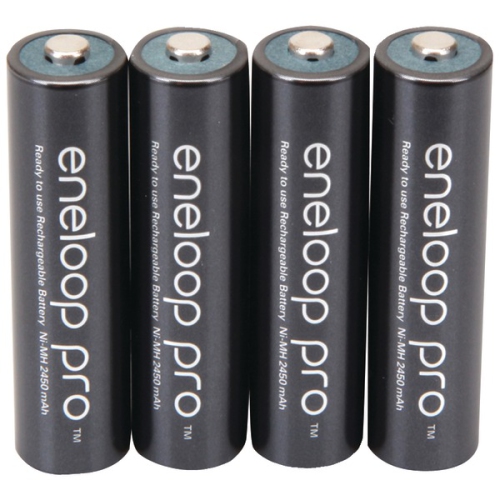
High-capacity rechargeable AA batteries are designed for compatible electronics that draw substantial power, from camera flashes and wireless gaming controllers to portable audio equipment and motorized toys. Their nickel-metal hydride chemistry, commonly abbreviated to NiMH, stores charge in a familiar AA format that can be used repeatedly with a suitable charger. A rechargeable NiMH AA cell has a nominal voltage of 1.2 V, compared with the 1.5 V marking on a typical disposable alkaline AA battery. Many devices accommodate this difference, but compatibility depends on the equipment’s requirements rather than physical fit alone. The battery compartment and device manual remain the best references, especially for equipment with strict voltage requirements or a battery indicator calibrated for disposable cells. High-capacity versions often have ratings around 2,500 mAh, making them relevant to devices that need more stored charge between charging sessions. Capacity is expressed in milliamp-hours, or mAh; it is not a measure of voltage, charging speed, or a guaranteed number of operating hours. Typical and minimum capacity figures also describe different things: a typical figure represents an expected value, while a minimum figure states the rated lower threshold under specified test conditions. Actual runtime depends on the device, its settings, and how it is used. A camera flash firing repeatedly at high output places different demands on its batteries than a controller used for an occasional evening of gaming. In suitable high-drain equipment, NiMH batteries can maintain useful performance under repeated power demands, although flash recycling time and device responsiveness still depend on the equipment itself. This balance of capacity and repeat use makes the format especially relevant to photographers, households with frequently used battery-powered electronics, and anyone whose compatible devices regularly need a fresh set. For someone packing a flash before a portrait session or preparing controllers for a shared gaming session, a matched, fully charged set provides a practical starting point without changing the familiar AA battery format.
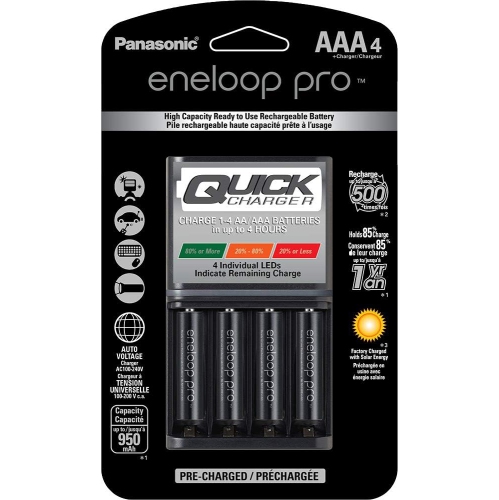
Charging equipment is an important part of a rechargeable AA setup because the charger must support both the battery size and its chemistry. A charger intended for NiMH AA cells is not interchangeable with equipment designed only for lithium-ion batteries, even when the batteries appear similar in size. Some rechargeable lithium cells use an AA-like shape but operate at a substantially different voltage, so appearance alone is not a reliable indication of compatibility. Charger design also affects everyday convenience. Individual charging channels can monitor cells separately, while some chargers require batteries to be inserted in pairs. Charge-status indicators make it easier to distinguish a completed set from one that is still charging, and automatic charge termination helps manage the charging process when used as directed. Charging time depends on battery capacity, starting charge level, charger current, and the charging method; a larger capacity does not automatically mean a faster turnaround. High-capacity cells are often well suited to a routine in which one matched set powers a device while another is ready for the next session. Keeping batteries together by set helps maintain a consistent charging and usage history, particularly in equipment that uses several cells at once. Mixing rechargeable and disposable batteries, different chemistries, or cells with substantially different wear can lead to uneven performance and should be avoided. Durability depends on more than the number of times a battery can be recharged. Charging habits, depth of discharge, storage conditions, and the demands of the device all influence useful service life. A stated cycle-life figure reflects defined test conditions rather than a promise that every battery will deliver the same runtime through every recharge. Intact outer sleeves, clean terminals, and a battery compartment free of residue support reliable contact. Cells with damaged wrapping, leakage, swelling, or unusual behaviour should be removed from use and handled according to the manufacturer’s safety directions. Repeatedly forcing an exhausted set to keep running is also best avoided, especially in equipment that uses multiple batteries together.
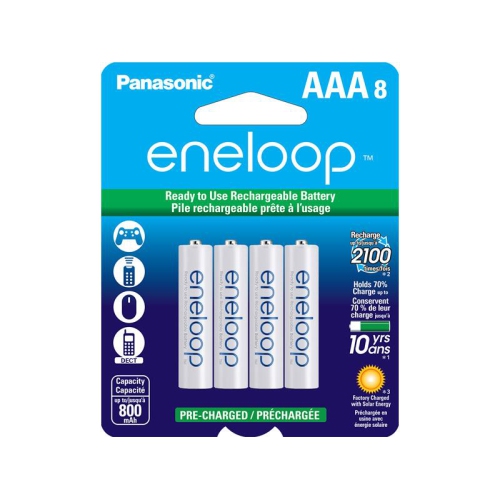
Beyond capacity, charge retention helps describe how rechargeable AA batteries fit into a household or equipment bag. Low-self-discharge designs are intended to hold their charge better during storage than conventional rechargeable designs, but they do not retain a full charge indefinitely. Any published retention percentage applies to a stated storage period and defined conditions, so it is separate from both capacity and recharge-cycle ratings. This distinction matters for equipment that sits between uses: a spare set for a camera flash has different demands from batteries that power a controller almost every day. High capacity can be particularly useful when longer sessions between charges matter, while other rechargeable AA designs may emphasize a different balance of capacity, charge retention, and cycle life. Related rechargeable options can be explored through Eneloop AA Batteries, with device compatibility and charging requirements remaining central considerations. Practical storage is straightforward: a purpose-made battery case keeps loose cells organized and prevents their terminals from contacting keys, coins, or other metal objects. Separate spaces for charged and used sets can prevent the familiar mix-up of reaching into a camera bag and finding several batteries with uncertain charge levels. Batteries kept as spares benefit from a charge check before an important session, even when they have a low-self-discharge design. Rechargeable AA batteries can also make a useful gift for a photographer, gamer, musician, or family member with compatible electronics, particularly when the recipient already uses an appropriate charger. A battery-and-charger combination may suit someone starting a rechargeable setup, whereas replacement cells may be more useful to someone with an established charging routine. The number of batteries needed depends on how many a device takes and whether a second complete set is useful. Four batteries serving one flash, for example, serve a different purpose from four batteries divided between two controllers. Matching the format, capacity, and charging arrangement to those everyday uses makes rechargeable AA batteries a practical part of keeping frequently used equipment ready.
Top selling and popular products
-
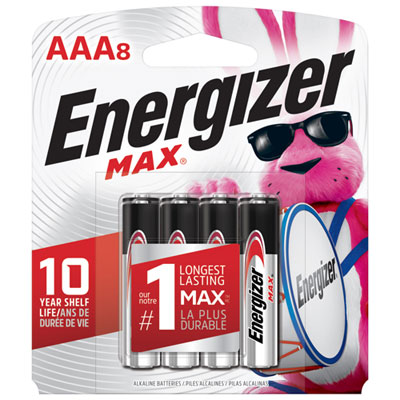 Your price for this item is $16.99
-
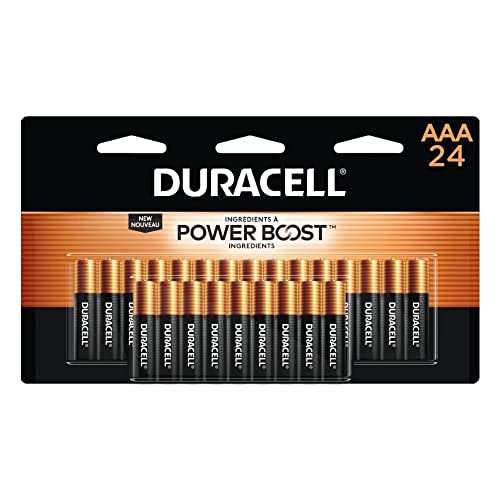 Your price for this item is $24.99
-
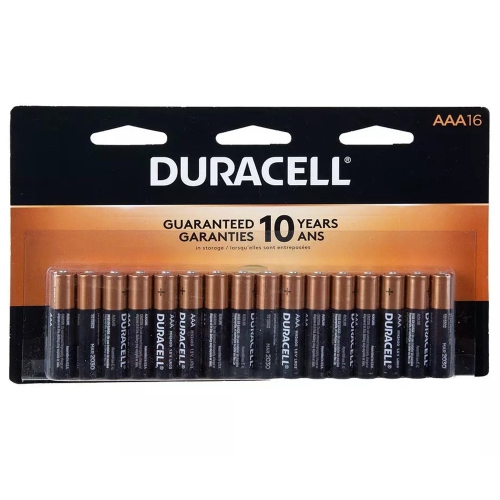 Your price for this item is $32.99
-
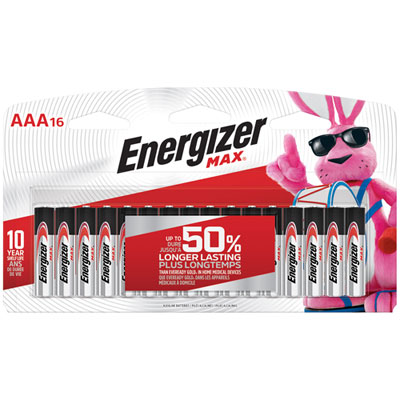 Your price for this item is $20.99
-
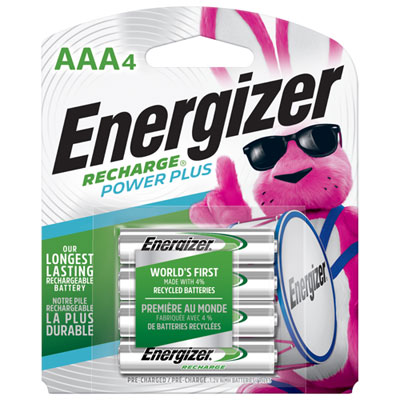 Your price for this item is $17.99
-
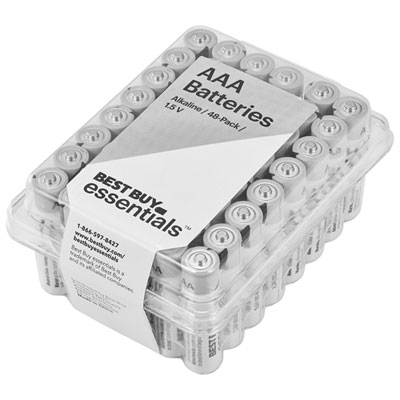 Your price for this item is $15.99
-
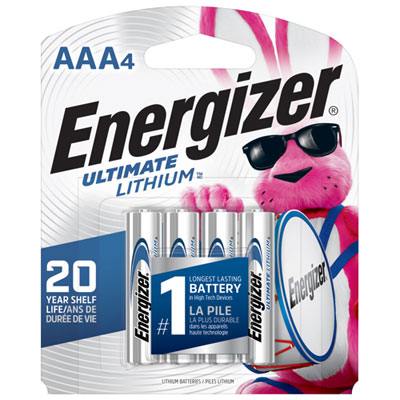 Your price for this item is $16.95
-
 Your price for this item is $15.99
Discover more categories related to Panasonic Eneloop Pro AA
Top Collections:
Pokemon Centers, Pokémon 30th Celebration Cards, Best Budget Office Chairs, Kindle Devices, Best Cameras for Sports Photography, Canon G7X Cameras, Best Black Friday Deals On Electronics, Best Laptops for Writers, iPhone 15 Apple, Jackery Power Stations
Some products may be subject to Environmental Handling Fees
(EHF) depending on your province.
Learn more about EHFs.