Square Card Readers
Square Card Reader solutions make it easy to accept payments quickly and securely, whether you’re running a small business, hosting events, or selling on the go. With a user-friendly design and portable convenience, Square Card Reader options offer reliable performance for seamless transactions. Explore a variety of Square Card Reader choices to find the right fit for your payment processing needs and keep your business moving forward.
Sort
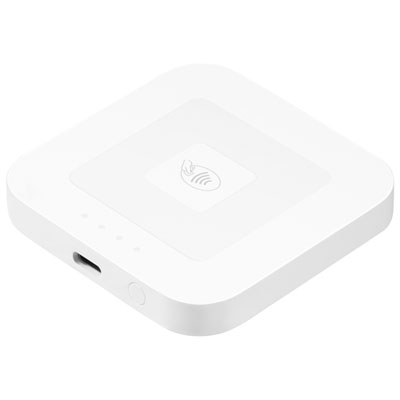

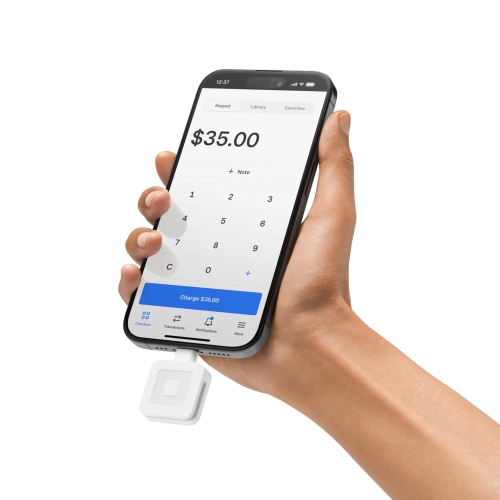
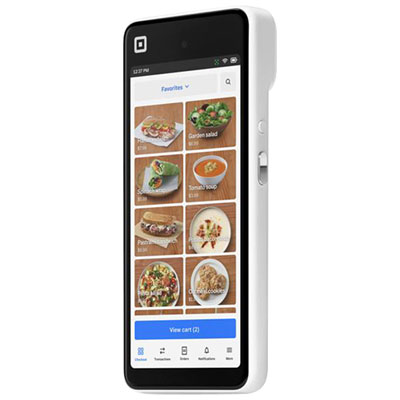
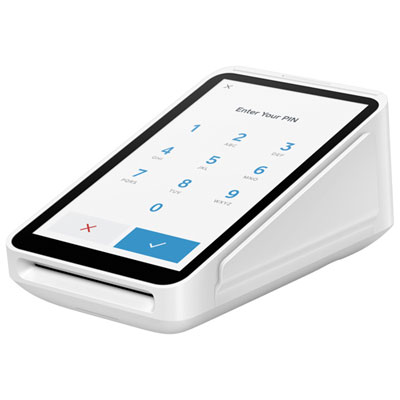
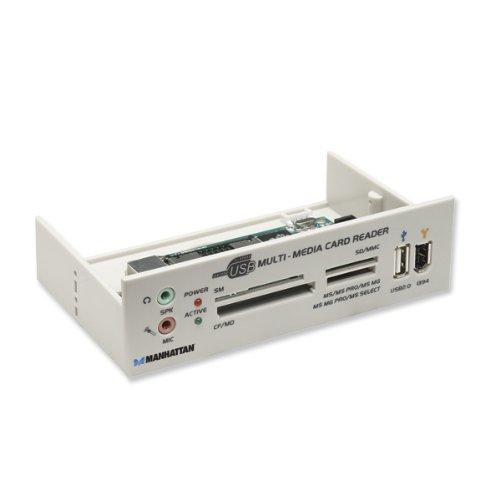
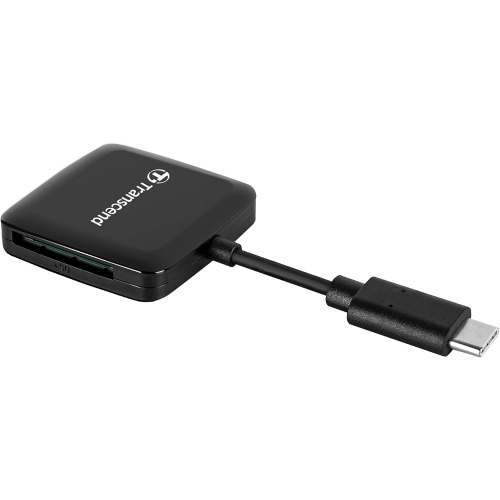
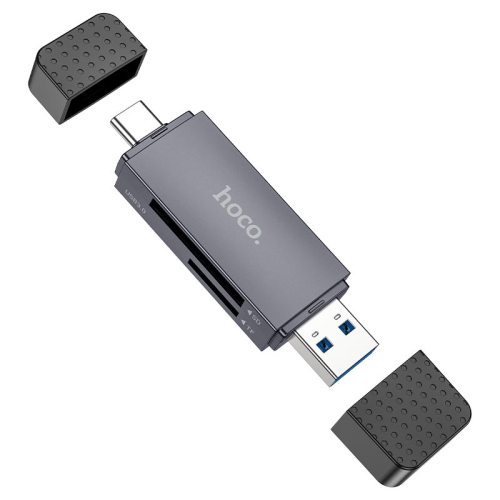

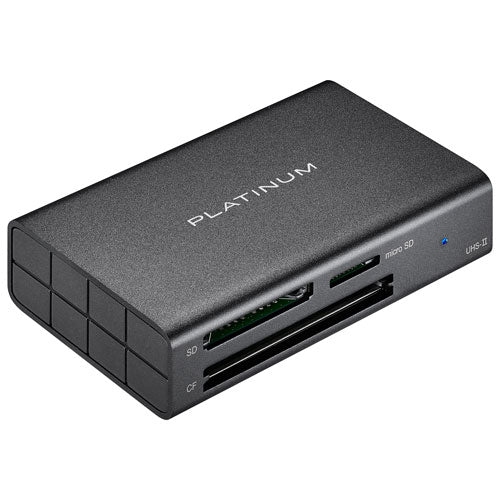


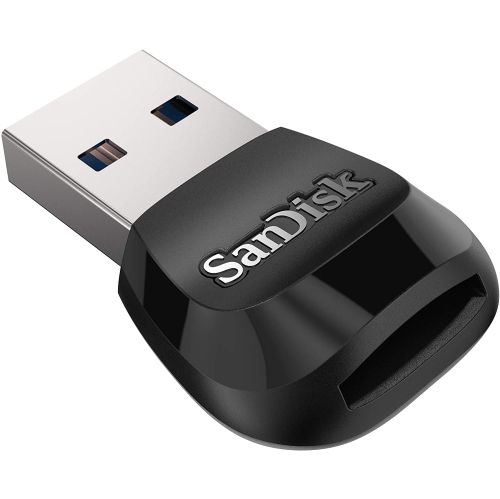
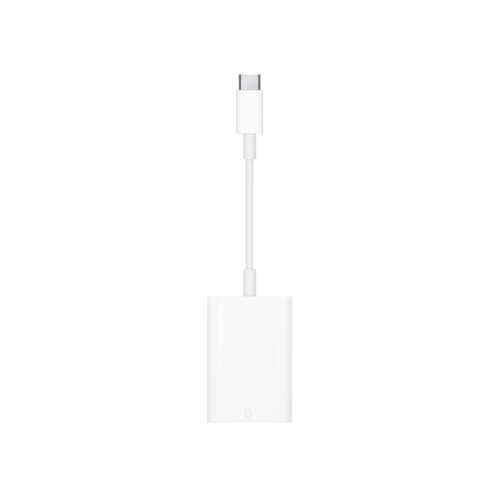
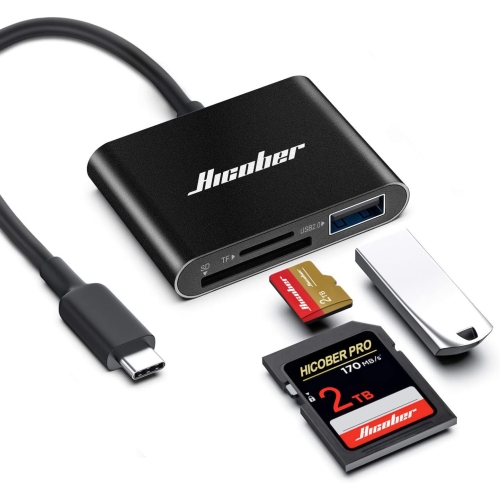
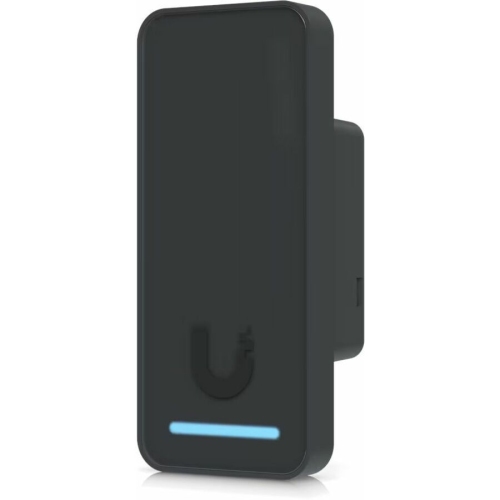
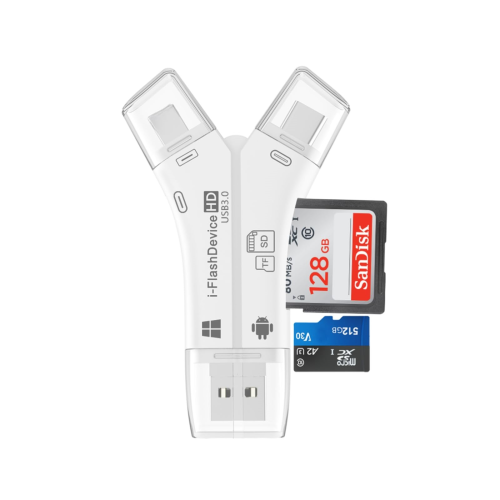
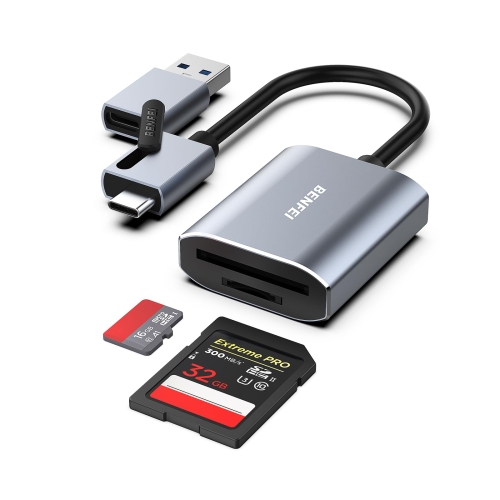
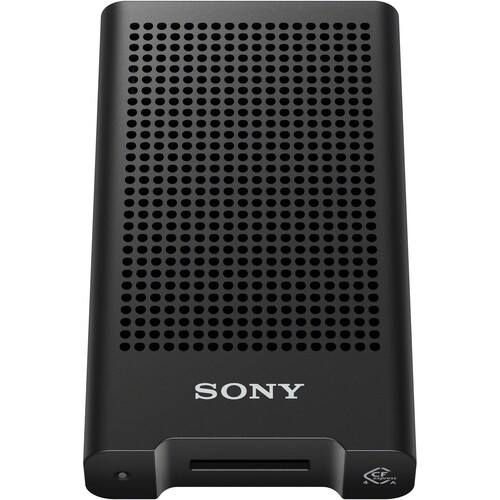
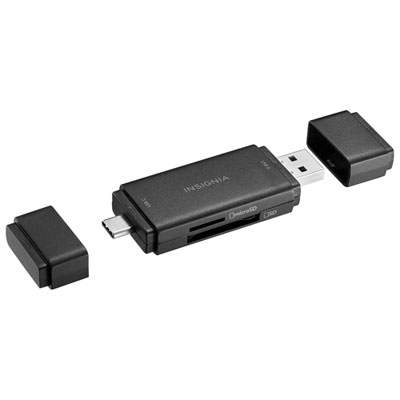
Compact readers for payments at the counter and beyond
Card readers are payment devices that help businesses accept debit cards, credit cards and mobile wallet payments through a compatible payment system. Compact readers often work alongside a smartphone or tablet, turning a familiar device into a practical checkout station without requiring a large countertop terminal. Contactless readers accept supported payments when a customer holds a card, phone or wearable near the reader, while chip-capable models provide an insertion slot for supported card transactions. Payment methods, PIN entry and transaction limits depend on the reader, payment service and card issuer, so a tap-only device does not necessarily cover the same needs as a reader with additional payment options. For a café serving customers across a narrow counter, a small reader can leave more room for drinks and takeaway orders. For a hairstylist, repair technician or vendor working away from a permanent checkout, portability makes it easier to bring payment to the customer rather than asking the customer to move to a separate till. Many compact designs connect to a compatible mobile device using Bluetooth, with the payment application handling the sale details and transaction status. The paired phone or tablet generally supplies the internet connection through Wi-Fi or cellular data; Bluetooth pairing alone does not provide internet access. Compatibility therefore involves more than whether the reader physically fits beside a device. Supported operating systems, application requirements, account eligibility and supported use in Canada all affect how the setup works in practice. A reader intended for one payment platform should not be assumed to work with another platform’s application. Similarly, a connector that fits a phone does not, by itself, establish compatibility. These distinctions matter for businesses using an existing tablet at the counter, sharing checkout equipment between staff members or adding mobile payment capability to an established sales routine. The most suitable format is one that matches both the business’s accepted payment methods and the way transactions happen throughout the working day, from a quick purchase at a service desk to a longer appointment settled before the customer leaves.
Physical design has a noticeable effect on everyday use. A lightweight reader is easy to carry between appointments, while a stable countertop arrangement helps customers find the contactless area without having to pick up the device. Small dimensions are useful at crowded checkout points, but the reader still needs enough clear space for a customer to tap comfortably or insert a card where supported. A compatible dock or holder can keep the payment area consistent and reduce movement during repeated use; whether it also charges the reader depends on the accessory’s design. Cable routing matters just as much as the reader’s footprint. A charging lead stretched across a work surface can get caught on bags, paperwork or equipment, whereas a neatly positioned connection leaves the transaction area easier to use. For mobile businesses, a protective pouch or dedicated compartment helps keep the reader separate from keys, tools and loose objects that could scratch its casing or damage a connector. Housing materials and construction vary, and a smooth plastic exterior should not be mistaken for protection against drops or liquids. Published durability ratings, where provided, offer more useful detail than appearance alone. Care is generally straightforward: a soft cloth and the manufacturer’s cleaning directions help maintain the exterior without introducing moisture into card slots or charging ports. Harsh cleaners, abrasive pads and direct spraying can damage surfaces or openings. Battery-powered readers also need a charging routine suited to their workload. Battery life depends on the model, connection behaviour and frequency of transactions, making a busy checkout different from occasional appointment-based use. A compatible cable and dependable charging location help keep the device ready between sessions. For shared workspaces, an assigned storage spot can prevent the reader from disappearing beneath receipts or travelling home in someone’s bag. These practical details contribute to durability and convenience, especially when a compact device moves repeatedly between a counter, a carrying case and a customer-facing position.
The payment experience also depends on what happens around the reader. A clear transaction total on the connected screen gives customers an opportunity to review the purchase before paying, while an obvious tap location helps keep the exchange straightforward. Audible signals and indicator lights can provide useful feedback, although their meaning varies by device and should be distinguished from confirmation in the payment application. A customer holding a phone over the reader is only one part of the process; the completed transaction status is what allows staff to finish the sale with confidence. Depending on the connected software, a checkout setup may also support itemized purchases, digital receipts, tipping, refunds and sales reporting. Those functions belong to the broader payment system rather than necessarily being built into the reader itself. For a small service business, the difference may be between taking a simple payment amount and recording a detailed sale with several services or add-ons. For a shop with multiple staff members, account permissions and consistent sign-in practices can help keep transactions associated with the appropriate business account. Payment security involves the supported hardware, payment service and sensible device handling together. Keeping compatible software updated, protecting access to the paired phone or tablet and positioning screens to respect customer privacy all support a more dependable checkout routine. Sensitive card details should remain within the approved payment process rather than being written down or entered into unrelated notes. Within the broader selection of Credit Card Readers, the meaningful differences are often the supported payment methods, connection requirements, charging arrangements and relationship with the payment application. A compact reader can suit a business that already works from a compatible mobile device, while a more integrated checkout format serves a different workflow. Matching those characteristics to the space, staff and transaction pattern helps create a payment station that feels natural to use, whether it stays beside a reception desk or travels with a business from one appointment to the next.
Top selling and popular products
-
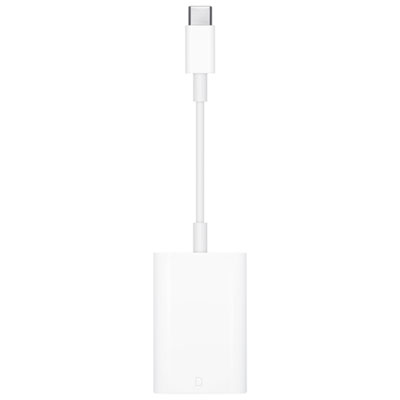 Your price for this item is $49
-
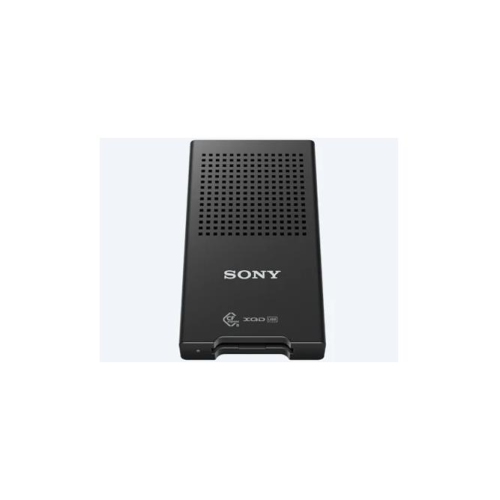 Your price for this item is $179.99
-
 Your price for this item is $39.68
-
 Your price for this item is $68.68
-
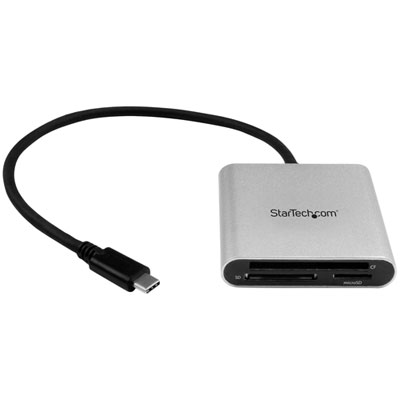 Your price for this item is $57.99
-
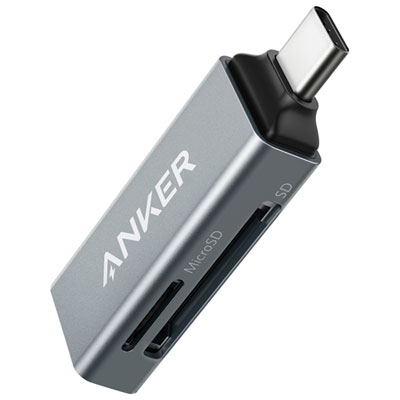 Your price for this item is $39.99
-
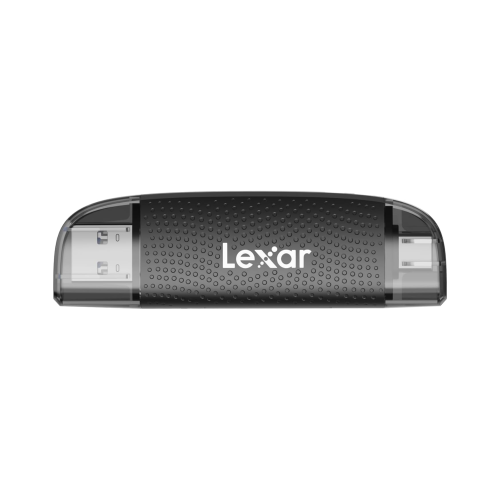 Your price for this item is $48.68
-
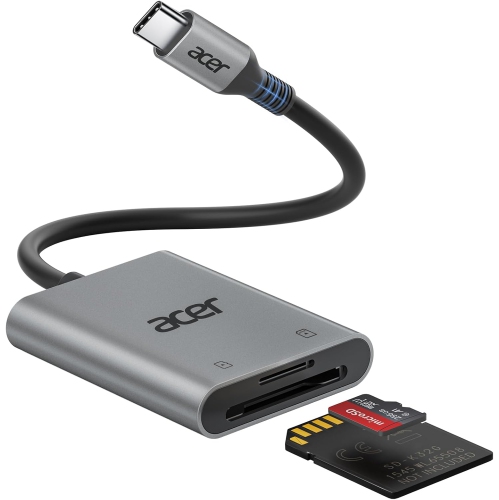 Your price for this item is $13.99
Discover more categories related to Square Card Readers
Top Collections:
Best Black Friday Deals This Year, Best Black Friday Deals On Electronics, Kindle Devices, Pokemon Centers, Best Black Friday Deals On Apple Products, Best Cameras for Sports Photography, Dyson Airwrap, Pokémon 30th Celebration Cards, Apple iPhone 17 Pro, Canon G7X Cameras
Some products may be subject to Environmental Handling Fees
(EHF) depending on your province.
Learn more about EHFs.