Card Readers
Card Reader devices offer a convenient solution for quickly accessing, transferring, and managing digital files from various memory cards. Whether you need to move photos, videos, or important documents between devices, a Card Reader streamlines the process and enhances productivity. Explore a wide range of Card Reader options designed to support different card formats and connection types, making it easier than ever to stay organized and efficient with your digital content.
Sort


Why card compatibility goes beyond the slot
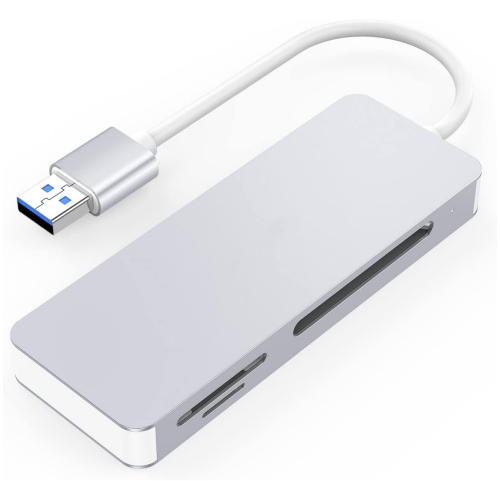
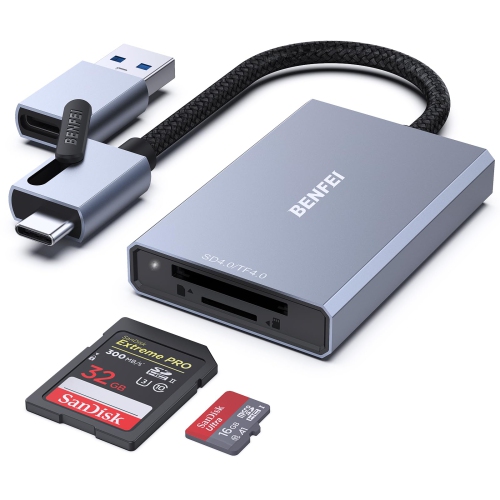
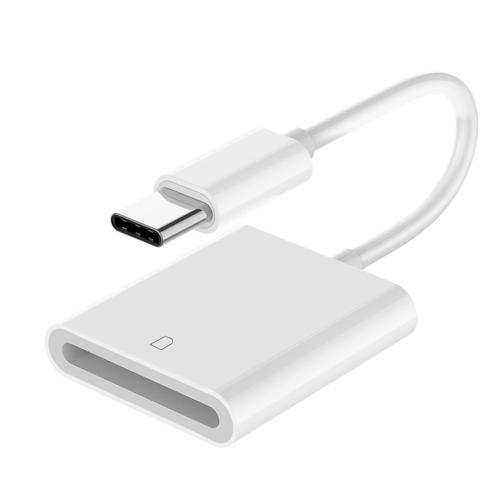
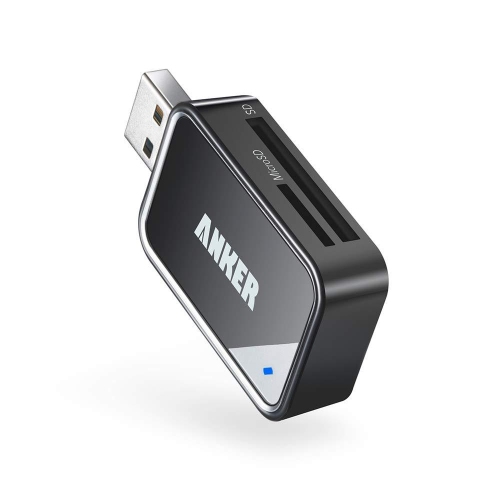
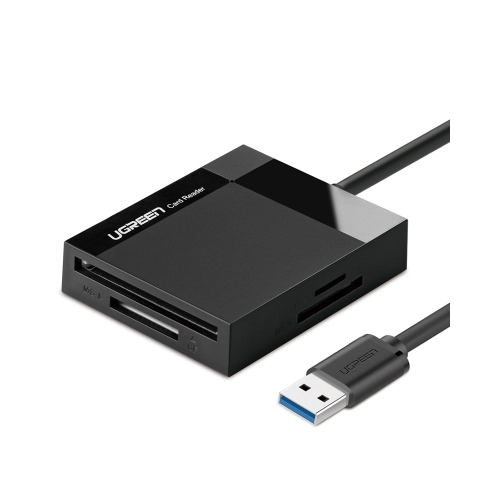
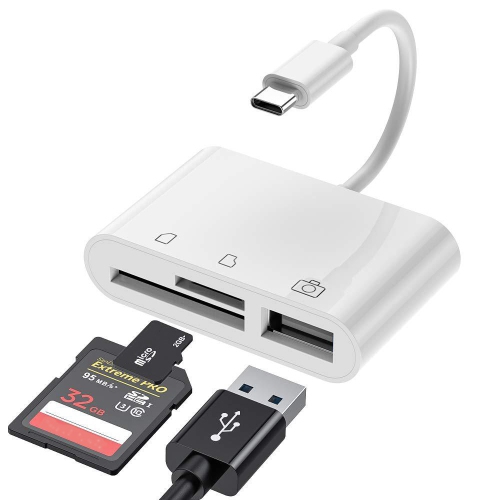
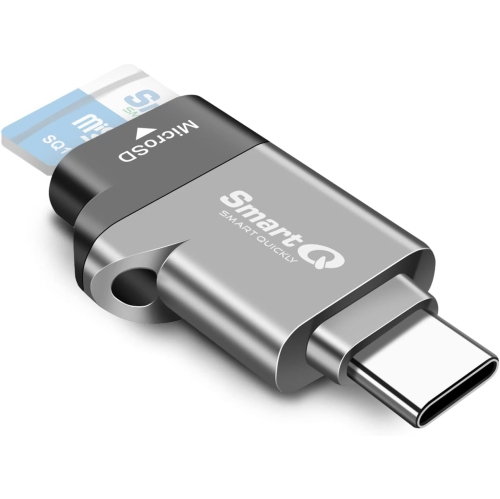
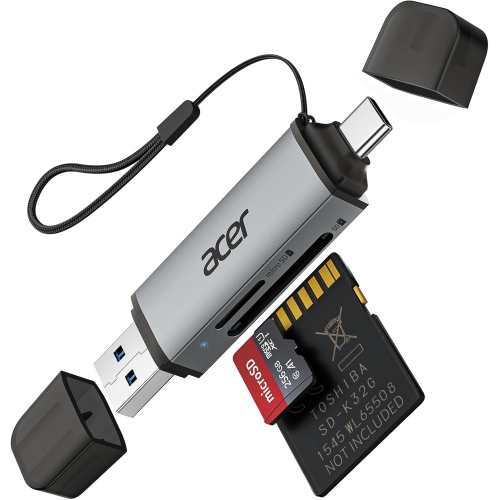
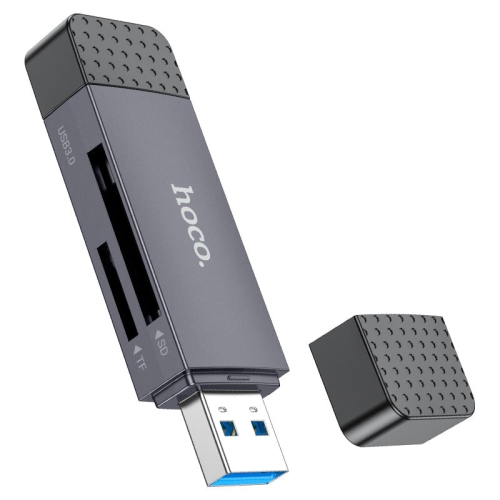
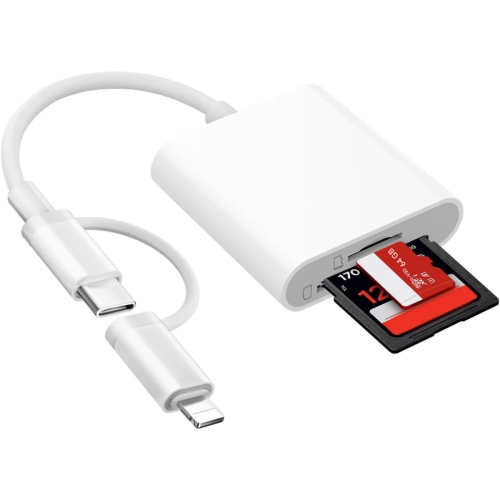
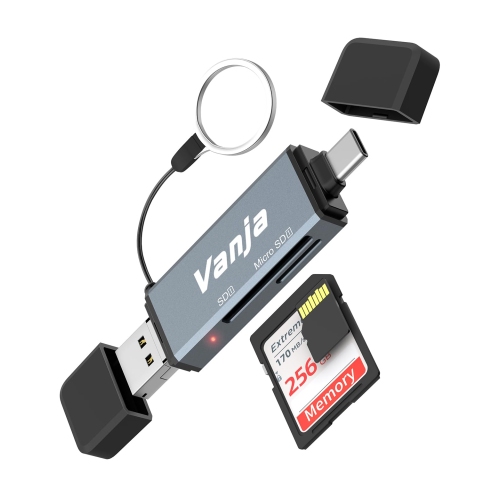
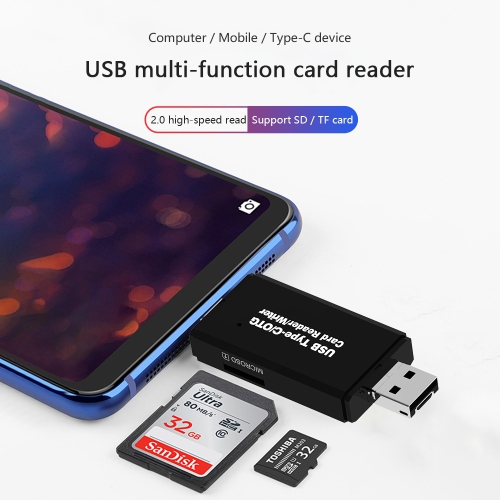
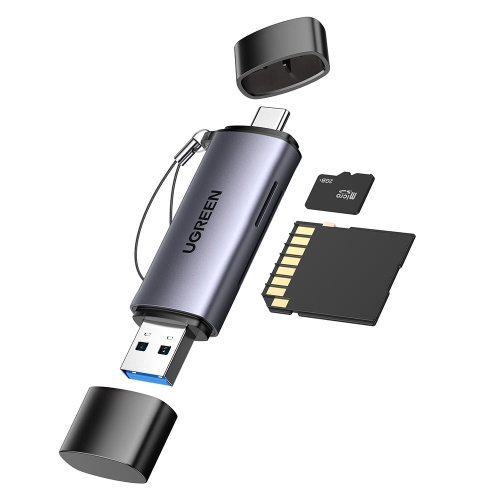
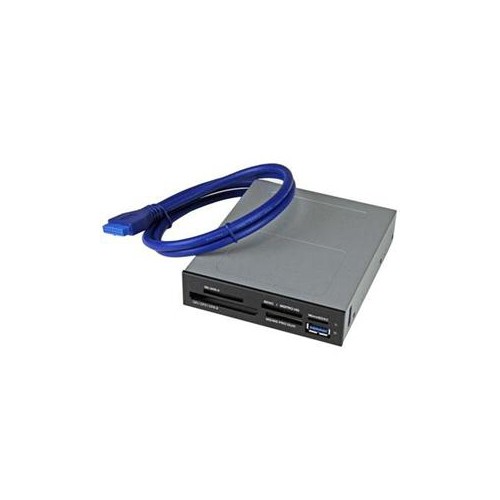
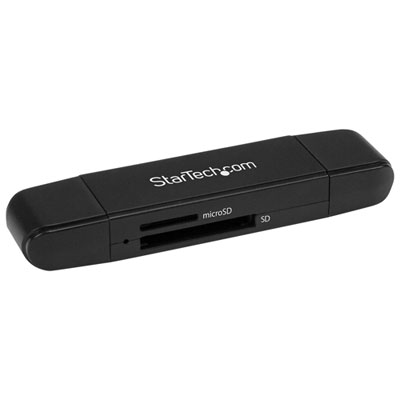
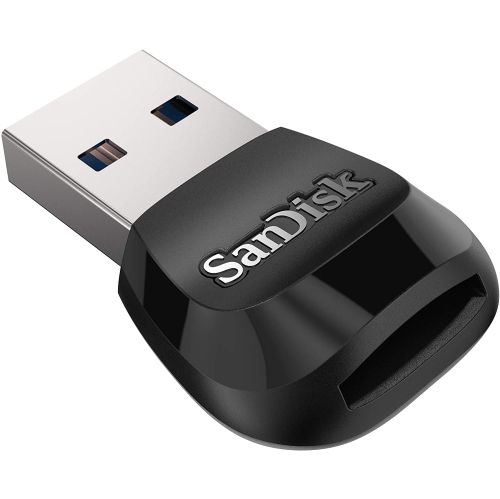
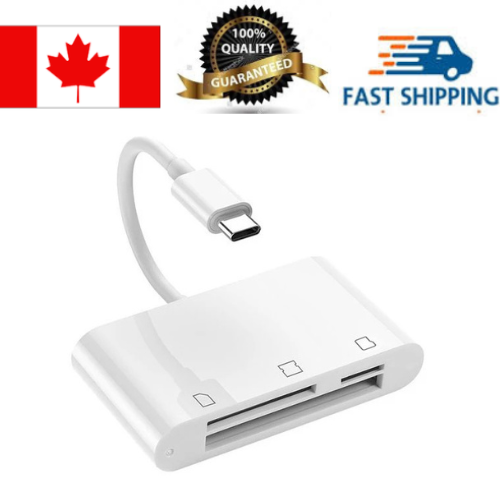
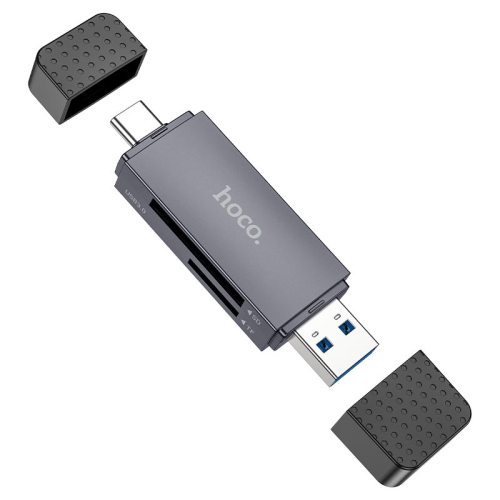
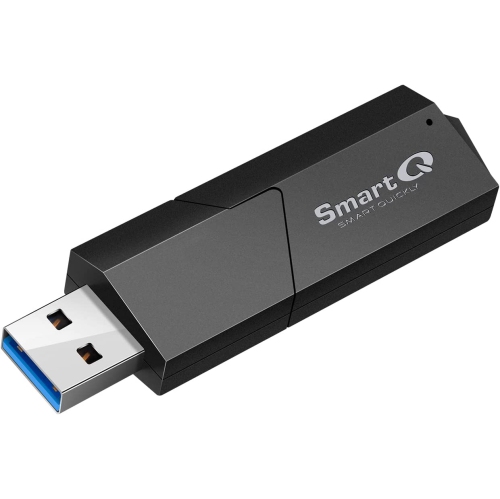
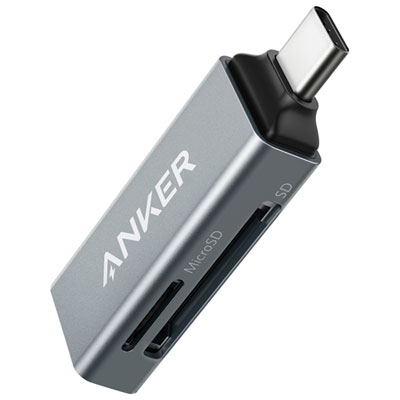
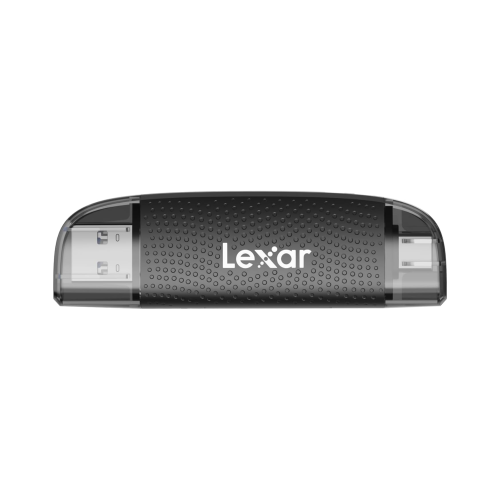
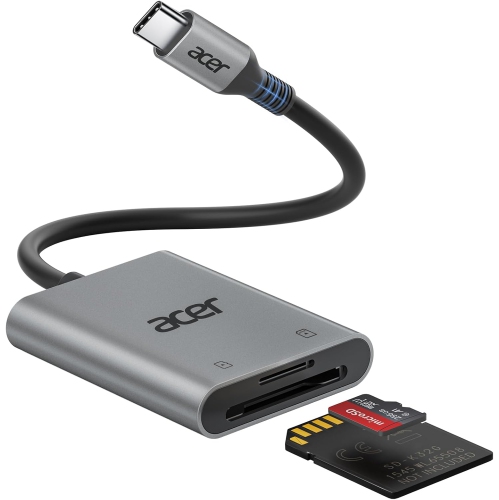
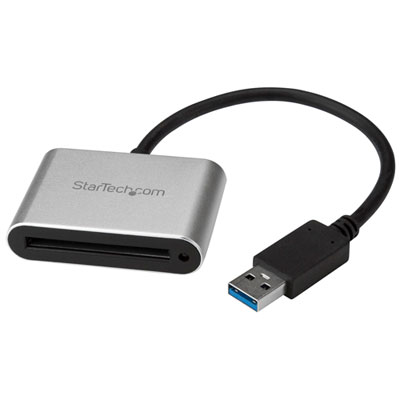
Card readers are devices that read information stored on memory cards, payment cards, or identification cards and pass it to a compatible computer, mobile device, or connected system. For photography, video, and everyday file transfers, a memory card reader provides a direct connection between removable storage and a device with a suitable port. Instead of connecting a camera and keeping it powered on throughout a transfer, a photographer can remove the memory card and insert it into a reader. This makes card readers useful for moving a full shoot onto a desktop, importing action-camera footage to a laptop, or accessing documents saved on removable storage. Compatibility starts with the card format: SD, microSD, and CFexpress cards require matching slots, and support for one format does not automatically mean support for another. SDHC and SDXC compatibility also matters, while CFexpress readers must support the particular card type being used. A microSD card may fit a full-size SD slot through an appropriate adapter, provided the reader supports the card’s standard and capacity. The connection at the other end matters just as much. USB-A readers suit devices with traditional rectangular USB ports, while USB-C readers connect to compatible oval-shaped ports found on many laptops, tablets, and phones. The connector shape alone does not establish transfer speed, and mobile devices also need suitable support for external storage and enough power to operate the reader. Multi-format readers can bring several card slots together in one housing, reducing the need to carry separate accessories for different cameras or devices. For large photo libraries and high-resolution video, transfer performance depends on the card, reader, connection, and destination drive working together. A fast reader cannot make a slower card exceed its limits. Published interface speeds describe the connection’s potential rather than a guaranteed rate for every transfer, so supported card standards and interface specifications are more informative than the connector alone.
The most useful card reader is often the one that fits comfortably into an existing routine. A compact reader can slip into a camera bag or laptop sleeve, while a larger desktop design may offer more accessible slots and a stable place to insert cards repeatedly. A short attached cable can leave neighbouring ports easier to reach and reduce the leverage placed on a laptop’s socket. A direct-plug design takes up less room, although its width may interfere with nearby connections. Detachable cables offer flexibility for packing and desk placement, but the replacement cable must support the required data connection rather than charging alone. Readers with several slots are convenient for people using different card formats, though simultaneous access is a separate feature worth confirming. Materials and construction affect everyday handling: plastic housings can keep weight down, while metal housings may provide a firmer feel and help disperse heat during sustained transfers. Neither material by itself establishes drop resistance or protection against moisture. Reinforced cable joints, securely fitted ports, and slots that hold cards without excessive force are practical details for frequent use. Protective caps or a small storage pouch can help keep connectors clear of debris inside a busy bag. Cards should enter their matching slots in the specified orientation, without bending or forcing them. For care, an unplugged reader generally needs only gentle wiping with a dry, soft cloth; liquids and objects pushed into the slots can damage contacts. Keeping food and drinks away from a transfer area also helps protect exposed connections. When copying important photographs or work files, checking that the transfer has completed and keeping another copy before erasing the original card protects against an interrupted workflow. Safely ejecting removable storage before disconnecting it helps avoid unfinished writes. For a student, travelling photographer, or family member who regularly moves pictures between devices, a reader matched to their cards and ports can make a thoughtful, practical gift.
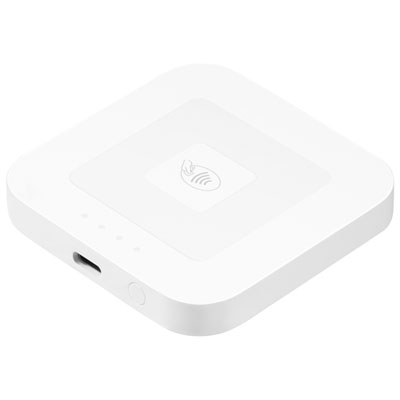
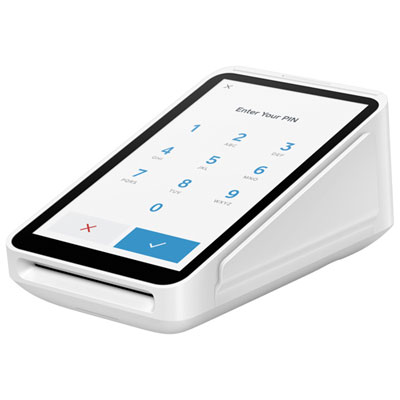
Other types of card readers serve different purposes and are not interchangeable with memory card readers. A payment card reader captures payment information for a compatible point-of-sale system, helping businesses accept supported debit cards, credit cards, or digital wallets. Depending on its design, it may read an inserted chip card, communicate with a contactless card or mobile wallet through NFC, or read a magnetic stripe. The supported transaction methods, payment processor, software, and connection requirements determine how it fits into a checkout setup. A portable payment reader may suit a service counter that moves between work areas, while a fixed arrangement can keep the payment step in a consistent place at a checkout. Battery life, charging arrangements, wireless connectivity, and access to a reliable network matter where those features are required. A payment reader alone does not establish a complete payment service; account requirements and compatibility with the intended business system remain important. Smart card readers have another role: they communicate with supported identification or credential cards for tasks such as signing in to an authorized computer system. A matching card interface, suitable software or drivers, and support from the organization’s authentication system are necessary for that connection to work. Contact and contactless smart cards use different interfaces, so a reader designed for one may not support the other. Door-access readers are different again, typically forming part of an installed security system that checks approved badges or credentials. These distinctions make intended use the clearest starting point: moving camera files, processing a payment, verifying a digital identity, and controlling entry each require the appropriate reader and supporting system. In an office that also handles printed business cards, Card Files provide a separate way to organize physical contacts for easy reference. Keeping electronic card-reading needs distinct from paper-card storage helps ensure that each accessory has a clear, useful place on the work surface.
Top selling and popular products
-
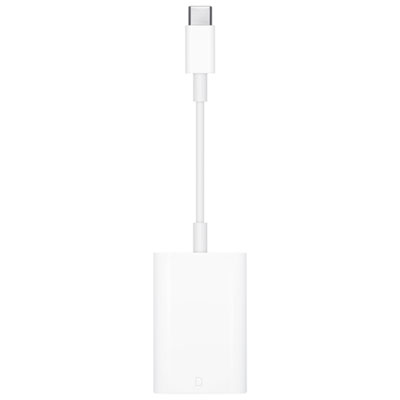 Your price for this item is $49
-
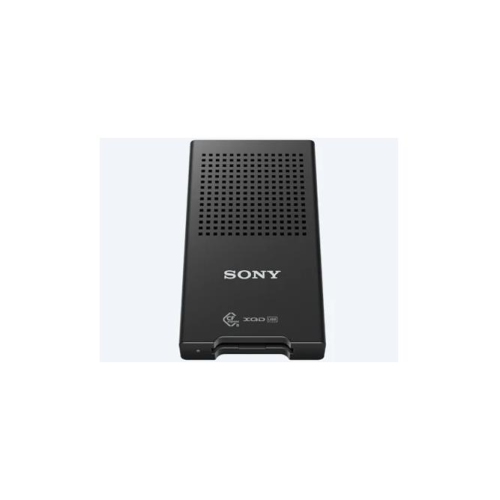 Your price for this item is $179.99
-
 Your price for this item is $39.68
-
 Your price for this item is $68.68
-
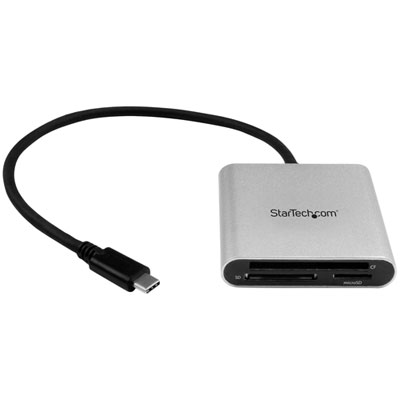 Your price for this item is $57.99
-
 Your price for this item is $39.99
-
 Your price for this item is $48.68
-
 Your price for this item is $13.99
Discover more categories related to Card Readers
Top Collections:
Best Black Friday Deals This Year, Best Black Friday Deals On Electronics, Kindle Devices, Pokemon Centers, Best Black Friday Deals On Apple Products, Best Cameras for Sports Photography, Dyson Airwrap, Pokémon 30th Celebration Cards, Apple iPhone 17 Pro, Canon G7X Cameras
Some products may be subject to Environmental Handling Fees
(EHF) depending on your province.
Learn more about EHFs.