Water Flossers for Sensitive Gums
Water Flossers for Sensitive Gums offer an effective and gentle way to enhance your oral care routine. Designed with comfort in mind, these devices help you maintain a clean, healthy smile without irritation. Whether you're looking for an easy-to-use solution for daily flossing or seeking an alternative to traditional methods, explore a variety of options tailored to meet the needs of those with sensitive gums. Find the perfect water flosser to support your dental hygiene and keep your mouth feeling fresh every day.
Sort
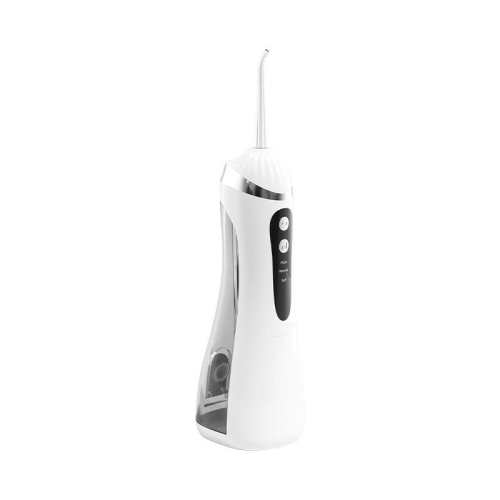
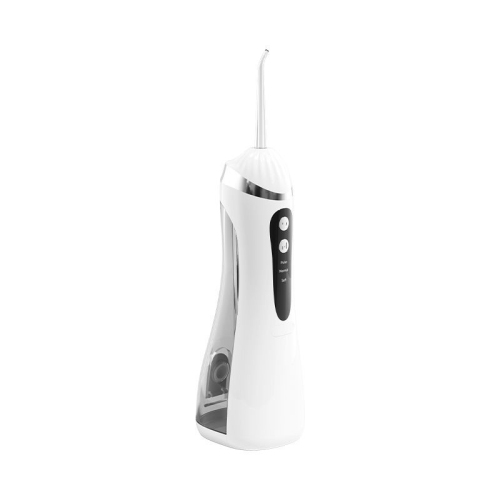
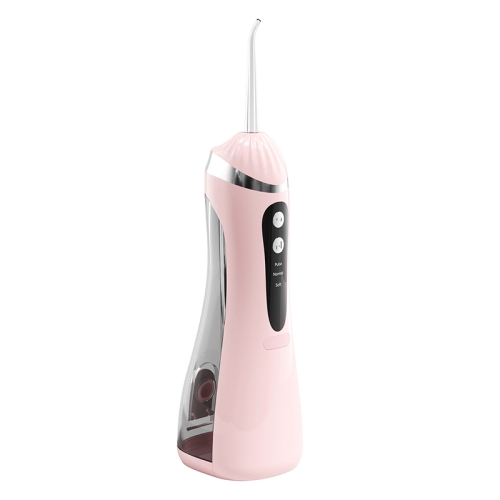
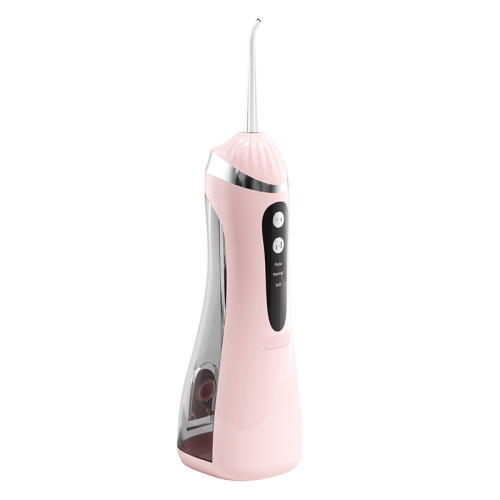
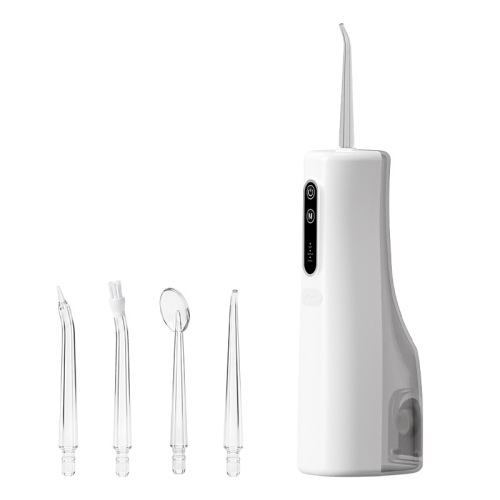
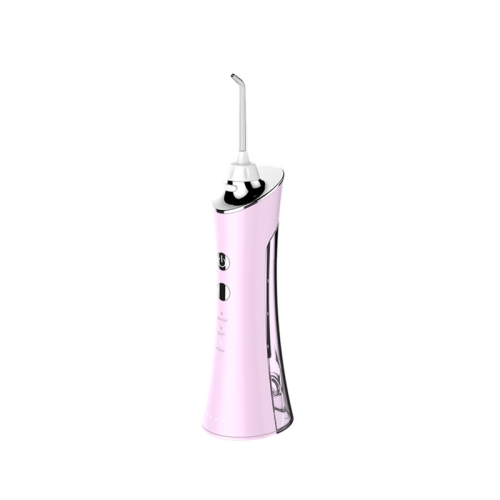
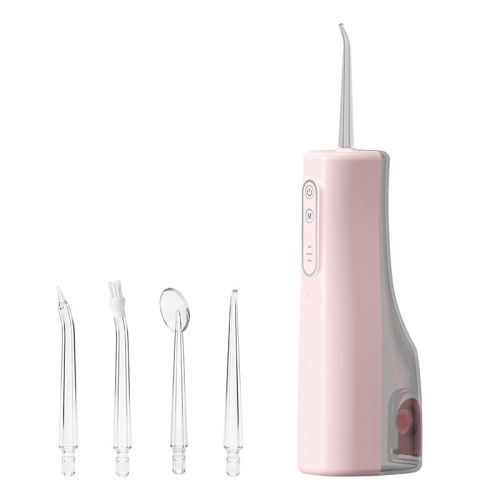
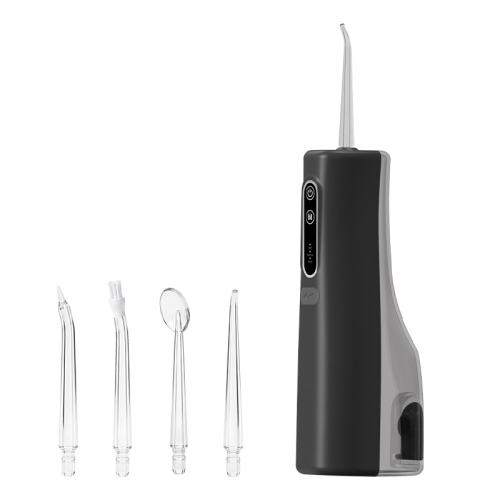
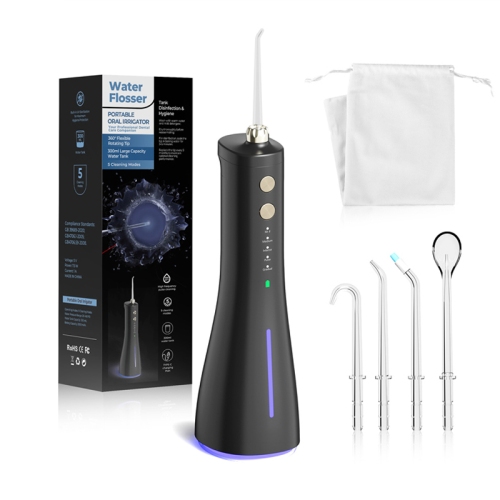
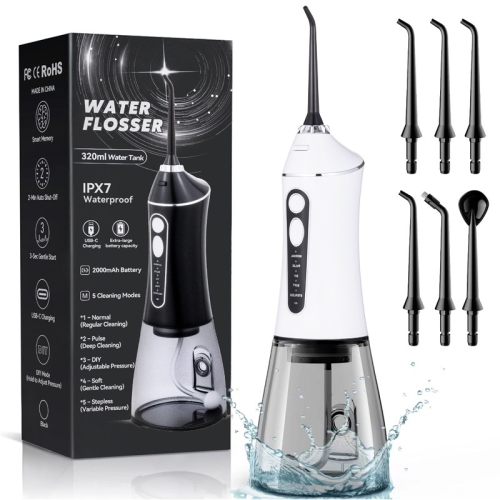
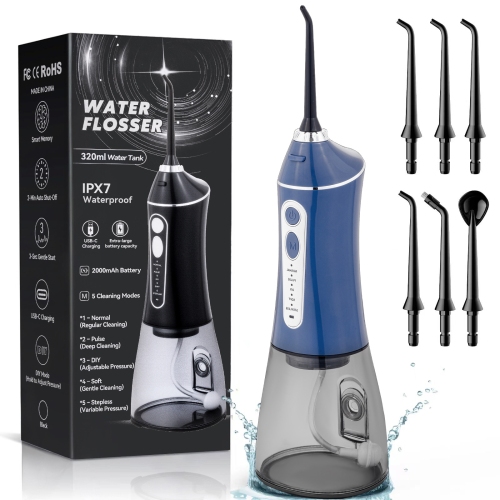
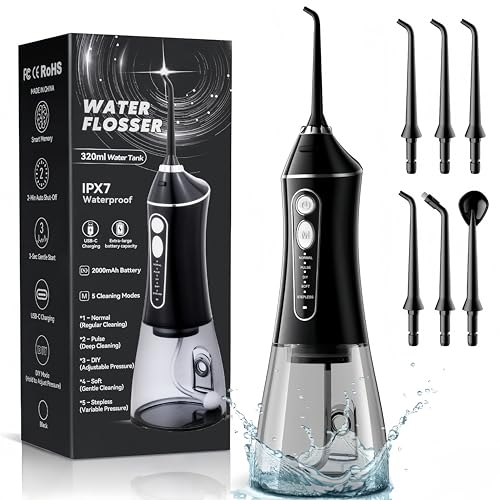
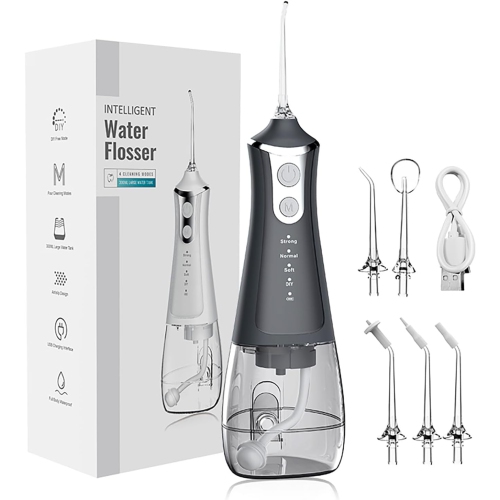
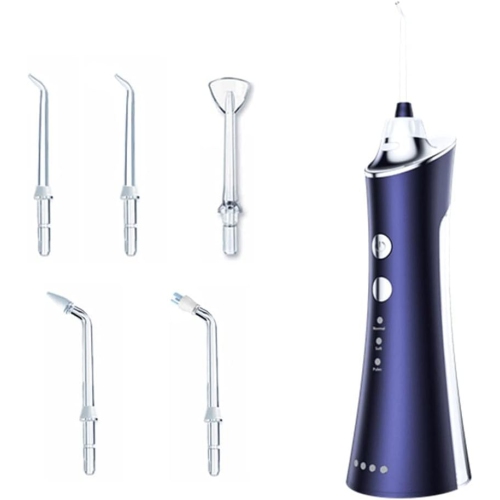
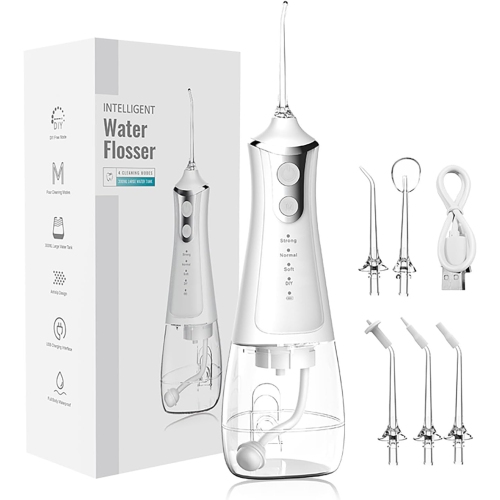
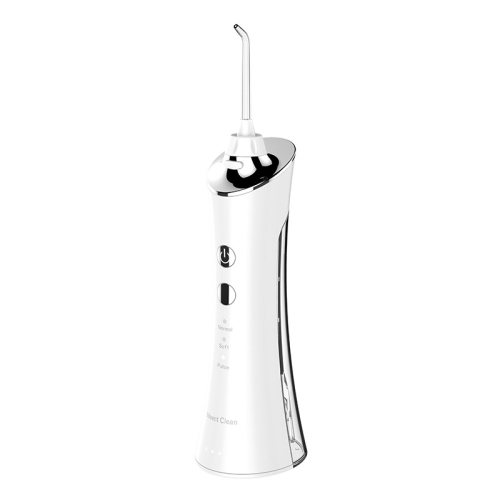
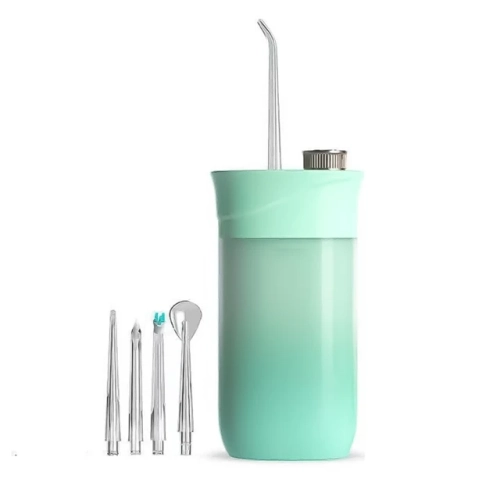
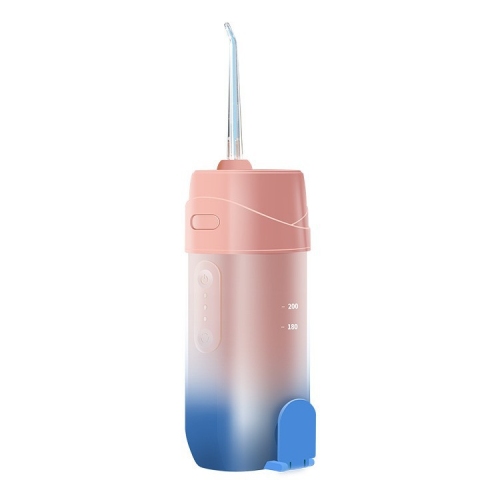
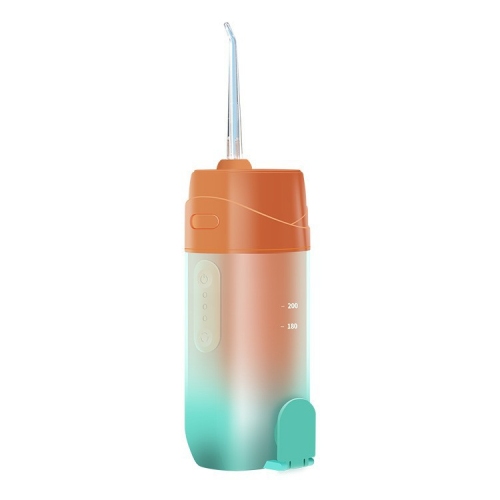
Comfortable cleaning starts with pressure you can control
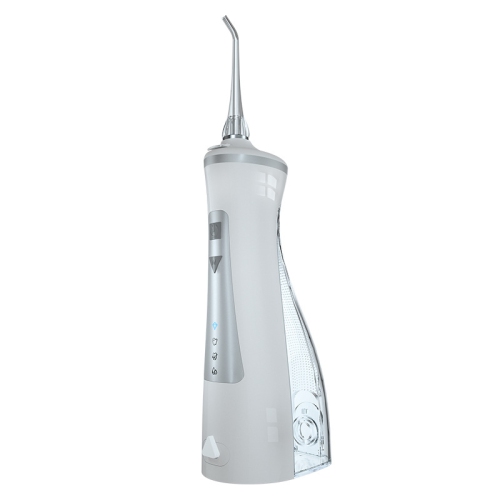
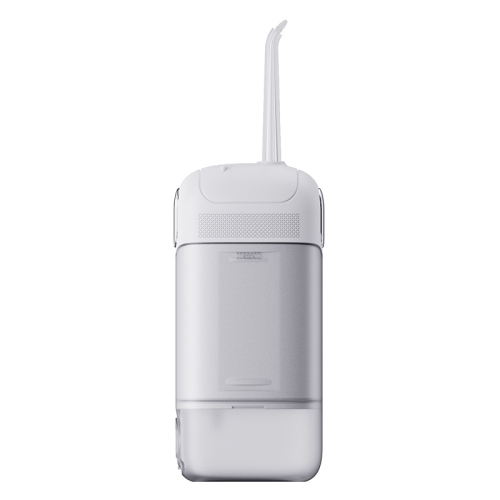
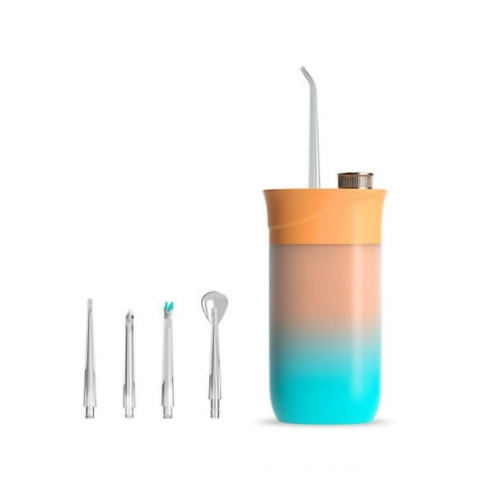
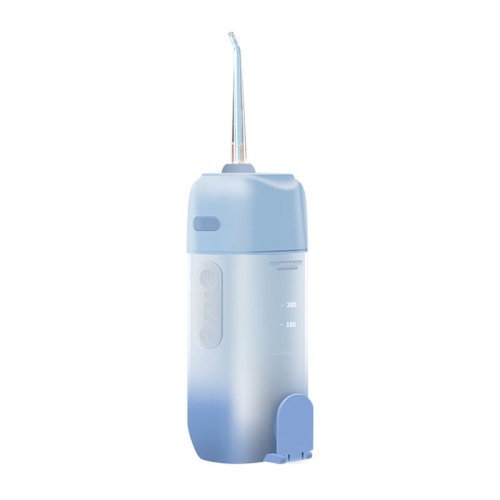
Water flossers for sensitive gums use a directed stream of water to clean between teeth and along the gumline, with adjustable pressure settings that can make daily cleaning more comfortable. A low starting pressure is particularly useful for people whose gums feel tender during their oral care routine, while several intensity levels offer more flexibility than a single fixed setting. The aim is comfortable, controlled cleaning rather than the strongest possible jet. Sensitivity can have different causes, so a water flosser should support a routine suited to the individual rather than be treated as a remedy for gum problems. For everyday use, features such as an easy-to-reach pressure control, a clearly marked low setting, and a tip that moves comfortably around the mouth can matter more than a long list of modes. A gentle mode may provide a softer starting point, although mode names and pressure ranges vary between designs. Pulse patterns also differ, and a pulsing stream is not necessarily gentler simply because it feels different from a continuous one. People new to water flossing may appreciate controls that make small adjustments possible, especially when moving between comfortable areas and more sensitive spots. Water at a comfortable, lukewarm temperature may feel preferable to cold water for some users, provided it falls within the manufacturer’s instructions. A slim nozzle can help direct the stream towards the spaces between teeth without requiring a wide-open mouth, while a rotating tip can make back teeth easier to reach. The nozzle should not need to press firmly against tender tissue to work. Water flossers complement toothbrushing and may be part of an interdental cleaning routine recommended by a dental professional; they do not replace brushing with fluoride toothpaste. For someone who finds string floss awkward to handle, the combination of a manageable grip and an adjustable water stream can make regular cleaning feel more approachable.
The choice between countertop and cordless water flossers often comes down to bathroom layout, hand comfort, and the amount of cleaning time needed from each fill. Countertop designs generally have a separate reservoir and a lightweight handpiece connected by a hose. That arrangement can suit a longer routine, particularly when cleaning carefully around several areas of dental work, but it also requires space near the sink and, for plug-in designs, access to an appropriate outlet. Hose length and flexibility affect how freely the handle moves, especially when the unit sits to one side of the basin. Cordless designs keep the reservoir within the handheld unit, making them easier to move between bathrooms or pack for travel. Their all-in-one shape can feel bulkier in smaller hands, and a full tank adds weight, so the handle’s width, balance, and grip texture deserve attention. A smaller reservoir may need refilling during a thorough session; a larger one offers more uninterrupted use but can make a handheld unit heavier. For anyone with limited dexterity, a broad fill opening, a secure reservoir latch, and buttons that are easy to distinguish by touch can simplify everyday handling. A pause control on the handle can also help manage splashing when repositioning the nozzle. People with braces, bridges, crowns, implants, or retainers may have additional cleaning needs, but the appropriate tip and pressure depend on the dental work and professional advice. Orthodontic tips, standard jet tips, and other attachments have different intended uses, so compatibility and instructions matter more than simply having the greatest number of accessories. A tip designed for use below the gumline, for example, should only be used as directed and with dental guidance where needed. For shared bathrooms, separate, clearly identifiable tips and convenient storage help keep each person’s attachment distinct. Colour-coded rings can make that separation easier without changing the cleaning performance of the device itself.
Materials and construction influence how a water flosser feels in the hand and how straightforward it is to keep clean. Smooth plastic housings, removable reservoirs, and accessible fill openings can reduce awkward corners where moisture or residue might collect. Textured or rubberized grip areas may offer better control with damp hands, while a stable base helps a countertop unit stay in place beside the sink. Durable everyday use also depends on details such as secure tip connections, sound reservoir seals, and a charging port protected according to the device’s instructions. Water resistance varies: a cordless shape alone does not mean a flosser is suitable for use in the shower or safe to submerge. Clear care instructions are especially valuable for a product that comes into regular contact with water. Emptying remaining water after use, allowing removable parts to dry, and cleaning the reservoir as directed help keep the routine hygienic. Any dishwasher-safe parts should be identified explicitly by the manufacturer, and cleaning solutions should only be used when approved for that device. Tips need inspection and replacement at the stated intervals, particularly if an opening becomes blocked or an attachment is damaged. For rechargeable designs, battery runtime and charging arrangements affect convenience, while replaceable tips and accessible routine maintenance can support continued use. Comfort remains the most important consideration for sensitive gums: increasing pressure is not a substitute for cleaning carefully, and pain is not a sign that a device is working better. Persistent tenderness, swelling, or bleeding deserves assessment by a dentist rather than repeated changes to settings alone. The related selection of Water Flossers for Bleeding Gums offers another way to browse, but bleeding should not be assumed to have the same cause as sensitivity. A suitable water flosser fits both the person’s oral care needs and the practical details of daily life, from reaching the back teeth comfortably to filling, rinsing, and storing the device without unnecessary fuss.
Top selling and popular products
-
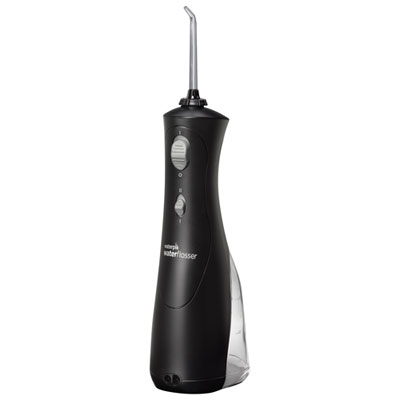 Your price for this item is $74.99
-
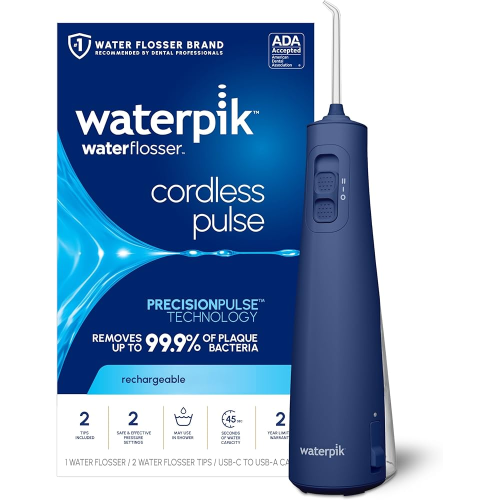 Your price for this item is $56.99
-
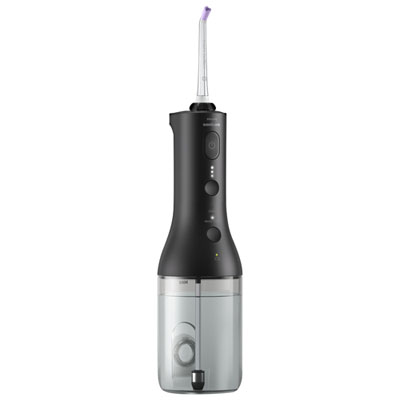 Your price for this item is $69.99
-
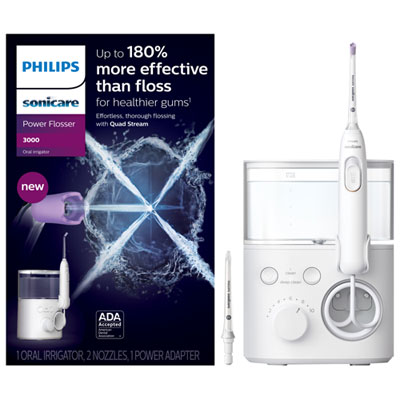 Your price for this item is $89.95
-
 Your price for this item is $69.99
-
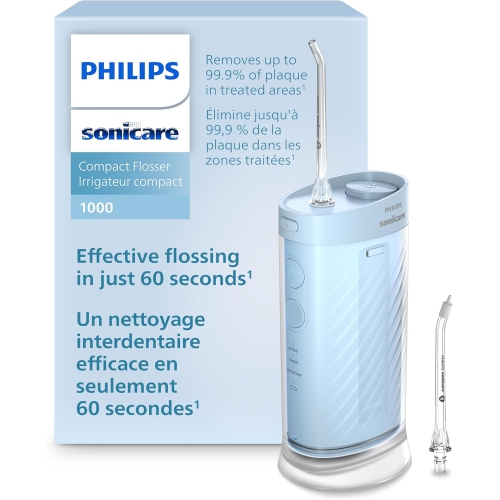 Your price for this item is $86.97
-
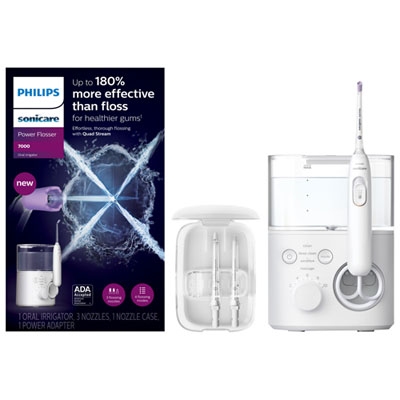 Your price for this item is $109.99
-
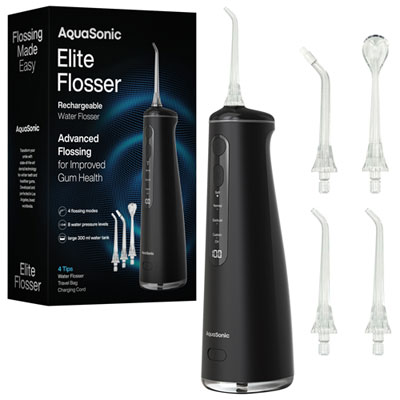 Your price for this item is $69.99
Discover more categories related to Water Flossers for Sensitive Gums
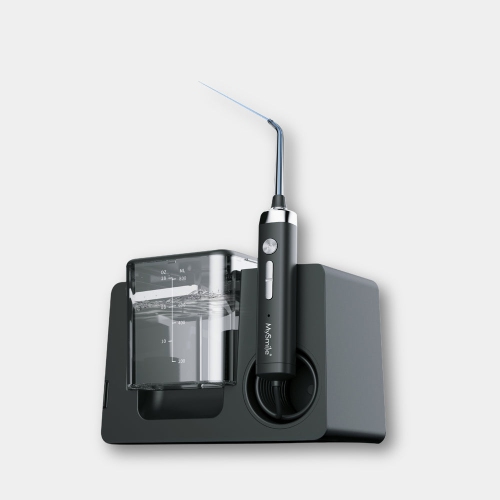
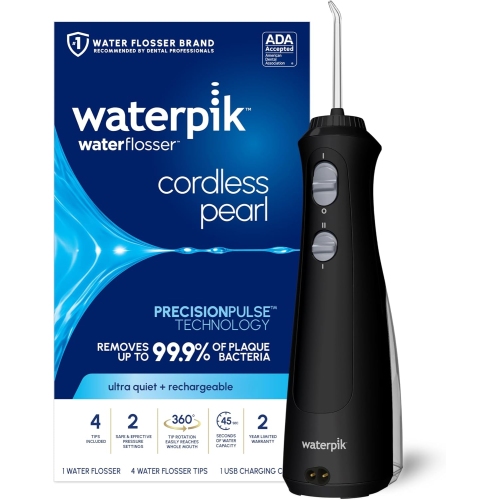

Top Collections:
Best Black Friday Deals This Year, Best Black Friday Deals On Electronics, Kindle Devices, Best Black Friday Deals On Apple Products, Best Budget Office Chairs, Best Cameras for Sports Photography, Dyson Airwrap, Canon G7X Cameras, Best Laptops for Writers, Samsung Galaxy Phones
Some products may be subject to Environmental Handling Fees
(EHF) depending on your province.
Learn more about EHFs.