Water Flossers for Bleeding Gums
Water Flossers for Bleeding Gums offer an effective way to enhance your daily oral care routine. Designed to target sensitive gums, these devices provide a gentle and thorough clean between teeth and along the gumline. If you experience discomfort or bleeding during brushing or flossing, exploring water flossers can help support your dental hygiene goals. Discover a range of options that make it easy to maintain a healthier smile with Water Flossers for Bleeding Gums.
Sort

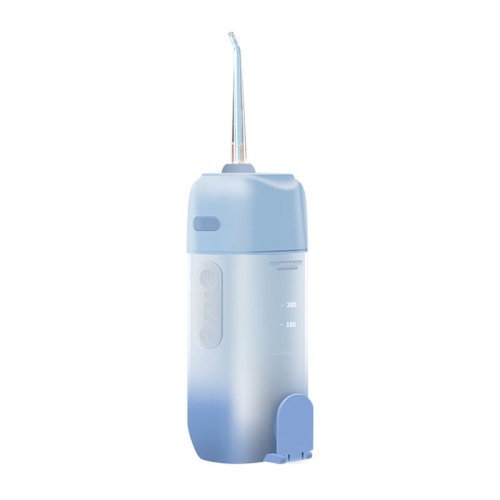
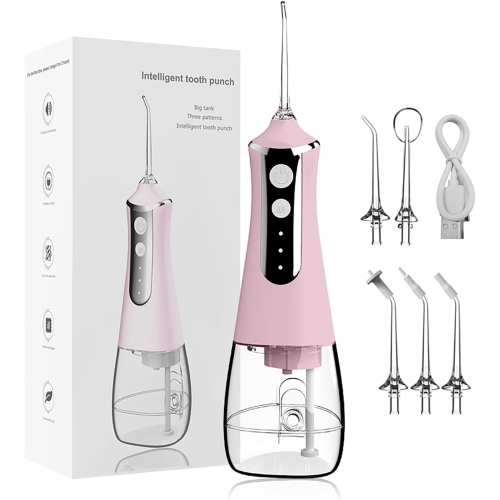
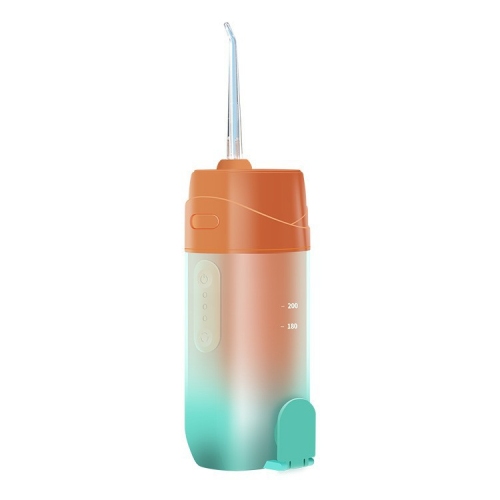
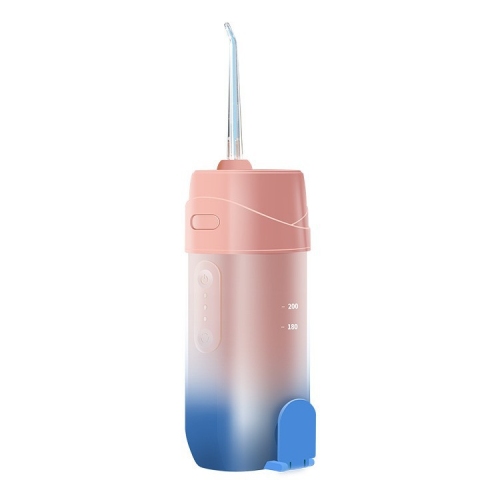
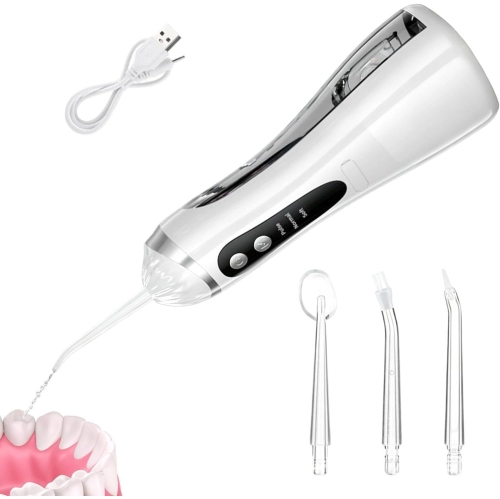
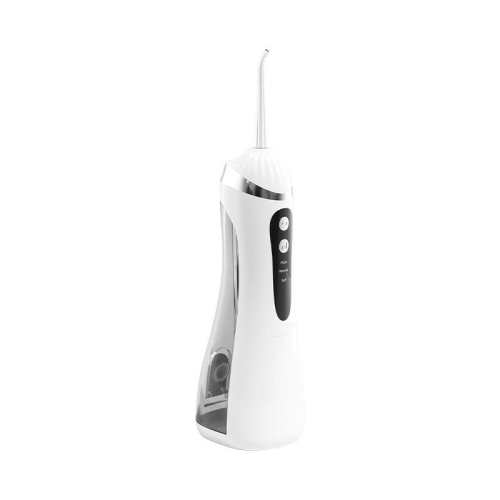
Why gentle water pressure matters for sensitive gums
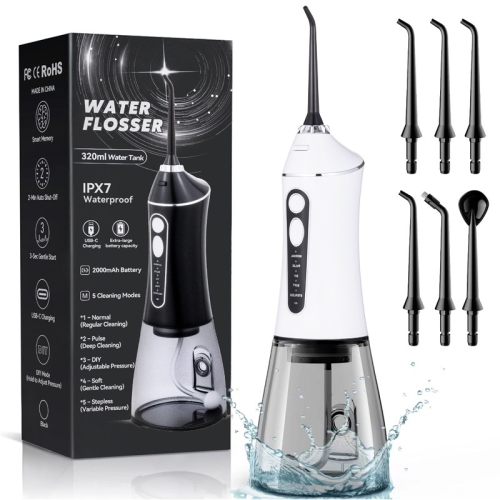
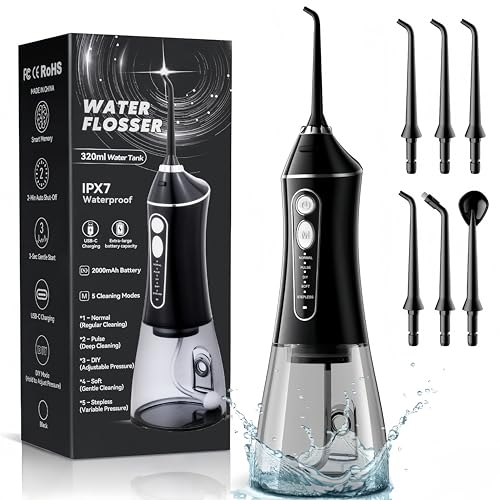
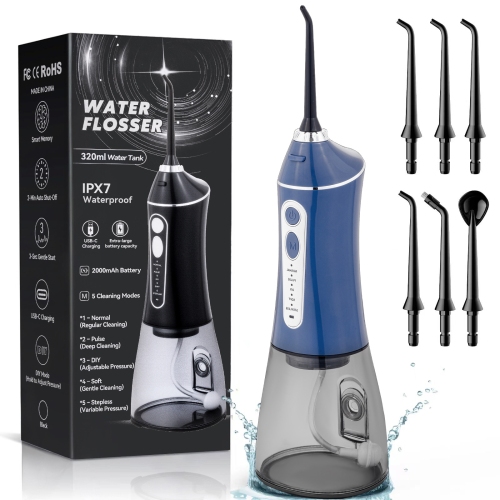
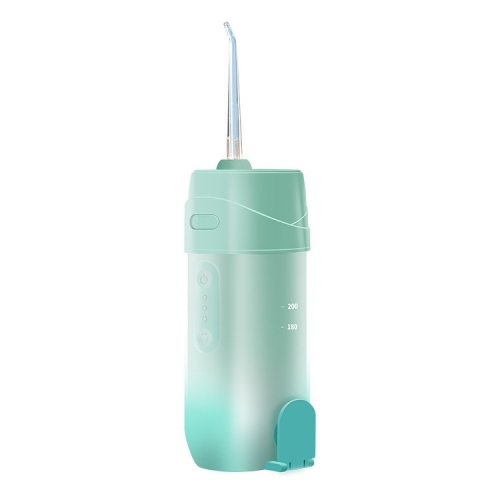
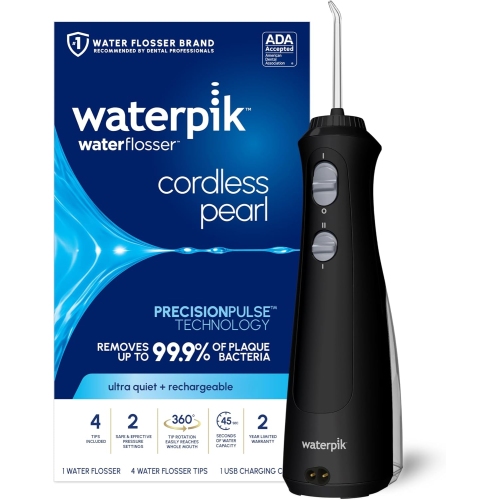
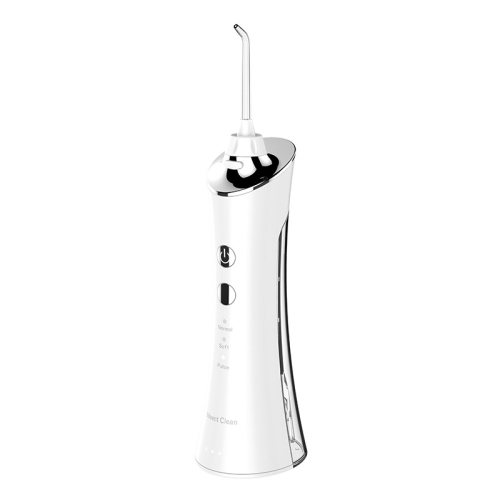
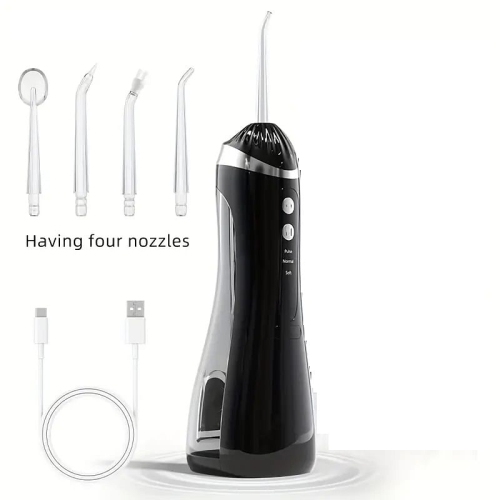
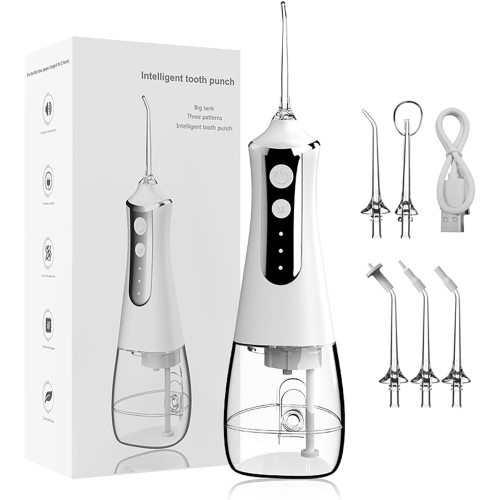
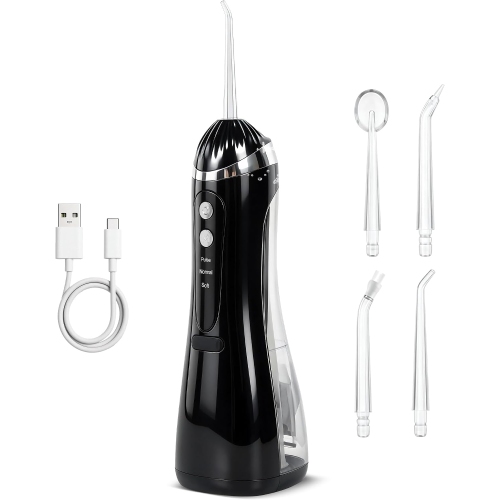
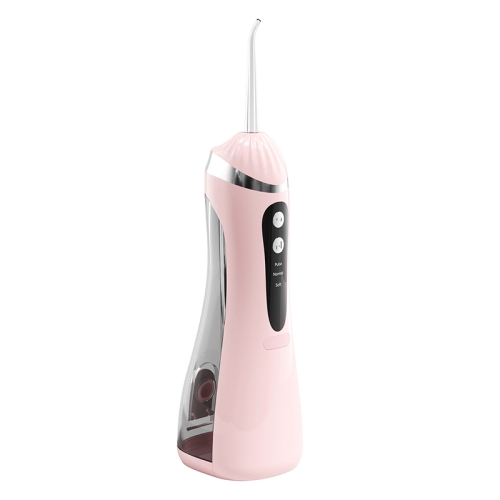
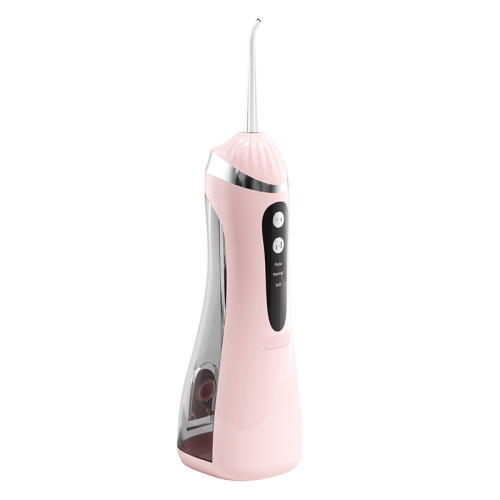
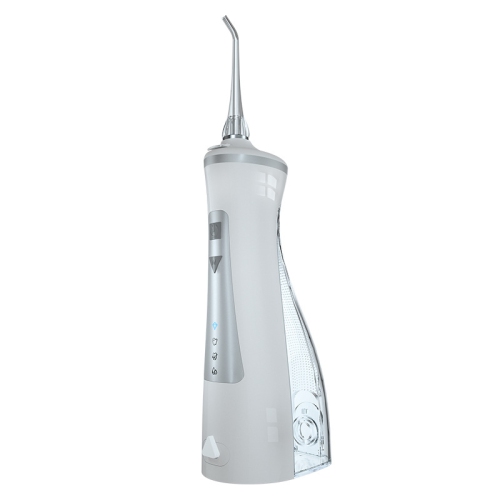
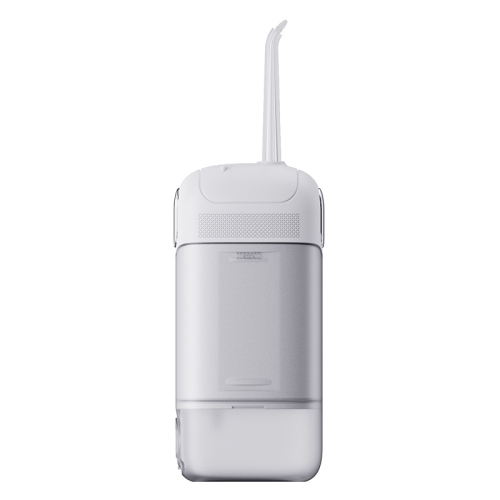
Water flossers for bleeding gums offer a way to clean between teeth and along the gumline with a directed stream of water rather than relying on the movement of a thin strand of floss alone. Used consistently alongside twice-daily brushing, they may help reduce gum bleeding and inflammation associated with plaque build-up. The stream helps flush away trapped food and disrupt plaque in areas that a toothbrush can struggle to reach, including around back teeth, orthodontic brackets and some dental restorations. This can make daily cleaning more manageable for someone whose gums feel tender, whose teeth sit closely together or whose hands find string floss difficult to control. Bleeding, however, is not something to ignore or a reason to choose the strongest setting. It can be associated with gingivitis, overly forceful cleaning, certain medications or other conditions, and a water flosser cannot identify the cause. Persistent or recurring bleeding deserves a dental assessment, even when it appears to improve with a different cleaning routine. Heavy bleeding that does not stop requires prompt care. A water flosser also cannot remove hardened tartar or replace professional treatment for gum disease. For shoppers focused on sensitive gums, adjustable pressure is therefore a particularly useful feature: a gentle starting level allows the sensation to become familiar without making every cleaning session feel intense. Several clearly separated settings can offer more control than a simple choice between low and high. A sensitive mode may be helpful, but the actual comfort of the stream matters more than the name on the button. People with periodontal pockets, implants, recent dental work or oral surgery should ask their dental professional which tip and technique suit their mouth. The aim is comfortable, thorough daily cleaning that supports gum health, not a powerful jet intended to force its way beneath sore tissue.
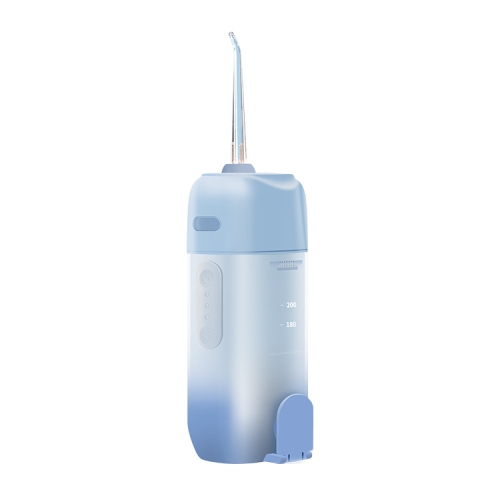
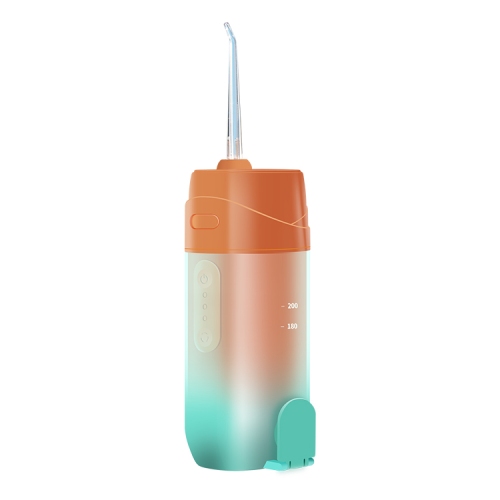
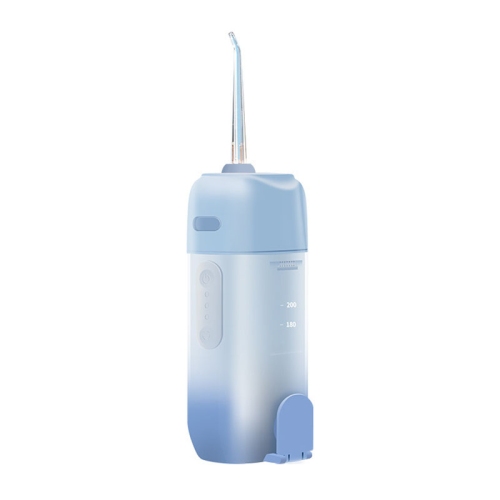
Within the Water Flossers category, countertop and cordless designs accommodate different bathroom layouts and cleaning habits. A countertop unit generally has a separate reservoir and a handle connected by a hose, making it worth considering when longer cleaning sessions and a wider range of pressure settings are priorities. Its footprint matters in a bathroom shared with toothbrush chargers, soap dispensers and other everyday essentials. Reservoir capacity affects how often a refill is needed, while hose length and handle weight influence how easily the nozzle reaches the far side of the mouth. A cordless design keeps the reservoir and controls together in a handheld body, which can be convenient for smaller spaces and travel. The trade-off is that a filled handle may feel heavier, and a smaller tank may need refilling before the session is complete. Someone with limited grip strength may prefer a balanced shape, a textured grip and buttons that are easy to distinguish without looking closely. A rotating nozzle can help with positioning around back molars, while an easy-to-reach pause control makes it simpler to stop the stream before moving the tip. Materials and construction also affect everyday comfort and care. Smooth plastic surfaces, secure reservoir seals and removable components can make handling and cleaning more straightforward, provided each part is maintained according to its instructions. A broad tank opening is useful for rinsing and reaching inside; a narrow opening may make that task less convenient. Clear capacity markings can make filling more predictable. For rechargeable designs, battery indicators and the charging method are practical considerations, especially when the device will move between home and a travel bag. Water-resistance ratings should be checked rather than assumed, since a splash-resistant body is not necessarily suitable for shower use or immersion. Durable everyday use also depends on keeping seals clean, protecting the nozzle from knocks and having a clear replacement schedule for tips.
A comfortable routine depends as much on fit and technique as on the device itself. A nozzle should feel easy to position without stretching the cheek or pressing hard against sensitive gums, and the handle should remain manageable with damp hands. For a first-time user, a low-pressure setting and water at a comfortable temperature, within the manufacturer’s directions, can make the stream less startling. Leaning over the sink and keeping the lips partly closed around the tip helps contain splashing while allowing water to drain. The tip should be moved gently along the gumline according to the supplied instructions rather than held forcefully against one sore area. Specialty tips for orthodontic appliances, implants or periodontal care may require different placement or pressure, so they should not automatically be used like a standard nozzle. A person cleaning around braces may appreciate better access beneath wires, while someone with reduced hand dexterity may find a handheld stream easier to position than string floss. Neither situation means that every other interdental tool becomes unnecessary; a dental professional can advise whether floss, interdental brushes or another method should remain part of the routine. Hygiene matters between uses, too. Emptying leftover water, rinsing the reservoir and allowing components to dry as directed help keep the device ready for its next use. Mineral deposits can affect performance over time, making the manufacturer’s cleaning and descaling instructions especially relevant. Only approved liquids should go into the tank, since unapproved additives can irritate the mouth or damage internal parts. Tips should be replaced at the recommended intervals, or sooner if damaged, and should not be shared between people. Separate, clearly identified tips make a shared base more practical for a household. For bleeding gums, the most useful combination is a comfortable pressure range, a tip suited to the intended use and a design that is straightforward enough to use regularly alongside brushing and appropriate dental care.
Top selling and popular products
-
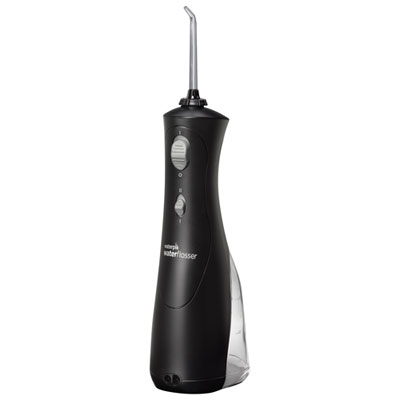 Your price for this item is $74.99
-
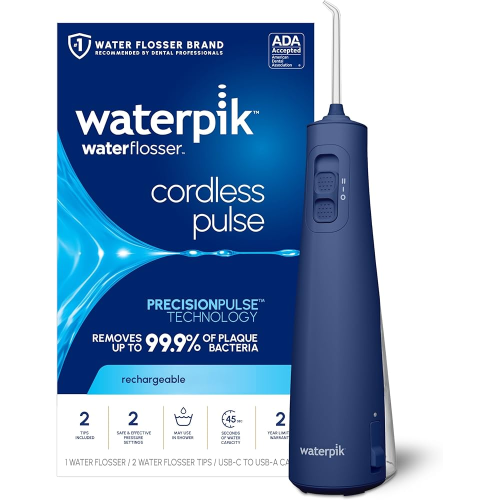 Your price for this item is $56.99
-
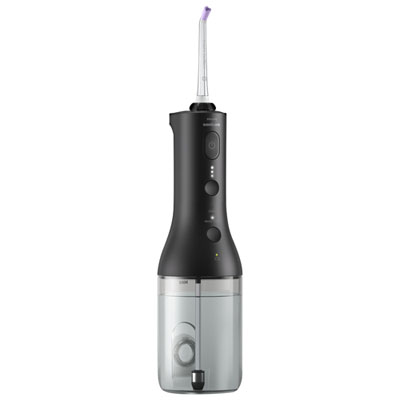 Your price for this item is $99.99
-
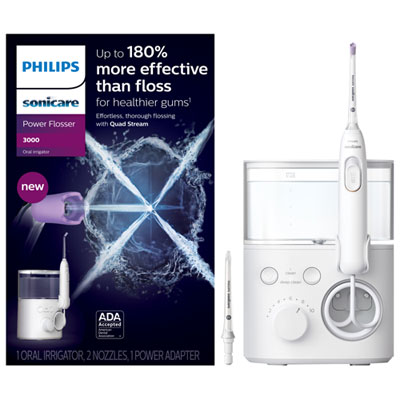 Your price for this item is $89.95
-
 Your price for this item is $69.95
-
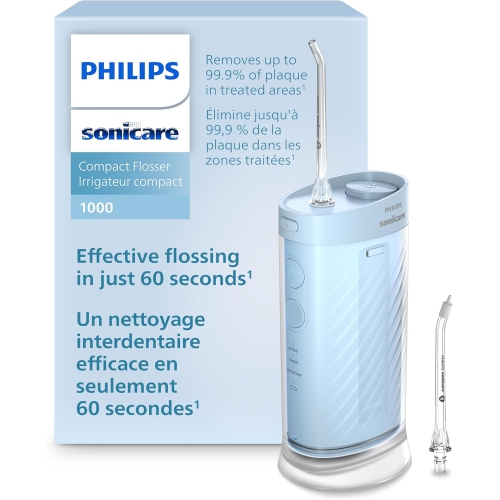 Your price for this item is $86.97
-
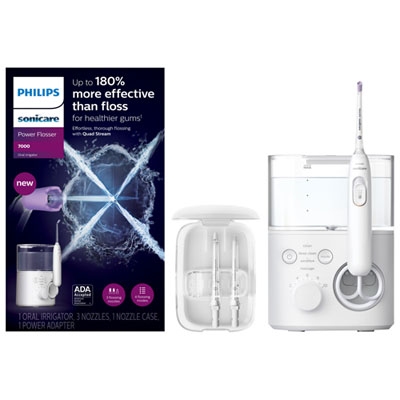 Your price for this item is $179.99
-
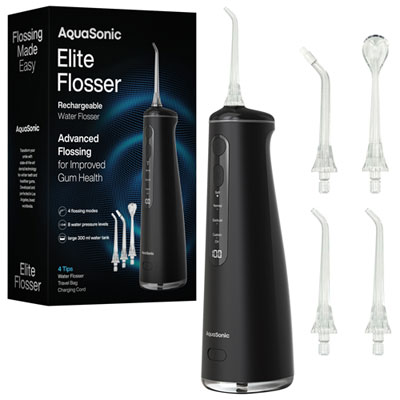 Your price for this item is $52.99
Discover more categories related to Water Flossers for Bleeding Gums
Top Collections:
Best Black Friday Deals This Year, Best Black Friday Deals On Electronics, Kindle Devices, Pokemon Centers, Best Black Friday Deals On Apple Products, Best Cameras for Sports Photography, Dyson Airwrap, Pokémon 30th Celebration Cards, Apple iPhone 17 Pro, Canon G7X Cameras
Some products may be subject to Environmental Handling Fees
(EHF) depending on your province.
Learn more about EHFs.