Security Camera Systems With DVR
Upgrade your home security with these security camera systems with DVR. With these advanced systems, you can keep a watchful eye on your property and loved ones, even when you're away. Whether you're looking to deter potential intruders, monitor your front door, or simply keep an eye on your pets, this range of security camera systems with DVR has you covered. With easy installation and high-resolution video recording capabilities, these systems offer peace of mind and added protection for your home or business.
Sort

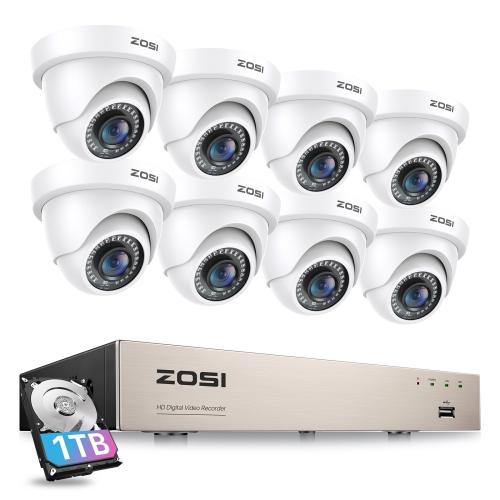
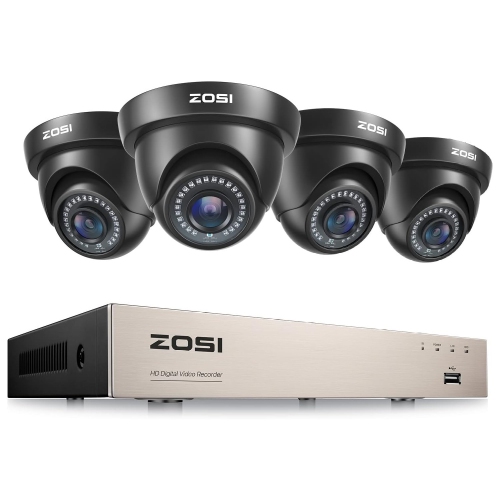
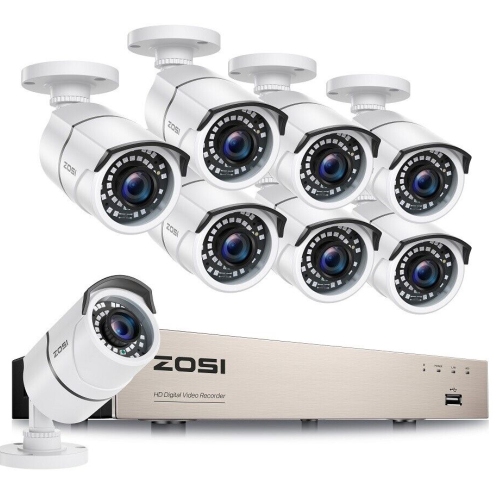
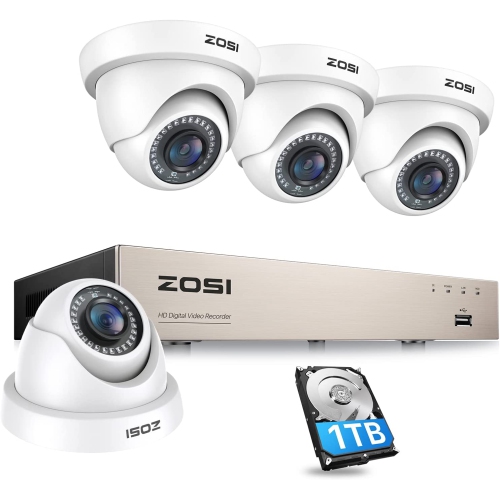
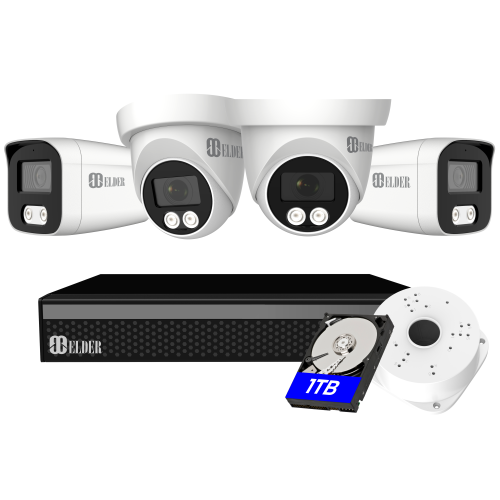
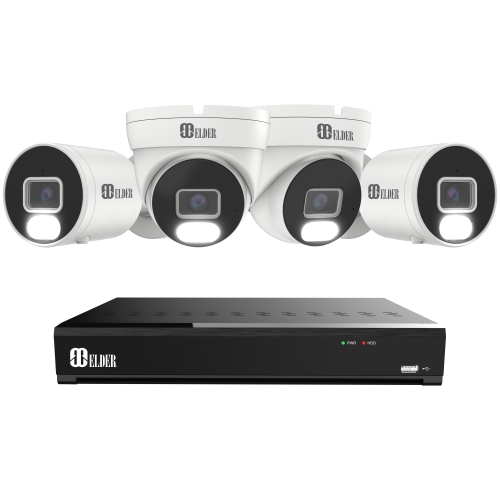
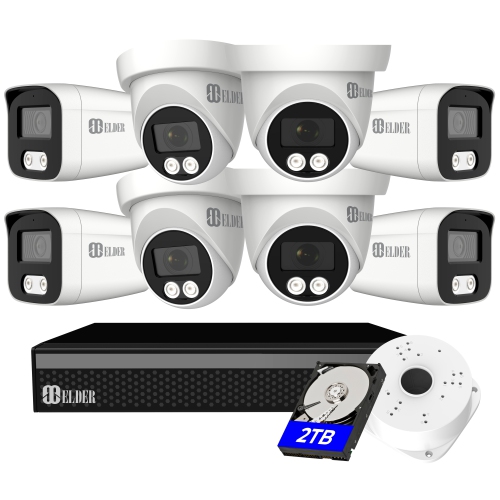
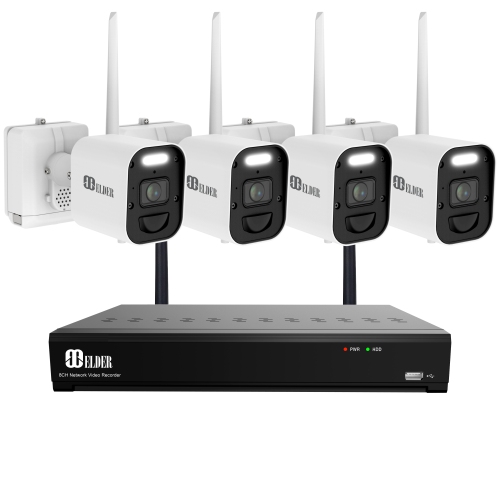
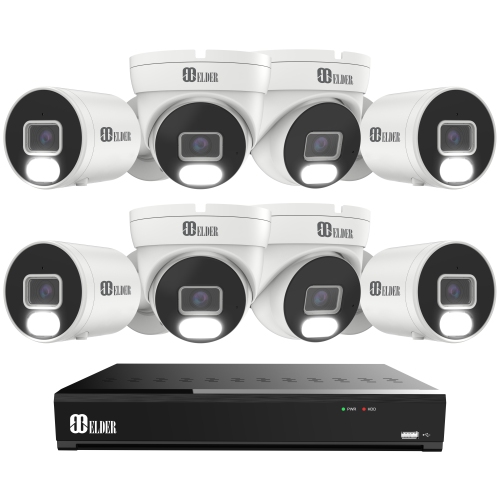
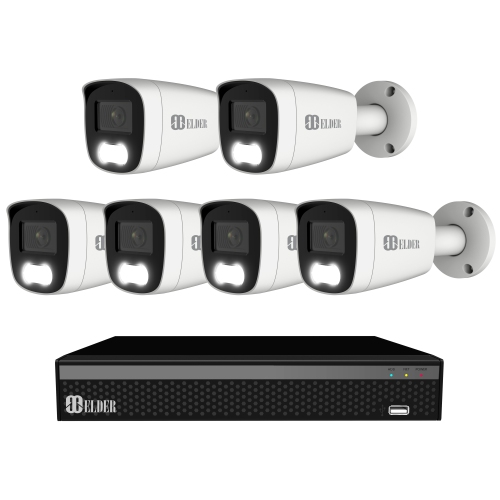
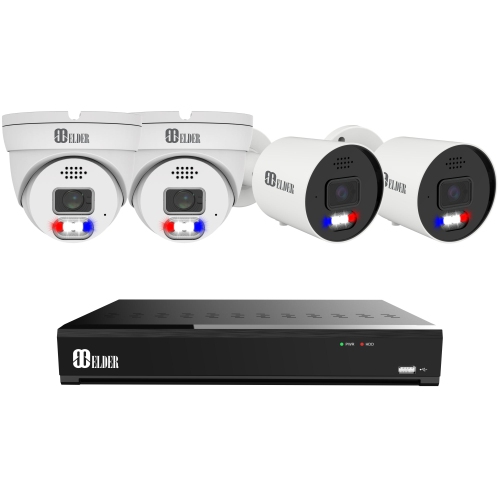
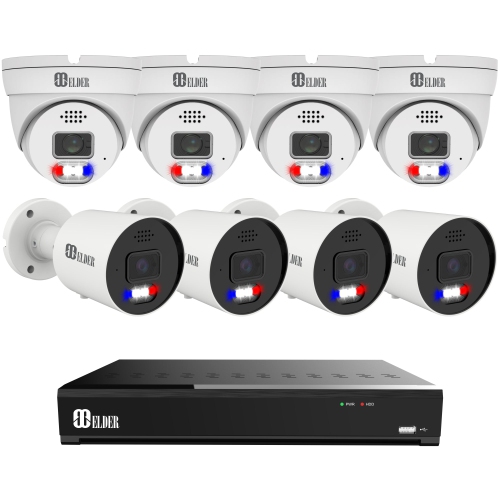
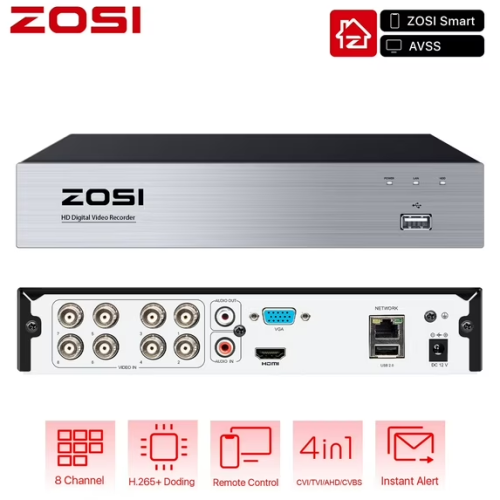
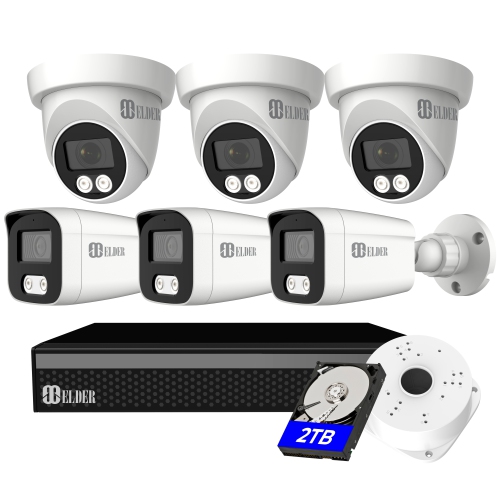
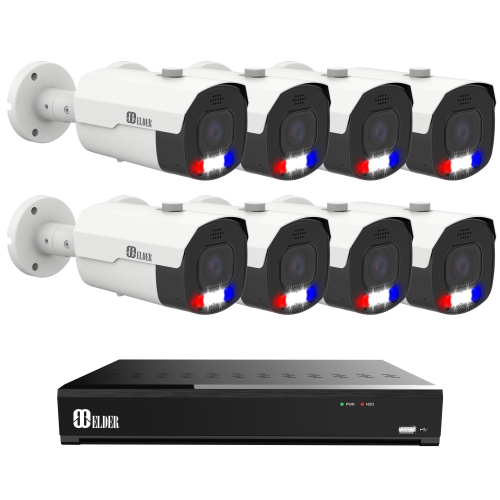
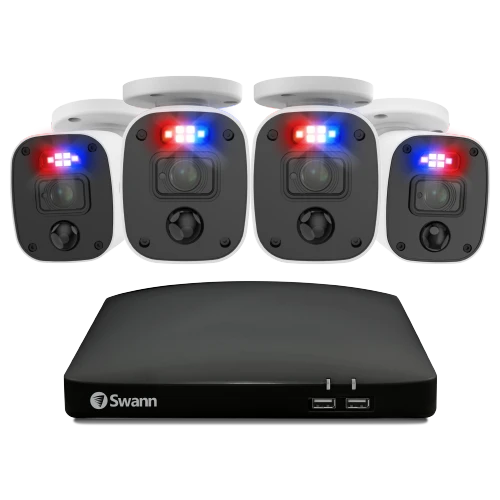
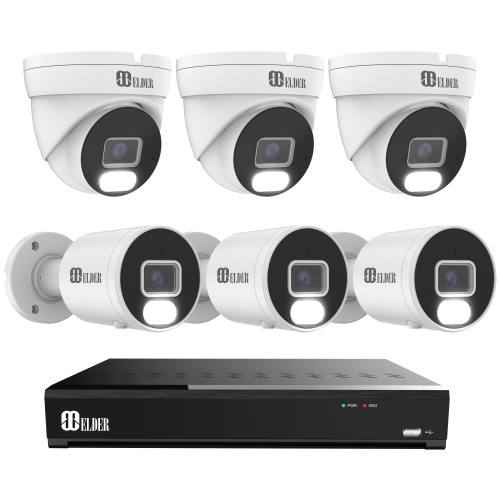
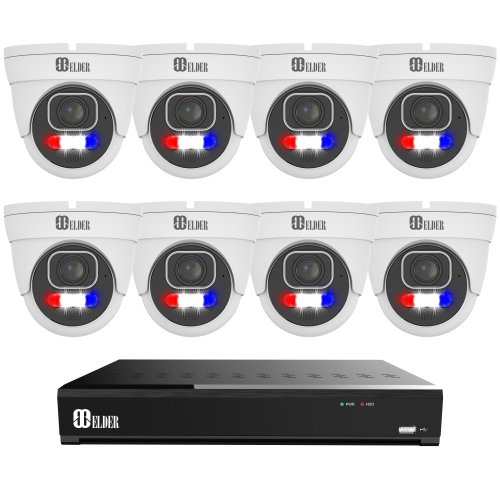
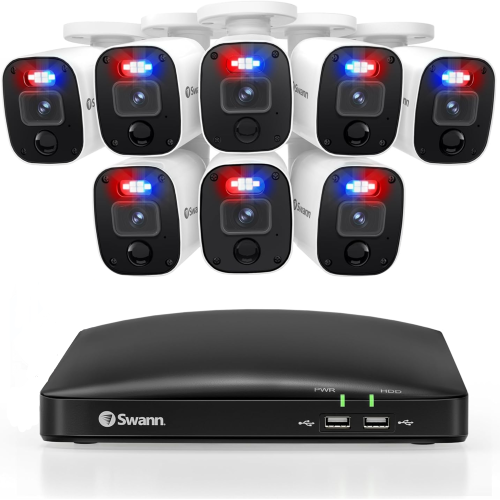
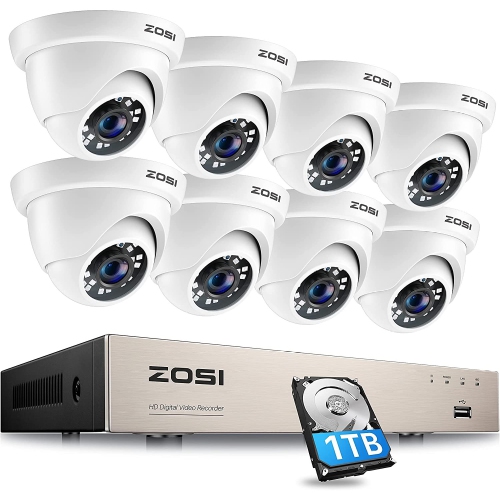
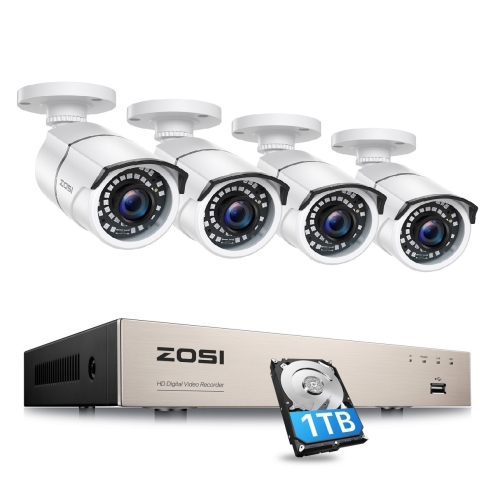
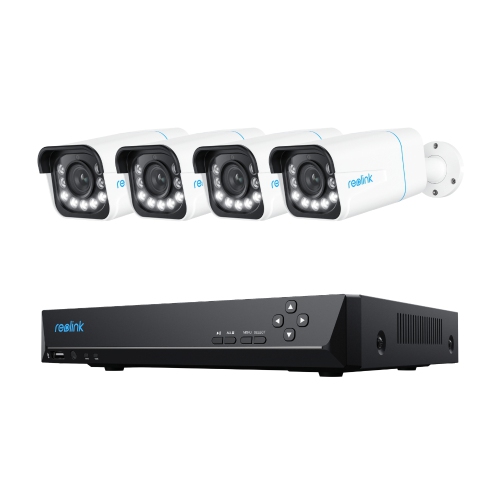
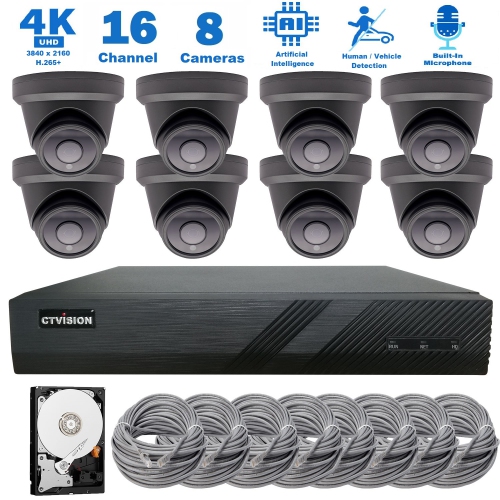
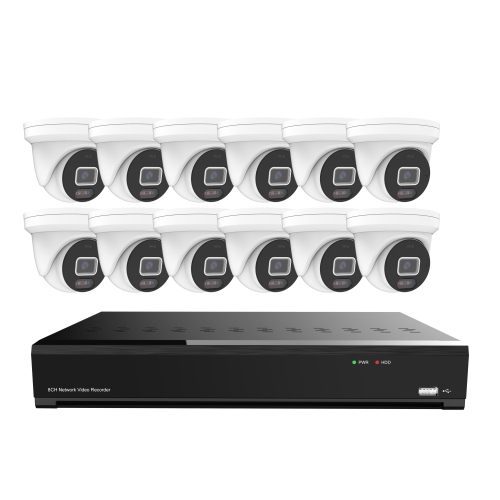
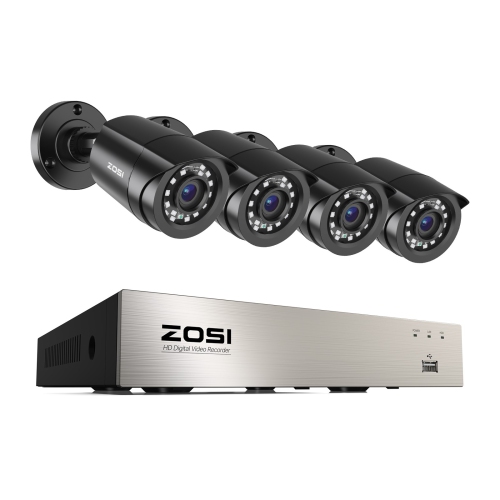
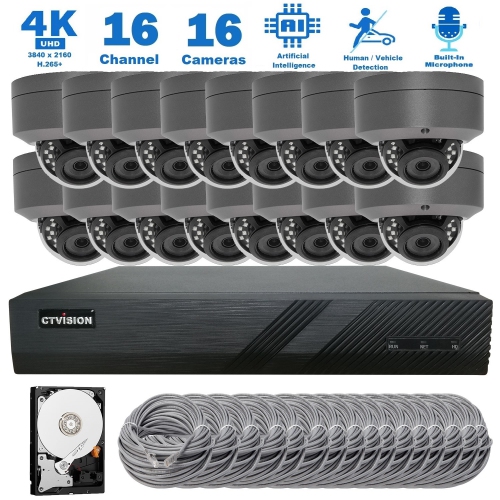
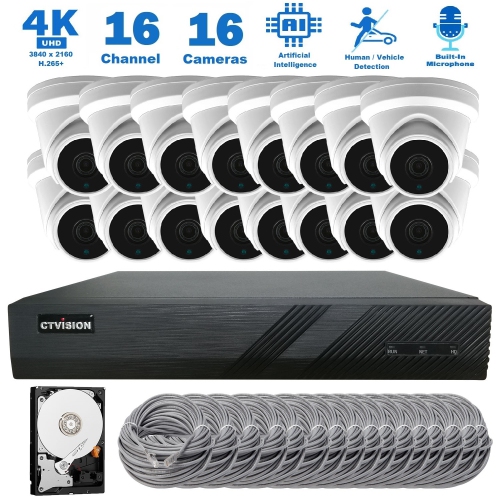
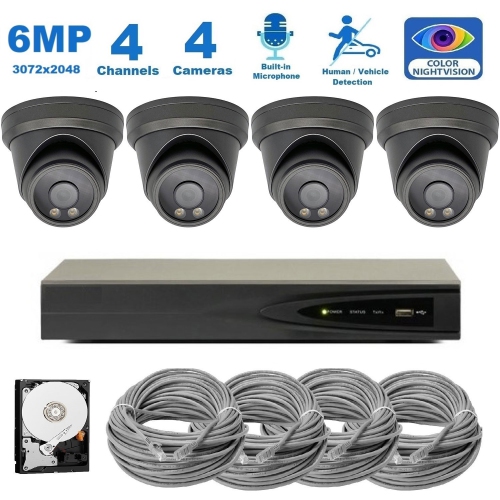
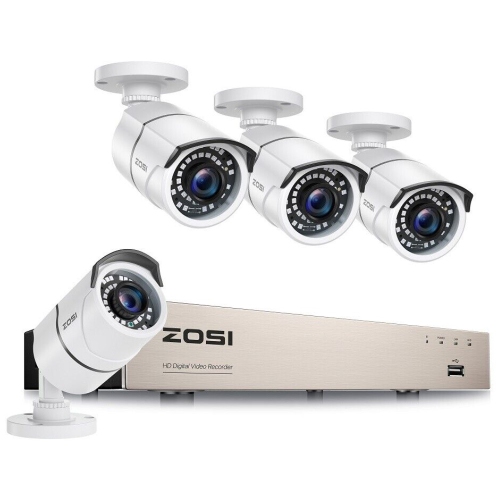
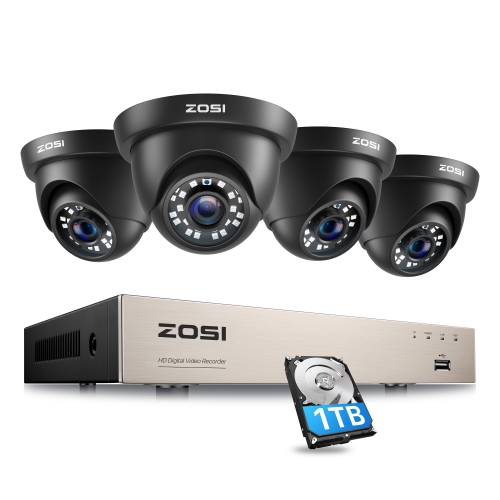
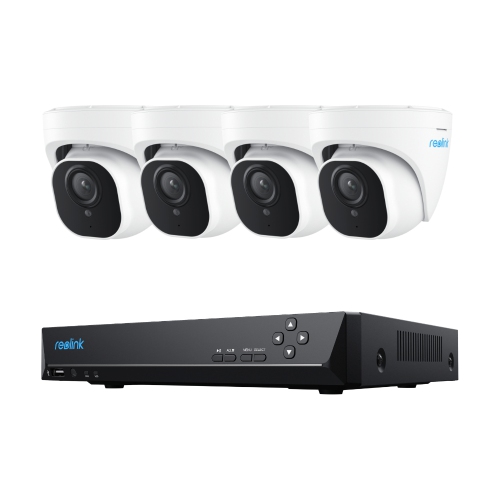
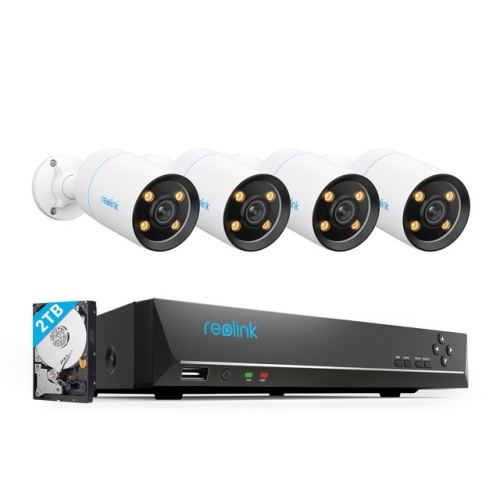
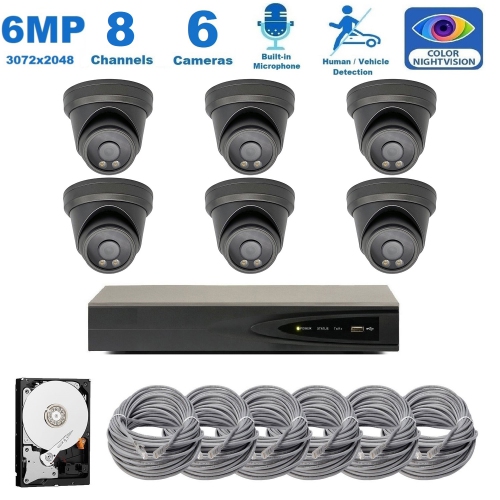
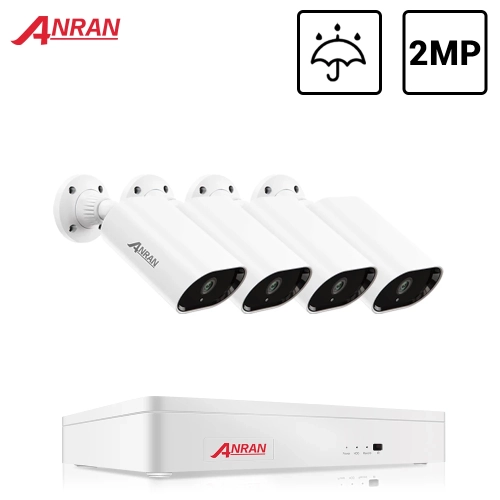
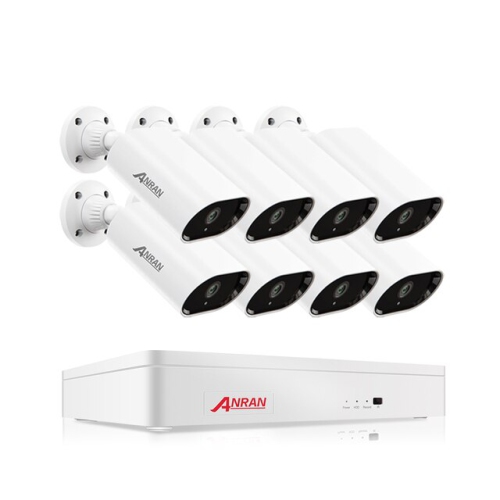

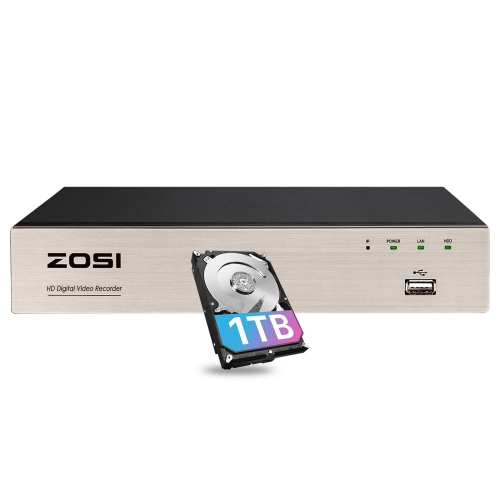
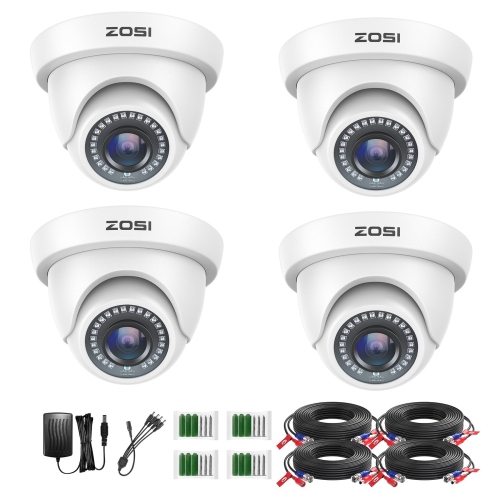
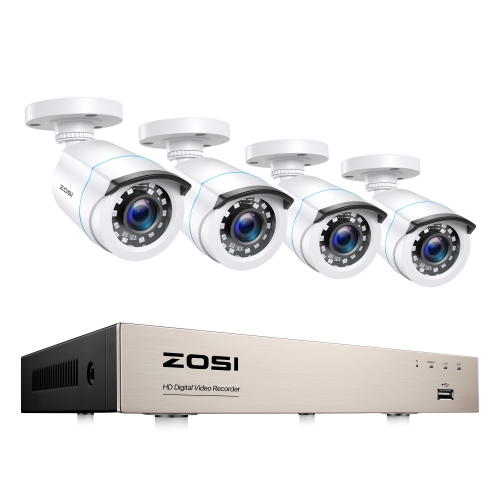
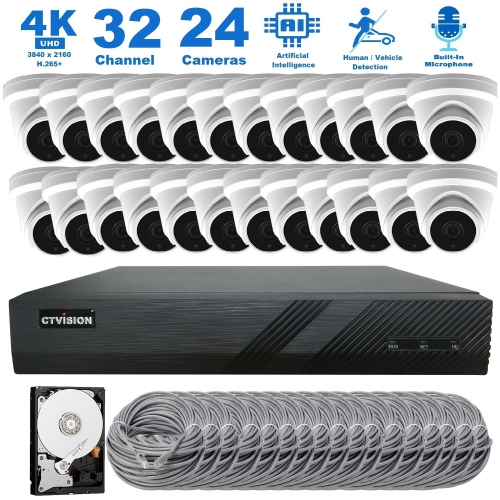
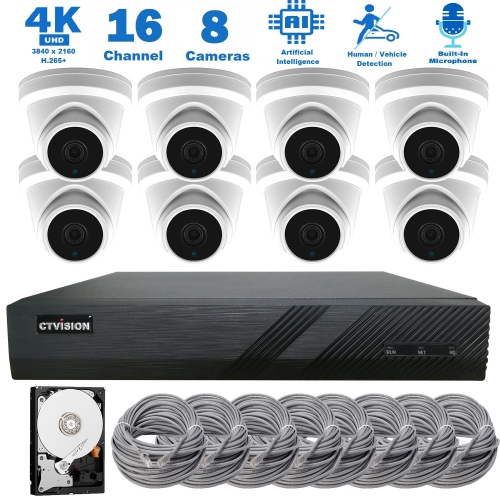
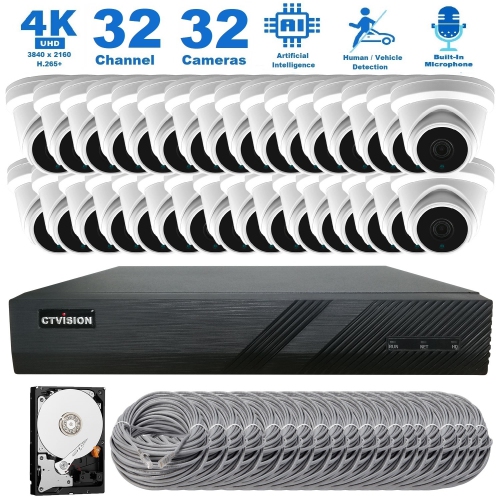
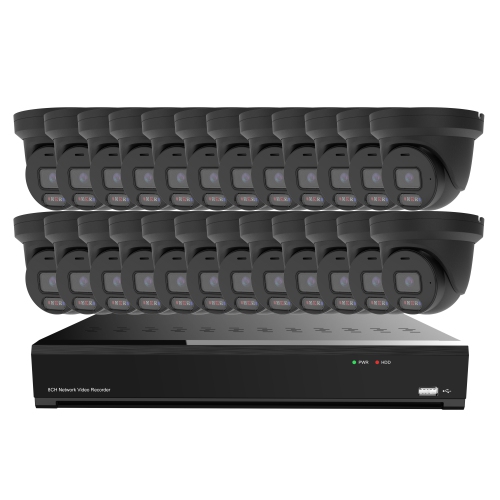
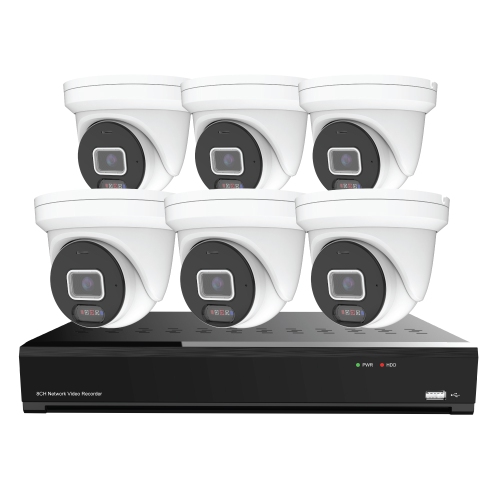
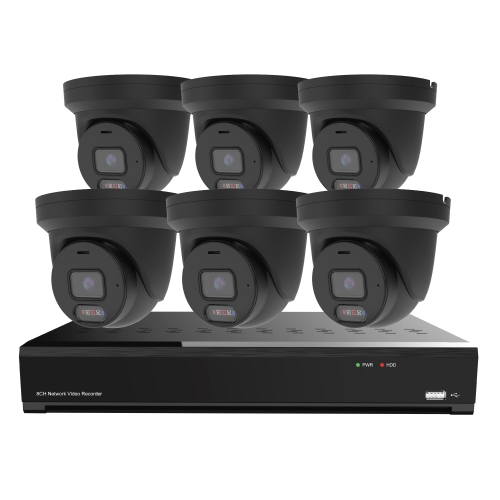
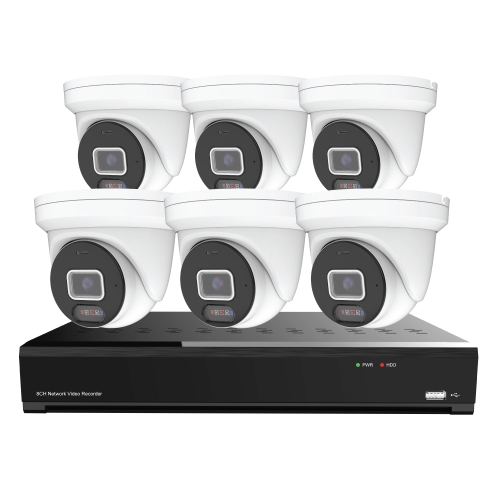
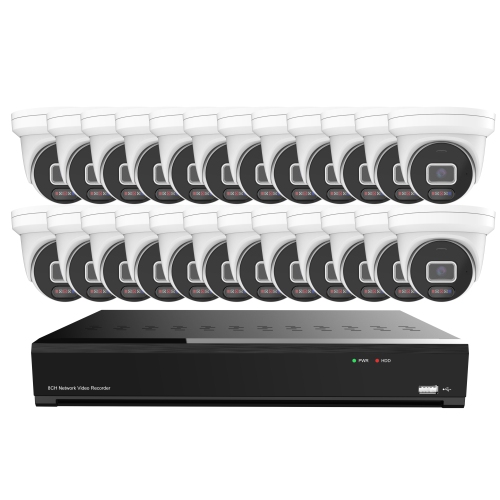
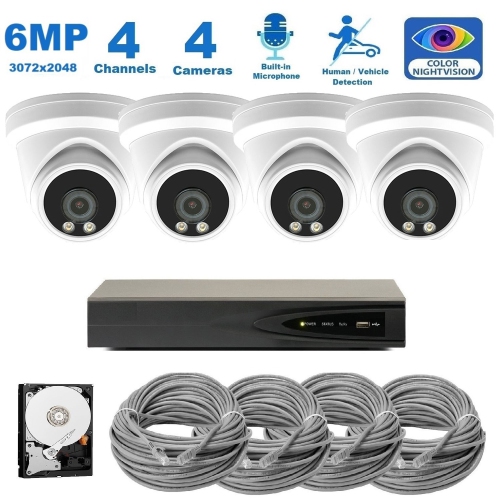

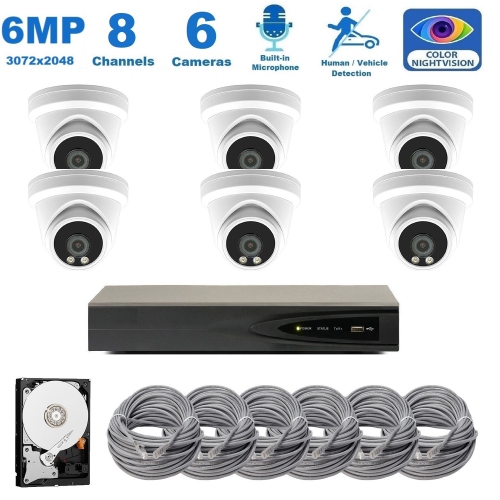
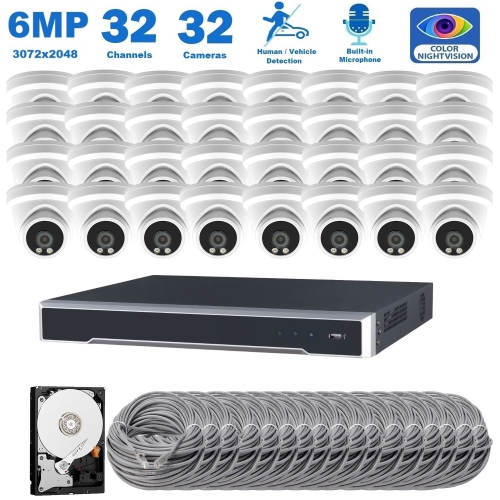
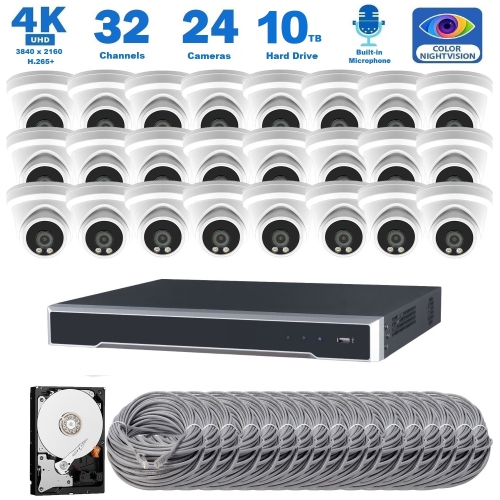
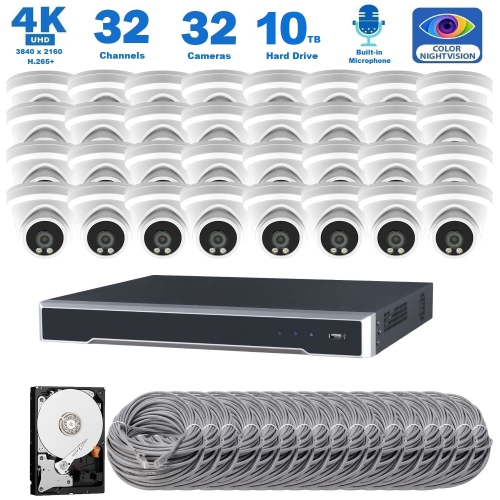
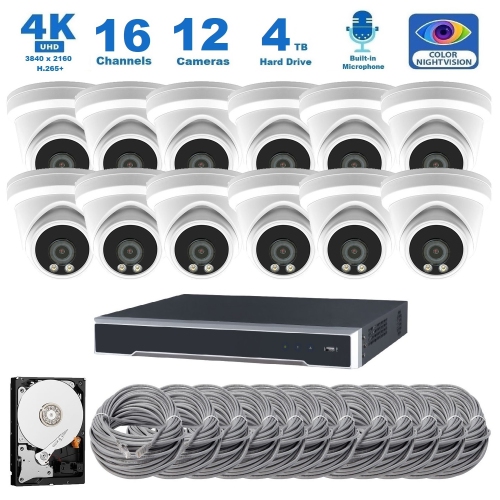
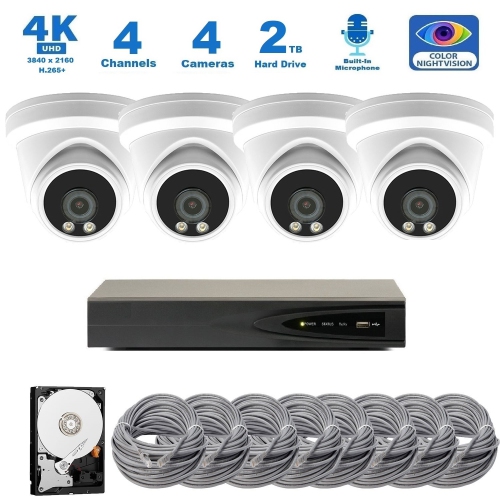
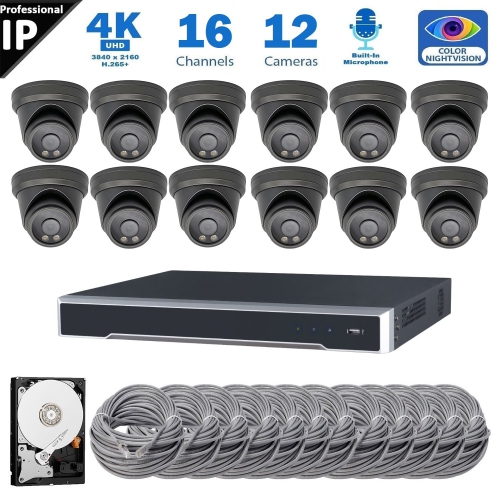
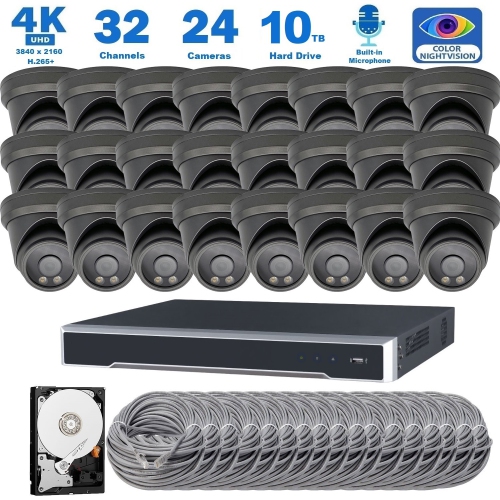
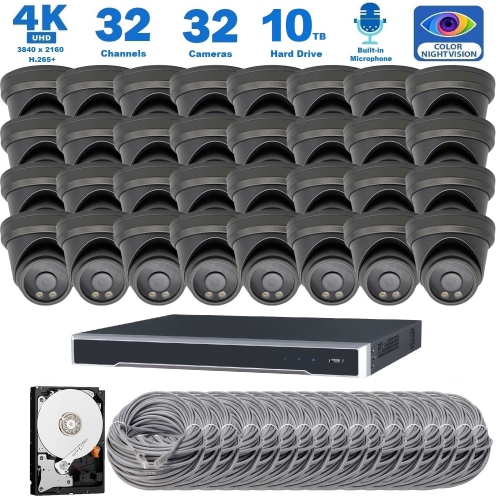
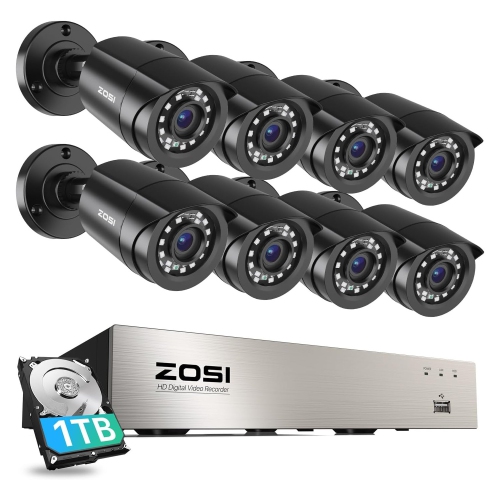
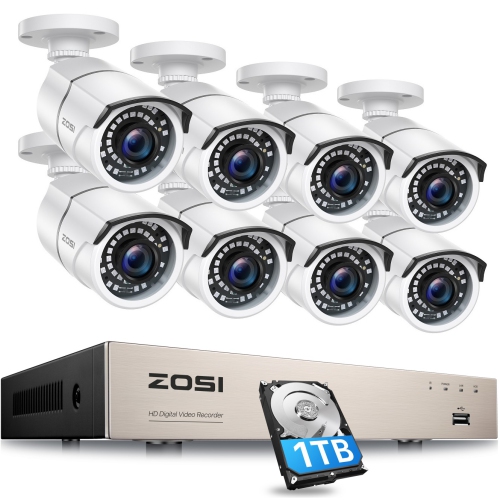
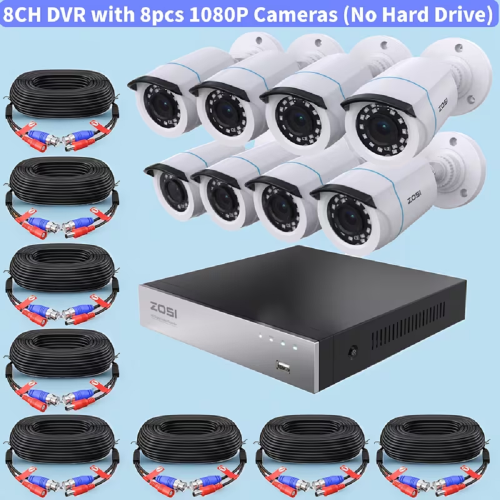
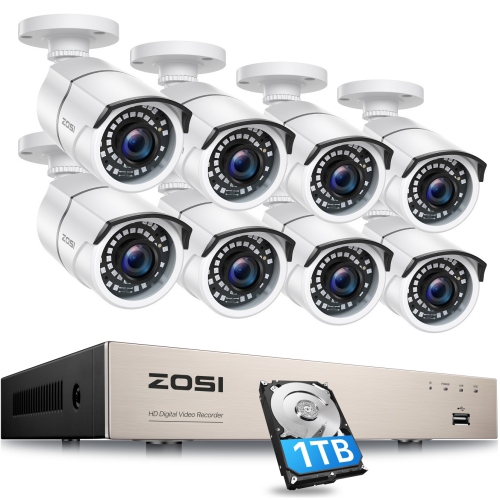
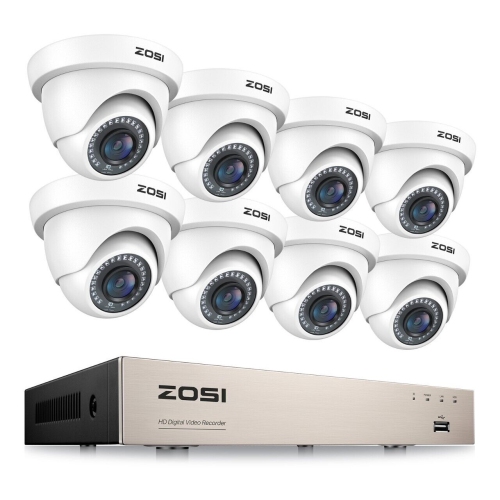
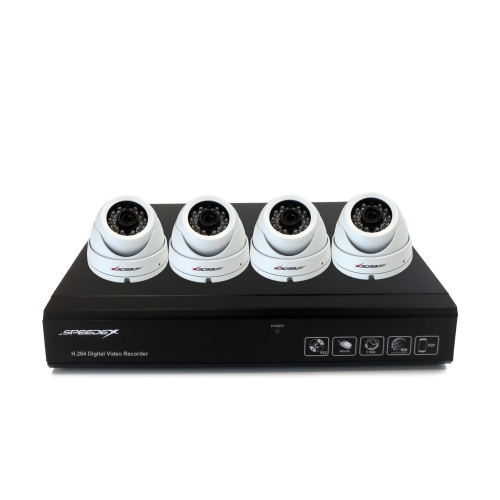
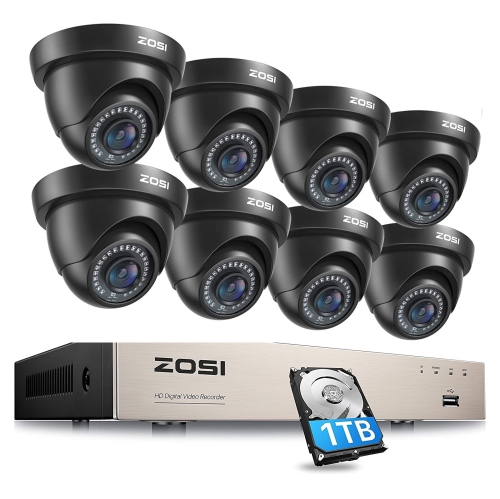
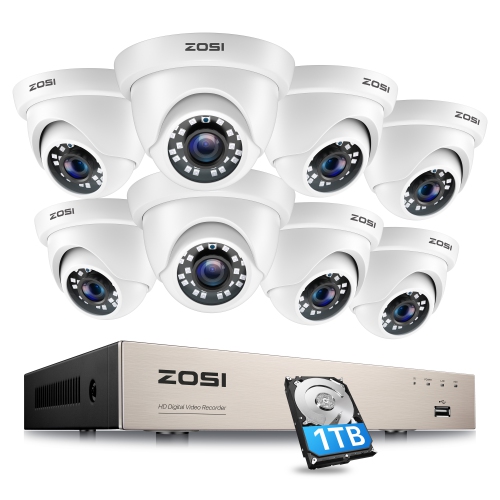
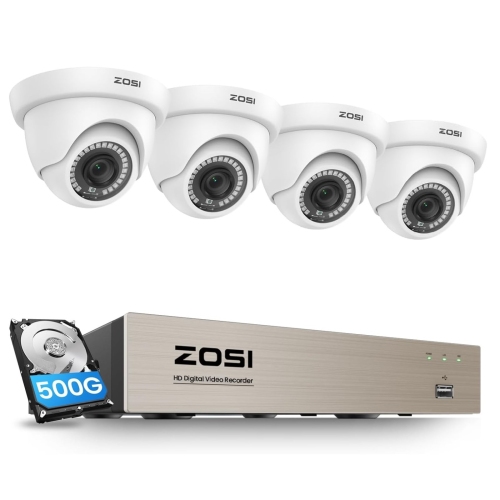
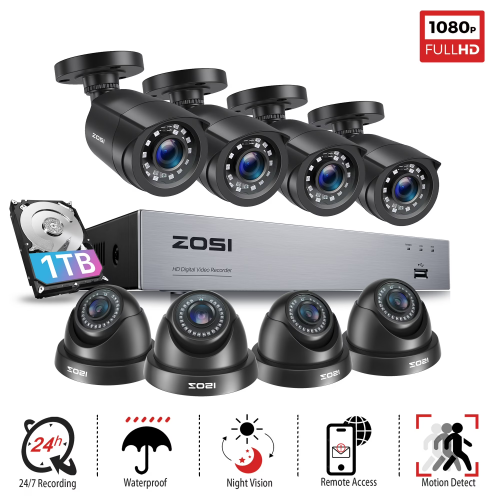
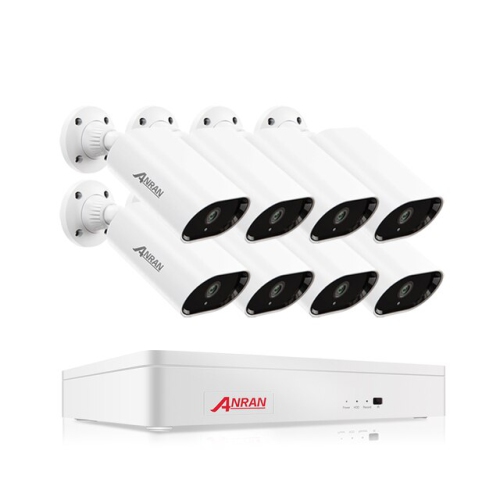
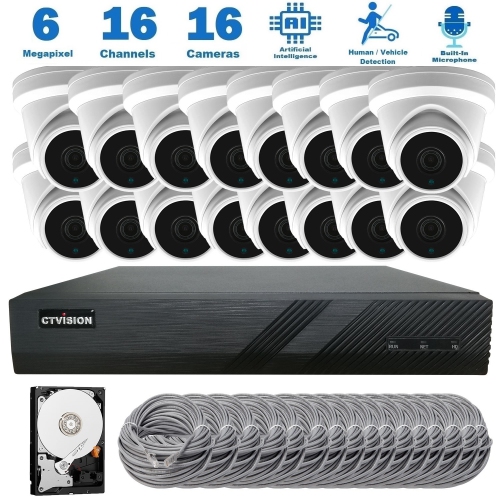
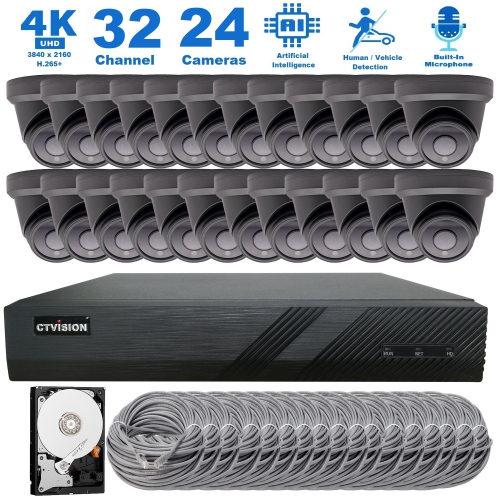
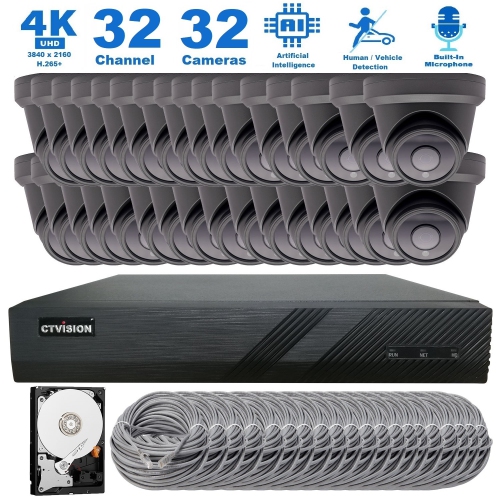
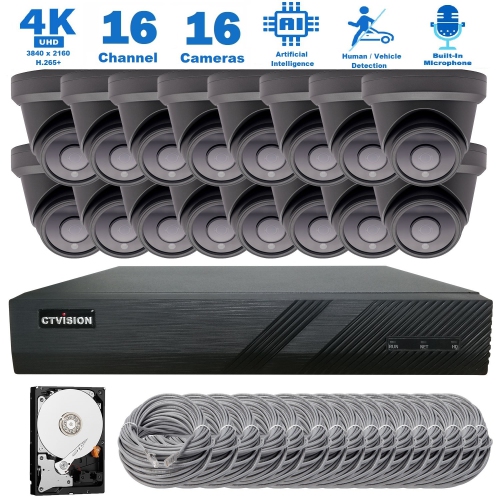
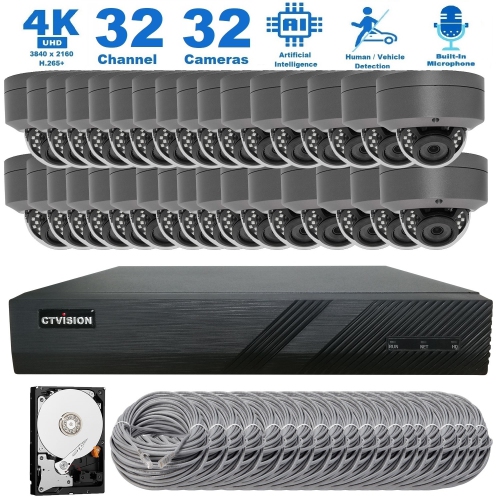
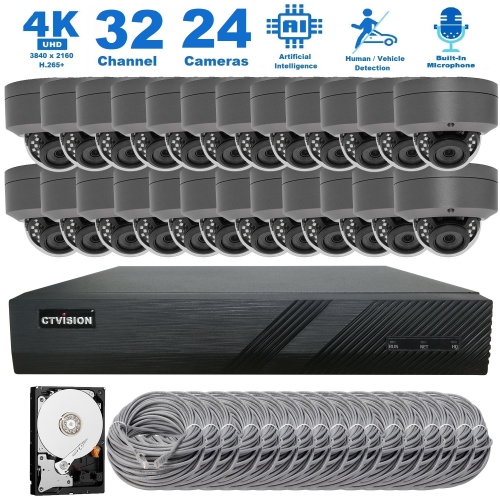
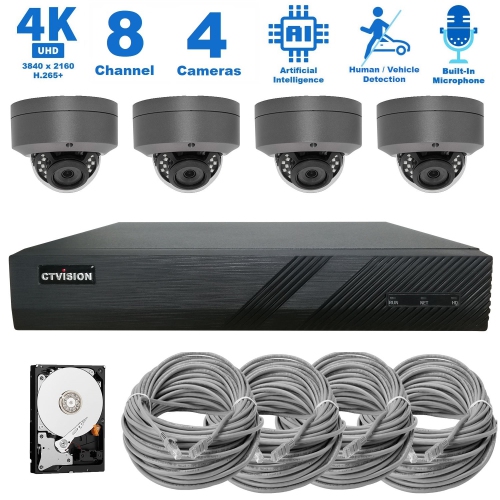
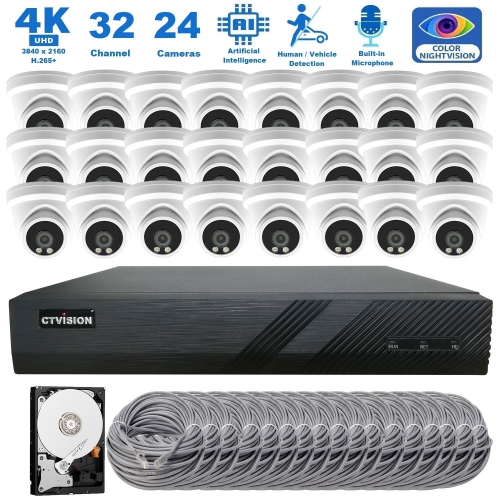
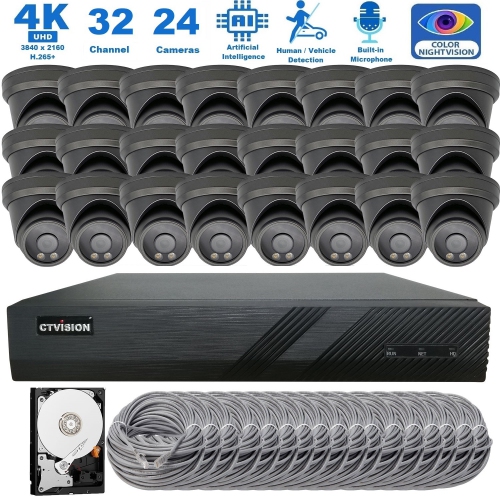
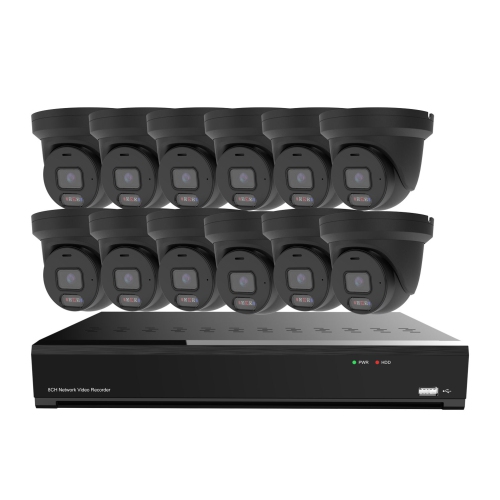
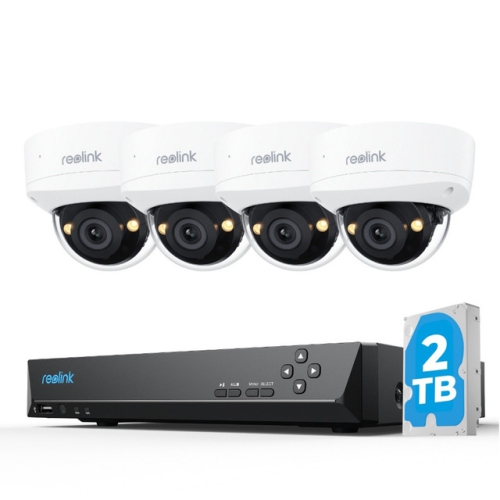
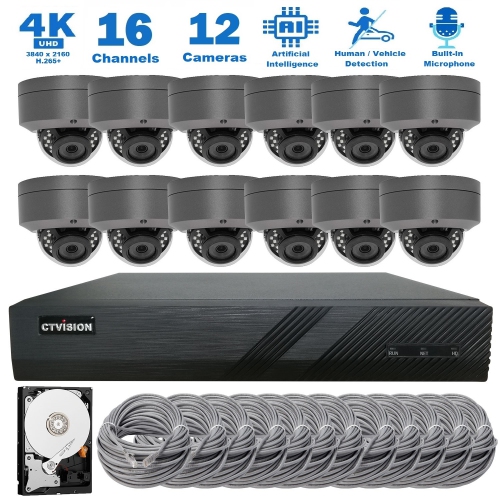
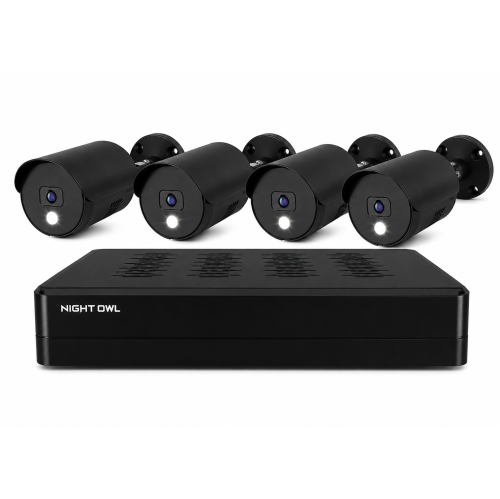
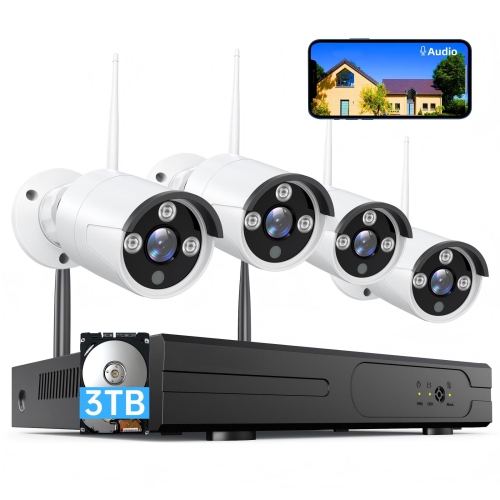
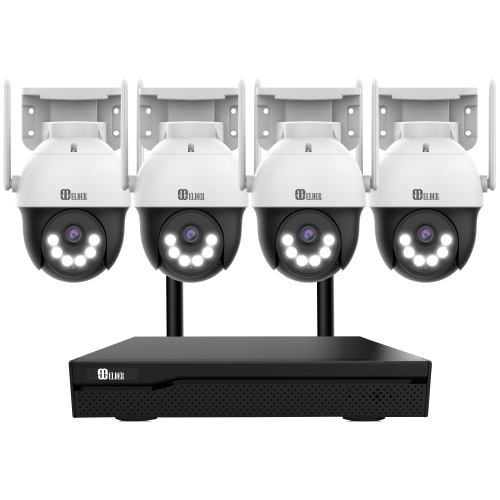
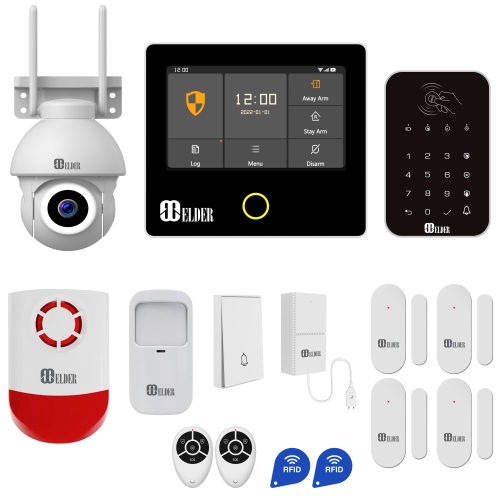
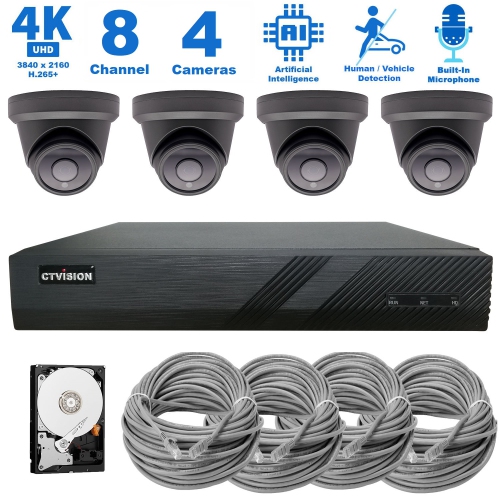
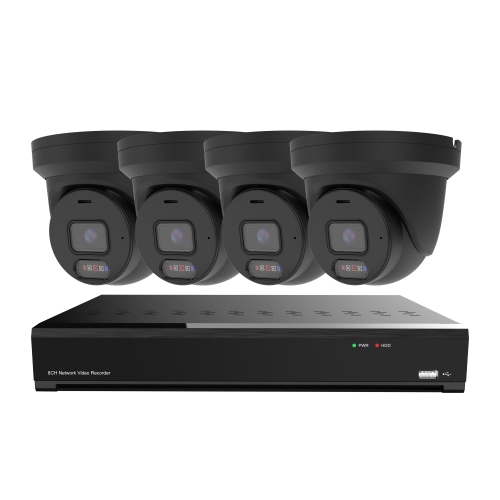
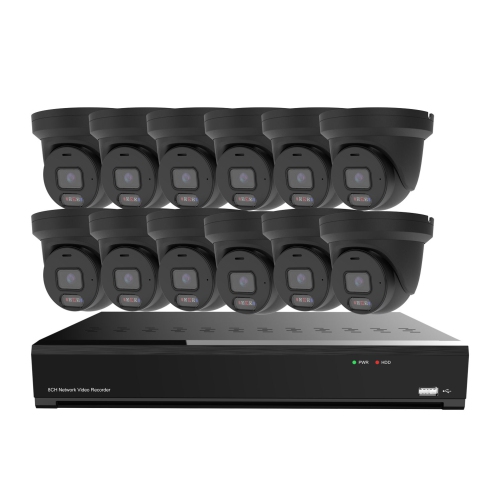
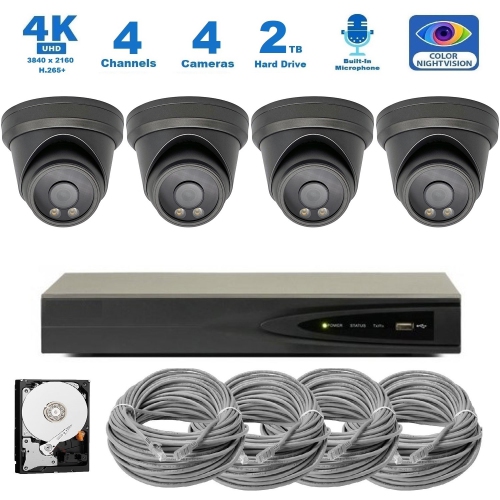
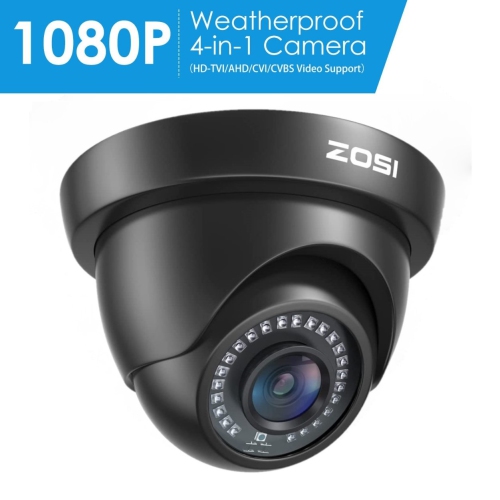
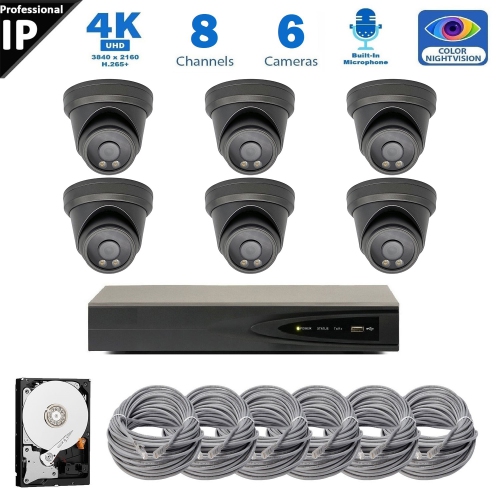
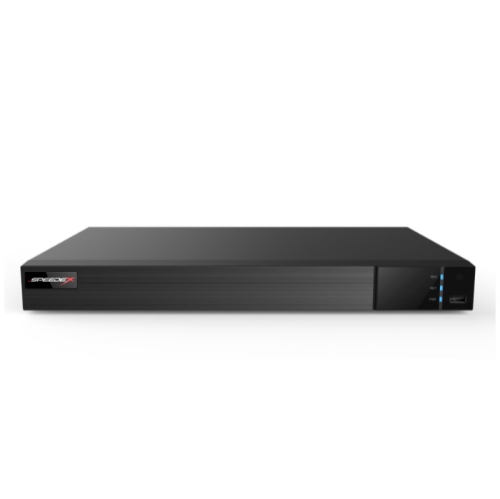
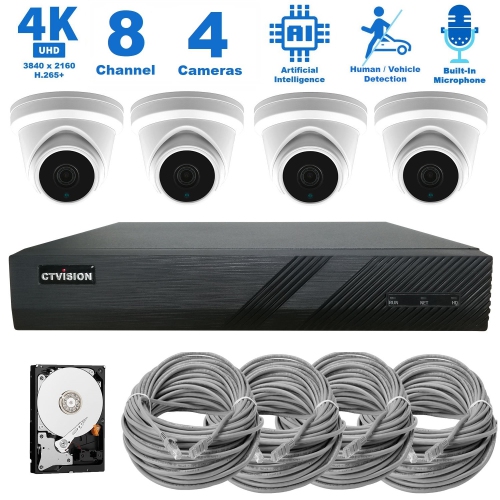
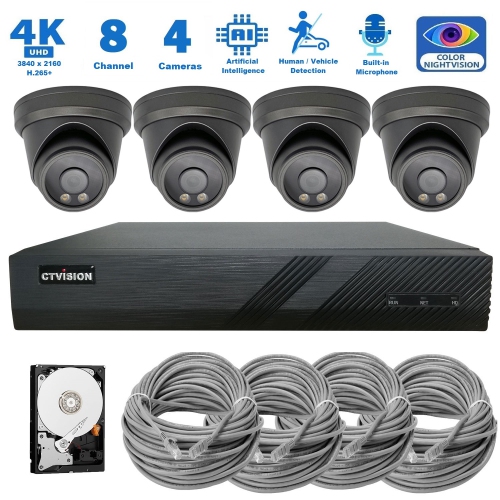
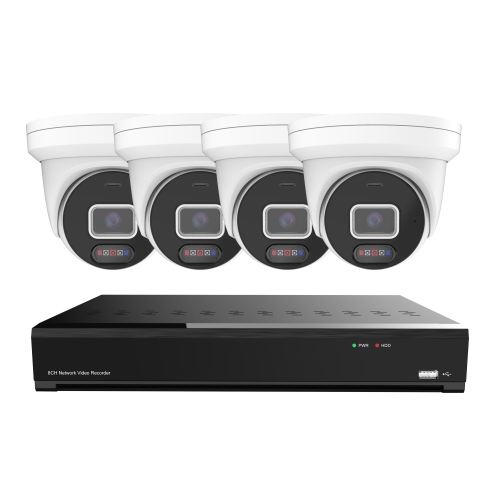
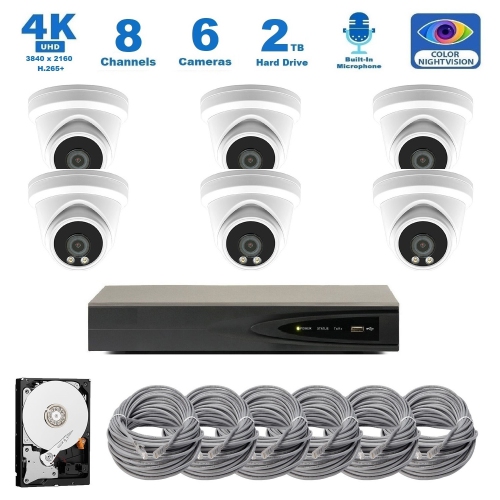
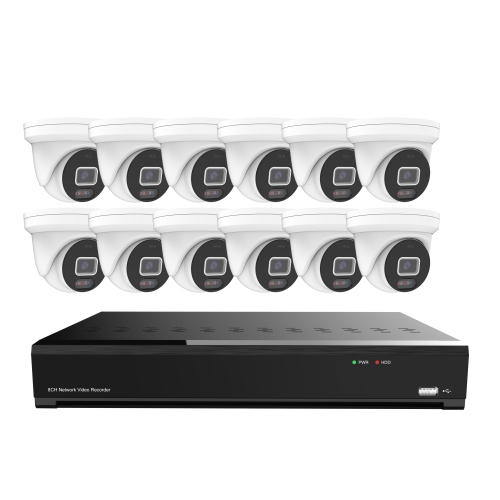
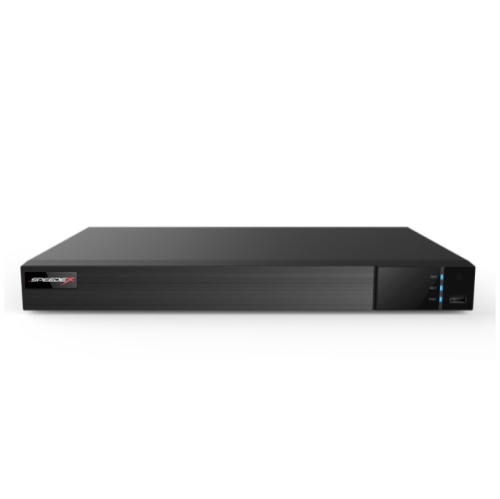
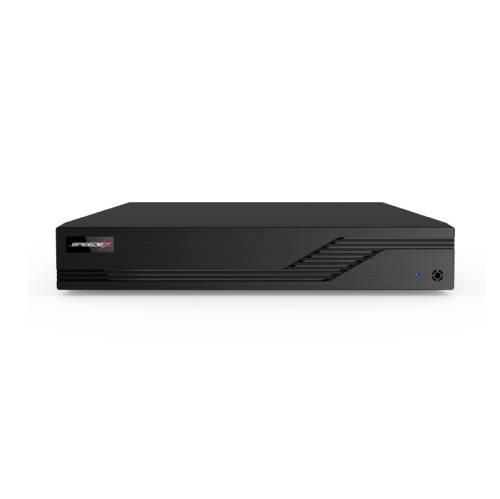
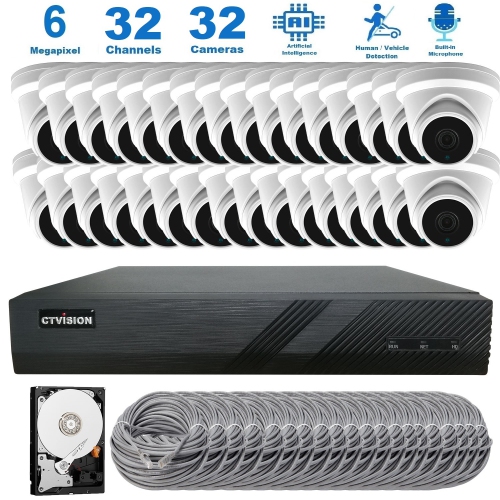
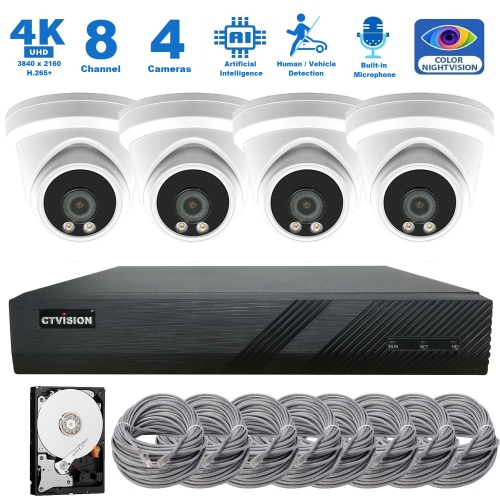
Local recording, flexible coverage, and remote viewing options
Security camera systems with DVR are designed for shoppers who want several cameras working together with one central recorder. Instead of saving video only to the cloud, these systems send footage to a digital video recorder (DVR), which stores it on an internal hard drive for convenient local access. Traditional DVR kits generally use BNC coaxial cables to carry video from each camera to the recorder, with separate connections supplying power. This wired arrangement can be a practical choice for a detached home, garage, workshop, small business, cottage, or other property where dependable coverage matters more than a quick temporary installation. A DVR system can continue recording even when it is not connected to the internet, so it can be useful in locations with limited or unreliable internet service. Connecting the DVR to a router can add remote viewing through a compatible mobile app, allowing you to check live feeds or review recordings while away; however, internet access is typically needed for those remote features, not for the basic local recording function. When comparing systems, start by considering the number of areas you want to monitor and the number of channels supported by the recorder. A four-camera system may suit a compact property with views of the front entrance, driveway, back door, and garage, while an eight-, 12-, or 16-channel DVR can leave room to add cameras as your needs change. Extra channels are particularly useful for larger properties, where you may want to cover side passages, sheds, loading areas, hallways, or several entrances without replacing the recorder. Also consider the hard drive capacity and recording settings. Continuous recording provides a complete timeline, while motion-activated recording can help preserve storage space and make important clips easier to find. Storage time depends on the number of cameras, resolution, frame rate, recording mode, and hard drive size, so checking these specifications together gives a more realistic idea of how much footage the system can retain.
Image quality is another important consideration, especially when cameras will be positioned far from the recorder or aimed at a driveway, gate, or other area where details may be small. Full HD 1080p can provide clear everyday coverage, while 2K or 4K resolutions may reveal more detail for identifying faces, clothing, licence plates, or packages when the camera is installed at a suitable distance and angle. Higher resolution can require more storage, so it is worth balancing sharpness with the recording time you want. Night vision is essential for coverage after dark, but specifications can vary widely. Look for information about infrared range and low-light performance, and think about how much ambient light is available around the property. Some cameras add colour night vision, integrated spotlights, motion-activated lights, or audible sirens to make activity easier to see and discourage unwanted visitors. Weather-resistant outdoor cameras are suited to exposed areas, but placement still matters: an overhang can reduce glare and help shield a lens from heavy rain, blowing snow, or ice buildup. Before installation, walk around the property during daylight and after sunset to identify blind spots, bright lights, reflective surfaces, and places where branches or other objects may move in front of the lens. Mounting a camera too high can make tampering more difficult but may reduce facial detail, while mounting it too low can improve identification but leave the camera more vulnerable. Wired systems often require more planning than wireless cameras because coaxial cable must be routed between each camera and the DVR. Measure the cable paths, account for walls and ceilings, and confirm that the included cable lengths suit the layout. A central location with access to power, a clear view of the monitor if one is used, and reasonable protection from moisture is usually the most convenient place for the recorder. Audio support, two-way communication, digital zoom, person or vehicle detection, and customizable motion zones can also influence day-to-day use. Review privacy features and local requirements before recording areas shared with neighbours, tenants, employees, or the public, and avoid aiming cameras into places where people reasonably expect privacy.
A DVR security camera system can be a thoughtful choice for homeowners who want a straightforward record of activity around the property, families keeping an eye on entrances and deliveries, or small business owners monitoring customer areas, stockrooms, and exterior doors. It can also suit someone moving into a new home, renovating a workshop, or preparing a cottage for the cooler months, when shorter daylight hours and changing weather can make exterior visibility more important. The ability to keep recordings locally may appeal to shoppers who prefer not to add a recurring cloud storage fee, while the option to connect the recorder to the internet provides flexibility for checking in from a phone when travelling. People who are less comfortable with home technology may appreciate the predictable layout of a central DVR and multiple wired cameras, though installation can involve drilling, cable routing, ladder work, and configuring recording settings. If the system is being given as a housewarming or new-home gift, consider the recipient’s property size, comfort with installation, and preferred number of viewing areas before choosing a channel count. For an existing setup, check whether replacement or additional cameras use compatible connections and whether the DVR has available channels. It is also useful to confirm whether the recorder includes a hard drive, how much storage it provides, whether footage can be exported to a USB drive, and how recordings are viewed on a monitor or mobile device. Shoppers comparing DVR systems with other storage options can browse Security Cameras With Local Storage for additional ways to keep video on-site. With the right combination of camera count, resolution, night vision, weather resistance, storage capacity, and installation planning, a security camera system with DVR can create a practical overview of the property, from the first movement at the driveway to the late-night activity outside a side door.
Image quality is another important consideration, especially when cameras will be positioned far from the recorder or aimed at a driveway, gate, or other area where details may be small. Full HD 1080p can provide clear everyday coverage, while 2K or 4K resolutions may reveal more detail for identifying faces, clothing, licence plates, or packages when the camera is installed at a suitable distance and angle. Higher resolution can require more storage, so it is worth balancing sharpness with the recording time you want. Night vision is essential for coverage after dark, but specifications can vary widely. Look for information about infrared range and low-light performance, and think about how much ambient light is available around the property. Some cameras add colour night vision, integrated spotlights, motion-activated lights, or audible sirens to make activity easier to see and discourage unwanted visitors. Weather-resistant outdoor cameras are suited to exposed areas, but placement still matters: an overhang can reduce glare and help shield a lens from heavy rain, blowing snow, or ice buildup. Before installation, walk around the property during daylight and after sunset to identify blind spots, bright lights, reflective surfaces, and places where branches or other objects may move in front of the lens. Mounting a camera too high can make tampering more difficult but may reduce facial detail, while mounting it too low can improve identification but leave the camera more vulnerable. Wired systems often require more planning than wireless cameras because coaxial cable must be routed between each camera and the DVR. Measure the cable paths, account for walls and ceilings, and confirm that the included cable lengths suit the layout. A central location with access to power, a clear view of the monitor if one is used, and reasonable protection from moisture is usually the most convenient place for the recorder. Audio support, two-way communication, digital zoom, person or vehicle detection, and customizable motion zones can also influence day-to-day use. Review privacy features and local requirements before recording areas shared with neighbours, tenants, employees, or the public, and avoid aiming cameras into places where people reasonably expect privacy.
A DVR security camera system can be a thoughtful choice for homeowners who want a straightforward record of activity around the property, families keeping an eye on entrances and deliveries, or small business owners monitoring customer areas, stockrooms, and exterior doors. It can also suit someone moving into a new home, renovating a workshop, or preparing a cottage for the cooler months, when shorter daylight hours and changing weather can make exterior visibility more important. The ability to keep recordings locally may appeal to shoppers who prefer not to add a recurring cloud storage fee, while the option to connect the recorder to the internet provides flexibility for checking in from a phone when travelling. People who are less comfortable with home technology may appreciate the predictable layout of a central DVR and multiple wired cameras, though installation can involve drilling, cable routing, ladder work, and configuring recording settings. If the system is being given as a housewarming or new-home gift, consider the recipient’s property size, comfort with installation, and preferred number of viewing areas before choosing a channel count. For an existing setup, check whether replacement or additional cameras use compatible connections and whether the DVR has available channels. It is also useful to confirm whether the recorder includes a hard drive, how much storage it provides, whether footage can be exported to a USB drive, and how recordings are viewed on a monitor or mobile device. Shoppers comparing DVR systems with other storage options can browse Security Cameras With Local Storage for additional ways to keep video on-site. With the right combination of camera count, resolution, night vision, weather resistance, storage capacity, and installation planning, a security camera system with DVR can create a practical overview of the property, from the first movement at the driveway to the late-night activity outside a side door.
Top selling and popular products
-
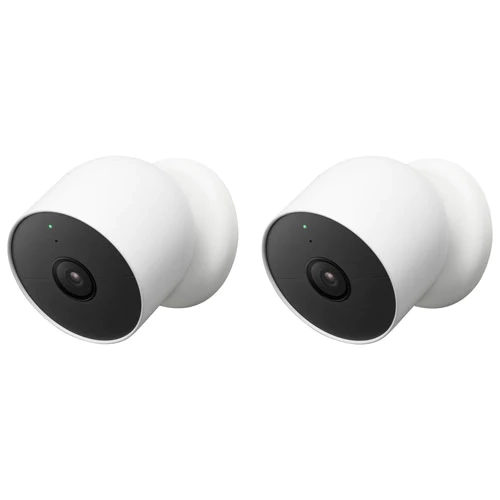 Your price for this item is $389.99
 -
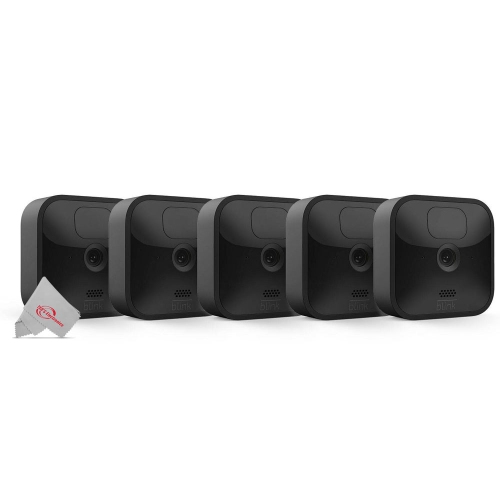 Your price for this item is $659.99
 -
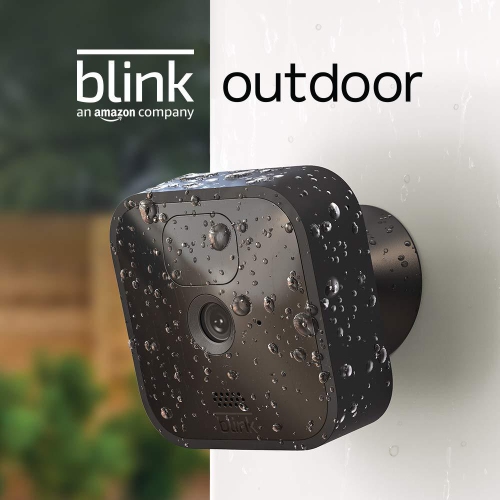 Your price for this item is $439.99
 -
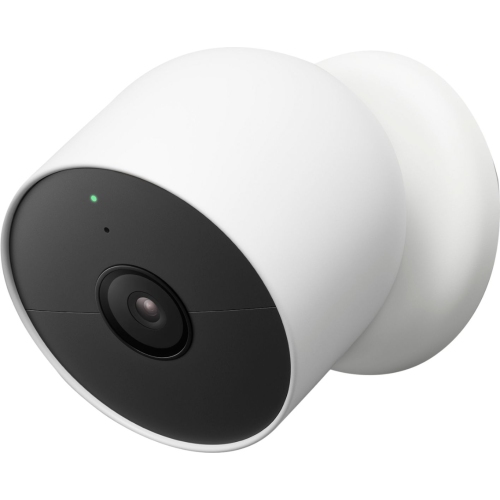 Your price for this item is $249.99
 -
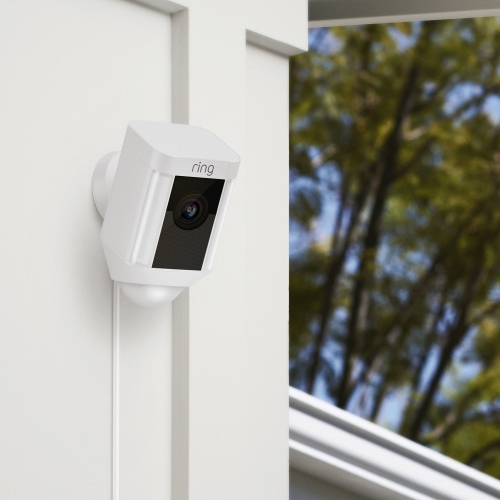 Your price for this item is $399.99
 -
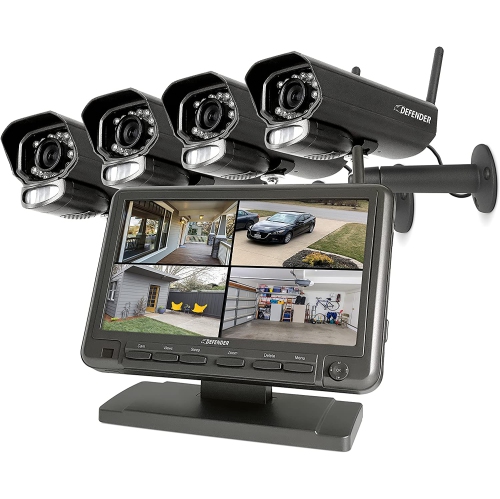 Your price for this item is $449.99
 -
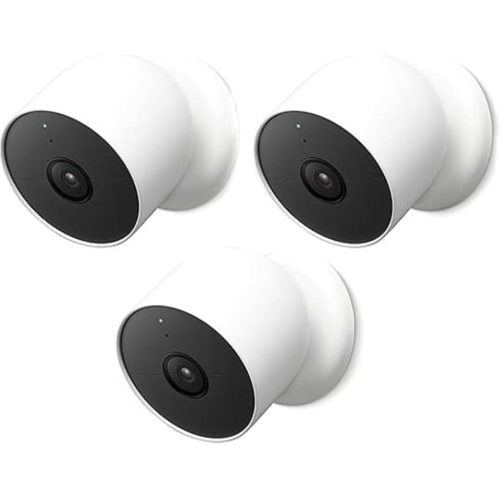 Your price for this item is $579.99
 -
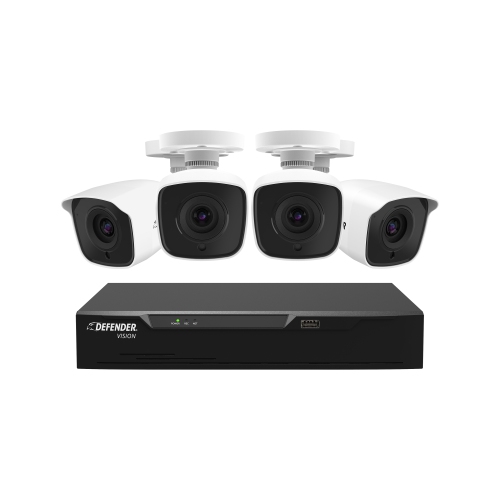 Your price for this item is $790.99
Discover more categories related to Security Camera Systems With DVR
Top Collections:
Pokemon Centers, Kindle Devices, Best Budget Office Chairs, Apple iPhones 16, Best Laptops for Writers, iPhone 15 Apple, Canon G7X Cameras, Refurbished Apple Laptops, Alarm Clock, Motorola Razr Phones
Some products may be subject to Environmental Handling Fees
(EHF) depending on your province.
Learn more about EHFs.