3.1 Sound Bars
A sound bar is a long, thin speaker that sits in front of or below your TV. It's designed to improve the sound quality of what you're watching by delivering a more powerful audio signal to your TV.
Sort
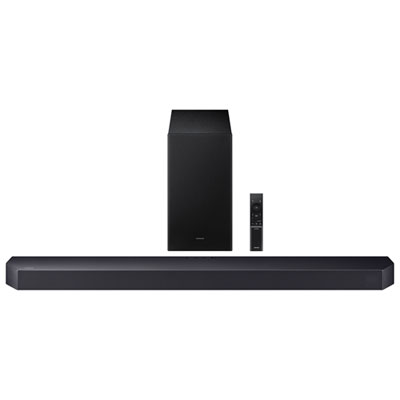
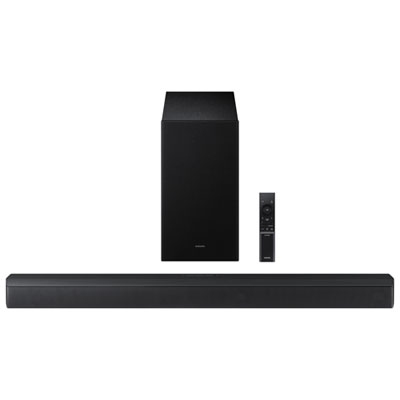
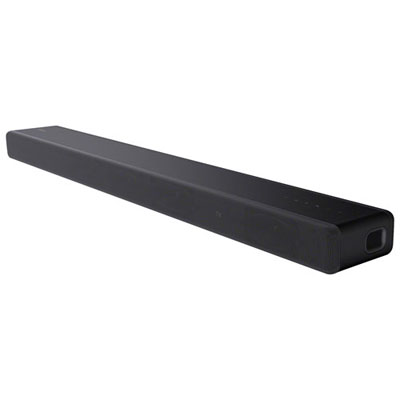
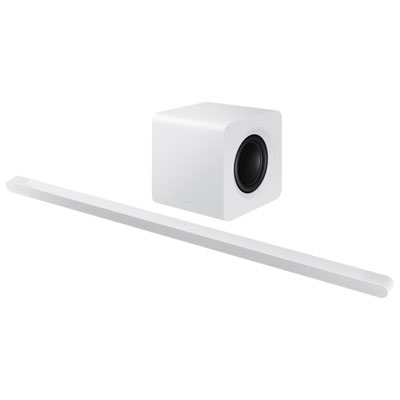
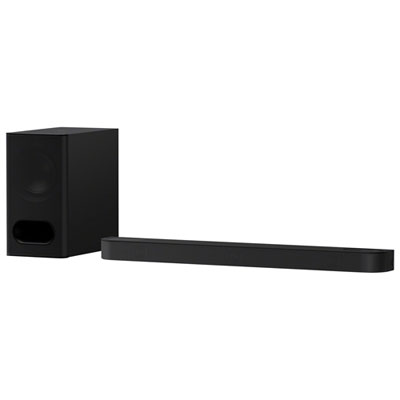
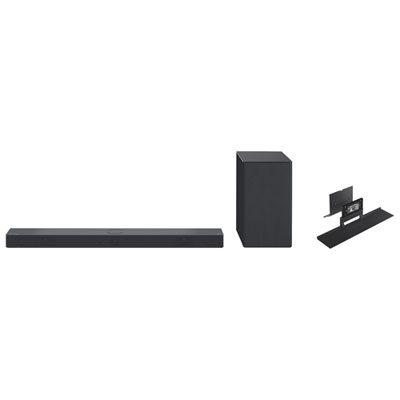
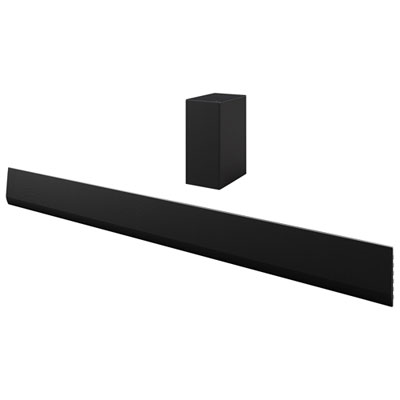
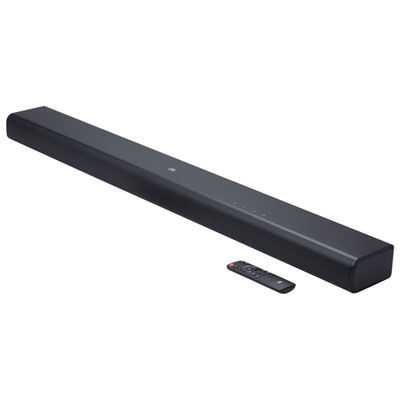
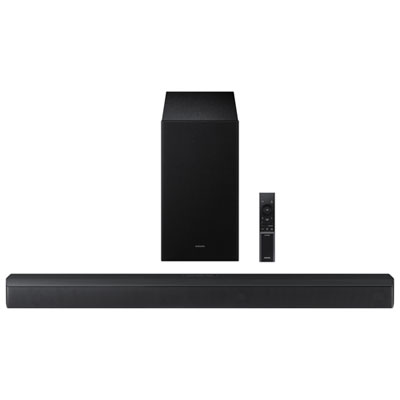
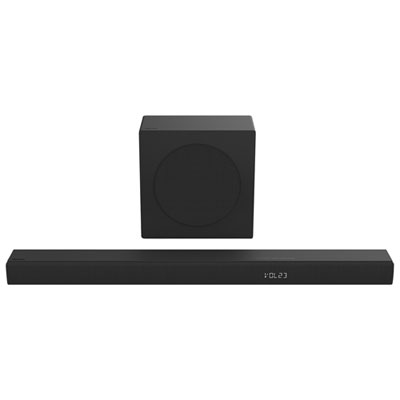
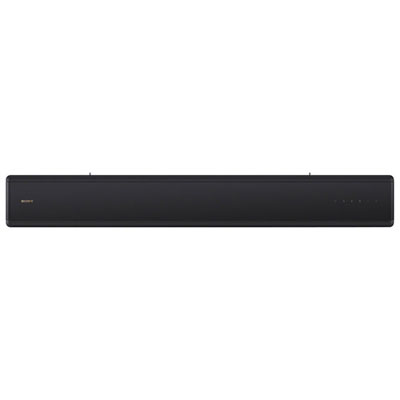
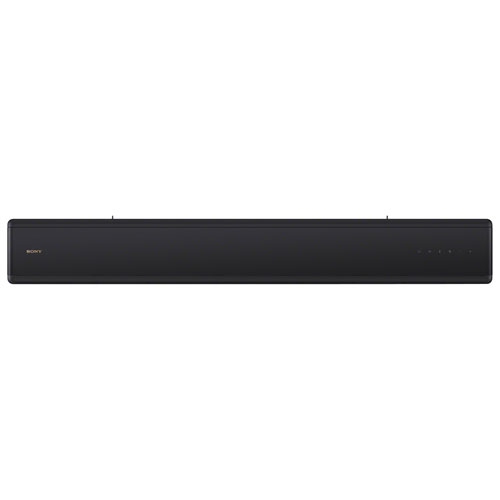
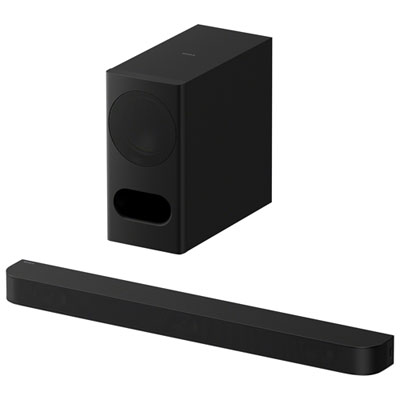
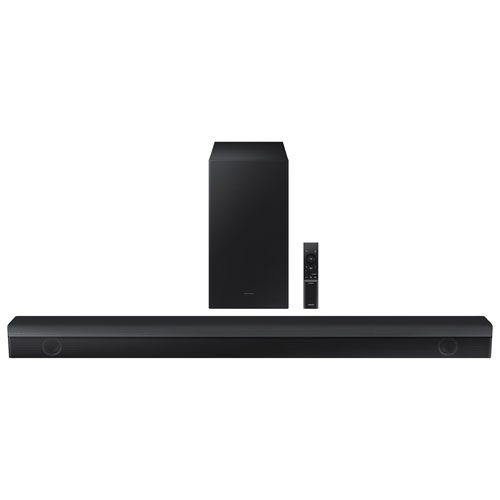
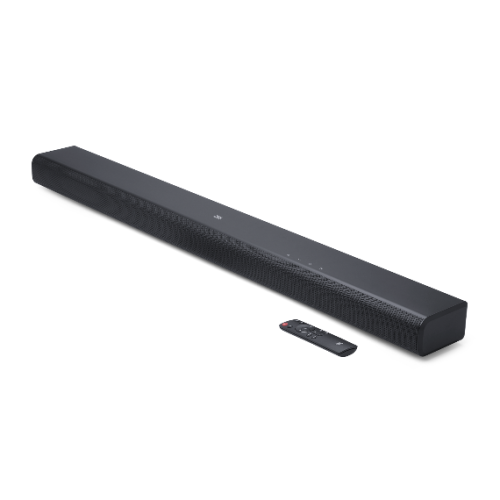
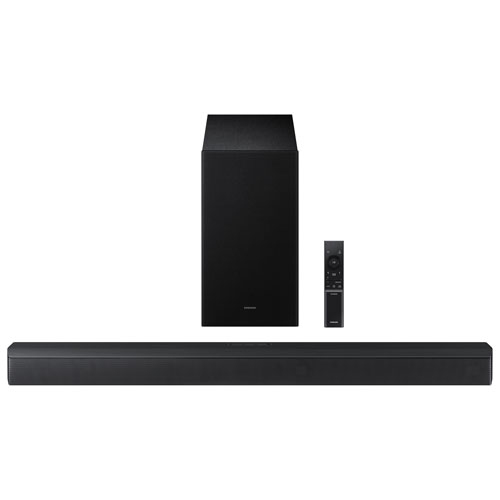
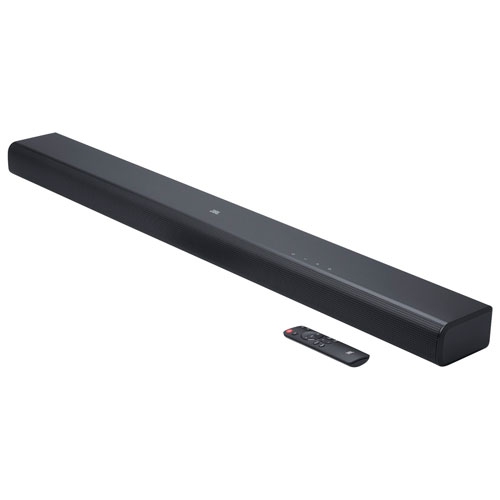
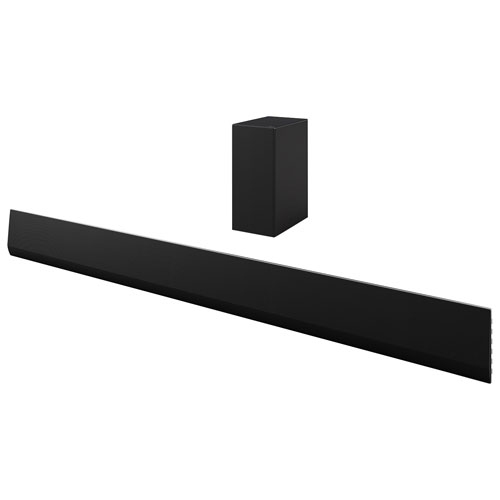
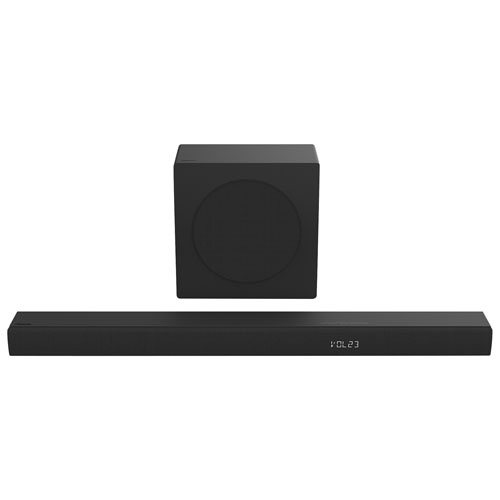
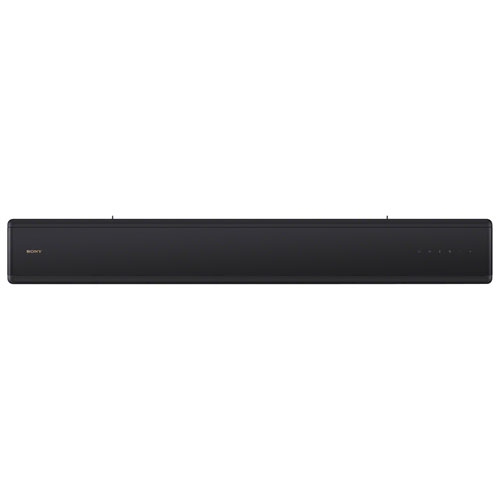
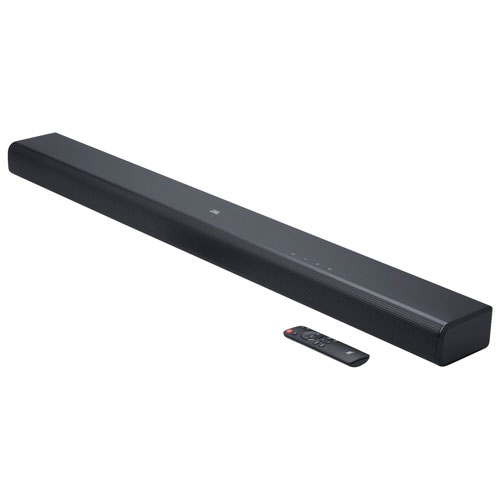
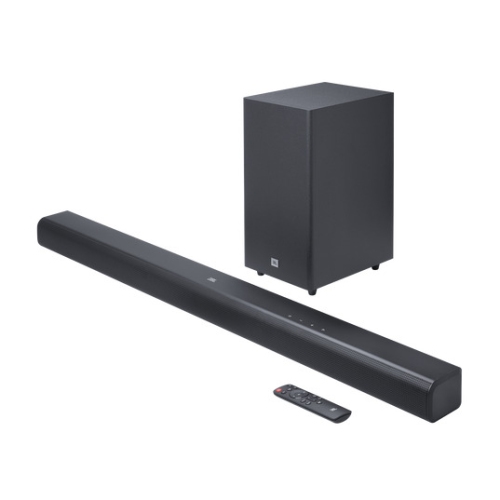
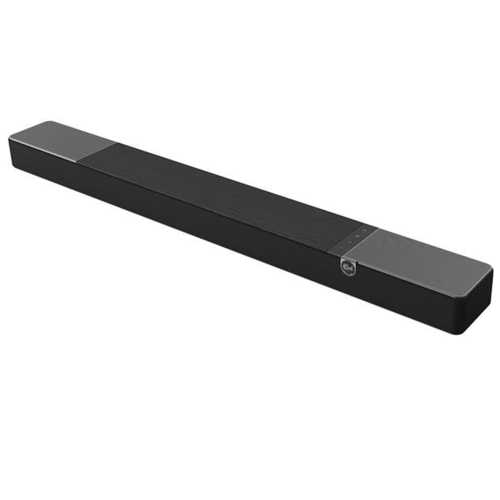
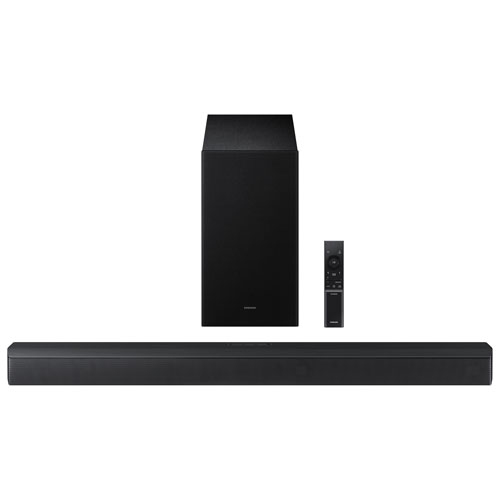
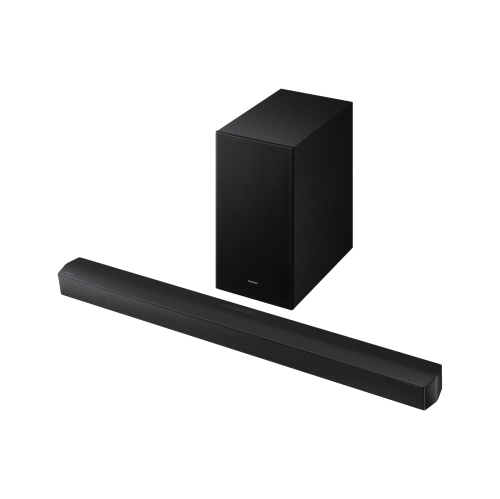
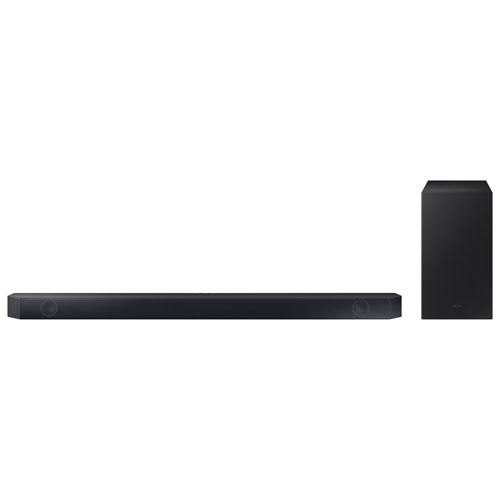

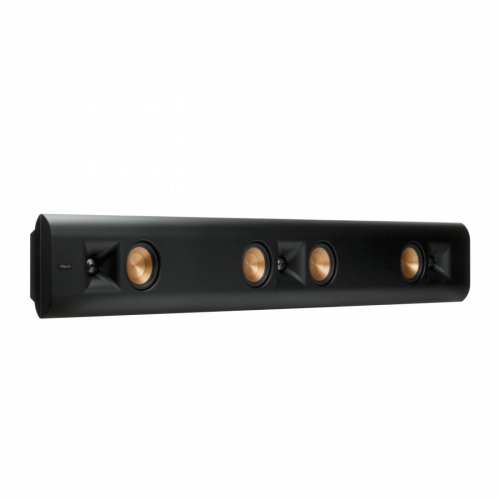
A dedicated centre channel helps dialogue stand out
A 3.1 sound bar system uses three front audio channels—left, centre, and right—plus a low-frequency effects channel, represented by the “.1”, that is reproduced by a subwoofer. The left and right channels provide separation for music, effects, and movement across the screen, while the dedicated centre channel anchors dialogue near the picture. This layout makes 3.1 sound bars a practical upgrade for viewers who find television speakers thin or struggle to follow conversations beneath a film’s soundtrack. During a busy action scene, the centre channel can help keep speech distinct as engines rumble and music builds around it. Results still depend on the original audio mix, room acoustics, and sound settings, but separating dialogue from the left and right channels gives the system a useful foundation for clearer television sound. The subwoofer handles deeper frequencies, adding weight to a bass guitar, the impact of a drum, or the low sweep of a cinematic score. Many systems pair the bar with a separate subwoofer, while some use built-in bass drivers for a more contained setup; the channel specification and included components help distinguish these arrangements. Compared with a 2.1 system, the defining addition is the dedicated centre channel, not simply greater loudness. A conventional 3.1 setup does not include discrete rear surround channels or dedicated height channels, although some sound bars use processing to create a wider or more spacious presentation. That distinction matters for anyone who wants engaging movie sound without placing speakers behind the sofa. These systems suit everyday streaming, live sports, console gaming, and music listening, especially where a television is the main entertainment hub. They can also make a thoughtful household gift when the recipient’s television connections and available space are known. For shared viewing, the appeal is often straightforward: voices stay connected to the screen, effects have more presence, and the listening area remains free of rear-speaker cables.
Physical fit matters as much as the channel count. A sound bar should sit comfortably beneath the screen without covering the picture, blocking the television’s remote-control sensor, or interfering with its stand. Measuring the usable width and depth of the furniture, as well as the clearance below the screen, gives a more useful picture than matching the bar to the television’s diagonal size alone. A wide cabinet may accommodate a substantial bar easily, while a television with closely spaced feet can leave surprisingly little room. Where shelf space is limited, Small Soundbars offer another size-focused browsing option, with channel layouts and bass arrangements worth checking individually. For a 3.1 system, placement should allow the front drivers to project towards the seating area rather than into the side of a cabinet or behind decorative objects. Wall mounting can keep furniture clear, provided the sound bar supports it and the mounting hardware is appropriate for the wall material and the unit’s weight. A separate subwoofer needs its own floor space and, for powered designs, access to an electrical outlet. “Wireless subwoofer” usually describes the audio connection to the bar, not freedom from a power cord. Bass can change noticeably with placement: a corner may increase its strength but also make certain notes sound boomy, while a position farther from the corner may produce a more even result. Listening from the main seat after small placement changes can help balance impact and clarity. Room surfaces matter too. Bare floors and large windows tend to reflect sound, whereas rugs, curtains, and upholstered furniture can soften those reflections. In a condo or another shared-wall setting, adjustable subwoofer levels and a night mode can be especially useful, although they cannot prevent bass from travelling through the building. A comfortable setup delivers intelligible speech and satisfying fullness at the volume actually used for daily viewing, rather than relying on maximum output.
Connections and controls determine how smoothly a 3.1 sound bar fits into an existing entertainment setup. HDMI ARC can carry television audio to a compatible sound bar through a single HDMI connection, and HDMI eARC supports higher-bandwidth audio formats when both devices and the cable support them. The television’s audio output settings still matter, because the bar can only play the signal it receives. HDMI-CEC may allow volume and power control with the television remote, though behaviour varies between devices. An optical connection is another common option, particularly for televisions without a suitable HDMI audio return connection, but it has different format and control limitations. Households using a game console, streaming player, and cable receiver should consider how those sources connect to the television and whether any direct HDMI inputs on the sound bar support the required video features. Bluetooth is convenient for casual playback from a phone, while Wi-Fi streaming, where supported, may offer additional listening and control options. Neither feature should be assumed from the 3.1 designation alone. Dialogue enhancement, adjustable centre-channel level, bass controls, and night listening settings also vary, but they can make a meaningful difference when a quiet drama gives way to a loud advertisement or when someone is watching after others have gone to bed. For music, a neutral sound mode can preserve a natural balance without adding unnecessary effects. Day-to-day durability depends partly on construction and partly on placement and care. Sound bars commonly combine rigid housings with metal or fabric grilles that protect the drivers; stable furniture, secure brackets, and neatly routed cables help protect the system from knocks and accidental pulls. Ventilation openings should remain unobstructed, and drinks should stay well away from the bar and subwoofer. A soft, dry cloth is generally suitable for exterior dusting, with the manufacturer’s care directions taking priority for fabric coverings and other finishes. Spraying cleaner directly onto a grille can allow moisture inside. With suitable placement, compatible connections, and accessible controls, a 3.1 sound bar can bring clearer dialogue and fuller sound to a living room without the space demands of a larger speaker system.
Physical fit matters as much as the channel count. A sound bar should sit comfortably beneath the screen without covering the picture, blocking the television’s remote-control sensor, or interfering with its stand. Measuring the usable width and depth of the furniture, as well as the clearance below the screen, gives a more useful picture than matching the bar to the television’s diagonal size alone. A wide cabinet may accommodate a substantial bar easily, while a television with closely spaced feet can leave surprisingly little room. Where shelf space is limited, Small Soundbars offer another size-focused browsing option, with channel layouts and bass arrangements worth checking individually. For a 3.1 system, placement should allow the front drivers to project towards the seating area rather than into the side of a cabinet or behind decorative objects. Wall mounting can keep furniture clear, provided the sound bar supports it and the mounting hardware is appropriate for the wall material and the unit’s weight. A separate subwoofer needs its own floor space and, for powered designs, access to an electrical outlet. “Wireless subwoofer” usually describes the audio connection to the bar, not freedom from a power cord. Bass can change noticeably with placement: a corner may increase its strength but also make certain notes sound boomy, while a position farther from the corner may produce a more even result. Listening from the main seat after small placement changes can help balance impact and clarity. Room surfaces matter too. Bare floors and large windows tend to reflect sound, whereas rugs, curtains, and upholstered furniture can soften those reflections. In a condo or another shared-wall setting, adjustable subwoofer levels and a night mode can be especially useful, although they cannot prevent bass from travelling through the building. A comfortable setup delivers intelligible speech and satisfying fullness at the volume actually used for daily viewing, rather than relying on maximum output.
Connections and controls determine how smoothly a 3.1 sound bar fits into an existing entertainment setup. HDMI ARC can carry television audio to a compatible sound bar through a single HDMI connection, and HDMI eARC supports higher-bandwidth audio formats when both devices and the cable support them. The television’s audio output settings still matter, because the bar can only play the signal it receives. HDMI-CEC may allow volume and power control with the television remote, though behaviour varies between devices. An optical connection is another common option, particularly for televisions without a suitable HDMI audio return connection, but it has different format and control limitations. Households using a game console, streaming player, and cable receiver should consider how those sources connect to the television and whether any direct HDMI inputs on the sound bar support the required video features. Bluetooth is convenient for casual playback from a phone, while Wi-Fi streaming, where supported, may offer additional listening and control options. Neither feature should be assumed from the 3.1 designation alone. Dialogue enhancement, adjustable centre-channel level, bass controls, and night listening settings also vary, but they can make a meaningful difference when a quiet drama gives way to a loud advertisement or when someone is watching after others have gone to bed. For music, a neutral sound mode can preserve a natural balance without adding unnecessary effects. Day-to-day durability depends partly on construction and partly on placement and care. Sound bars commonly combine rigid housings with metal or fabric grilles that protect the drivers; stable furniture, secure brackets, and neatly routed cables help protect the system from knocks and accidental pulls. Ventilation openings should remain unobstructed, and drinks should stay well away from the bar and subwoofer. A soft, dry cloth is generally suitable for exterior dusting, with the manufacturer’s care directions taking priority for fabric coverings and other finishes. Spraying cleaner directly onto a grille can allow moisture inside. With suitable placement, compatible connections, and accessible controls, a 3.1 sound bar can bring clearer dialogue and fuller sound to a living room without the space demands of a larger speaker system.
Top selling and popular products
-
 Your price for this item is $1379.99
 -
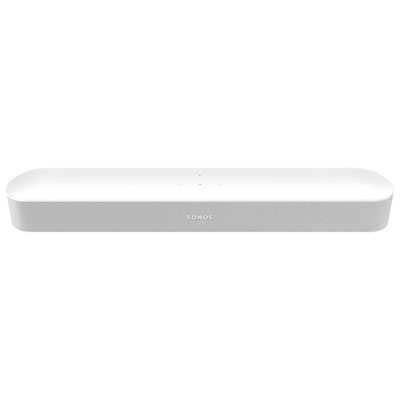 Your price for this item is $649.99
 -
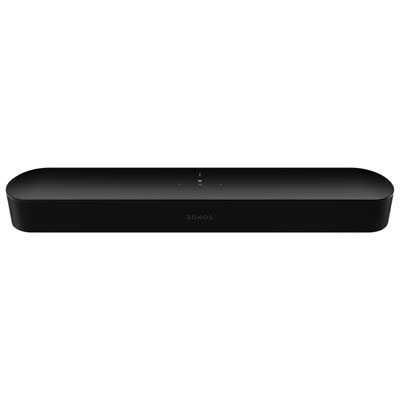 Your price for this item is $649.99
 -
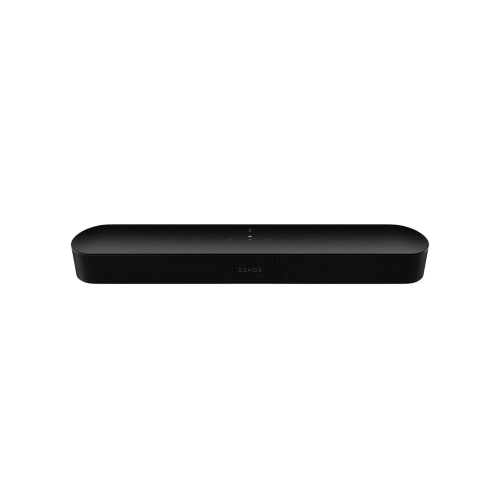 Your price for this item is $649.99
 -
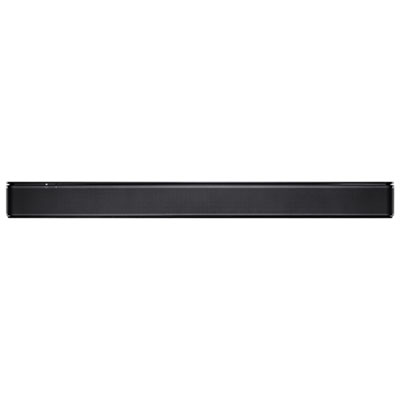 Your price for this item is $329.99
 -
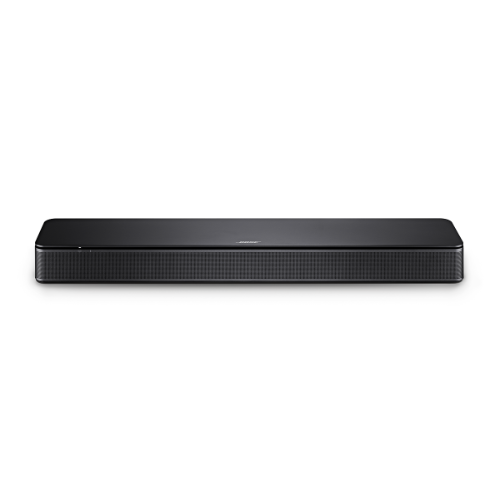 Your price for this item is $284.99
 -
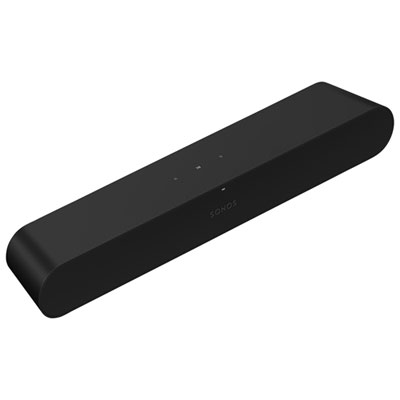 Your price for this item is $289.99
 -
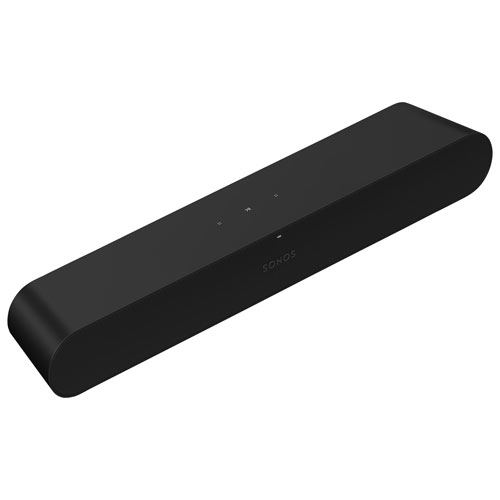 Your price for this item is $299.98
Discover more categories related to 3.1 Sound Bars
Top Collections:
Pokemon Centers, Kindle Devices, Best Budget Office Chairs, Apple iPhones 16, Best Laptops for Writers, iPhone 15 Apple, Canon G7X Cameras, Refurbished Apple Laptops, Alarm Clock, Motorola Razr Phones
Some products may be subject to Environmental Handling Fees
(EHF) depending on your province.
Learn more about EHFs.