Equipment for Gold Prospecting
Embark on your next gold prospecting adventure fully equipped with the essential gear you need to uncover treasures in the great outdoors. Whether you're a seasoned prospector or just starting out, having the right tools can make all the difference in your quest for gold. Browse through our range of high-quality equipment designed to help you strike it rich and make the most of your time in the field.
Sort




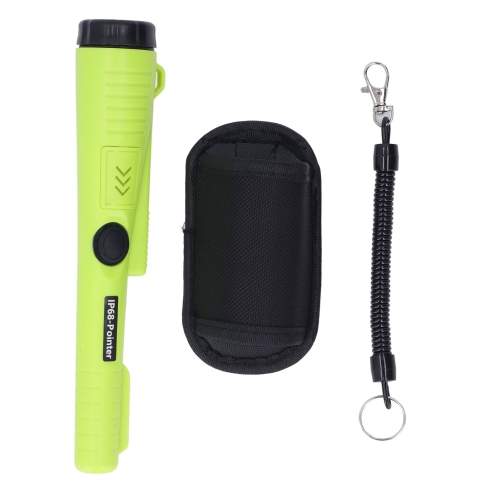
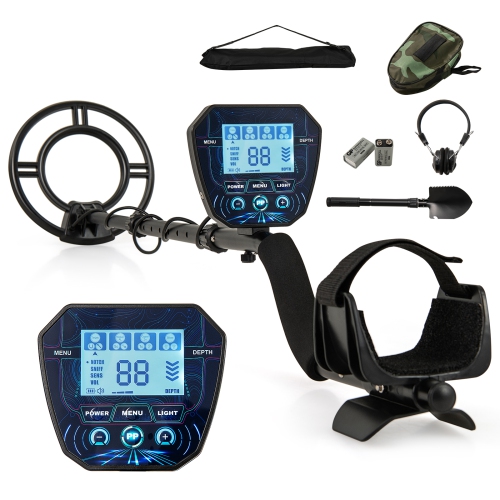
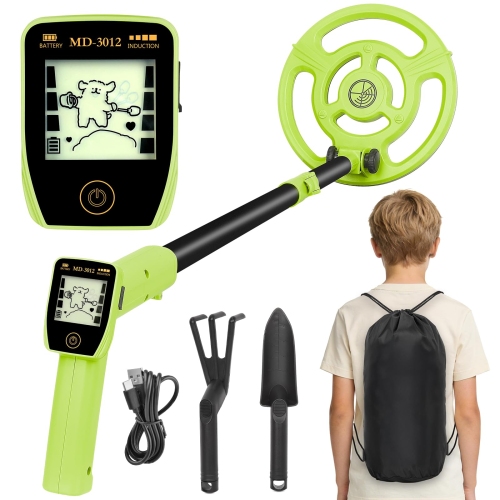
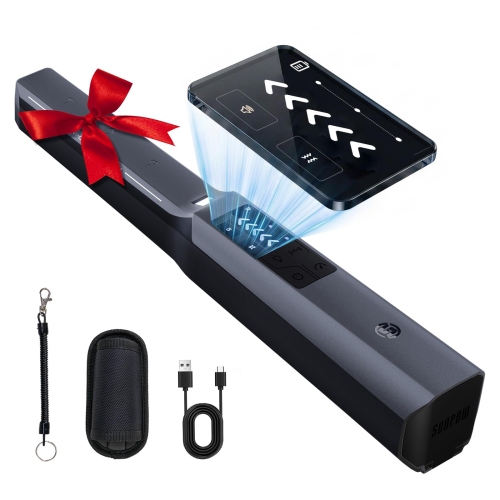

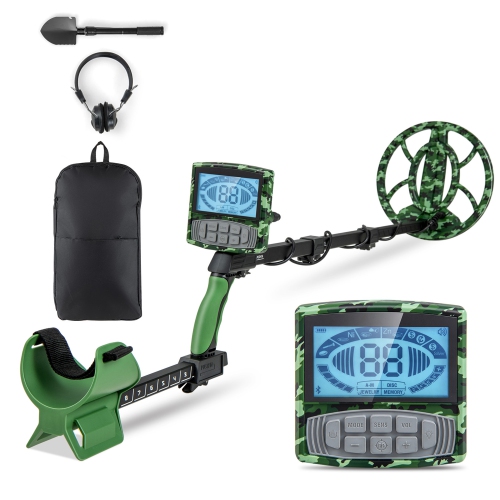
From simple pans to more precise gold cleanup
Equipment for gold prospecting can range from simple hand tools for a relaxed afternoon by the water to a more complete setup for processing larger amounts of gravel. A gold pan is the traditional starting point, and its shape, weight and colour can make a noticeable difference during cleanup. Lightweight plastic pans are easy to carry along a trail and are often available in high-contrast colours that make fine gold easier to spot against dark sand and gravel. Steel pans offer a durable alternative for prospectors who prefer a more substantial feel in hand. Look for a pan with moulded riffles or textured sections that help retain heavier material while lighter sediment is washed away. A classifier screen is another practical addition, fitting over a bucket or pan to remove oversized stones before you begin panning. Screening first can reduce strain, speed up the process and make it easier to concentrate on the smaller material most likely to contain fine flakes. A sturdy bucket with a comfortable handle is useful for carrying material and water, while a compact shovel helps collect gravel from shallow banks, exposed streambeds and other accessible areas. For anyone who spends time exploring rocky ground, a prospecting pick or rock hammer can help loosen compacted earth and carefully work around bedrock cracks where heavy minerals may settle. Choose tools with secure grips and a size that suits the terrain, since equipment that feels manageable at home can become tiring after several hours outdoors.
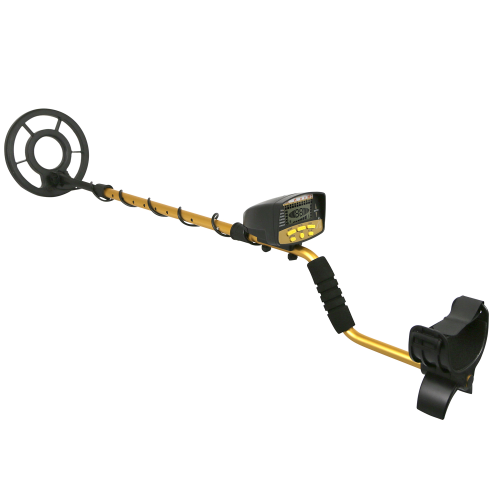
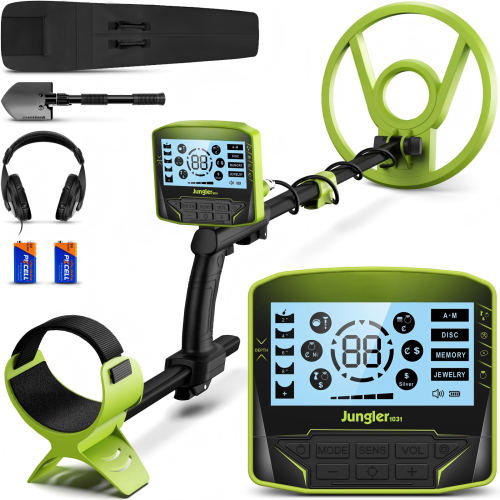
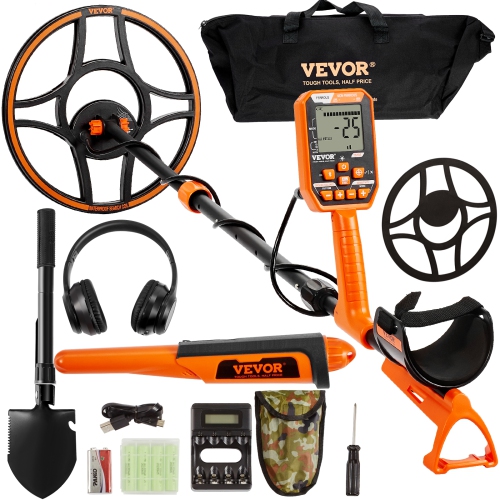
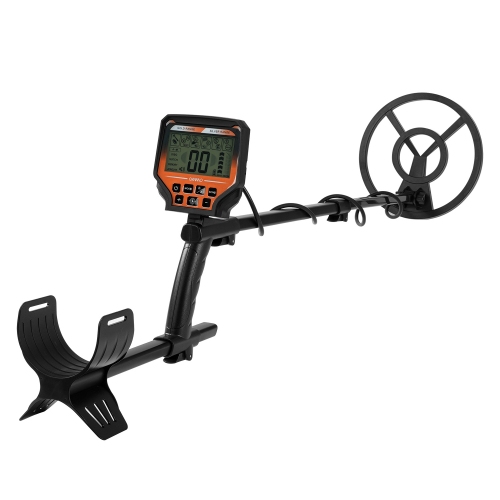
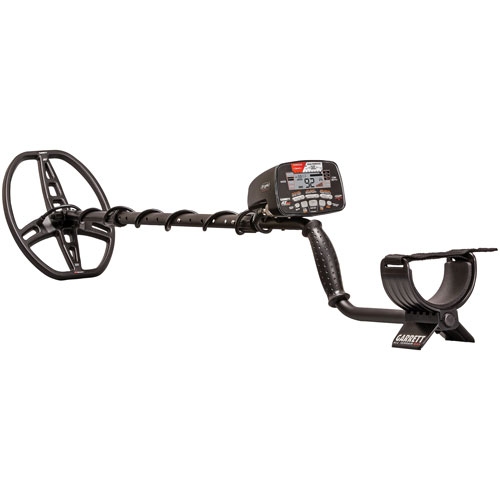
A portable sluice box is worth considering when a pan alone is not practical for the amount of material being processed. Designed to use a steady flow of water, a sluice channels gravel across riffles, miner’s moss or textured matting that helps trap dense concentrates while lighter sediment moves through. This can make processing faster, particularly for experienced users working near a suitable stream or other permitted water source. Sluice boxes vary in length, material and setup, so consider how easily the unit can be carried, assembled and secured before choosing one. A shorter, lighter design may suit casual outings and remote walking routes, while a larger setup may be more appropriate for users who plan to process material at a fixed location. During final cleanup, a snuffer bottle provides controlled suction for lifting small gold flakes from a pan and transferring them into a storage vial. A clear vial with a secure cap helps keep recovered material together and makes it easier to inspect later. A separating magnet can draw magnetic black sand away from heavier non-magnetic concentrates, reducing the amount of material that needs to be handled by hand. Crevice tweezers are helpful for picking up individual flakes, while a magnifier can reveal tiny pieces that are easy to overlook in wet sand. These small accessories take up very little room and can make a basic setup feel considerably more precise. If detecting is also part of the plan, browse Treasure Hunting Metal Detectors for equipment designed to help locate metal objects below the surface.
The right gold prospecting equipment depends on the person using it, the type of ground being explored and how much material they expect to process. Beginners often appreciate a straightforward combination of a pan, classifier, snuffer bottle and vial because it teaches the fundamentals without requiring a large loadout. Families and groups can add a second pan, extra hand tools and individual storage vials so everyone can take part in sorting and cleanup. A compact panning set can also be a thoughtful gift for someone interested in geology, outdoor exploration, local history or hands-on weekend activities. More experienced prospectors may prefer to build around a sluice box, durable shovel, pick and specialized cleanup tools, selecting each piece based on pack space, water access and the conditions they regularly encounter. Portability becomes especially important when travelling over uneven ground, and weather-resistant construction is useful during cooler months when equipment may be exposed to damp conditions, mud or changing temperatures. Before heading out, check local access rules, claim requirements and restrictions on collecting material or using equipment in waterways. Wear gloves and sturdy footwear, work carefully around slippery banks and avoid entering fast-moving or cold water without appropriate experience and support. As the weather changes through the season, a well-organized kit makes it easier to spend time outdoors comfortably: keep small tools in a pouch, rinse sediment from equipment after use and store recovered material securely. Whether the goal is learning how heavy minerals behave, enjoying a quiet activity beside a creek or pursuing the excitement of finding a bright flake in a pan, thoughtfully chosen gear helps make each outing more organized, practical and rewarding.
Top selling and popular products
-
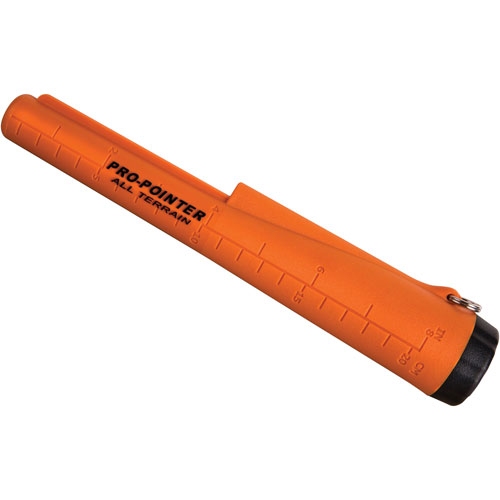 Your price for this item is $160.99
-
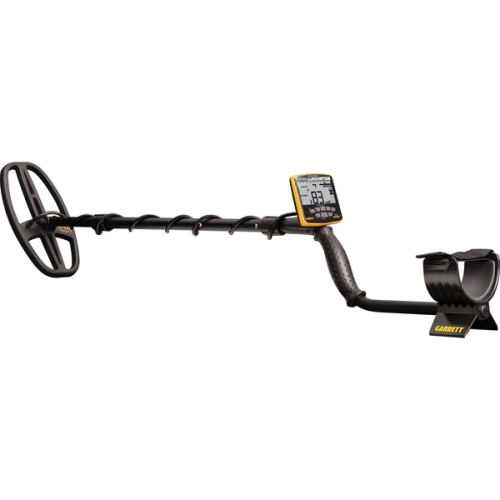 Your price for this item is $650.99
-
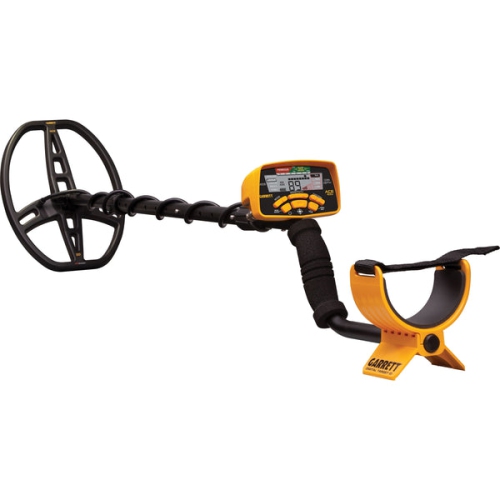 Your price for this item is $520.99
-
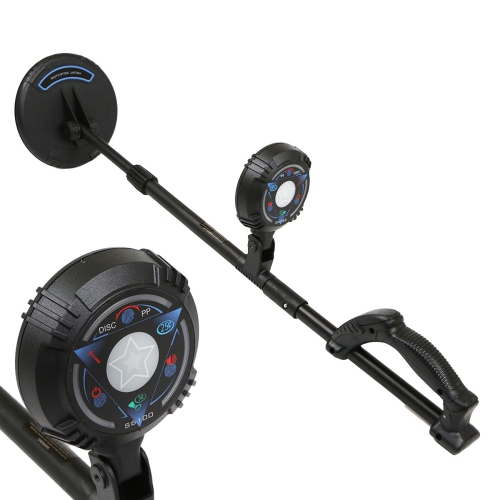 Your price for this item is $81.59
-
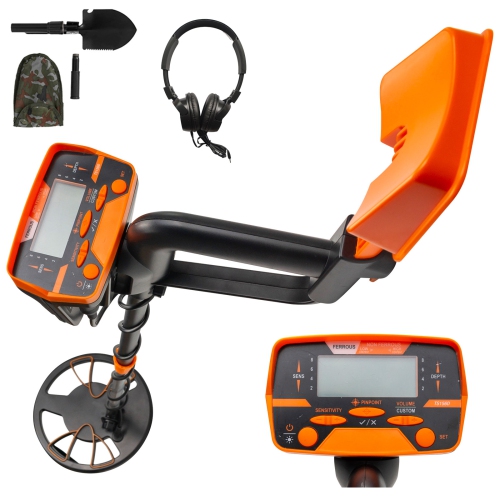 Your price for this item is $93.99
-
 Your price for this item is $89.99
-
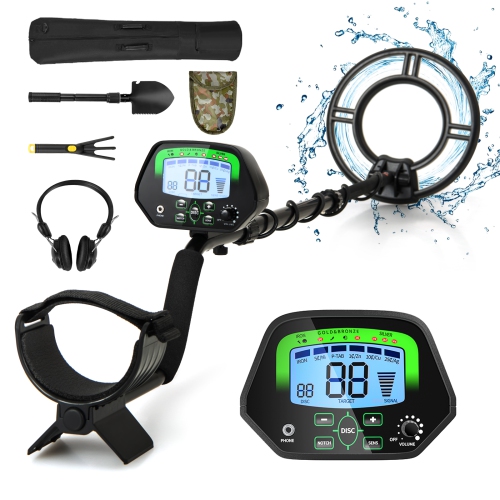 Your price for this item is $133.99
-
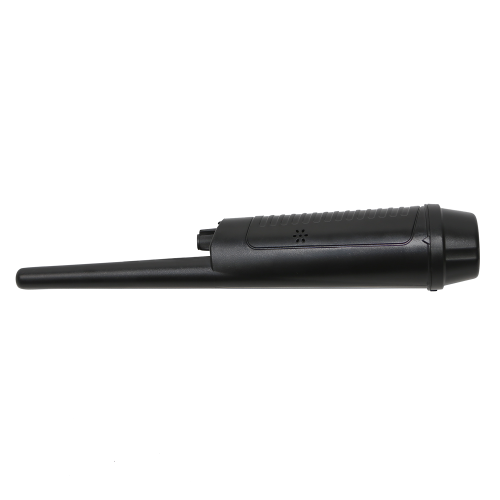 Your price for this item is $53.04
Discover more categories related to Equipment for Gold Prospecting
Top Collections:
Pokemon Centers, Kindle Devices, Best Cameras for Sports Photography, Pokémon 30th Celebration Cards, Apple iPhones 16, Canon G7X Cameras, iPhone 15 Apple, Flip Phones, Samsung Galaxy Phones, Alarm Clock
Some products may be subject to Environmental Handling Fees
(EHF) depending on your province.
Learn more about EHFs.