Water Resistant Metal Detectors
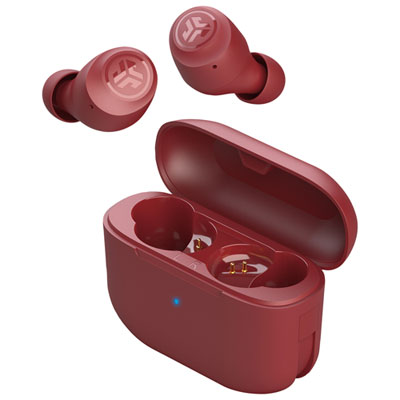
Looking to embark on exciting treasure hunts in water-filled landscapes? Look no further than our collection of water-resistant metal detectors. Designed to withstand the elements, these cutting-edge devices are perfect for beachcombing, river exploration, and underwater searches. With their advanced technology and durable construction, our water-resistant metal detectors ensure that you never miss a chance to uncover hidden gems beneath the waves. Whether you're a seasoned treasure hunter or a beginner in the field, these reliable and high-performing detectors will take your adventures to new depths. Also check out our selection of Waterproof Wireless Earbuds for more great options!
Sort
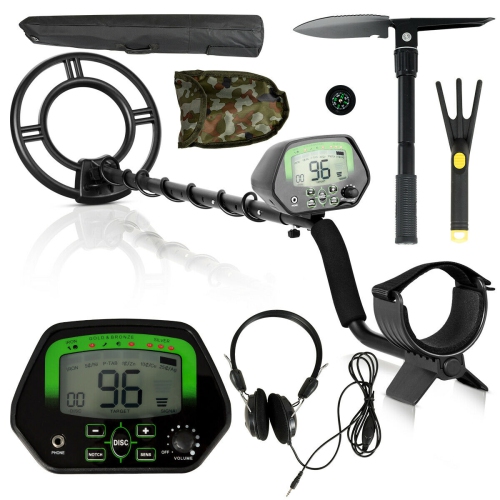
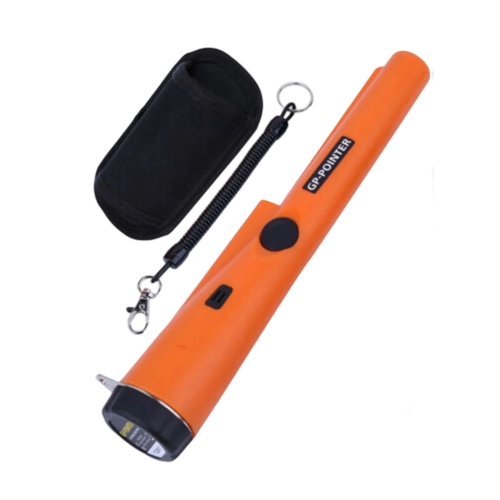
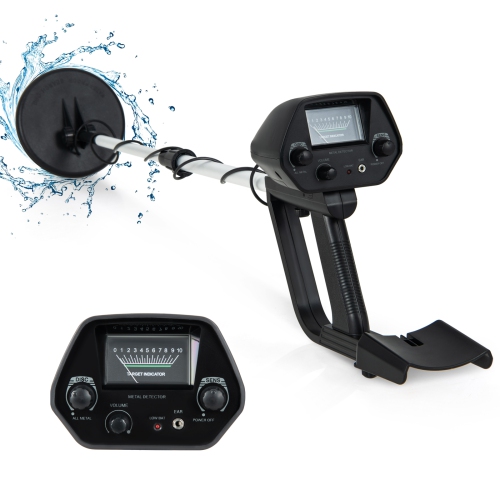
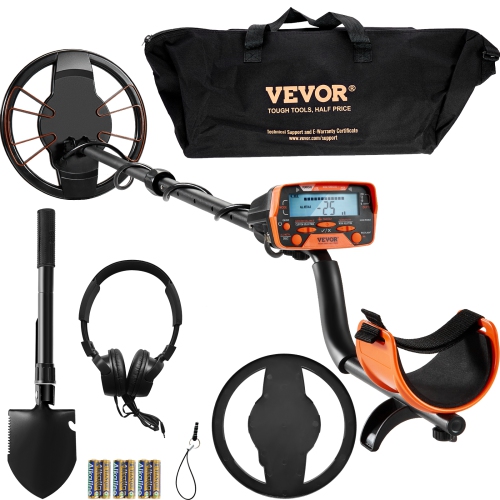
Why a waterproof coil does not guarantee underwater capability
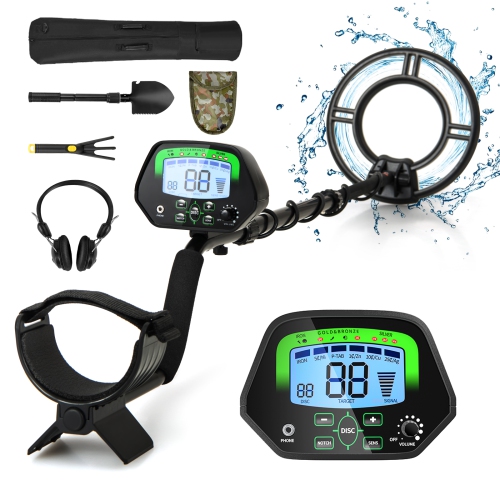
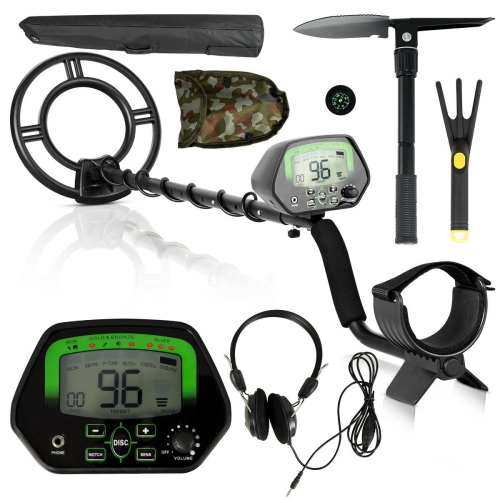
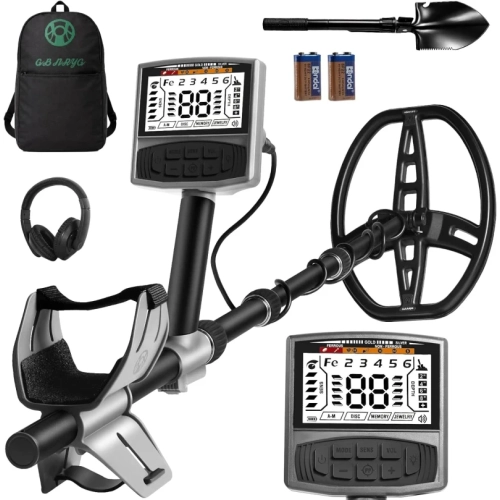
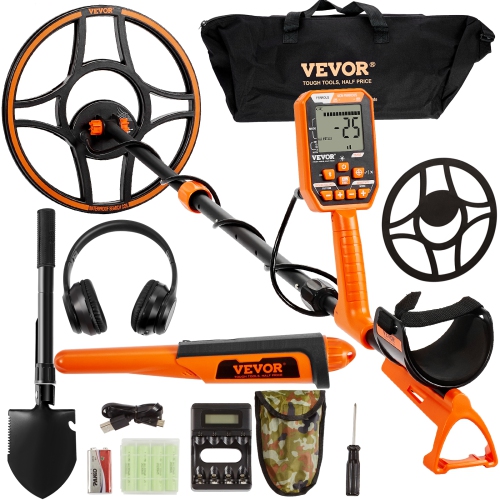
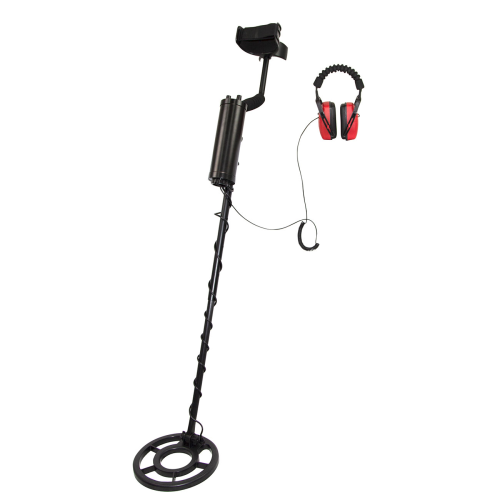
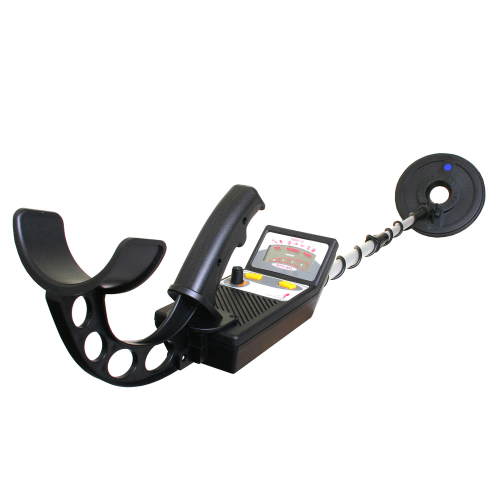
Water-resistant metal detectors bring a different kind of curiosity to time spent beside a lake, along a shoreline, or on a sandy beach. Designed to locate metal beneath the surface, they can help hobbyists search for dropped jewellery, coins, and other buried objects in places where contact with water is part of the activity. The important distinction is how much of the detector is protected. A waterproof search coil does not necessarily mean the entire detector can go underwater: the control housing, battery compartment, cable connections, and headphones may have different limits. A detector with a waterproof coil and a non-submersible control box can be suitable for searching wet sand or shallow water while the electronics remain above the surface, provided the manufacturer permits that use. Full immersion requires a detector explicitly rated for underwater operation, with a stated maximum depth and any conditions specified by the manufacturer. Even an IP68 rating needs to be read alongside the product’s depth and duration limits rather than treated as a universal underwater rating. This distinction matters when a search moves from the edge of the water to a submerged stretch of sand, where lowering the handle could put the control box below the surface. Freshwater and saltwater use also place different demands on a detector. A model suited to a lakeside swimming area may not deliver the same stable response on a saltwater beach, where conductive salts and mineralized sand can create unwanted signals. Water resistance describes protection against water entering the equipment; it does not, by itself, describe how well the detector handles those ground conditions. For shoreline hobbyists, beachcombers, and experienced detectorists alike, the most useful combination is protection suited to the intended water contact and detection features suited to the search location. Water clarity, footing, and permission to search still matter, and a detector’s depth rating is an equipment limit, not an indication that a location is safe to enter.
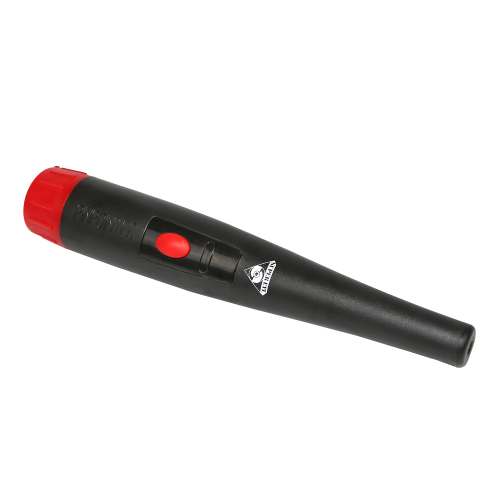
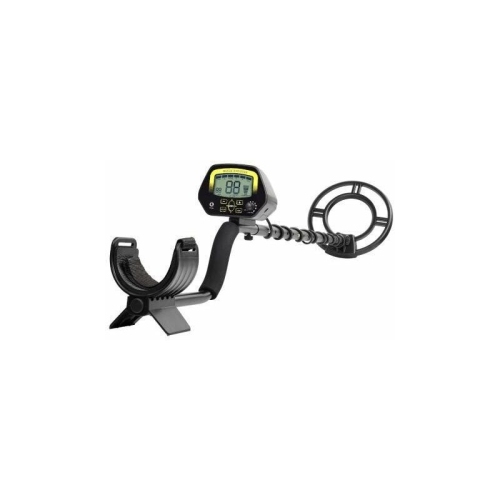
The experience of using a water-resistant metal detector depends just as much on its search technology as on its sealed components. Ground balance helps account for the response from minerals in the ground, while sensitivity settings adjust how readily the detector responds to signals. Higher sensitivity is not always more useful: excessive chatter can make a small, repeatable target harder to distinguish from background responses. In conductive wet sand, detection modes intended for saltwater beaches and, on suitable models, simultaneous multi-frequency operation can help maintain a steadier response. These features vary, so water protection alone is not evidence of saltwater capability. Target identification displays and different audio tones provide clues about a detected object, but they cannot confirm exactly what lies beneath the coil. A pull tab and a piece of gold jewellery can produce overlapping responses, and discrimination settings that reject unwanted metal can also exclude desirable finds. For someone searching an area with bottle caps and small foil fragments, adjustable discrimination offers a way to manage distracting signals without promising perfect separation. Coil design also affects how a detector feels and performs. Larger coils generally cover more ground with each sweep and may offer greater detection depth in suitable conditions, while smaller coils can be easier to manoeuvre between rocks and distinguish closely spaced targets. Actual detection depth depends on the target’s size, shape, orientation, and metal composition, as well as the ground, coil, and detector settings; it should not be confused with the rated depth for submersion. A pinpoint function can help narrow a target’s position before retrieval, which is useful when water movement quickly fills a small hole with sand. Clear controls, readable target information, and audio that remains easy to interpret can make repeated sweeps less tiring. Headphone compatibility deserves attention too, because ordinary wireless audio connections generally do not work reliably underwater, and submerged listening requires equipment and connections designed for that purpose.
Comfort and construction become especially noticeable during a search that lasts longer than a few minutes. An adjustable shaft helps position the coil close to the ground without forcing the user to bend forward, while an arm cuff and comfortable grip support a relaxed, controlled sweep. Overall weight matters, but balance matters too: a detector that feels manageable when lifted can become tiring if most of its weight sits far ahead of the hand. Water adds resistance to each movement, making a secure shaft and a coil that stays at the intended angle useful features for shallow-water searching. Shoppers interested in easier handling can also explore Lightweight Metal Detectors, while checking water-protection specifications separately. Depending on the design, construction may include moulded polymer housings, aluminium or carbon-fibre shafts, sealed buttons, and protected cable connectors. Durable materials help with regular handling, but seals, joint security, and correct assembly remain central to keeping water out. Sand caught around a gasket or a battery cover that is not fully closed can compromise protection. After permitted saltwater use, manufacturer-approved cleaning typically includes removing salt and grit with fresh water from parts designed to tolerate it, followed by drying before storage or opening sealed compartments. Charging ports and battery compartments need particular care, and a detector should be dry before a charging connection is made. Replaceable coil covers can help protect the search coil from abrasion, although trapped sand beneath a cover may need periodic removal. For travel and storage, a collapsible or sectional shaft can make the equipment easier to pack without putting strain on cables and connectors. Beginners may appreciate straightforward controls and a comfortable fit, while frequent hobbyists may value more detailed adjustments and underwater audio options. As a gift, a water-resistant detector suits someone who enjoys patient searching and learning how different signals relate to finds. Its usefulness ultimately rests on a good match between the user, the location, and the permitted type of water exposure, alongside respect for property access, local detecting rules, and responsible retrieval practices.
The experience of using a water-resistant metal detector depends just as much on its search technology as on its sealed components. Ground balance helps account for the response from minerals in the ground, while sensitivity settings adjust how readily the detector responds to signals. Higher sensitivity is not always more useful: excessive chatter can make a small, repeatable target harder to distinguish from background responses. In conductive wet sand, detection modes intended for saltwater beaches and, on suitable models, simultaneous multi-frequency operation can help maintain a steadier response. These features vary, so water protection alone is not evidence of saltwater capability. Target identification displays and different audio tones provide clues about a detected object, but they cannot confirm exactly what lies beneath the coil. A pull tab and a piece of gold jewellery can produce overlapping responses, and discrimination settings that reject unwanted metal can also exclude desirable finds. For someone searching an area with bottle caps and small foil fragments, adjustable discrimination offers a way to manage distracting signals without promising perfect separation. Coil design also affects how a detector feels and performs. Larger coils generally cover more ground with each sweep and may offer greater detection depth in suitable conditions, while smaller coils can be easier to manoeuvre between rocks and distinguish closely spaced targets. Actual detection depth depends on the target’s size, shape, orientation, and metal composition, as well as the ground, coil, and detector settings; it should not be confused with the rated depth for submersion. A pinpoint function can help narrow a target’s position before retrieval, which is useful when water movement quickly fills a small hole with sand. Clear controls, readable target information, and audio that remains easy to interpret can make repeated sweeps less tiring. Headphone compatibility deserves attention too, because ordinary wireless audio connections generally do not work reliably underwater, and submerged listening requires equipment and connections designed for that purpose.
Comfort and construction become especially noticeable during a search that lasts longer than a few minutes. An adjustable shaft helps position the coil close to the ground without forcing the user to bend forward, while an arm cuff and comfortable grip support a relaxed, controlled sweep. Overall weight matters, but balance matters too: a detector that feels manageable when lifted can become tiring if most of its weight sits far ahead of the hand. Water adds resistance to each movement, making a secure shaft and a coil that stays at the intended angle useful features for shallow-water searching. Shoppers interested in easier handling can also explore Lightweight Metal Detectors, while checking water-protection specifications separately. Depending on the design, construction may include moulded polymer housings, aluminium or carbon-fibre shafts, sealed buttons, and protected cable connectors. Durable materials help with regular handling, but seals, joint security, and correct assembly remain central to keeping water out. Sand caught around a gasket or a battery cover that is not fully closed can compromise protection. After permitted saltwater use, manufacturer-approved cleaning typically includes removing salt and grit with fresh water from parts designed to tolerate it, followed by drying before storage or opening sealed compartments. Charging ports and battery compartments need particular care, and a detector should be dry before a charging connection is made. Replaceable coil covers can help protect the search coil from abrasion, although trapped sand beneath a cover may need periodic removal. For travel and storage, a collapsible or sectional shaft can make the equipment easier to pack without putting strain on cables and connectors. Beginners may appreciate straightforward controls and a comfortable fit, while frequent hobbyists may value more detailed adjustments and underwater audio options. As a gift, a water-resistant detector suits someone who enjoys patient searching and learning how different signals relate to finds. Its usefulness ultimately rests on a good match between the user, the location, and the permitted type of water exposure, alongside respect for property access, local detecting rules, and responsible retrieval practices.
Top selling and popular products
-
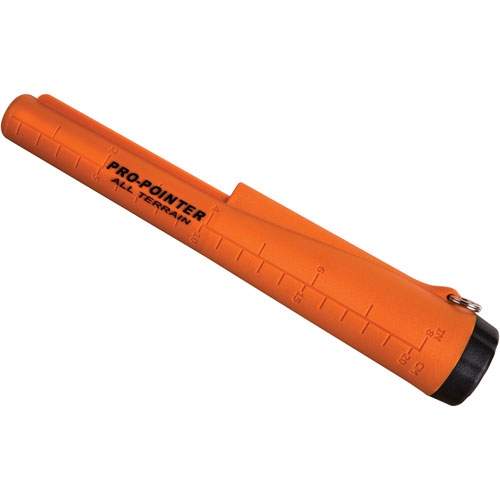 Your price for this item is $160.99
 -
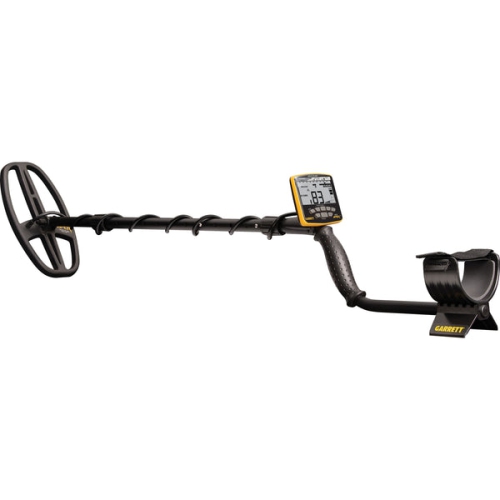 Your price for this item is $650.99
 -
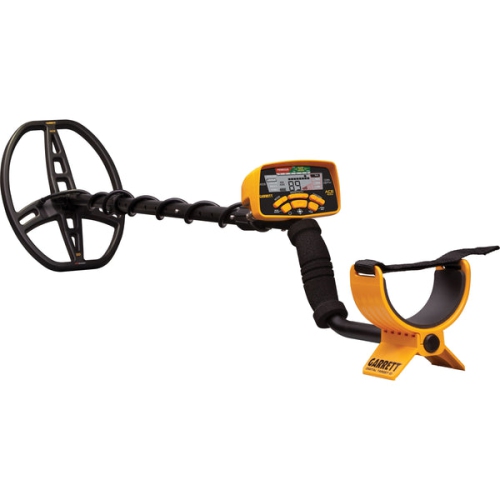 Your price for this item is $520.99
 -
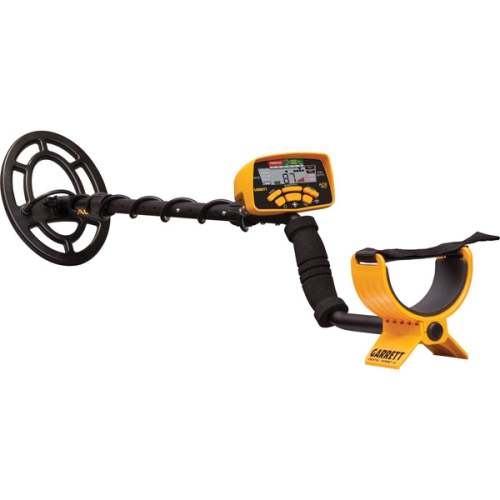 Your price for this item is $392.99
 -
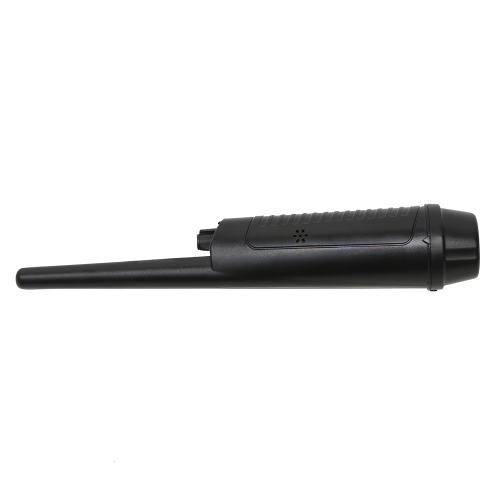 Your price for this item is $53.04
 -
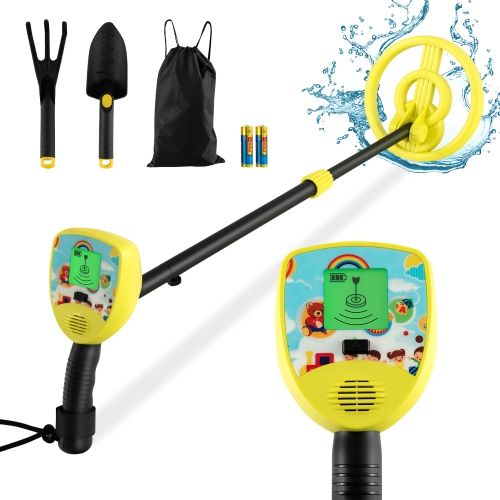 Your price for this item is $69.99
 -
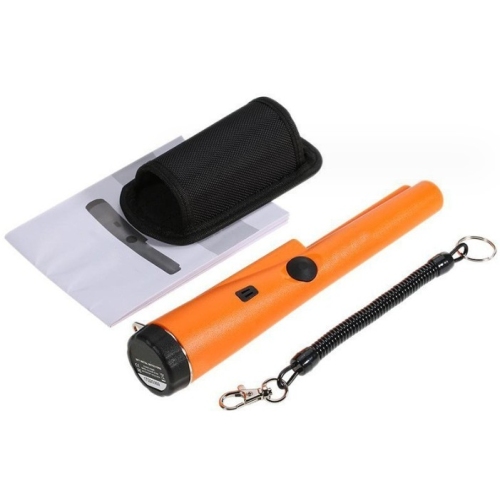 Your price for this item is $29.13
 -
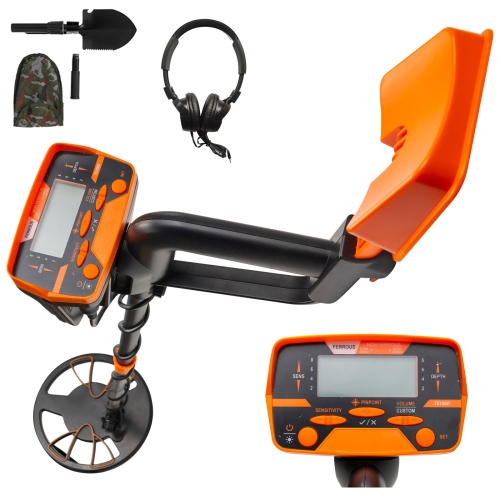 Your price for this item is $93.99
Discover more categories related to Water Resistant Metal Detectors

Top Collections:
Pokemon Centers, Kindle Devices, Best Budget Office Chairs, Apple iPhones 16, Best Laptops for Writers, iPhone 15 Apple, Canon G7X Cameras, Refurbished Apple Laptops, Alarm Clock, Motorola Razr Phones
Some products may be subject to Environmental Handling Fees
(EHF) depending on your province.
Learn more about EHFs.