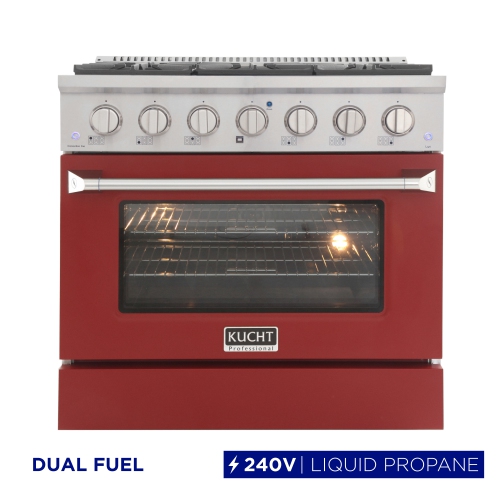
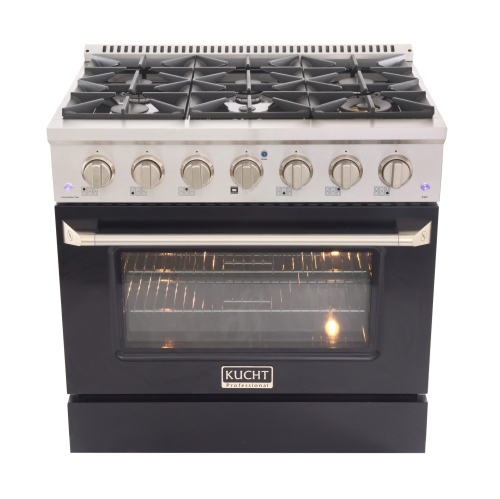
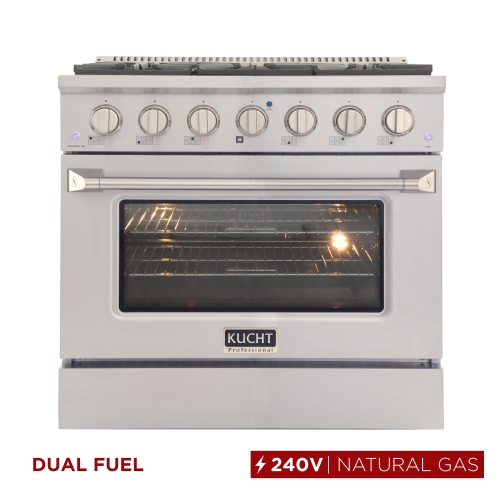
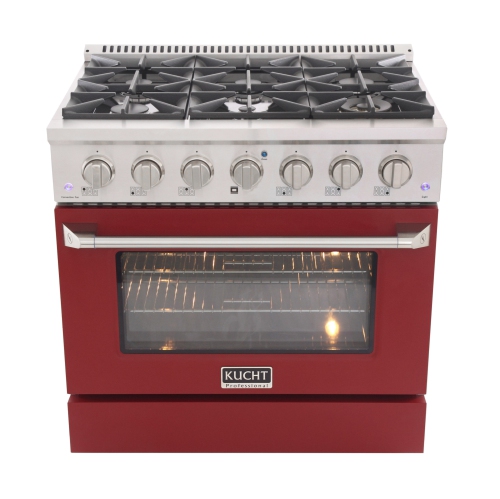
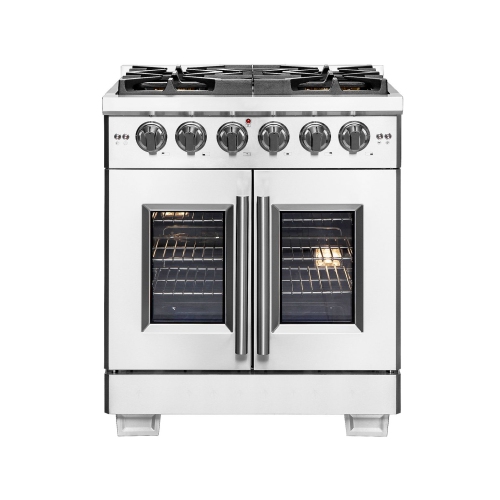
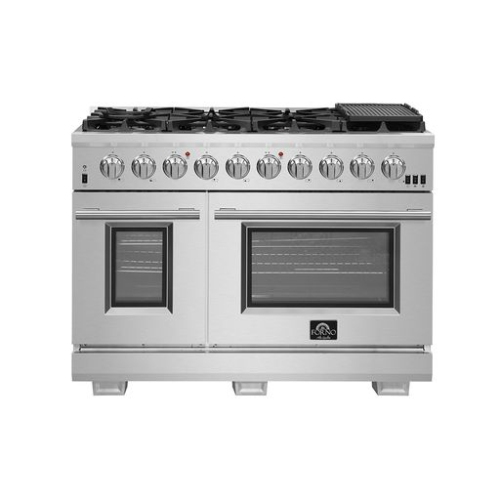
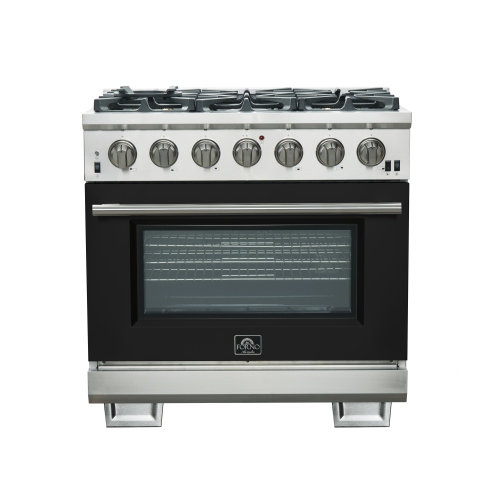
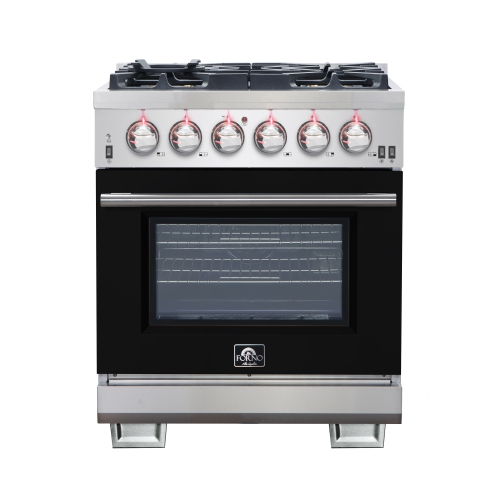
Stove Tops with Ovens

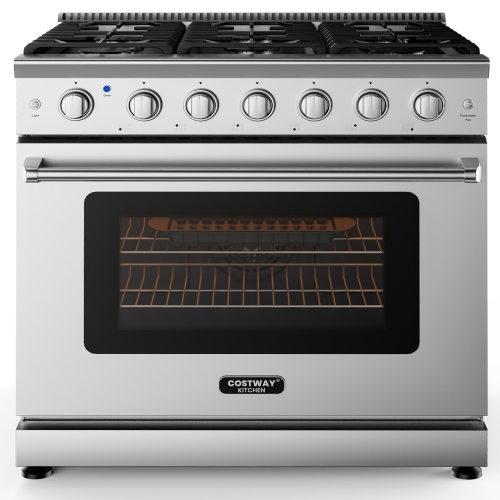
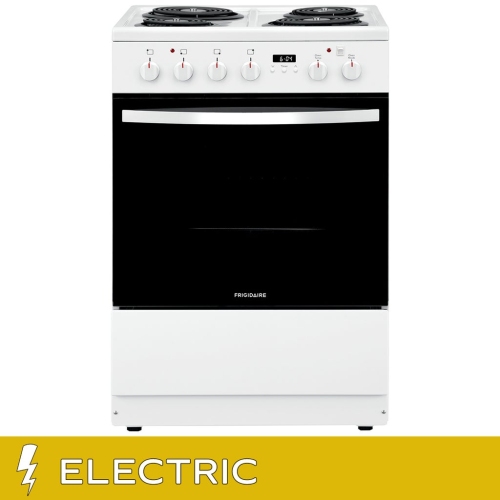
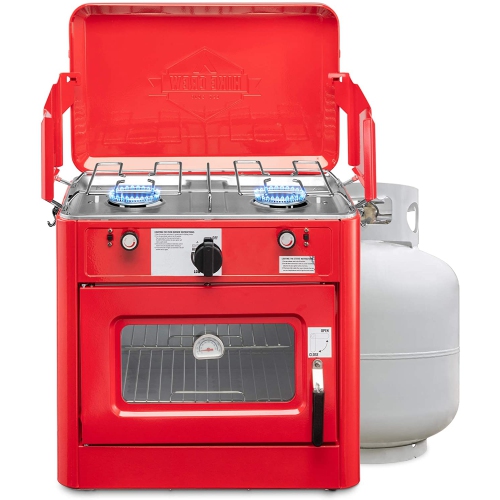
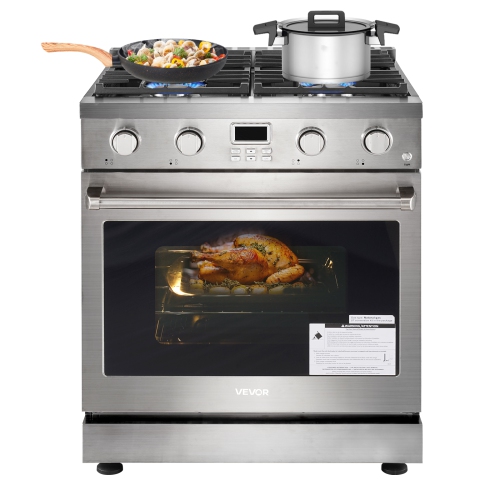
Stove tops with ovens combine a cooktop and oven in one kitchen range for everyday cooking and baking. Compare dimensions, oven capacity, and cooking controls to find a model that fits your kitchen layout and the meals you make most often.
Read More

Sort

How cooktop type and oven space shape everyday cooking

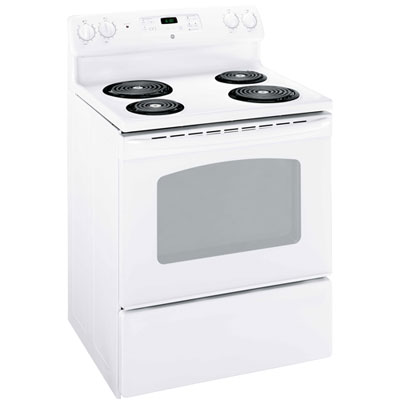
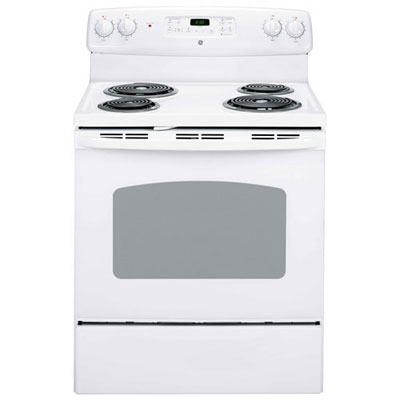
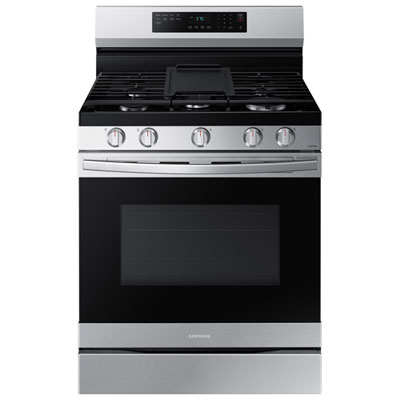
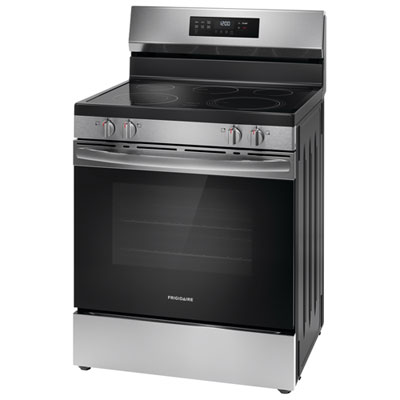
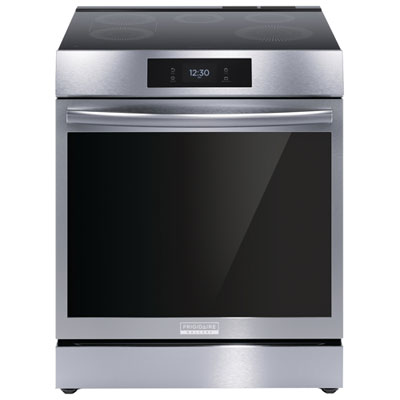
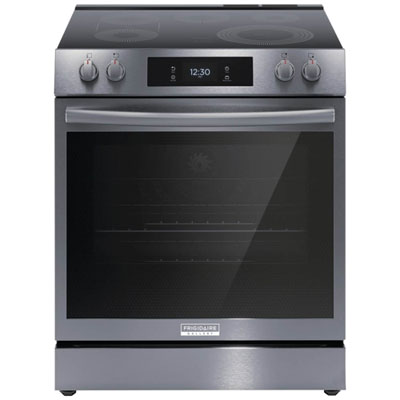
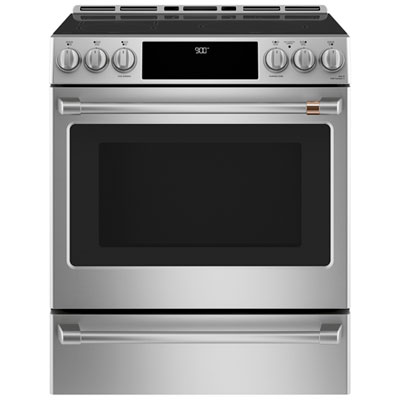
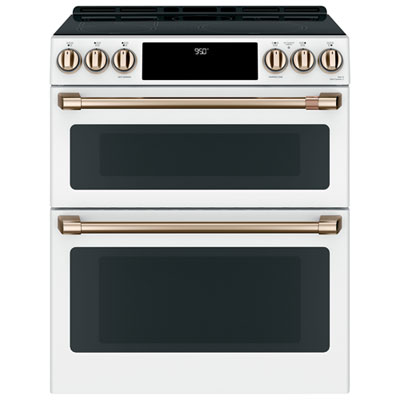
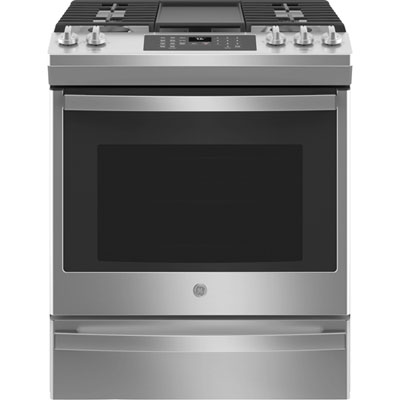
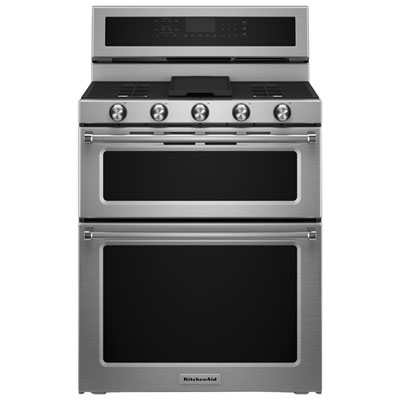
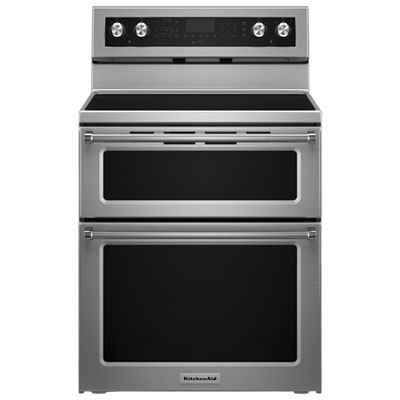
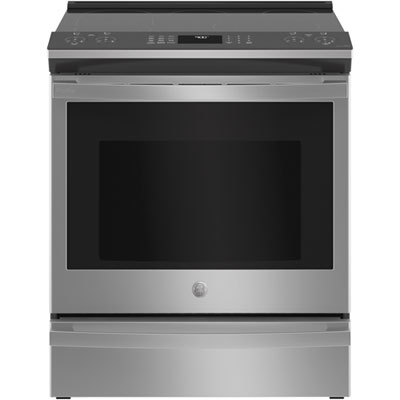
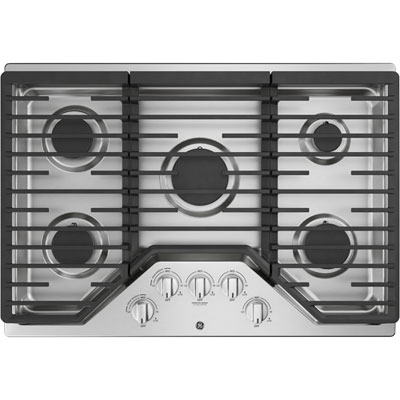
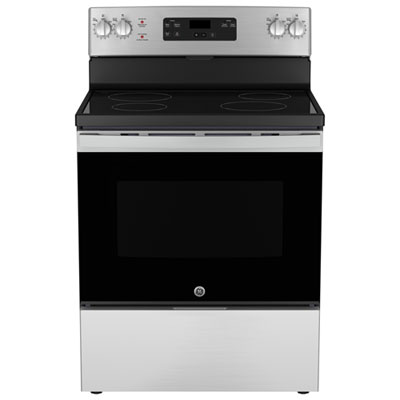
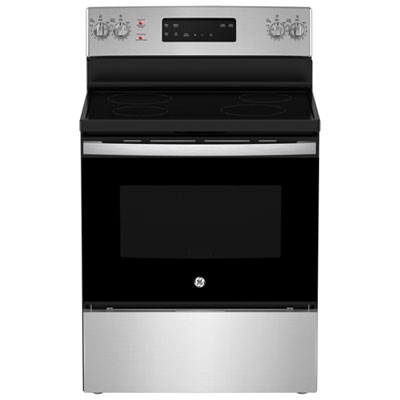
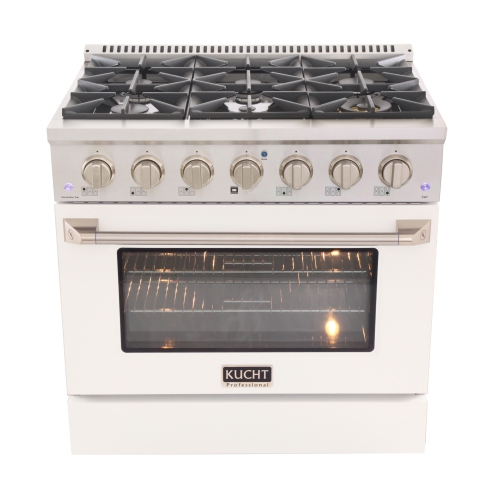
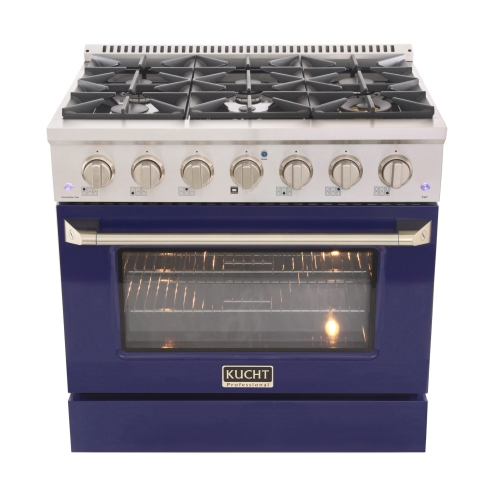
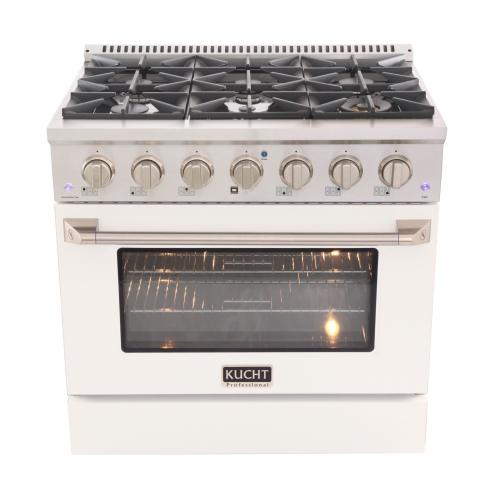
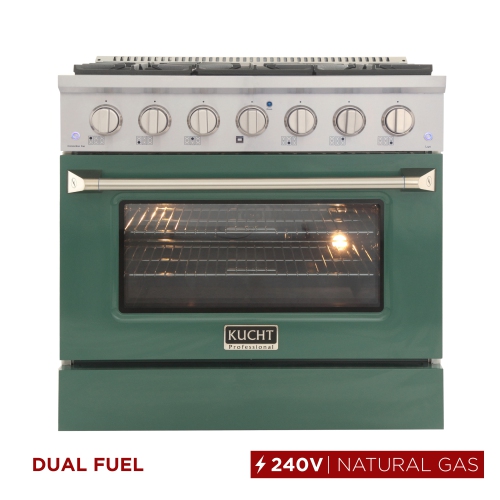
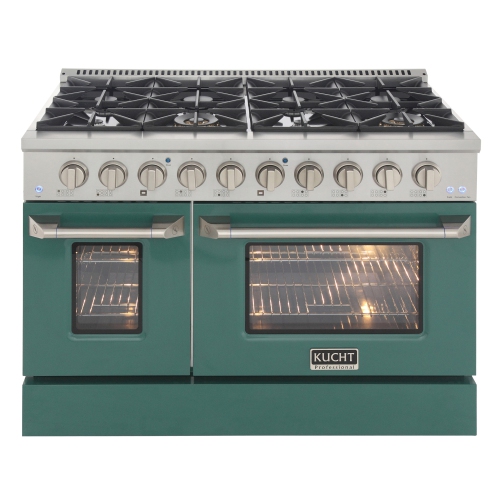
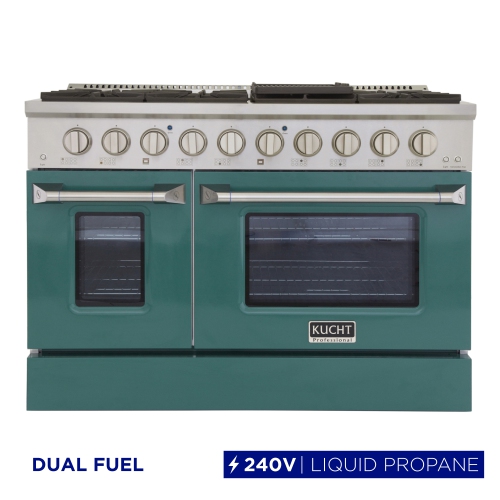
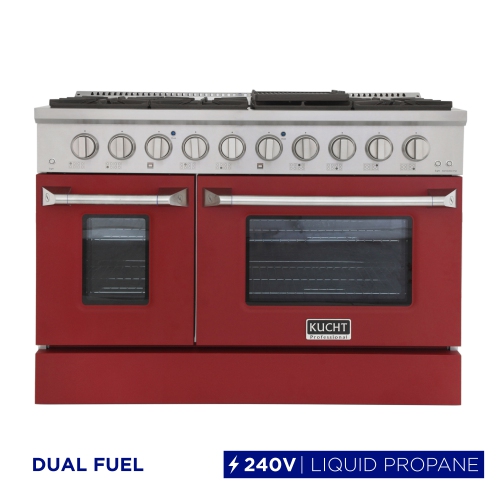
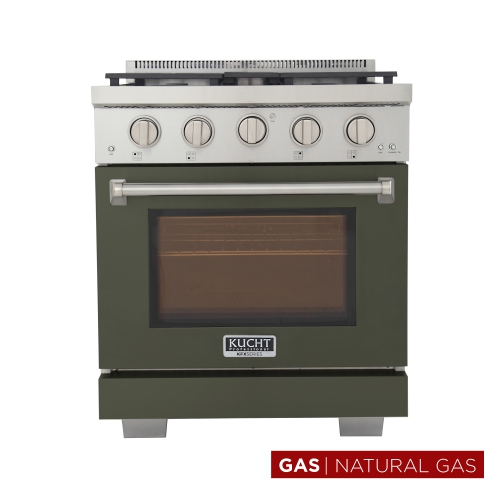
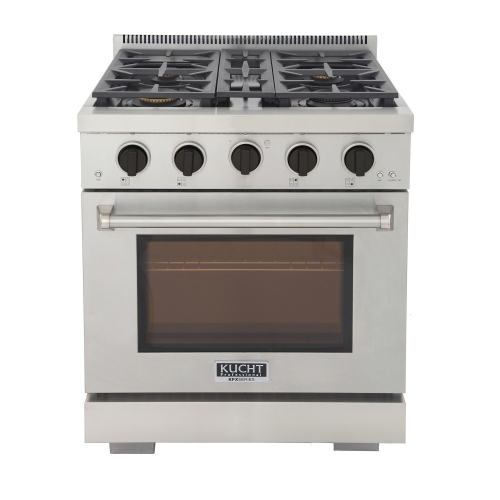
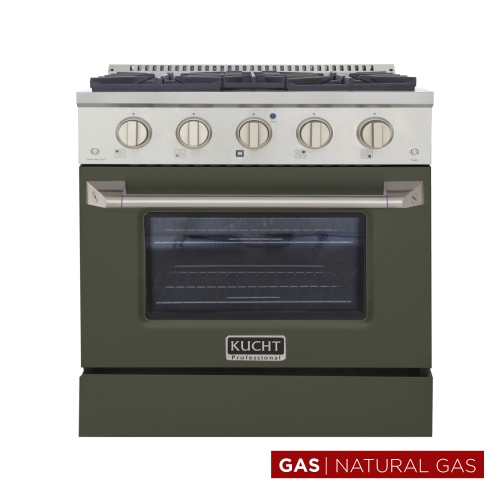
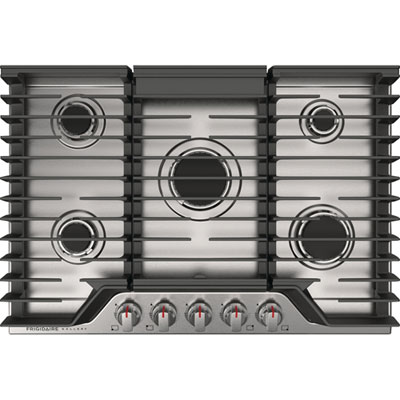
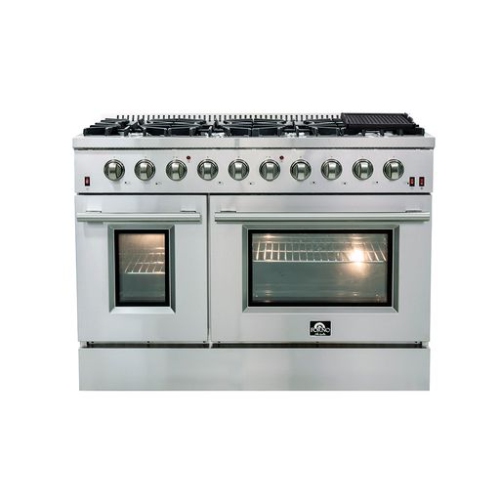
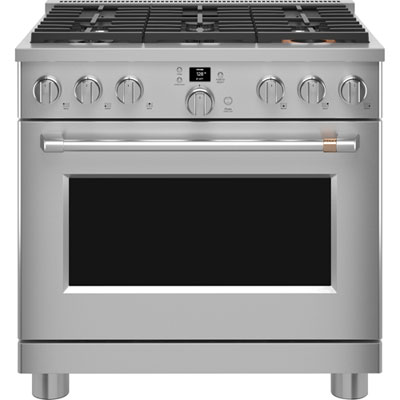
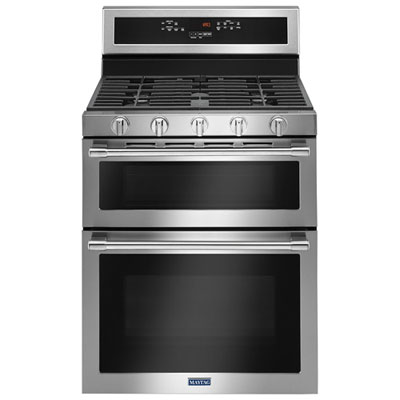
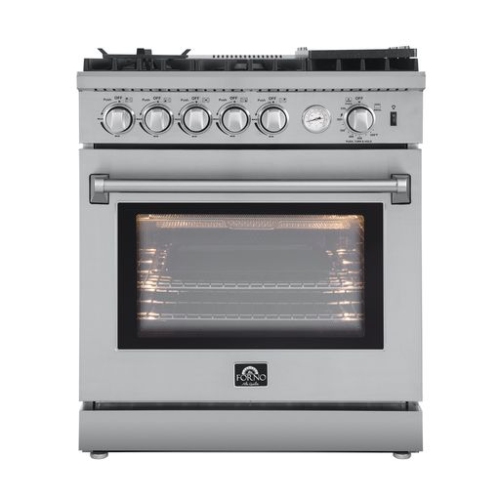
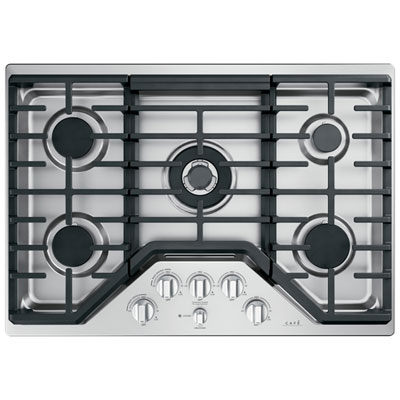
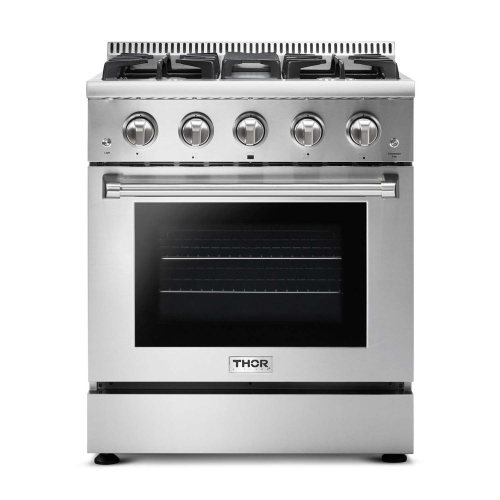
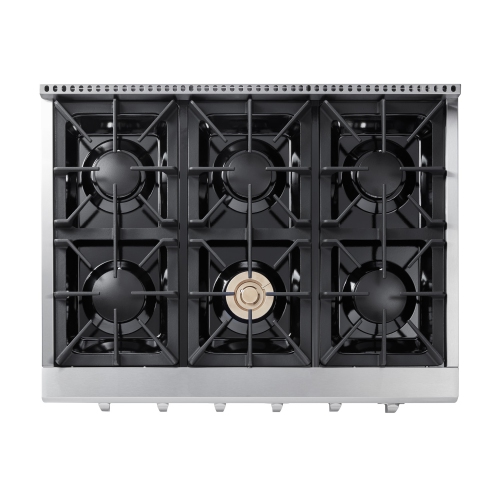
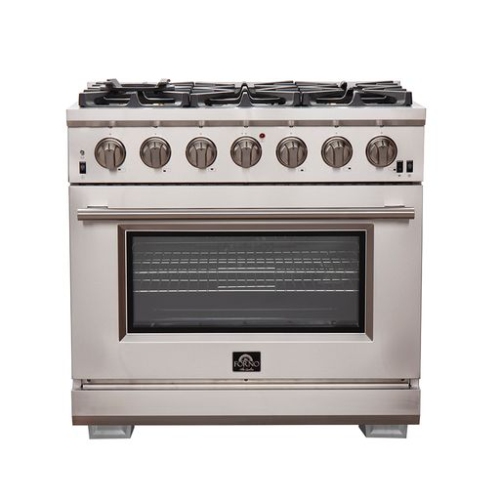
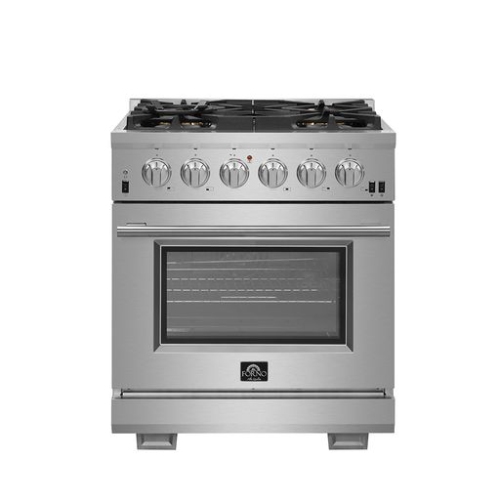
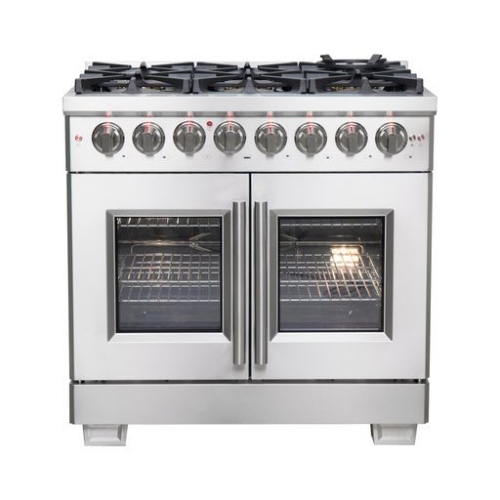
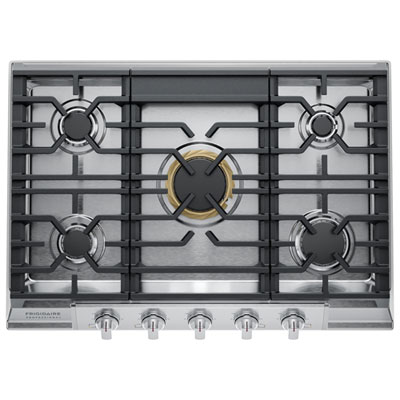
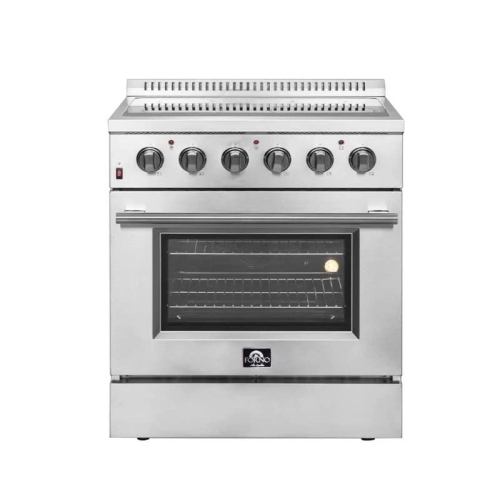
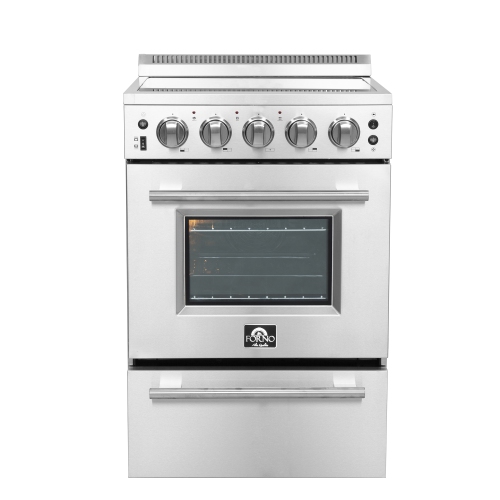
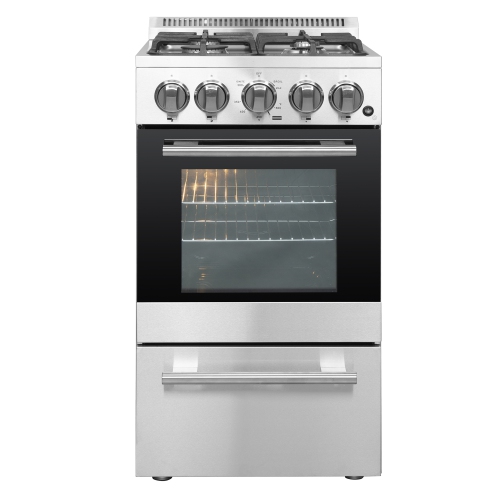
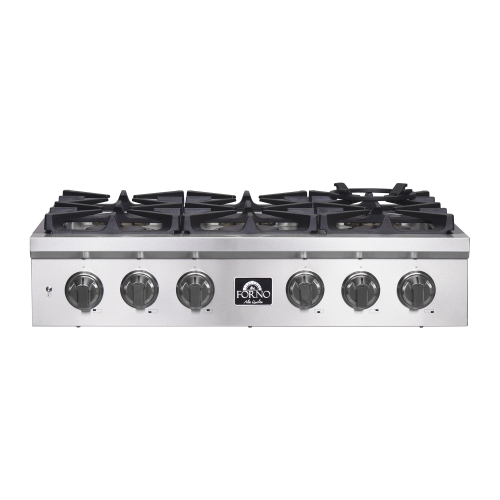
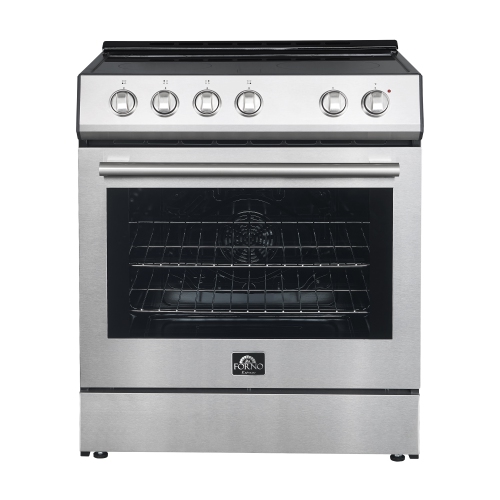
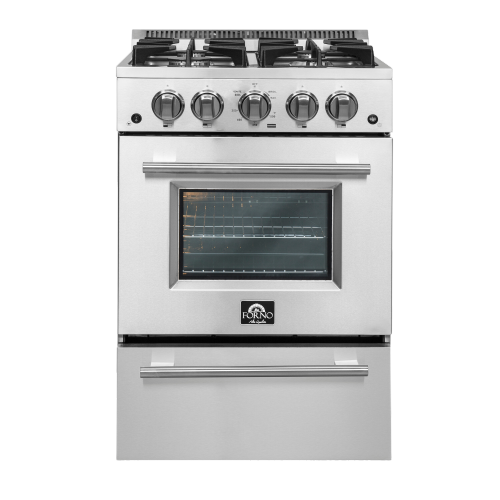
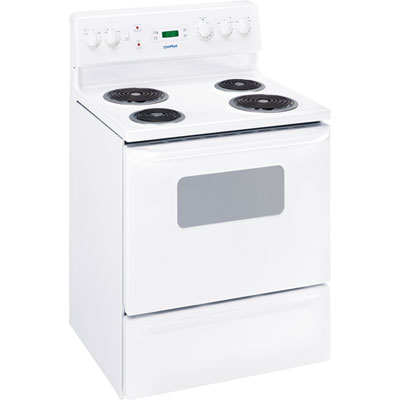
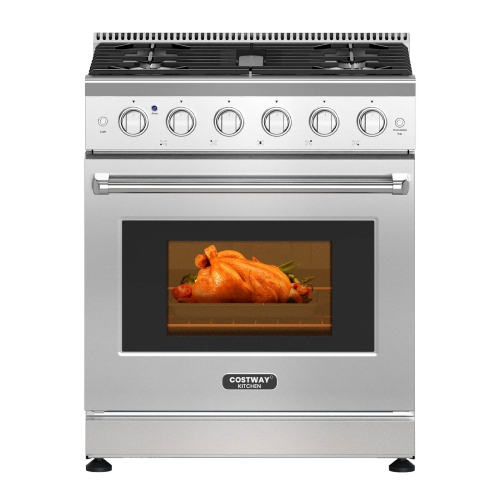
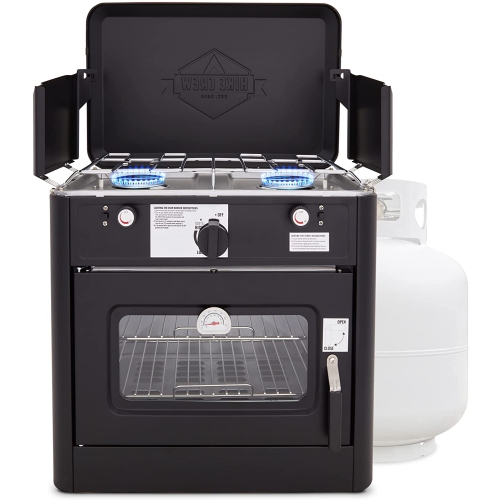
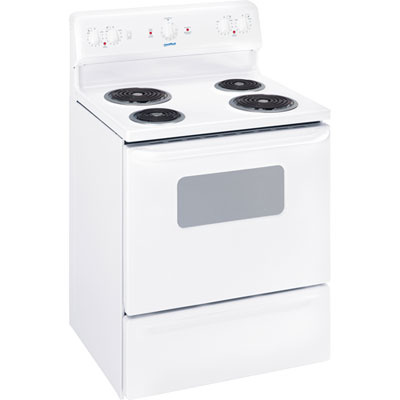
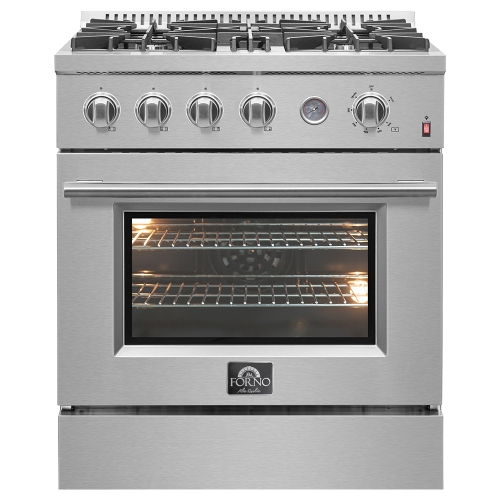
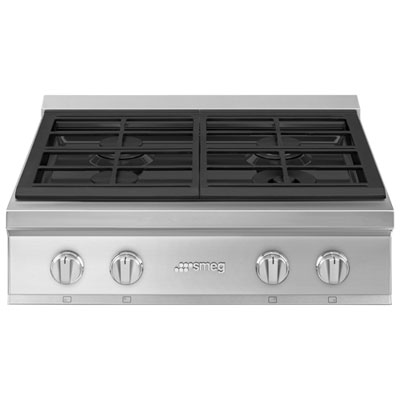
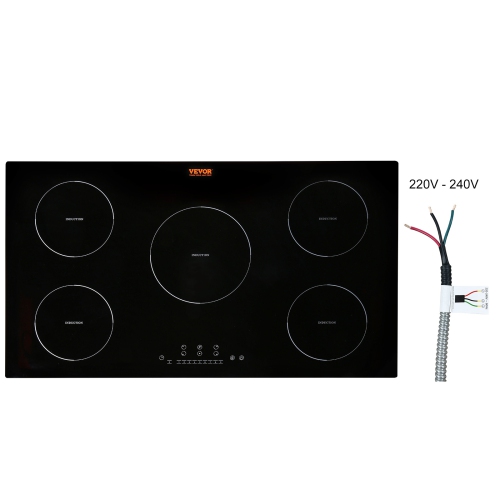
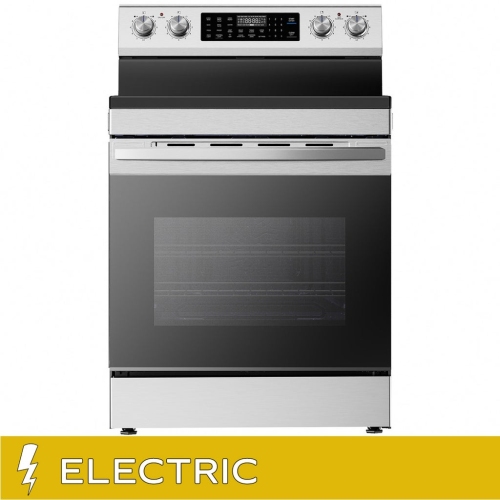
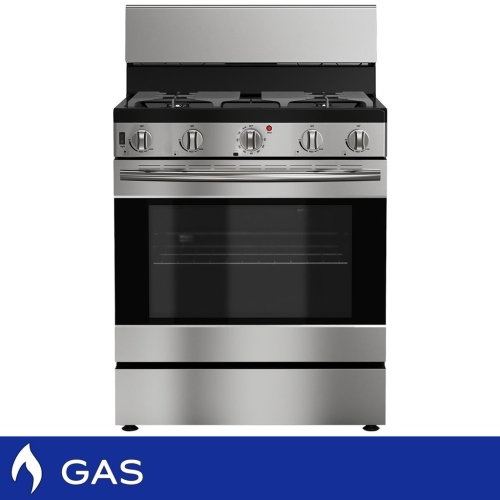
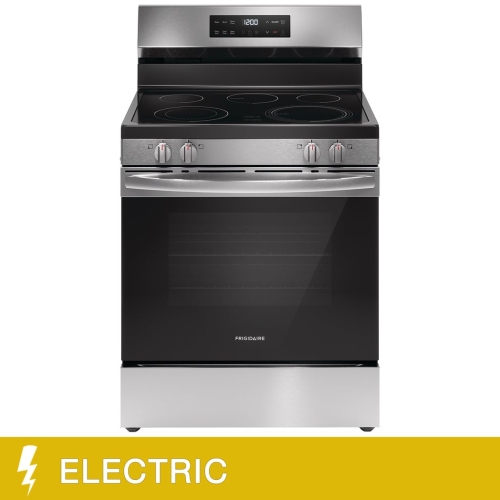
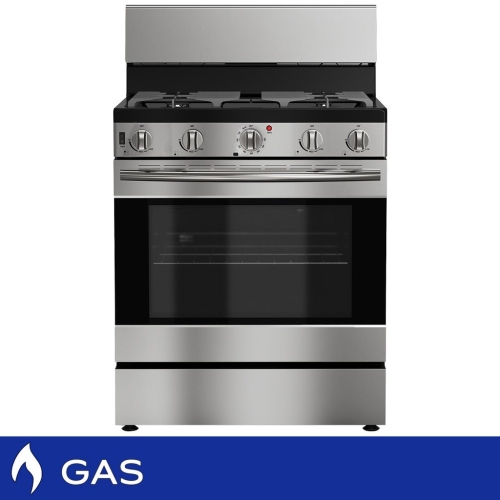
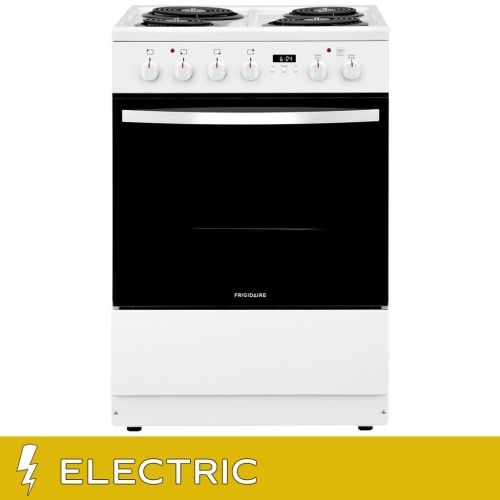
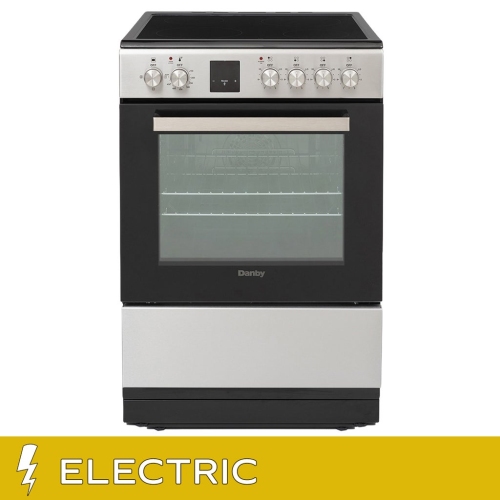
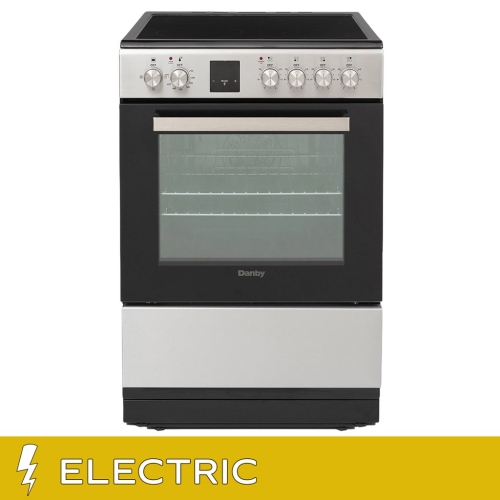
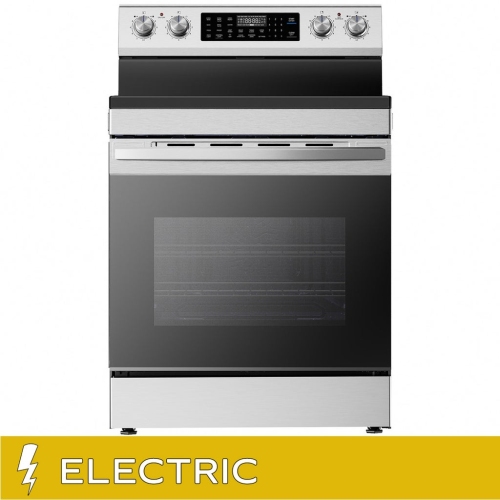
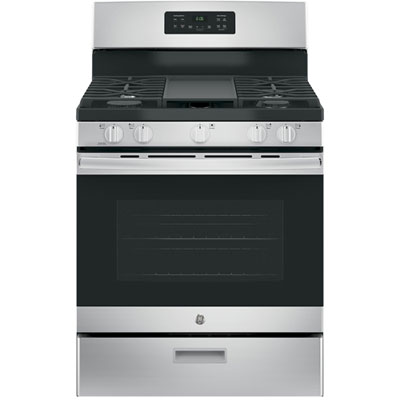
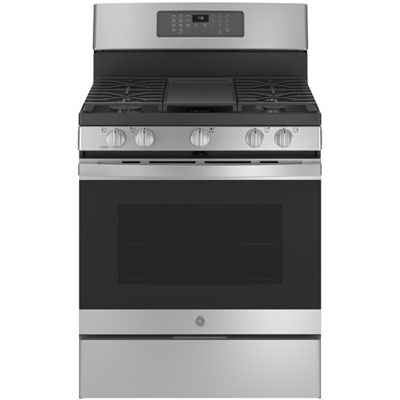
Stove tops with ovens bring surface cooking and baking together in one appliance, commonly called a kitchen range. This combination suits kitchens where a single cooking station needs to handle everything from a quick breakfast to a roast dinner with several side dishes. The main differences begin with the cooktop: gas offers a visible flame and responsive heat adjustment, while electric options include exposed coils and smooth radiant surfaces. Induction uses a magnetic field to heat compatible cookware directly, making cookware compatibility an important consideration when comparing cooking types. Dual-fuel ranges pair a gas cooktop with an electric oven for households that prefer that combination. The number, size, and placement of cooking zones also affect everyday convenience, especially when using a large frying pan alongside saucepans or a stockpot. A layout that accommodates the cookware used most often can be more useful than simply having more burners, particularly for families, frequent hosts, and anyone who regularly prepares several dishes at once.
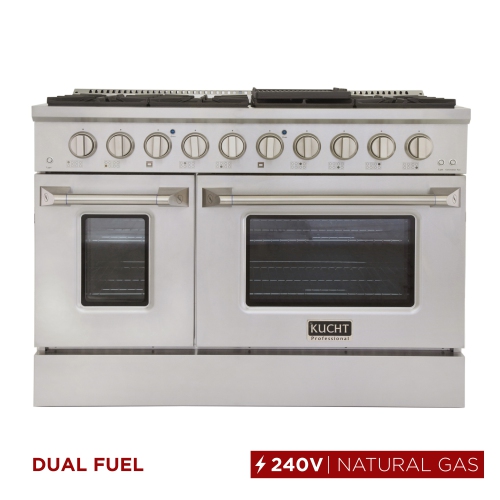
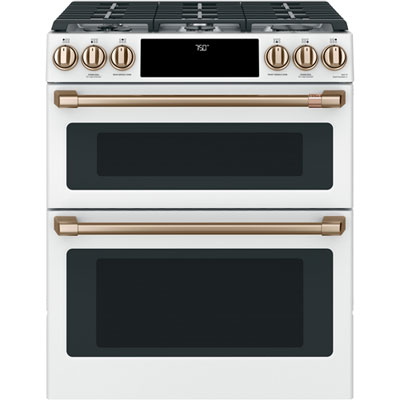
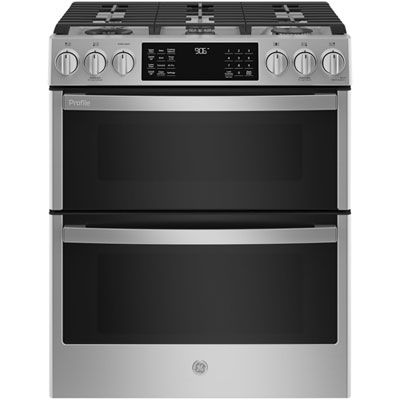
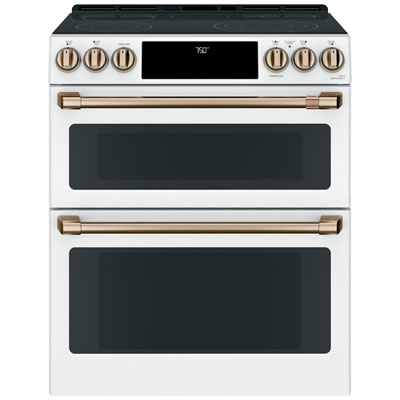
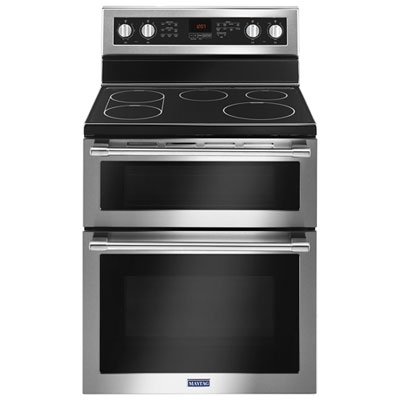
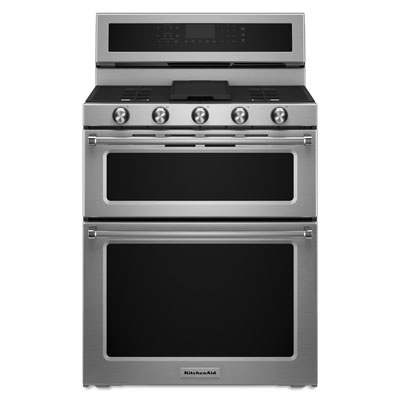
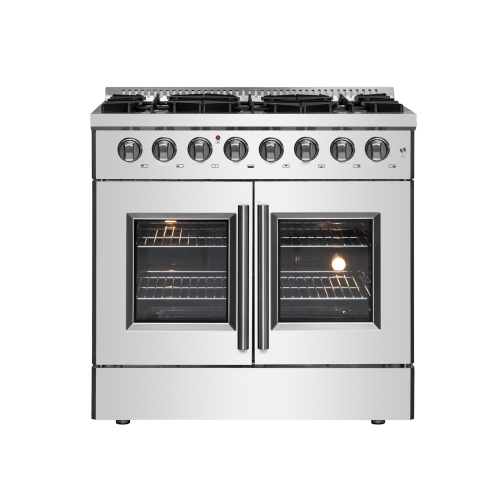
The oven adds another set of choices, with capacity, rack flexibility, and cooking functions shaping how well a range fits a household’s routine. Interior space matters for large roasting pans, baking sheets, and covered cookware, but usable dimensions and rack positions are just as relevant as the stated capacity. Conventional baking provides familiar top-and-bottom heat, while convection uses a fan to circulate heated air; some designs also include a separate heating element around the fan. Cooking results and timing depend on the recipe, oven design, and settings used. A single oven offers one main cooking cavity, whereas a double-oven configuration can provide separate spaces for dishes that need different temperatures. Features such as a clear oven window, interior lighting, and accessible controls can make it easier to monitor food and adjust settings. Cleaning methods differ as well, so the care requirements for the oven interior, cooktop surface, grates, or drip bowls are worth considering alongside cooking performance.

Fit and installation are central to choosing a stove top with an oven, whether it is replacing an older appliance or becoming part of a kitchen renovation. Freestanding and slide-in designs have different installation requirements and relationships to the surrounding cabinetry, so the appliance dimensions need to work with the available opening, countertop layout, and required clearances. Depth matters as well as width, particularly where handles or an open oven door could affect a nearby walkway, cupboard, or dishwasher. The available electrical connection, any required gas supply, and suitable ventilation also influence which type of range is appropriate for the space. Control placement, display readability, and the ease of reaching oven racks can help narrow the choice for different users. Finish and handle styling contribute to a coordinated kitchen, while practical details such as removable components and straightforward controls support daily use. The right balance brings together the preferred cooking method, useful oven space, manageable upkeep, and a fit that works with the kitchen’s layout.

Read More

FAQ

Some products may be subject to Environmental Handling Fees (EHF) depending on your province. Learn more about EHFs.