8 inch Powered Subwoofers for Home
Transform your home audio experience with 8 inch powered subwoofers designed to deliver dynamic, deep bass that brings your favourite music and movies to life. Ideal for any living space, these compact yet powerful subwoofers provide the perfect balance of size and performance, seamlessly integrating into your home audio setup. Whether you're a movie buff or a music enthusiast, 8 inch powered subwoofers for home use offer an impressive sound enhancement that elevates your listening pleasure to new heights. Discover the rich, immersive sound that only a high-quality subwoofer can provide and enjoy every beat and rumble with clarity and precision.
Sort



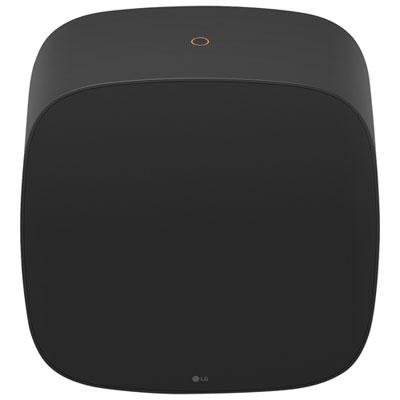
Fuller bass for smaller rooms and compact audio systems
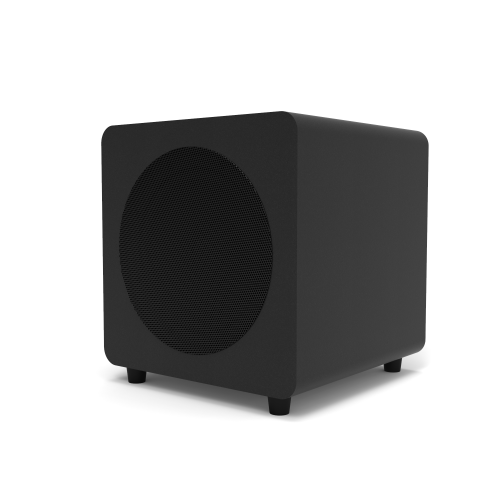
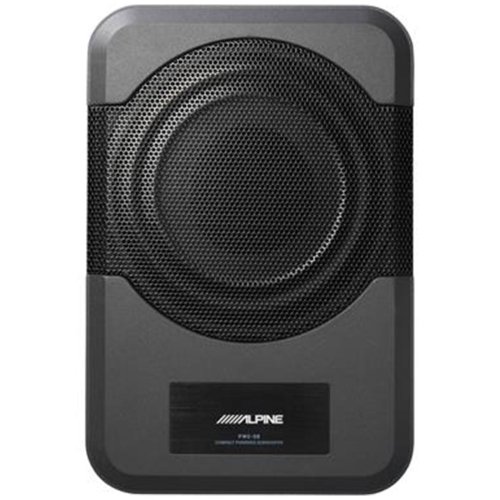
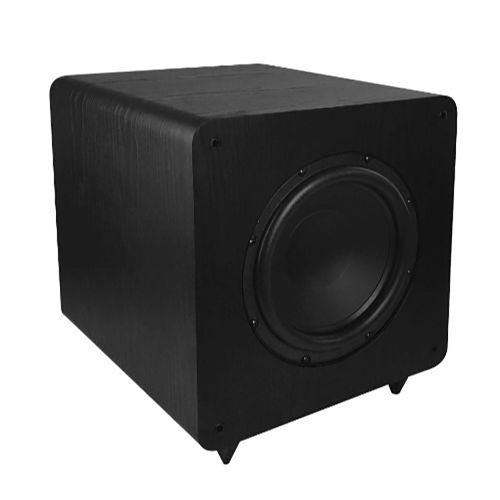
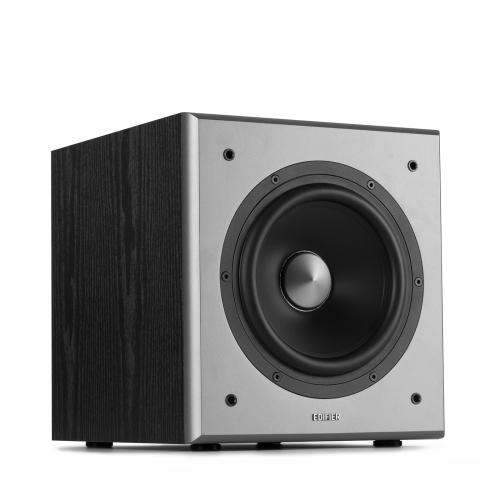
An 8 inch powered subwoofer adds low-frequency sound to a home audio system through an 8 inch bass driver and a built-in amplifier. It supports the lower notes that compact speakers may struggle to reproduce, giving bass guitar more weight, kick drums a firmer pulse, and movie soundtracks a fuller sense of scale. Because the amplifier is built into the cabinet, a powered subwoofer does not need a separate power amplifier, although it still requires a compatible audio connection and access to a power outlet. This combination makes 8 inch powered subwoofers for home a practical option for smaller living rooms, bedrooms, home offices, and compact entertainment spaces where a larger cabinet could be difficult to place. The driver measurement describes the bass-producing speaker, not the width or height of the enclosure, so overall dimensions remain important when fitting one beside a media unit or beneath a desk. Many listeners pair this size with bookshelf speakers to fill out a stereo system without making the bass the centre of attention. Others use it with a home theatre receiver to add impact to film effects and game audio. A well-integrated subwoofer should make the whole system sound more complete rather than draw attention to its location. Dialogue still comes primarily from the main or centre speakers, while the subwoofer handles the deeper elements of the soundtrack. An 8 inch driver can deliver satisfying output at everyday listening levels, but driver size alone does not establish how deep or loud it will play. Amplifier capability, cabinet design, driver excursion, and room acoustics all contribute. Small-to-medium enclosed rooms are often a comfortable match for this category; a large, open-plan space or a preference for very loud playback can place greater demands on bass output. For music listeners, film fans, and gamers, the appeal is a manageable footprint with a noticeable foundation beneath the main speakers.
Connection options and sound controls help determine how an 8 inch powered subwoofer fits into an existing setup. An RCA line-level input is common, and some designs include an input marked LFE for use with the subwoofer output on a home theatre receiver. Stereo amplifiers, powered speakers, and desktop systems vary in their output connections, so a dedicated subwoofer output or a suitable line-level output is an important compatibility detail. Some subwoofers also accept speaker-level connections, but this feature is not universal. Soundbars deserve particular attention because many work only with a matching wireless subwoofer rather than a general-purpose wired model. Wireless capability, where offered, may require a compatible transmitter and still leaves the subwoofer needing mains power. Adjustable level, low-pass crossover, and phase controls allow the bass to blend with the other speakers. The crossover shapes the upper range handled by the subwoofer; suitable settings depend on how low the main speakers play comfortably and whether the receiver manages that division. With receiver-based bass management, the receiver typically controls the crossover, and the subwoofer’s own filter may need to be bypassed or set as directed by its manufacturer. Phase adjustment can help the subwoofer and main speakers work together around their shared frequency range, reducing bass cancellation at the listening seat. These features matter as much for quiet listening as they do for action films: a double bass should retain the shape of its notes, and a drumbeat should not leave a lingering rumble over the next phrase. Performance specifications are most useful when read in context. Continuous or RMS amplifier ratings describe a different measure from peak power figures, while a frequency-response range is more informative when it includes a stated tolerance. Neither watts nor a low-frequency number alone guarantees the same result in every room. The most suitable combination delivers the depth and listening level needed while leaving enough control to balance the bass with the rest of the system.
Cabinet construction, finish, and placement influence both daily use and long-term satisfaction. Many home subwoofers use MDF or another engineered wood enclosure, with internal bracing intended to reduce unwanted cabinet vibration. Finishes may include vinyl wraps, paint, or wood-look surfaces, giving the cabinet a discreet appearance beside furniture and speaker stands. A grille can help protect the driver from light accidental contact, although it is not a substitute for keeping curious hands and pets away from the cone. Sealed cabinets use a closed enclosure, while ported designs use a tuned opening to contribute bass output over part of their operating range. Either approach can perform well; tuning and construction matter more than assuming one cabinet type always sounds tighter or deeper. Placement also changes the result. A corner can increase bass output but may make certain notes overly prominent, while a position farther along a wall may produce a more even balance at the sofa. Space behind the cabinet allows room for cables, controls, ventilation, and any rear-facing port, with clearances based on the manufacturer’s directions. A stable floor position is generally preferable to an enclosed furniture cubby that could rattle or restrict airflow. In apartments and shared homes, sensible playback levels and suitable isolation feet or pads can help manage vibration, though isolation does not stop deep bass from travelling through a building. Care is usually straightforward: unplug the unit before cleaning, use a soft cloth suited to its finish, keep liquids away, and avoid pressing on the driver or allowing dust to block ventilation openings. For a larger room or stronger low-frequency demands, 12 inch Subwoofers for Home Theater offer another size category to consider, with performance still depending on the individual design. Where space is limited, an 8 inch powered subwoofer remains an appealing way to give familiar albums, films, and games greater depth without making a large enclosure part of the room’s layout.
Top selling and popular products
-
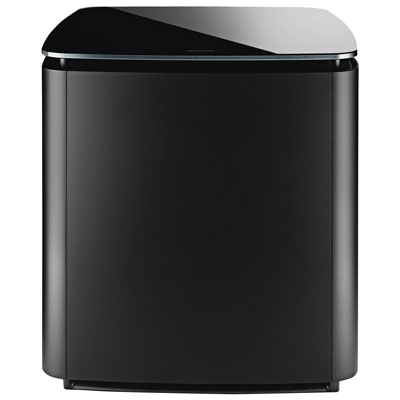 Your price for this item is $849.95
-
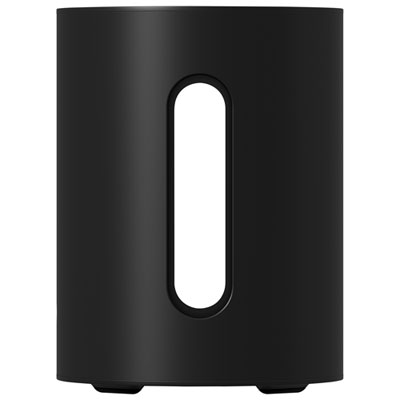 Your price for this item is $649.99
-
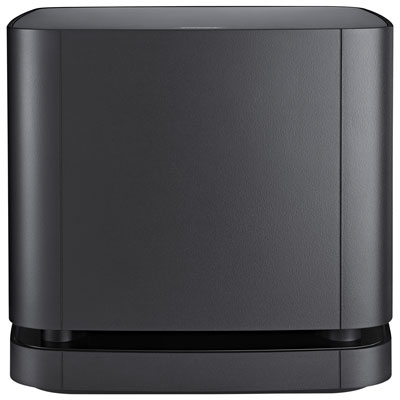 Your price for this item is $599.99
-
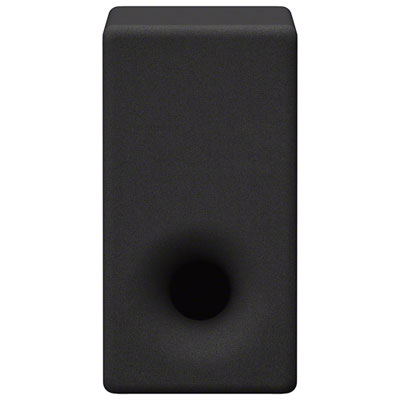 Your price for this item is $279.95
-
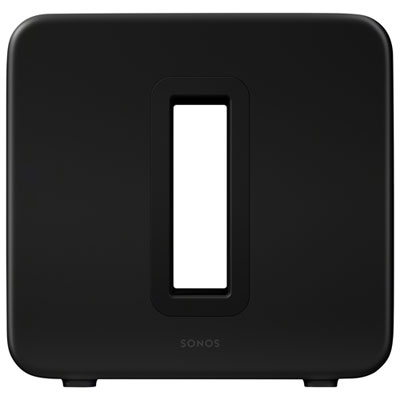 Your price for this item is $1149.99
-
 Your price for this item is $799.99
-
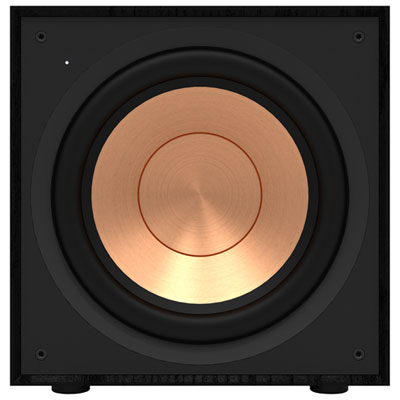 Your price for this item is $599.99
-
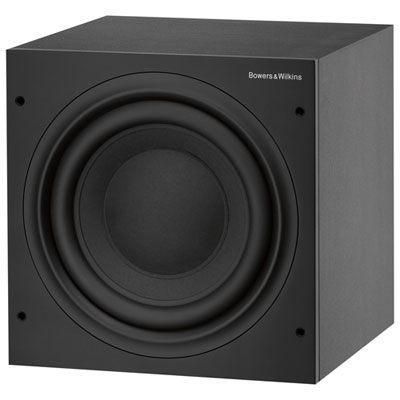 Your price for this item is $799.99
Discover more categories related to 8 inch Powered Subwoofers for Home
Top Collections:
Pokemon Centers, Best Cameras for Sports Photography, Kindle Devices, Samsung Galaxy Phones, Canon G7X Cameras, Pokémon 30th Celebration Cards, Refurbished Apple Laptops, iPhone 15 Apple, Laptops for Students, Budget Smartphones
Some products may be subject to Environmental Handling Fees
(EHF) depending on your province.
Learn more about EHFs.