Educational Games for 6 Year Olds
Educational games for 6 year olds offer an engaging way to encourage learning and creativity while having fun. Designed to capture the imagination of young minds, these games help children explore new concepts, develop important skills, and enjoy interactive play. Whether for solo adventures or group activities, educational games for 6 year olds make every moment an opportunity to discover, grow, and succeed. Explore a wide selection that brings excitement and enrichment to every playtime.
Sort
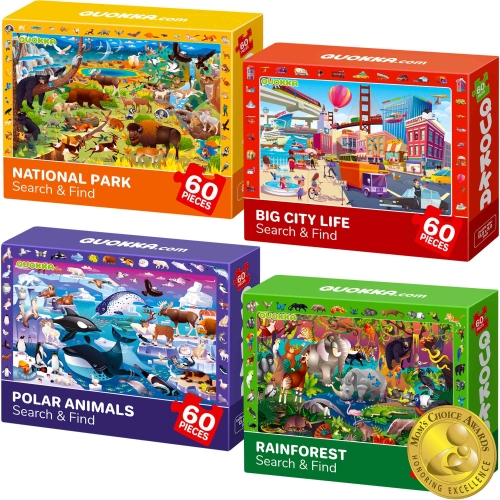
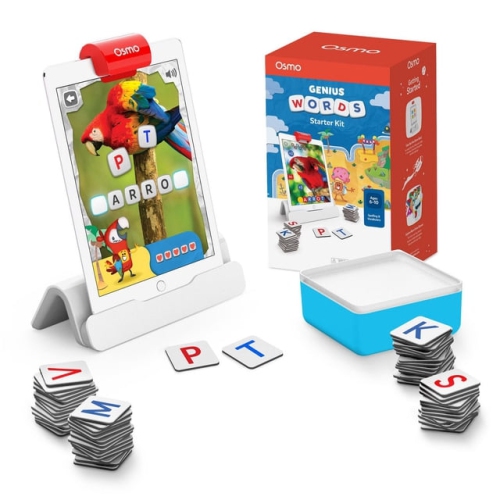
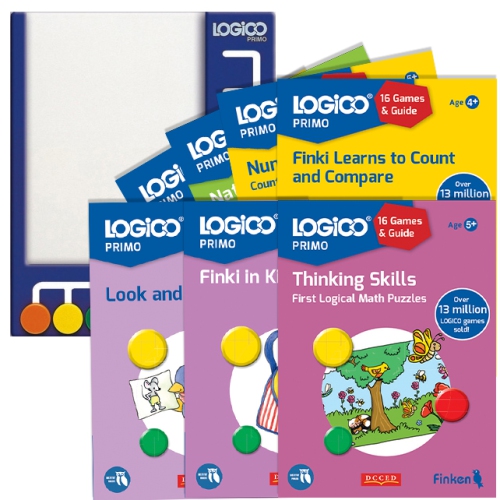
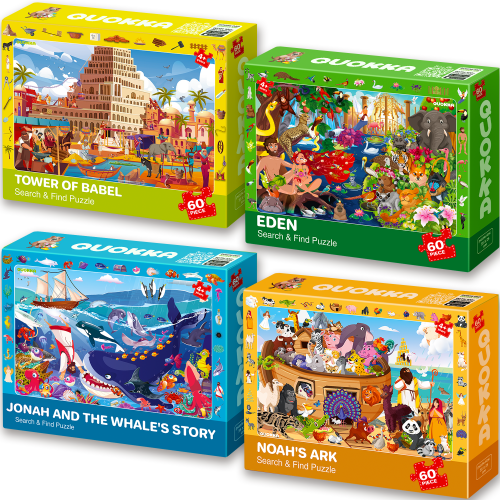


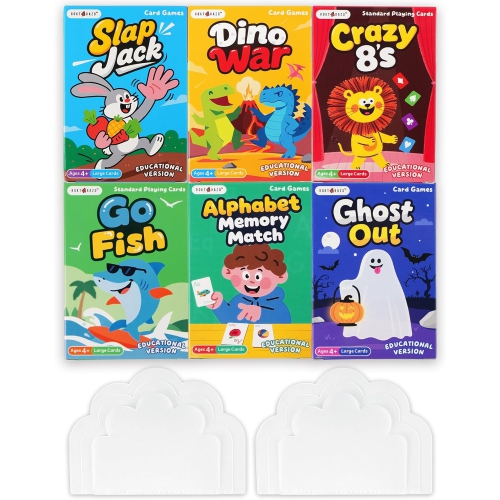
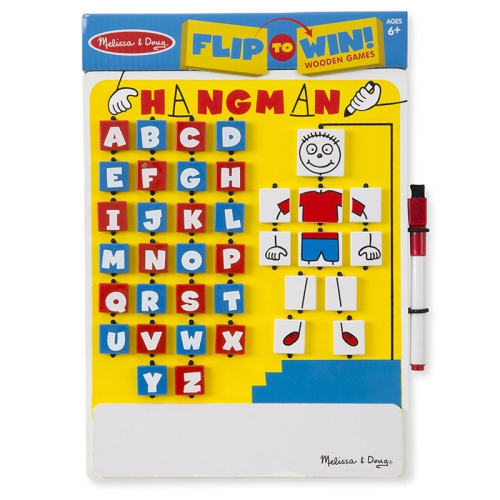
How playful challenges support skills beyond the classroom
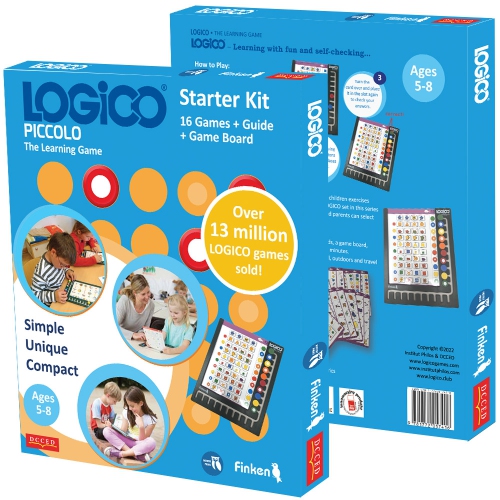
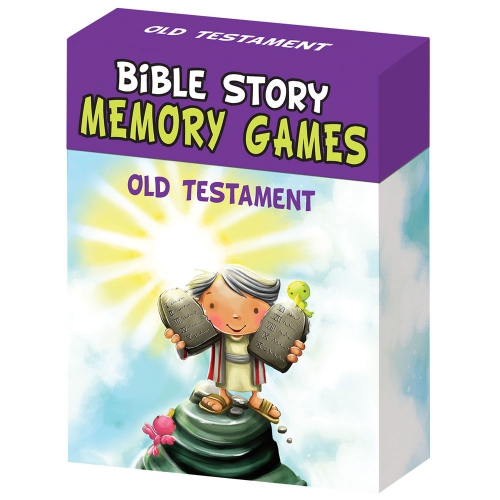
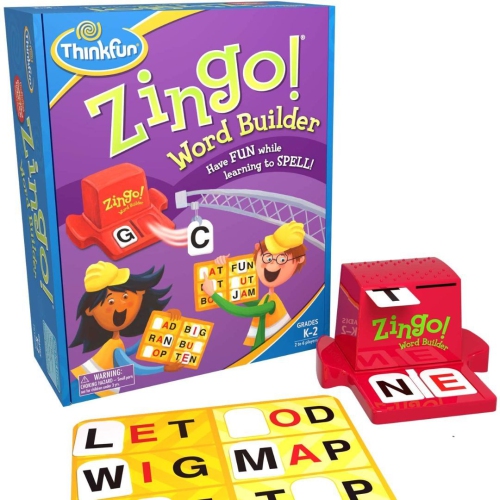
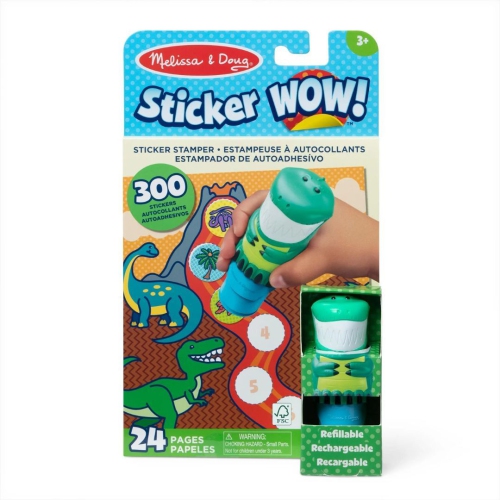
Educational games for 6-year-olds bring early reading, maths, memory, and problem-solving practice into play, giving children a reason to count, sound out a word, or test an idea beyond completing a classroom task. At this age, many children are beginning to connect letters with sounds, compare quantities, follow sequences, and explain how they reached an answer. Games can support those developing skills through familiar actions such as matching pictures, moving a playing piece, arranging shapes, or sorting objects into groups. A counting game might ask a child to move six spaces and then work out how many more are needed to reach the finish. A word-building activity might turn three letter tiles into a familiar word, with a picture offering just enough help to get started. The strongest fit is not necessarily the game with the most questions or the highest difficulty level; it is one that gives a child meaningful choices and an achievable challenge. Clear illustrations, readable lettering, and short instructions can make a substantial difference for a six-year-old who is eager to play but still needs help reading. Picture-supported rules allow an adult to demonstrate a turn rather than explain every detail at once. Short rounds suit an after-school break or a little shared time before dinner, while open-ended activities leave room for a child to keep exploring. Board games, card games, hands-on puzzles, and interactive learning games each offer different ways to practise. Physical pieces make quantities and patterns tangible, while electronic formats may add spoken instructions, sound cues, or immediate feedback. Neither format needs to cover every subject to be useful. A focused matching game can offer satisfying practice with one skill, while a broader learning game may appeal to a child who likes variety. Themes involving animals, everyday places, building, or imaginative adventures can help make repeated play feel inviting rather than like another assignment.
Different types of educational games offer distinct learning opportunities, even when they share the same age label. Early literacy games often centre on letter sounds, rhyming, familiar words, and simple spelling. For a child who knows individual letters but hesitates when reading, matching a picture to its starting sound can provide a manageable step towards blending sounds into words. Children already reading short sentences may enjoy clues, word sorting, or activities that ask them to explain what happened in a story. Maths games can introduce number relationships through counting, comparing, addition, subtraction, and arranging objects into equal groups. Moving counters or lining up pieces lets a child see what changes when two are added or one is taken away. Shape and pattern games bring in a different kind of thinking: turning a piece to make it fit, spotting what comes next, or finding more than one way to build the same outline. Memory games invite children to hold information in mind, while logic puzzles encourage them to try an approach, notice what does not work, and adjust. Games with shared goals can also give children practice taking turns, listening, and talking through a plan without making every session about winning. Competitive play may suit children who enjoy a clear finish, especially when rounds are brief and there is another opportunity to participate. Player count matters in everyday use. A solo activity can suit a quiet stretch at the kitchen table, whereas a two-player game creates space for an adult and child to work side by side. Family games need rules that younger players can follow without requiring older siblings to answer everything for them. Adjustable challenge levels, optional hints, and different ways to use the same pieces can help accommodate uneven skills. A child may be confident with numbers yet need support with reading, so the reading demands of a maths game deserve as much attention as the sums themselves.
Materials, construction, and storage shape how well a learning game fits into daily family life. Thick cardboard pieces are easier to lift from a table than thin sheets, and securely finished edges help them stand up to frequent handling. Wooden components can offer a pleasing weight for sorting and building, while plastic pieces may be practical for activities that involve repeated assembly. The material alone does not establish durability; sturdy joins, clear printing, well-fitting parts, and a box that closes properly all contribute to repeated use. For physical fit, consider the size of the pieces, the space needed to lay out the game, and whether small hands can comfortably grasp and move each component. A large floor puzzle needs a clear play area, while a compact card format can be easier to pack for a visit with family. Follow the stated age range and safety warnings, particularly in homes with younger children who might reach loose pieces. Keep small parts contained between sessions, and follow the care instructions rather than assuming every surface can be washed. Cardboard generally needs protection from spills and damp storage; electronic components require their own cleaning and handling precautions. For electronic learning games, compatibility, battery requirements, sound controls, and any need for an internet connection or adult setup are useful practical considerations. Games make thoughtful gifts for birthdays, family celebrations, or a child beginning a new stage of school, especially when the theme reflects an existing interest. A child who spends time drawing maps may enjoy routes and spatial puzzles, while one who loves telling stories may take to picture sequences and word play. During the cooler months, a game that is easy to set up can become a familiar indoor activity shared with siblings, grandparents, or friends. For families shopping for an older sibling as well, Educational Games for 8 Year Olds offers a related age focus. For a six-year-old, though, the most useful challenge is one that matches their present abilities closely enough to encourage participation while leaving something new to discover on the next turn.
Top selling and popular products
-
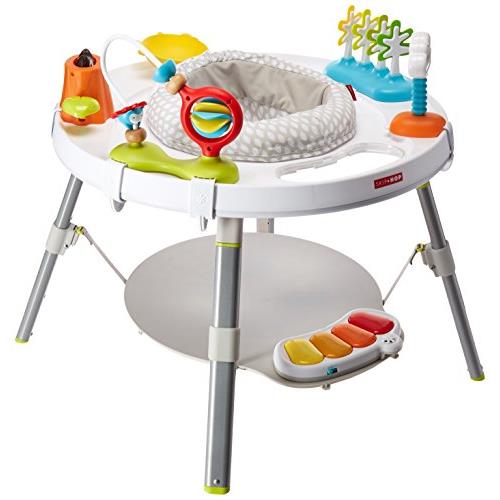 Your price for this item is $299.13
-
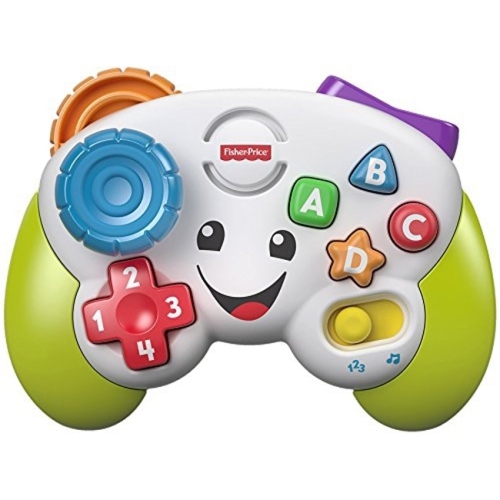 Your price for this item is $24.28
-
 Your price for this item is $103.27
-
 Your price for this item is $17.24
-
 Your price for this item is $56.13
-
 Your price for this item is $19.99
-
 Your price for this item is $29.99
-
 Your price for this item is $39.99
Discover more categories related to Educational Games for 6 Year Olds

Top Collections:
Pokemon Centers, Best Cameras for Sports Photography, Kindle Devices, Samsung Galaxy Phones, Canon G7X Cameras, Pokémon 30th Celebration Cards, Refurbished Apple Laptops, iPhone 15 Apple, Laptops for Students, Budget Smartphones
Some products may be subject to Environmental Handling Fees
(EHF) depending on your province.
Learn more about EHFs.