Games for 6 Year Olds
Looking for the perfect games to keep your 6-year-old entertained and engaged? Look no further! Our curated selection of games for 6-year-olds is designed to spark imagination, promote learning, and provide hours of fun. From educational games that enhance cognitive skills to interactive games that encourage creativity and teamwork, you'll find a variety of options to suit every interest and personality. Whether your little one loves puzzles, board games, or active outdoor play, we have something for every young gamer in this collection.
Sort
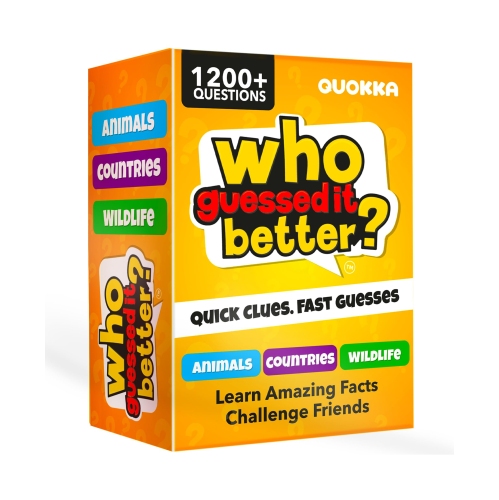
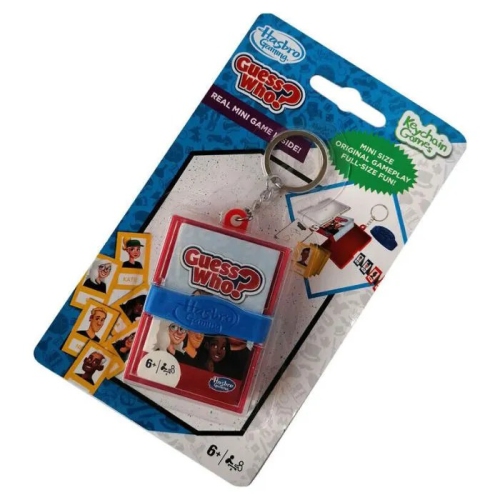
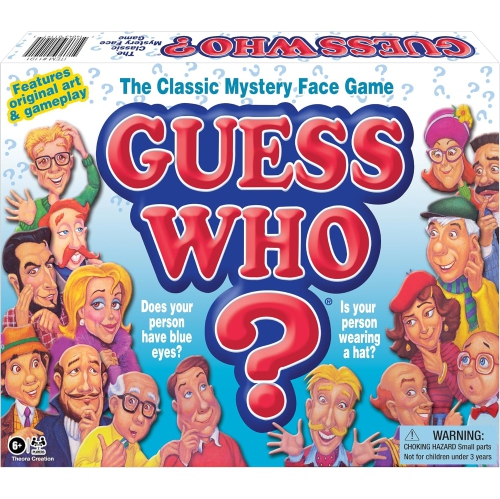



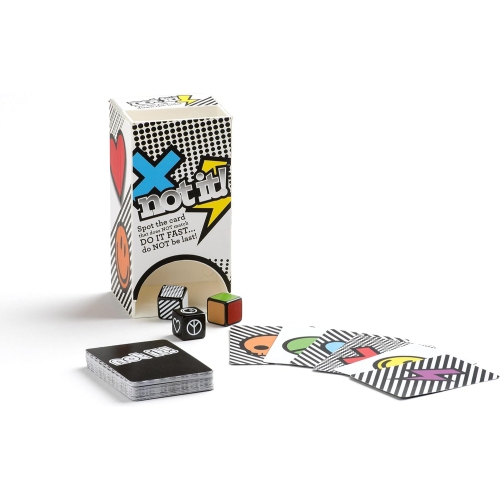


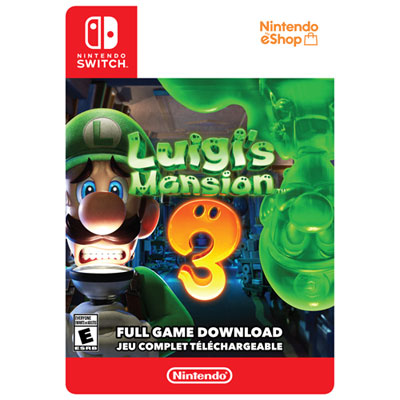
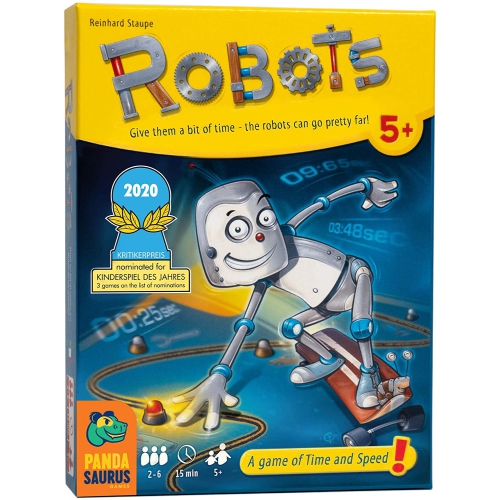
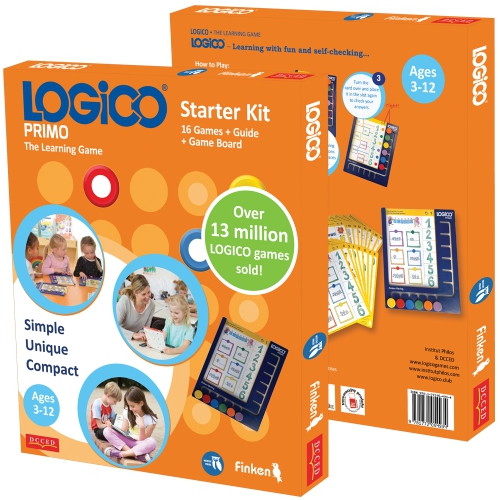
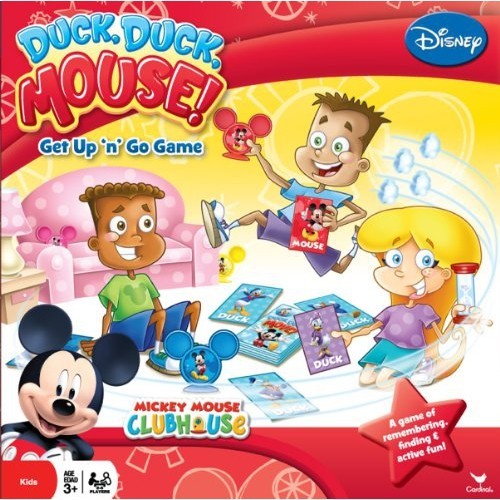
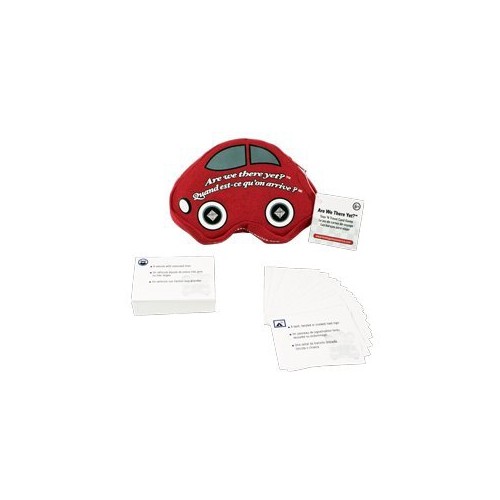
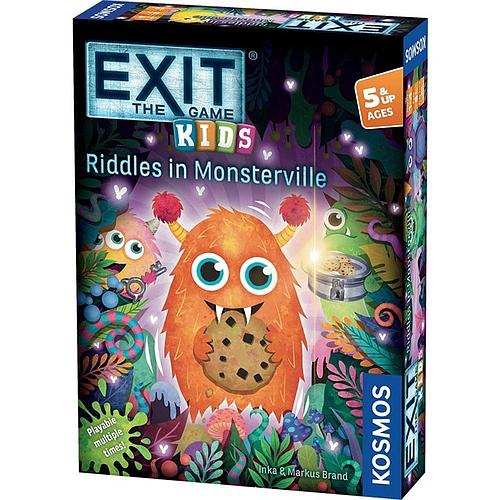
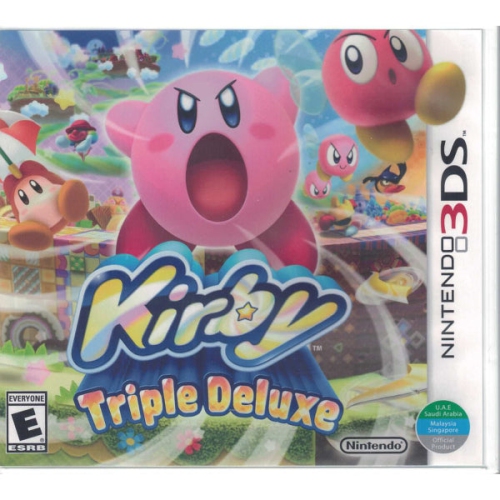
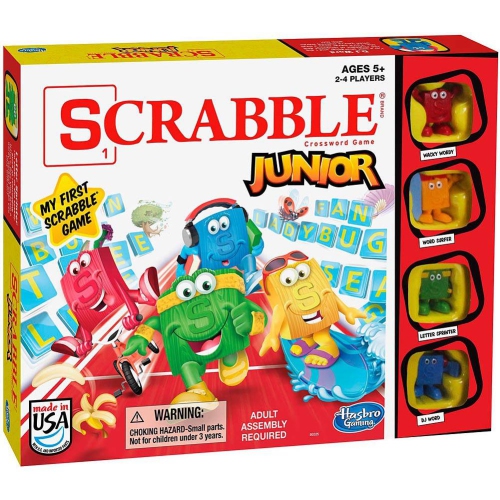
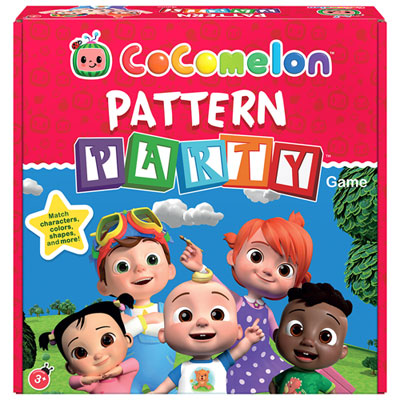
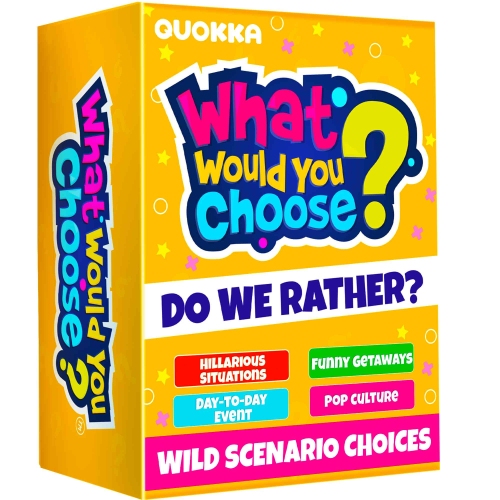
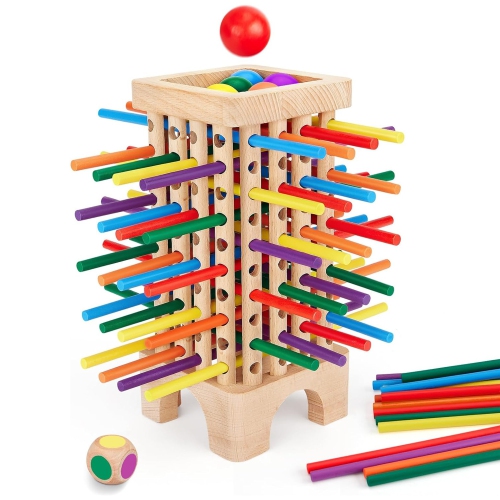
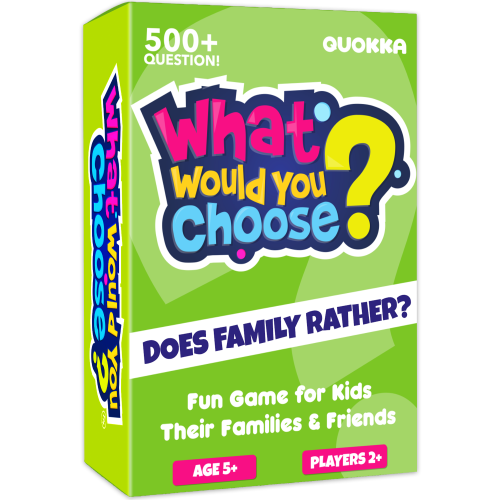
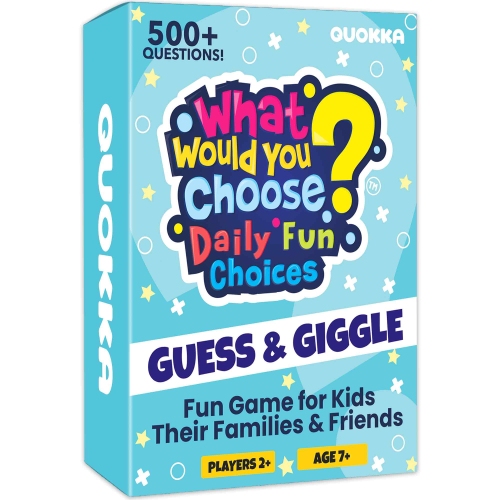
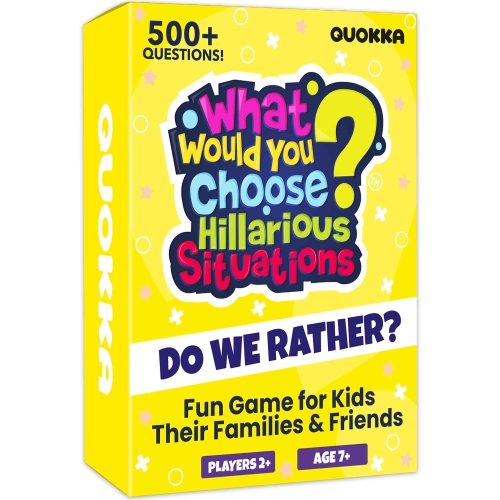

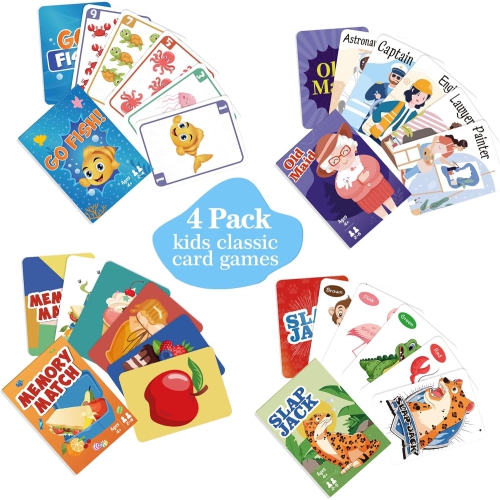
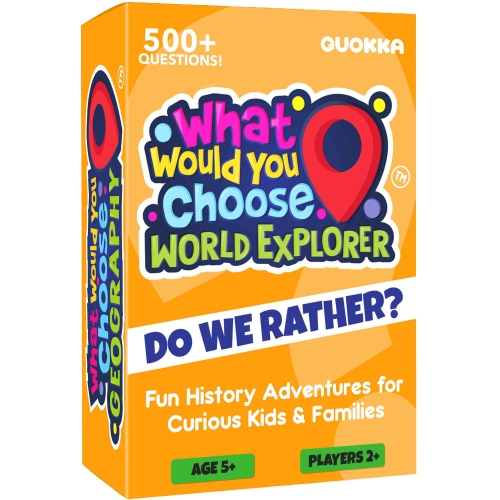
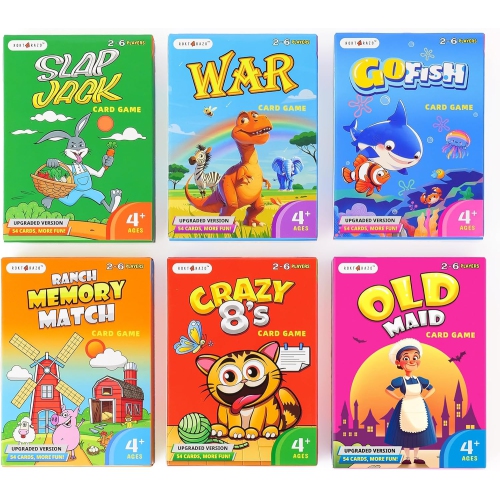
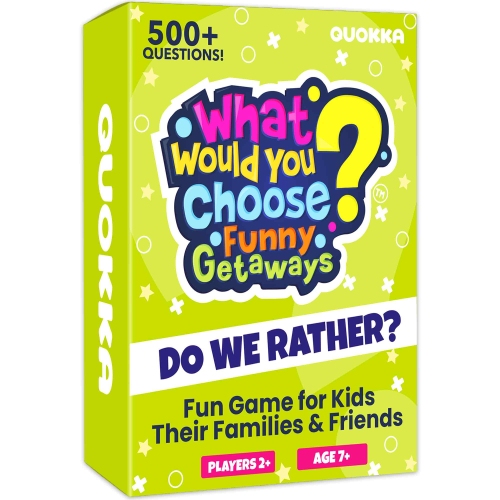
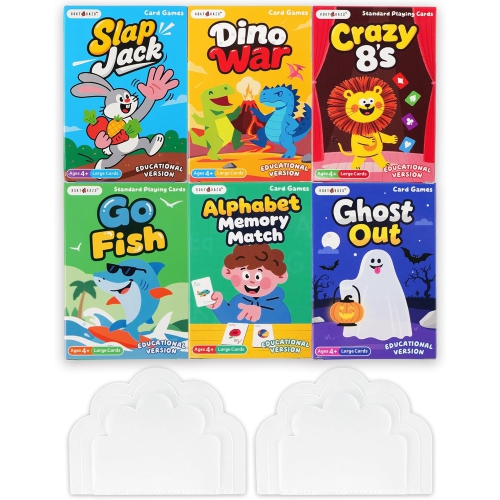
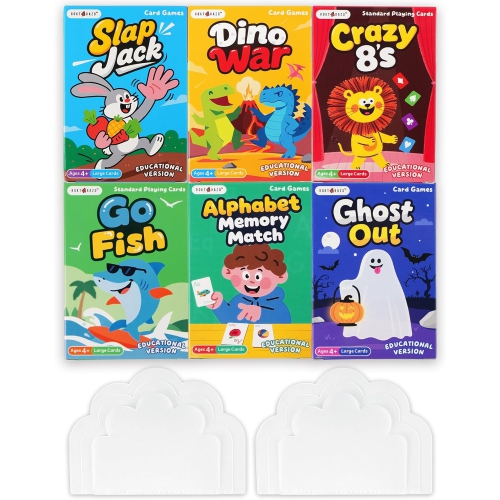
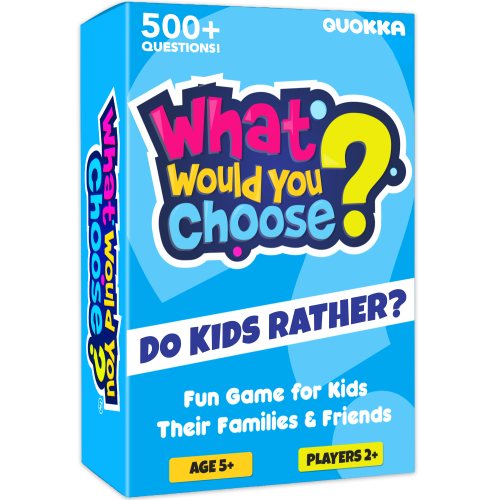
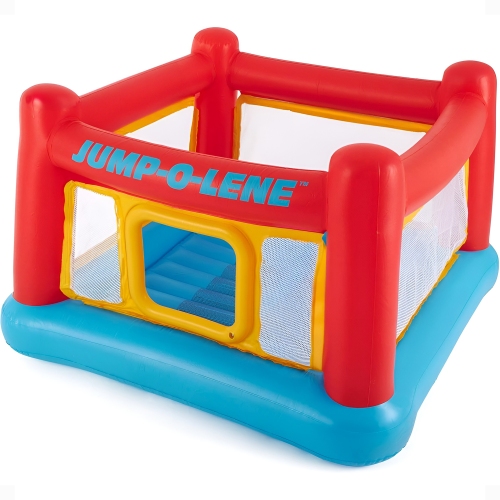

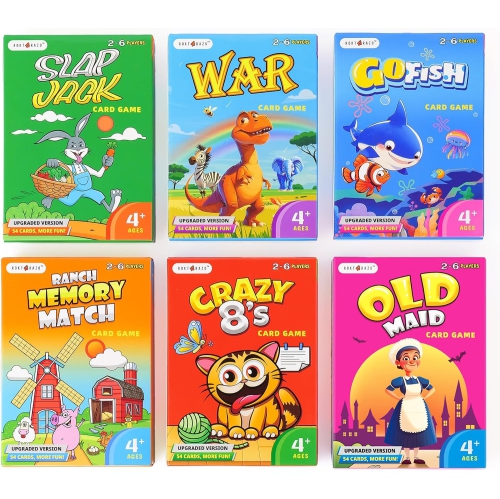
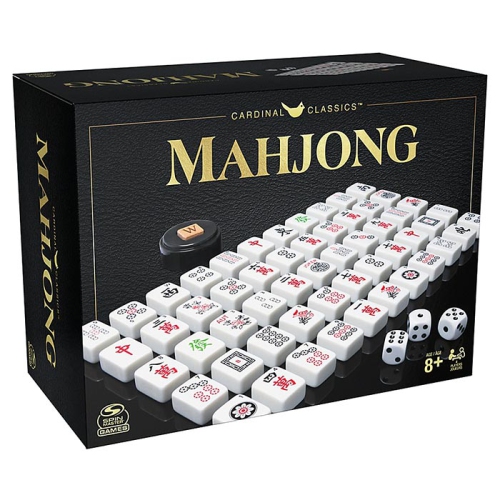
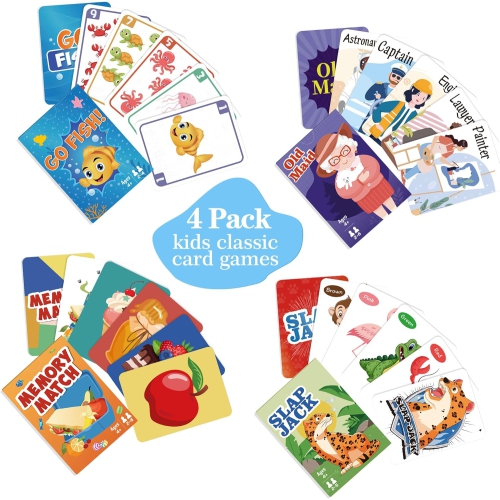
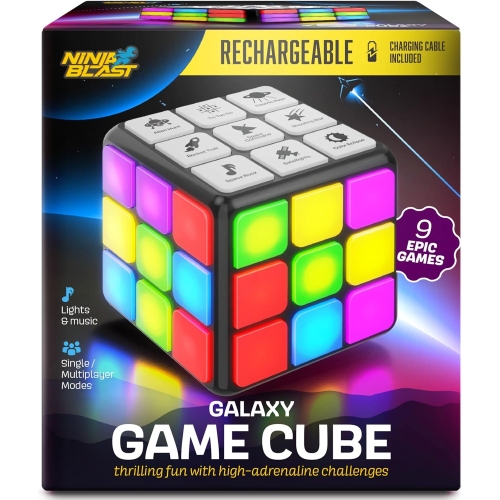
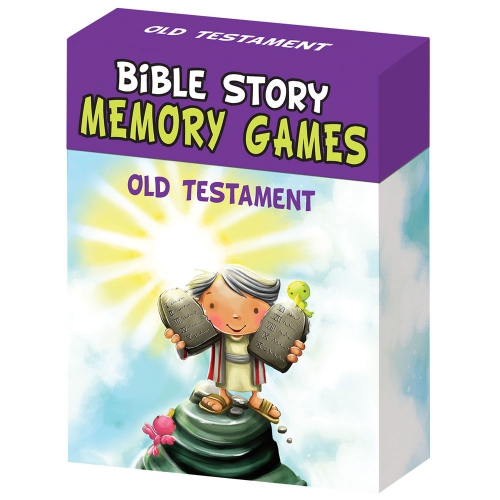
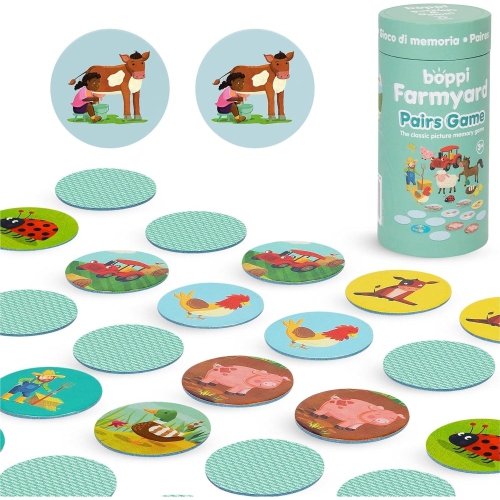
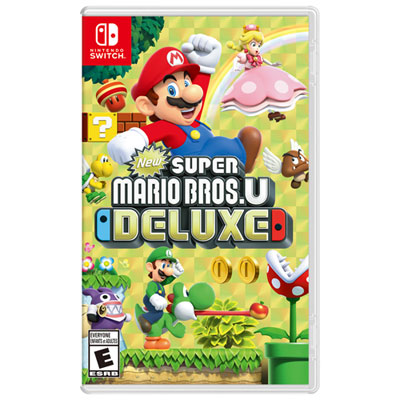
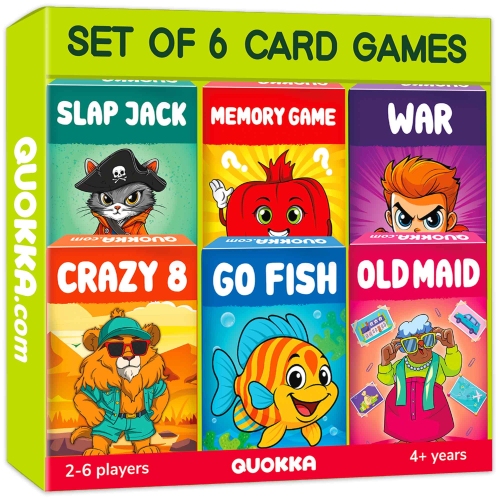
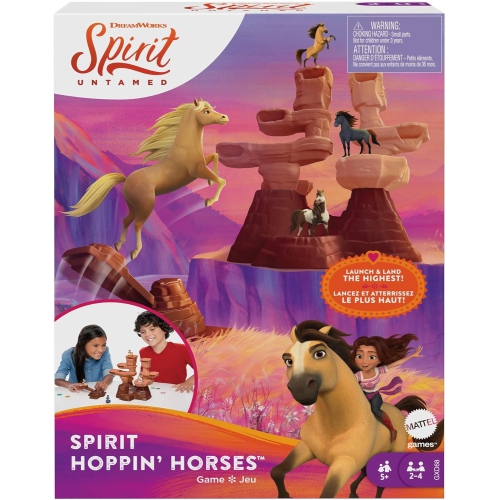

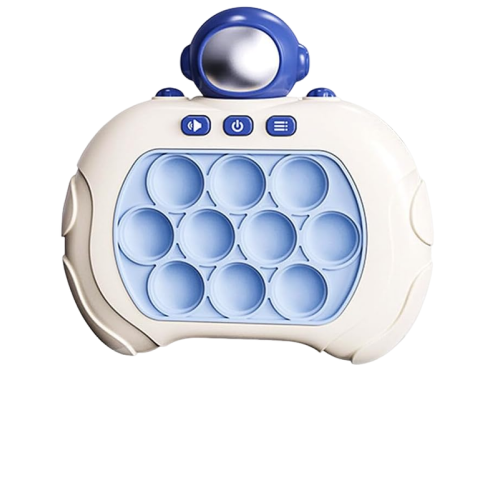
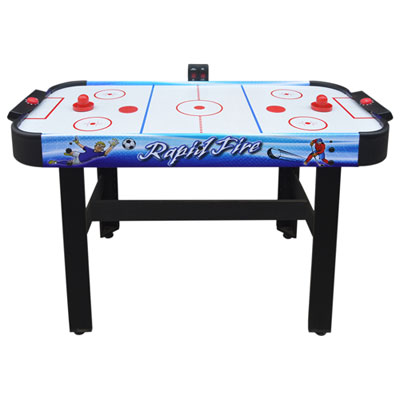
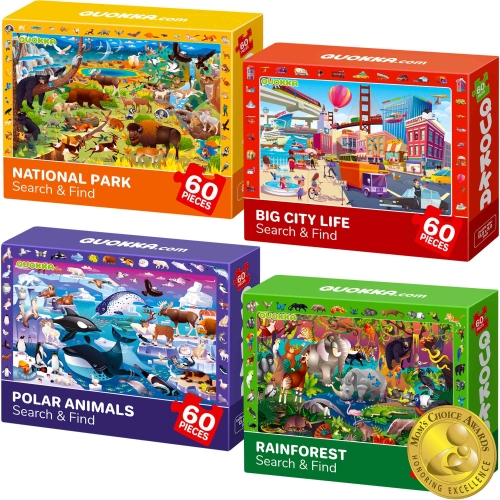
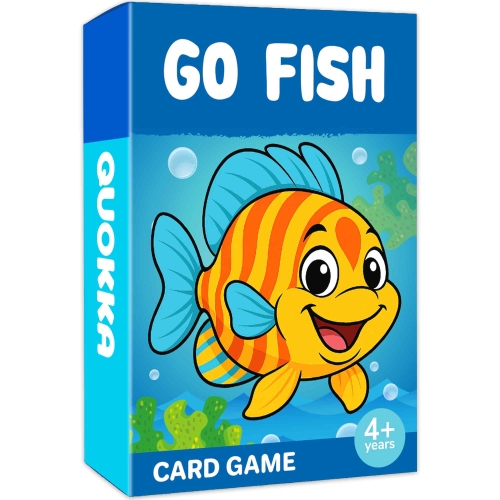
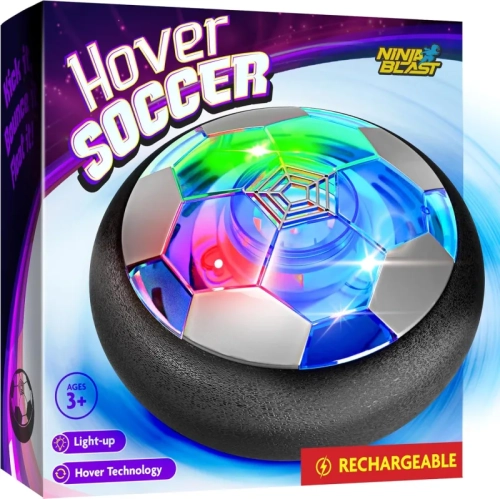
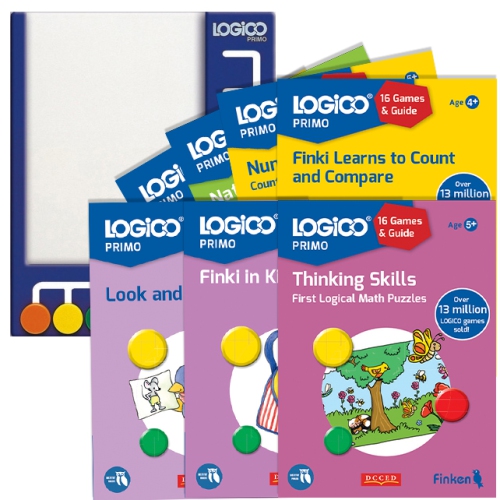
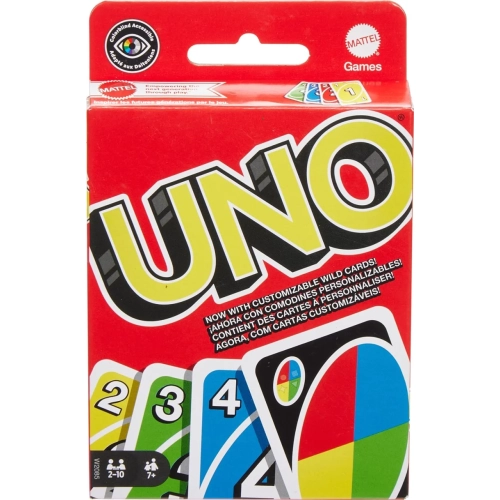
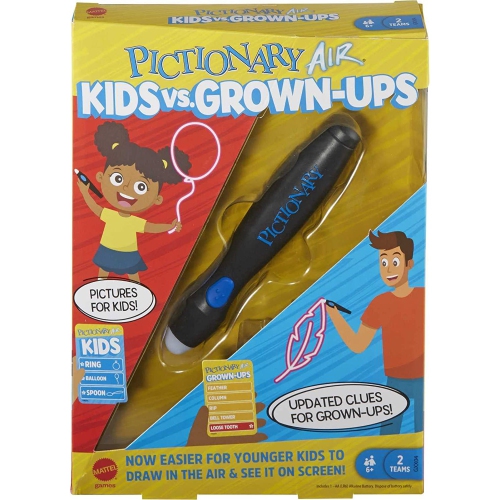
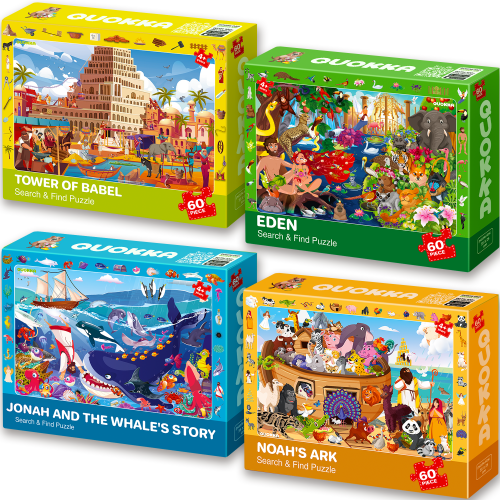
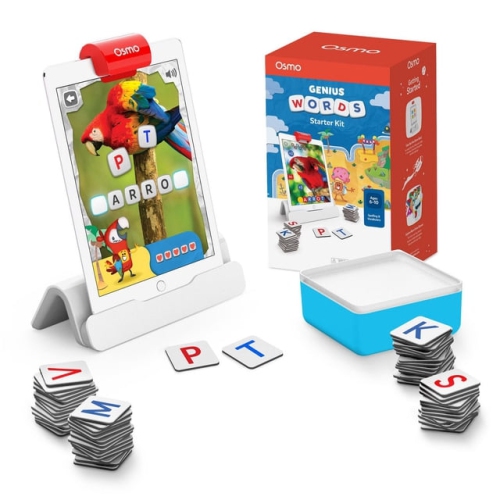
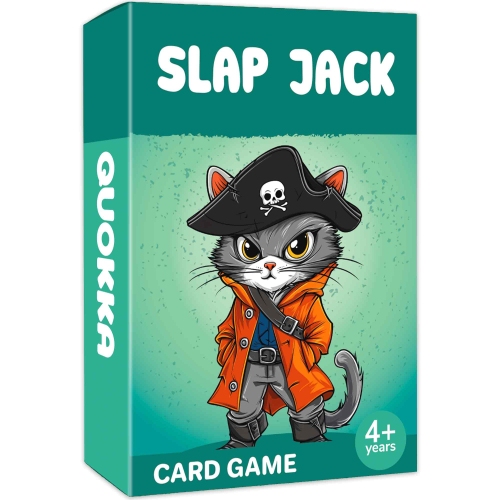


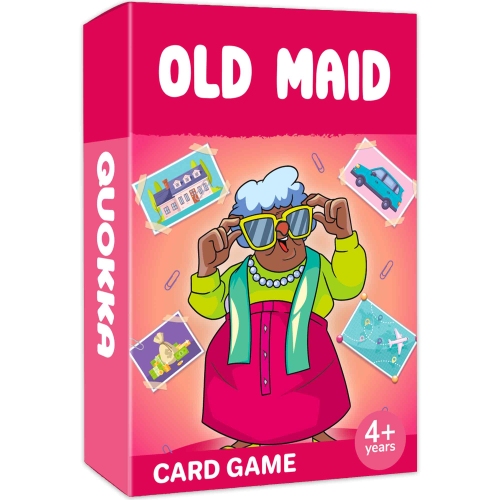
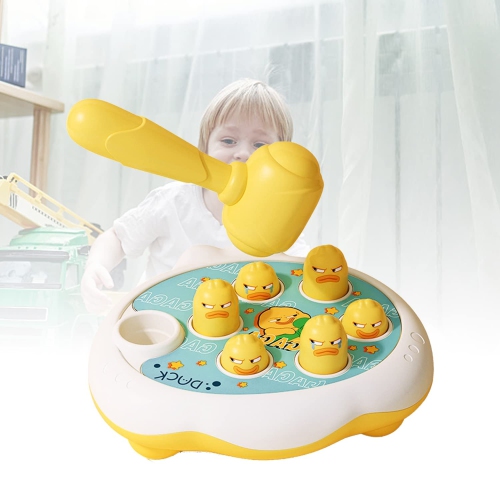
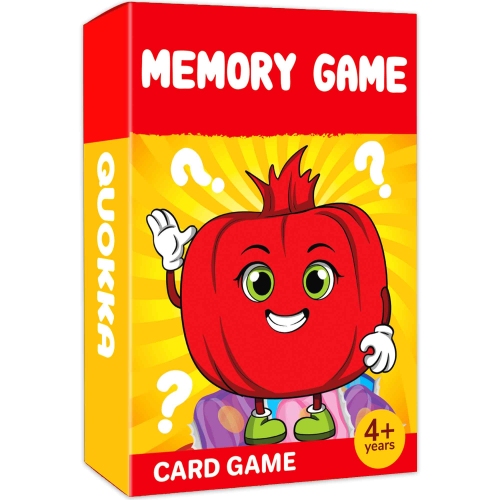
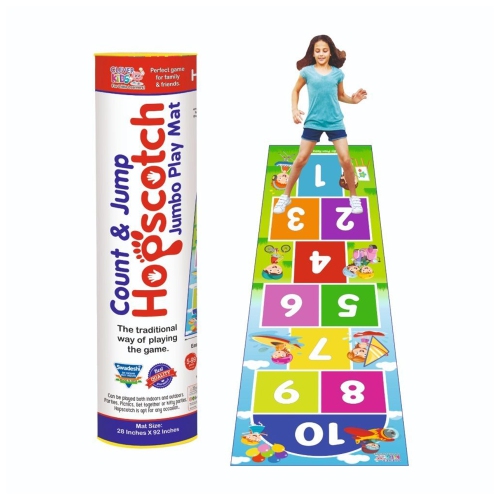
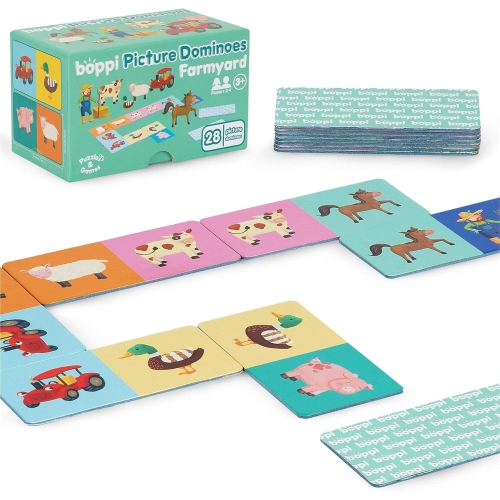
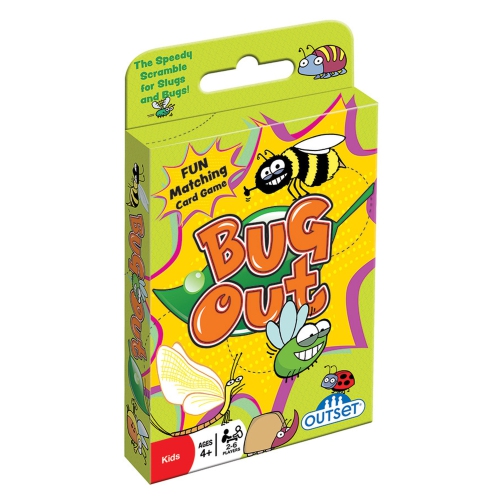

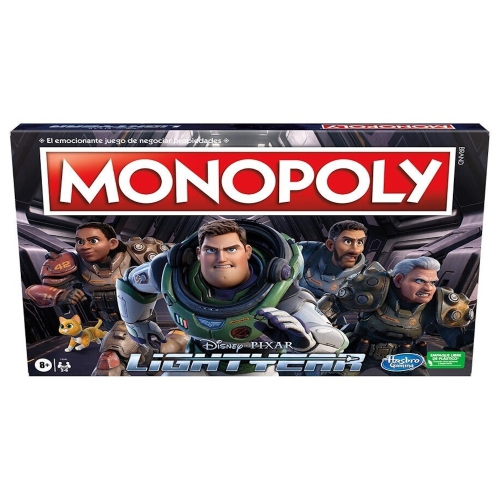
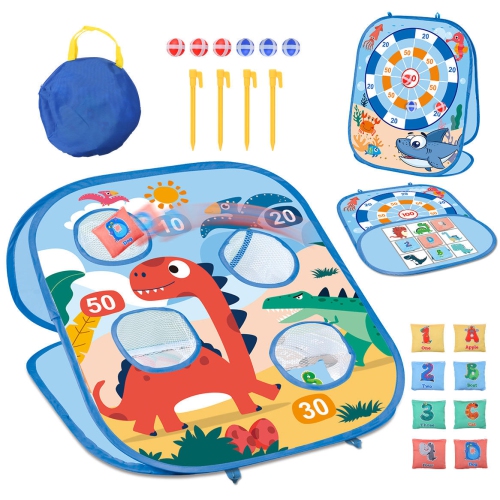
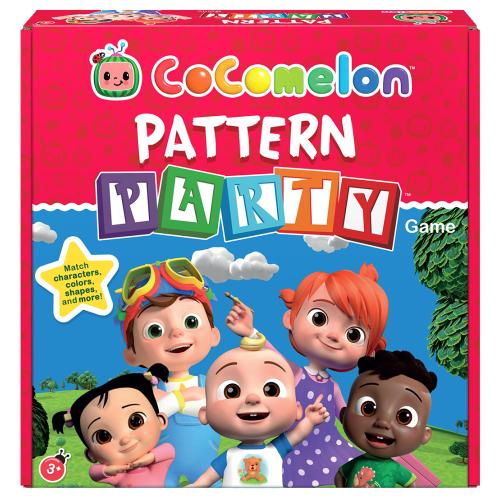
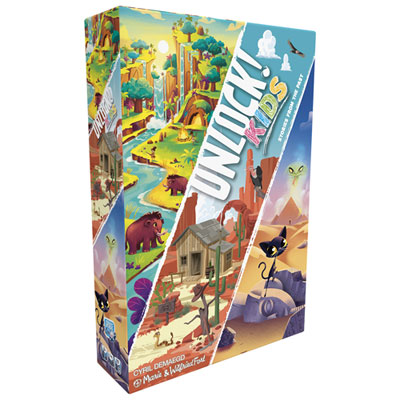
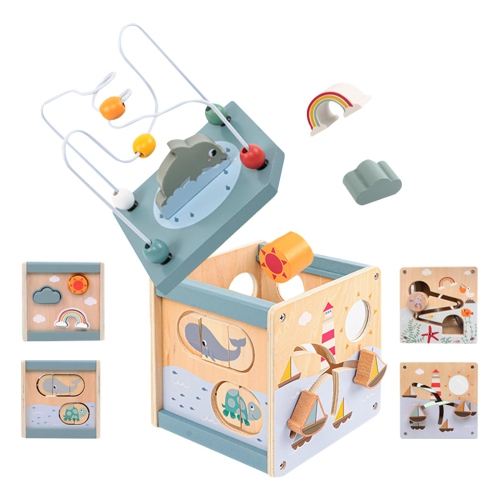
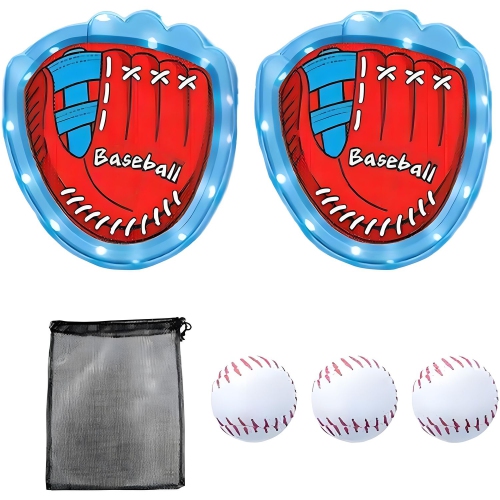
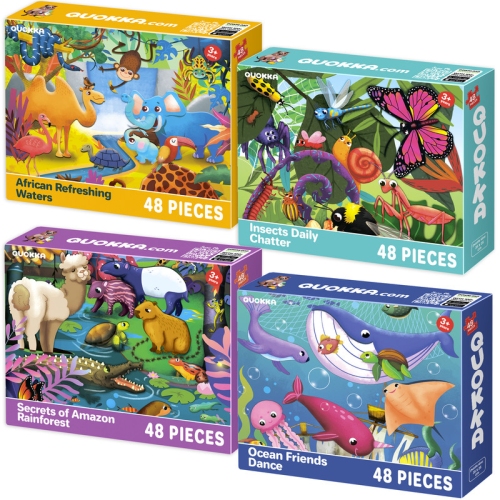

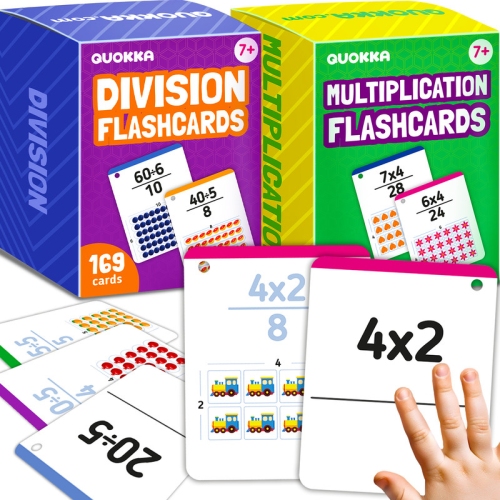
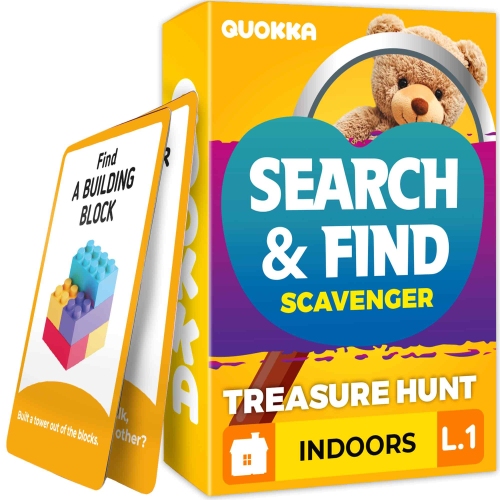


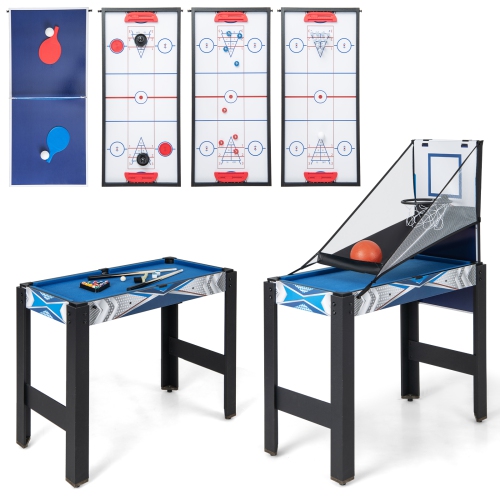
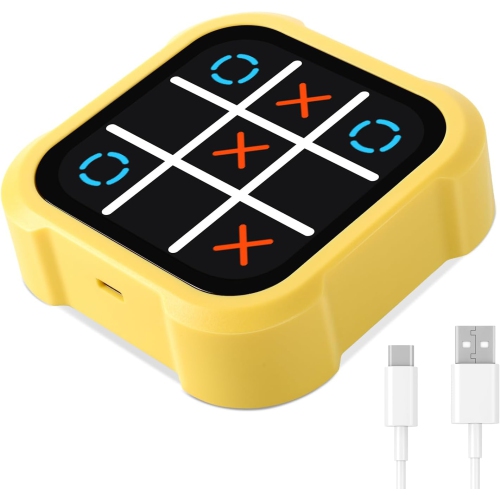
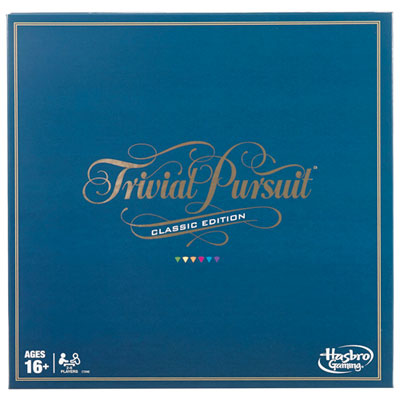
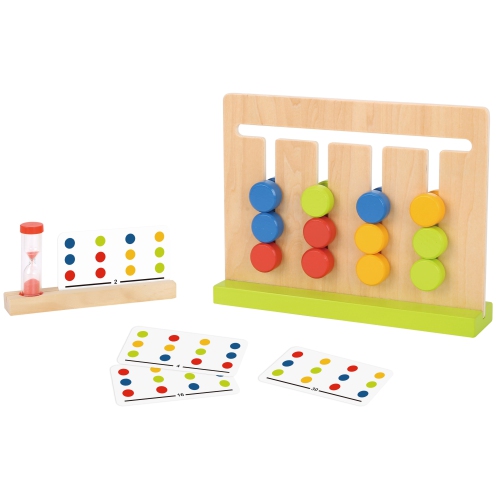
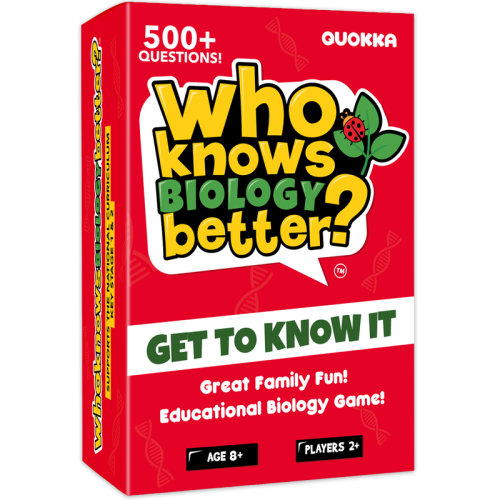
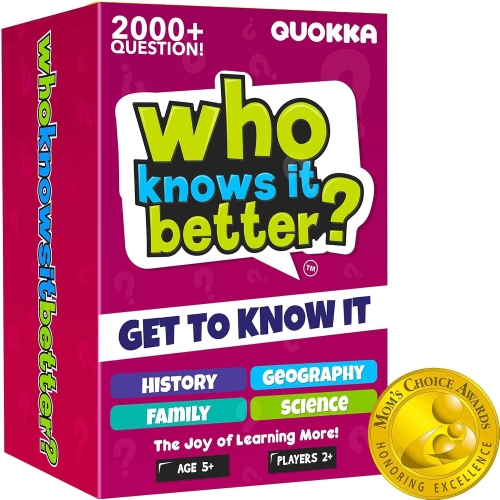
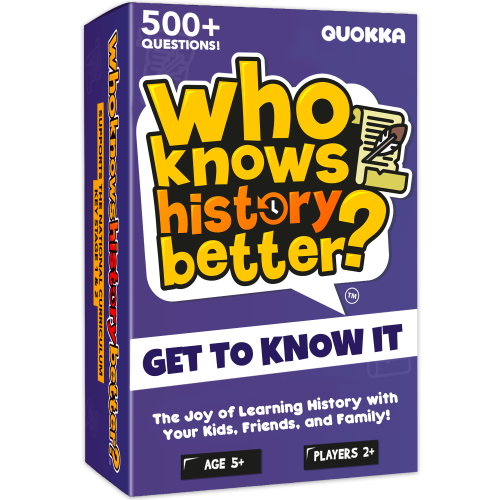
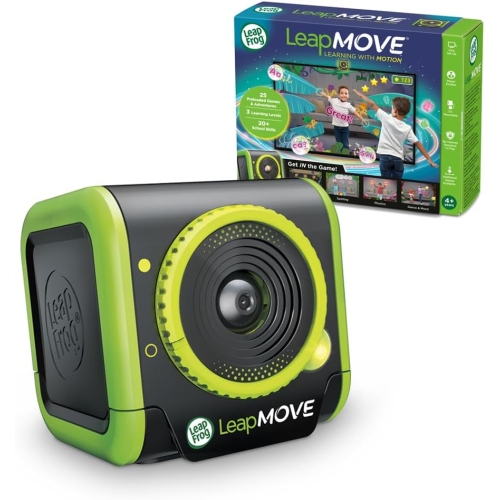
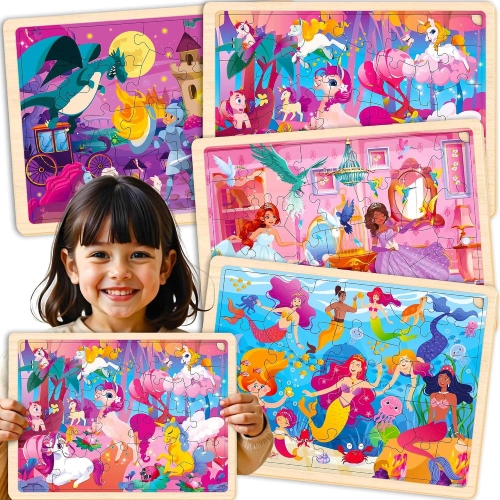
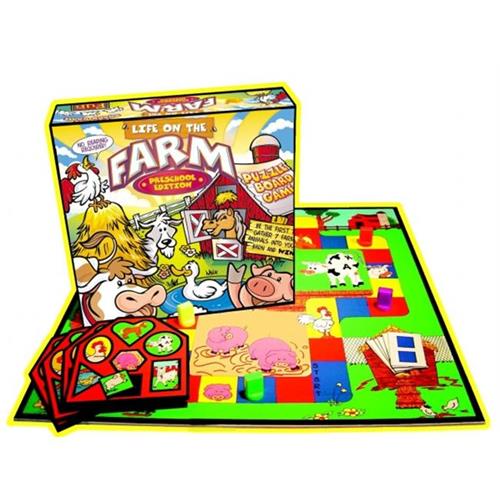
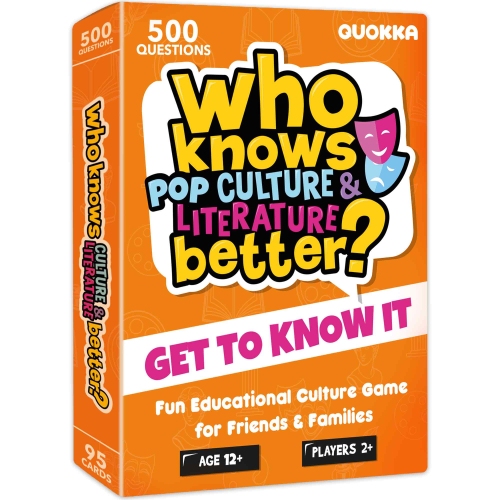
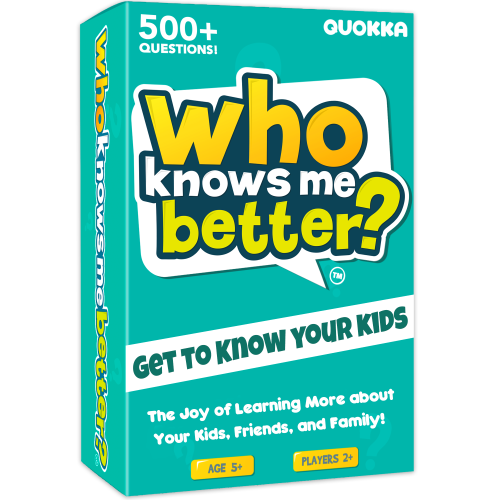
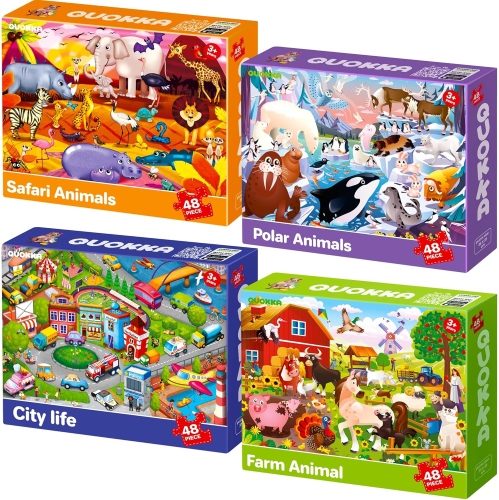
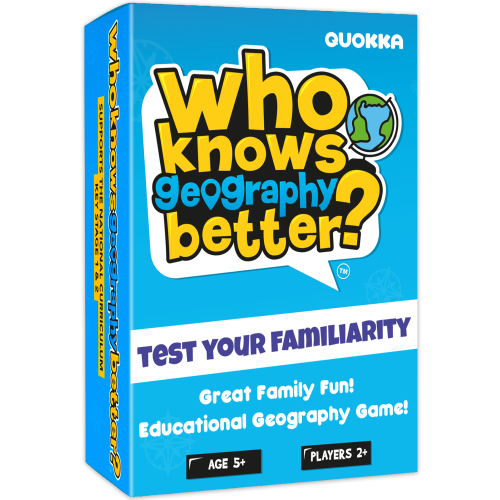
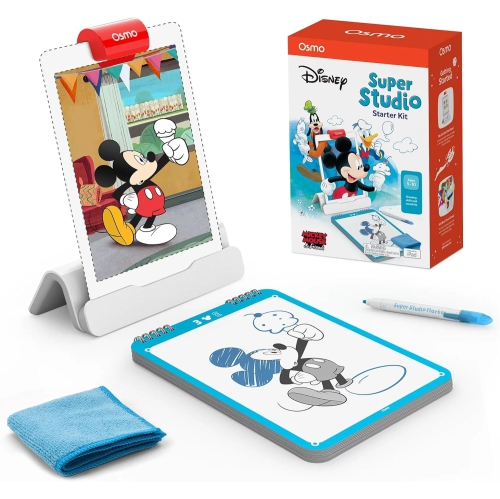
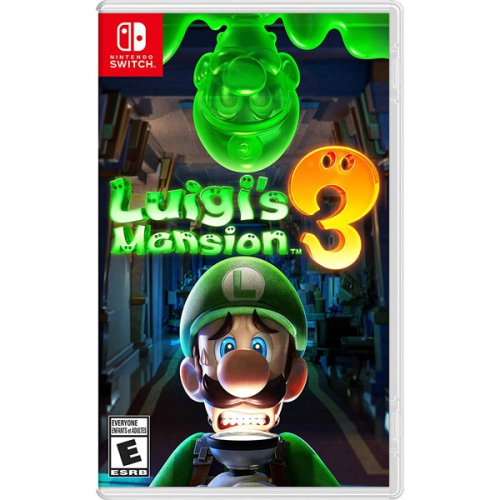
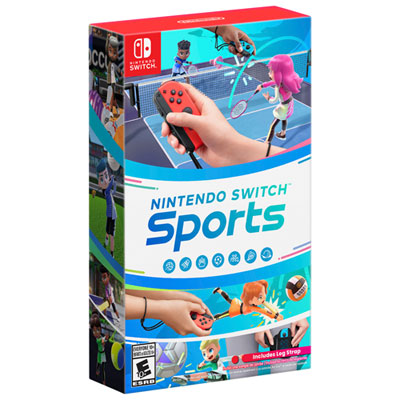

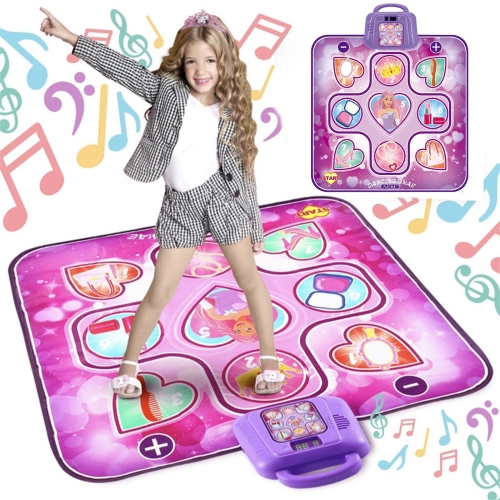
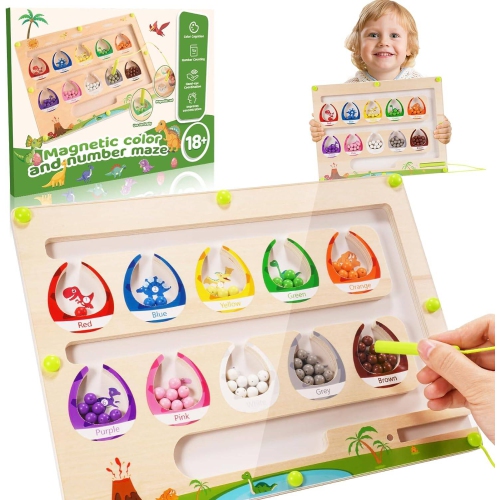

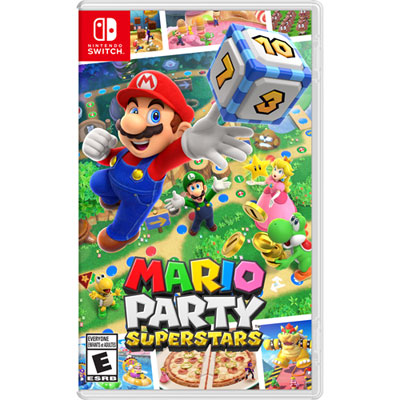
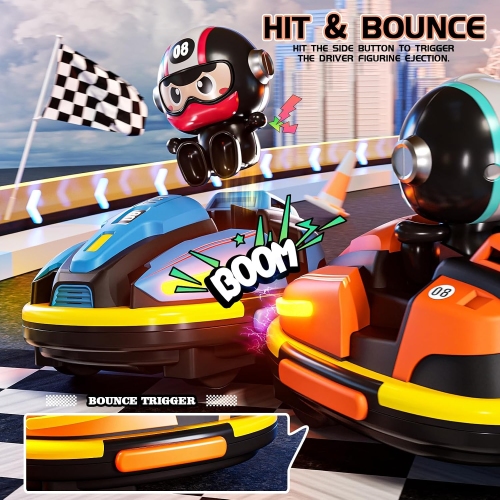
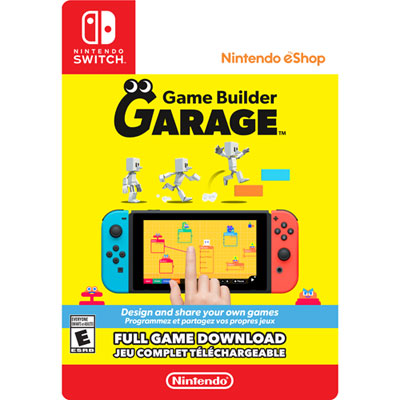
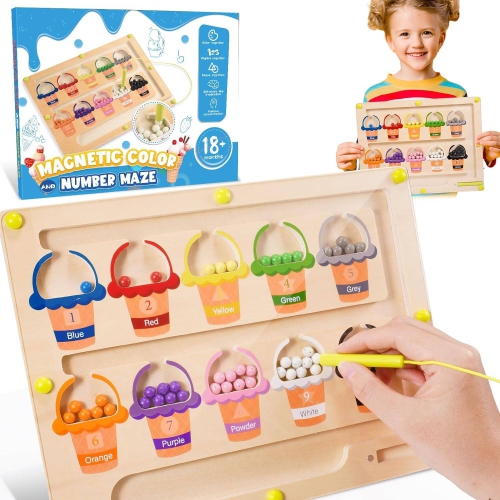
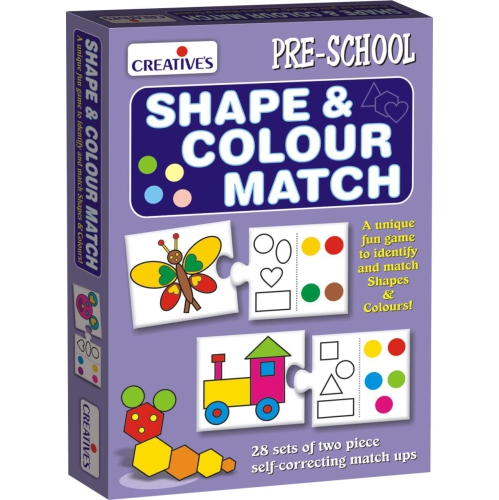

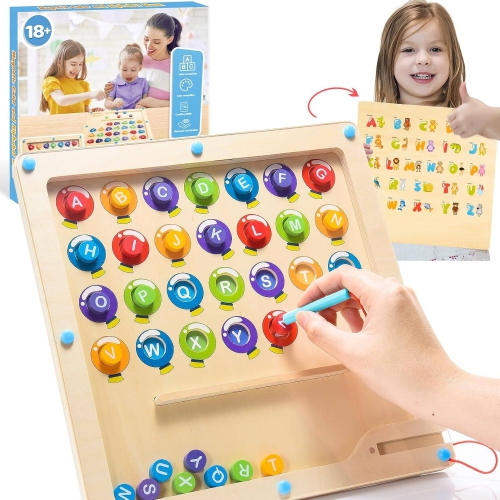
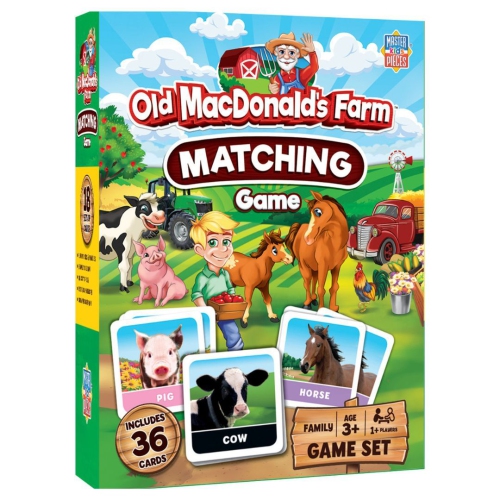
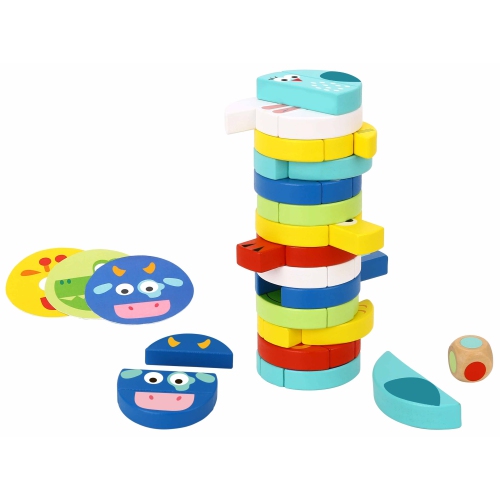
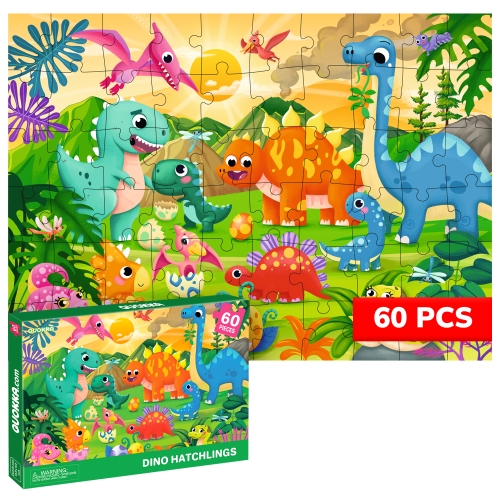


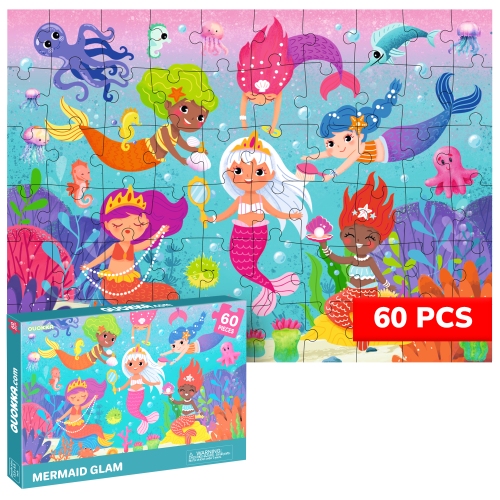

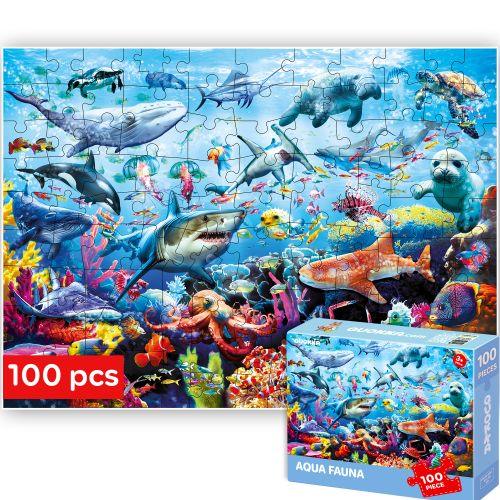
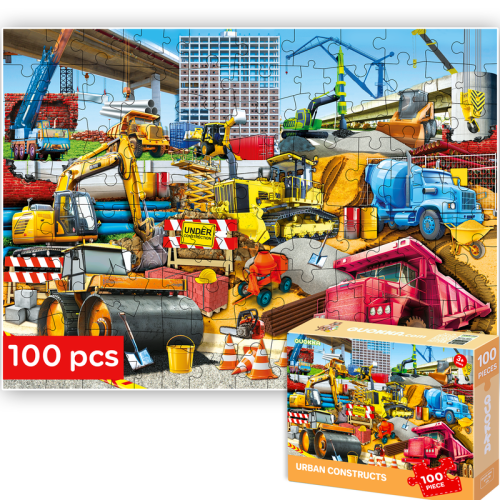
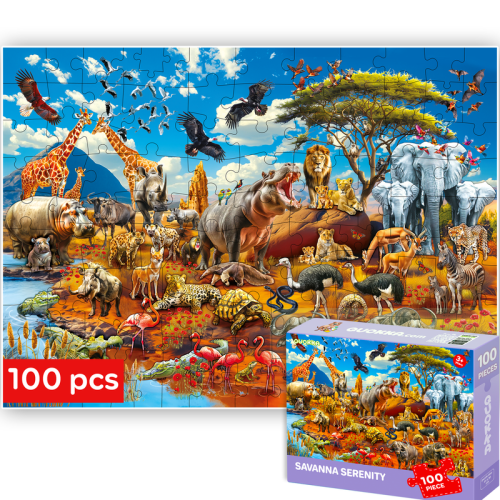
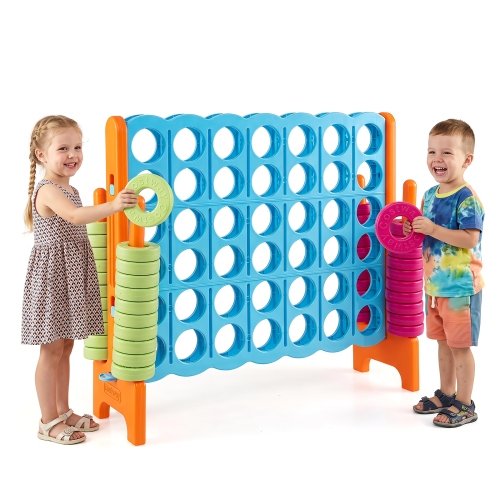
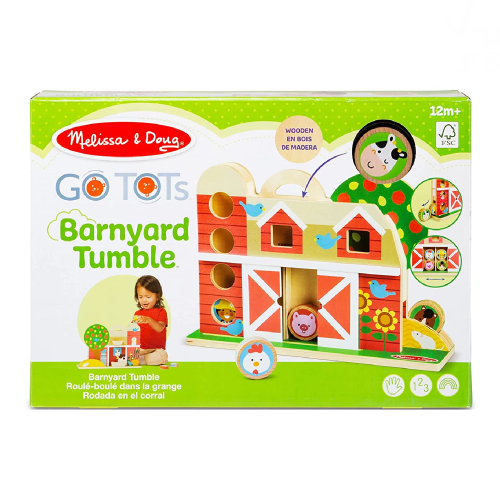
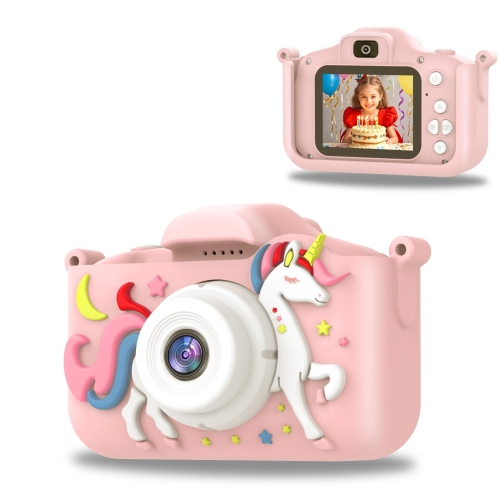
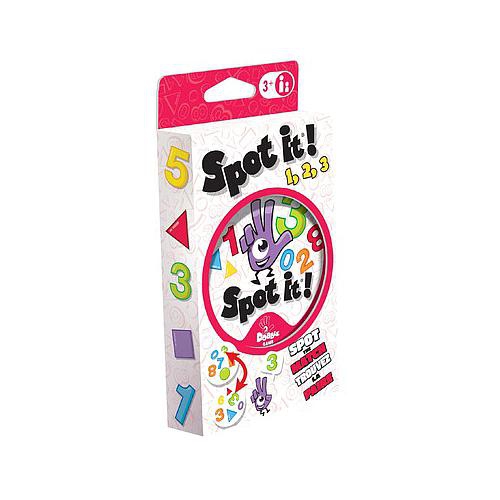
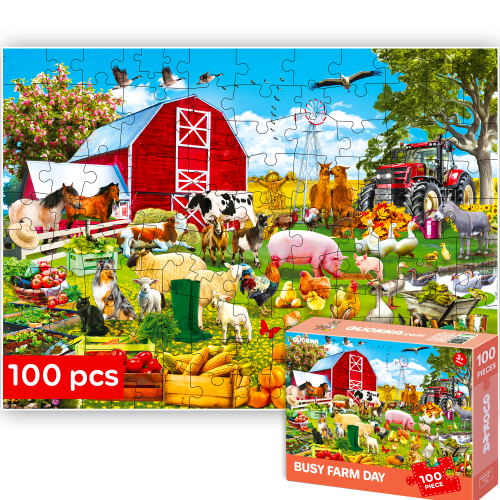
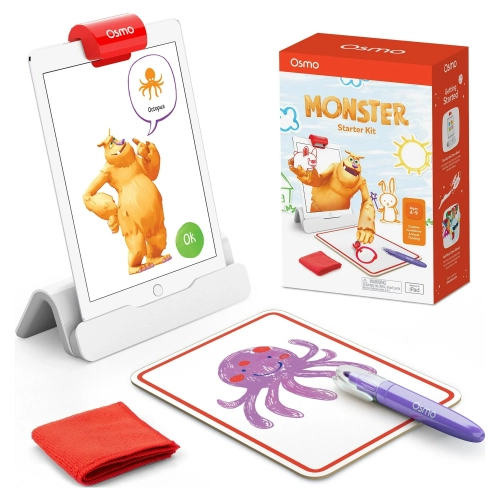
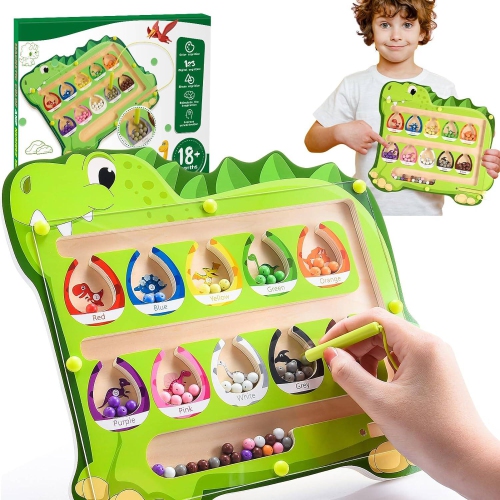
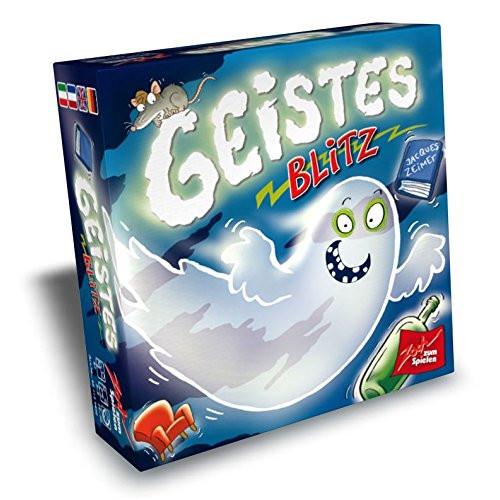
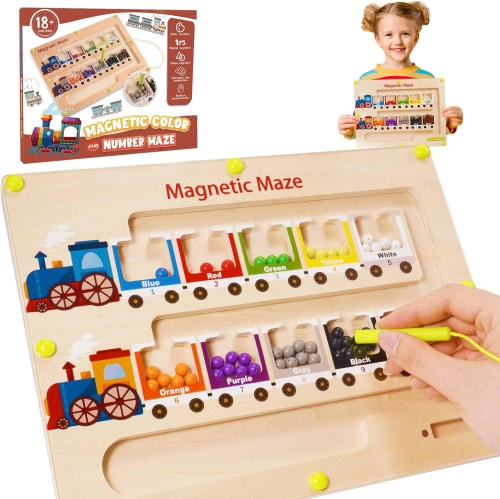


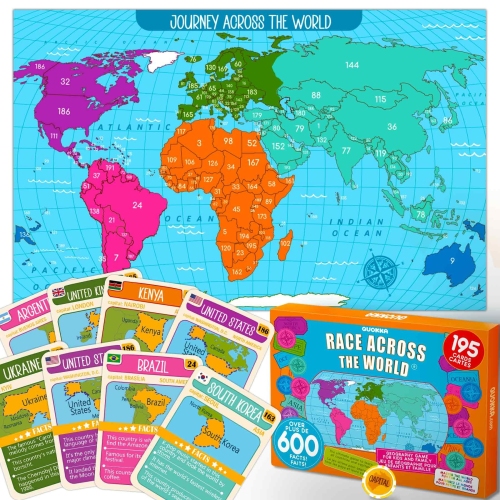
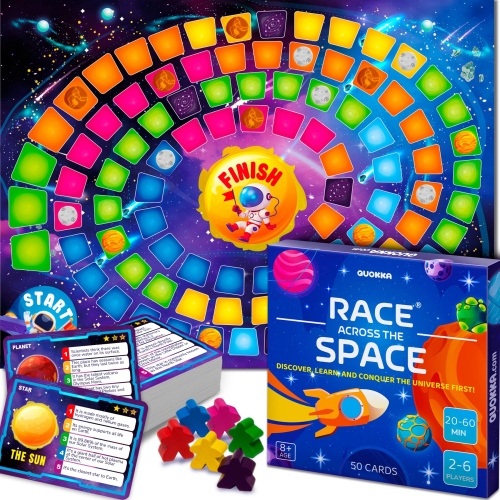

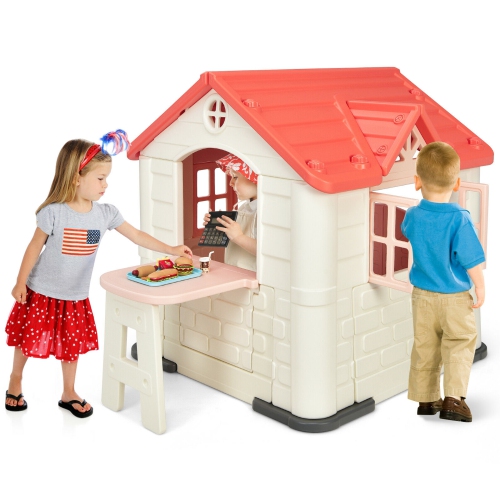
Simple rules and short rounds that invite another turn
Games for 6 year olds often combine simple rules, clear goals, turn-taking, and enough variety to make another round feel inviting. Matching games, beginner board games, picture-based card games, cooperative challenges, and movement games can all suit this age, depending on a child’s interests and experience. Many six-year-olds are beginning to read independently, while others still prefer pictures, symbols, or an adult reading aloud. Games with illustrated instructions and limited text can keep the focus on playing rather than decoding every card. Counting spaces, spotting a matching shape, remembering where a picture appeared, or deciding which piece to move gives children something concrete to work towards. A child who enjoys noticing tiny details may settle into a visual search game, while one who likes being on their feet may prefer copying actions, balancing, or moving between targets. Familiar characters and playful artwork can help spark interest, but the activity underneath matters just as much: a favourite theme is more enjoyable when the rules feel manageable. Cooperative games give players a shared goal, such as completing a task before a marker reaches the end of a track. Competitive games introduce a different rhythm, with opportunities to practise waiting, making choices, and handling a result that does not always go as hoped. Neither style needs complicated rules to hold attention. A clear finish and turns that keep everyone involved often matter more than a large number of pieces or elaborate scoring. Short rounds can be especially useful when a child is learning a new game, since finishing a complete round makes the sequence easier to understand. Games that last around 10 to 20 minutes may fit comfortably between other activities, although the right length varies from child to child. Optional challenges or different difficulty levels can add variety without requiring an entirely new set of rules each time.
The way a game fits into everyday life includes its physical size, materials, storage, and setup. A board that opens across the dining table offers a different experience from a compact card game played on a small side table. Floor-based activities need enough clear space for players to move without bumping into furniture, while tabletop games work best when everyone can comfortably reach the pieces. Large, easy-to-grasp counters and clearly separated spaces can make handling the game less fiddly. Strong colour contrast, distinct shapes, and recognizable symbols are useful when players need to tell pieces apart quickly; designs that do not rely on colour alone offer another way to follow the action. Cardstock, cardboard, wood, fabric, and plastic each bring different qualities to games for children. Thick cards are easier to handle repeatedly than very thin ones, sturdy boards should sit flat, and smooth wooden or moulded pieces should feel comfortable in small hands. Durability also depends on construction, including how well a folding board holds together and whether frequently handled parts resist bending or splitting. Wipe-clean surfaces can simplify care after regular handling, but cleaning methods should follow the manufacturer’s directions, particularly for printed cardboard, fabric components, and electronic parts. A box with compartments or a secure closure helps keep counters, cards, and instructions together. For travel or visits, compact packaging and contained pieces can make play easier to manage on a limited surface, although loose components may still need adult help to prevent them from disappearing under a seat. Age recommendations and warnings remain important even when the rules seem straightforward. Small pieces may be suitable for the intended player but still need to be kept away from younger siblings. Battery-operated games also require attention to secure battery compartments and the stated care instructions. Comfortable handling, suitable challenge, and a manageable play space all contribute to a game that is easier to bring out again.
Player count makes a noticeable difference to how a game feels at home, during a visit, or at a birthday gathering. Two-player games can create a focused moment between a child and a parent, grandparent, sibling, or friend. Games for a larger group need a pace that keeps waiting time reasonable, particularly when several children are learning together. Simultaneous play, shared searches, or a small action on another player’s turn can help everyone stay involved. For mixed-age families, picture cues and adjustable challenges can allow younger players to participate without making the game feel entirely predictable for older children. A memory game may involve recognizing a few pairs at first, then using more cards once the group is comfortable. A storytelling game can leave room for a short description from one child and a more detailed tale from another. These flexible formats make space for different reading levels, attention spans, and communication styles without requiring every player to approach the activity in exactly the same way. Adults can also make an unfamiliar game more approachable by playing an open practice round, with pieces visible and choices discussed before keeping score. Digital games offer another form of play for this age, with suitability depending on the content, controls, reading demands, and supported device. Age ratings, local multiplayer options, accessibility settings, and parental controls help distinguish a shared family activity from an experience that needs closer adult supervision. For gifts, a child’s existing interests provide useful context: enjoyment of stories, numbers, building, music, or physical challenges can point towards different kinds of games without narrowing the choice to one skill. The Toys for 6 Year Old Boys collection offers another starting point for a broader gift search. Games with straightforward setup and replayable activities can become familiar favourites, whether brought out for a quick round after homework or shared with visiting friends. A game that feels welcoming on the first attempt and still leaves a little room to improve has plenty to offer beyond its first play.
Top selling and popular products
-
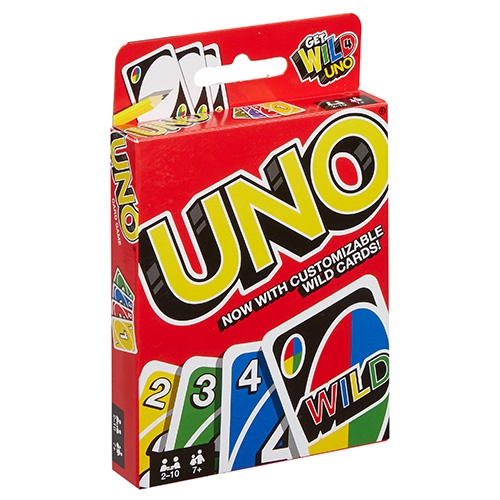 Your price for this item is $14.99
-
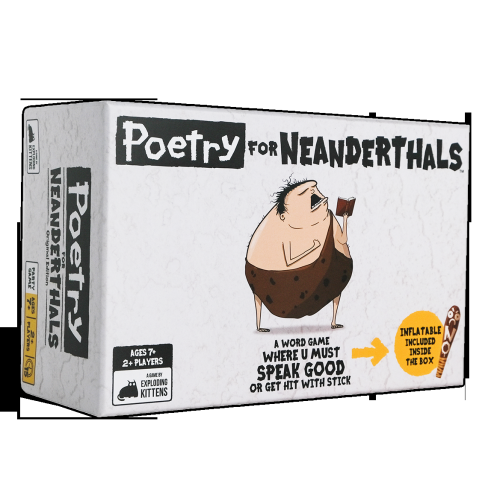 Your price for this item is $34.99
-
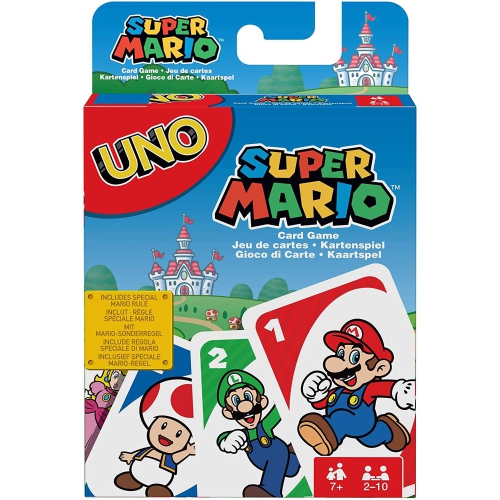 Your price for this item is $15
-
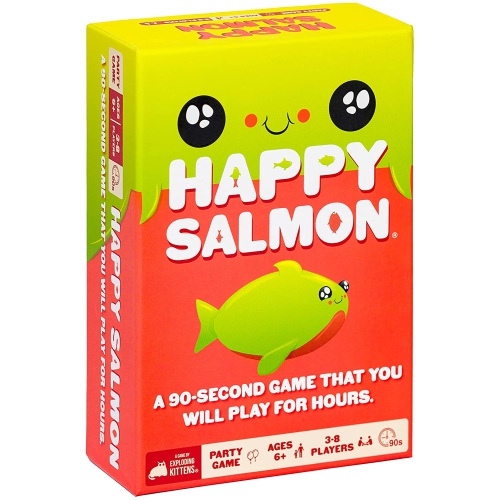 Your price for this item is $21.99
-
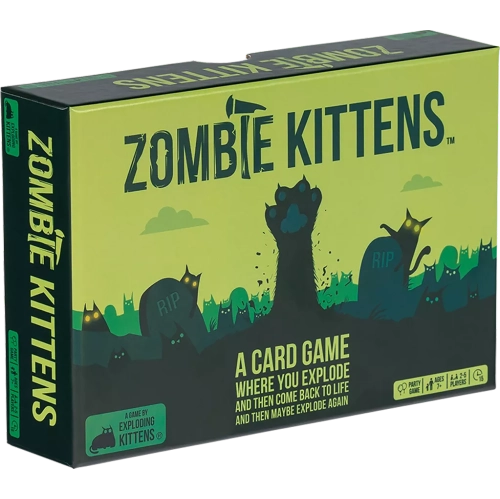 Your price for this item is $34.99
-
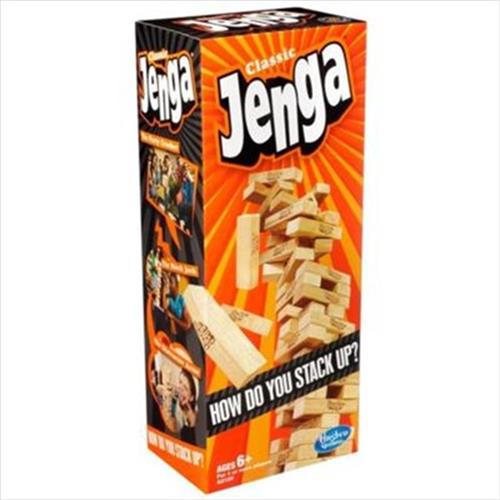 Your price for this item is $24.99
-
 Your price for this item is $20.93
-
 Your price for this item is $31.99
Discover more categories related to Games for 6 Year Olds

Top Collections:
Pokemon Centers, Best Cameras for Sports Photography, Kindle Devices, Samsung Galaxy Phones, Canon G7X Cameras, Pokémon 30th Celebration Cards, Refurbished Apple Laptops, iPhone 15 Apple, Laptops for Students, Budget Smartphones
Some products may be subject to Environmental Handling Fees
(EHF) depending on your province.
Learn more about EHFs.